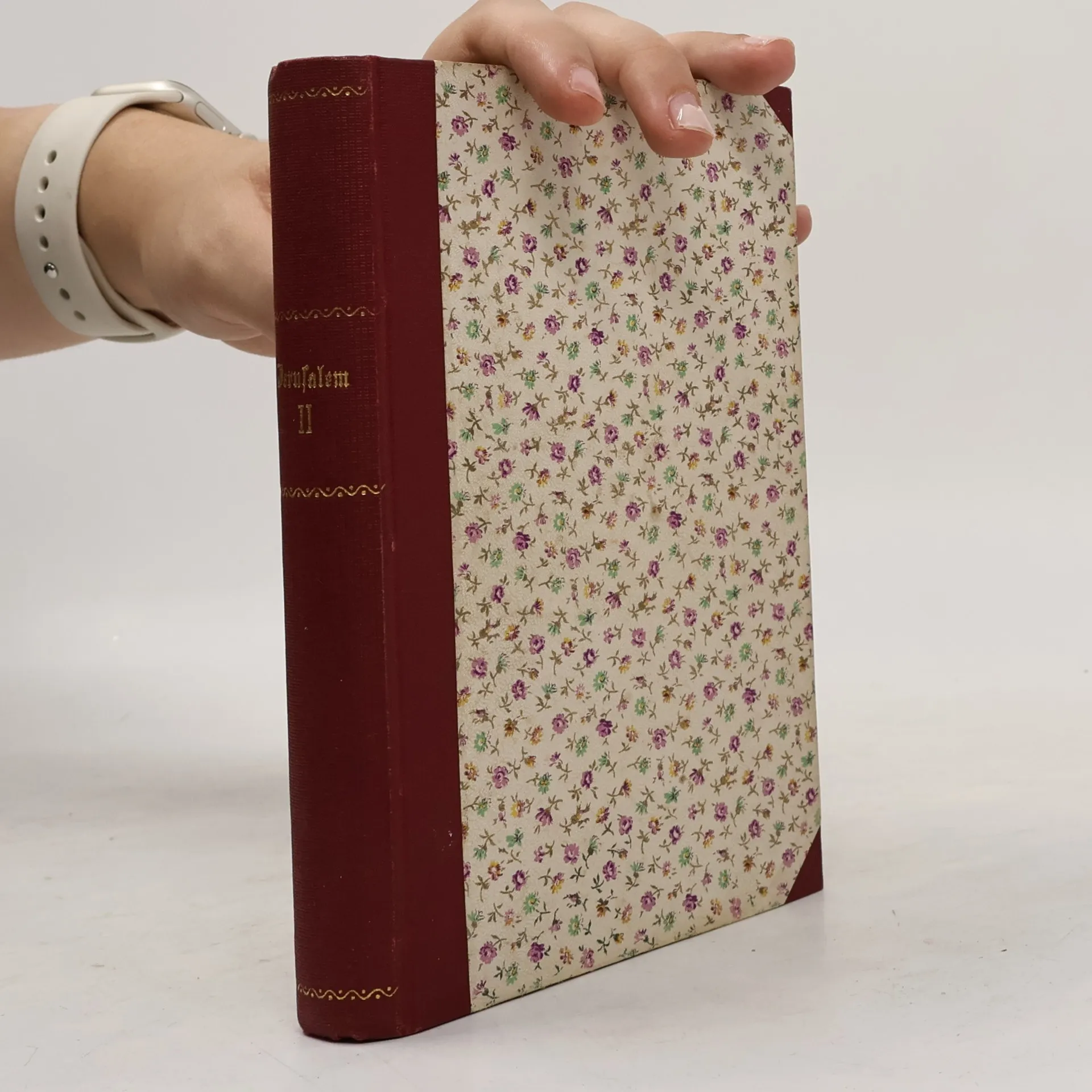
„Mein Leben ist ein hübsches Märchen, so reich und glücklich“, sagte Hans Christian Andersen von sich. Und es scheint, als habe der große Märchenerzähler aus Dänemark mit diesen Worten nicht nur sein Leben, sondern auch seine Lebensaufgabe umschrieben, nämlich den Menschen mit seiner Dichtung das große und das kleine Glück und den ungeheuren Reichtum des Lebens vor Augen zu führen. Den Zauber dieser Märchenwelt hat der dänische Maler Svend Otto S., Träger der Hans-Christian-Andersen-Medaille, des Internationalen Jugendbuchpreises, mit seinen Illustrationen liebevoll hervorgehoben.
Pauline Klaiber Books
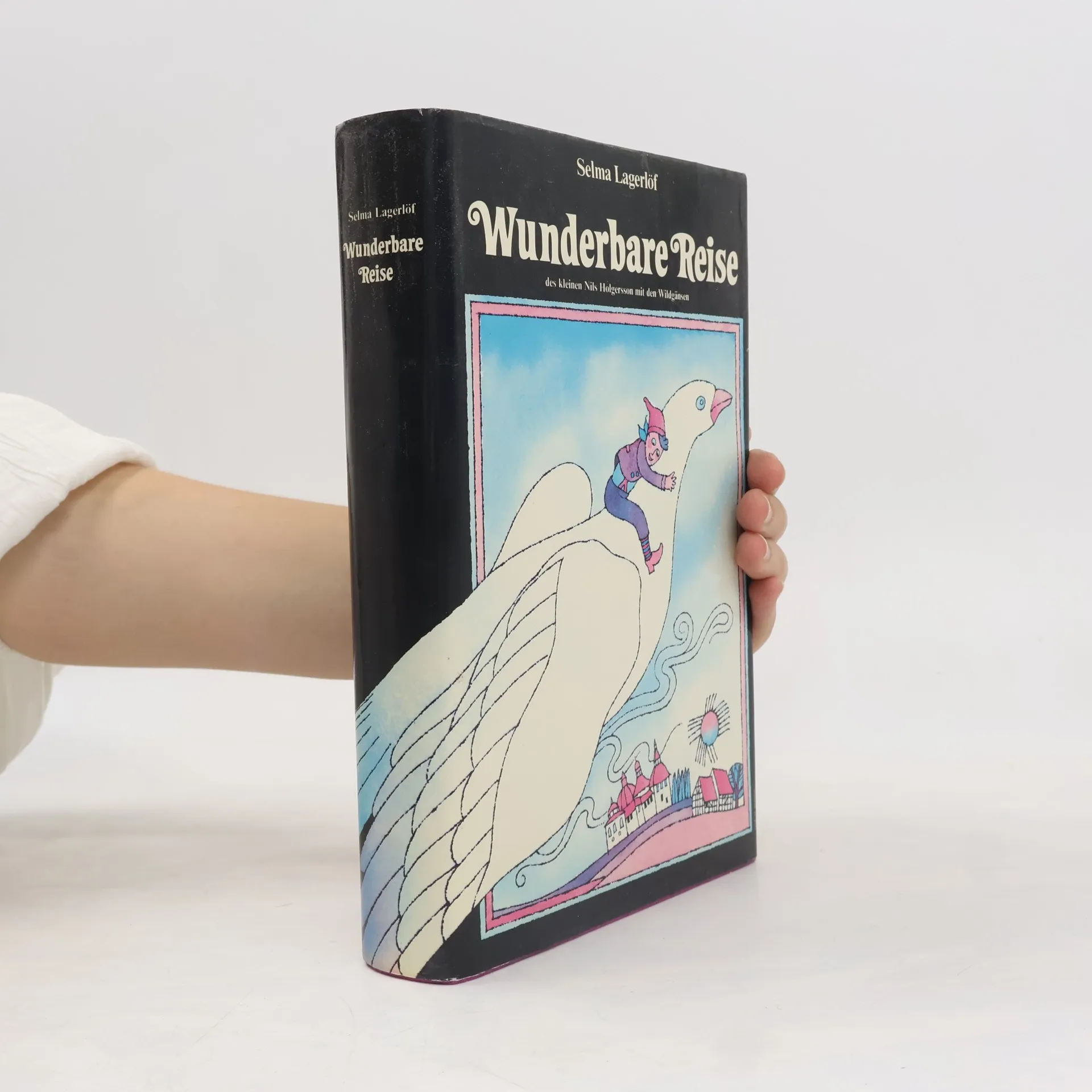


Gosta Berling's Saga
- 604 pages
- 22 hours of reading
GÖsta Berling is a failed parson in nineteenth century rural Sweden, too fond of pleasure and the drink, torn by conflicting aims -- the charm and deceit, love and laziness in him fighting for supremacy. He teams together with a group of sometimes dissolute, often well-meaning freemen of their district to evict the seemingly mad owner of a great rambling house at the centre of its own semi-feudal estate, Ekeby. This group call themselves the cavaliers. In her telling of what happens next, LagerlÖf creates a strange fusion between the realism of authors like Ibsen and Strindberg and the mythic force of the Scandinavian sagas. GÖsta's great loves, his enemies, those to whom he teaches lessons about life, either intentionally or accidentally, and others whose stories he has only a small part in, all start up from the page into a strange, elemental clarity, creating a sprawling mosaic of romance and realism. This first novel from the deeply original mind of the 1909 Nobel Prize winner weaves a balance between everyday rural reality and underlying dreams and fable to create a patchwork of extraordinary complexity and looming fascination, in which the reader can detect the author's passion for the stories of her country, and her sceptical warmth for the troubled human spirit.
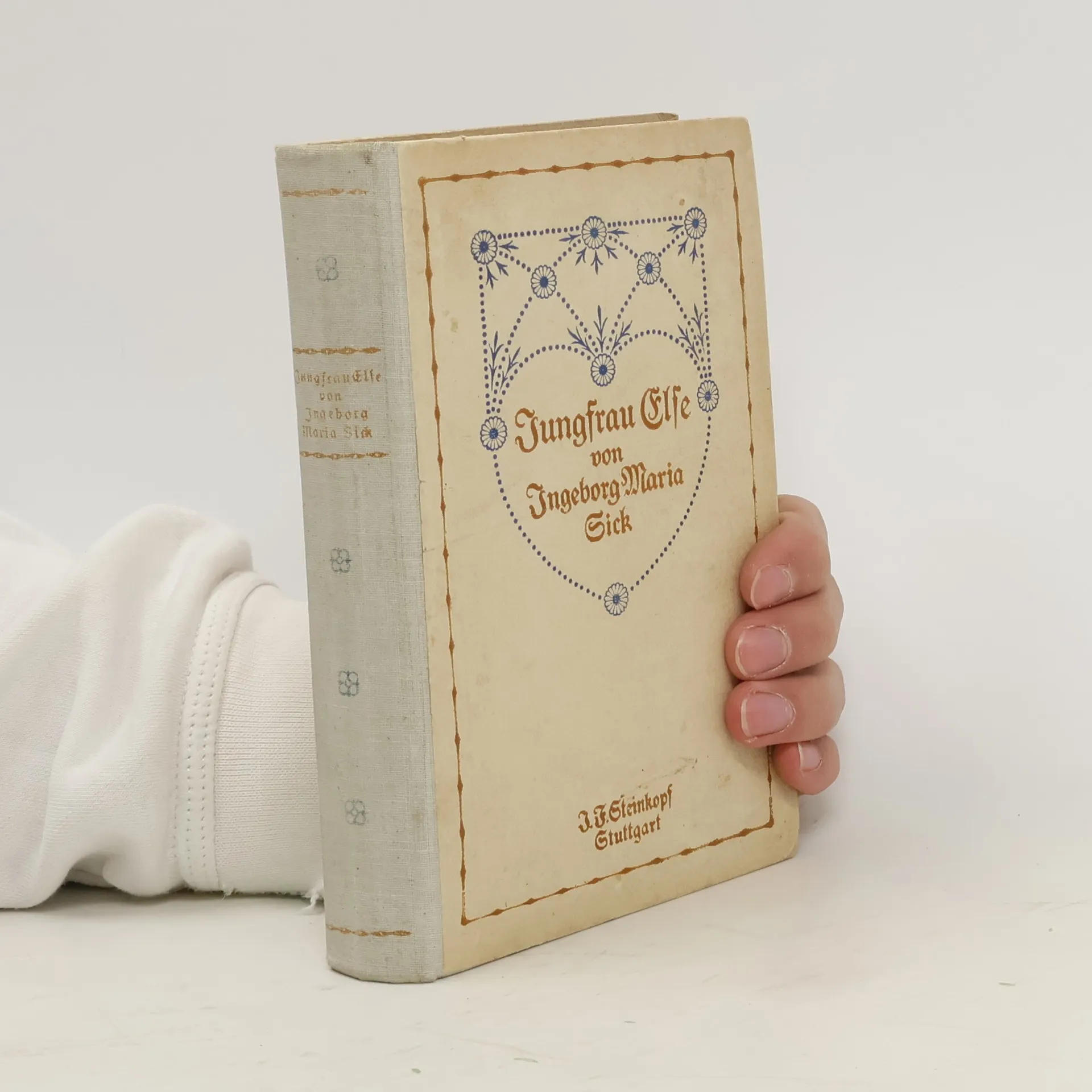
The Wonderful Adventures of Nils
- 96 pages
- 4 hours of reading
In this classic Swedish folk tale, Nils is shrunk to a tiny size by a dwarf, and carried across Sweden by a flock of wild geese.
Roald Amundsen, der norwegische Polarforscher, unternahm 1903 eine bedeutende Expedition mit seinem Schiff Gjöa, um die Nordwest-Passage zu erkunden. Seine Reise gilt als eine der entscheidenden Unternehmungen in der Geschichte der Polarforschung und zeigt den Mut und die Entschlossenheit eines Pioniers, der sich den extremen Bedingungen der Arktis stellte. Amundsens Abenteuer ist nicht nur eine Geschichte von Entdeckung, sondern auch von Herausforderungen und der Suche nach neuen Handelsrouten.
Jerusalem II
Im heiligen Lande