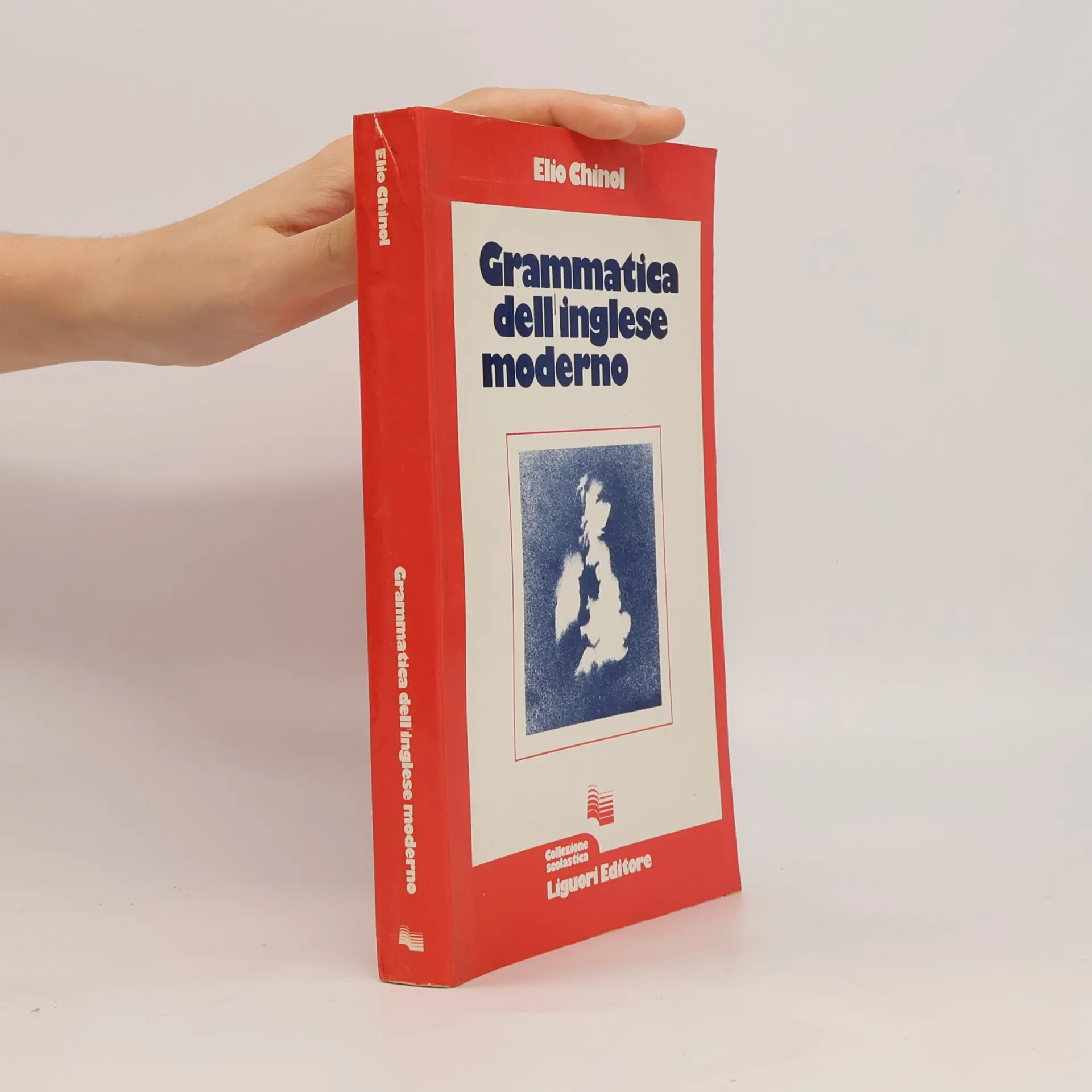
The marriage of Gertrude and Walter Morel has become a battleground. Repelled by her uneducated and sometimes violent husband, delicate Gertrude devotes her life to her children, especially to her sons, William and Paul - determined they will not follow their father into working down the coal mines. But conflict is evitable when Paul seeks to escape his mother's suffocating grasp through relationships with women his own age. Set in Lawrence's native Nottinghamshire, "Sons and Lovers" (1913) is a highly autobiographical and compelling portrayal of childhood, adolescence and the clash of generations.
Elio Chinol Book order (chronological)
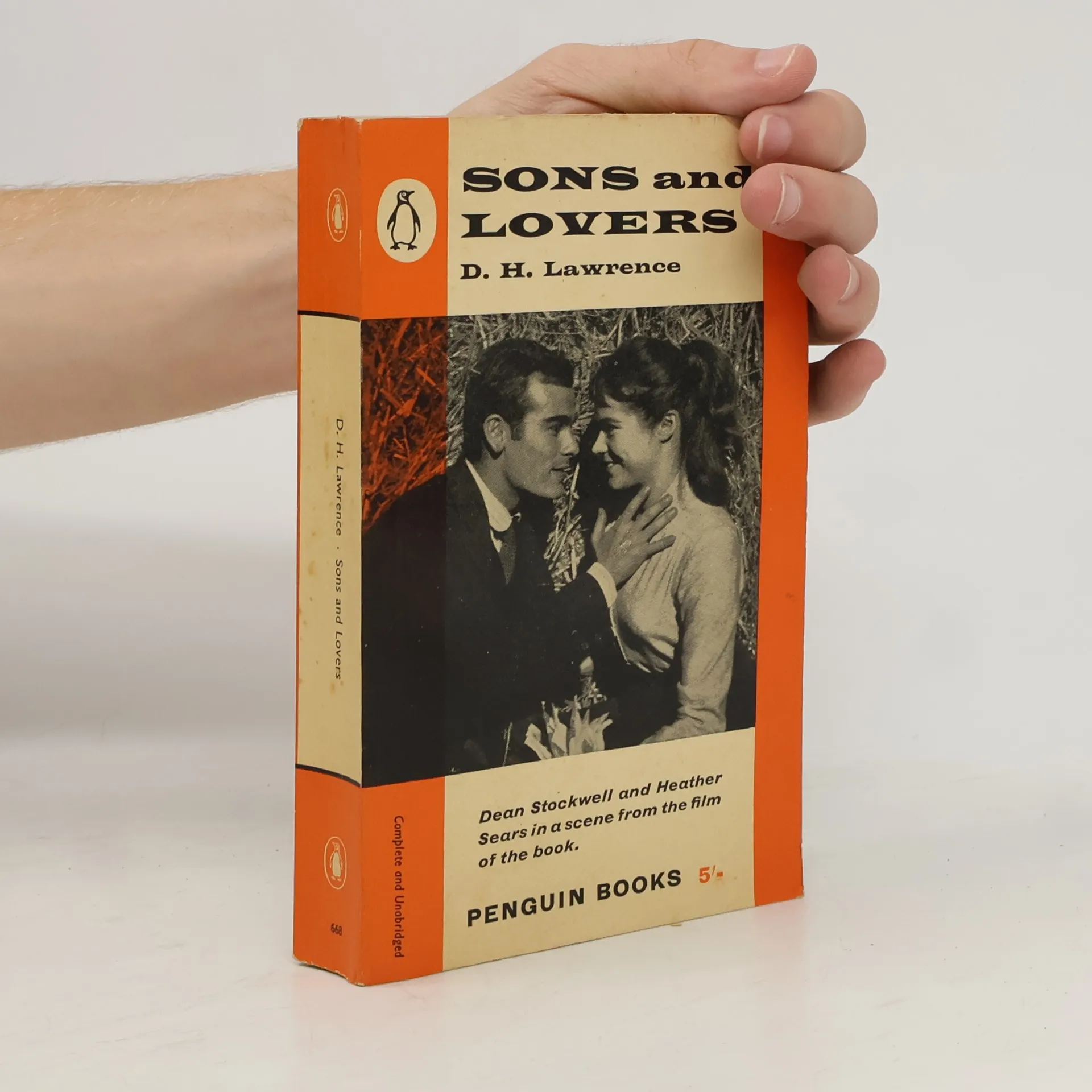
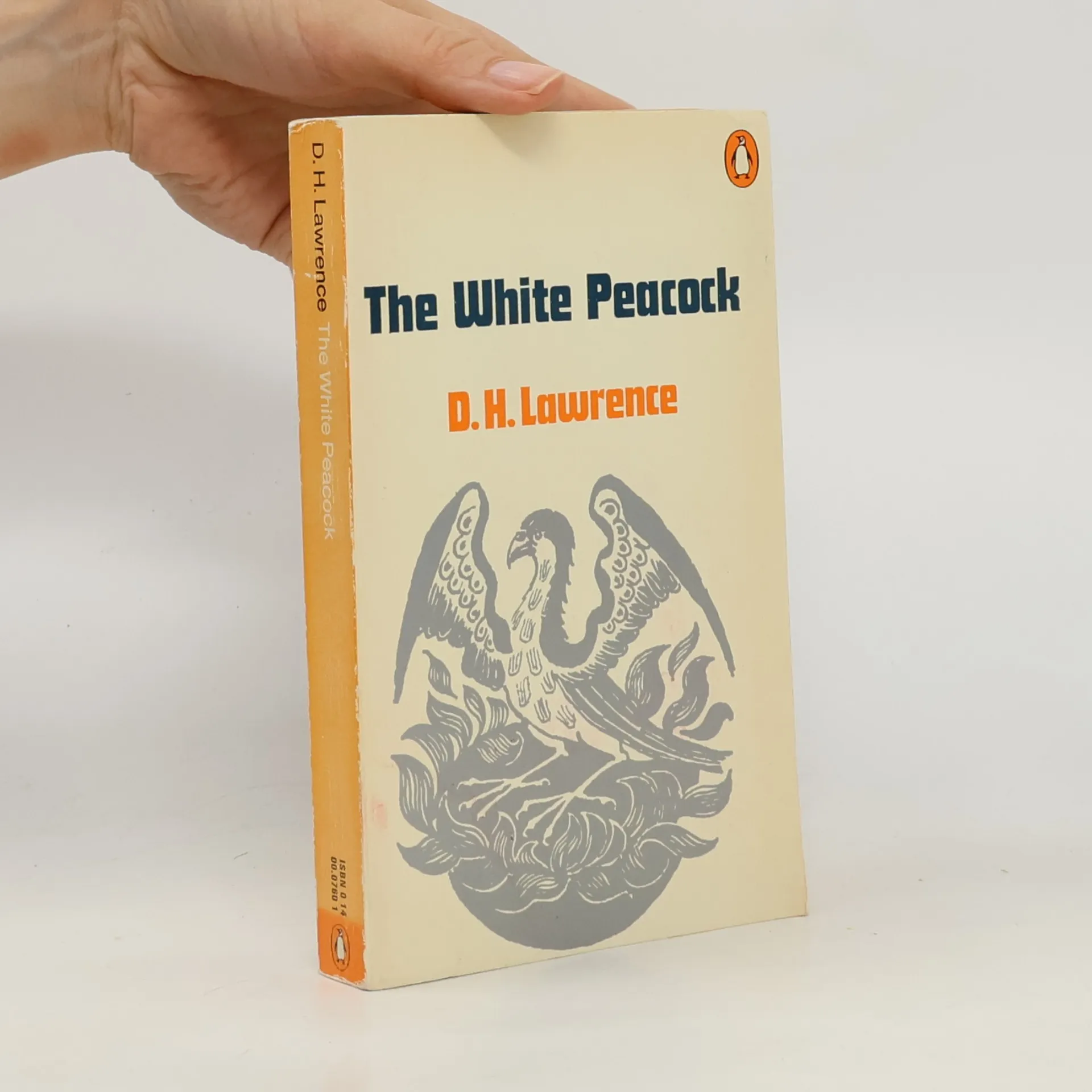
The White Peacock, narrated by Cyril Beardsall, explores the complexities of love and marriage in Nethermere. His sister Laetitia is torn between two suitors, George and Leslie, ultimately choosing Leslie. Both marriages lead to unhappiness, highlighting the themes of mismatched unions and the tension between urban and rural life.
This vintage book comprises 'Confessions of an English Opium-Eater'; an autobiographical account of Thomas De Quincey's opium addiction and the effect that it had on his life. This text was the first major book that De Quincey published, and one that made him famous in a very short period of time. De Quincey's Confessions assumed an authoritative influence on the public, as well as scientific opinion of opium for several generations. It went through almost innumerable editions and revisions despite the fact that he was generally criticised for putting too much emphasis on the positive aspects of opium intoxication. Thomas Penson De Quincey (1785 1859) was an English essayist who was most renowned for writing this book. We are republishing this vintage work now in an affordable, modern edition complete with a new prefatory biography of the author."