Le Livre de Poche: L'Orchestre rouge
- 890 pages
- 32 hours of reading
Étude sur le groupe d'espionnage russe Orchestre rouge, qui était actif pendant la Seconde Guerre mondiale en Allemagne nazie et dans les territoires occupés par les Allemands.


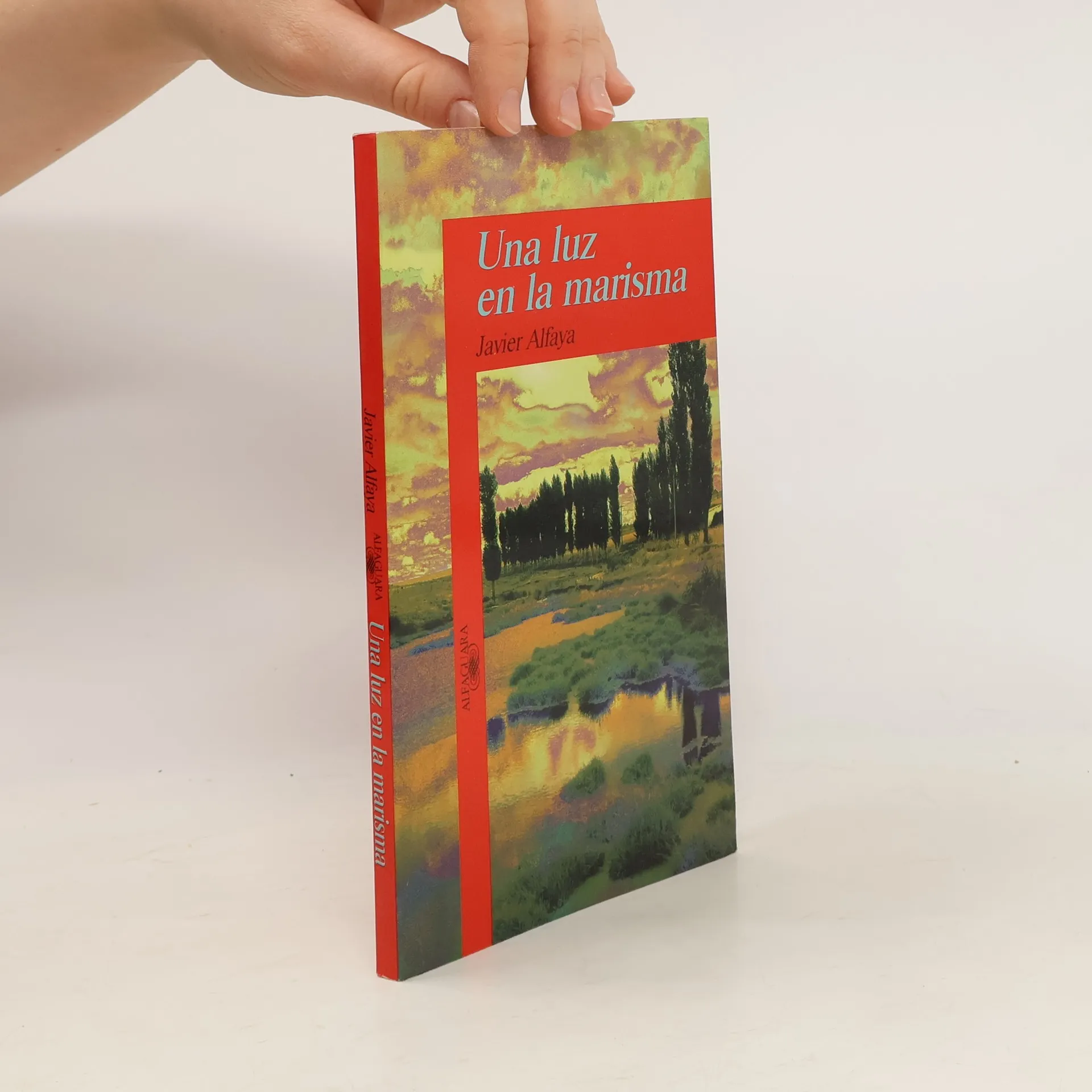
Javier Alfaya carved out a significant career as a journalist in both Spanish and international press, contributing to progressive and left-leaning magazines as well as prominent newspapers. His journalistic endeavors extended to cultural publications and international titles, showcasing a broad engagement with societal and artistic discourse. As a translator, working alongside his family, he rendered essential works by global authors into Spanish, enriching the literary landscape. His extensive correspondence with leading literary and musical figures, donated to the National Library, highlights his deep connections within the intellectual and creative spheres.



Étude sur le groupe d'espionnage russe Orchestre rouge, qui était actif pendant la Seconde Guerre mondiale en Allemagne nazie et dans les territoires occupés par les Allemands.
Publicado en 1916, en pleno horror de la Gran Guerra, Vicente Blasco Ibáñez (1867-1928) representó con singular éxito en Los cuatro jinetes del Apocalipsis las diferentes fuerzas, intereses y mentalidades cuyo enfrentamiento llevó a la primera conflagración mundial. Estructurado en torno a la historia de dos familias - los Desnoyer y los Hartrott - que, aunque en parte provienen de un tronco común, pertenecen cada una a una de las partes en conflicto, la novela recorre ágilmente los escenarios dantescos de una Europa rota, en cuyos desolados campos de batalla el gran vitalista que fue Blasco hace finalmente salvaje e invencible la voluntad de vivir.
La obra se centra en los acontecimientos acaecidos durante la primera guerra mundial en la que se ven enfrentadas dos familias procedentes del mismo tronco “Julio Madariaga” argentino. Al fallecer éste, sus hijas, Luisa casada con el francés Marcelo Desnoyers y Elena casada con el alemán Karl von Hartrott (ambos trabajaban para Madariaga en su gran hacienda) regresan a Europa, aquellos a París y éstos a Alemania. El protagonista de la obra es Julio Desnoyers, hijo de Luisa y don Marcelo y nieto de Julio Madariaga. La buena posición económica y social de su padre hace que Julio, pintor y bailarín, se dedique a una vida disipada y algo licenciosa, sin ningún sentimiento patriótico. Pero cuando estalla la guerra, Julio se alista en el ejército, ahí sufrirá una gran transformación personal...
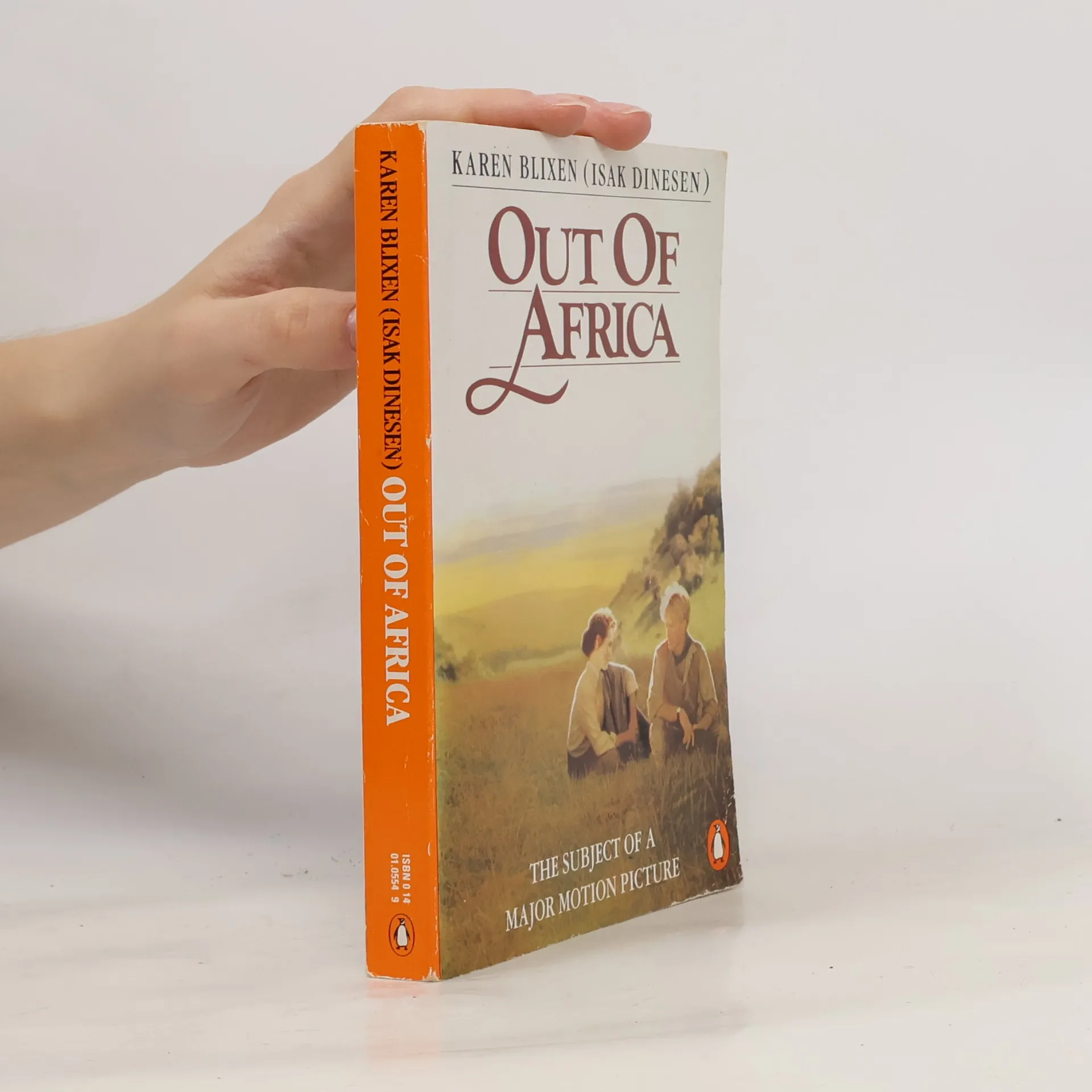
Out of Africa is Isak Dinesen's memoir of her years in Africa, from 1914 to 1931, on a four-thousand-acre coffee plantation in the hills near Nairobi. She had come to Kenya from Denmark with her husband, and when they separated she stayed on to manage the farm by herself, visited frequently by her lover, the big-game hunter Denys Finch-Hatton, for whom she would make up stories "like Scheherazade." In Africa, "I learned how to tell tales," she recalled many years later. "The natives have an ear still. I told stories constantly to them, all kinds." Her account of her African adventures, written after she had lost her beloved farm and returned to Denmark, is that of a master storyteller, a woman whom John Updike called "one of the most picturesque and flamboyant literary personalities of the century."
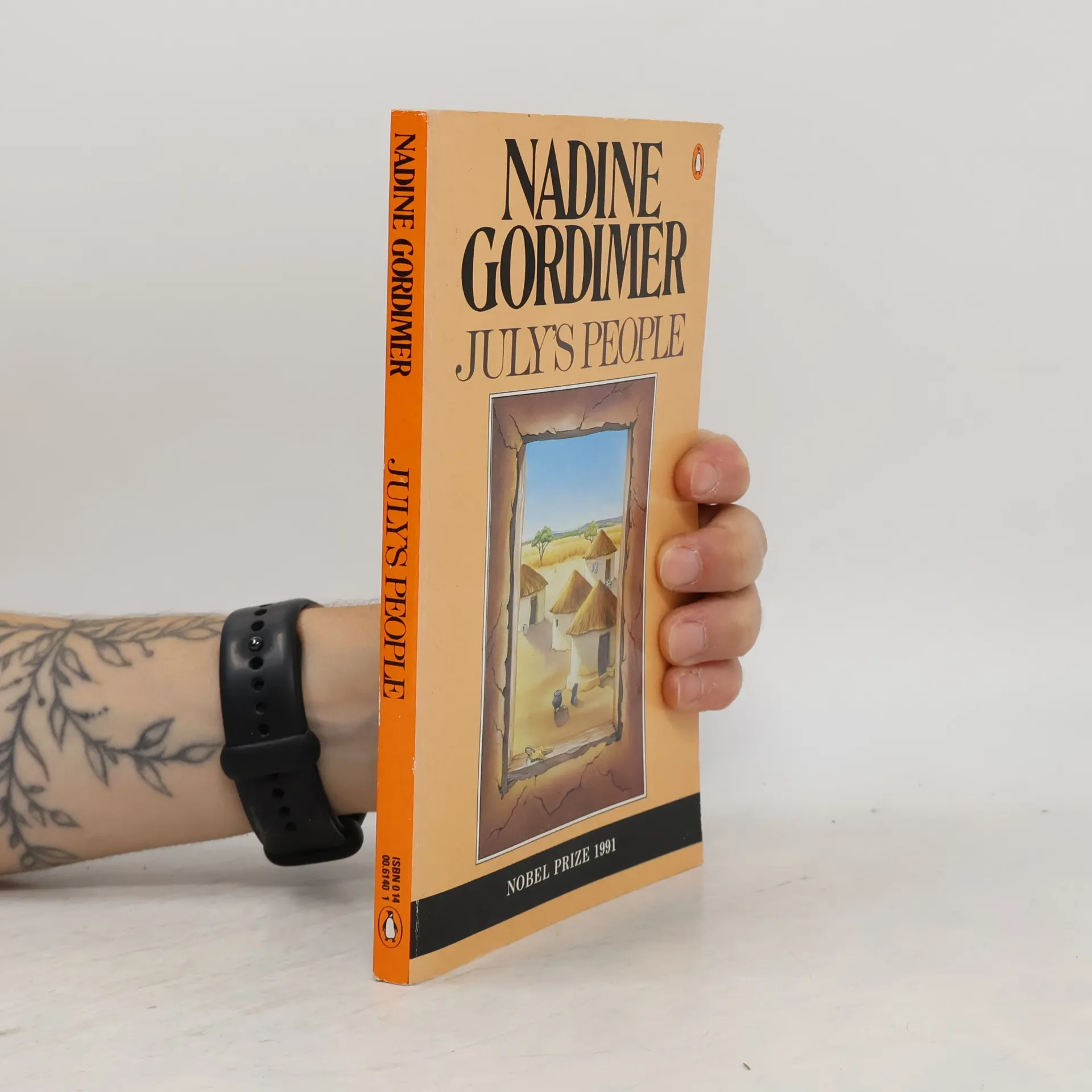
For years, it had been what is called a “deteriorating situation.” Now all over South Africa the cities are battlegrounds. The members of the Smales family—liberal whites—are rescued from the terror by their servant, July, who leads them to refuge in his village. What happens to the Smaleses and to July—the shifts in character and relationships—gives us an unforgettable look into the terrifying, tacit understandings and misunderstandings between blacks and whites.Nadine Gordimer was a winner of the Nobel Prize in Literature
A un vagabundo se le atribuye un misterioso crimen. Gabriel y su hermana han visto algo que pone en duda la versión oficial de la policía y realizarán una investigación paralela para que se haga justicia.