A distinguished figure at Oxford University, this influential tutor and administrative reformer was also a theologian and a renowned translator of Plato and Thucydides. As Master of Balliol College, he shaped generations of students through his intellectual impact and dedication to educational advancement.
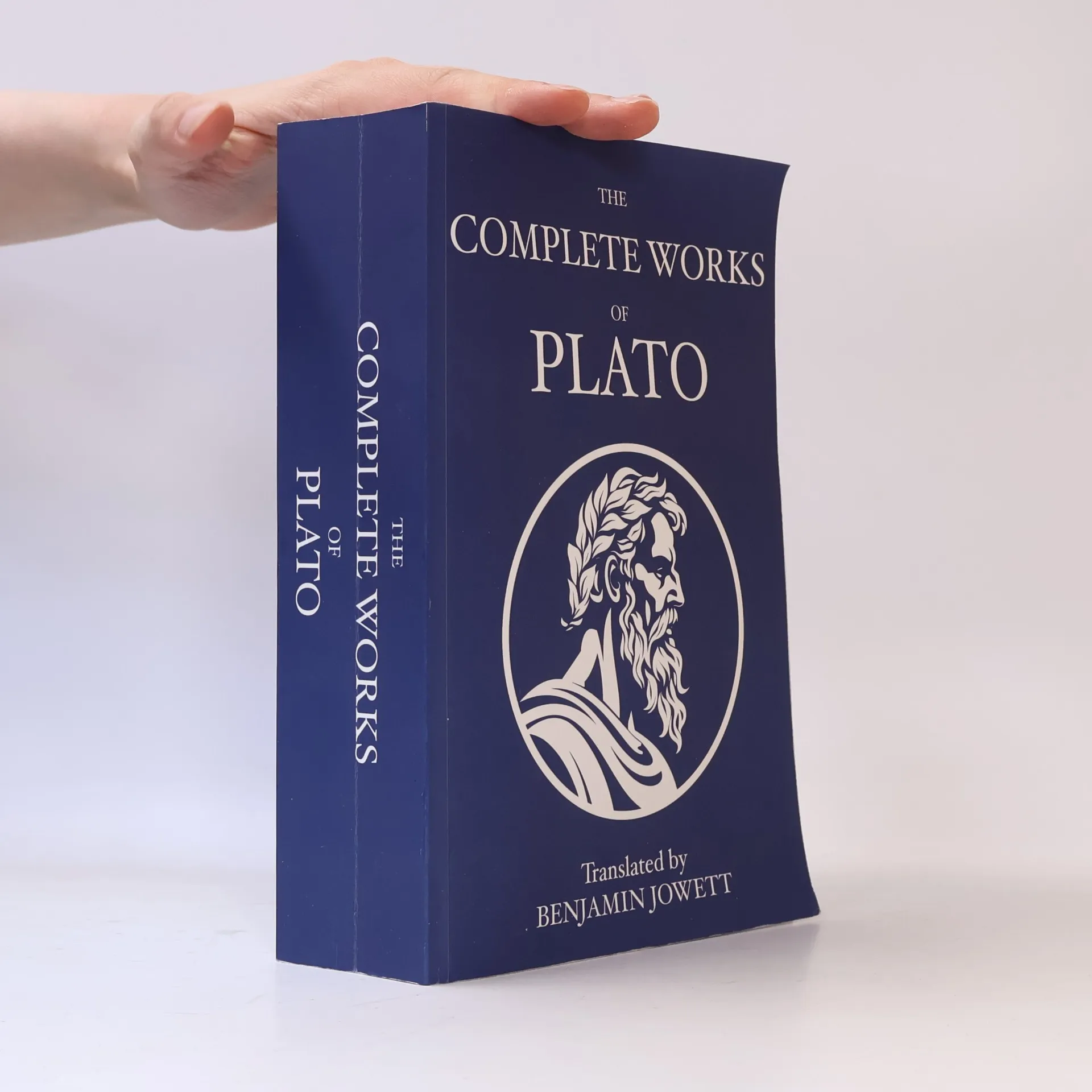
Socratic, Platonist, Cosmological, and Apocryphal Dialogues
1184 pages
42 hours of reading
Meticulously translated by Benjamin Jowett, this comprehensive collection presents Plato's philosophical journey, spanning from early Socratic Dialogues to complex Cosmological Dialogues and the insightful Apocryphal Dialogues. Jowett's translation captures Plato's unique style and profound ideas, making ancient philosophy accessible to contemporary readers.
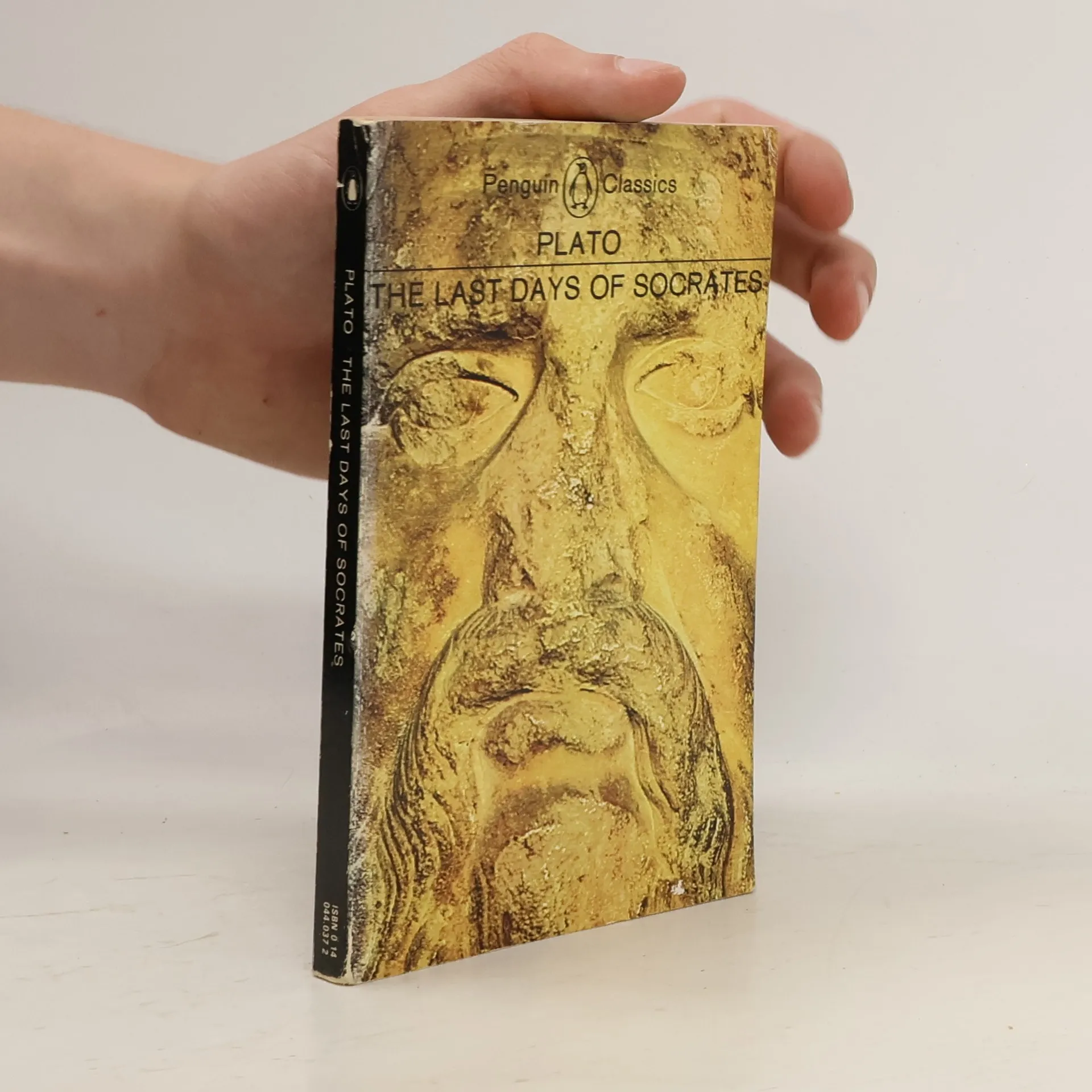
Toward the end of The Apology, Socrates makes a statement that resonates even with those who have never read Plato: "I tell you that ... examining both myself and others is really the very best thing that a man can do, and that life without this sort of examination is not worth living" (p. 63). The Apology, Euthyphro, Crito, and Phaedo, which depict Socrates' activities just prior to his trial until his death, hold a central place among the works of Plato. They sum up the philosophical career of Socrates, protagonist of most of the Platonic dialogues. But this summing up does not imply the end of the examinations Socrates pursued. On the contrary, during his last days, Socrates rigorously continued the kind of inquiries he had pursued all his life, even at the risk of execution, and he enjoined his companions to continue them when he was gone. -- Publisher description
Since its publication in 1974, scholars throughout the humanities have adopted G M A Grube's masterful translation of the Republic as the edition of choice for their study and teaching of Plato's most influential work. In this brilliant revision, C D C Reeve furthers Grube's success both in preserving the subtlety of Plato's philosophical argument and in rendering the dialogue in lively, fluent English, that remains faithful to the original Greek. This revision includes a new introduction, index, and bibliography by Reeve.
Plato, an influential Athenian philosopher, established the Platonist school and the Academy, the first higher learning institution in the West. Renowned for his contributions to philosophy, he is a key figure alongside Socrates and Aristotle. His work laid the groundwork for Western thought and religion, with neoplatonism significantly impacting early Christian theology through figures like Augustine. His legacy continues to shape philosophical and spiritual discourse today.
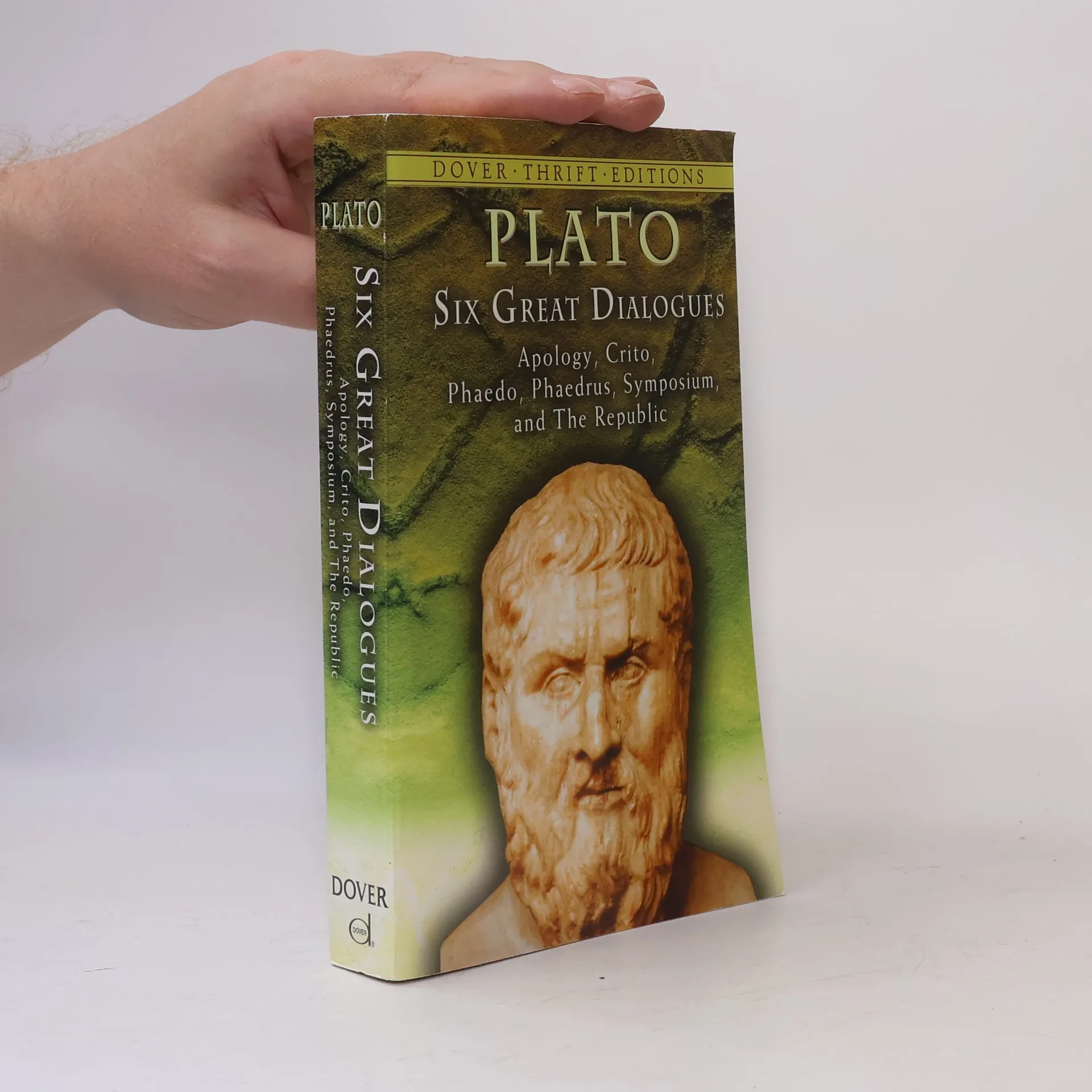
Apology, Crito, Phaedo, Phaedrus, Symposium, And The Republic
Plato's brilliant dialogues, written in the fourth century B.C., rank among Western civilization's most important philosophical works. Presented as a series of probing conversations between Socrates and his students and fellow citizens, they form a magnificent dialectical quest that examines enduring political, ethical, metaphysical, and epistemological issues. Here, in one inexpensive edition, are six of Plato's remarkable and revelatory dialogues, each translated by distinguished classical scholar Benjamin Jowett. Apology defends the integrity of Socrates' teachings. Crito discusses respect for the law. Phaedo considers death and the immortality of the soul. Phaedrus explores the psychology of love. Symposium reflects on the ultimate manifestation of the love that controls the world, and The Republic ponders society and the philosopher's role within it. Stimulating, dramatic, and always relevant, these dialogues have profoundly influenced the history of intellectual thought, and offer crucial insight into mystical, aesthetic, and other aspects of Platonic doctrine.