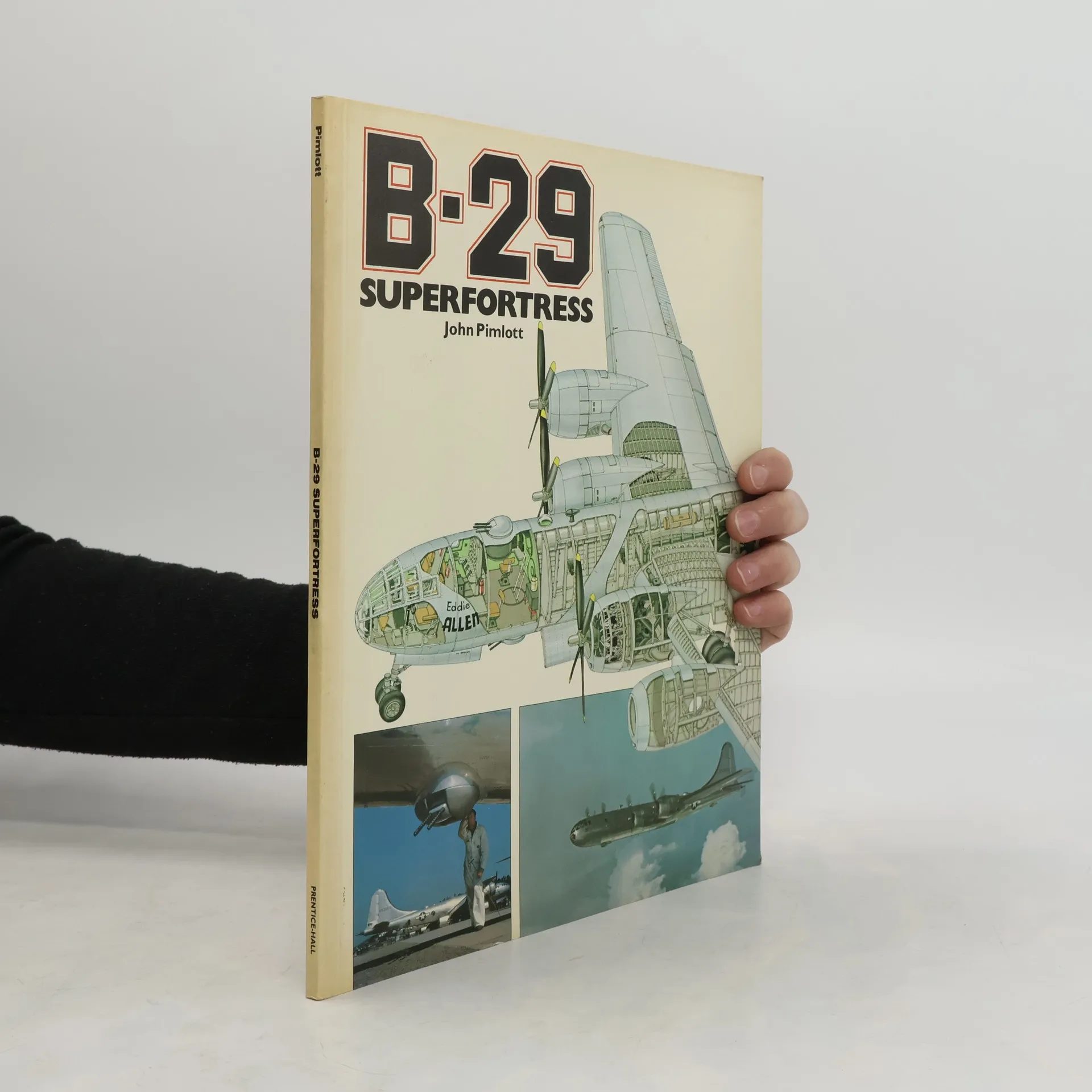
B-29 Superfortress
- 64 pages
- 3 hours of reading
Book by Pimlott, John


Book by Pimlott, John
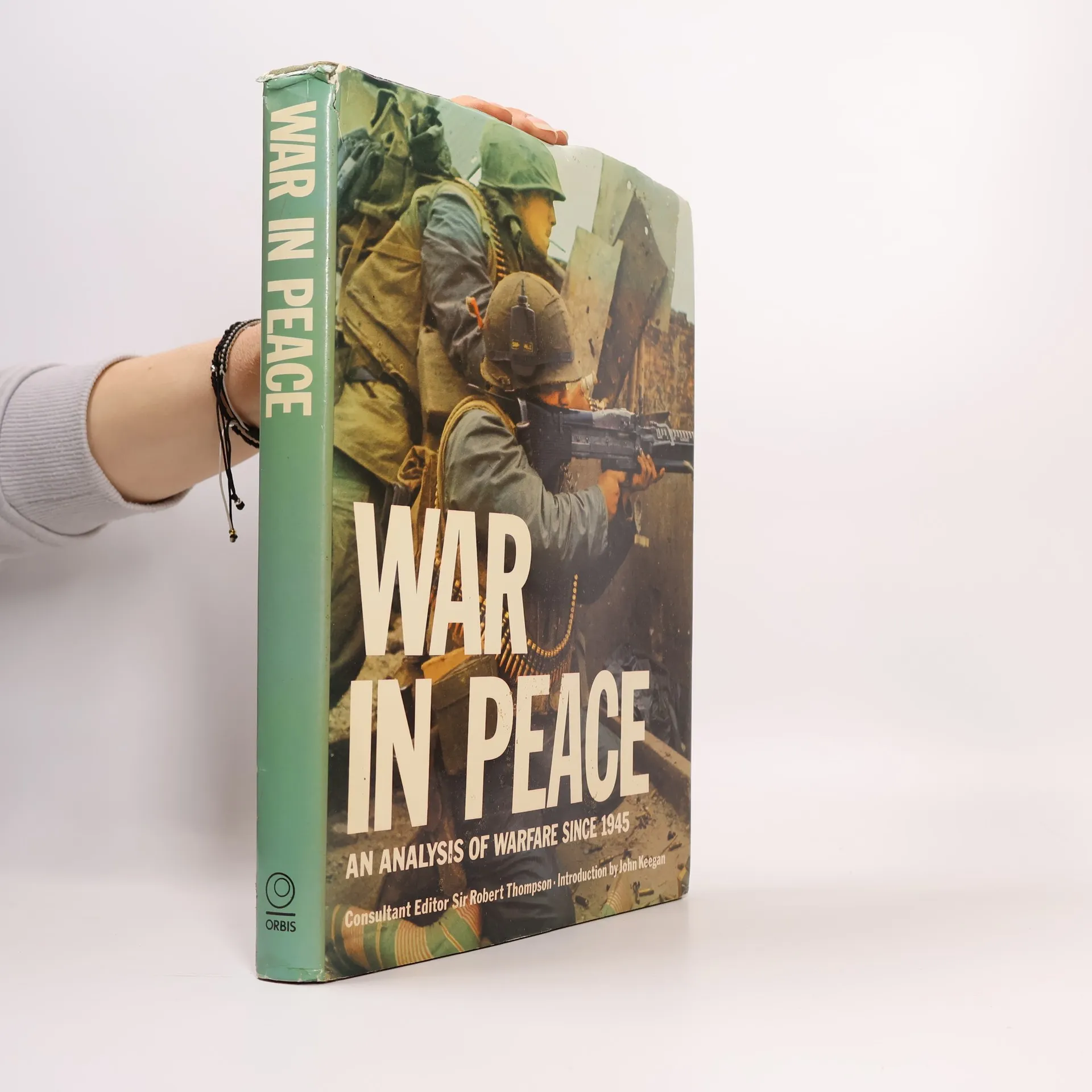
RO60071049. WAR IN PEACE, AN ANALYSIS OF WARFARE SINCE 1945. 1981. In-4. Relié. Etat d'usage, Couv. convenable, Dos satisfaisant, Fortes mouillures. 312 pages. Photo en couleur en frontispice et page de titre. Illustré de nombreuses photos et cartes en noir et blanc et en couleur dans le texte. Texte sur 3 colonnes. Jaquette défraîchie.. Avec Jaquette. . . Classification Dewey : 420-Langue anglaise. Anglo-saxon
Shows some signs of wear, nothing written inside and no damages . Buy with confidence! All books are 100% Money Back Guarantee!!!
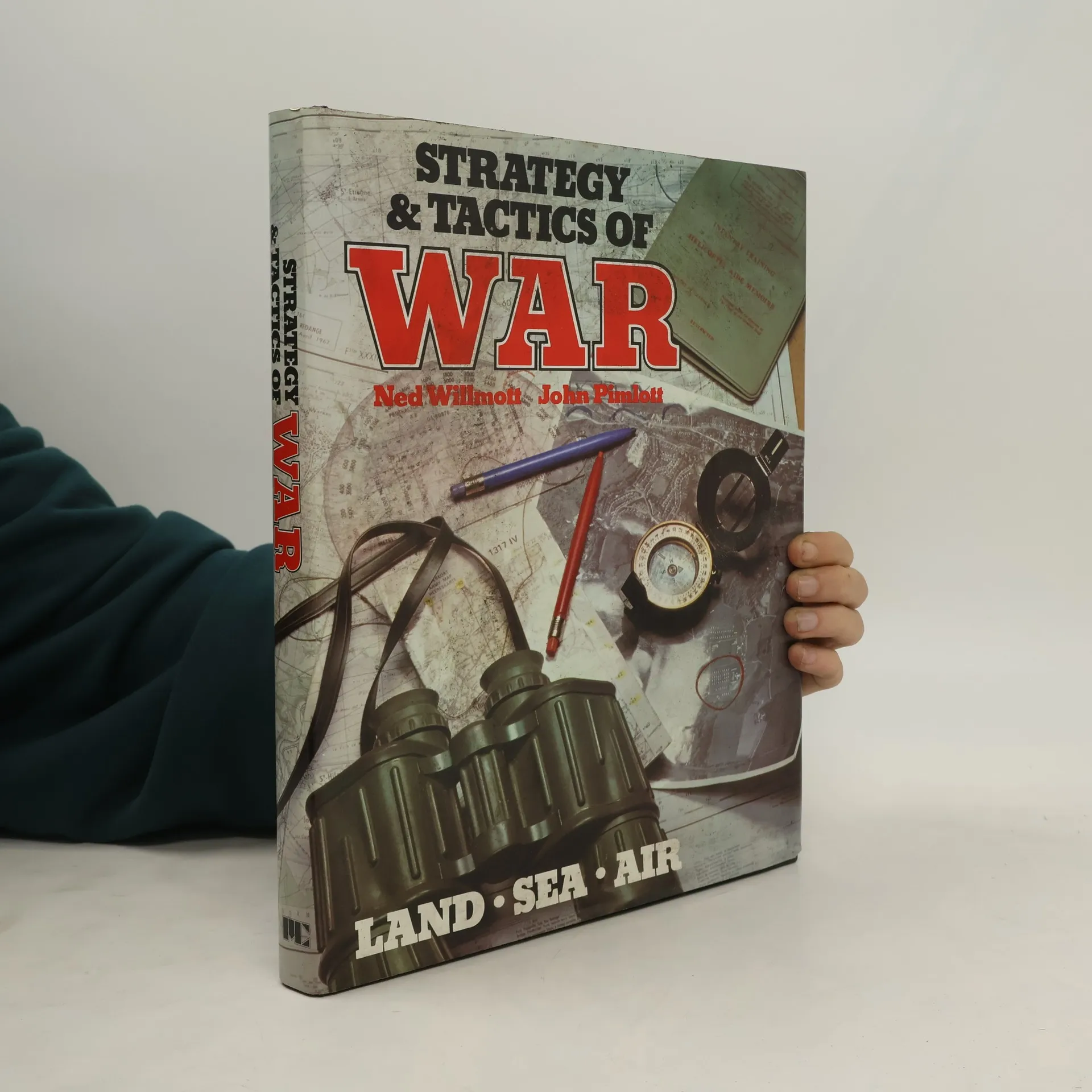
Strategy & Tactics of War
What It Is and How It Will Be Used, Now and in the Future
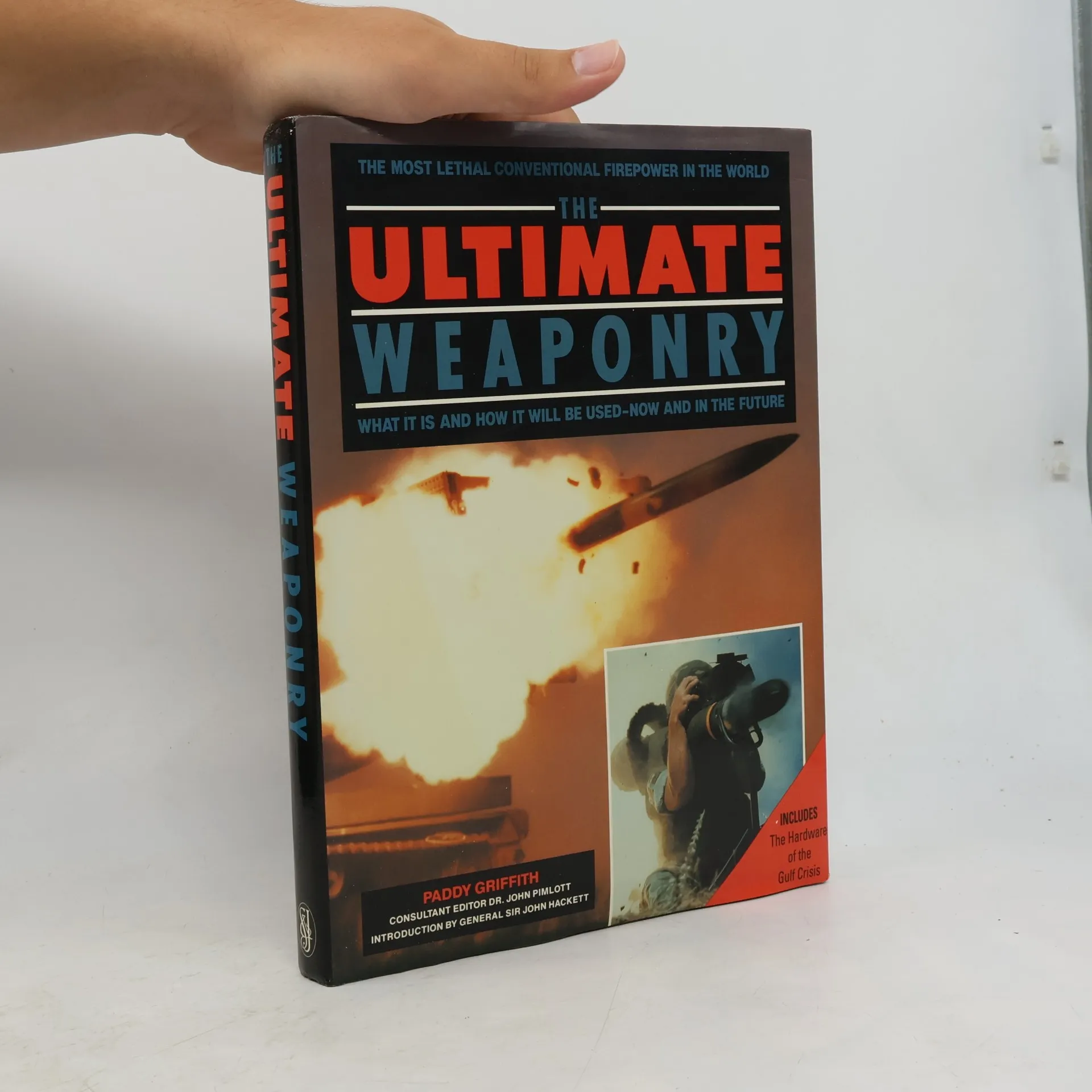
This book explores the most lethal conventional firepower available today and its future applications. As the Cold War fades, the threat of nuclear conflict diminishes, yet the likelihood of large-scale conventional warfare remains evident, particularly highlighted by recent events in Iraq. Warfare is expected to persist over the next decade, with potential conflicts emerging globally. The evolving weapons and technologies may significantly change the dynamics of battle. Key questions arise: How will wars be fought in various flashpoints, such as Mongolia, Hong Kong, and the Middle East? Will traditional tactics involving tanks and fighter bombers be replaced by advanced long-range indirect fire weapons and short-range directed energy systems? What is the true potential of chemical weapons? Additionally, how will military training adapt to new technologies and tactics, and how might soldiers' expectations affect weapon effectiveness? In scenarios where electronic communications are disrupted, what implications will that have? Featuring vivid color illustrations, this work examines the sophisticated arms and military hardware that define modern warfare, presenting a chilling look at the non-nuclear arsenal of destruction that shapes the future of conventional conflict.
Engelsk Militærhistorie; Regimentshistorie; Krigshistorie; Englands Militær efter 1945; Sikkerhedspolitik; Forsvarspolitik; Irregulær Krigsførelse; IRA; Nordirland; Falklandsøerne; Falklandskrigen; Suez; Oman; Aden; Koreakrigen; Kuwait; Engelske Militære Operationer; Cypern; Beirut; Hong Kong; Indokina; Vietnamkrigen; New Hebrides; New East Indies; Malaya; Indien; Pakistan; Mauritius; Uganda; Kenya; Palestine; Sinai; Ægypten; Zimbabwe; Rhodesia; Cameroons; British Guiana; Anguilla; Cayman Islands; Jamaica; Belize; Berlin; Gibraltar; Vesttyskland; Grækenland; Cyprus; India; Polaris Missile System; RAF; Royal Navy; Nasser; Mountbatten; Engelske Kolonier; Afvikling af Engelske Imperie; British Empire; NATO; Northern Ireland; Fredsbevarende Operationer; Fredsbevarende Missioner; Iranian Embassy Siege; Helicopters; Gurkhas; Guerillakrigsførelse; Oprør; Opstande; Commonwealth; Kina; Argentina; Belfast; Malaysia; Imjin; Counterinsurgency; Yemen; Suez Operations; Tyrkiet; Sovjetunionen; Terrorism; Terrorister; Terroristbekæmpelse; Swaziland; Urban Guerillas; UN; UNFICYP; SAS; Canada; Australian Army; Royal Ulster Constabulary; Peacekeeping Duties
Book by Pimlott, John
A detailed account of the liberation/destruction of Manila, which left 6,500 American, 20,000 Japanese, and 200,000 Manila citizens dead and leveled the thriving, cosmopolitan city once known as the pearl of the Orient.
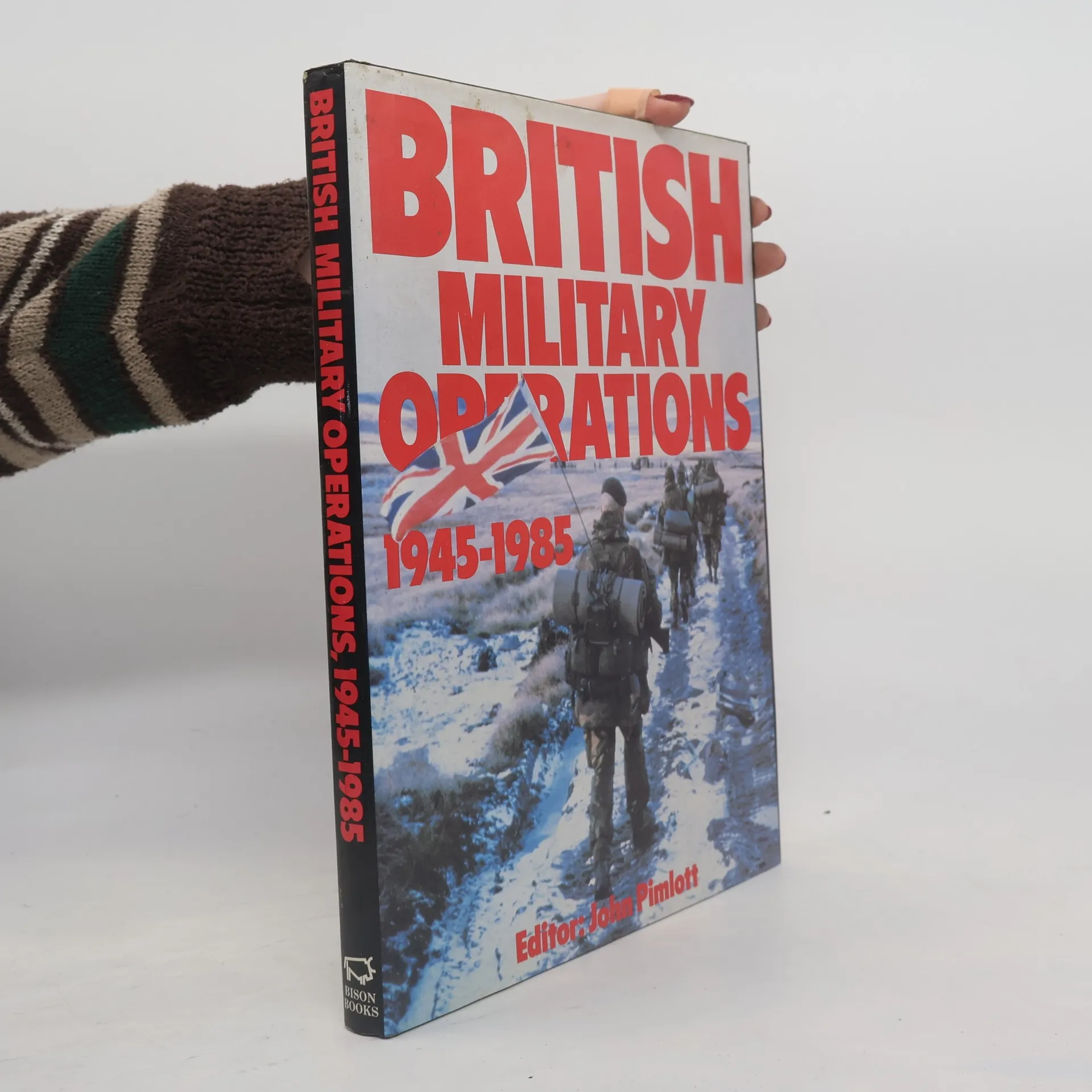
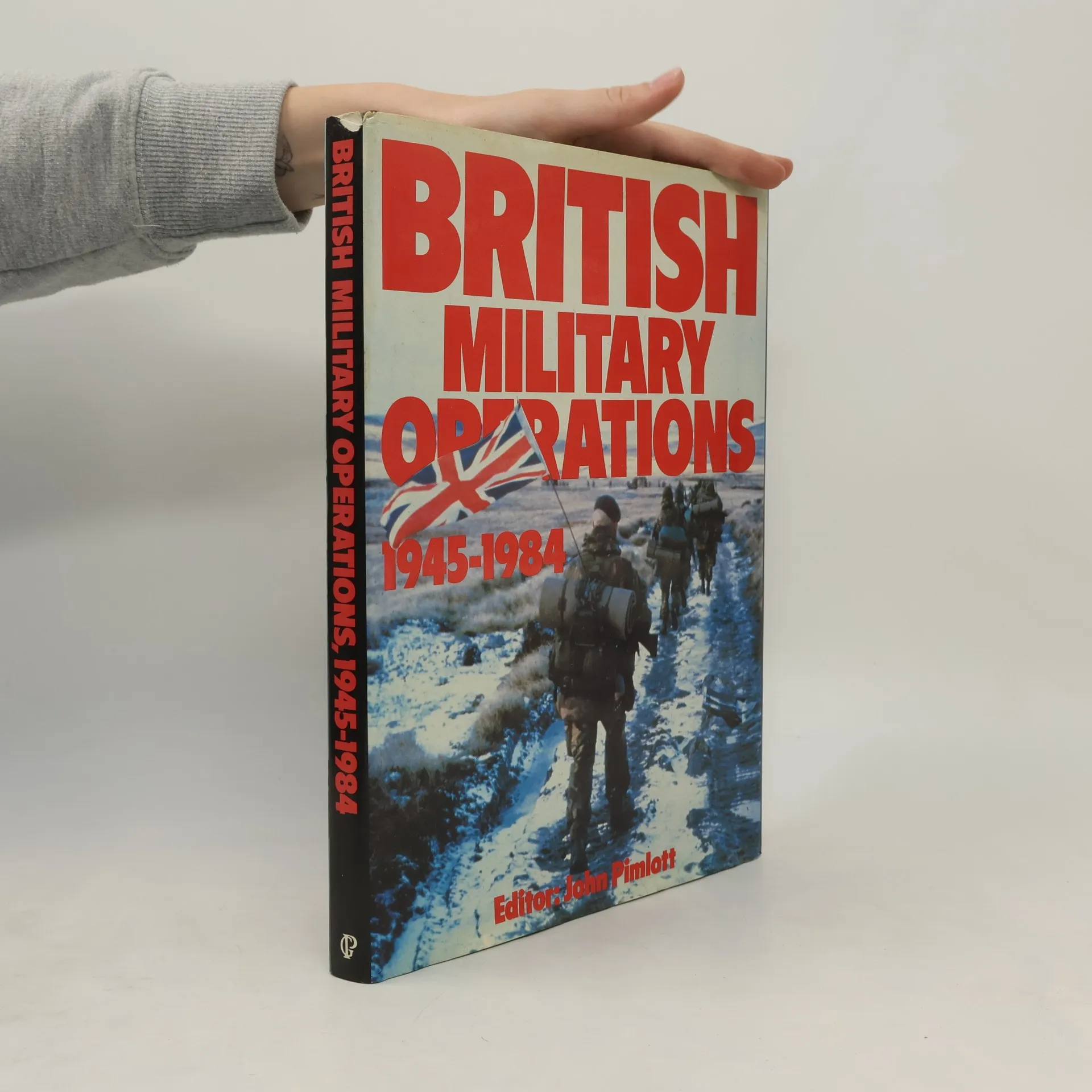
A guide to Britain's role in major conflicts from 1945 to 1985 discusses the strategies and tactics of every major campaign and battle and covers Britain's development of counter-insurgency and counter-terrorist techniques.
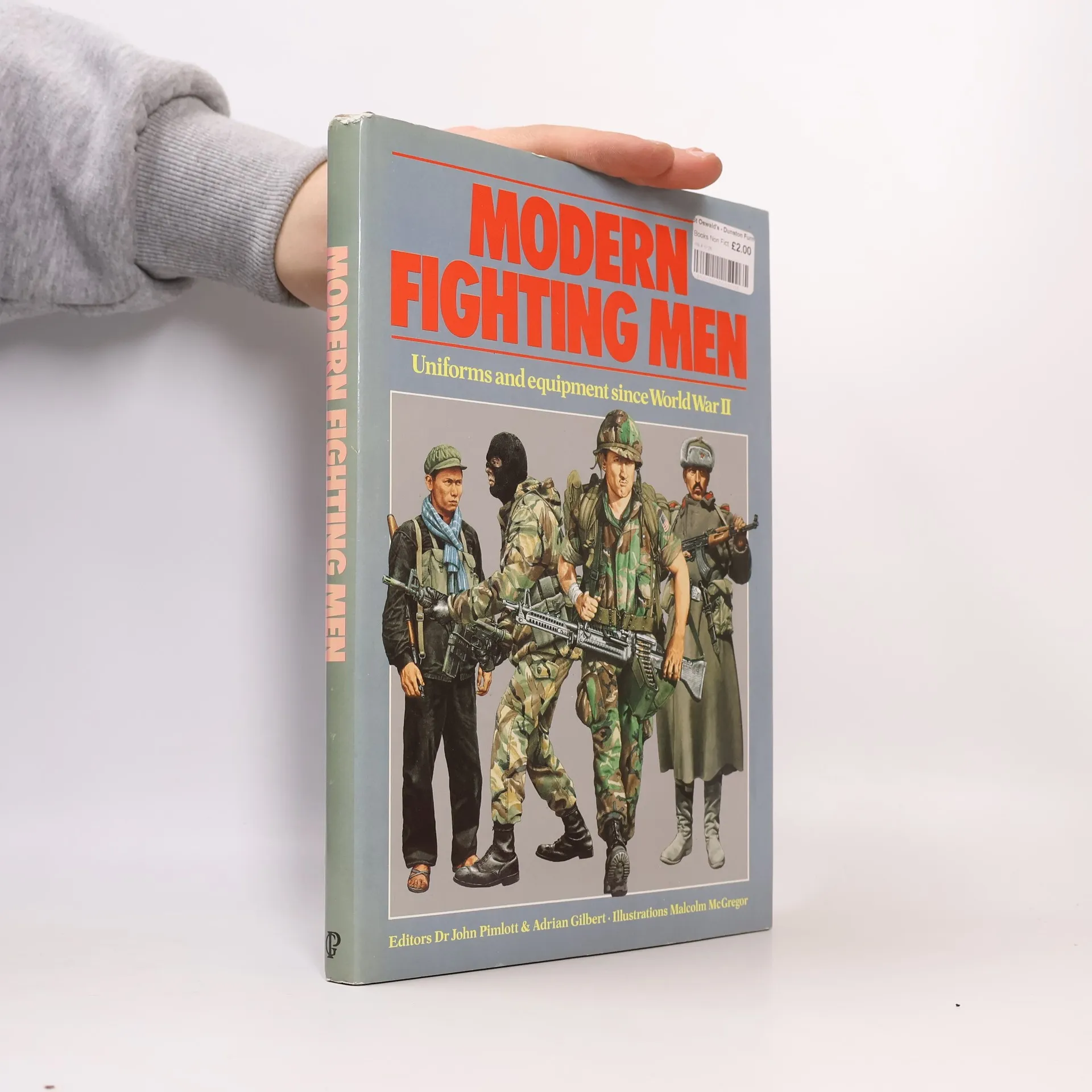
Uniforms and Equipment Since World War II
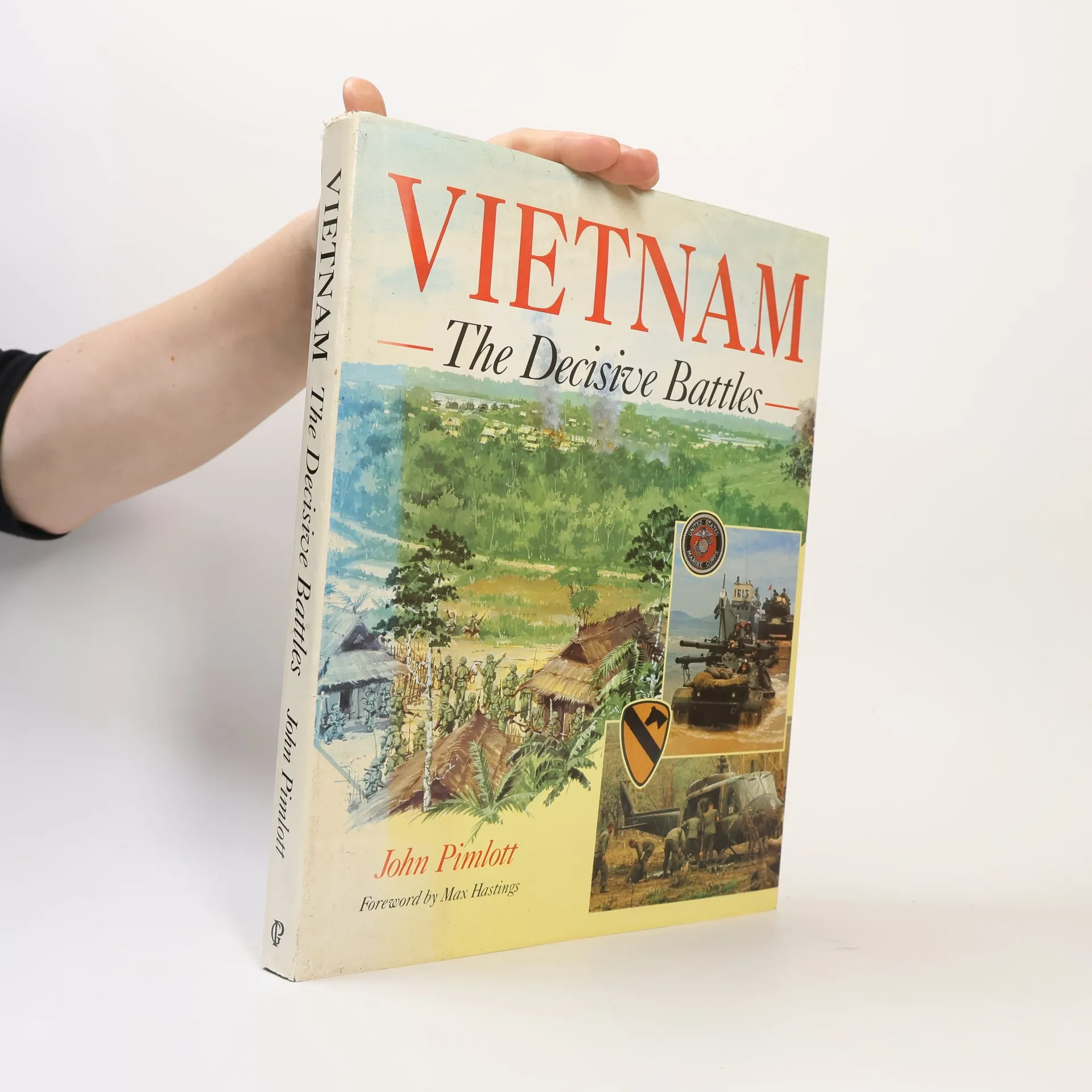
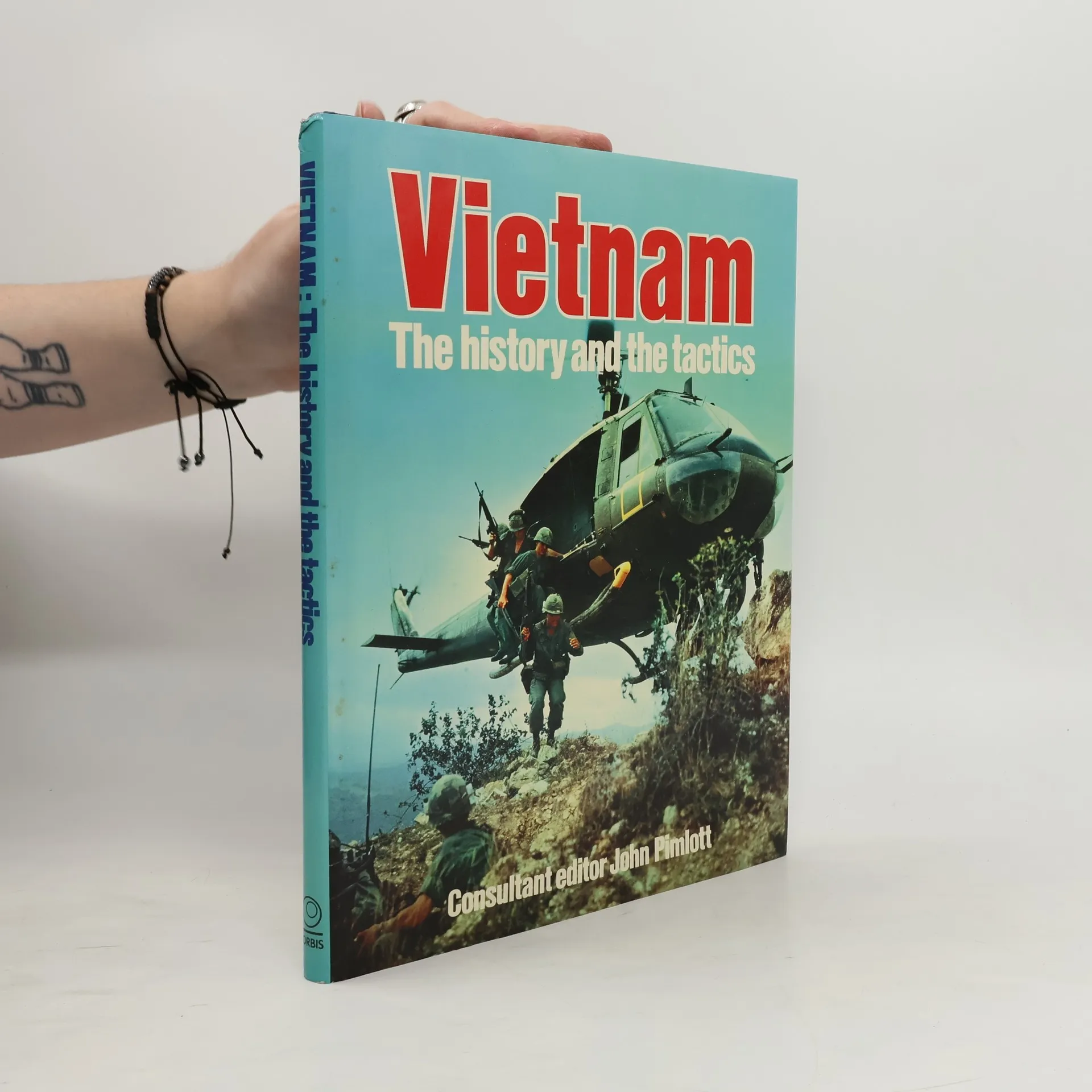
Leading authorities from the United States and Britain critically analyze American involvement in Vietnam since 1960, drawing attention to political situations as well as military operations and tactics
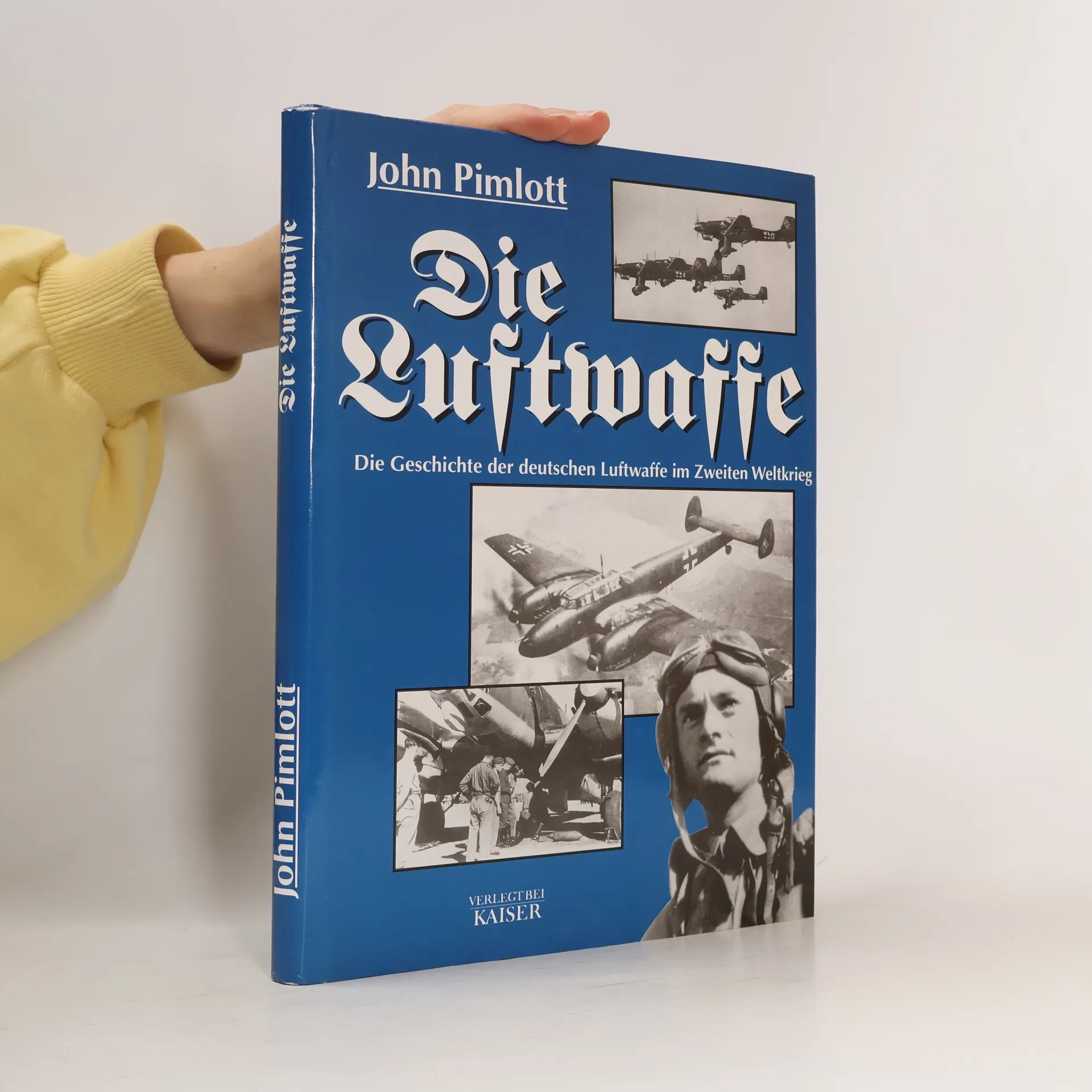
Die Luftwaffe spielte zu Beginn des Zweiten Weltkrieges in Hitlers Blitzkriegstrategie eine wesentliche Rolle. Die Anfangserfolge, bei denen sie vor allem in den Feldzügen gegen Polen und Russland die gegnerische Luftflotte zum größten Teil bereits am Boden zerstören konnte und damit die Luftherrschaft eroberte, soll aber nicht darüber hinwegtäuschen, dass sie für einen länger andauernden Kampf nur unzureichend gerüstet war. Diese Schwäche wurde bereits beim Unternehmen “Adler”, dem Luftkrieg gegen England, offenbar. Mit Fortdauer des Krieges lief auch die Rüstung der Alliierten auf Hochtouren, insbesondere Engländer und Amerikaner zerstörten in zunehmendem Ausmaß deutsche Industrieanlagen und Städte. Die gegen sie eingesetzte Jagdwaffe war trotz hoher Verluste und heldenhaften, manchmal sogar selbstmörderischen Einsatzes nicht in der Lage, entscheidend dagegenzuhalten. Auch die neuen, düsengetriebenen Jagdflugzeuge der Deutschen, die ihren Gegnern flugtechnisch überlegen waren, konnten keinen entscheidenden Umschwung herbeiführen. So versank bei einem noch nie da gewesenen Luftkrieg halb Europa, insbesondere Deutschland, in Schutt und Asche. 250 Schwarzweißbilder, von denen 200 bisher noch nie veröffentlicht wurden, ergänzen anschaulich diesen aufschlussreichen Text.
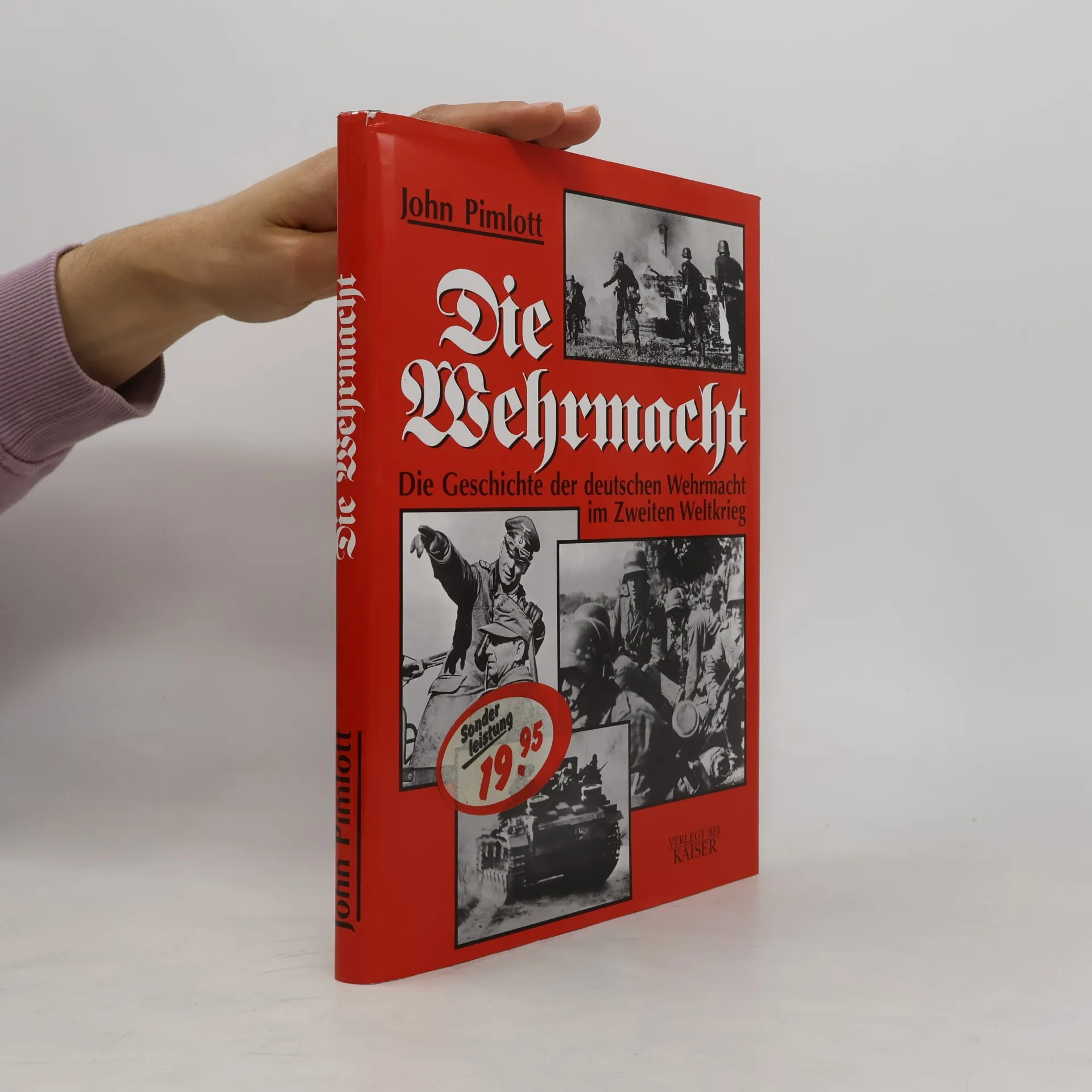
Zusammen mit den römischen Legionen des Altertums sowie Napoleons “Grande Armee” wird die deutsche Armee des Zweiten Weltkrieges von Historikern als eine der größten Streitkräfte der Geschichte betrachtet. Mit einer übersichtlichen Schilderung der Kriegsereignisse werden alle Schlachten und Feldzüge dargestellt, die die gefürchtete deutsche Wehrmacht im Verlauf des Zweiten Weltkrieges bestritt. 250 Abbildungen mit erläuternden Bildtexten ergänzen die Darstellung. Dieses bislang unbekannte Bildmaterial wurde erst kürzlich in den Archiven der früheren Warschauer-Pakt-Staaten entdeckt und in diesem Band erstmals veröffentlicht. Für die Schilderung der Kriegsereignisse zeichnet Dr. John Pimlott verantwortlich, der als Experte für Fragen der Waffensysteme und der Kriegsführung im 20. Jahrhundert bekannt ist.
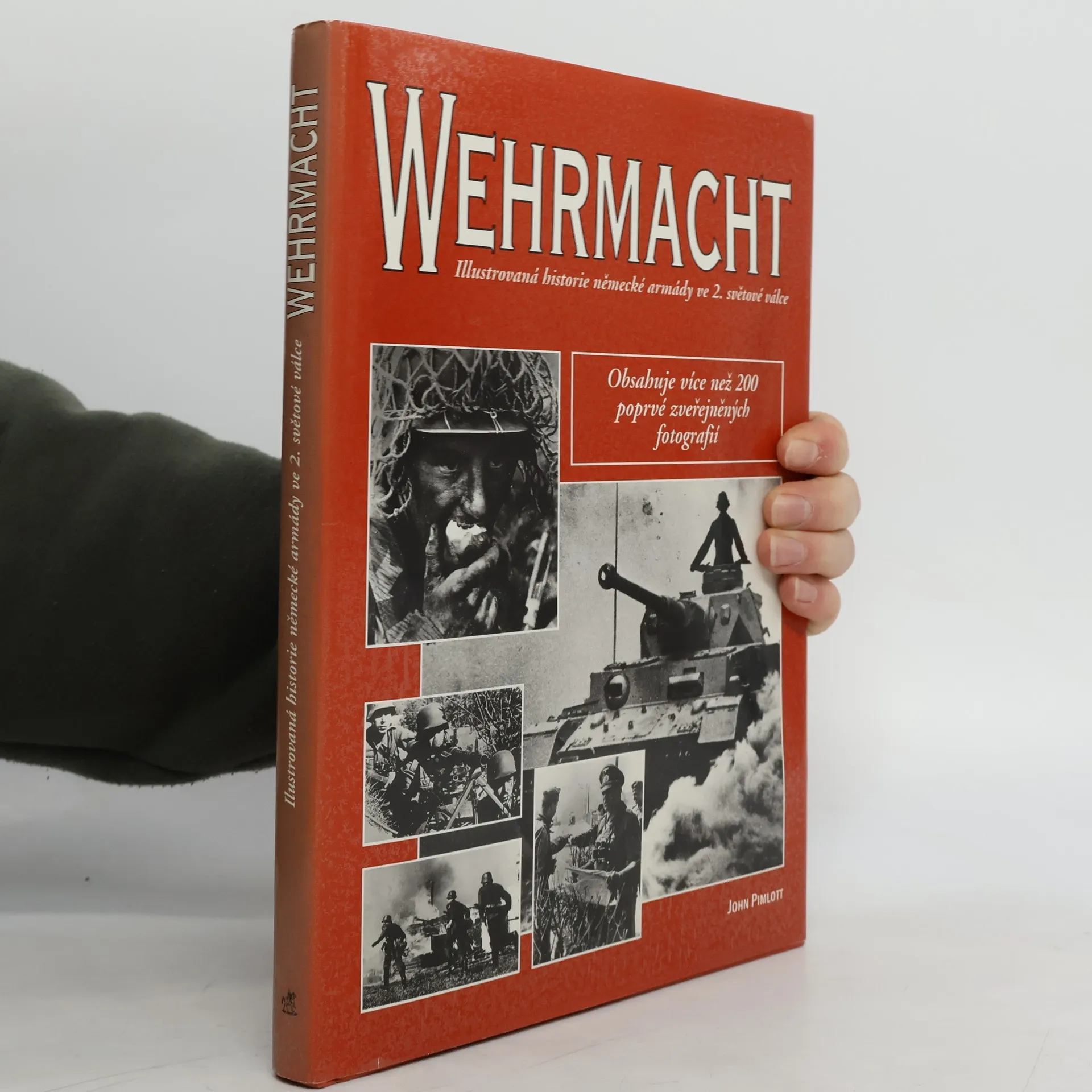
Ilustrovaná historie německé armády,připravujícím se na válku a v taženích,která následovala. Nejen na východní frontě, ale také v severní Africe, na Balkáně, v italských horách a západní Evropě.Text je doplněn více než dvě sty černobílých fotografií,dříve nepublikovaných, které byly nedávno objeveny v tiskových archívech wehrmachtu....