

Explore the latest books of this year!
Bookbot

Parag Khanna

    Parag Khanna is a visionary thinker whose work deeply explores global trends and the strategic direction of the world. Through his advisory firm, he analyzes future scenarios using data, offering profound insights into the complexities of international relations and future development. His extensive travel experience and academic background enable him to provide unique perspectives on the interconnectedness of our modern world. Khanna's analyses are crucial for understanding the challenges and opportunities shaping our future.

    The Second World
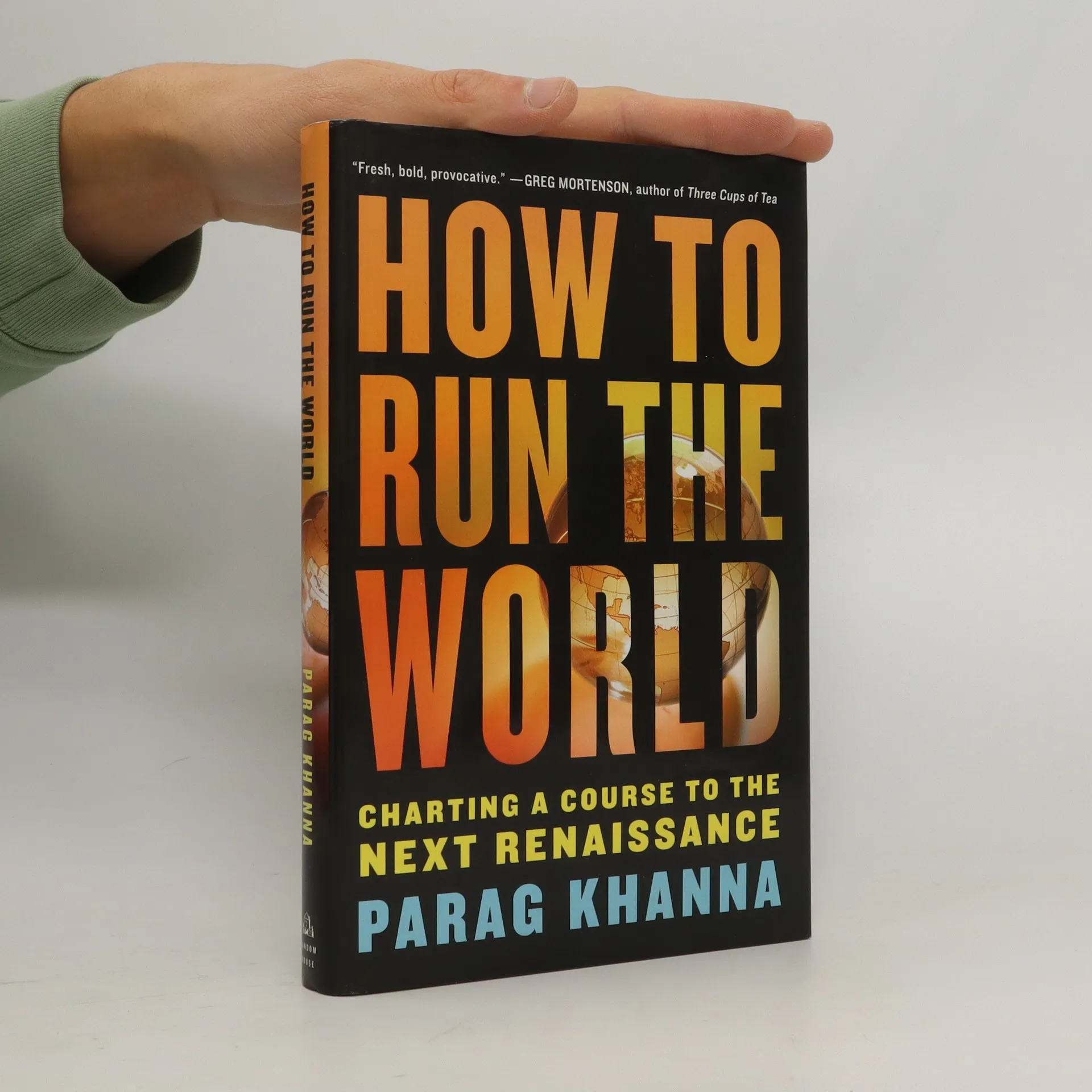
    How to Run the World
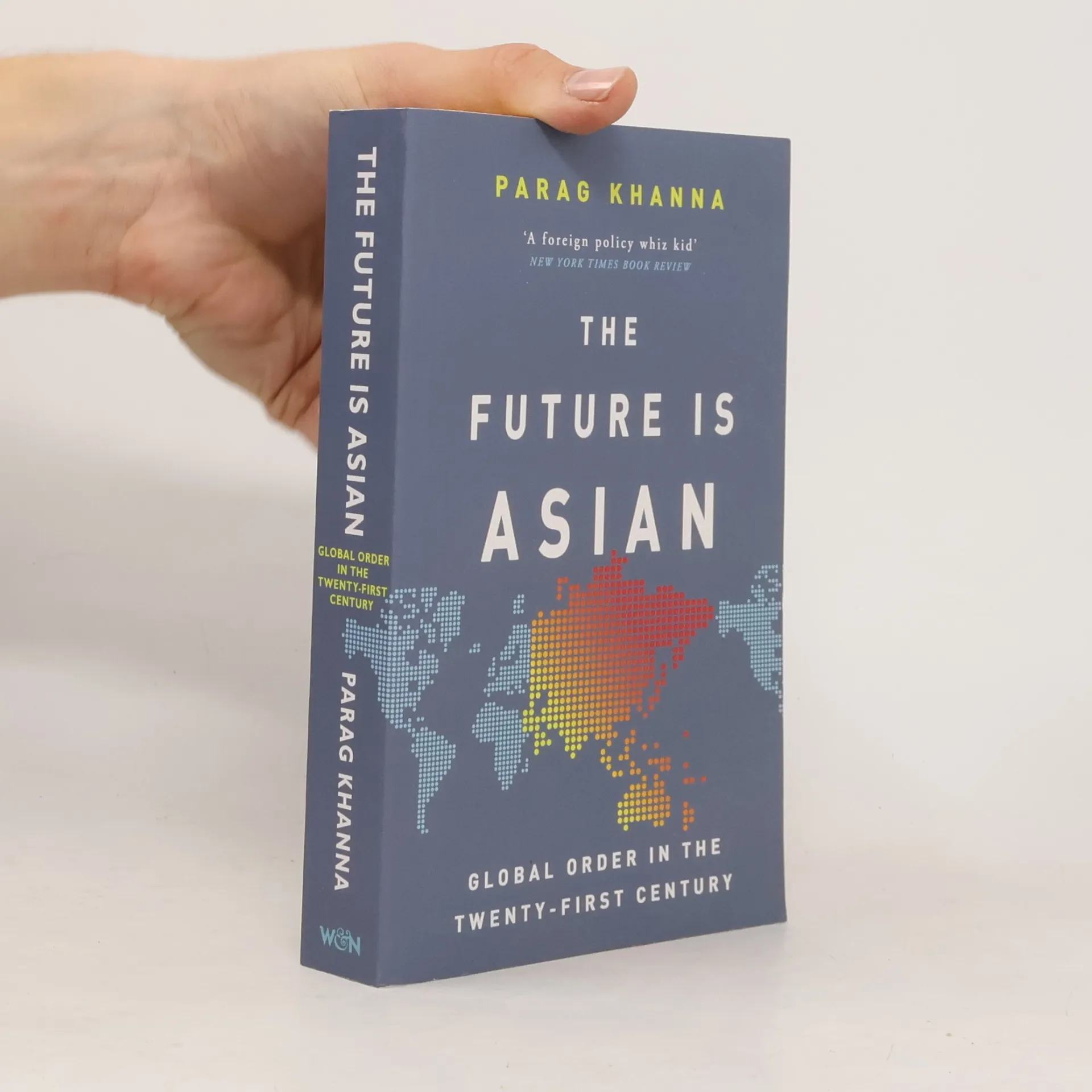
    The Future Is Asian
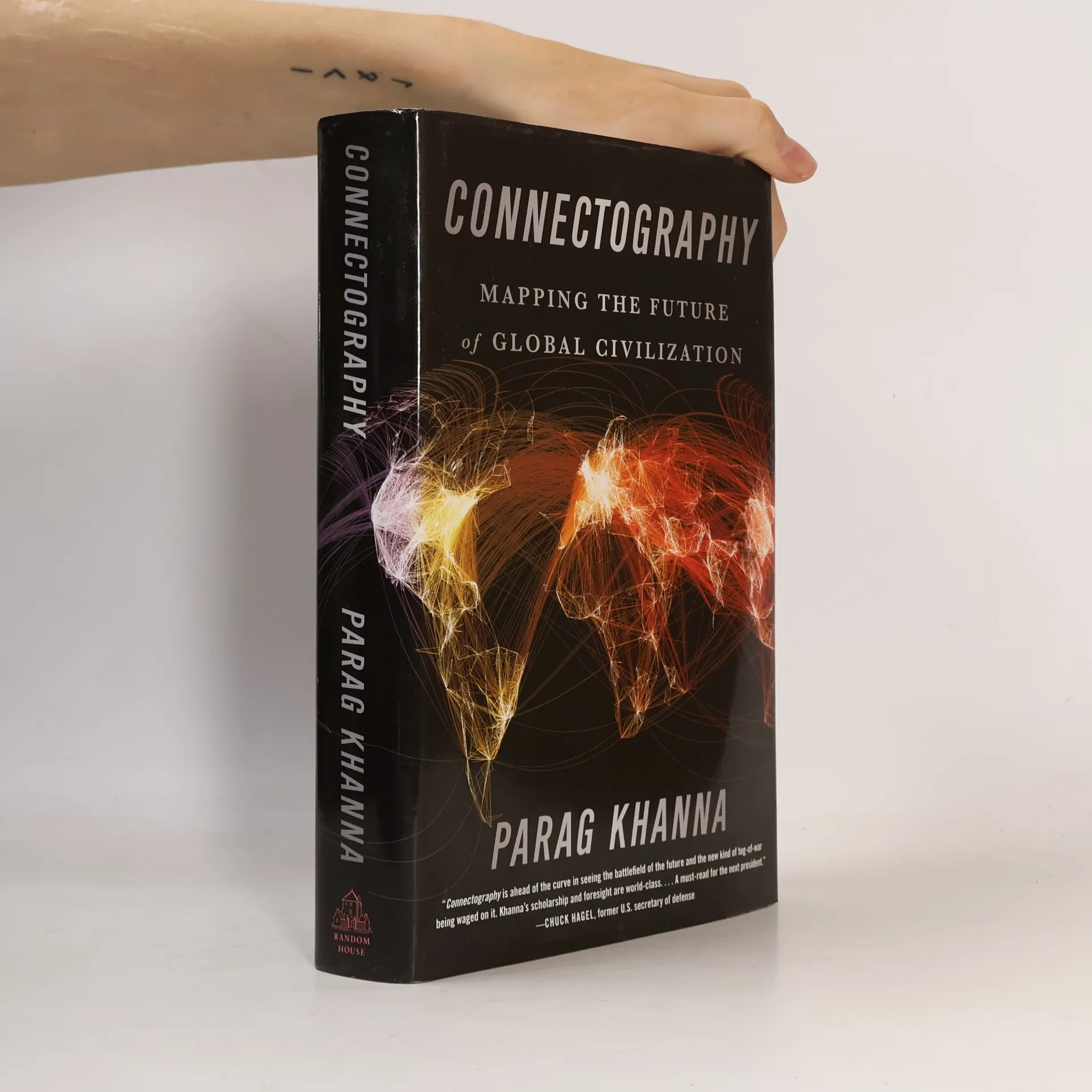
    Connectography
    Move
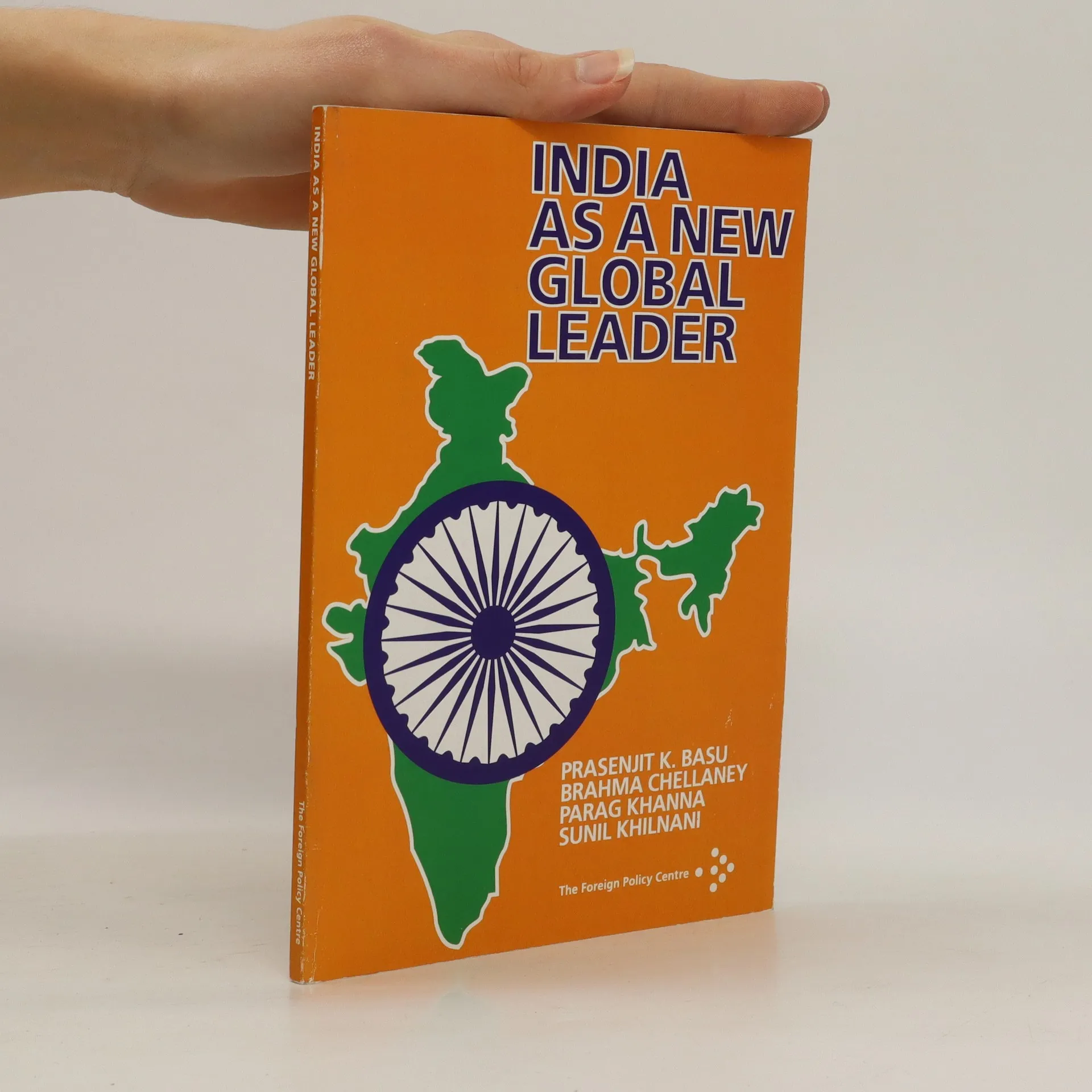
    India as a New Global Leader
    • Move

      • 352 pages
      • 13 hours of reading

      Where will you live in 2030? Where will your children settle in 2040? What will the map of humanity look like in 2050? Mobility is a recurring feature of human civilisation. Now, as climate change tips toward full-blown crisis, economies collapse, governments destabilise and technology disrupts, we're entering a new age of mass migrations - one that will scatter both the dispossessed and the well-off. Which areas will people abandon and where will they resettle? Which countries will accept or reject them? As today's world population, which includes four billion restless youth, votes with their feet, what map of human geography will emerge? In Move, global strategy advisor Parag Khanna provides an illuminating and authoritative vision of the next phase of human civilisation - one that is both mobile and sustainable - while guiding each of us as we determine our optimal location on humanity's ever-changing map.
      Move2021
      3.6
    • The Future Is Asian

      • 320 pages
      • 12 hours of reading

      Five billion people, two-thirds of the world's mega-cities, one-third of the global economy, two-thirds of global economic growth, thirty of the Fortune 100, six of the ten largest banks, eight of the ten largest armies, five nuclear powers, massive technological innovation, the newest crop of top-ranked universities. Asia is also the world's most ethnically, linguistically and culturally diverse region of the planet, eluding any remotely meaningful generalization beyond the geographic label itself. Even for Asians, Asia is dizzying to navigate. Whether you gauge by demography, geography, economy or any other metric, Asia is already the present - and it is certainly the future. It is for this reason that we cannot afford to continue to get Asia so wrong. The Future Is Asian accurately shows Asia from the inside-out, telling the story of how this mega-region is coming together and reshaping the entire planet in the process.

      The Future Is Asian2019
      3.3
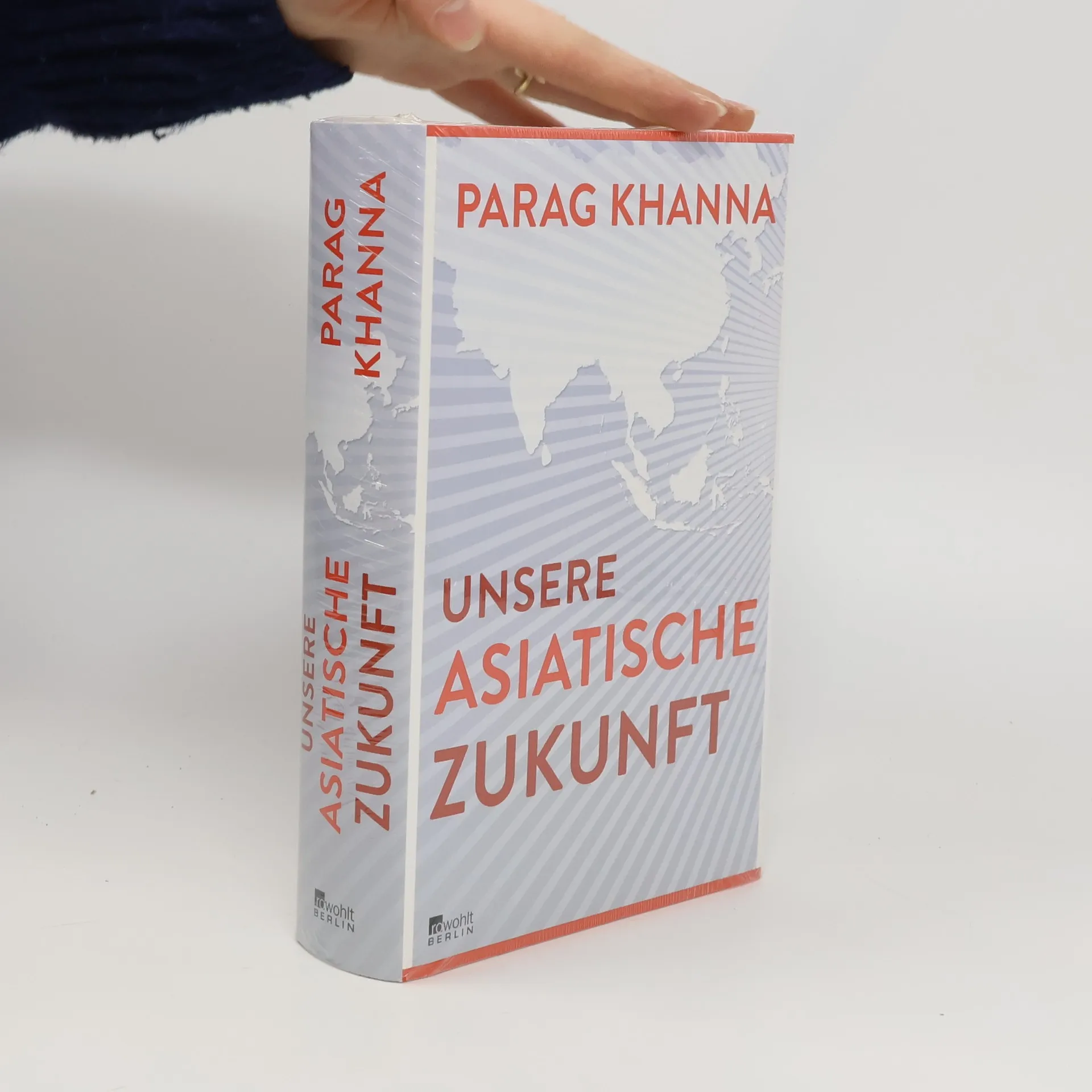
    • Das 19. war das europäische, das 20. das amerikanische Jahrhundert – und das 21. wird das asiatische Jahrhundert sein. Asien heißt heute: viereinhalb Milliarden Menschen, zwei Drittel der Megacitys unseres Planeten, zwei Drittel des weltweiten Wirtschaftswachstums, Tendenz weiter steigend. Die Verschiebung der globalen Machtverhältnisse wird die Welt verändern und, wo es nicht schon so weit ist, bald alle Bereiche unseres Lebens beeinflussen. Dennoch haben wir, wie Parag Khanna zeigt, weder eine Vorstellung davon, was das konkret für uns bedeutet, noch kennen wir überhaupt diesen riesigen, vielfältigen Kontinent, der nicht nur aus China und Japan besteht – es sind nicht zuletzt die technologisch längst führenden Länder Südostasiens, etwa Indonesien oder Singapur, von denen wesentliche Impulse ausgehen werden. Parag Khanna schildert, wie sich die Welt gegenwärtig neu ordnet und was uns im asiatischen Jahrhundert erwartet. Deutschland und Europa müssen ihre Chancen erkennen und nutzen, und das nicht nur wirtschaftlich. Auf längere Sicht geht es, so Khanna, um eine kulturelle und politische Synthese von West und Ost: von Liberalismus und Holismus, Demokratie und Technokratie. Ein oft überraschender, geopolitisch wie kulturell weitsichtiger Blick in unsere asiatische Zukunft.

      Unsere asiatische Zukunft2019
      3.6
    • Connectography

      • 466 pages
      • 17 hours of reading

      "Mankind is reengineering the planet, investing up to ten trillion dollars per year in transportation, energy, and communications infrastructure linking the worlds burgeoning megacities together. This has profound consequences for geopolitics, economics, demographics, the environment, and social identity. Connectivity, not geography, is our destiny. Khanna argues that new energy discoveries and technologies have eliminated the need for resource wars; ambitious transport corridors and power grids are unscrambling Africas fraught colonial borders; even the Arab world is evolving a more peaceful map as it builds resource and trade routes across its war-torn landscape. At the same time, thriving hubs such as Singapore and Dubai are injecting dynamism into young and heavily populated regions, cyber-communities empower commerce across vast distances, and the worlds ballooning financial assets are being wisely invested into building an inclusive global society. Beneath the chaos of a world that appears to be falling apart is a new foundation of connectivity pulling it together." --

      Connectography2016
      3.8
    • How to Run the World

      • 256 pages
      • 9 hours of reading

      Outlines a provocative approach to diplomacy that addresses the needs of today's globalized world, covering issues ranging from economic imbalance and environmental stress with recommendations for specific actions to unify the resources of governments, corporations and civic groups.

      How to Run the World2011
      3.4
    • The Second World

      Empires and Influence in the New Global Order

      • 466 pages
      • 17 hours of reading

      This book provides a bold and visionary tour of the most important, and least understood, countries shaping the future of the global order. At the end of the Cold War, we found ourselves living in a world with one superpower, the United States. Now, at the start of the twenty-first century, Parag Khanna argues powerfully that the moment of American supremacy is over, brought about by the increasing influence of what he terms the Second World: Eastern Europe, Central Asia, South America, the Middle East and East Asia.Travelling from Azerbaijan to Venezuela, China's hinterlands to Gaddafi's Libya, Parag Khanna explores these countries and their global significance. For as the three superpowers - the US, the EU and China - compete for influence in the Second World, citizens of these countries can already feel the these imperial forces exerting their influence and affecting the global balance of power. How can these competing powers win friends and influence people across the globe? What's in it for the winner - and the loser? And how does the Second World feel about its increasing significance on the global stage? In a bold and provocative style, The Second World makes clear what's at stake, for whoever dominates the Second World will lead the twenty-first century - or become a part of the Second World itself.

      The Second World2008