Dr. Paul Wilson Brand was an innovative surgeon who dedicated his life to treating leprosy and understanding pain. A pioneer in hand surgery, he developed novel techniques for treating patients with leprosy, recognizing that the primary cause of injury was not tissue decay but the loss of pain sensation. His work and publications significantly advanced the understanding of hand mechanics and the treatment of injuries resulting from the loss of pain perception. Beyond his medical career, he also authored autobiographical works reflecting on the value of pain and his life's purpose.
An internationally renowned surgeon and an award-winning writer of faith take
readers on a tour of wonder through the human body - from the micro-view of
cells to the macro-view of our connectedness as people made in God's image.
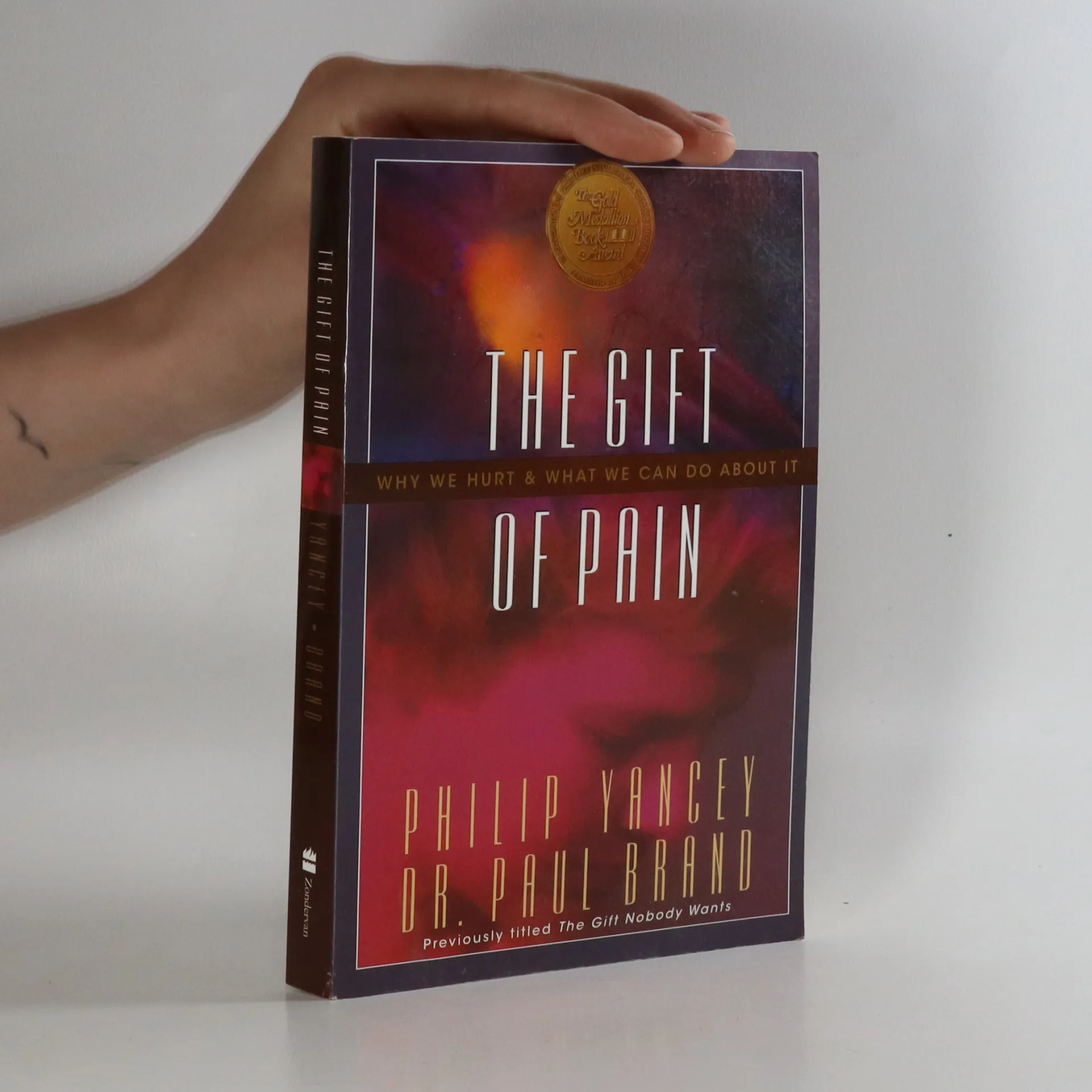
A WORLD WITHOUT PAIN? Can such a place exist? It not only can---it does. But it's no utopia. It's a colony for leprosy patients: a world where people literally feel no pain, and reap horrifying consequences. His work with leprosy patients in India and the United States convinced Dr. Paul Brand that pain truly is one of God's great gifts to us. In this inspiring story of his fifty-year career as a healer, Dr. Brand probes the mystery of pain and reveals its importance. As an indicator that lets us know something is wrong, pain has a value that becomes clearest in its absence. The Gift of Pain looks at what pain is and why we need it. Together, the renowned surgeon and award-winning writer Philip Yancey shed fresh light on a gift that none of us want and none of us can do without.
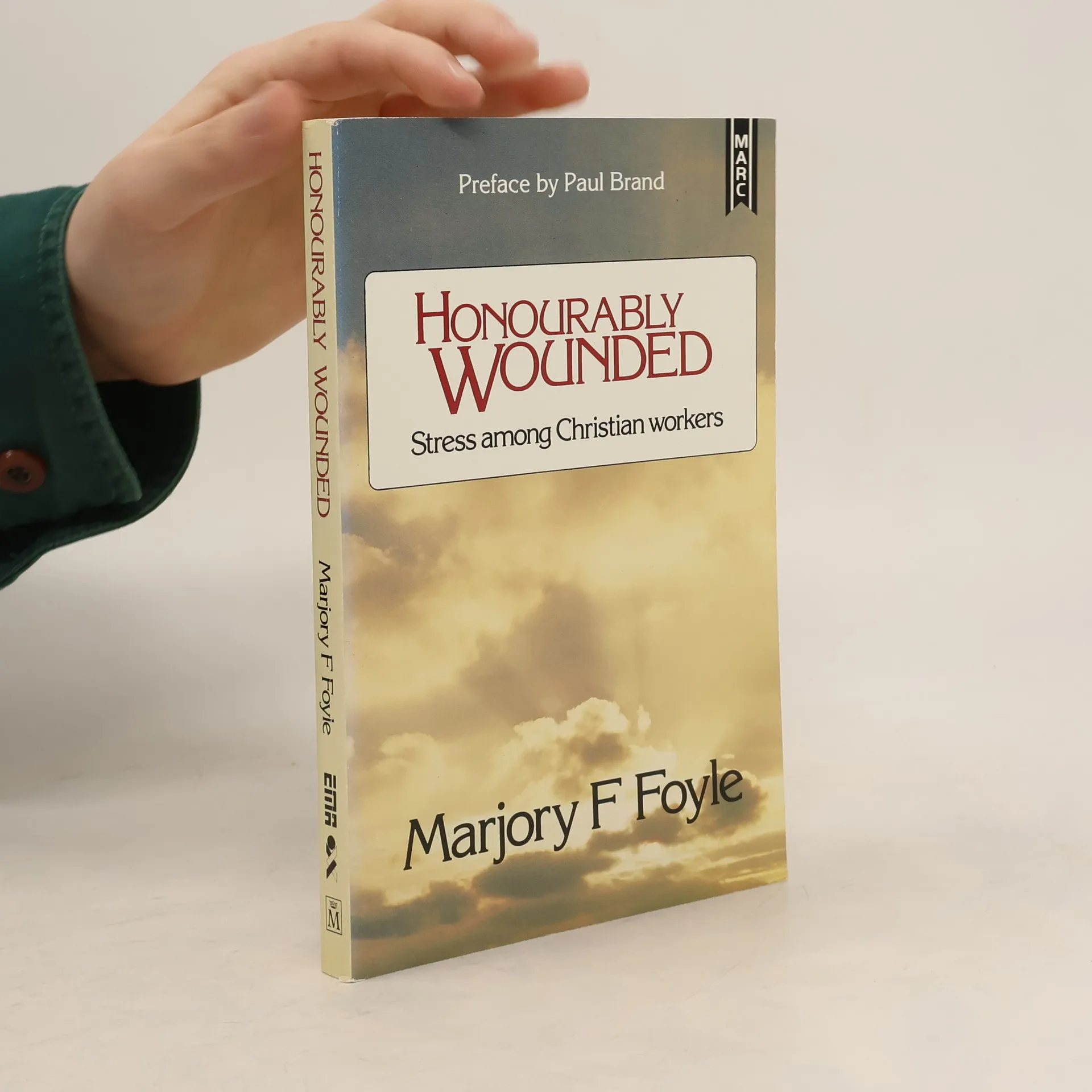
It's always been tough. Whether you are serving the Lord as an office worker, a doctor, a missionary, or a teacher - if you put your head above the parapet you will get shot at. Sometimes you will get hit. This book is for all who have found themselves in the line of fire. Dr Marjory Foyle draws upon her extensive clinical experience and her work as a missionary to address a range of important topics: Depression; Occupational stress; Interpersonal relationships; Parental and home-country stress; Singleness and marriage; Children; Burnout; Caring for Christian workers.
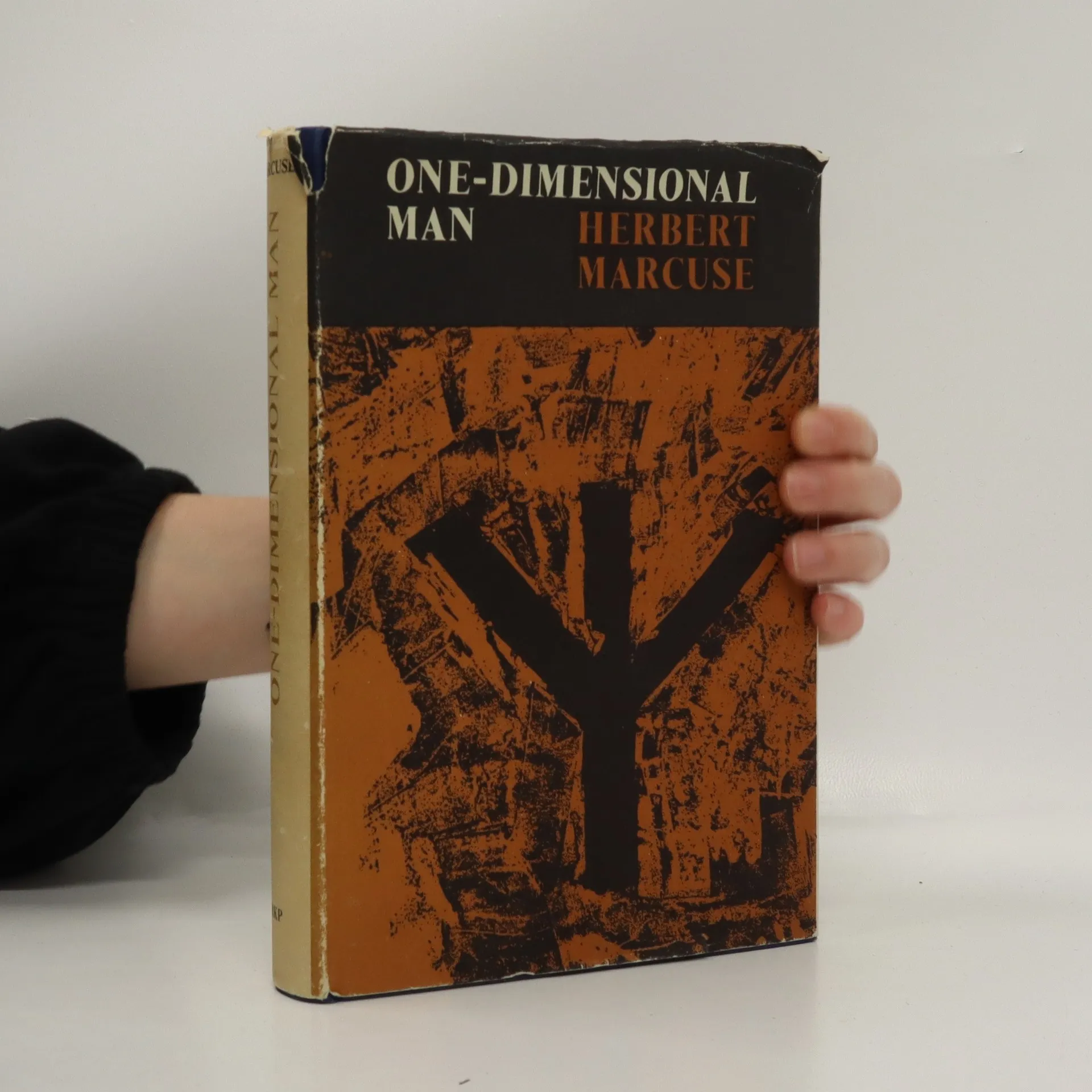
One of the most important texts of modern times, Herbert Marcuse's analysis and image of a one-dimensional man in a one-dimensional society has shaped many young radicals' way of seeing and experiencing life. Published in 1964, it fast became an ideological bible for the emergent New Left. As Douglas Kellner notes in his introduction, Marcuse's greatest work was a 'damning indictment of contemporary Western societies, capitalist and communist.' Yet it also expressed the hopes of a radical philosopher that human freedom and happiness could be greatly expanded beyond the regimented thought and behaviour prevalent in established society. For those who held the reigns of power Marcuse's call to arms threatened civilization to its very core. For many others however, it represented a freedom hitherto unimaginable.
Als een 11-jarige jongen met taaislijmziekte in de terminale fase komt, maar een longtransplantatie weigert, komt zijn behandelend arts voor de keus tussen leven en dood te staan.