

Exploring the interplay between emotions and legal frameworks, this work highlights how feelings serve as a motivational force in shaping legal judgment, policy, and practice. It offers an inclusive commentary on the historical and ongoing impact of emotions in the legal sphere, emphasizing their significance in the evolution of legal dogma. The book invites readers to reconsider the role of emotions in law and its implications for justice and policy-making.
Julia Shaw Books
January 1, 1987
Julia Shaw delves into the complex interplay of psychology and law, with a particular focus on crime and memory. Her work critically examines how the human mind constructs and retains recollections of events, especially those of a traumatic nature. Shaw employs an interdisciplinary approach, weaving together insights from psychology with legal considerations of human behavior. She endeavors to illuminate for readers the intricate workings of human memory and its profound impact on our perception of justice.


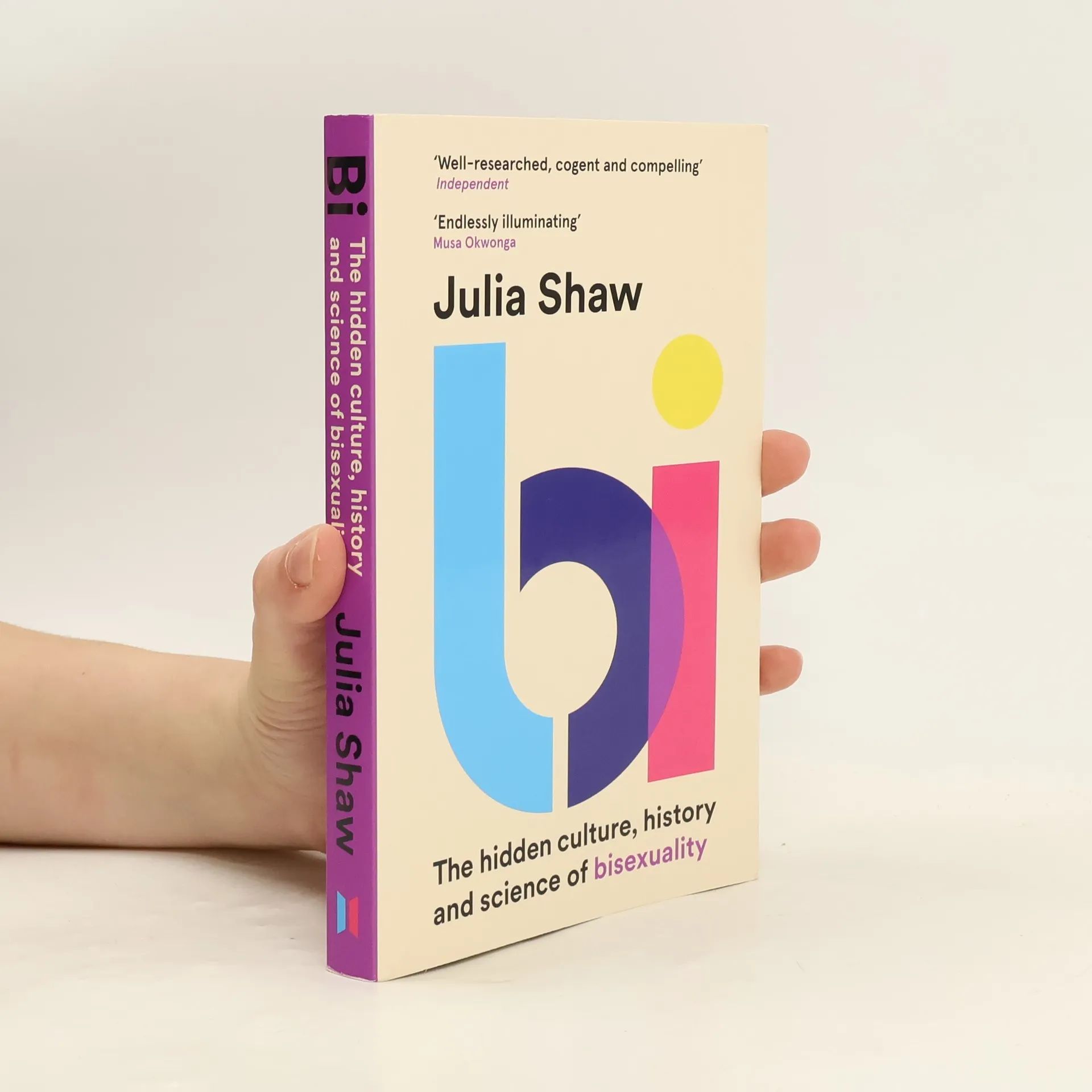
A WATERSTONES BEST BOOK OF 2022: POLITICSBi: The Hidden Culture, History and Science of Bisexuality explores all that we know about the world's largest sexual minority. It is a personal journey that starts with Dr Julia Shaw's own openly bisexual identity, and celebrates the resilience and beautiful diversity of the bi community. From the hunt for a bi gene, to the relationship between bisexuality and consensual non-monogamy, to asylum seekers who need to prove their bisexuality in a court of law, there is more to explore than most have ever realised.
The Memory Illusion
- 288 pages
- 11 hours of reading
Memories make us who we are--yet the truth is they are far from being the accurate record we like to think they are. We can all admit to occasional memory lapses, but what if we have the potential for more profound errors of memory, even verging on outright fabrication and self-deception? Forensic psychologist and memory expert Dr. Julia Shaw uses the latest research to show the astonishing variety of ways in which our brains can be led astray. She shows why we can misappropriate other people's memories, believing them to be our own. She explains how police officers can imprison an innocent man for life on the basis of 300 denials and just one confession. She demonstrates the way radically false memories can be deliberately implanted, leading people to believe that they brutally murdered a loved one, or were abducted by aliens. And she reveals how, in spite of all this, we can improve our memory through awareness of its fallibility.
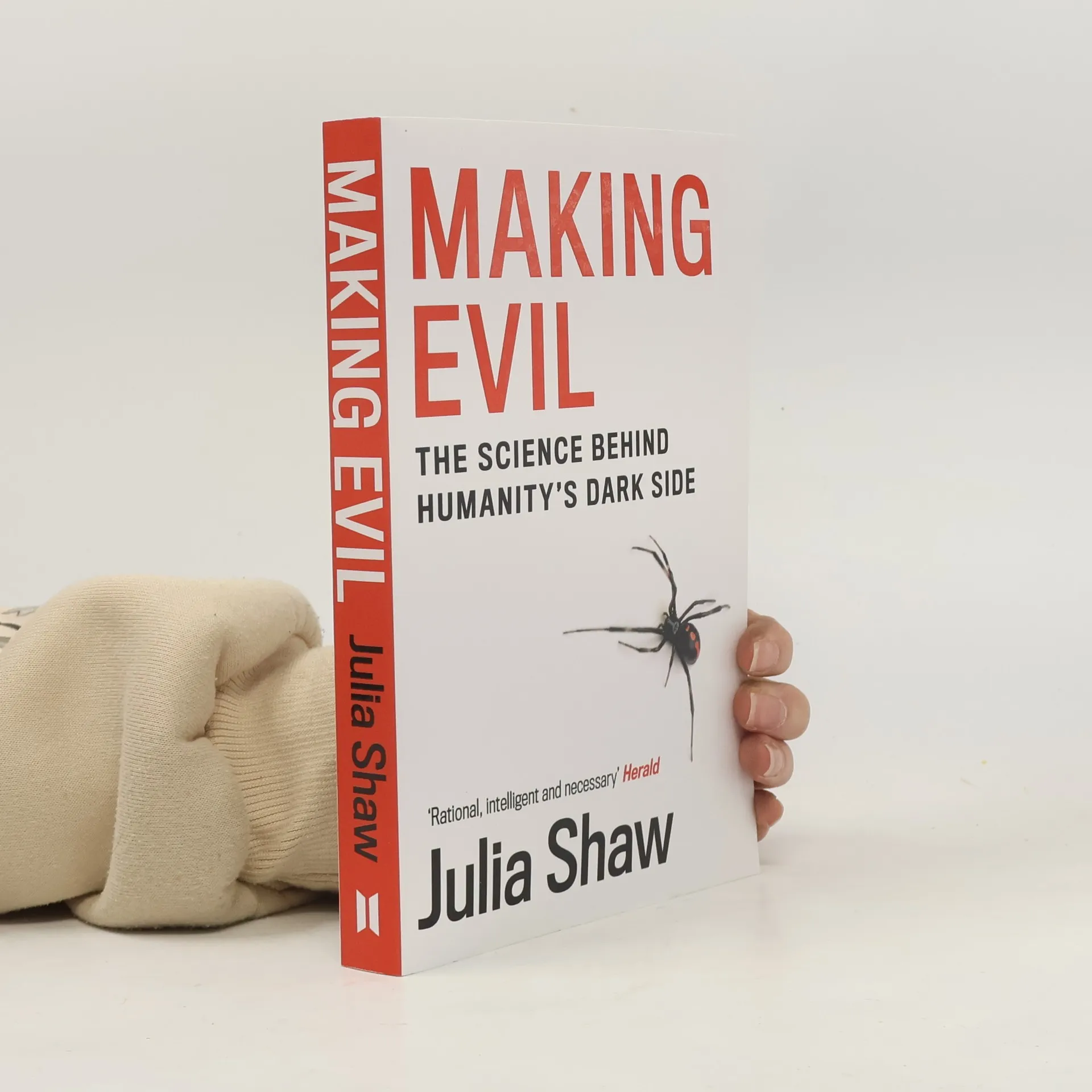
Making Evil : The Science Behind Humanity's Dark Side
- 320 pages
- 12 hours of reading
What is it about evil that we find so compelling? From our obsession with serial killers to violence in pop culture, we seem inescapably drawn to the stories of monstrous acts and the aberrant people who commit them. But evil, Dr. Julia Shaw argues, is all relative, rooted in our minds and our unique cultures. What one may consider normal, like sex before marriage, eating meat, or being a banker, others find abhorrent. And if evil is only in the eye of the beholder, can it be said to exist at all? In Evil, Shaw uses case studies and examples from academia and popular culture and anecdotes from everyday life to break down complex information and concepts like the neuroscience of evil, the psychology of bloodlust, and workplace misbehavior. This is a wide-ranging exploration into a fascinating, darkly compelling subject.
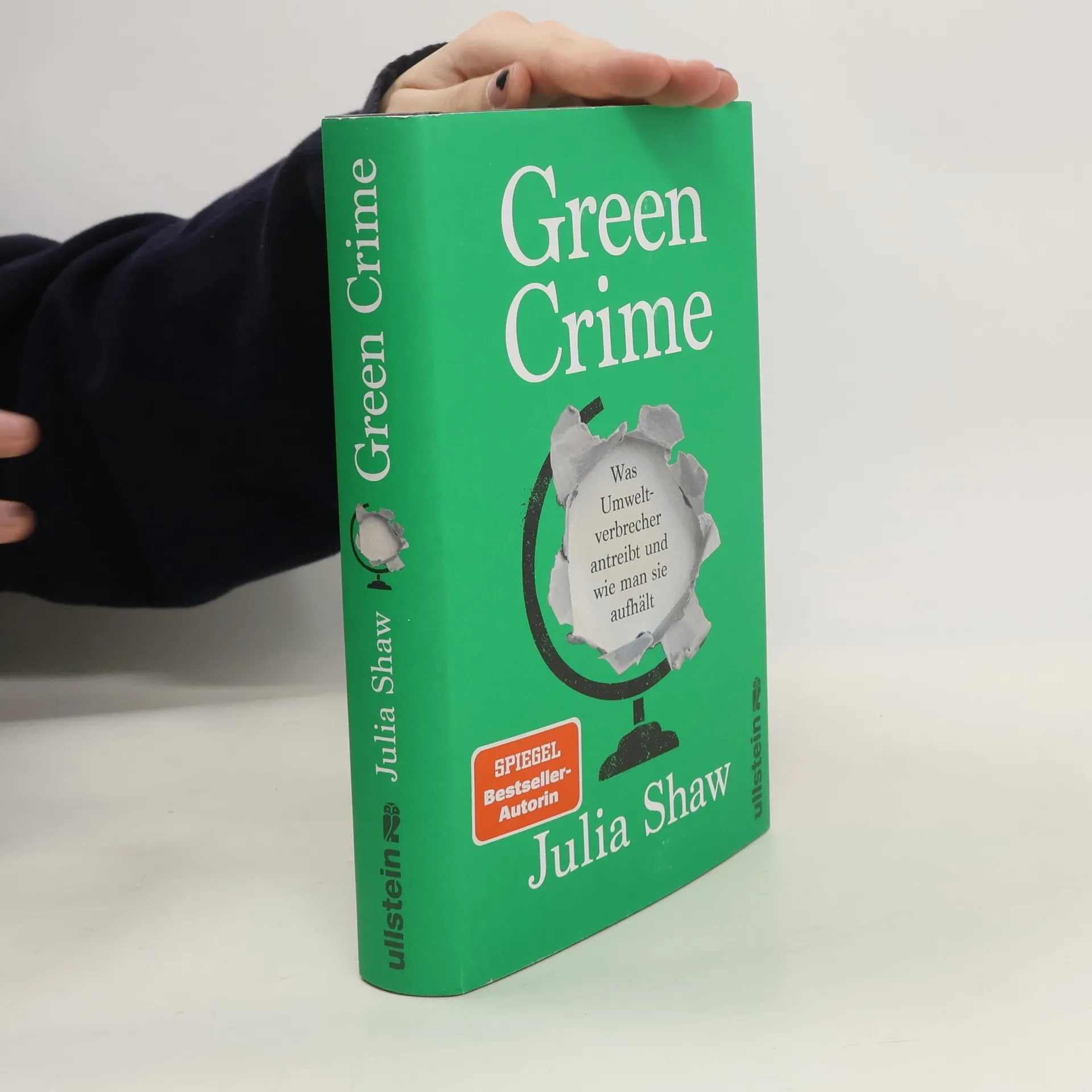
Green Crime
Was Umweltverbrecher antreibt und wie man sie aufhält | Von der renommierten Kriminalpsychologin aus Großbritannien
- 304 pages
- 11 hours of reading
Tatort Erde – die größten Umweltverbrechen unserer Zeit Morde im Regenwald, Abgasbetrug in der Autobranche, Wilderer-Syndikate in Afrika – Bestsellerautorin und Kriminalpsychologin Julia Shaw enthüllt die Mechanismen ökologischer Verbrechen. Eine fesselnde Reise in kriminelle Abgründe, die uns alle angehen. Wer steckt hinter der Umweltzerstörung, die unsere Zukunft bedroht? Wie rechtfertigen die Täter ihr Handeln? Und vor allem: Was können wir dagegen tun? Julia Shaw taucht ein in die Welt der Umweltkriminalität und zeigt, dass verbrannte Wälder, vergiftete Ozeane und Schadstoffe in der Luft oft ungeahndet bleiben. Anhand großer Umweltverbrechen untersucht sie die Psyche der Täter, erklärt, wie Menschen zu Umweltzerstörern werden, und beleuchtet die Dynamiken, die dies Verbrechen ermöglichen. Untermauert von brisantem Insiderwissen engagierter Ermittler und Wissenschaftlerinnen aus aller Welt zeigt sie eindrucksvoll, dass der Kampf gegen die Klimakatastrophe mehr erfordert als gute Absichten. Sie legt konkret dar, wie Umweltverbrechen im Vorfeld verhindert und Täter konsequent zur Rechenschaft gezogen werden können.
Bi: Neviditeľný svet bisexuality
- 324 pages
- 12 hours of reading
O najväčšej sexuálnej menšine toho vieme stále veľmi málo. Kriminálna psychologička, spisovateľka a otvorená bisexuálka Julia Shaw sa preto rozhodla preskúmať jej pestrý a fascinujúci svet. Hľadanie bi génu, vzťah medzi orientáciou a konsenzuálnou nemonogamiou či dokazovanie bisexuality pred súdom pri žiadosti o azyl – to je len zlomok toho, čo sme o bisexualite doteraz netušili. Boj za práva LGBTI+ ľudí sa ešte zďaleka neskončil a táto kniha je nielen dôslednou štúdiou, ale aj oslavou odolnosti a rozmanitosti komunity skrytej za písmenom B.