


Explore the latest books of this year!
Bookbot

Marguerite

    This author, immersed in the intricate dramas of the French royal court, gained renown for her memoirs. Her literary legacy lies in her raw and candid portrayals of courtly life, navigating political conflicts and personal entanglements. With unflinching honesty, she unveils the machinations of power and passion, offering a unique perspective on a tumultuous era of French history. Her style is direct and immersive, drawing readers into the heart of the events she chronicles.

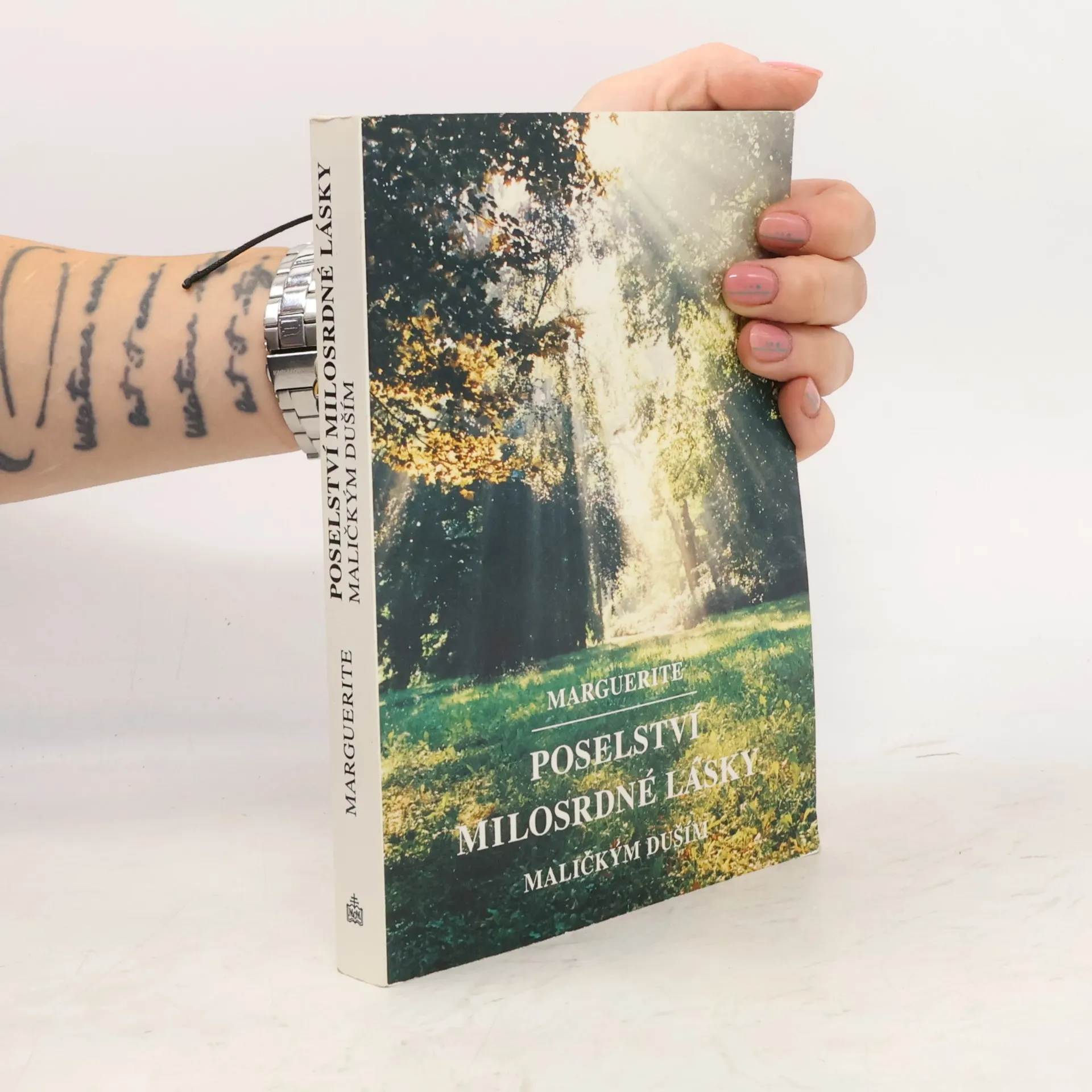
    Poselství milosrdné lásky maličkým duším
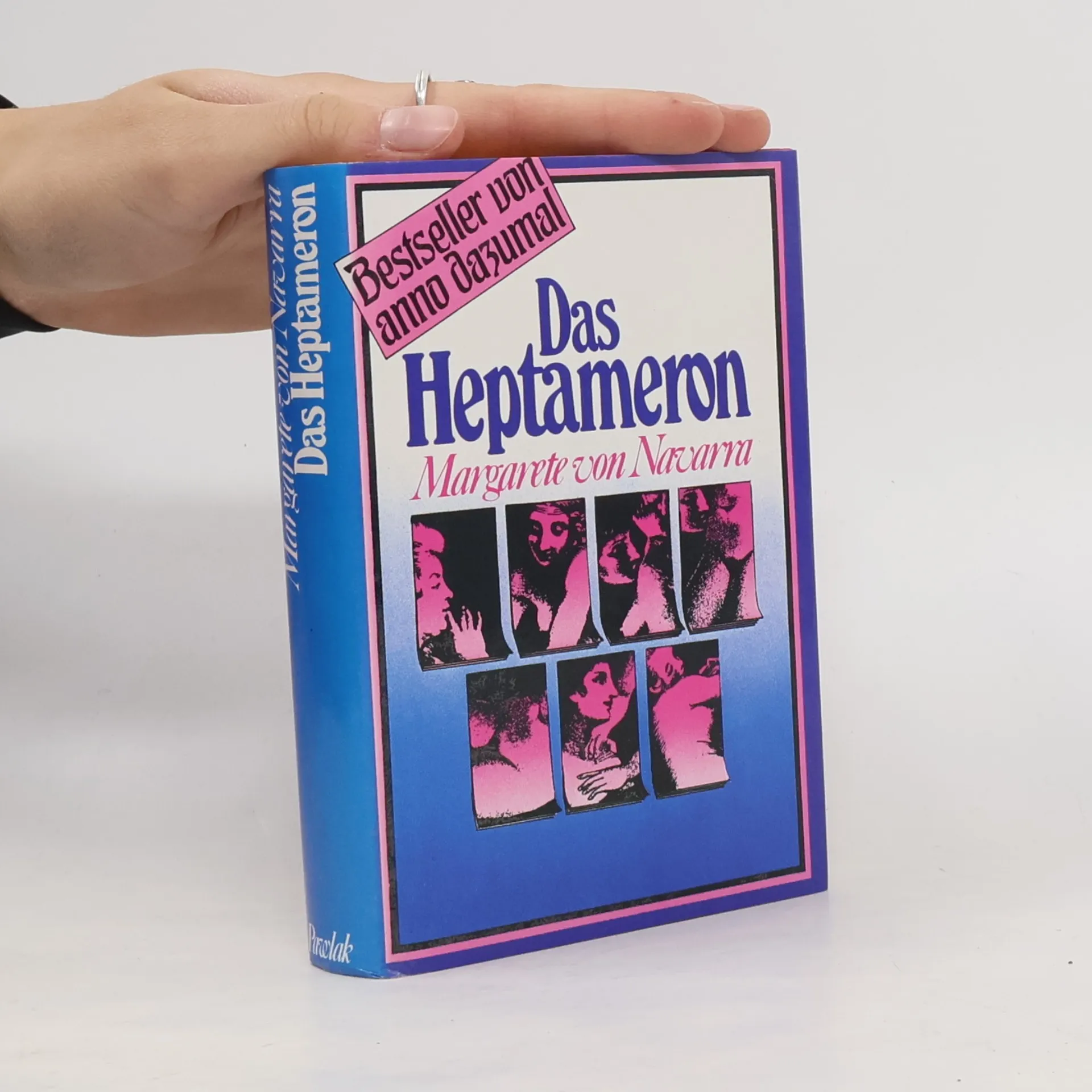
    L'Heptaméron
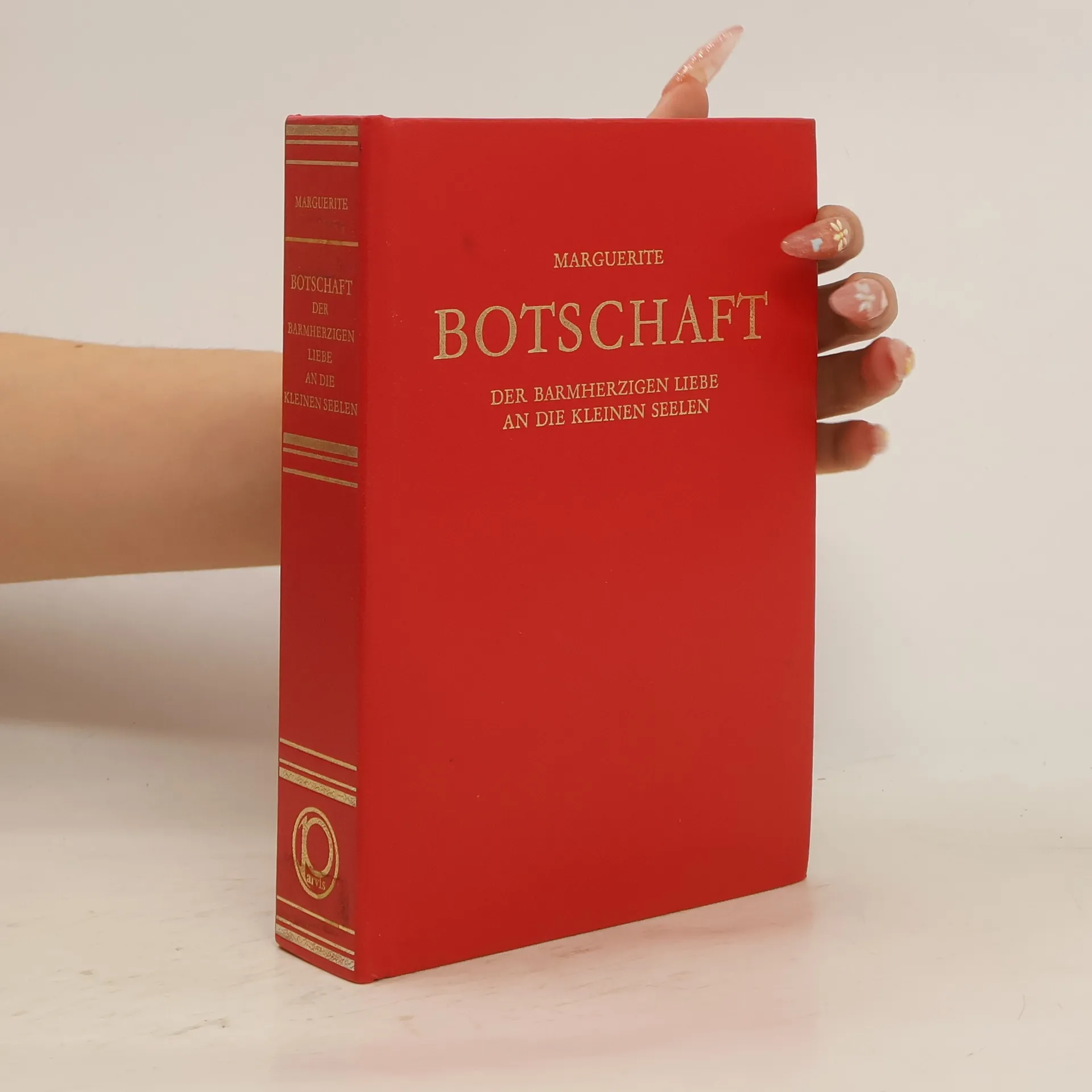
    Botschaft der barmherzigen Liebe an die kleinen Seelen
    Yves Saint Laurent: Icons of Fashion Design & Photography
    • Yves Saint Laurent: Icons of Fashion Design & Photography

      Icons of Fashion Design & Photography

      • 232 pages
      • 9 hours of reading

      This collection showcases the iconic photography of Marguerite Duras, capturing the groundbreaking fashion innovations of Yves Saint Laurent. Through her lens, the book highlights the transformative impact of Saint Laurent's designs on the fashion industry, celebrating his creativity and influence. Each photograph serves as a testament to his visionary approach, offering a visual narrative that intertwines art and fashion.

      Yves Saint Laurent: Icons of Fashion Design & Photography
      3.9
    • L'Heptaméron

      Édition de Nicole Cazauran

      • 753 pages
      • 27 hours of reading

      Marguerite de Navarre (1492-1549), sœur de François Ier et reine de Navarre par son second mariage, est la grand-mère d'Henri IV. Marot a dit d'elle : " Corps féminin, cœur d'homme et tête d'ange. " Ce recueil est un des textes fondamentaux de la Renaissance et, entre Rabelais et Montaigne, l'un des trois plus importants. Il est constitué de nouvelles à l'italienne, au genre et au ton variés, racontées par des orateurs différents, enfermés par le mauvais temps dans une abbaye. Certaines histoires font rire, d'autres pleurer, de la farce à la comédie psychologique, de la violence extérieure à la violence des passions. Elles se veulent toutes actuelles et " véritables ", miroirs de l'homme, dans ses misères, dans " la fragilité des cœurs ". Entre chaque récit, les auditeurs confrontent leurs réactions et leurs interprétations. Le thème principal est l'amour, selon la morale, la société, la sexualité, la métaphysique : il s'achève alors en Dieu. Marguerite de Navarre est au XVIe siècle ce que Maupassant est au XIXe.

      L'Heptaméron
      3.2