Ravi Zacharias was a globally recognized speaker and author who dedicated nearly fifty years to addressing the fundamental existential questions of human existence. With a conviction in the enduring truth of Christianity, he sought to confront the toughest critiques. His work masterfully interweaves biblical teaching with Christian apologetics, offering profound insights into the divine design within life's ordinary and extraordinary elements. Through his writings and worldwide platform, he inspired readers and listeners to contemplate the meaning of life, morality, and ultimate destiny.
How you answer the question of God's existence, Zacharias says, will impact your relationship with others, your commitment to integrity, your attitude toward morality, your perception of truth, and your sense of meaning in life
Since the first edition was published in 1965, "The Kingdom of the Cults" has been the authoritative reference work on major cult systems. Updated regularly, it continues to be a crucial tool in countercult ministry and evangelism for teachers and pastors as well as lay Christians.
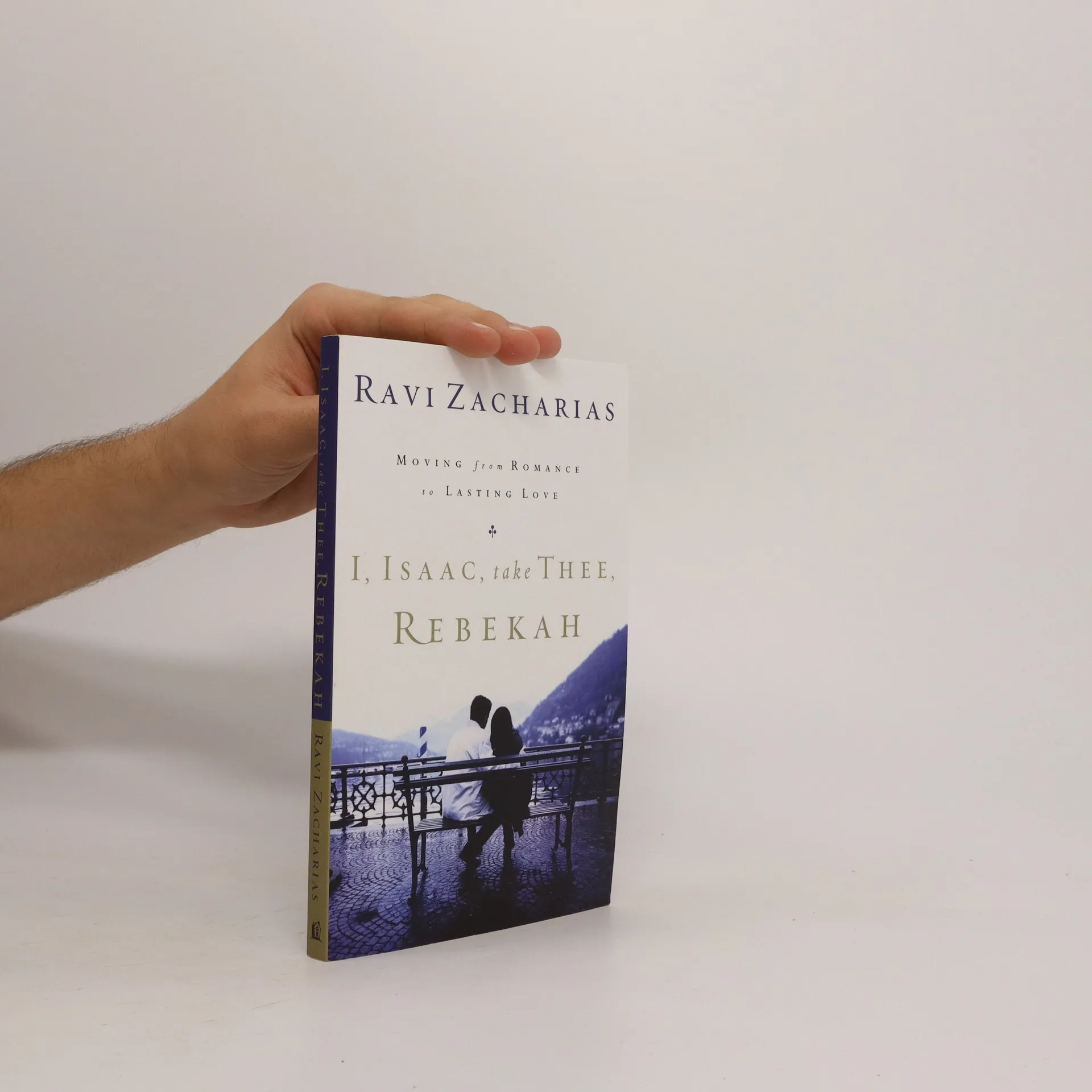
In the twenty-fourth chapter of Genesis a beautiful young woman offers assistance to a weary traveler and his camels, and out of that simple action, a marriage results-a marriage that offers profound lessons to couples today. Bible scholar and renowned speaker Ravi Zacharias draws five points critical to the long-lasting success of every marriage from the biblical story of the marriage of Isaac and Rebekah. "Real love folds together both the emotions and the will," writes Zacharias. "Without the emotions, marriage is a drudgery; without the will, it is a mockery." Building upon that foundational truth, Zacharias goes on to explain the principles of seeking the counsel of others when finding a mate, cherishing your partner, remaining pure, becoming a man or woman of prayer, and, finally, risking everything in a relationship in order to experience God's ideal for love. Couples everywhere, from those about to be married, to those who have been married for decades, will draw strength and wisdom for the journey of marriage as they learn from Ravi what it means to move from romance to lasting love.
You can't be friends with God if the God you believe in doesn't really exist. You can't depend on God if your God is a figment of your imagination. In a world full of gods, how do you know Jesus is real? You have probably heard things like: All religions lead to the same God. All faiths teach the same things. It doesn't matter what you believe-just that you believe sincerely. But Jesus said that: He alone is the way to God. He alone shows us the truth of who God is. He alone gives us life close to God. In this youth edition of Jesus Among Other Gods, Ravi Zacharias gives solid evidence as to why we should choose Jesus Christ as THE God among all other gods. Zacharias contrasts the truth of Jesus with the founders of Islam, Hinduism, and Buddhism, providing strong descriptions of each faith and solid defenses for the cause of Christ. In addition to the religion comparisons, the book answers questions such as: "What about all the hypocrites at church?" "How scientific is science?" "How can you best share what you believe?" and "Does the Bible teach reincarnation?" You can never be too young to learn how to defend your faith . . . and this book will tell you exactly how to do just that!
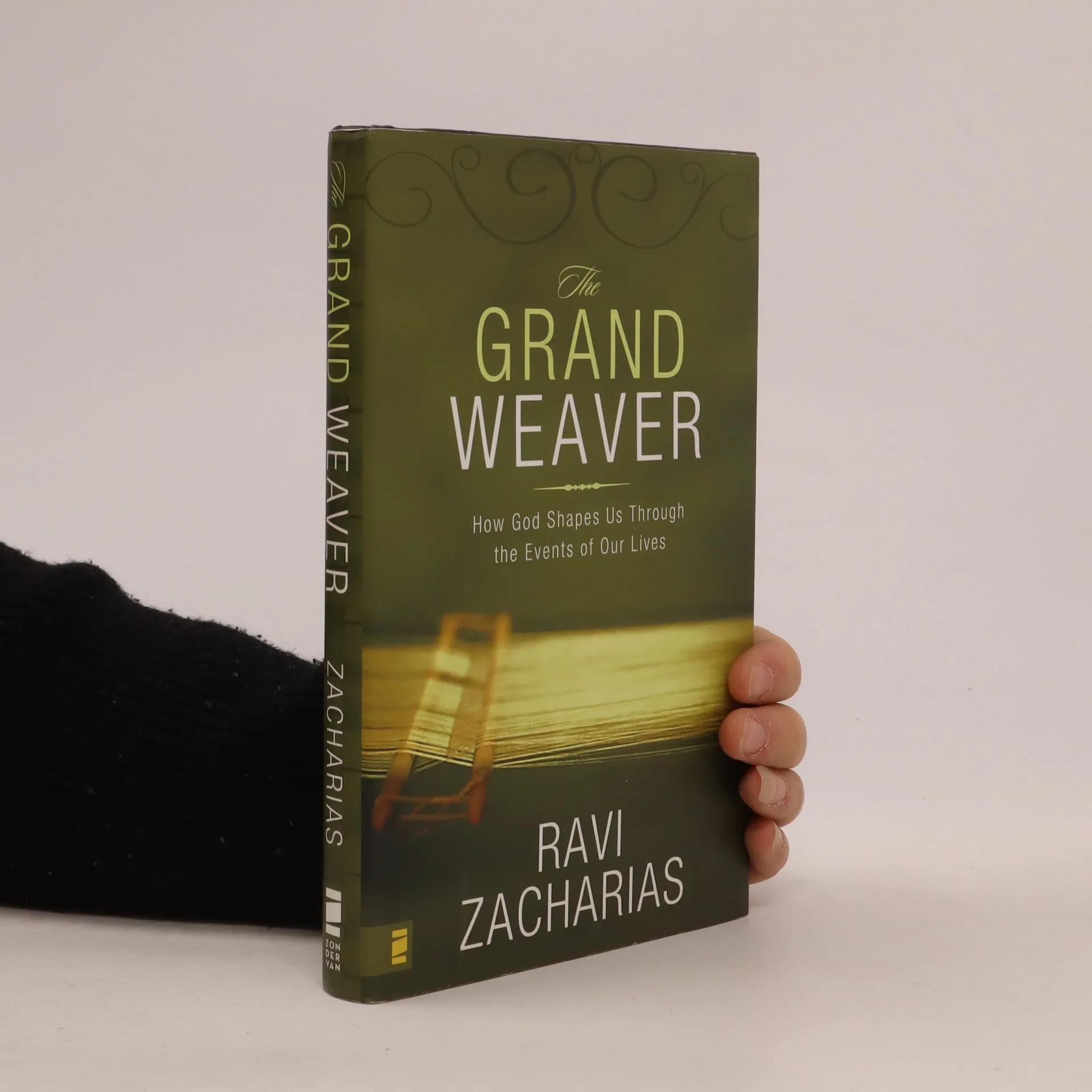
How differently would we live if we believed that every dimension of our lives---from the happy to the tragic to the mundane---were part of a beautiful and purposeful design in which no thread were wrongly woven? That's what best-selling author and internationally-known apologist, Ravi Zacharias, explores in The Grand Weaver.As Christians, we believe that great events such as a death or a birth are guided by the hand of God. Yet we drift into feeling that our daily lives are the product of our own efforts. This book brims with penetrating stories and insights that show us otherwise. From a chance encounter in a ticket line to a beloved father's final word before dying, from a random phone call to a line in a Scripture reading, every detail of life is woven into its perfect place. In The Grand Weaver, Dr.
In the last decade, atheism has leapt from obscurity to the front pages: producing best-selling books, making movies, and plastering adverts on the side of buses. There's an energy and a confidence to contemporary atheism: many people now assume that a godless scepticism is the default position, indeed the only position for anybody wishing to appear educated, contemporary, and urbane. Atheism is hip, religion is boring. Yet when one pokes at popular atheism, many of the arguments used to prop it up quickly unravel. The Atheist Who Didn't Exist is designed to expose some of the loose threads on the cardigan of atheism, tug a little, and see what happens. Blending humour with serious thought, Andy Bannister helps the reader question everything, assume nothing and, above all, recognise lazy scepticism and bad arguments. Be an atheist by all means: but do be a thought-through one.
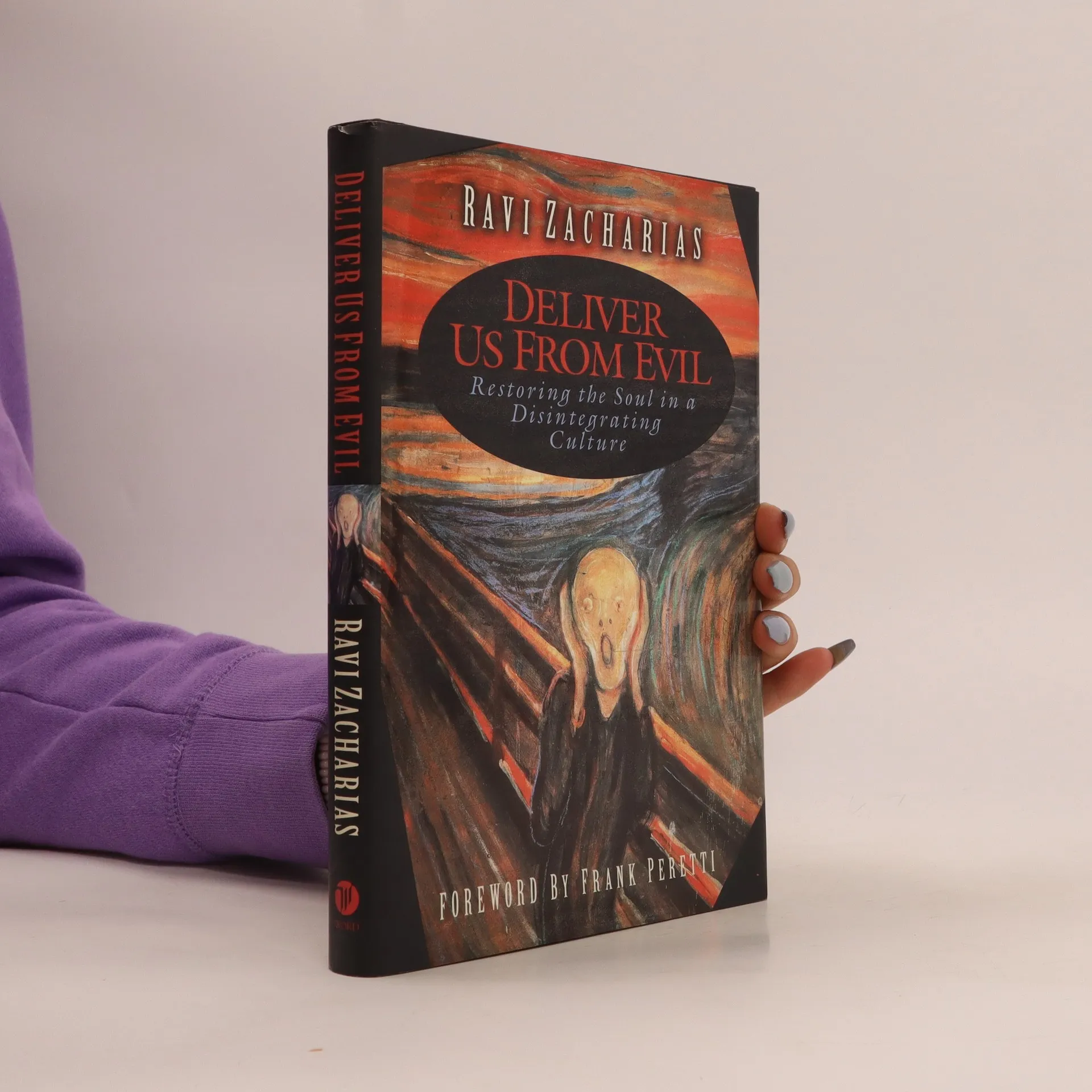
A deep disfigurement, a vortex of violence, is eroding at the soul of our culture. Tragedies and atrocities are common fare. Evil is at center stage. In this insightful book, author Ravi Zacharias forcefully issues a grave warning to those nations "so imbued with strength, so splendidly attractive, so rich in resources"--And so blind to the source of evil dwelling in their midst. Zacharias writes that despite the wealth, advancements, and intelligence of our Western culture, we are "living with great philosophical risk, not pausing to uncover, even for a moment, the ramifications for the soul." With clarity and insight, Zacharias shows how many of today's most popular ideas, seemingly innocent thoughts and beliefs, are vandalizing our culture. With inspiring persuasion and unshakable certainty he shows why "neutrality on these issues is impossible" and why "even the so-called nonsecular and religiously dominated cultures of the world had better pay heed to the truths" he uncovers. Here you will find the common ground of what threatens all of us. And from that common ground the answers will become clear and inescapable. - Jacket
In a culture that casts skepticism on the Christian worldview, you can be prepared to refute the most common arguments put forward by atheists with clarity and hope. When author Sam Harris confronted Christianity in Letter to a Christian Nation , reviewers called the book "marvelous" and a generation of readers--hundreds of thousands of them--were drawn to his message. Deeply troubled, Dr. Ravi Zacharias knew that he had to respond. For over thirty years, Dr. Zacharias has been an acclaimed apologist for Christian thought and belief. In this response, he gives a strong and rational answer to Harris's claims and questions, such In Zacharias's compelling and uplifting response, he spells Dr. Zacharias's words are not only for those who have read the writings of the new atheists, but also for Christians who have felt their beliefs come under fire in the marketplace of ideas. His powerful, passionate message will ignite you with the hope of the gospel and the authority of Jesus Christ's teachings.
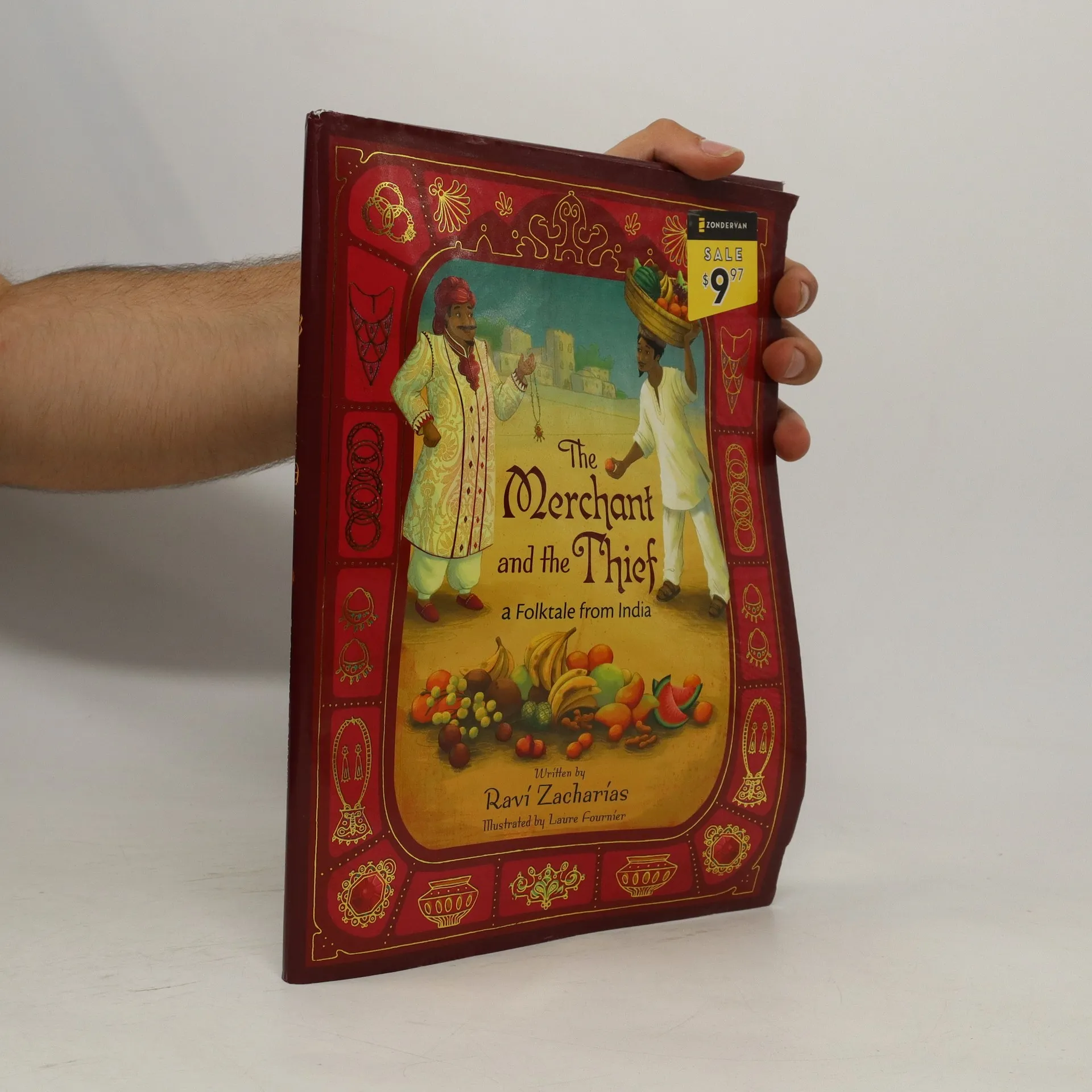
In this adaptation of an Indian folktale, a thief traveling with a wealthy jewel merchant tries and fails several times to uncover and steal his treasures, but in return the merchant offers the thief God's forgiveness and a life in Jesus Christ. Illustrations.
Ravi Zacharias and Vince Vitale defend the absolute claims of Christ against modern belief in the "secular gods" of atheism, scientism, relativism, and more. The rise of these secular gods presents the most serious challenge to the absolute claims of Christ since the founding of Christianity itself. The Christian worldview has not only been devalued and dismissed by modern culture, but its believers are openly ridiculed as irrelevant. In Jesus Among Secular Gods , Ravi Zacharias and Vince Vitale challenge the popular "isms" of the day, skillfully pointing out the fallacies in their claims and presenting compelling evidence for revealed absolute truth as found in Jesus. This book is fresh, insightful, and important, and faces head on today's most urgent challenges to Christian faith. It will help seekers to explore the claims of Christ and will provide Christians with the knowledge to articulate why they believe that Jesus stands tall above all other gods.
Knapp 70 Prozent aller Westeuropäer bestreiten, dass es so etwas wie Wahrheit gibt. Diese Verwirrung um die Wahrheit ist eine der grundlegenden Krisen unserer Tage. Oder wie es Joseph Kardinal Ratzinger einen Tag vor seiner Wahl zum Papst gesagt hat: „Einen klaren Glauben nach dem Credo der Kirche zu haben, wird oft als Fundamentalismus abgetan. Während der Relativismus, bei dem man sich von einer Glaubenslehre zur anderen hinreißen lässt, als die einzige, den heutigen Zeiten entsprechende Verhaltensweise erscheint. So entsteht eine Diktatur des Relativismus, die nichts als endgültig anerkennt und als das letzte Maß aller Dinge nur das eigene Ich und dessen Gelüste versteht.“ Was nützt es uns, wenn wir sagen, Jesus ist die Wahrheit, wenn zwei Drittel der Menschen glauben, es gibt so etwas wie Wahrheit überhaupt nicht? Wenn Christen sich bei den denkenden Menschen heute Gehör verschaffen wollen, müssen sie den Begriff Wahrheit an sich verteidigen. Genau das macht Ravi Zacharias in diesem Buch – und er macht es brillant. Er legt eine apologetische Verteidigung des christlichen Glaubens vor, die eindringlich und zwingend ist.
Autor předkládá fiktivní rozhovor mezi Buddhou a Ježíšem, zasazený do kontextu tragického úmrtí mladé prostitutky. Tímto dialogem ilustruje základní rozdíly v pojetí osobní víry.
Jednoho dne si uvědomíme, že úcta a upřímnost nás neopravňují k chybám. Pravda vyžaduje hledání a oddanost, a naše úsudky musí být v souladu s Pravdou, která obstojí ve zkoušce. Být spoután lží je nejhorším vězením.
Příběh začíná vzpomínkou na článek o mladé ženě, která odešla do velkoměsta za prací a zaplatila nejvyšší cenu – smrtí na AIDS. Prija, krásná sedmnáctiletá dívka, je po příjezdu znásilněna přítelem, což spustí čtrnáct let bolesti a neštěstí. V jednadvaceti letech se stává prostitutkou ovládanou zločinci.
Po nechtěném těhotenství se rozhodne dítě odložit a pokračovat v prostituci. Později zjistí, že je HIV pozitivní, a život pro ni ztrácí cenu. Uchyluje se k drastickým léčebným metodám a několikrát se pokusí o sebevraždu, až nakonec umírá po vypití jedu a zapálení domu.
Jak by reagoval Ježíš na Prijino zbídačené tělo a bolavé srdce? A co by jí řekl Buddha v zemi, kde dominuje buddhismus? Kdo z nich nabídne odpovědi, které uklidní zlomené srdce Priji, a kdo odpoví nám?
Ravi Zacharias, autor několika knih, vynikající apologeta křesťanské víry, který je čten a ceněn pro svůj mimořádný všeobecný rozhled, kultivovanost projevu i mimořádnou citlivost, ve své knize předkládá svůj pohled na „volání lidského srdce po Bohu“. Definuje základní otázku člověka, která se táže: Kdo jsi Bože? A odhaluje naši touhu po hlubokém prožitku víry, i po hledání porozumění ve chvílích viditelného i skrytého utrpení. Zároveň citlivým hlasem odpovídá osaměle naříkajícímu srdci každého z nás. V závěrečné kapitole pak připomíná některé velké příběhy Izraele a jeho proroků, aby na nich ilustroval jednu z největších životních pravd, kterou je setrvalá Boží láska k člověku.
„Tato kniha se nesnaží o pouhé nasazení léčivého balzámu na hořkost a bolest neslyšného pláče. Daleko spíše se pokusí postavit tváří v tvář skutečnosti, že se my všichni, tam, kde jsme sami, setkáváme se svými utajovanými nářky…“
(Ravi Zacharias)
Kniha přináší důkladný rozbor otázek, s jejichž řešením má ateismus těžkosti: jsou to otázky původu člověka, etiky, smysluplnosti života a naděje. Autor věnuje velkou pozornost mezilidským vztahům, postoji k nemocem a smrti.
Pokouší se též odpovědět na otázku, zda jsou tvrzení teismu – oproti ateismu – natolik silná a platná, že je mysl může obhájit.
Vydání první