Charles Thaxton is an author whose work delves into the complex intersections of science, history, and philosophy. His scientific background in physical chemistry, followed by postdoctoral work in the history of science and molecular biology, provides him with a unique perspective. Thaxton explores profound questions concerning the origins of life and the nature of scientific inquiry. His writing challenges readers to re-examine the assumptions that drive scientific exploration.
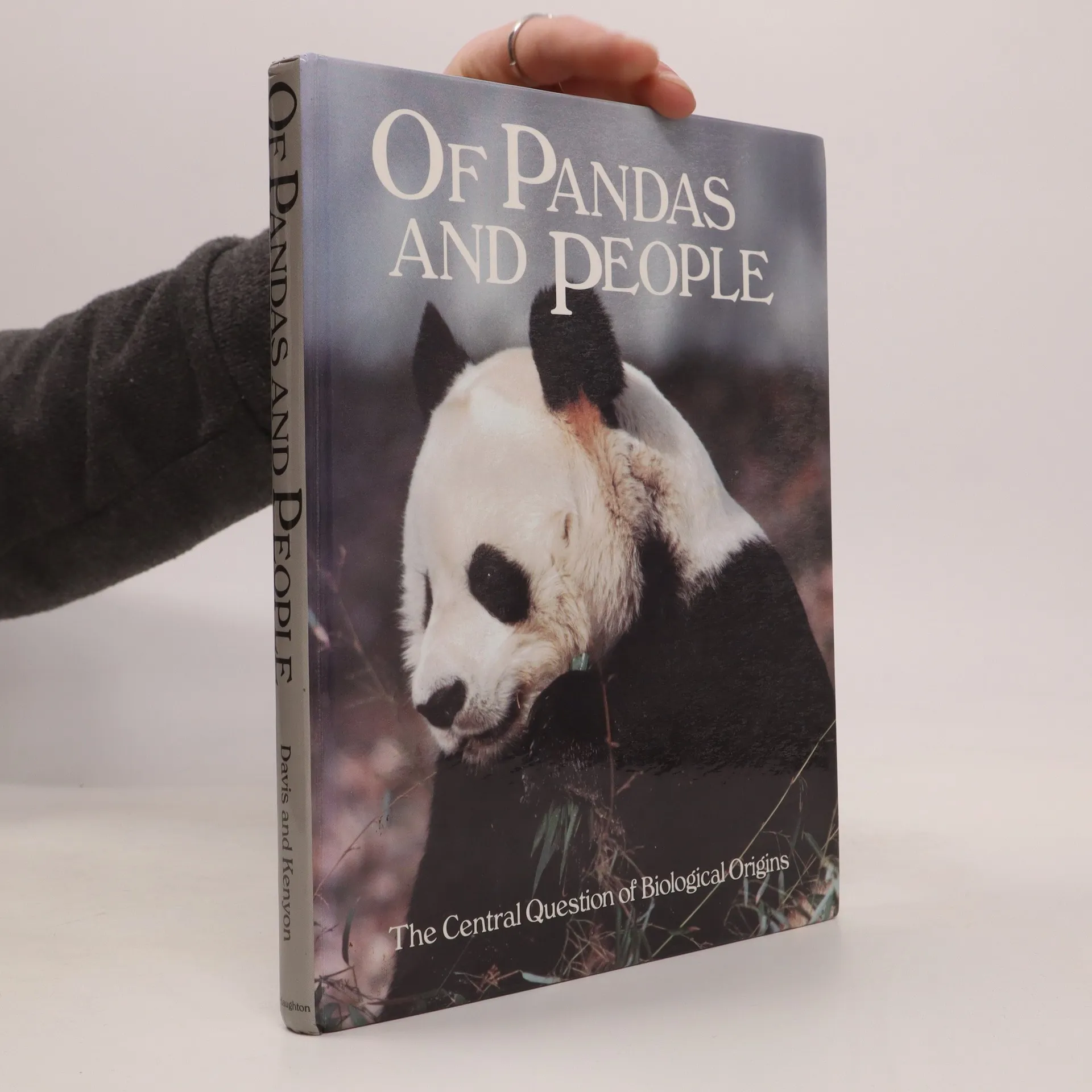
The book delves into contemporary theories, offering a critical reassessment of established ideas within its field. It challenges prevailing assumptions and encourages readers to engage with alternative perspectives. Through a thorough analysis, it aims to stimulate discussion and inspire new approaches, making it a valuable resource for scholars and students alike. The exploration of these theories is both thought-provoking and insightful, pushing the boundaries of traditional thinking.
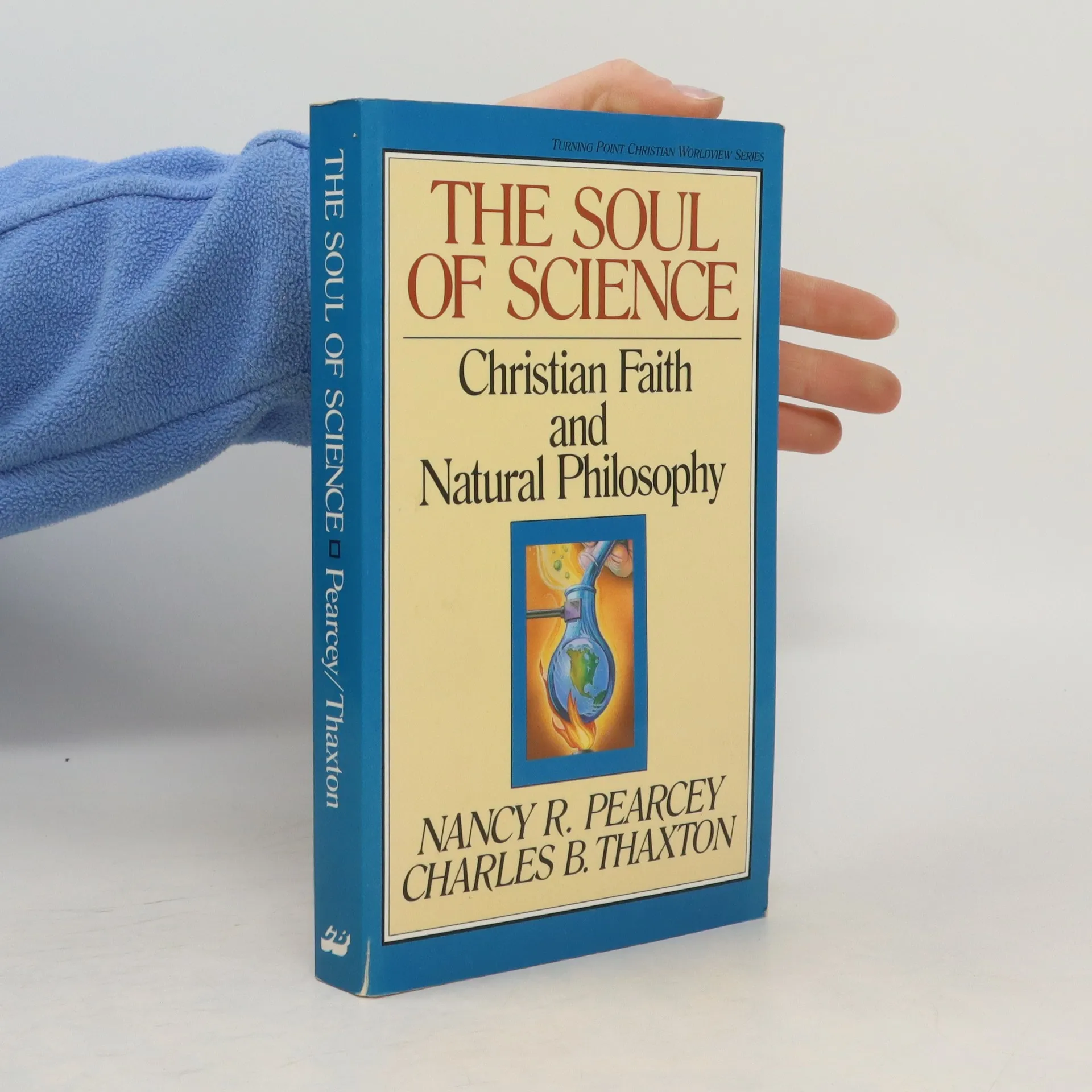
This significant book should be essential reading for all thoughtful Christians and practicing scientists. The authors illustrate how modern science emerged from the Judeo-Christian worldview, which posits a real, contingent universe created by an omnipotent personal God. They argue that humanity's rationality and creativity enable us to explore this universe. Pearcey and Thaxton effectively use analogies to clarify complex concepts, making their explanations accessible to non-specialists. Their insights into topics like Einstein's relativity and the informational content of DNA are exceptional, justifying the book's purchase. Dr. David Shotton from the University of Oxford praises its clarity and relevance. Additionally, Pearcey and Thaxton assert that the perceived alliance between atheism and science is a temporary phenomenon; rather, Christian theism has historically contributed to scientific advancement and will continue to do so. Phillip E. Johnson from the University of California, Berkeley, emphasizes the book's importance for a broad audience. J.P. Moreland from Talbot School of Theology recommends it as an excellent resource for understanding the interplay between science and Christian theology, making it a valuable text for courses on science and religion.