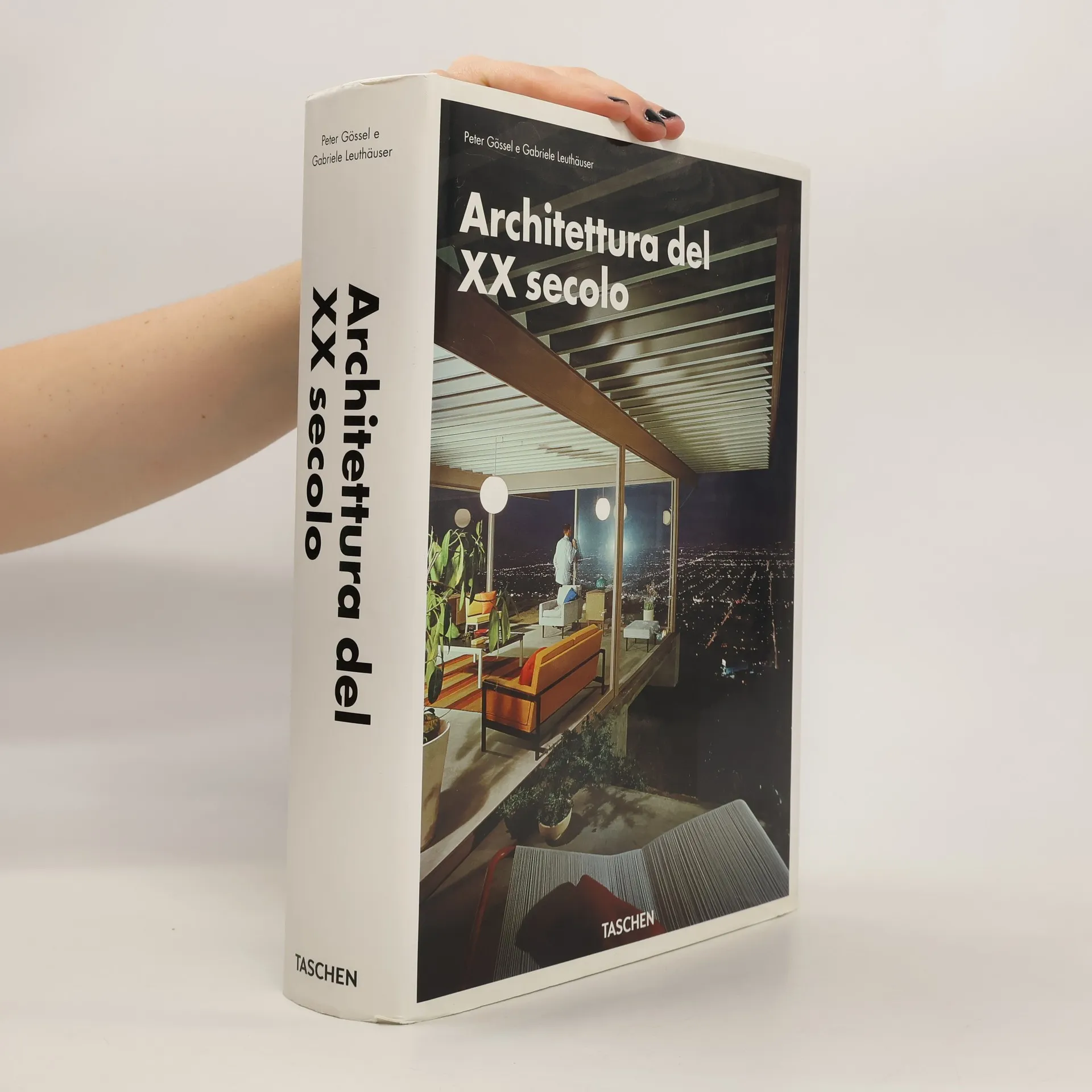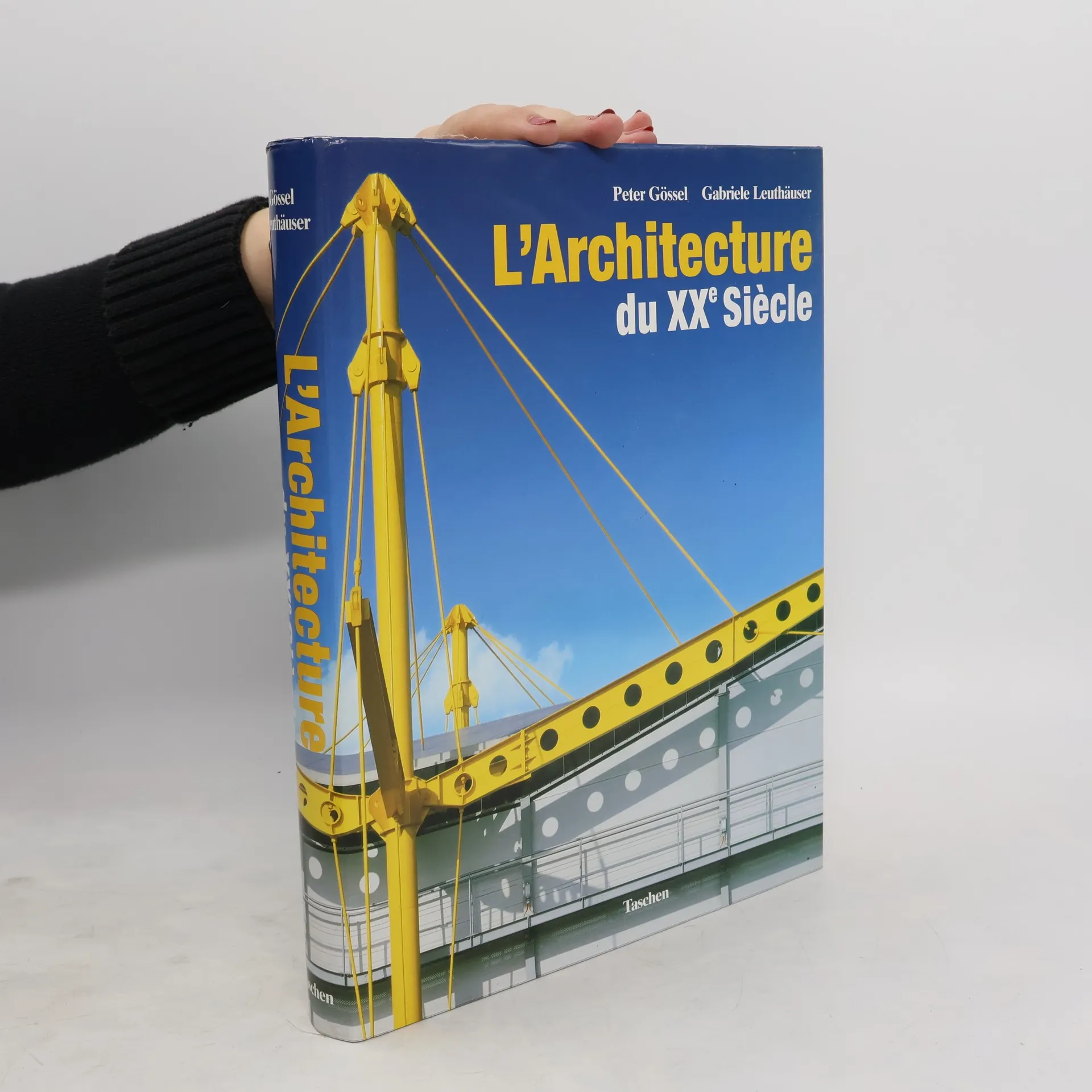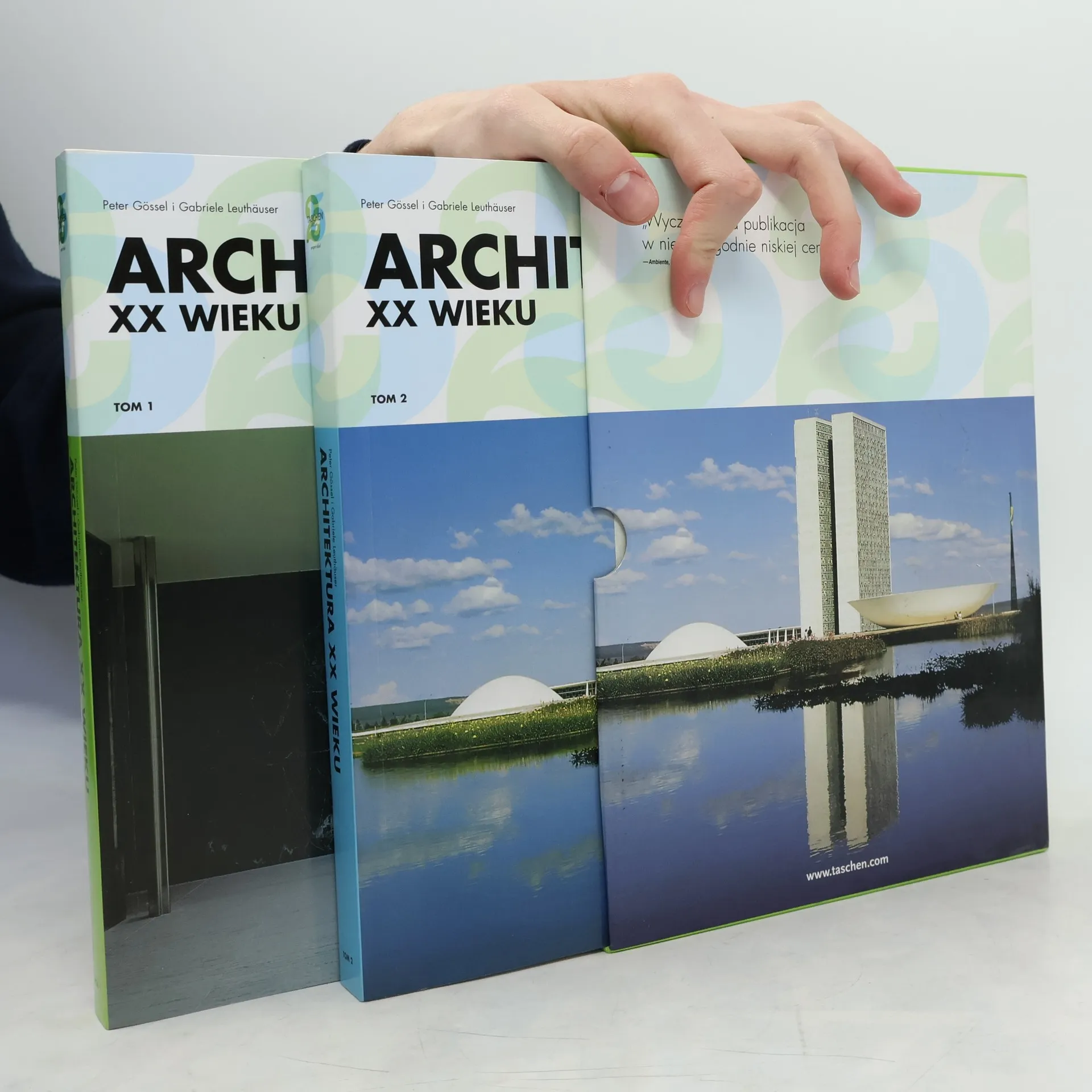
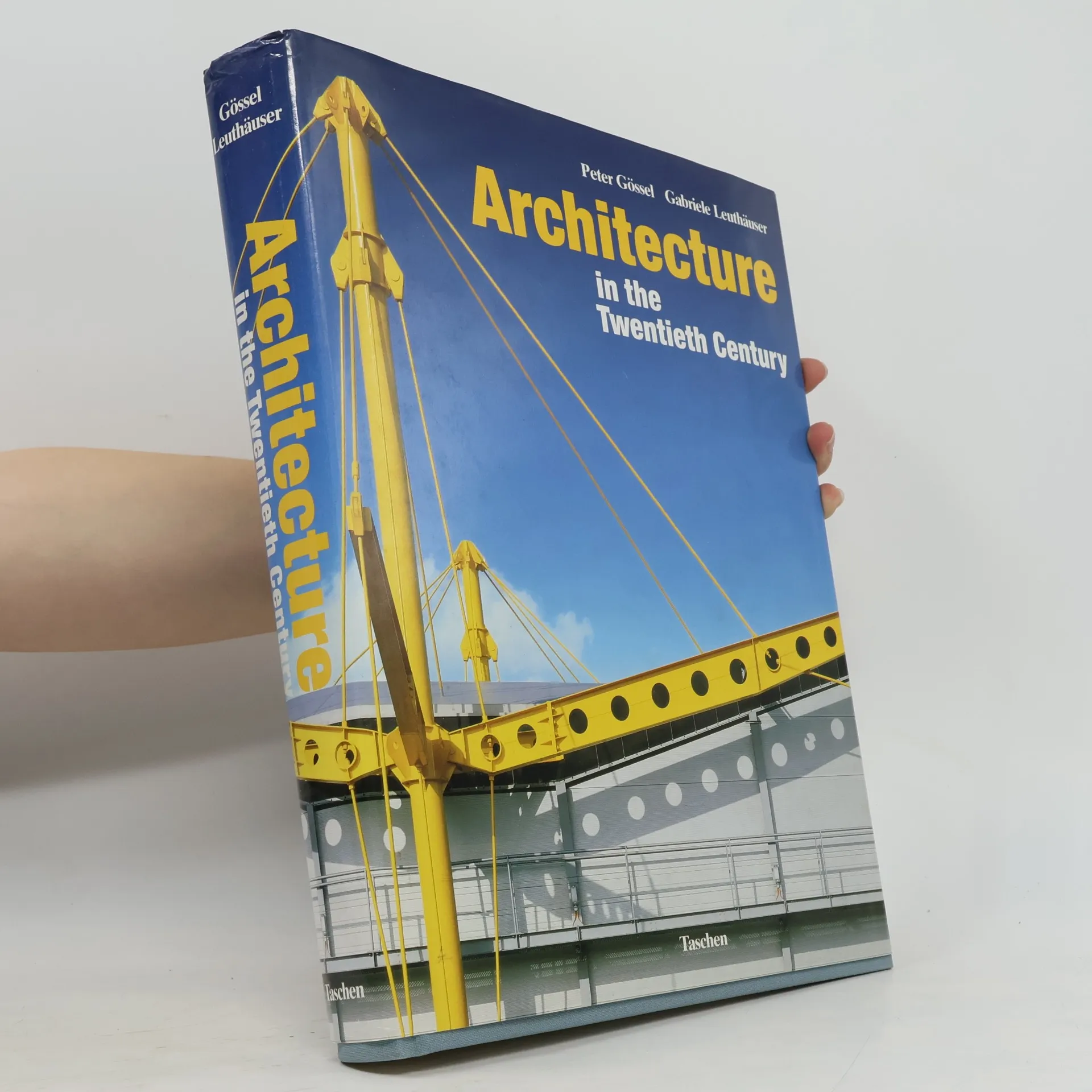
A reference work for architecture in the 20th century. From Frank Lloyd Wright to Antoni Gaudi to Frank O'Gehry to Shigeru Ban and all the best stuff in between, this title includes a biographical appendix that covers all of the century's greatest architects. It is illustrated by large format photos, drawings and floor plans.
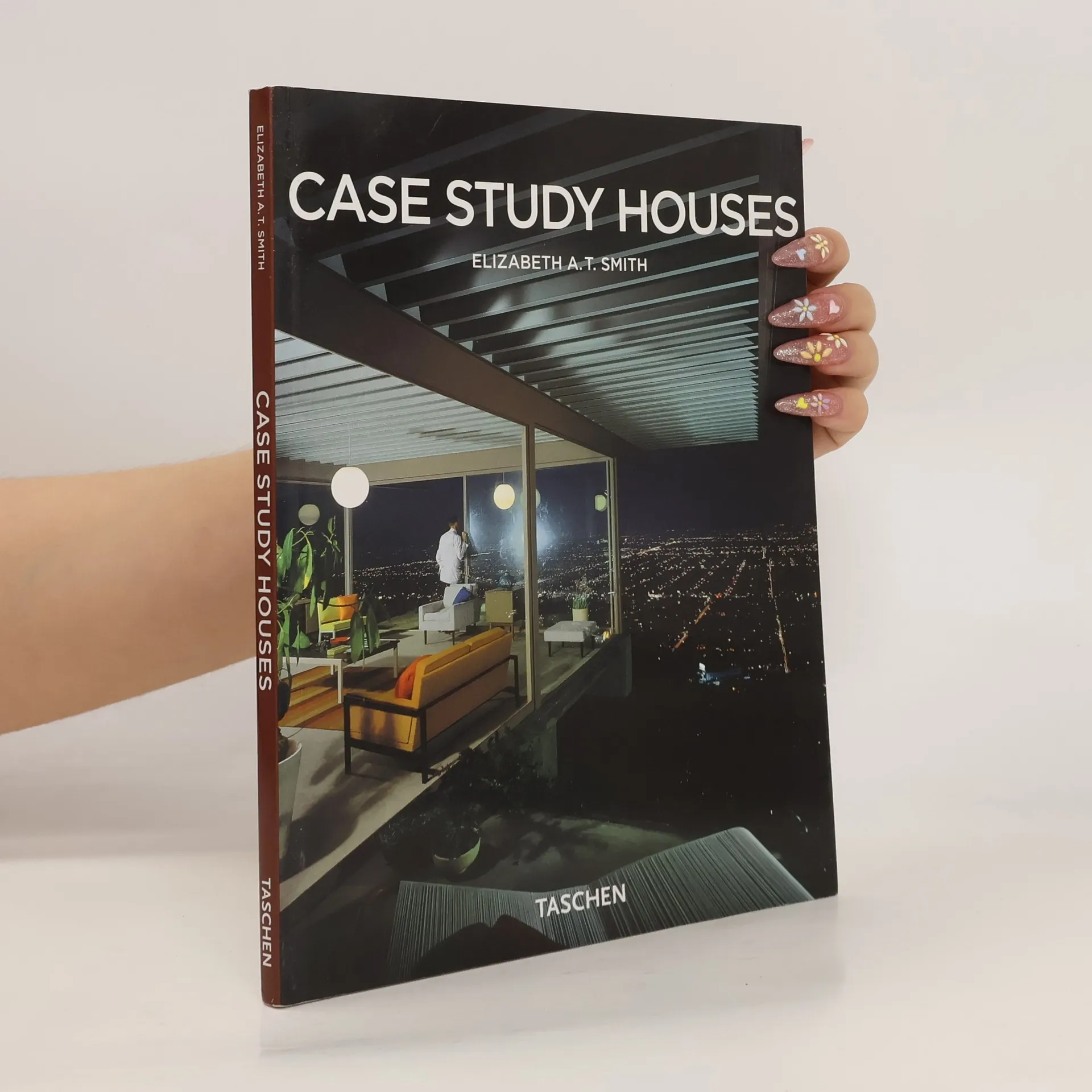
The pioneering project that sought to bring modernism to the masses The Case Study House program (1945–1966) was an exceptional, innovative event in the history of American architecture and remains to this day unique. The program, which concentrated on the Los Angeles area and oversaw the design of 36 prototype homes, sought to make available plans for modern residences that could be easily and cheaply constructed during the postwar building boom. Highly experimental, the program generated houses that were designed to redefine the modern home, and thus had a pronounced influence on architecture—American and international—both during the program`s existence and even to this day. This compact guide includes all projects featured in our XL version, with over 150 photos and plans and a map of where all houses are (or were) located. About the Each book in TASCHEN’s Basic Architecture Series
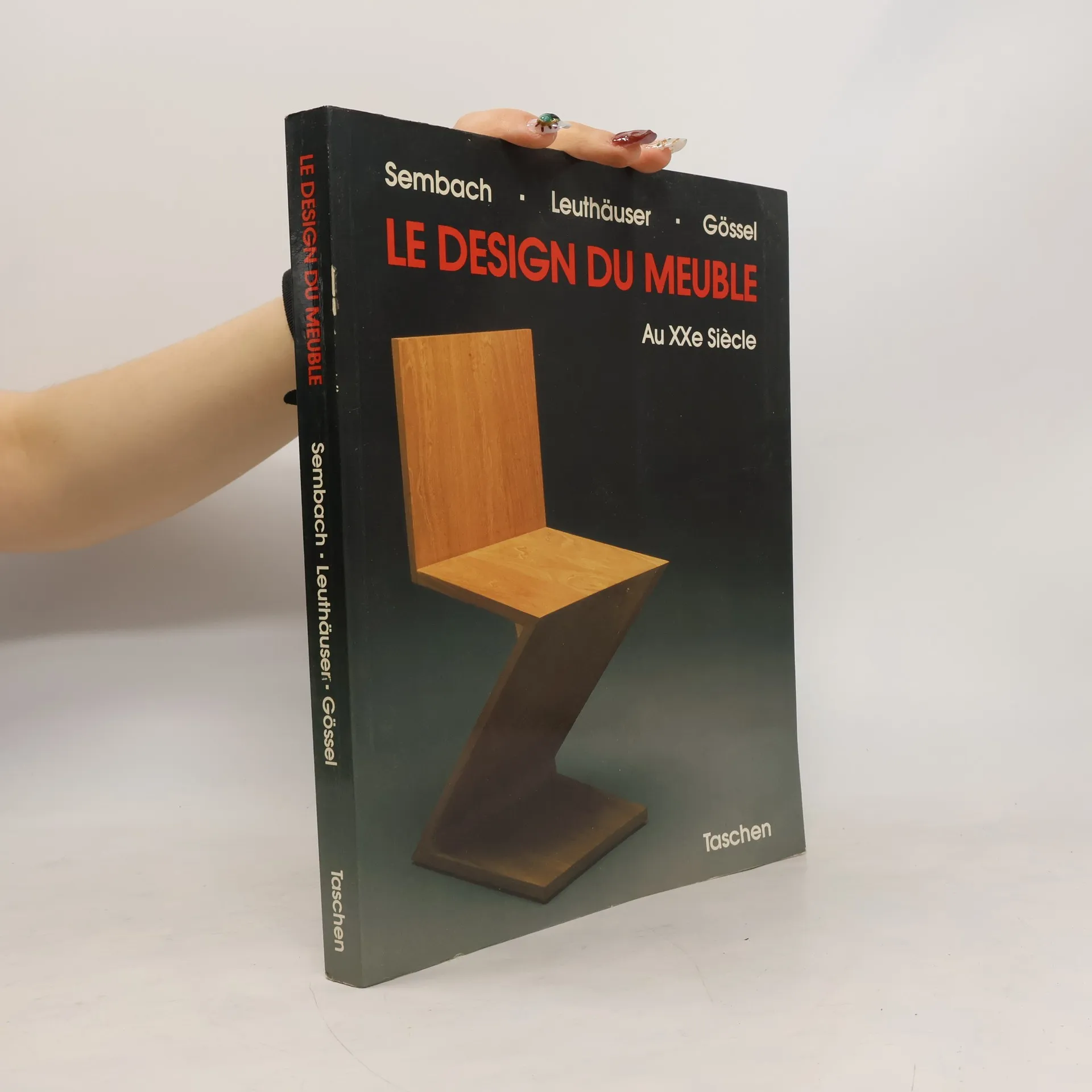
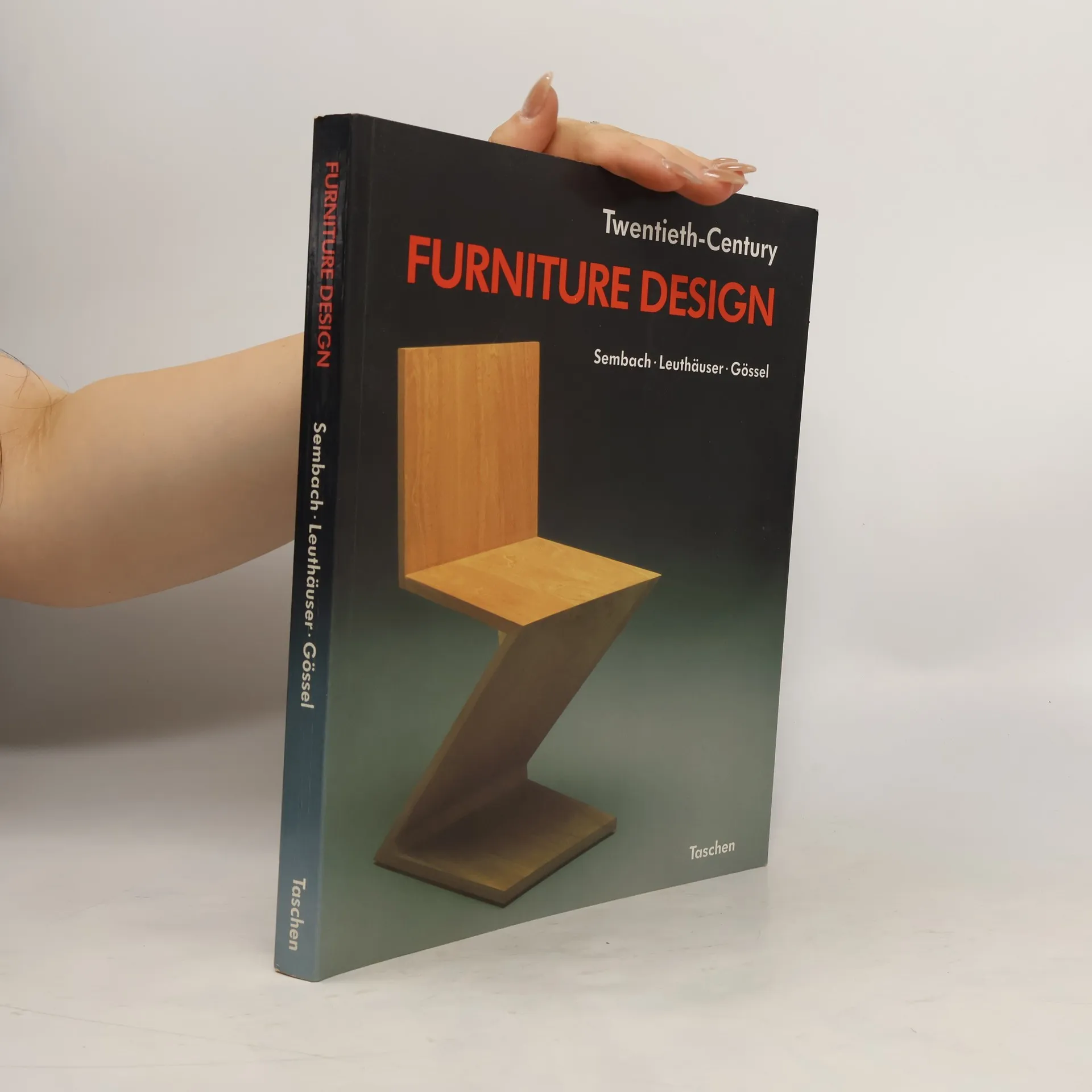
Status symbols that define the spirit of the age Designers of genius. Henry van de Velde, Charles Rennie Mackintosh and Josef Hoffmann. Le Corbusier and Emile Jacques Ruhlmann. Charles Eames, Ettore Sottsas and Philippe Starck. At their hands furniture came into its own. The twentieth century transformed interiors into sets - and on those sets the creations of these designers played the star parts. This is a book about status symbols that express the character of their owners but, more than that, define the spirit of the age.
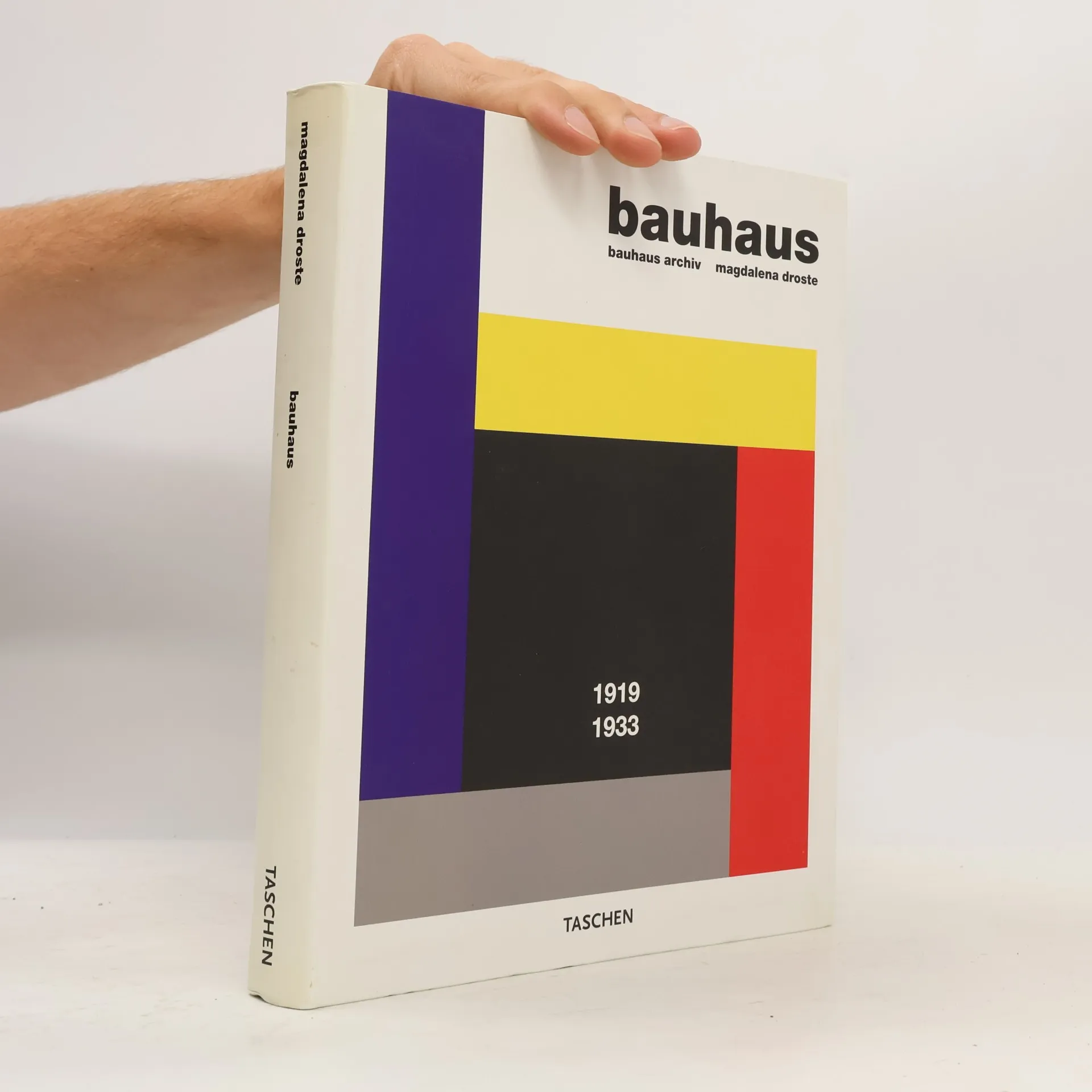
Seventy years after its foundation in Weimar, the Bauhaus has become a concept, indeed a catchprase all over the world. The respect which it commands is associated above all with the design it pioneered, one which we know describe as 'Bauhaus style'. This volume traces the history of Bauhaus
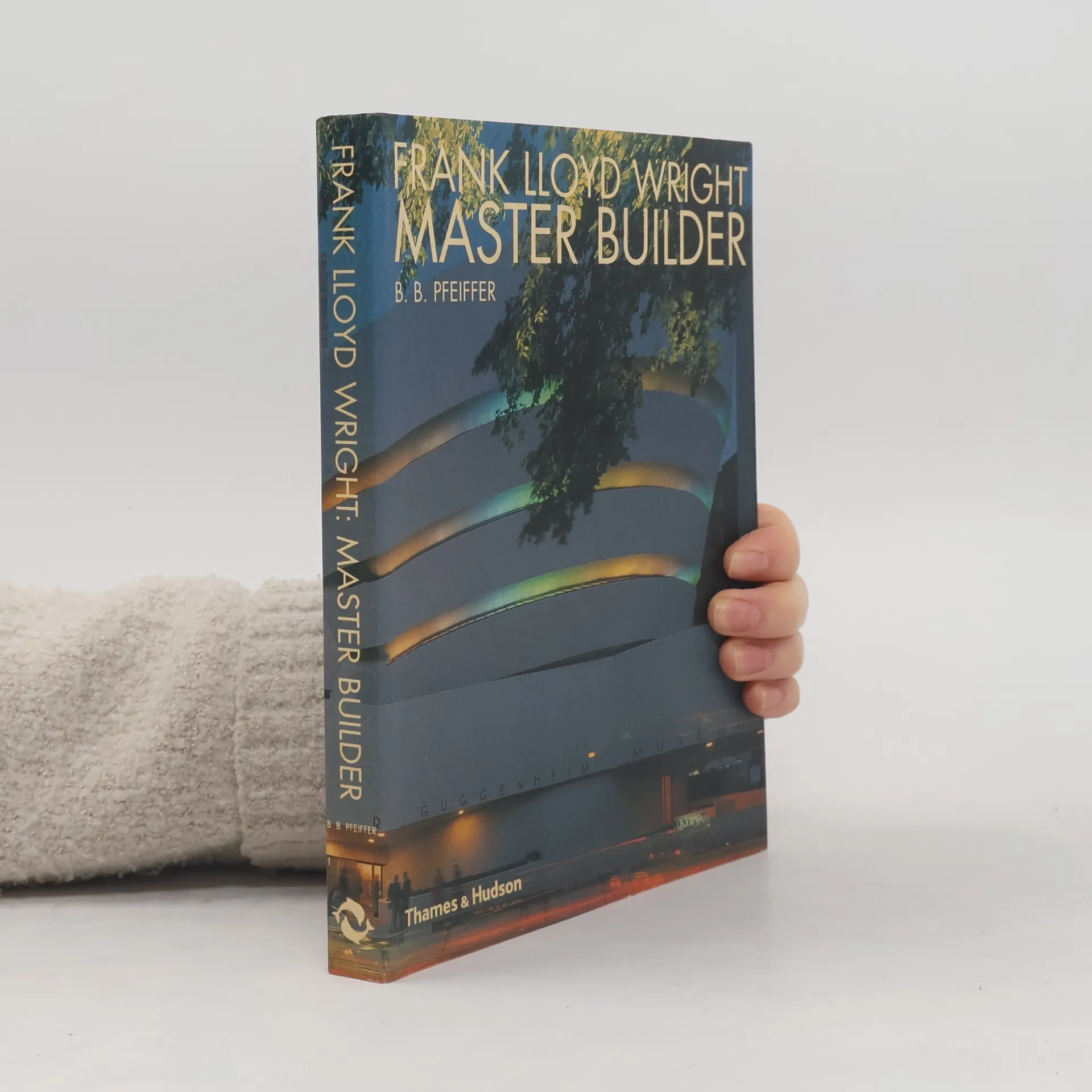
This is an insight into the career of 20th-century architect Frank Lloyd Wright. It features photographs, drawings and floorplans for more than 20 of his buildings, including his home and studio in Illinois and the Guggenheim Museum in New York. Each house is introduced with quotes from Wright.
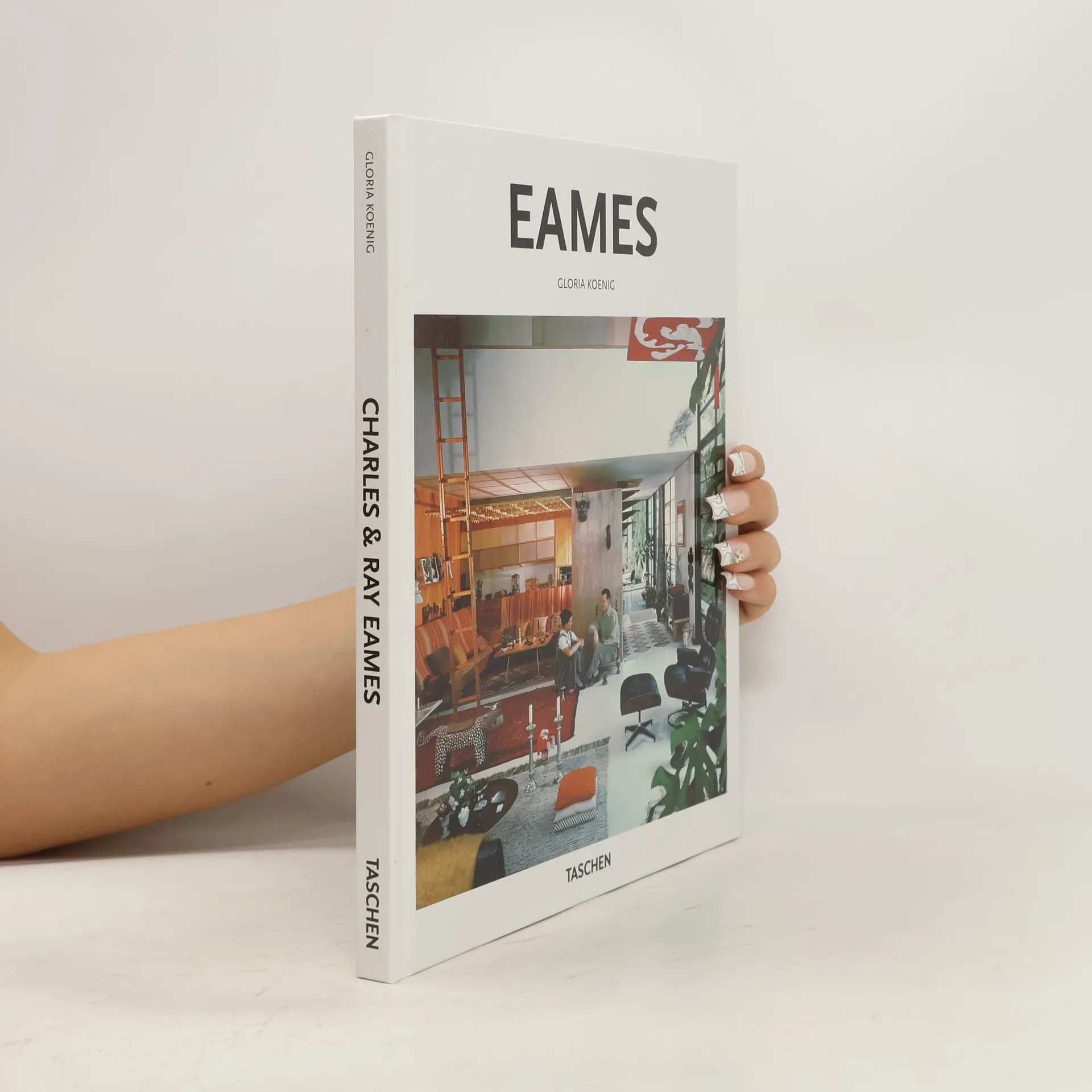
Creative duo Charles and Ray Eames were one of the most transformative forces
in design history: through furniture, photography, architecture, textile
design, industrial design, and film, the husband and wife defined a new,
multifunctional modernity. Discover all aspects of their illustrious
repertoire and its revolutionary impact on...
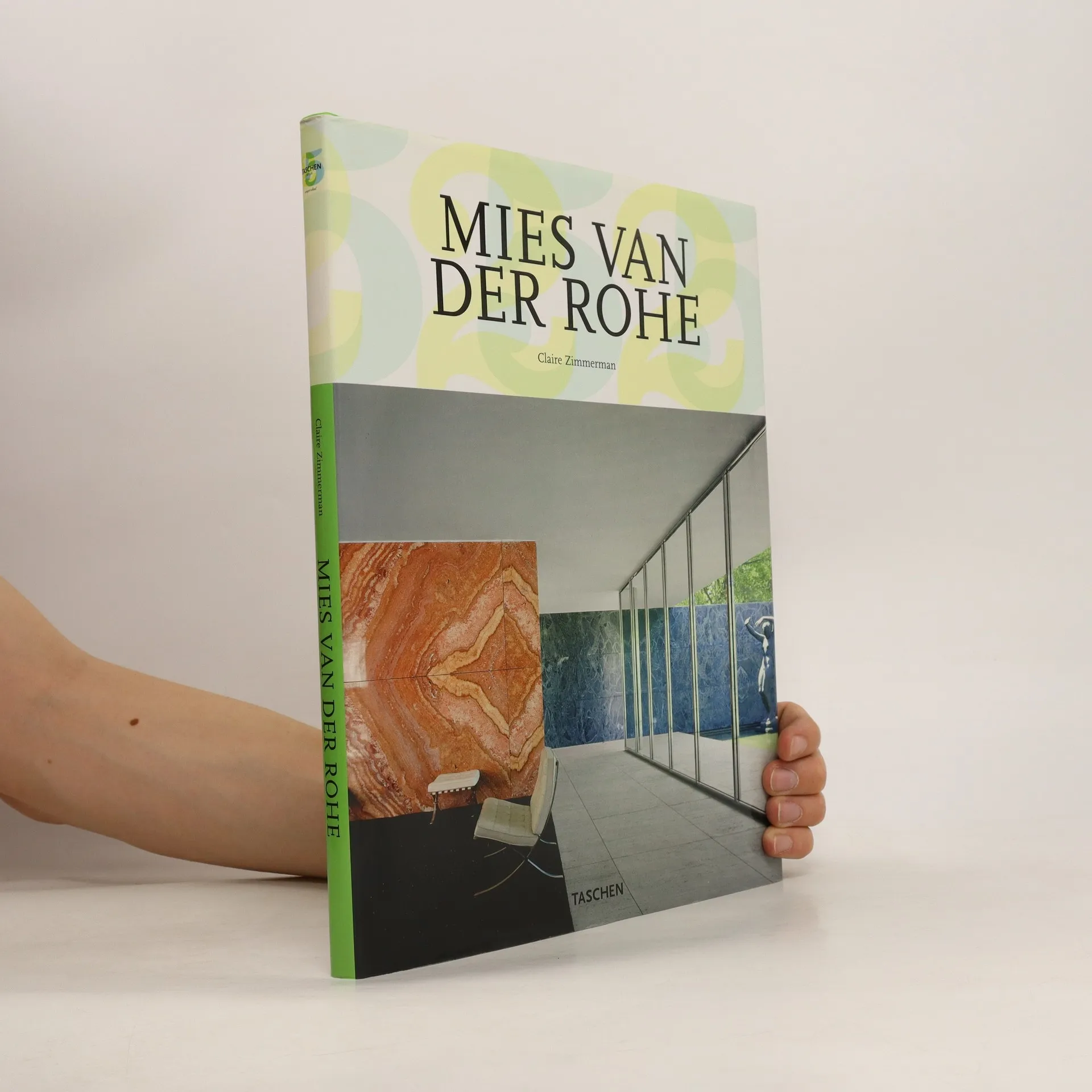
Er prägte das Motto „weniger ist mehr“ – Ludwig Mies van der Rohe (1886–1969) war einer der Gründerväter der modernen Architektur und beeinflusste die Ästhetik des Städtebaus im 20. Jahrhundert maßgeblich, wenn auch nicht immer unumstritten. Mies van der Rohe propagierte auf der Suche nach einer elementaren Wahrheit reine Formen und Proportionen . Anhand von moderner Technologie und neuesten Materialien konzipierte er Bauwerke von puristischer Schlichtheit wie zum Beispiel das Seagram Building oder Farnsworth House . Seine Kritiker wandten ein, dass dieser extreme Ansatz monotone und kaum voneinander unterscheidbare Stadtbilder hervorbringen würde, während andere in ihm den Meister einer eleganten Essenz sahen. Dieser Band stellt über 20 von Mies van der Rohes Projekten aus der Zeit zwischen 1906 und 1967 vor und beleuchtet seine bahnbrechenden Ideen sowie seinen Einfluss in Amerika und Europa.
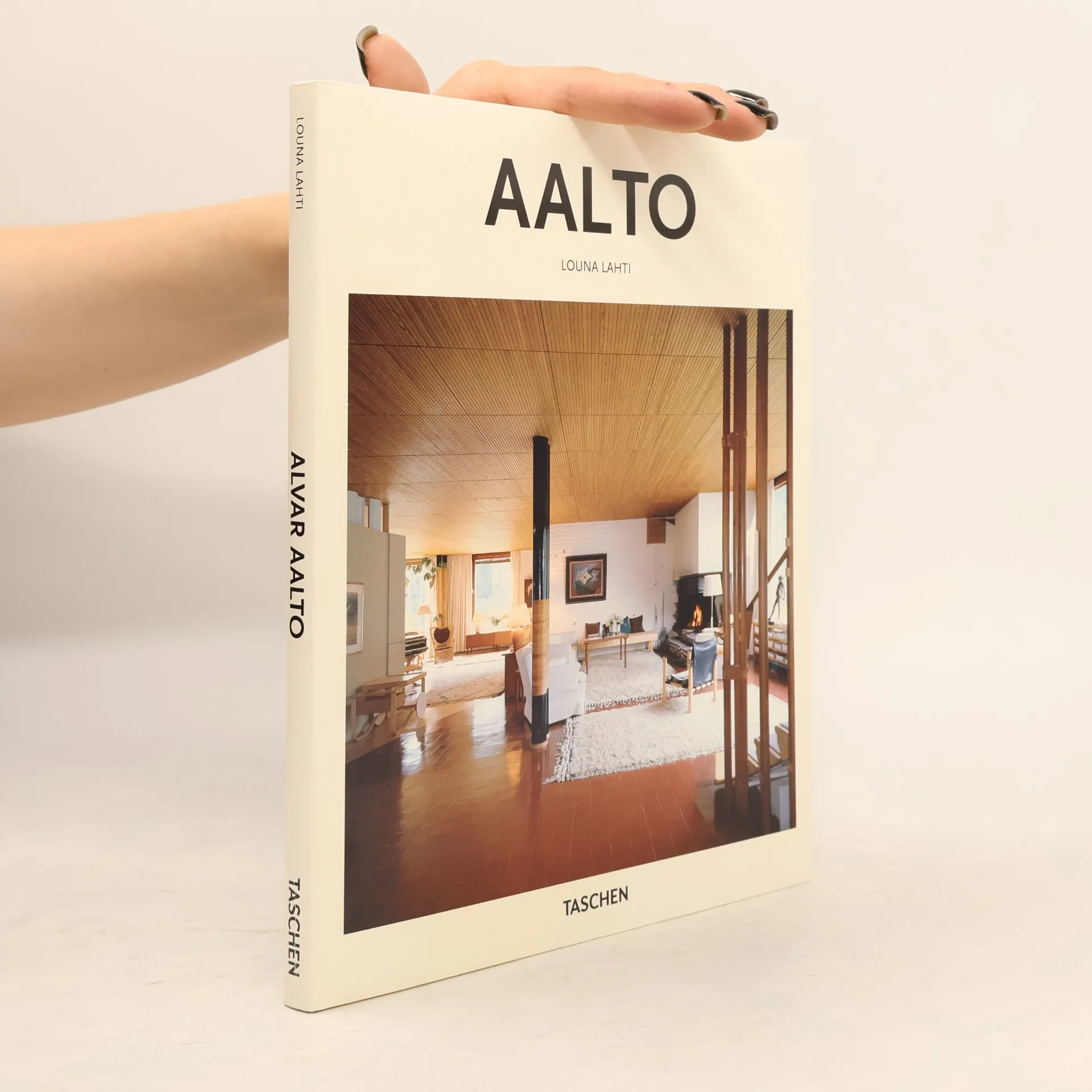
Discover the gentler face of modernism in this introduction to Alvar Aalto,
the Finnish architect who defied the slick geometries set by the International
Style to prioritize soft, poetic, undulating forms. Whether a villa, a sauna,
or a lamp design, Aalto's organic structures championed environmentally sound
and progressive design with a...
The Modernist outsider "The essence of the artistic design in building – like all art – indeed provides meaning for man’s existence and in itself it confirmes its result that became form." - Hans Scharoun German architect Hans Scharoun (1893-1972) studied and practiced architecture his entire adult life but did not build a major building until 1963 when his impressive Berlin Philharmonie finally came to life. The fact that he stayed in Germany during the Second World War prevented him from realizing grandiose projects and caused him to concentrate more on interiors than exteriors for many years. Nevertheless, Scharoun`s sculptural designs, influenced by the expressionist-utopian circle "Gläserne Kette" of which he was a member, did not go unnoticed and were among the best of his generation. About the Each book in TASCHEN’s Basic Architecture Series
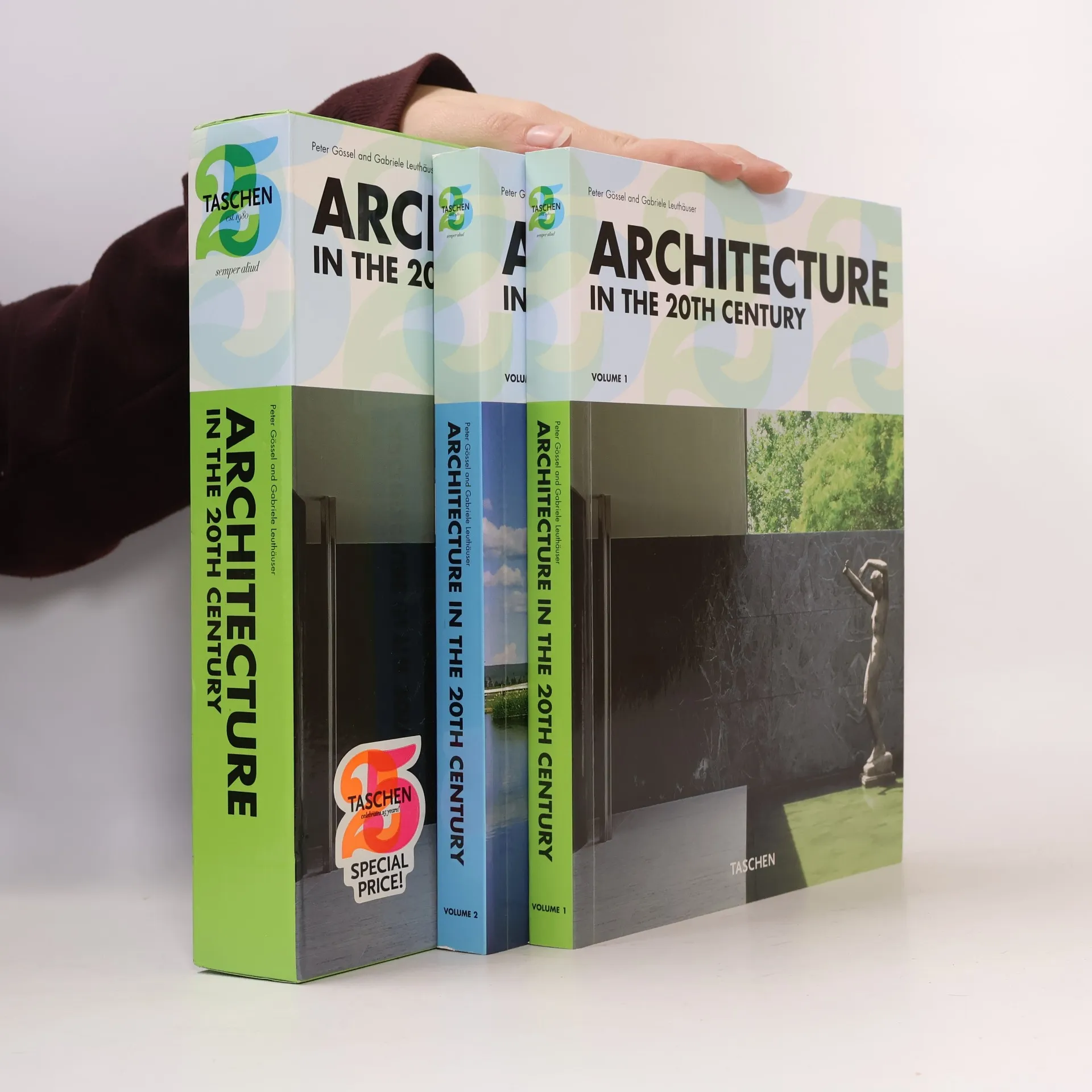
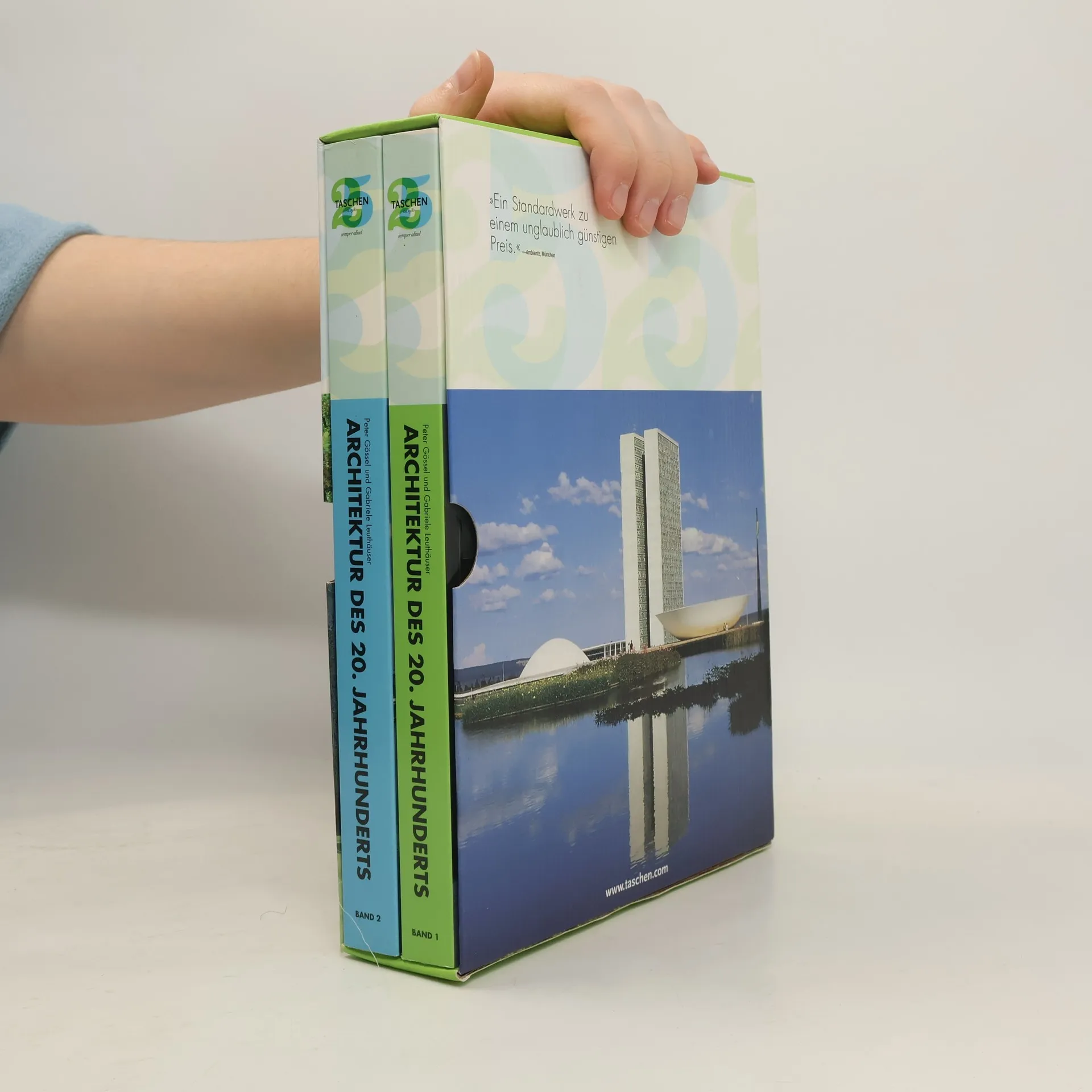
The ultimate architectural reference work (TASCHEN's 25th anniversary special edition) This is the be-all-end-all reference work for architecture in the 20th century. From Frank Lloyd Wright to Gaudi to Frank O. Gehry to Shigeru Ban and all the best stuff in between, it's all here. The chronologically organized chapters put it all into perspective, illustrated by hundreds of large-format photos as well as a plenitude of drawings and floor plans. The biographical appendix covers all of the century's greatest architects, including today's new talents. This special expanded edition, presented in two volumes packaged in a slipcase, brings our classic title up to date with coverage up until the present day, more color photos, more architect biographies, and new chapters on recent architectural trends and movements.
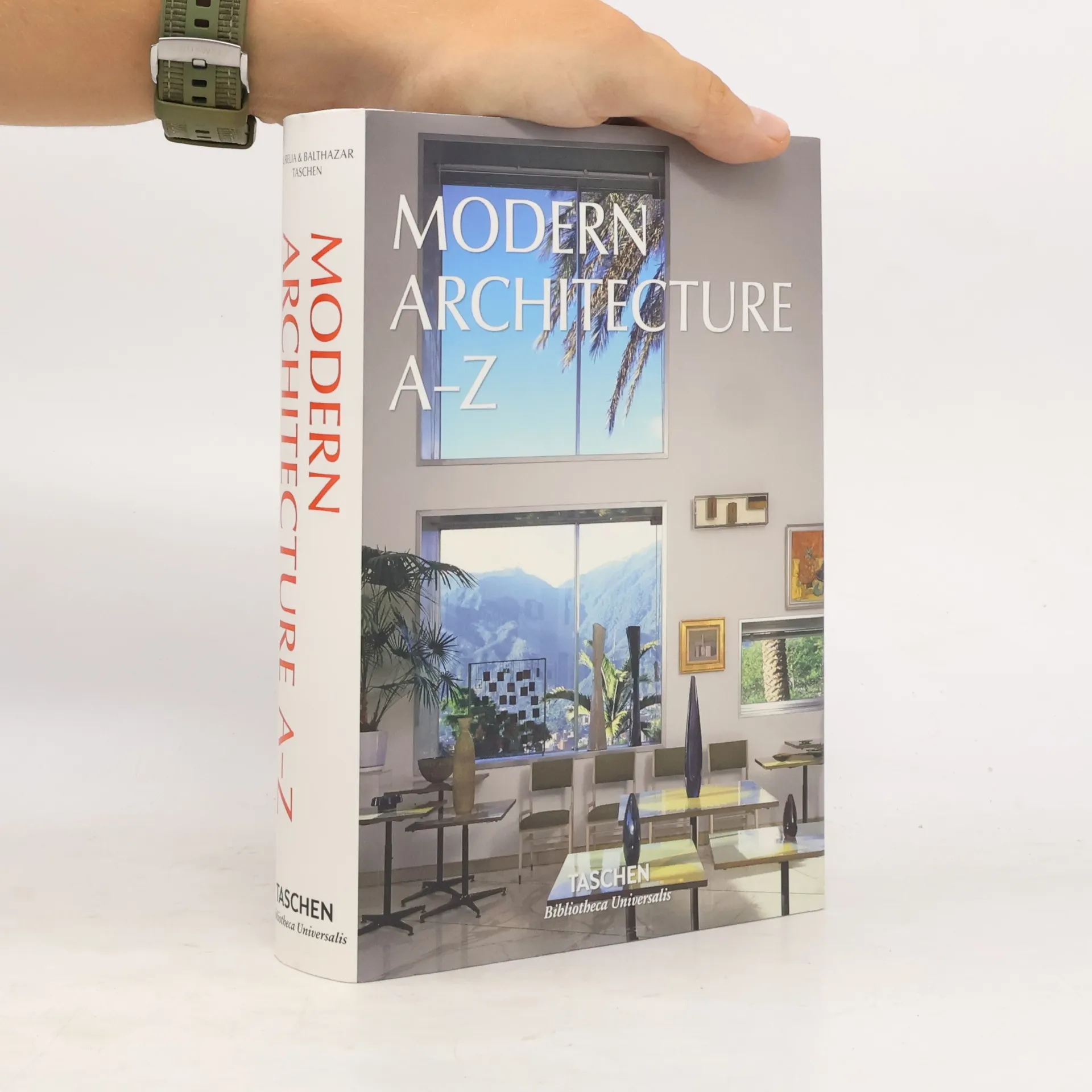
With more than 280 entries, this architectural A–Z, now part of our Bibliotheca Universalis series, offers an indispensable overview of the key players in the creation of modern space. From the period spanning the 19th to the 21st century, pioneering architects are featured with a portrait, concise biography, as well as a description of her or his important work. Like a bespoke global architecture tour, you’ll travel from Manhattan skyscrapers to a Japanese concert hall, from Gaudí’s Palau Güell in Barcelona to Lina Bo Bardi’s sports and leisure center in a former factory site in S?o Paulo. You’ll take in Gio Ponti’s colored geometries, Zaha Hadid’s free-flowing futurism, the luminous interiors of SANAA, and Charles Rennie Mackintosh’s unique blend of Scottish tradition and elegant japonisme.
Ce livre présente l'architecture du 20e siècle, mettant en avant des figures emblématiques comme Adolf Loos et Frank Lloyd Wright, ainsi que des mouvements tels que le Bauhaus et le Postmodernisme. Avec des chapitres chronologiques, des photos, des plans et des biographies, il offre un aperçu captivant de l'évolution architecturale et des débats de cette époque.
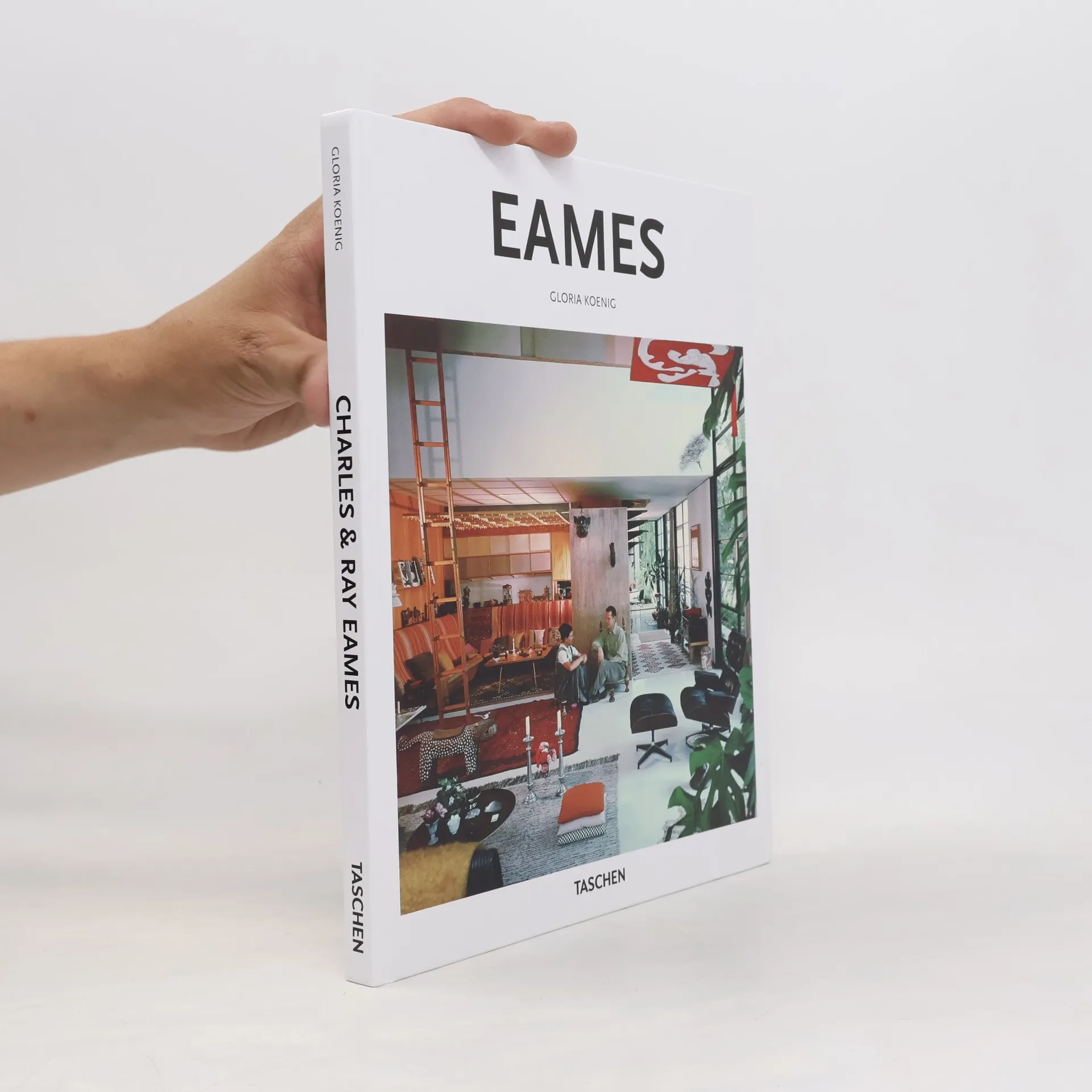
The creative duo Charles Eames (1907–1978) and Ray Kaiser Eames (1912–1988) transformed the visual character of America. Though best known for their furniture, the husband and wife team were also forerunners in architecture, textile design, photography, and film.The Eameses’ work defined a new, multifunctional modernity, exemplary for its integration of craft and design, as well as for the use of modern materials, notably plywood and plastics. The Eames Lounge Chair Wood, designed with molded plywood technology, became a defining furniture piece of the 20th century, while the couple’s contribution to the Case Study Houses project not only made inventive use of industrial materials but also developed an adaptable floor plan of multipurpose spaces which would become a hallmark of postwar modern architecture.From the couple’s earliest furniture experiments to their seminal short film Powers of Ten, this book covers all the aspects of the illustrious Eames repertoire and its revolutionary impact on middle-class American living.
Die "Architektur des 20. Jahrhunderts - Band 1-2" bietet eine umfassende Analyse der architektonischen Entwicklungen und Strömungen des vergangenen Jahrhunderts. Die Bände decken eine Vielzahl von Themen ab, darunter die Entstehung moderner Baustile, die Rolle von bedeutenden Architekten und die Auswirkungen gesellschaftlicher Veränderungen auf die Architektur.
Im ersten Band liegt der Schwerpunkt auf den frühen Bewegungen wie dem Jugendstil, dem Bauhaus und der modernen Architektur, die durch innovative Materialien und Techniken geprägt sind. Wichtige Persönlichkeiten wie Le Corbusier, Walter Gropius und Ludwig Mies van der Rohe werden eingehend behandelt.
Der zweite Band erweitert die Perspektive und untersucht die postmoderne Architektur sowie aktuelle Trends und Herausforderungen, einschließlich Nachhaltigkeit und urbaner Entwicklung. Die Autoren analysieren bedeutende Bauwerke und deren Einfluss auf die städtische Landschaft, wobei sie sowohl historische als auch zeitgenössische Beispiele heranziehen.
Die Publikation ist reich an Illustrationen und Fotografien, die die behandelten Themen visuell unterstützen und dem Leser einen tiefen Einblick in die architektonische Vielfalt des 20. Jahrhunderts bieten.