1001 Quotations to Inspire You Before You Die
- 960 pages
- 34 hours of reading
Discover 1001 of the most important quotations from throughout history, and learn about the context behind them, with this comprehensive guide.


This author delves into profound philosophical questions through their literary work. Their writing often explores the complexities of existence and the nature of consciousness. Readers will find thought-provoking reflections on the human experience and its place in the cosmos. The style is characterized by its intellectual depth and formal precision.



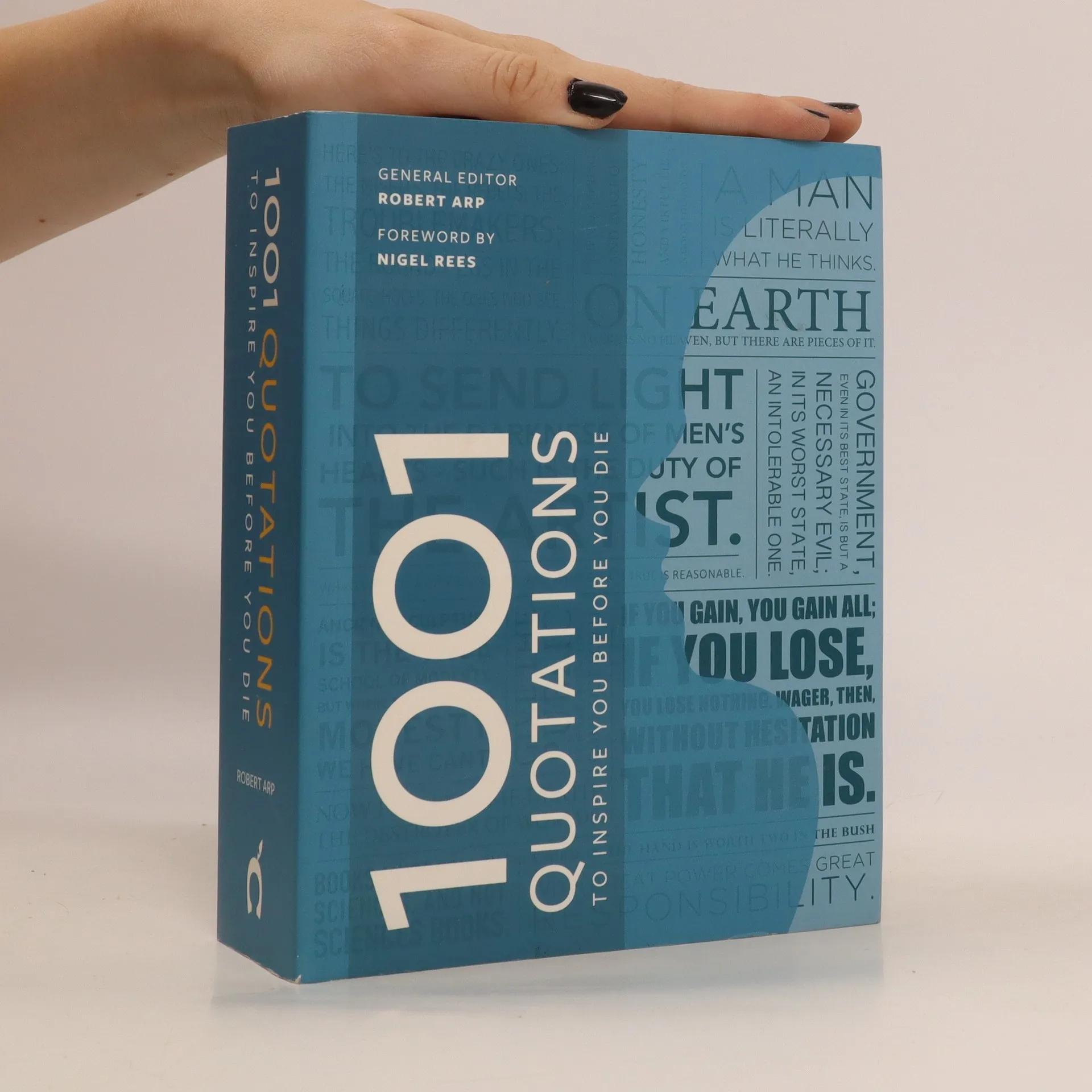
Discover 1001 of the most important quotations from throughout history, and learn about the context behind them, with this comprehensive guide.
An introduction to the field of applied ontology with examples derived particularly from biomedicine, covering theoretical components, design practices, and practical applications.
The book is described as a quintessential work, suggesting it encapsulates essential themes or ideas within its content. It likely offers profound insights or reflections that resonate deeply with readers, making it a significant addition to literary collections. The use of "quintessence" indicates a focus on the most perfect or typical example of its kind, hinting at a well-crafted narrative or scholarly exploration.
The Critical Thinking Toolkit is a comprehensive compendium that equips readers with the essential knowledge and methods for clear, analytical, logical thinking and critique in a range of scholarly contexts and everyday situations. Takes an expansive approach to critical thinking by exploring concepts from other disciplines, including evidence and justification from philosophy, cognitive biases and errors from psychology, race and gender from sociology and political science, and tropes and symbols from rhetoric Follows the proven format of The Philosopher’s Toolkit and The Ethics Toolkit with concise, easily digestible entries, “see also” recommendations that connect topics, and recommended reading lists Allows readers to apply new critical thinking and reasoning skills with exercises and real life examples at the end of each chapter Written in an accessible way, it leads readers through terrain too often cluttered with jargon Ideal for beginning to advanced students, as well as general readers, looking for a sophisticated yet accessible introduction to critical thinking
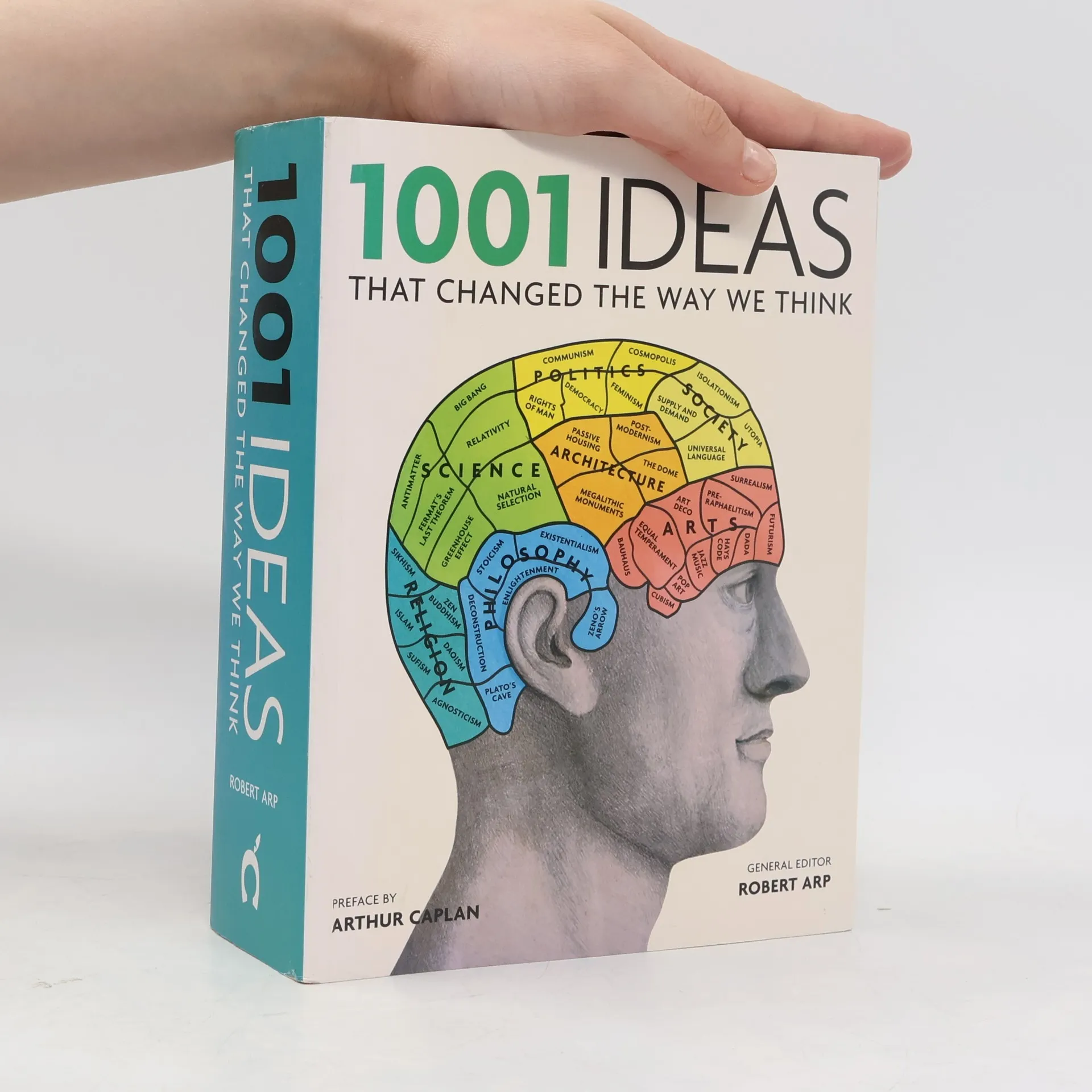
An awe-inspiring overview of the development of human knowledge over the centuries! Part of the highly successful '1001' series which have sold over a million copies in the UK alone 1001 Ideas That Changed The Way We Thinkoffers not only a comprehensive history of ideas, but also an eminently browsable source of amusement. This richly informative and entertaining book provides a wide variety of answers to those eternal questions such as... How was the universe created and what is the place of humans within it? How should a person live? And how can we build a just society? Readers will discover how the Greek philosopher Zeno 'proved' a flying arrow never moves and the mathematical proof of the existence of life in other galaxies. The inspiring ideas explored range from Gandhi's theory of civil disobedience to Mary Wollstonecraft's groundbreaking advocacy of women's rights. A wide variety of cultural movements are also covered, including Neoclassicism, Surrealism and Postmodernism. Drawing of a wide spectrum of topics including politics, cosmology, the arts, philosophy and religious beliefs, 1001 Ideas That Changed The Way We Thinktraces the exponential growth of human knowledge across the centuries. Ranging from the ancient wisdom of Confucius and Plato, to the cutting-edge theories taking shape in the twenty-first century, this book offers a wealth of stimulation and wit for any reader with a lively and curious mind.
If you think Saddam and Satan make a kinky couple, wait till you get a load of South Park and Philosophy. Get your Big Wheels ready, because we’re going for a ride, as 22 philosophers take us down the road to understanding the big-picture issues in this small mountain town. A smart and candid look at one of television’s most subversive and controversial shows, celebrating its 10th anniversary this year Draws close parallels between the irreverent nature of South Park and the inquiring and skeptical approach of philosophy Addresses the perennial questions of the show, and the contemporary social and political issues that inspire each episode Uses familiar characters and episodes to illustrate topics such as moral relativism, freedom of expression, gay marriage, blasphemy, democracy, feminism, animal ethics, existential questions and much more makes you laugh out loud
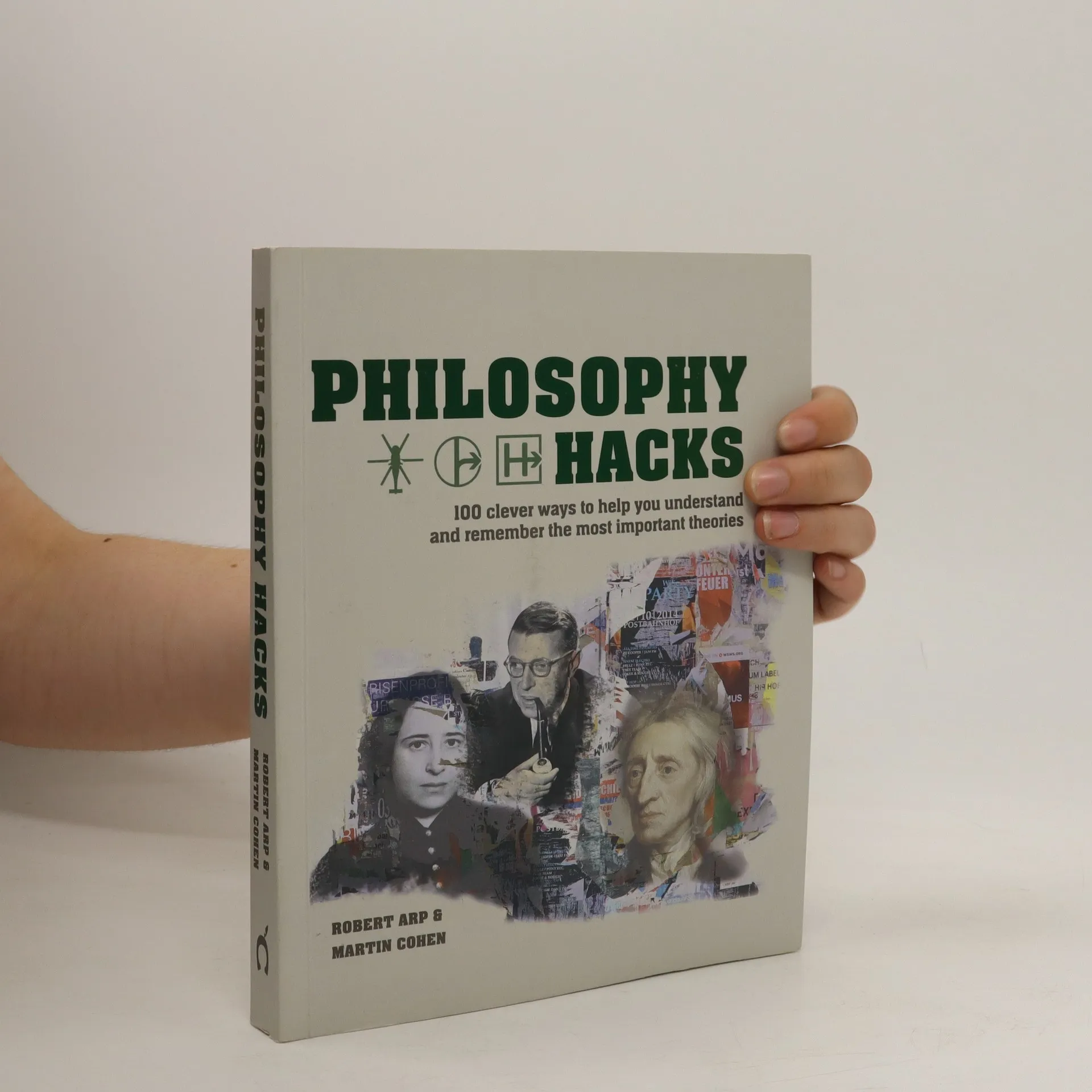
100 ingenious hacks to make even the most complex philosophical theories easy to understand. Discover the simple way to understand and remember the most groundbreaking concepts in 3,000 years of philosophical thought. Each idea is broken down into three stages: 1) The helicopter view, which gives you an introduction to the idea, and some context around it. 2) The shortcut, which gives you the core elements of the theory, along with a range of examples that everyone can understand. 3) The hack, which is a one-liner designed to stick in your memory and give you an instant grasp of the concept. From Kant's categorical imperative to Derrida's deconstruction, there are 100 concepts explained, ranging from empiricism to logical positivism. The perfect introduction to philosophy, this is a great new way to learn about the most important philosophical ideas and concepts that makes them easy to recall even months after reading the book.
Inspiration für alle Lebenslagen. Ausgewählt und vorgestellt von 25 internationalen Autoren und Wissenschaftlern.
Dieses Buch versammelt Sprichwörter, Epigramme und literarische Zitate aus aller Welt und allen Zeiten, erklärt deren Entstehungskontext und analysiert ihre tiefere Bedeutung. Von den Weisheiten des Konfuzius, der Harmonie als höchstes Ziel ansieht, bis zu Ronald Reagans Warnung vor der Zerbrechlichkeit der Freiheit werden wichtige Fragen aufgeworfen. Es ist mehr als eine bloße Sammlung von Sinnsprüchen; es bietet Interpretationsmöglichkeiten, die über den Wortlaut hinausgehen. Mit 1001 Zitaten haben Leser stets den passenden Spruch zur Hand, von prägnanten Einzeilern bis zu philosophisch anspruchsvollen Aphorismen, die zum Nachdenken über die großen Themen des Lebens anregen. Jedes Zitat wird von einem aufschlussreichen Text begleitet, der die Bedeutung und den historischen Kontext erläutert. Während viele Sprichwörter selbsterklärend sind, erfordern andere ein tieferes Verständnis der Umstände, unter denen sie geäußert wurden. Oft ist nicht der Wortlaut entscheidend, sondern der zeitliche oder gesellschaftliche Kontext. So eröffnet sich bei vielen vielzitierten Sinnsprüchen eine neue Perspektive. Fragen wie die von Voltaires Aussage über Gott laden zur Reflexion ein. Dieses Werk führt die Leser von den Quellen zu interessanten Deutungsmöglichkeiten und zeigt, wie Zitate genutzt werden, um Standpunkte zu verdeutlichen, zu motivieren oder zu überzeugen.
Ausgewählt und vorgestellt von 32 Wissenschaftlern. Deutsche Bearbeitung und Übersetzung von Halwart Schrader.
Drawing on a wide spectrum of topics-including politics, cosmology, the arts, philosophy and religious beliefs, 1001 Ideas That Changed the Way We Think traces the exponential growth of human knowledge across the centuries. Ranging from the ancient wisdom of Confucius and Plato to the cutting-edge theories taking shape in the twenty-first century, this book offers a wealth of stimulation and amusement for any reader with a lively and curious mind. This richly informative and entertaining book provides a wide variety of answers to those eternal questions: How was the universe created and what is the place of humans within it? How should a person live? And how can we build a just society? But 1001 Ideas That Changed the Way We Think also includes a host of speculations that are remarkable for their sheer weirdness-from the concept of the transmigration of souls to parallel universes and the paradoxes of time travel (what happens if you travel back in time and kill your own grandfather?). Readers will discover how the Greek philosopher Zeno 'proved' a flying arrow never moves and the mathematical proof of the existence of life in other galaxies. The inspiring ideas explored range from Gandhi's theory of civil disobedience to Mary Wollstonecraft's groundbreaking advocacy of women's rights. A wide variety of cultural movements are also covered, including Neoclassicism, Surrealism and Postmodernism.
1001 ideeën die ons denken veranderd hebben! is een uitgebreide gids met de interessantste en creatiefste ideeën met betrekking tot uiteenlopende onderwerpen op politiek, maatschappelijk, kunstzinnig, religieus, wetenschappelijk, architectonisch, psychologisch en filosofisch gebied. Iedereen met een onderzoekende geest vindt hier een schat aan stimulerende gedachten, afkomstig van de oude wijsgeren Confucius en Plato tot de scherpe denkers van vandaag.
Batman ist einer der komplexesten und ambivalentesten Charaktere der Comic-Welt. Um ihn und sein Tun drehen sich eine Menge Fragen: Welchen philosophischen Belastungen und Herausforderungen muss er sich beim Schutz von Gotham City stellen? Was treibt seine Gegenspieler an? Ist Batman in seiner Menschlichkeit besser als Superman? Die Philosophie bei Batman bietet unterhaltsame Antworten und Einblicke in Batmans Welt. Das Buch zeigt wie der Dark Knight zum Beispiel mit ethischen Fragen, moralischer Verantwortung, seinem Wunsch nach Rache an den Mördern seiner Eltern und seiner geheimen Identität ringt. Dabei beschäftigen sich die Autoren mit bekannten Philosophen wie Plato, Aristoteles, Kant, Nietzsche und Kierkegaard.
Přinášíme vám 1001 originálních myšlenek, které byly v našich dějinách nalezeny, formulovány a zaznamenány. Vybrali jsme to nejzajímavější, co se honilo v hlavách výjimečných lidí od Konfucia a Platóna až k dnešním myslitelům. Přečtěte si, co ovlivňuje naše životy – můžete tak učinit díky Johannu Gutenbergovi z patnáctého století a jeho myšlence na zlepšení knihtisku. A nečetli byste vůbec nic, kdyby staré Sumeřany před 5000 lety nenapadlo sestavit abecedu. Díky nim můžete zjistit, jak řecký filozof Zénón uvažoval o letícím šípu, jak moderní věda předpokládá vliv mávnutí motýlího křídla na bouře v Atlantiku i to, co vedlo k vytvoření „Fermiho paradoxu“. Existuje ještě další důvod, proč si tato obsažná kniha zaslouží vaši pozornost – je to intelektuální výzva, tedy něco, o čem je zábava přemýšlet. Jak zjistíte při čtení, velké ideje stojí za kritiku, chválu, zavržení i vylepšení – jen vy můžete rozhodnout, jaký postoj k myšlenkám uvedeným v této knize zaujmete. Užijte si to.