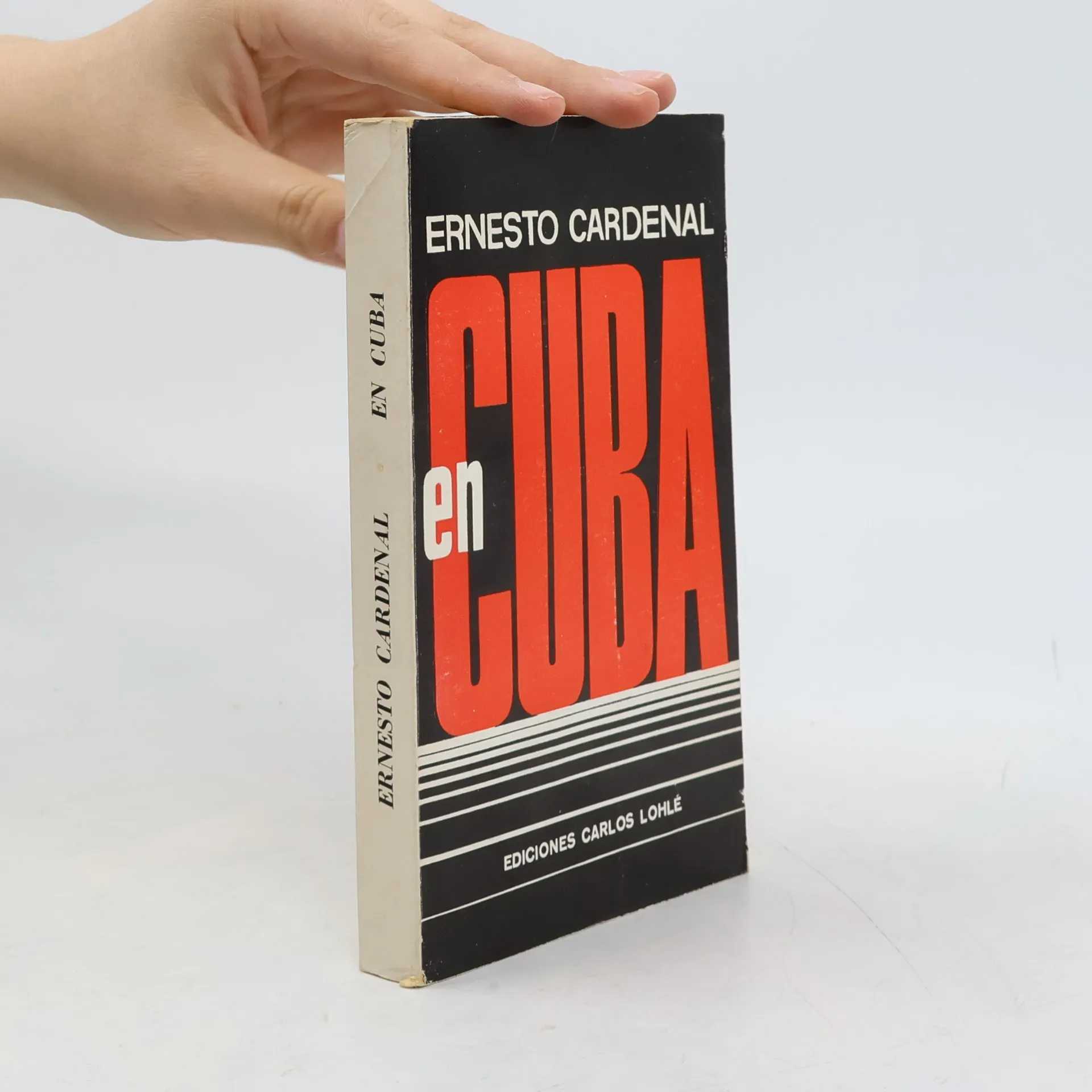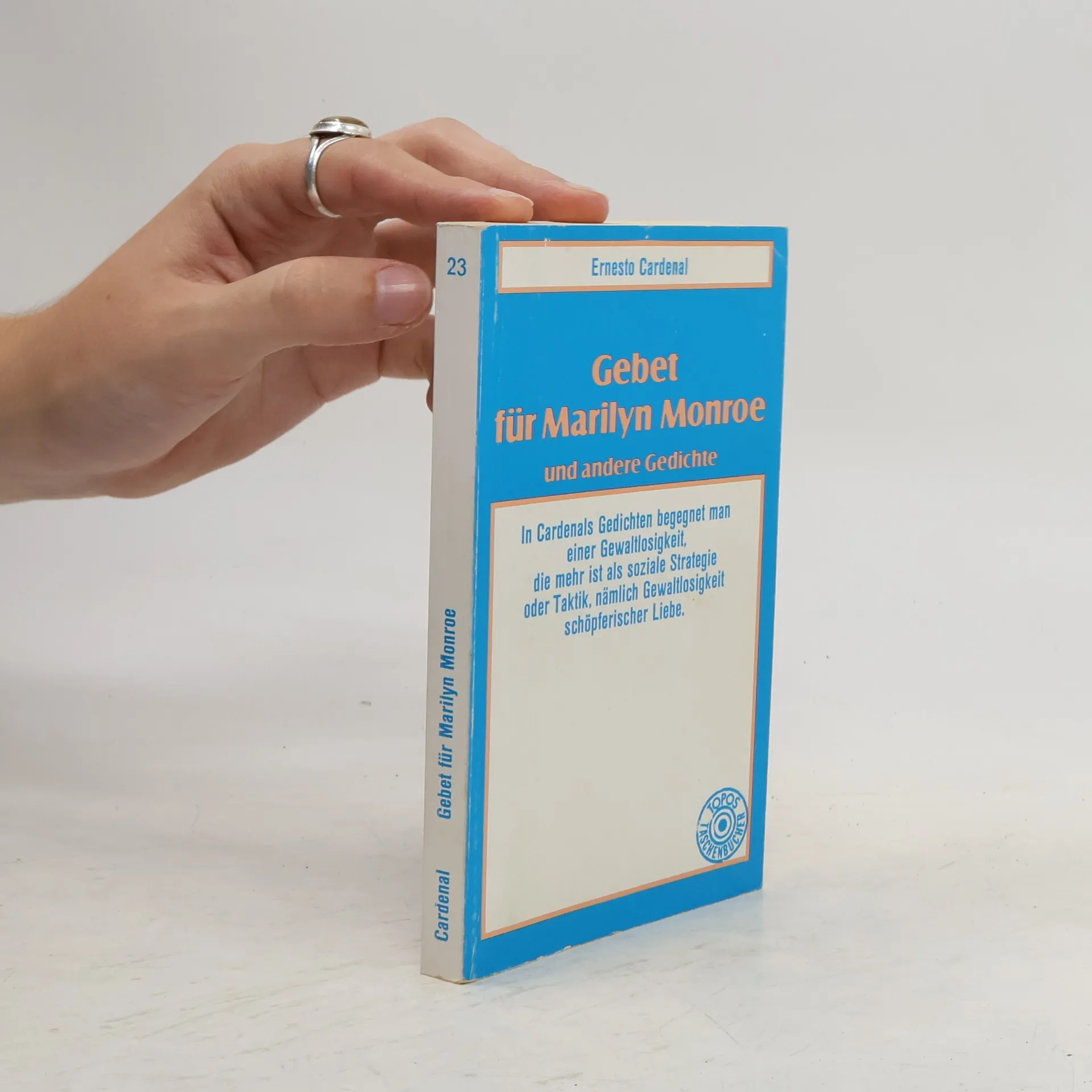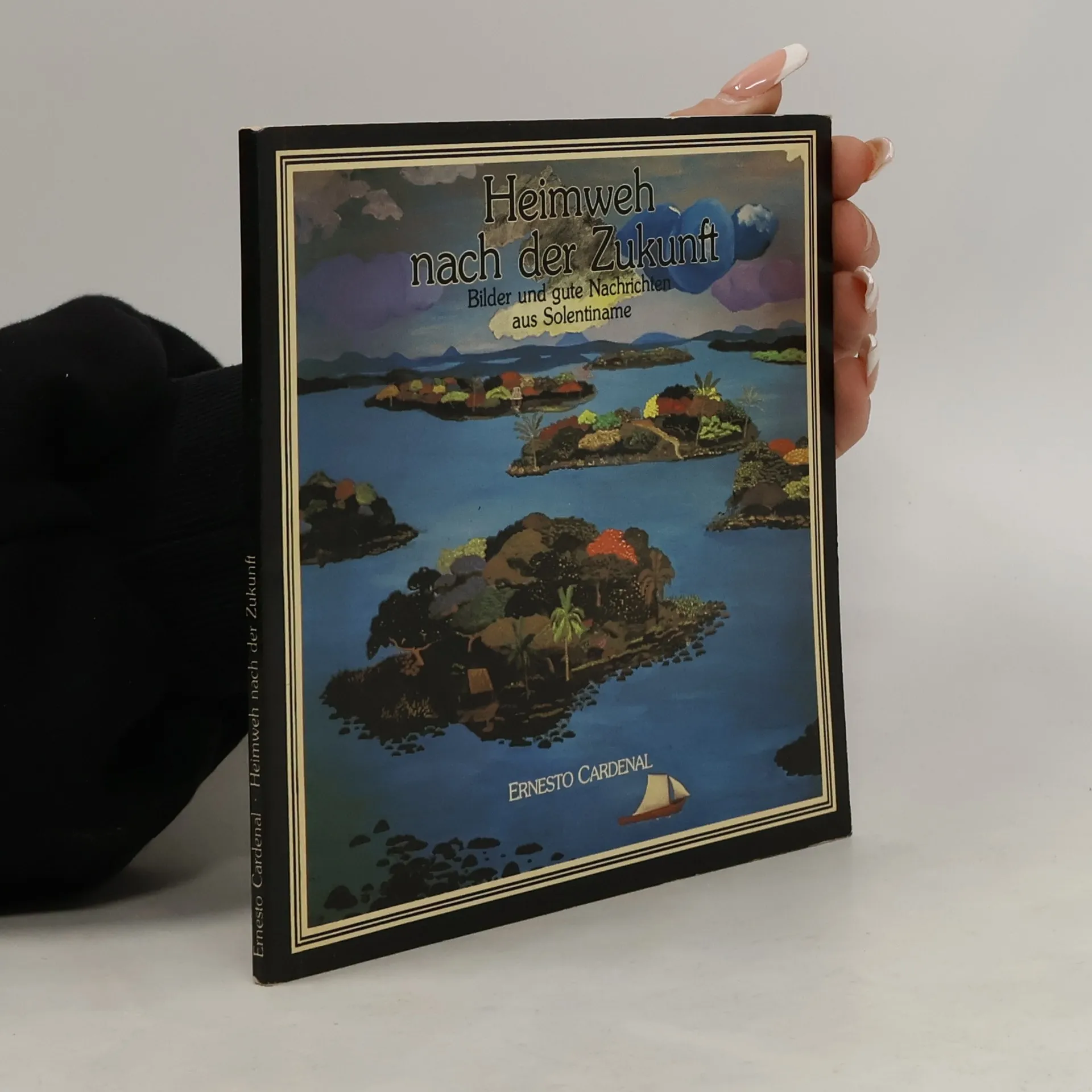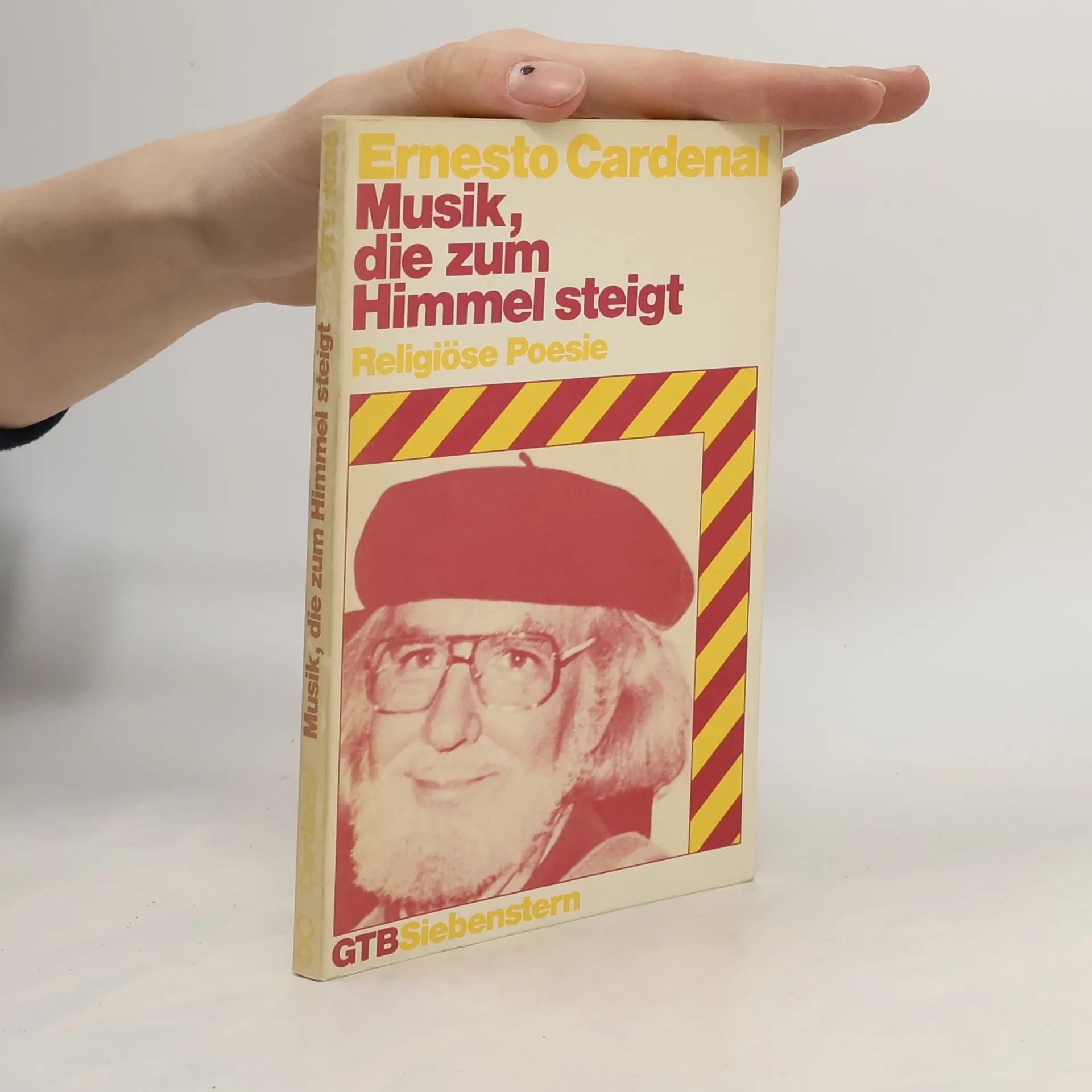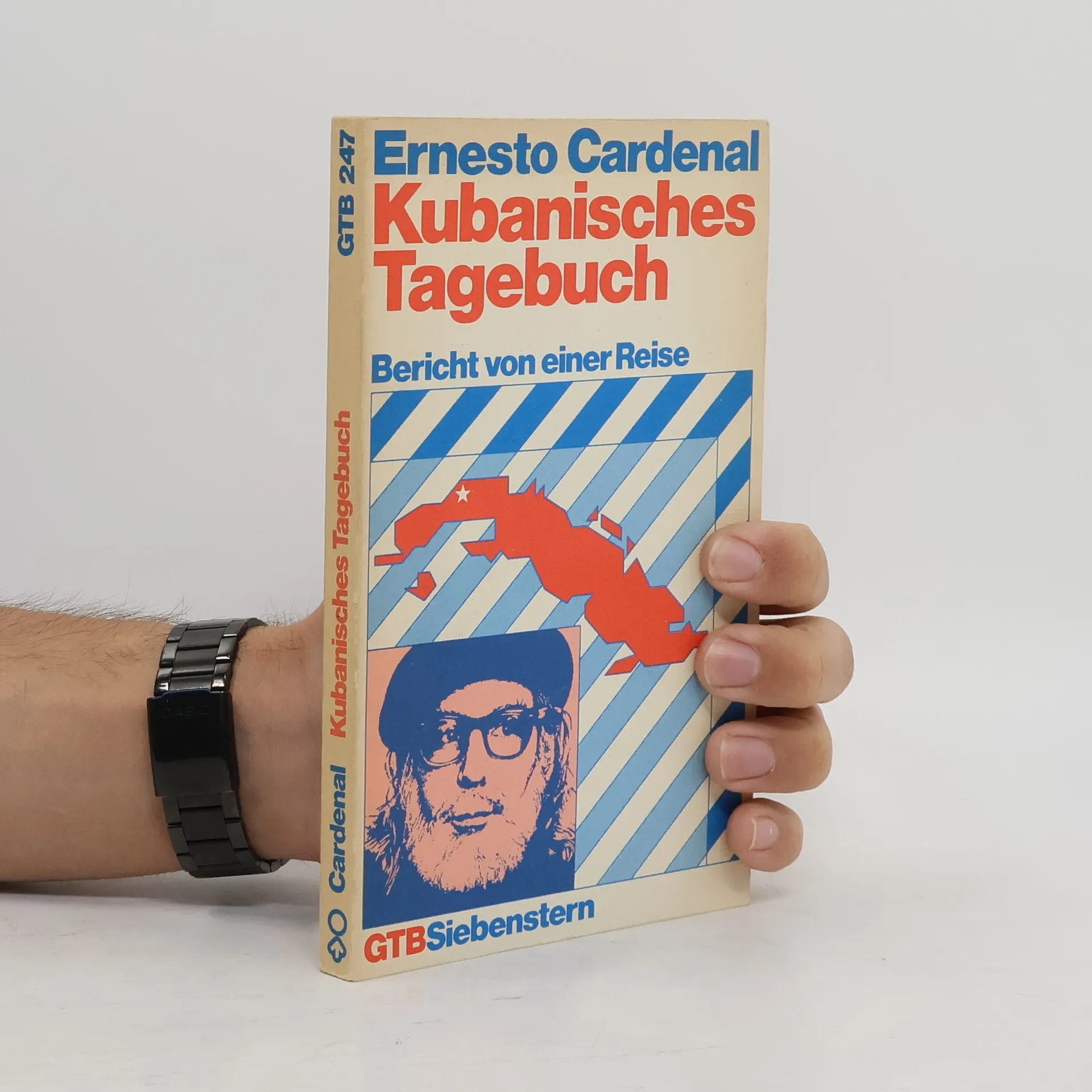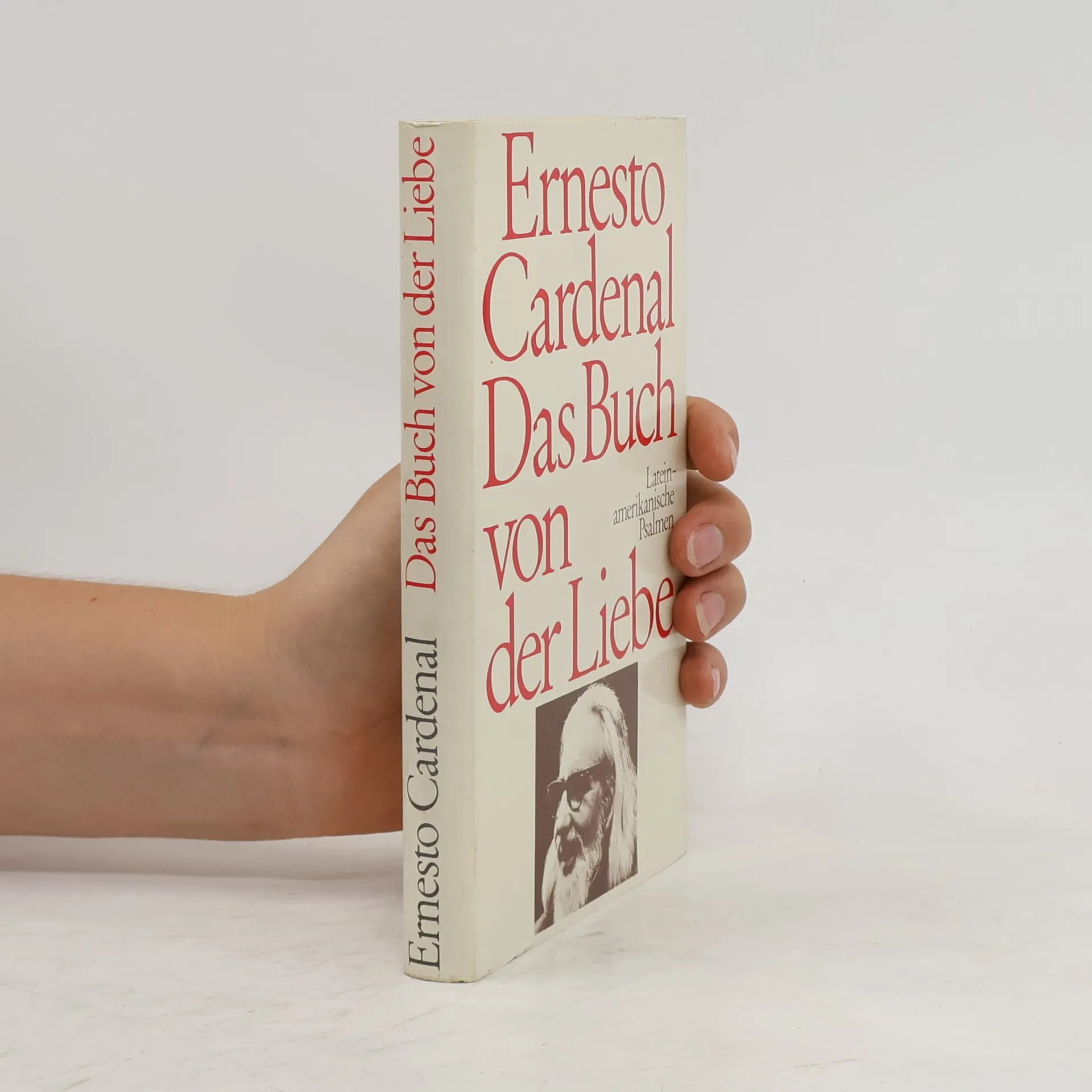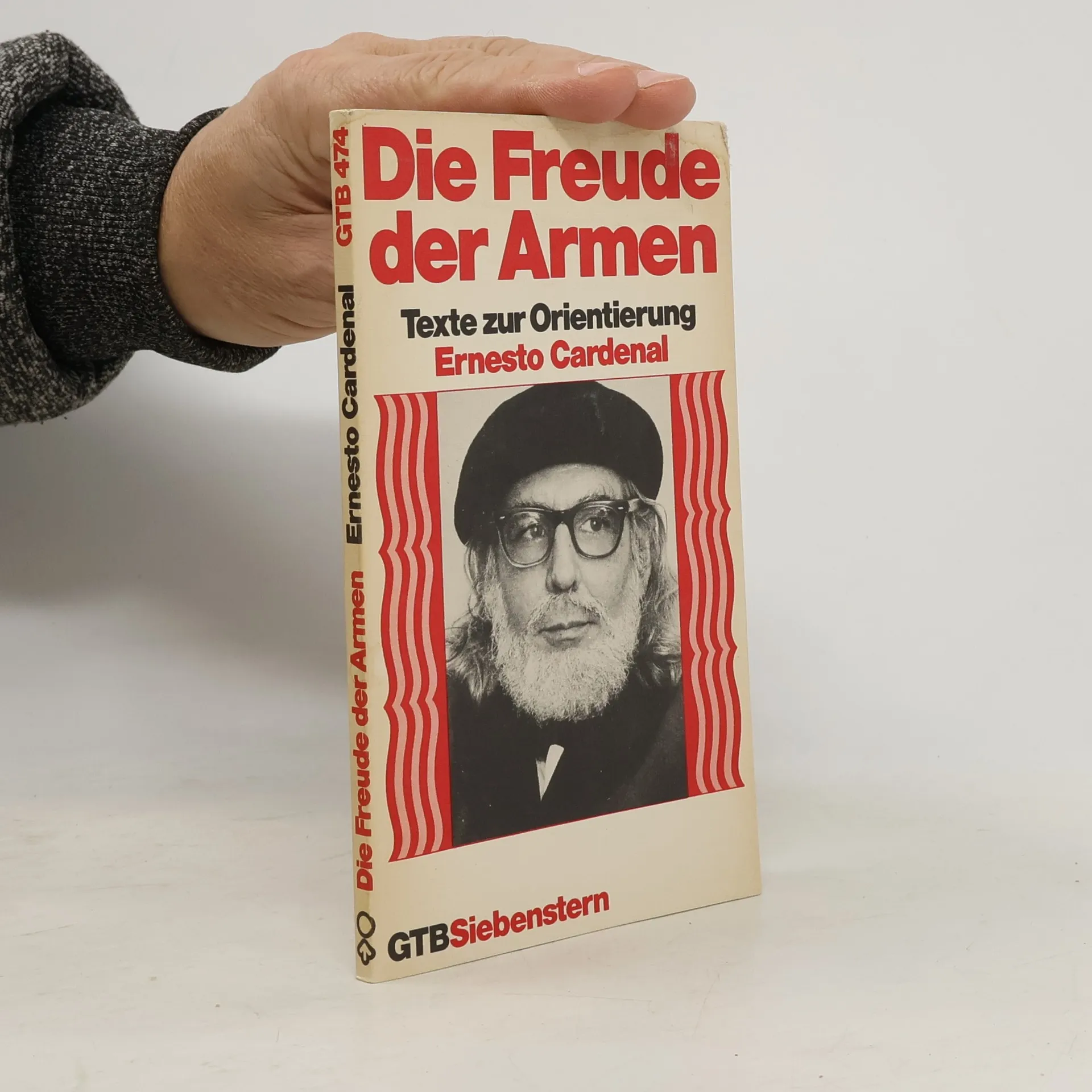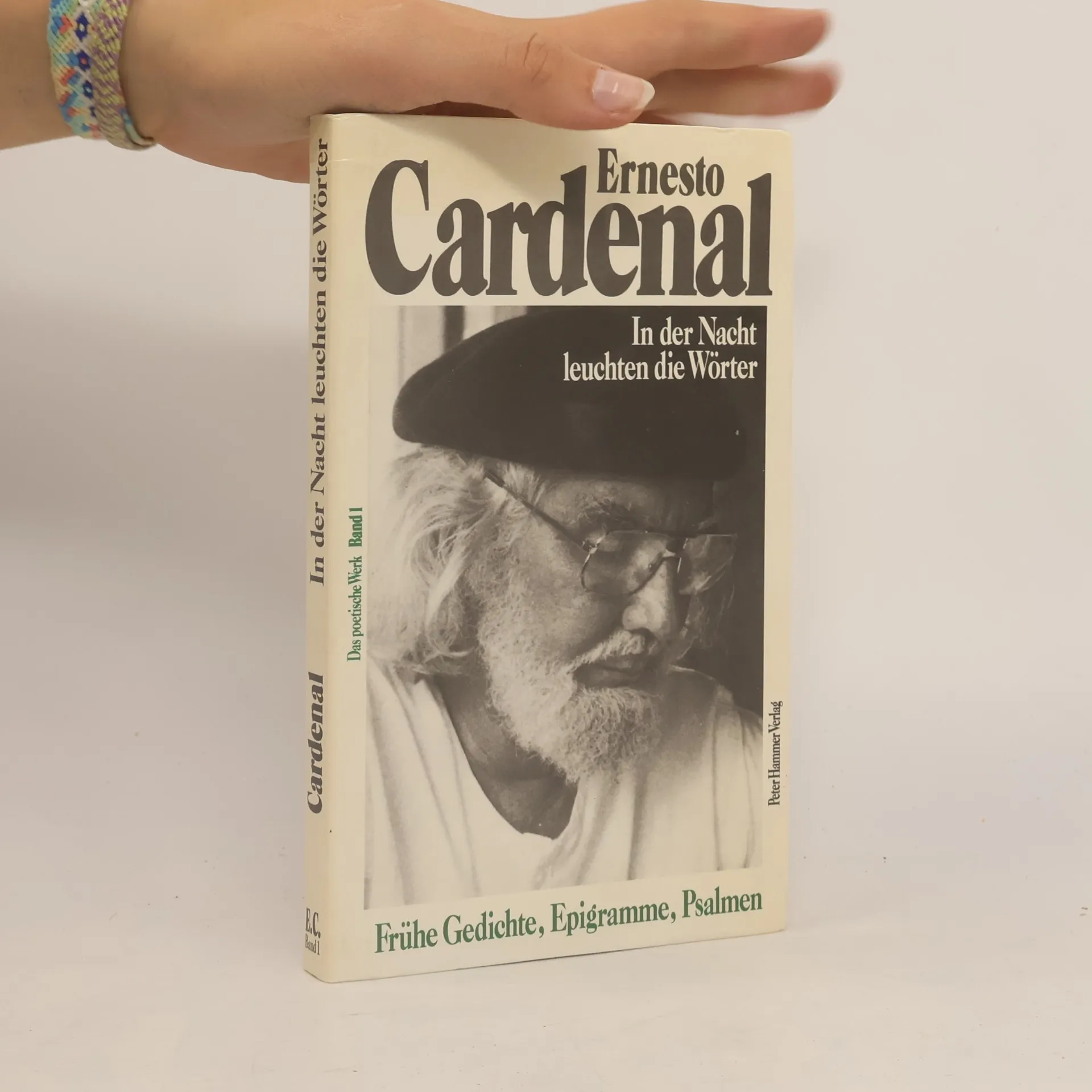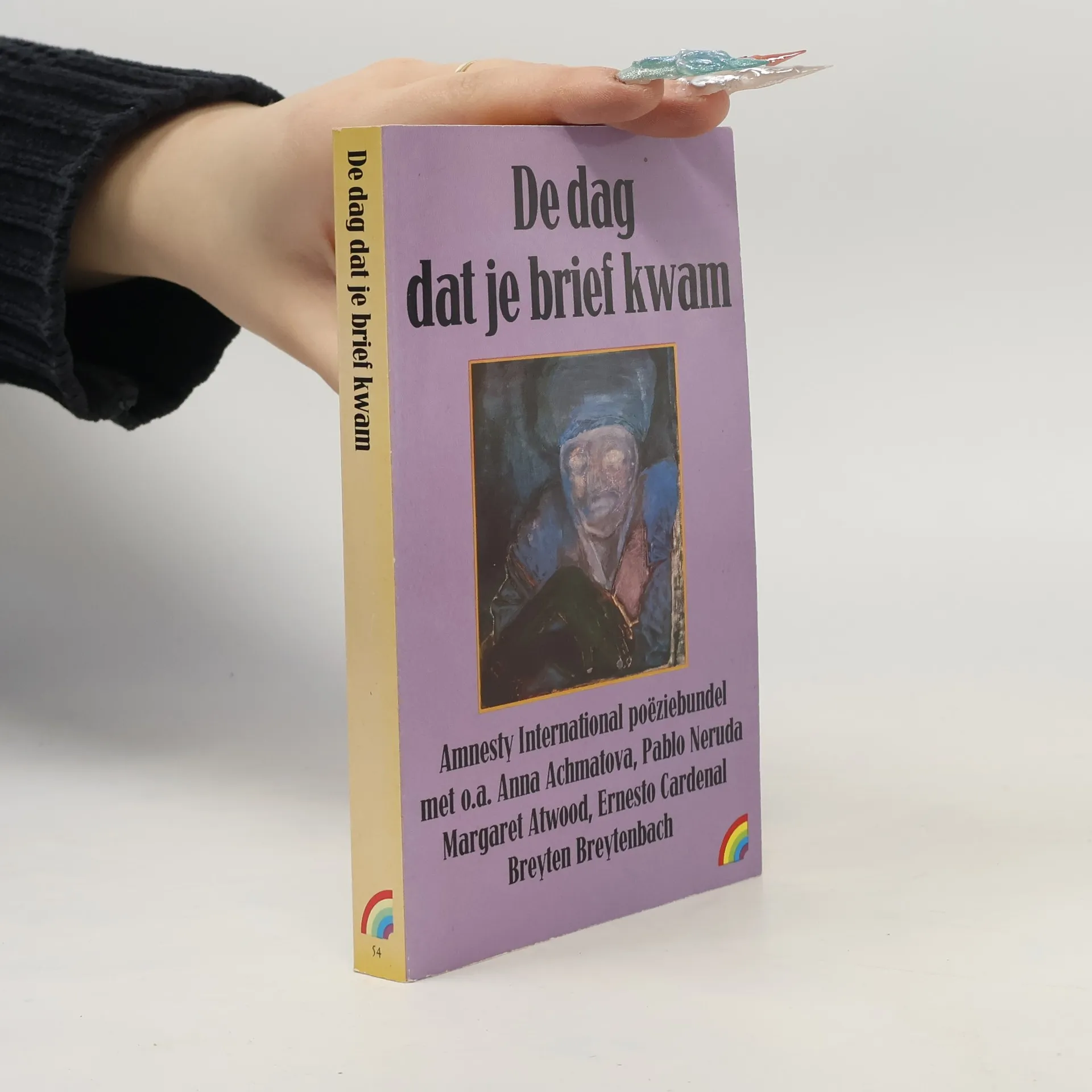

Explore the latest books of this year!
Bookbot

Ernesto Cardenal

    January 20, 1925 – March 1, 2020

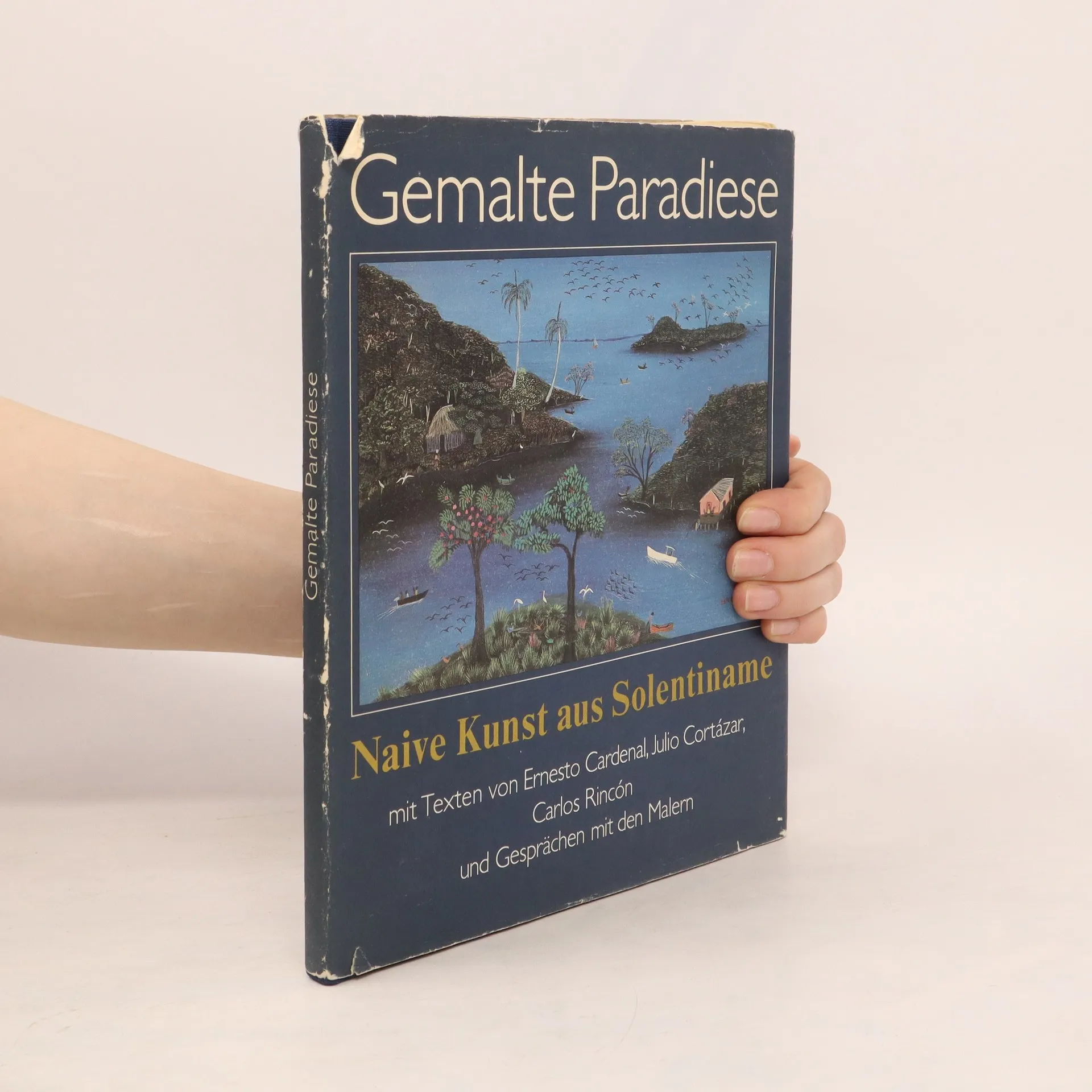
    Ernesto Cardenal was a Nicaraguan priest, poet, and politician whose work is marked by a profound synthesis of Catholic faith, Marxist political thought, and scientific inquiry. He founded an art community in Solentiname, fostering a unique creative environment, and later served as Nicaragua's minister of culture. His poetry evolved from early explorations of life and love to later pieces grappling with revolution, liberation theology, and the dialogue between science and faith. Cardenal's distinct voice offers readers a compelling fusion of the spiritual, the political, and the intellectual.

    Ernesto Cardenal
    Die Stunde Null
    Asiatisches Tagebuch
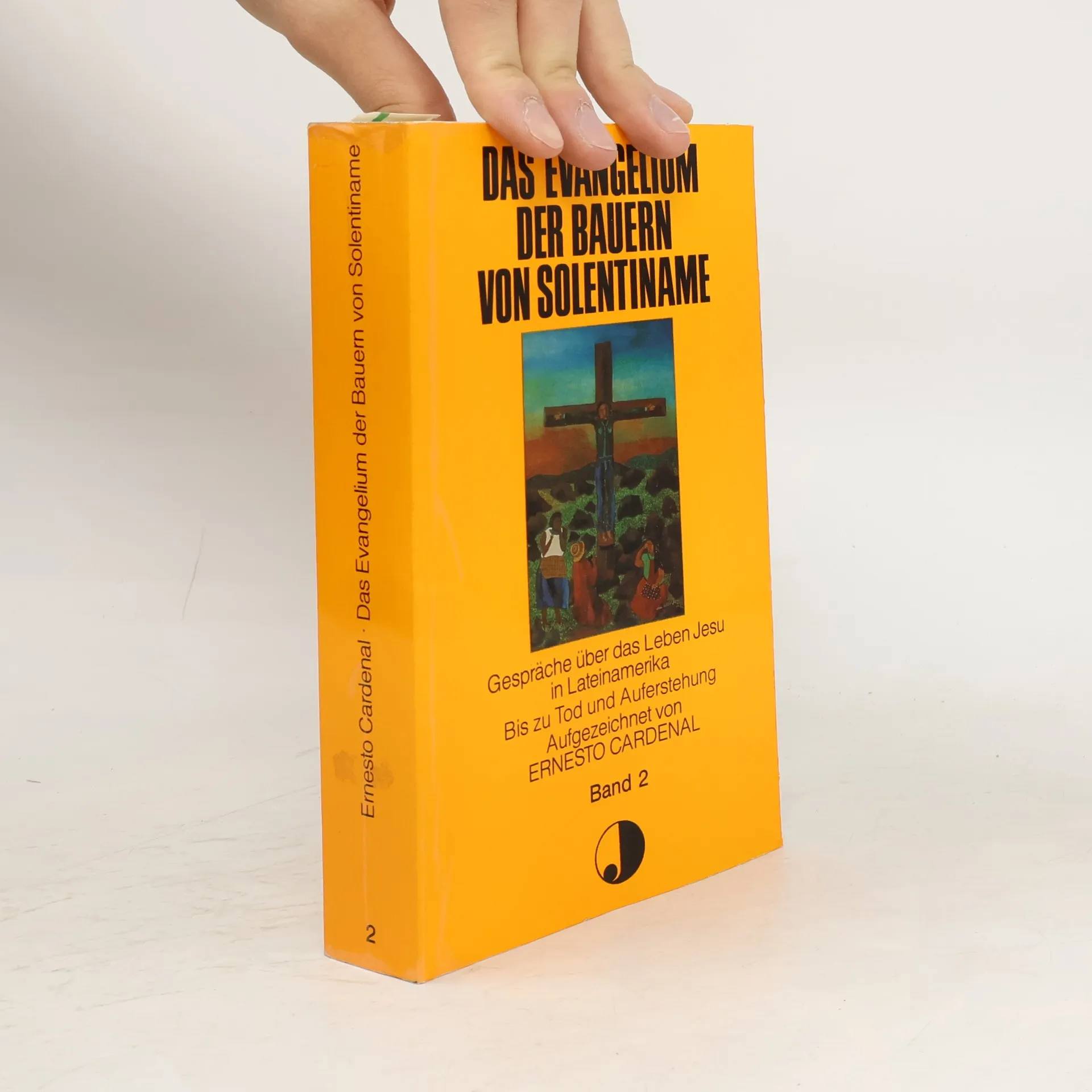
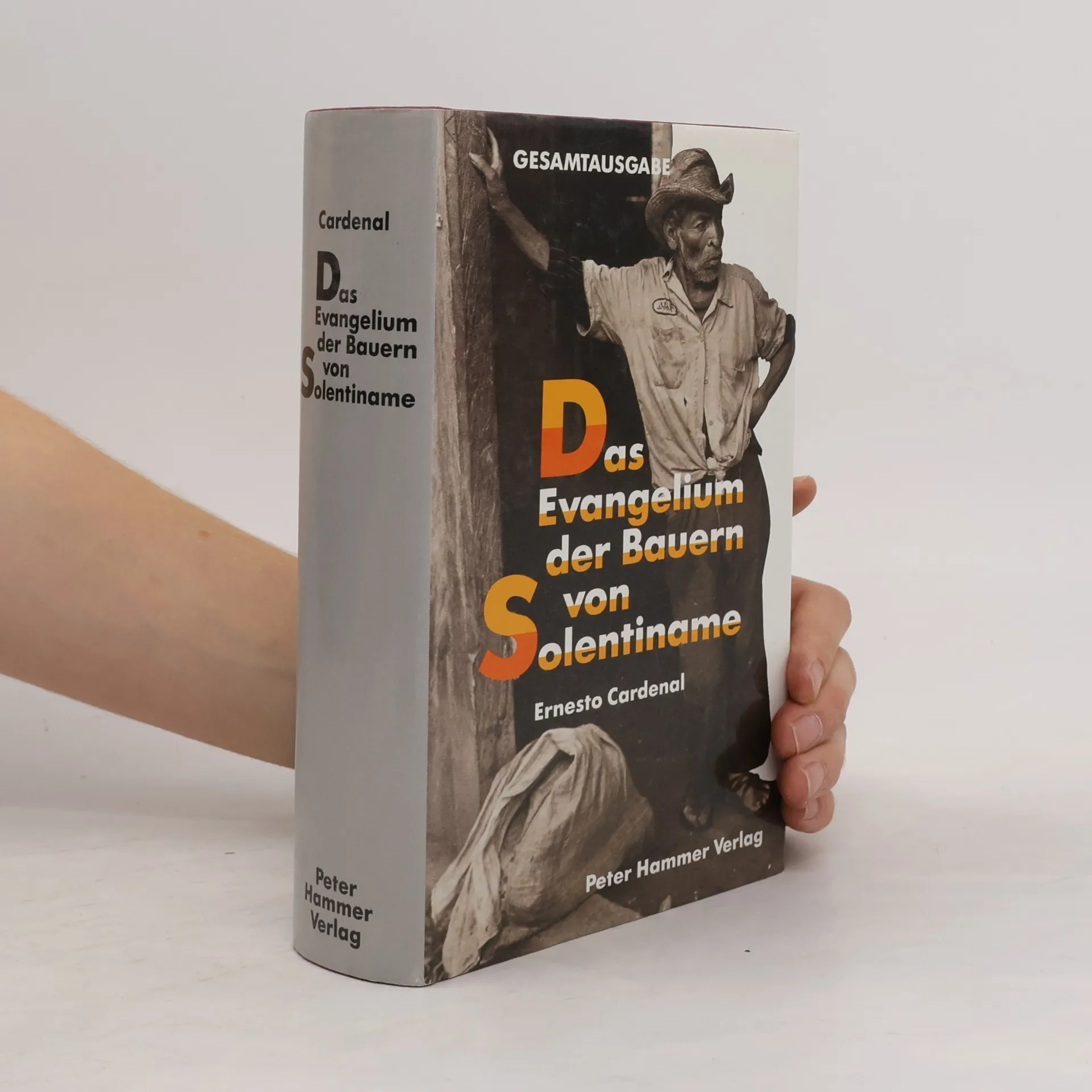
    Das Evangelium der Bauern von Solentiname - Gesamtausgabe
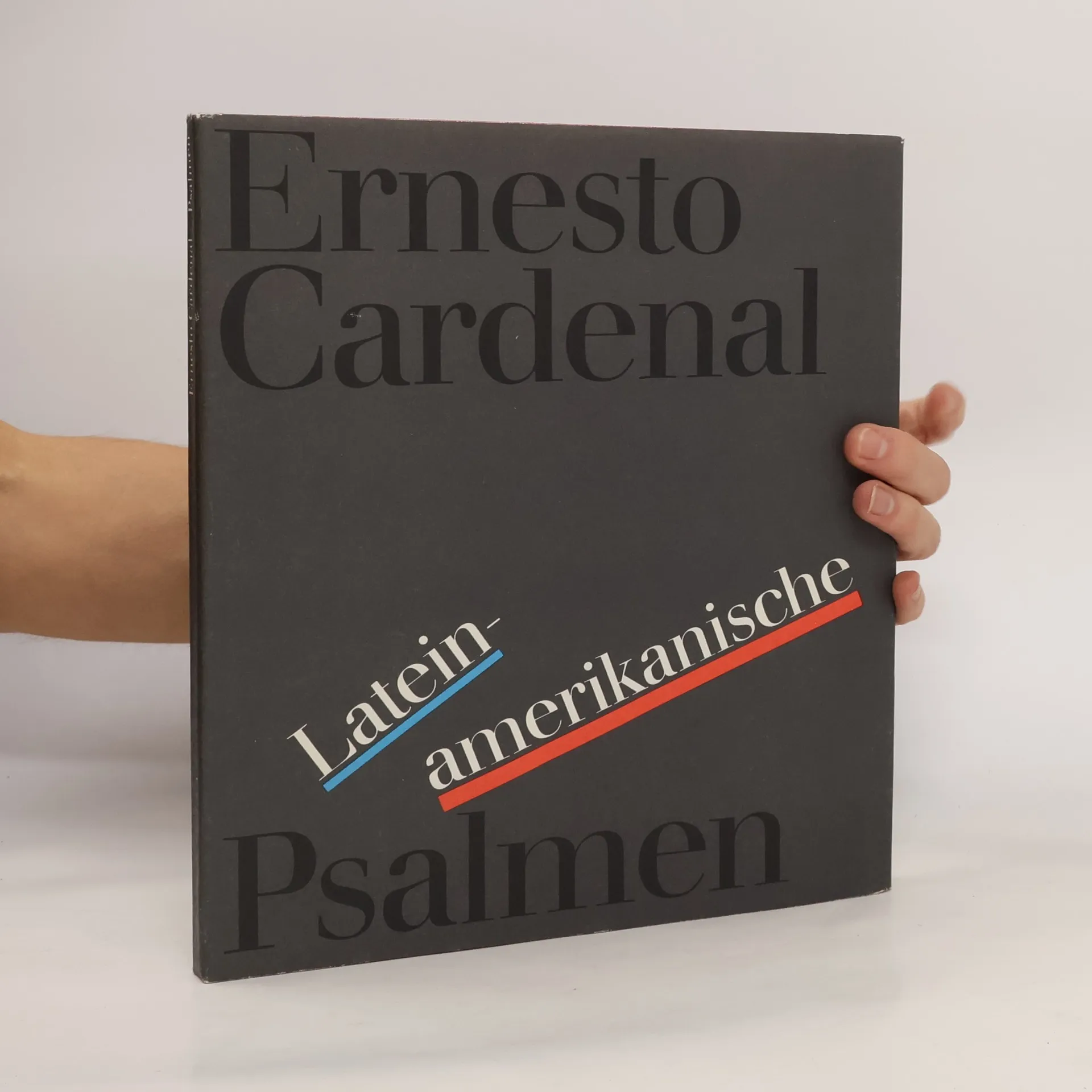
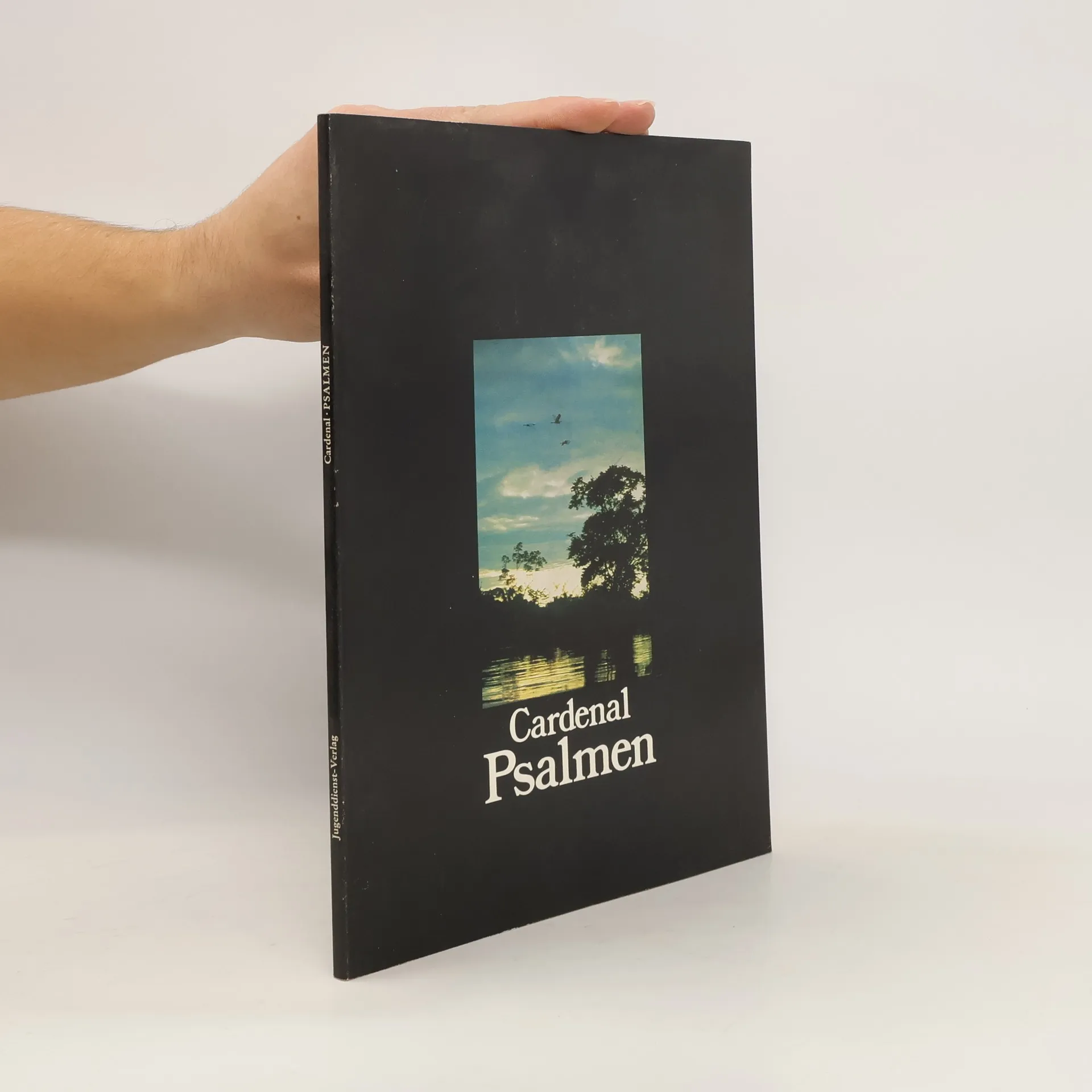
    Psalmen
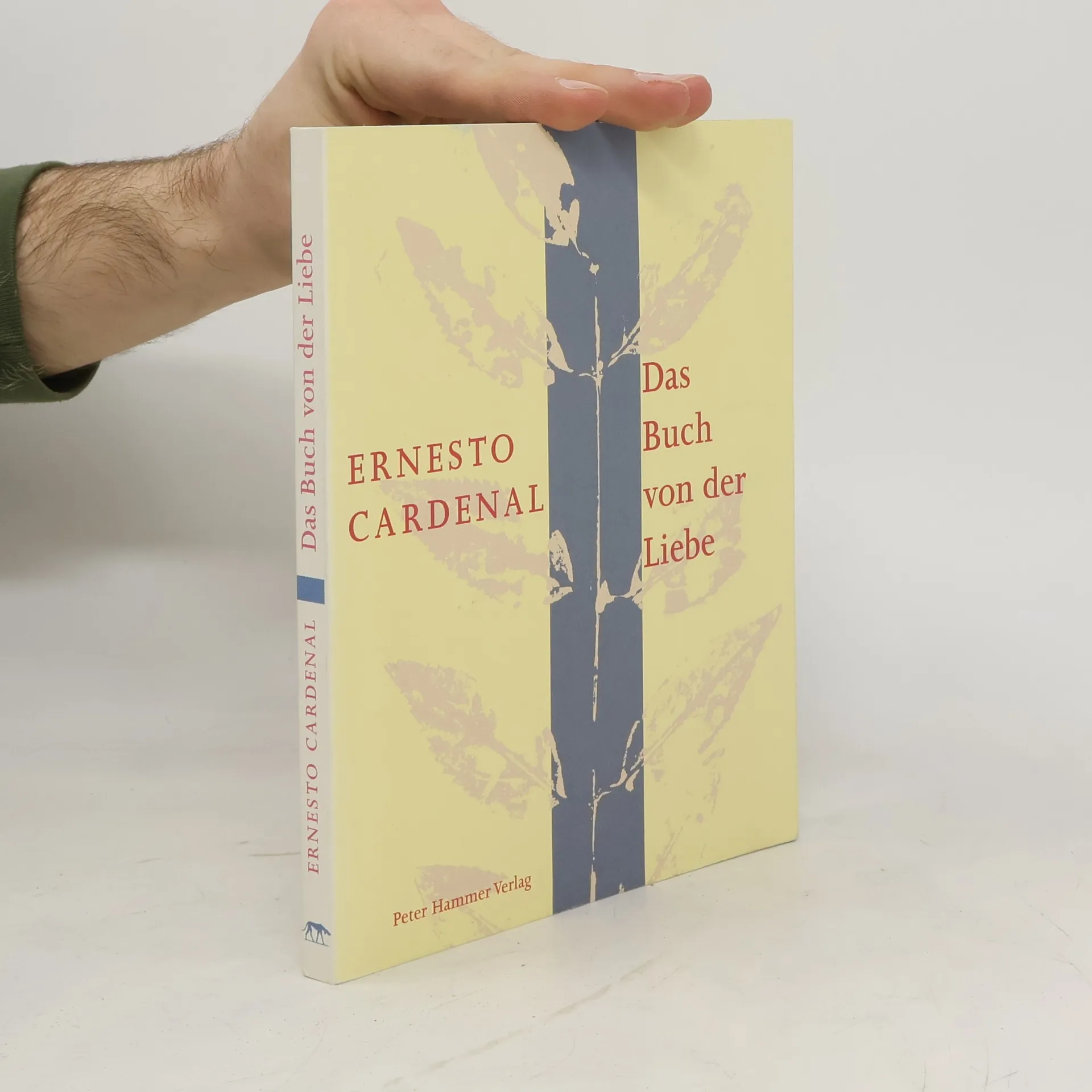
    Das Buch von der Liebe. Vorw. v. Thomas Merton
    From the Monastery to the World
    • From the Monastery to the World

      The Letters of Thomas Merton and Ernesto Cardenal

      • 354 pages
      • 13 hours of reading

      The correspondence between Thomas Merton and Ernesto Cardenal reveals their deep commitment to spiritual contemplation intertwined with activism for social justice and human rights. This collection, translated into English for the first time, showcases their poetic exchanges and shared dedication to raising global awareness about pressing social issues, reflecting their courage in risking personal safety and reputation for the greater good.

      From the Monastery to the World
      3.8
    • "Das Buch von der Liebe" enthält Meditationen von Ernesto Cardenal aus dem Kloster Gethsemani in Kentucky und zählt zu seinen schönsten Werken. Es wurde in 18 Sprachen übersetzt und ist ein Klassiker der modernen Meditationsliteratur.
      Das Buch von der Liebe. Vorw. v. Thomas Merton
      5.0
    • Die Psalmen, das berühmteste Werk Ernesto Cardenals, haben nichts von ihrer Aktualität, nichts von ihrer Leuchtkraft eingebüßt: Aus der schöpferischen Spannung zwischen dem Bestehenden, das es zu verändern gilt, und der Vision einer menschlichen Welt für die Menschen erwächst der Reichtum und die Weite der Dichtung des Priesters von Solentiname. Die Psalmen erheben eindrucksvoll Anklage gegen Ungerechtigkeit, Unterdrückung und Lüge. Unerbittlich stellen sie Entfremdung und Entmenschlichung der Gesellschaft dar, die zur Zerstörung der Welt führen – darin sind sie heute so treffend wie bei ihrem ersten Erscheinen in den 60er Jahren.

      Psalmen
      5.0