The book offers an in-depth exploration of the Ancient Assyrian Army and Empire, backed by three decades of scholarly research. It features a wealth of illustrations that enhance the narrative, providing readers with a vivid understanding of the military strategies, cultural significance, and historical impact of one of the ancient world's most formidable powers.
Mark Healy Books
January 1, 1953
Dr. Mary Healy is a distinguished scholar and educator whose work centers on the profound study of Sacred Scripture. Her writings focus on interpreting the Bible from the heart of the Church, exploring deep theological and spiritual dimensions of the Christian faith. Healy engages with key themes such as the theology of the body, offering insights that resonate with readers seeking a deeper understanding of scripture and the spiritual life. Her international engagement and speaking engagements highlight her influence in biblical interpretation and spiritual formation.
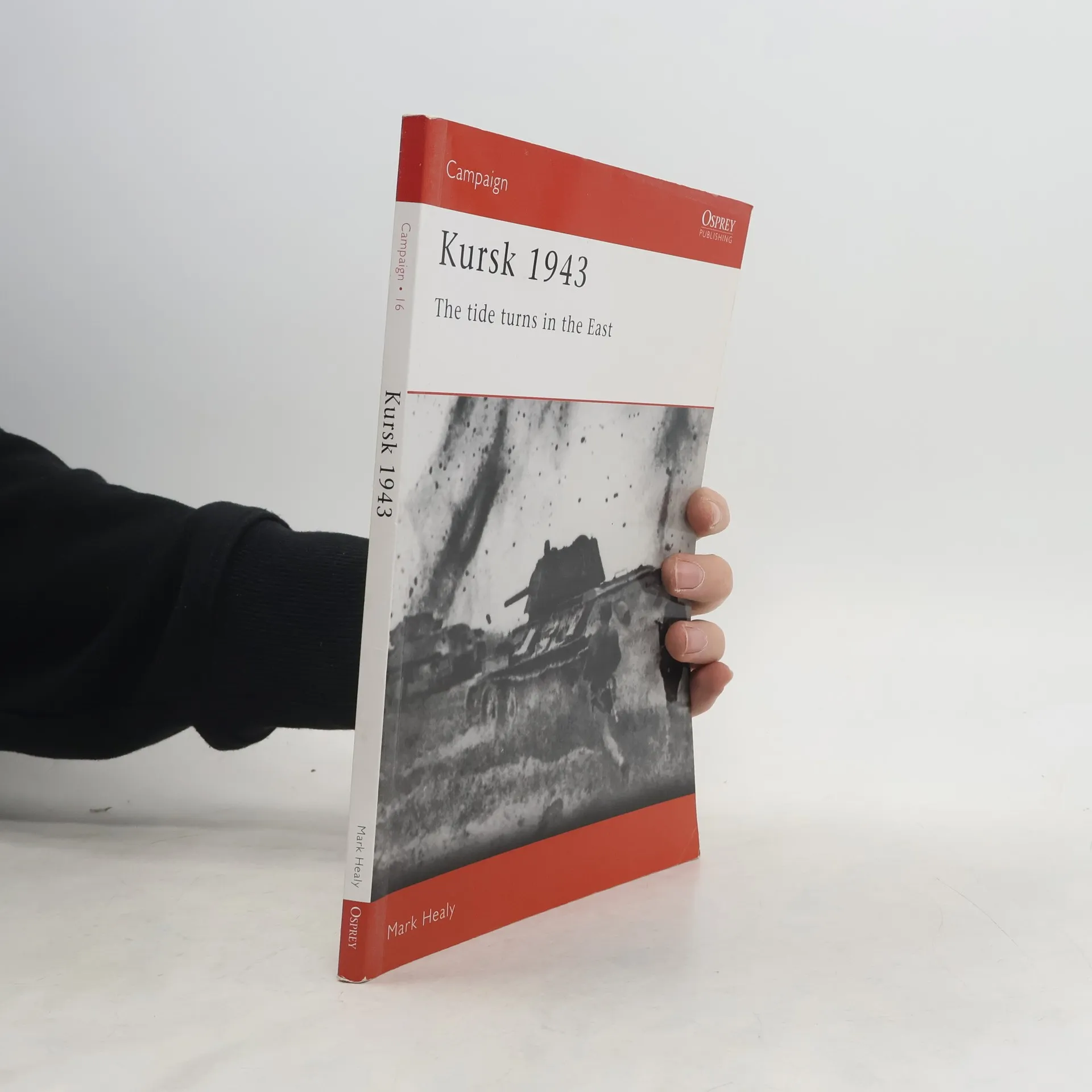
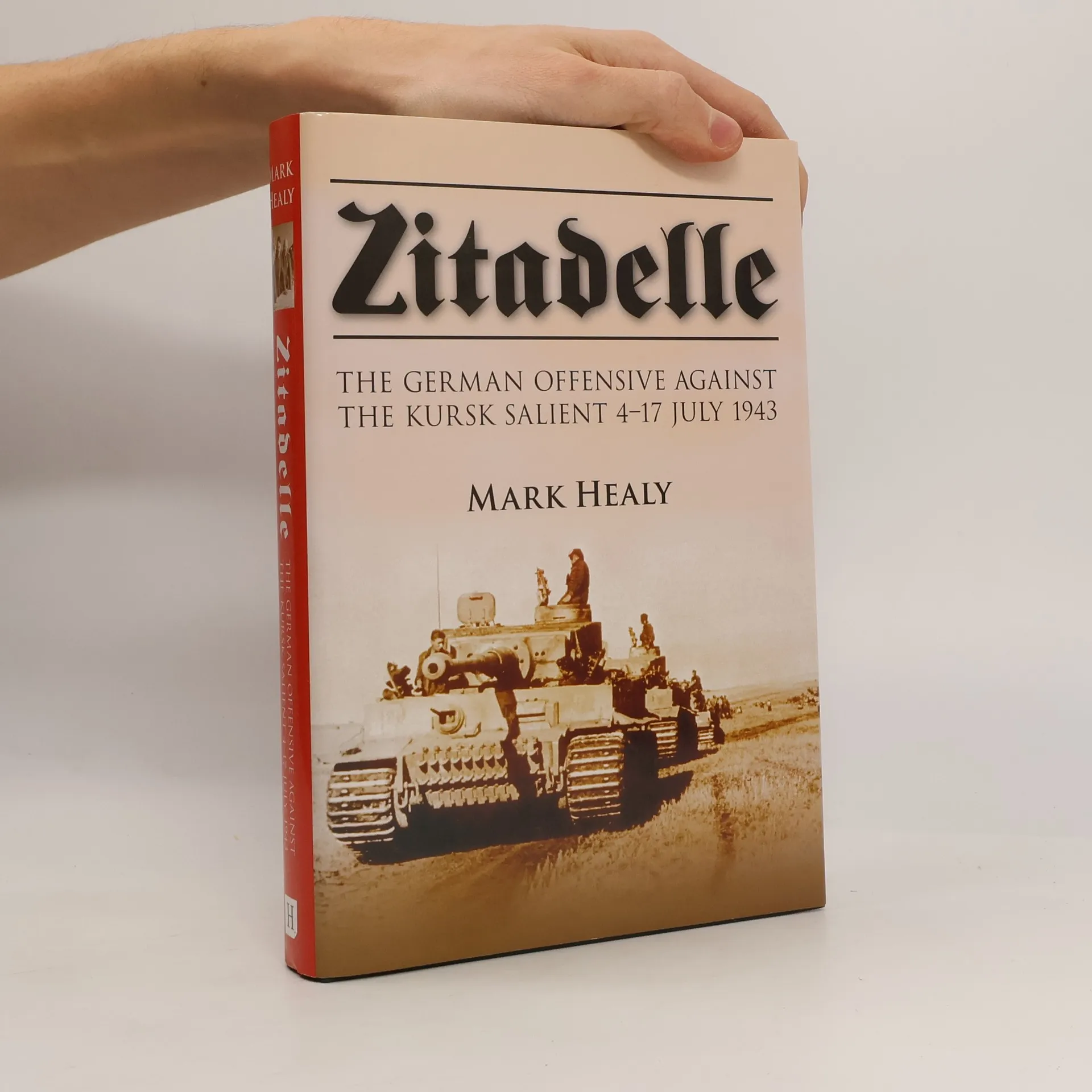

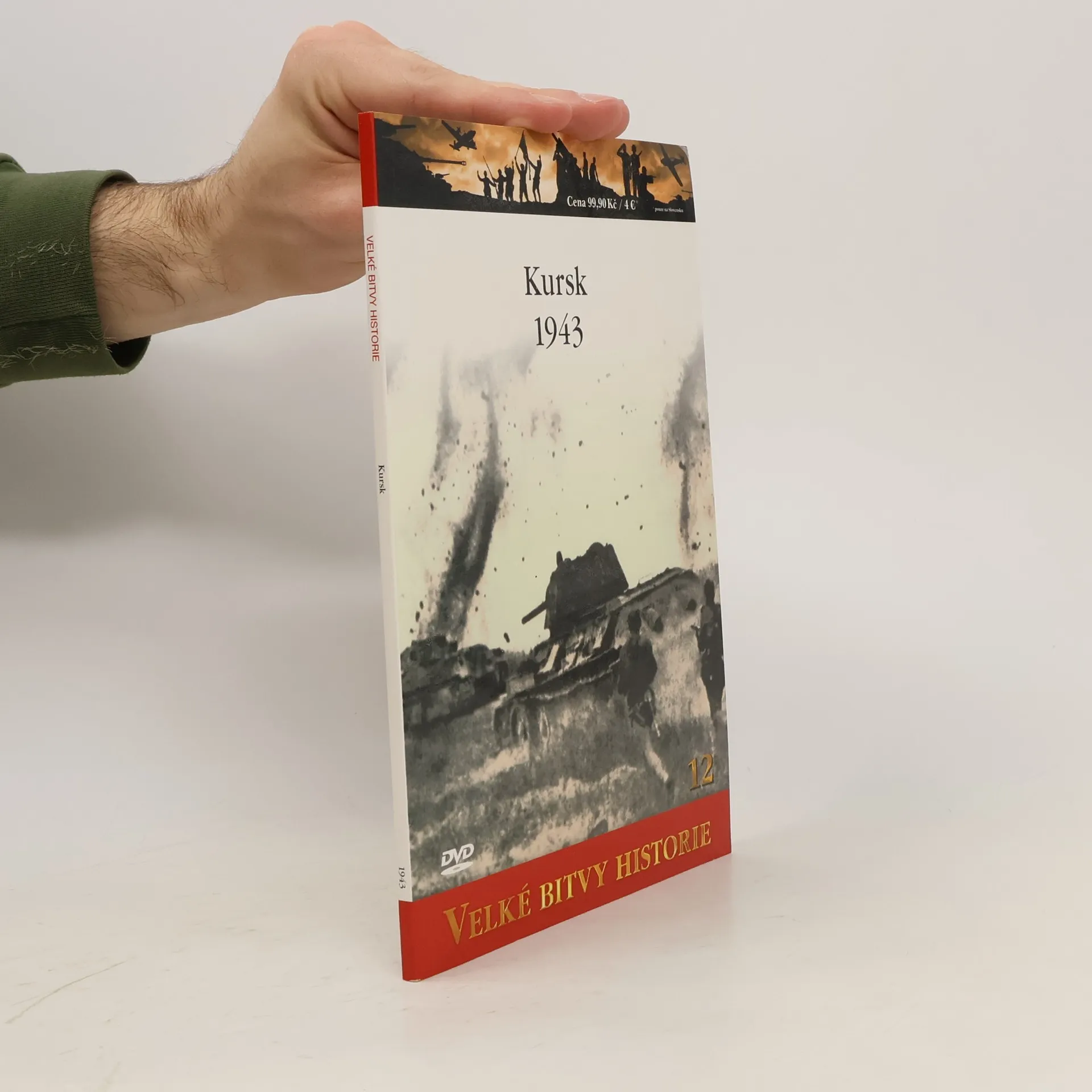
This account of the great tank battle at Kursk, the turning point of the German Eastern offensive in July 1943, is a detailed and valuable analysis of the German and Russian actions during the confrontation. It describes fully the German attempt to excise the Kursk Salient, and the brilliant Russian defenses instigated during German delays which ultimately led to the defeat of the panzers and the Soviet advance on the Reich. The German and Russian tactics, plans, and realities of war on sodden battlefields are fully explored, and new light is shed on the scale of the German defeat, which has been exaggerated for years without question by historians who relied on Soviet accounts of the battle. It is brought to life by maps and a wide collection of photographs taken during the campaign.
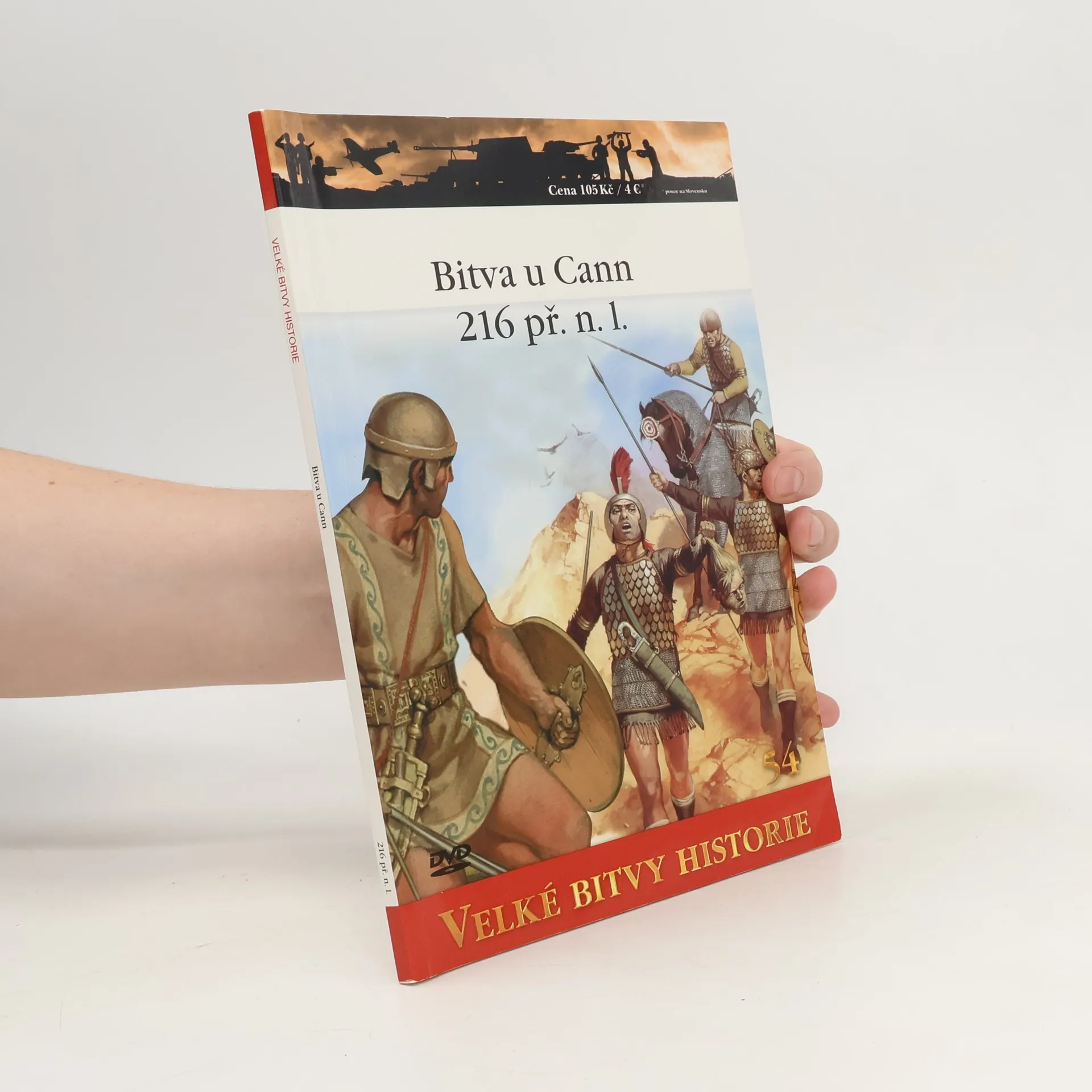
Osprey's study of the Battle of Canae (216 BC), which is regarded as one of the greatest battles of military history. Hannibal's stratagem has become a model of the perfectly fought battle and is studied in detail at military academies around the world. At Cannae the Romans confronted Hannibal with an army of 80,000 infantry and 6,000 cavalry. Hannibal faced them with 40,000 foot and 10,000 horse. The engagement that followed was a masterpiece of battlefield control. By the end of the conflict the Romans had lost 47,500 infantry and 2,700 cavalry killed and a further 19,300 captured.
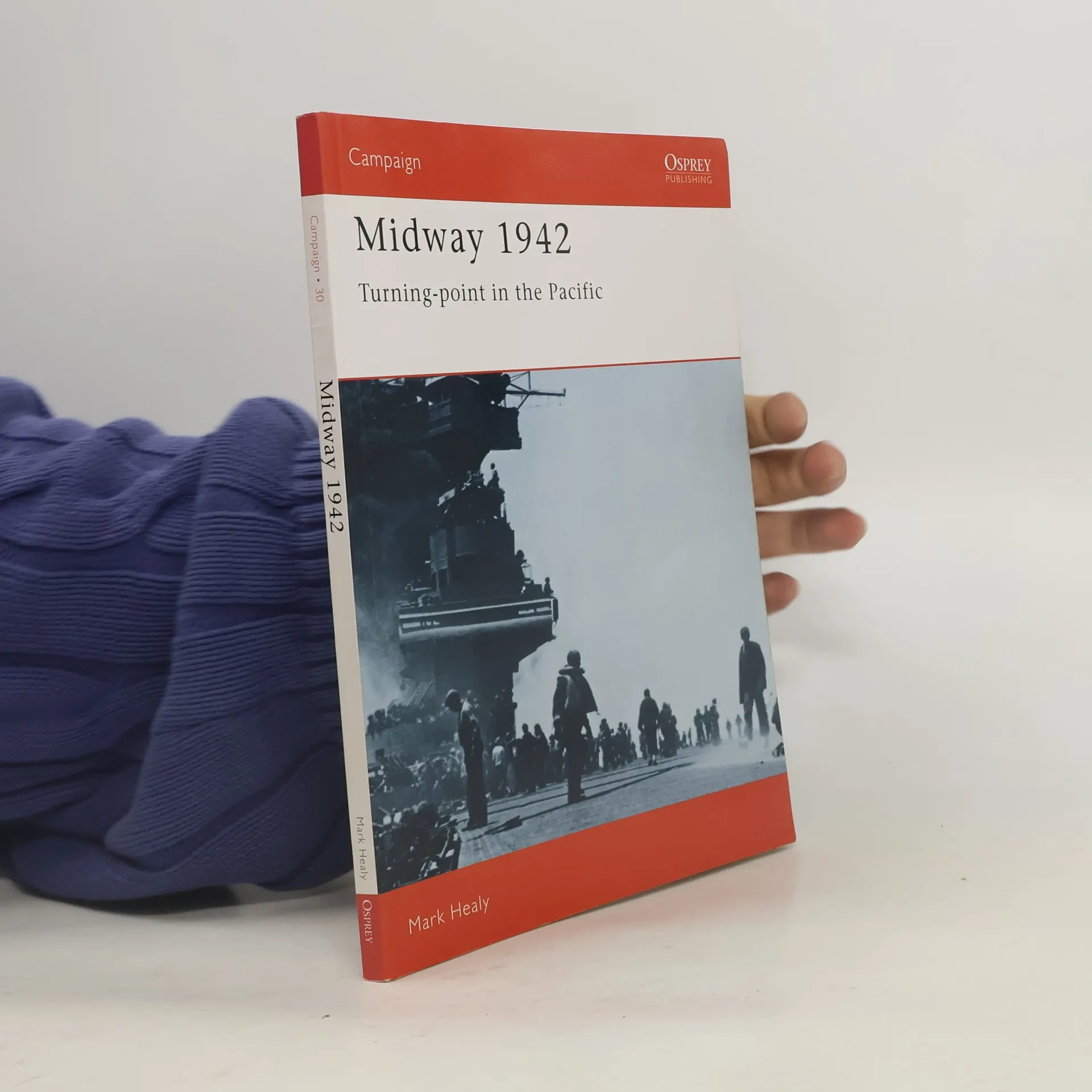
Osprey's Campaign title for one of the most important naval battles in the history of World War II (1939-1945), Midway, which was fought barely six months after the devastating Japanese attack on Pearl Harbor. The badly damaged USS Yorktown was repaired in just 48 hours and with Enterprise and Hornet set out to meet the Japanese. In a battle marked by great heroism on both sides the United States dealt a devastating blow to the Imperial Japanese Fleet sinking four of her most powerful carriers. In this superbly illustrated volume Mark Healy tells the whole story; espionage, daring, luck and extreme heroism. A fascinating read supplemented by genuine photographs of the battle in progress.
Kursk 1943 : tide turns in the east
- 96 pages
- 4 hours of reading
Osprey's examination of the Kursk campaign of World War II (1939-1945). In the summer of 1943 the German army stood poised for a major offensive. The attack was aimed at the Kursk salient, which the Germans intended to isolate, trapping large numbers of Russian troops and paving the way for the decisive campaign to knock the Soviet Union out of the war. By the time of the attack, the Russians had turned the salient into a mass of defensive positions. In the following decisive clash, the Soviets bled Germany's vital Panzer forces white and finally took the initiative. The counter-offensive which followed began an advance that would end in the ruins of Berlin.
Midway 1942 - Bod zlomu v Tichomoří
- 96 pages
- 4 hours of reading
Midway je jednou z nejvýznamějších námořních bitev historie. Byla Američany vybojována necelých šest měsíců po zničujícím japonském útoku na Pearl Harbor. Těžce poškozená letadlová loď USS Yorktown byla opravena za pohých 48 hodin a vydala se spolu s Enterprise a Hornetem vstříc Japoncům. V bitvě vyznačující se velkým hrdinstvím na obou stranách uštědřily Spojené státy císařskému japonskému loďstvu zničující úder – potopily čtyři z jeho nejmohutnějších letadlových lodí. Fascinující líčení v tomto svazku je doprovázeno autentickými fotografiemi z průběhu bitvy.
Velké bitvy historie 54. Bitva u Cann 216 př. n. l.
- 96 pages
- 4 hours of reading
Bitva u Cann je právem považována za jednu z nejvelkolepějších v dějinách lidstva. Hannibalova strategie se stala vzorem dokonale svedené bitvy a dodnes se rozebírá na vojenských akademiích po celém světě. U Cann proti Hannibalovi stálo 80 000 římských legionářů a 6 000 jezdců, přičemž on měl k dispozici pouze 40 000 mužů pěchoty a 10 000 jezdců. V bitvě, která následovala, však dokázal mistrovským způsobem ovládnout bojiště. Římané ztratili 47 500 legionářů a 2 700 jezdců a dalších 19 300 mužů padlo do zajetí.
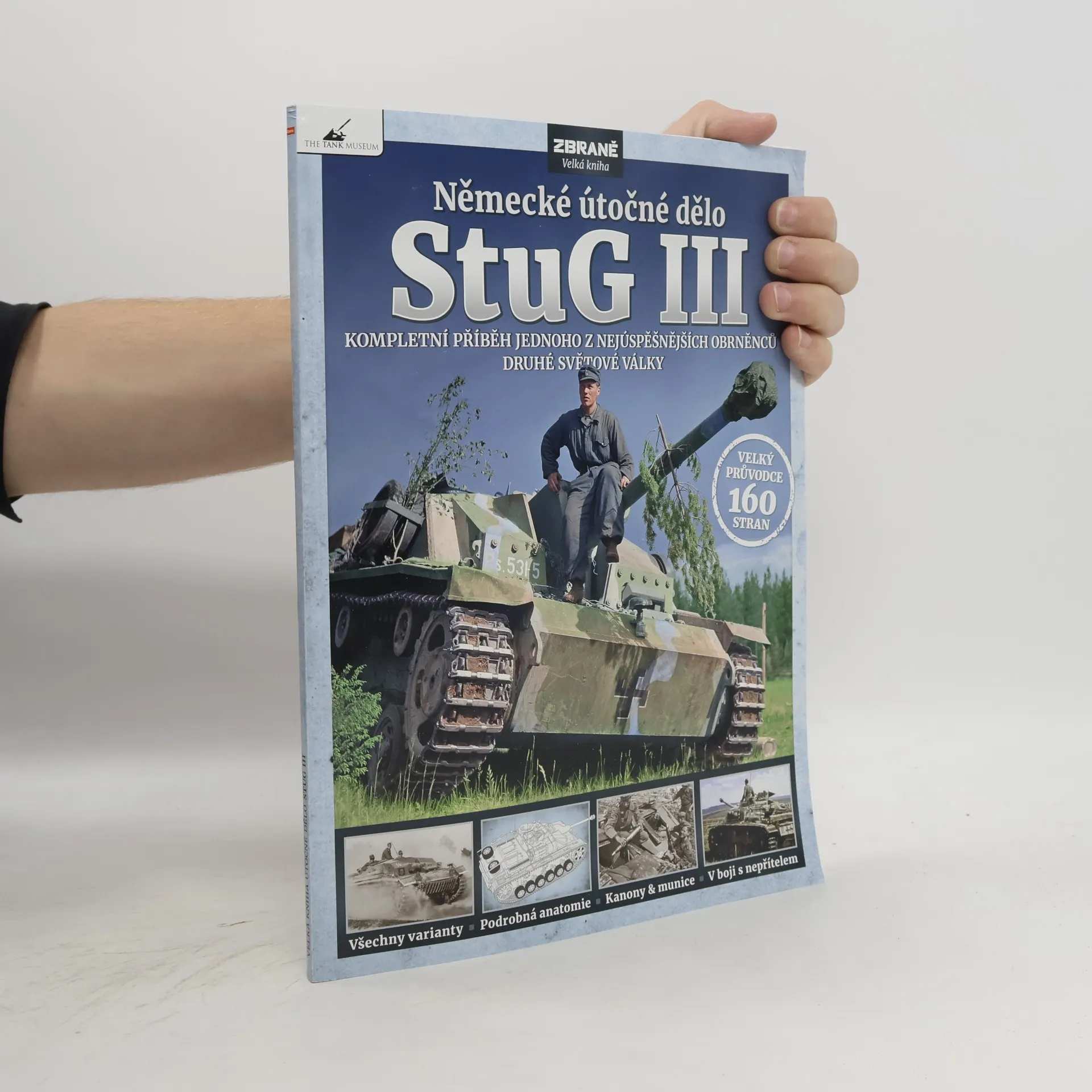
Všechny varianty. Podrobná anatomie. Kanony & munice. V boji s nepřítelem. Německý Sturmgeschütz III se stal jedním z nejefektivnějších obrněnců druhé světové války. Původně dělostřelecká zbraň měla poskytovat palebnou podporu mobilní pěchotě, ale její účel se postupem času změnil. Instalace výkonného kanonu spolu s nízkým profilem udělala ze StuGu III efektivního ničitele nepřátelské techniky, který byl navíc levný. Není divu, že během války začal nahrazovat konstrukčně složitější klasické tanky. Autor Mark Healy na následujících stránkách vypráví poutavý příběh spletitého vývoje, výroby i nasazení populárního útočného děla, který doprovází bohatý obrazový materiál dokumentující jak bitvy na západní i východní frontě, tak dodnes zachovalý a perfektně udržovaný StuG ve Finsku. Prototyp a první verze Cesta k sériové výrobě Na bojišti Proti bunkrům, pěchotě i tankům nepřítele Obrněnec v detailu Pancéřování, stanoviště osádky, pohonné jednotky Hlavní zbraň Prodloužený a výkonný 75mm kanon
Vývoj a výroba, parametry všech verzí, nasazení v boji, poválečné využití Kompletní příběh a podrobná anatomie tanku T-34 od roku 1940 až do současnosti. Když se sovětský T-34 v roce 1940 objevil na bojišti, šlo bezpochyby o nejpokročilejší střední tank na světě. Se svým skloněným pancířem, širokými pásy a účinnou výzbrojí způsobil Němcům doslova šok. I když v prvních fázích války ztratili sověti většinu nasazených T-34, byly to právě přelomový design a neustávající masová výroba tohoto stroje, které převážily misky vah na celé východní frontě. Když se postupem času stal 76mm kanon zastaralým a nestačil na tigery a panthery, přišel model T-34/85, který prokazoval svoji efektivitu až do samotného konce druhé světové války a v různých konfliktech po celém světě i dlouho po ní – některé kusy tohoto legendárného obrněnce jsou stále k vidění v lokálních bojích. Z obsahu: Úspěchy na bojišti: Od problémů v době německého blitzkriegu po drtivé vítězství při dobývání Říše. Anatomie T-34: Podrobný pohled na konstrukci, motor, podvozek, výzbroj i pracoviště osádky. Více než tank: Na podvozku T-34 vzniklo také několik dalších úspěšných strojů. Všechny modely: Včetně licenční výroby mimo SSSR.
Velké bitvy historie 12. Kursk 1943
- 94 pages
- 4 hours of reading
Největší tanková bitva v kurském oblouku u vesnice Prochorovky znamenala definitivní zlomení plánů Adolfa Hitlera opětovně převzít iniciativu na ruském bojišti. Zdecimované německé tankové armády se od této chvíle již pouze bránily při ústupových bojích směr Velkoněmecká říše.
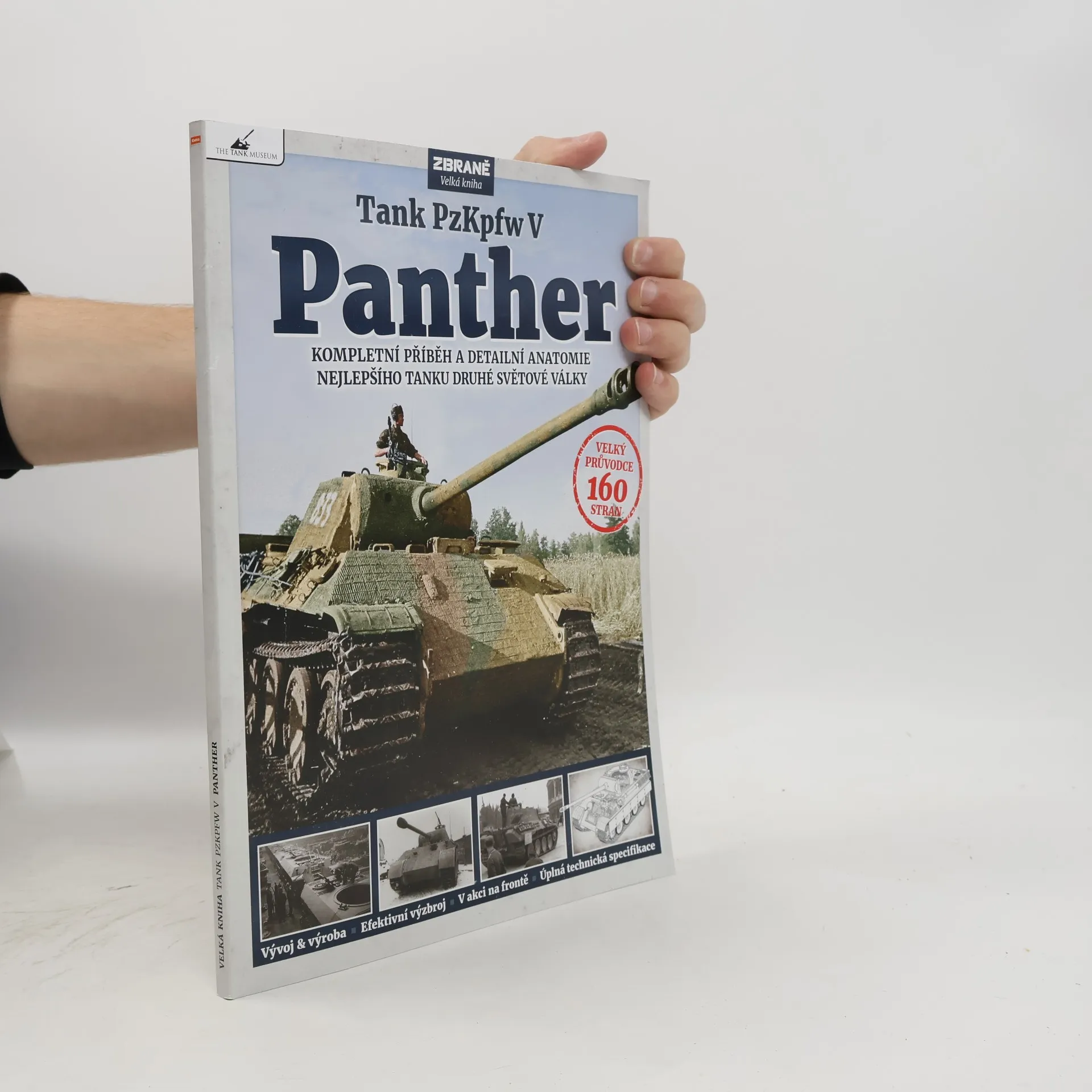
Specifikace nového německého tanku vyšla z bolestivých střetů s novou generací sovětských strojů – těžkých tanků řady KV a především středních T-34. Výsledek v podobě středního tanku Panther je dodnes mnohými považován za nejlepší stroj celé války. Přestože je dnes patrně nejslavnějším tankem druhé světové války Tiger, mnohem více by si to zasloužila o něco málo mladší kočka z německého arsenálu, Panther. Zatímco první jmenovaný byl vlastně „jen“ důkladně zvětšenou verzí dosavadní řady německým panzerů (počínaje miniaturním PzKpw I), Panther byl v podstatě úplně novým strojem. Jeho designéři se pokusili v rámci možností využít to nejmodernější, co bylo ve světě obrněných vozidel k dispozici, a právě to bylo nakonec slabinou tohoto stroje.