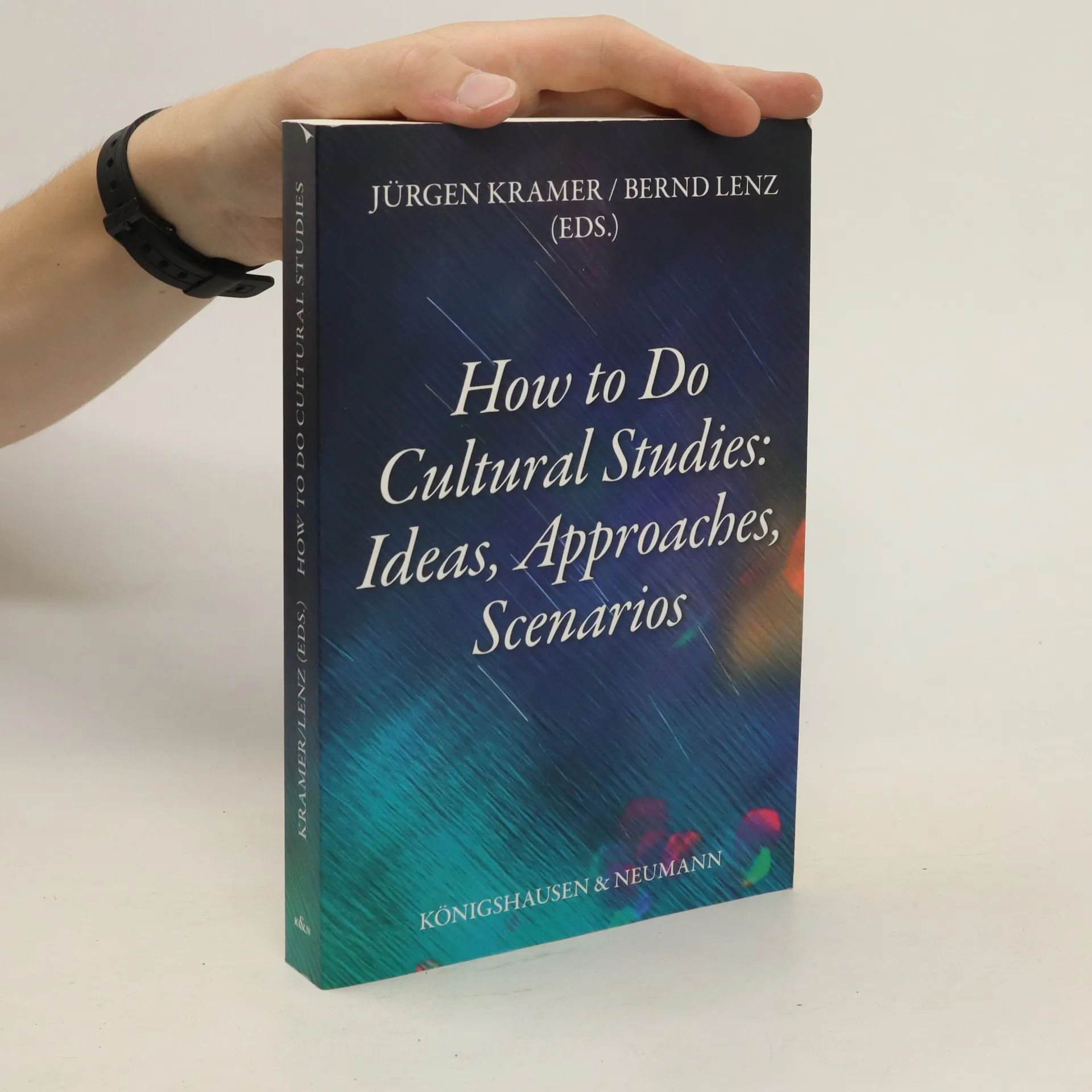
Over the past three decades, Cultural Studies within German „Anglistik“ have become a success story: relevant research has been undertaken, syllabi (in universities and schools) have been redesigned, departments have been restructured and most students are enthusiastic. What is to be desired, are more publications which concretely describe, succinctly analyse and amply illustrate ideas, approaches and scenarios of how to do Cultural Studies, be it in the university classroom or, elsewhere, studying independently. The present volume tries to provide a start. In eleven contributions it is being demonstrated how students and teachers in universities and schools as well as self-learners can make complex cultural nexuses their own. The great variety of topics and didactic approaches is intended: all readers should be able to choose from a wide range of ideas and approaches, so that they do not only study what they are offered in this volume but also feel encouraged to develop projects of their own.
Jürgen Krämer Books

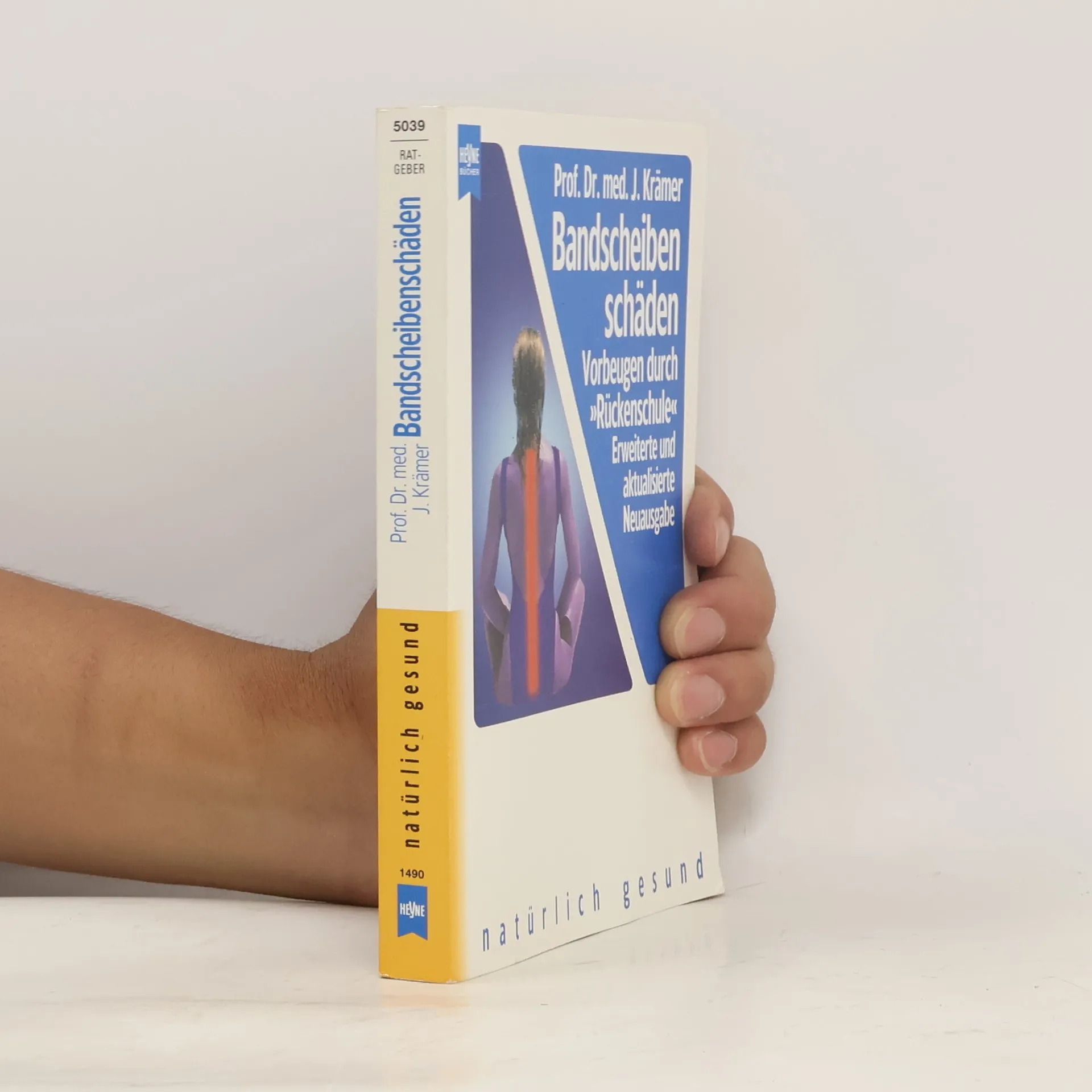
Bandscheibenschäden
- 238 pages
- 9 hours of reading
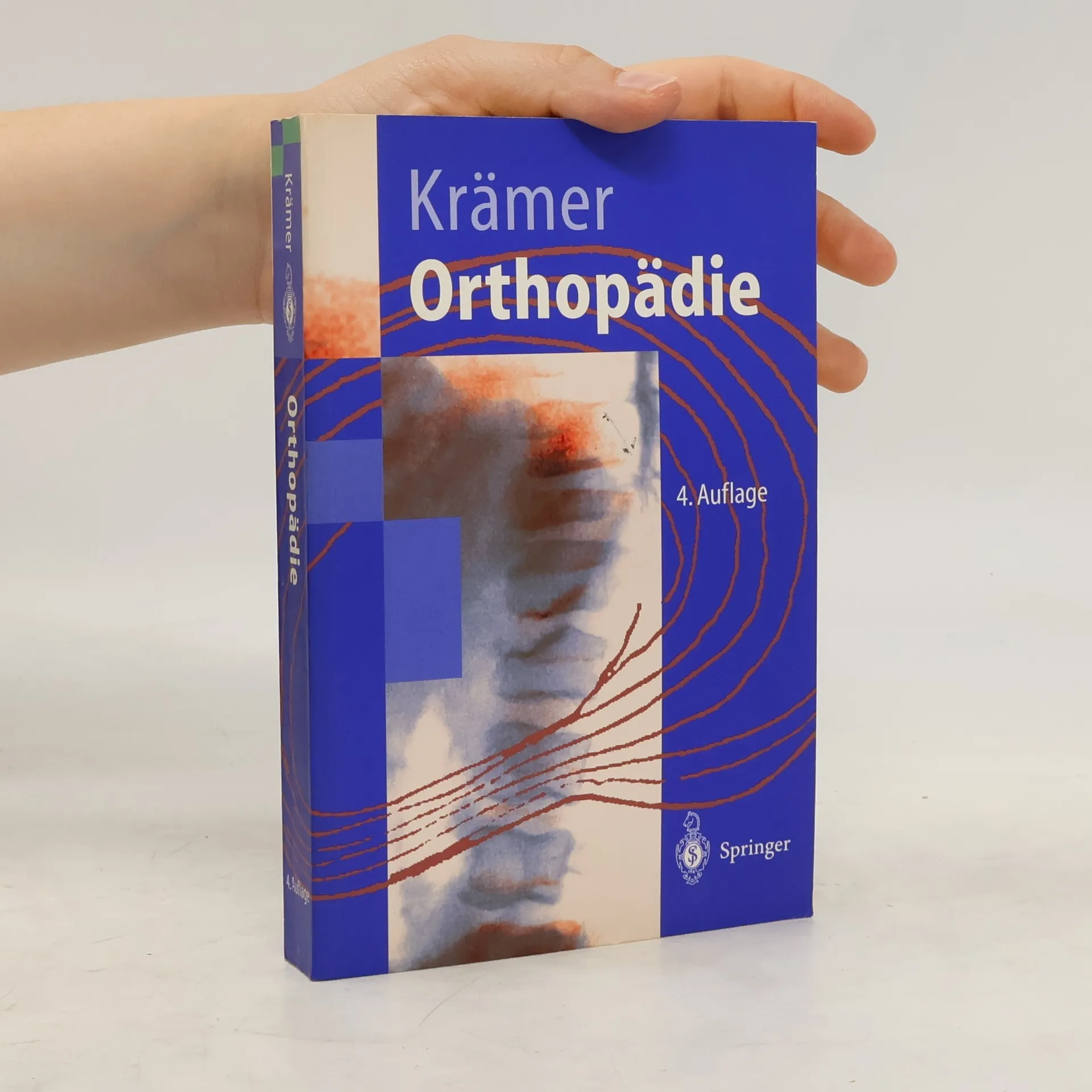
Kein Bock auf Orthopädie? Dieses Taschenbuch ist genau das Richtige für O-Muffel, die gerade nur das lesen möchten, was sie unbedingt wissen müssen: kurzgefaßt nach GK, didaktisch ausgefeilt, zweifarbig bebildert und mit den IMPP-relevanten Prüfungsfragen. Wer den „Krämer“ für die Prüfung und später zum Nachschlagen benutzt, bekommt schnell klare Antworten.
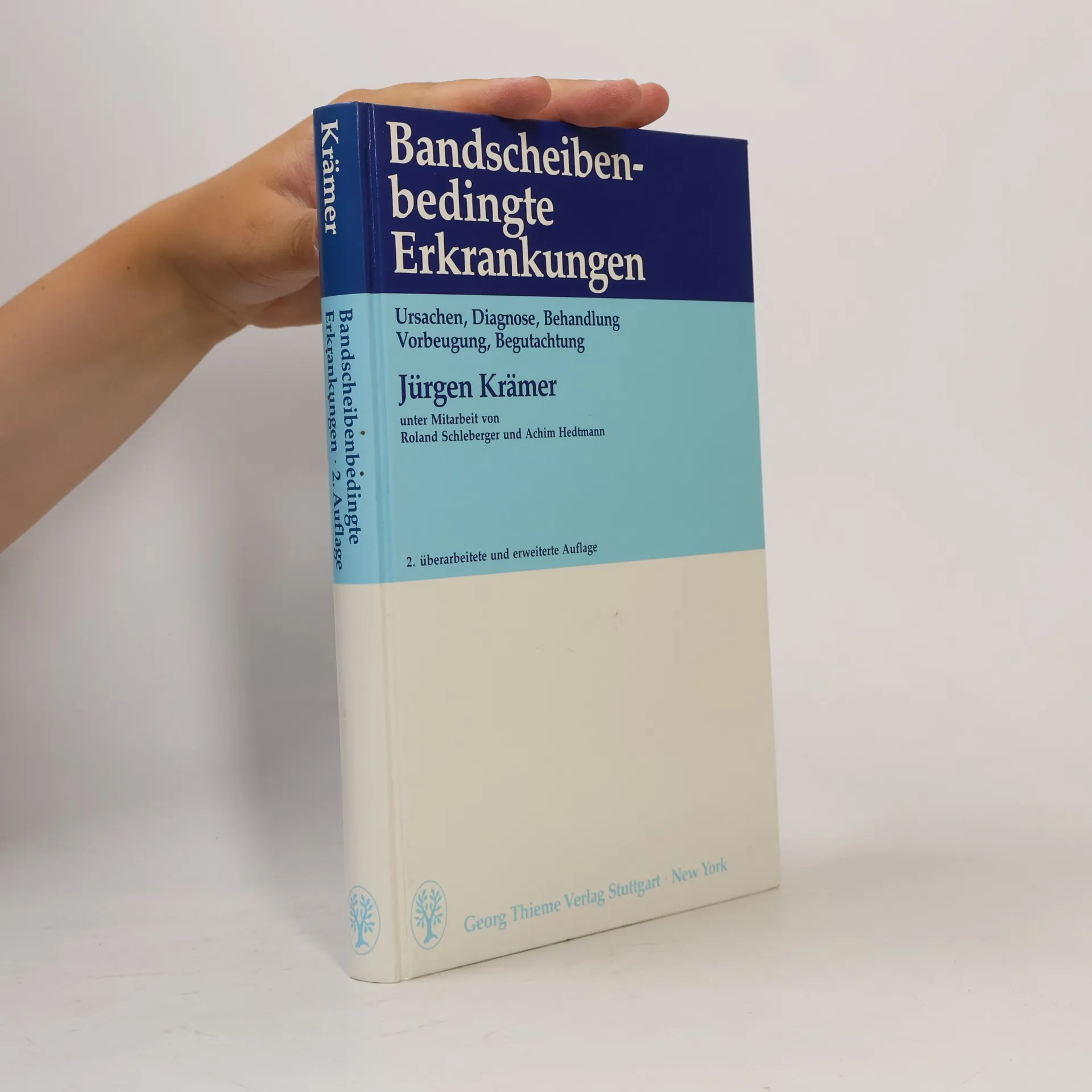
Bandscheibenbedingte Erkrankungen
Ursachen, Diagnose, Behandlung, Vorbeugung, Begutachtung
- 353 pages
- 13 hours of reading
"Wenn ich vortrug, war ich absolut glücklich"
Esti D. Freud (1896-1980). Rezitatorin und Logopädin. Eine biografische Annäherung
- 223 pages
- 8 hours of reading
Die Biografie beleuchtet das Leben von Esti D. Freud, der Schwiegertochter Sigmund Freuds, und ihren Kampf um berufliche Selbstständigkeit. Sie beschreibt die Herausforderungen einer Frau aus dem assimilierenden jüdischen Bürgertum im Wien der Zwischenkriegszeit und ihren Neuanfang als Logopädin im Exil in Amerika. Die Autoren Christiana Puschak und Jürgen Krämer zeigen, wie Esti sich in einem von Männern dominierten Umfeld behauptet und ihre Identität und Karriere neu definiert.
Schaufenster der Nation
Symbolische Machtgesten im öffentlichen Raum von London, Paris und Rom im 19. Jahrhundert
- 247 pages
- 9 hours of reading
Wunder, Kuriositäten und Wissenswertes aus der Autowerkstatt
- 80 pages
- 3 hours of reading
Kuriose, gefährliche, verwunderliche Defekte am Auto: Einige dieser besonderen Augenblicke und die Geschichten die dazu gehören, sind in diesem Büchlein festgehalten. Das idealeGeschenk an Ihre Mitarbeiter, aber auch für Ihre Kunden.
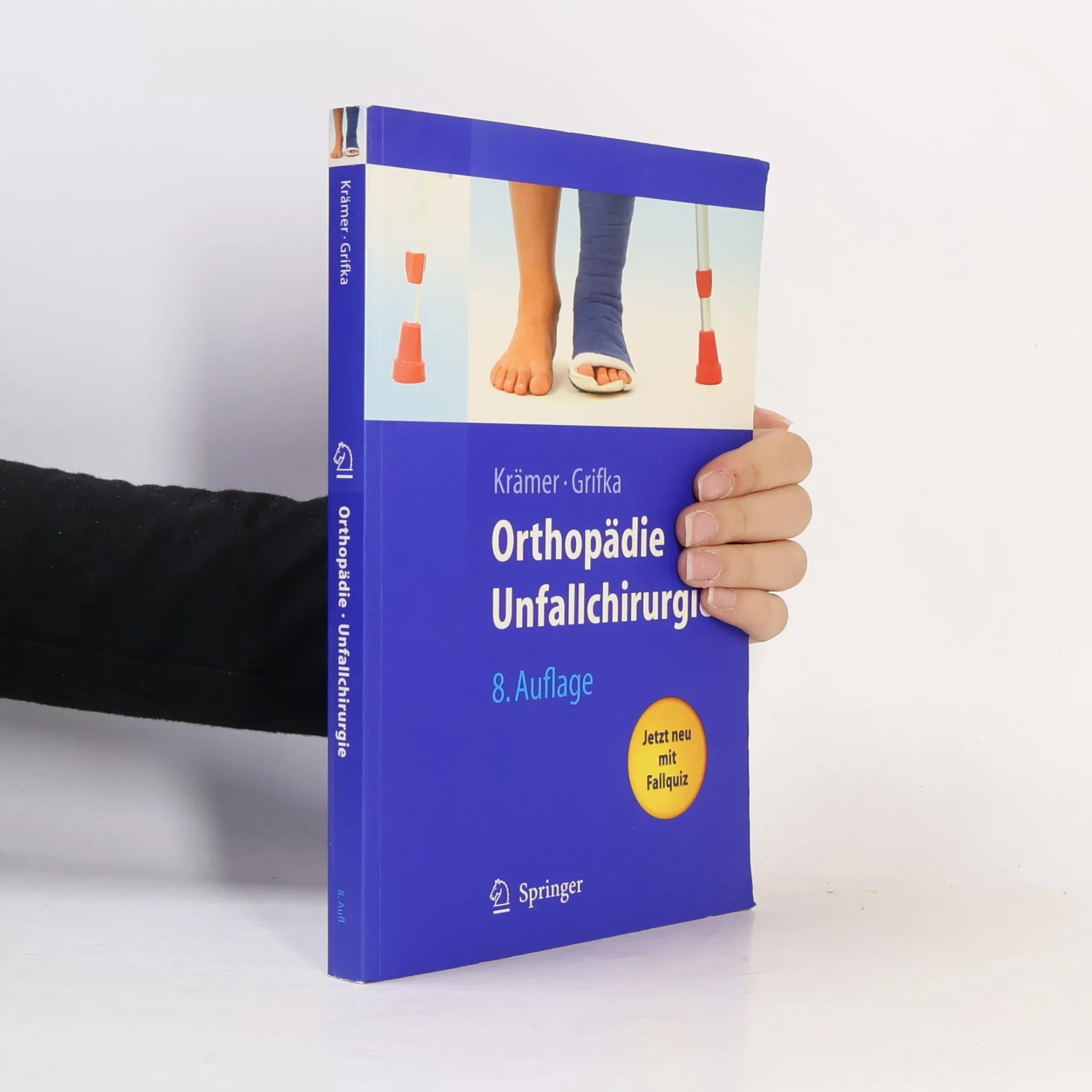
Springer-Lehrbuch: Orthopädie, Unfallchirurgie
Unfallchirurgische Bearbeitung von Heinrich Kleinert und Wolfram Teske - 8. Auflage
- 357 pages
- 13 hours of reading
Der neue Krämer/Grifka: Der Lehrbuchklassiker bringt Orthopädie und Unfallchirurgie erneut auf den Punkt und kompakt in einem Buch: sämtliche Untersuchungstechniken, alle orthopädischen und unfallchirurgischen Krankheitsbilder nach Körperregionen geordnet, konservative/operative Therapien, Rehabilitation, Begutachtung sowie die Definitionen aller Krankheitsbilder. Prägnant und übersichtlich – zum erfolgreichen Lernen, auch unter Zeitdruck. Das Fallquiz mit 20 typischen Situationen aus dem klinischen Alltag fördert die Lernfreude. Wissen anwenden leichtgemacht! Von Klumpfuß bis Polytrauma – mit dem Krämer/Grifka sind Sie bestens vorbereitet!
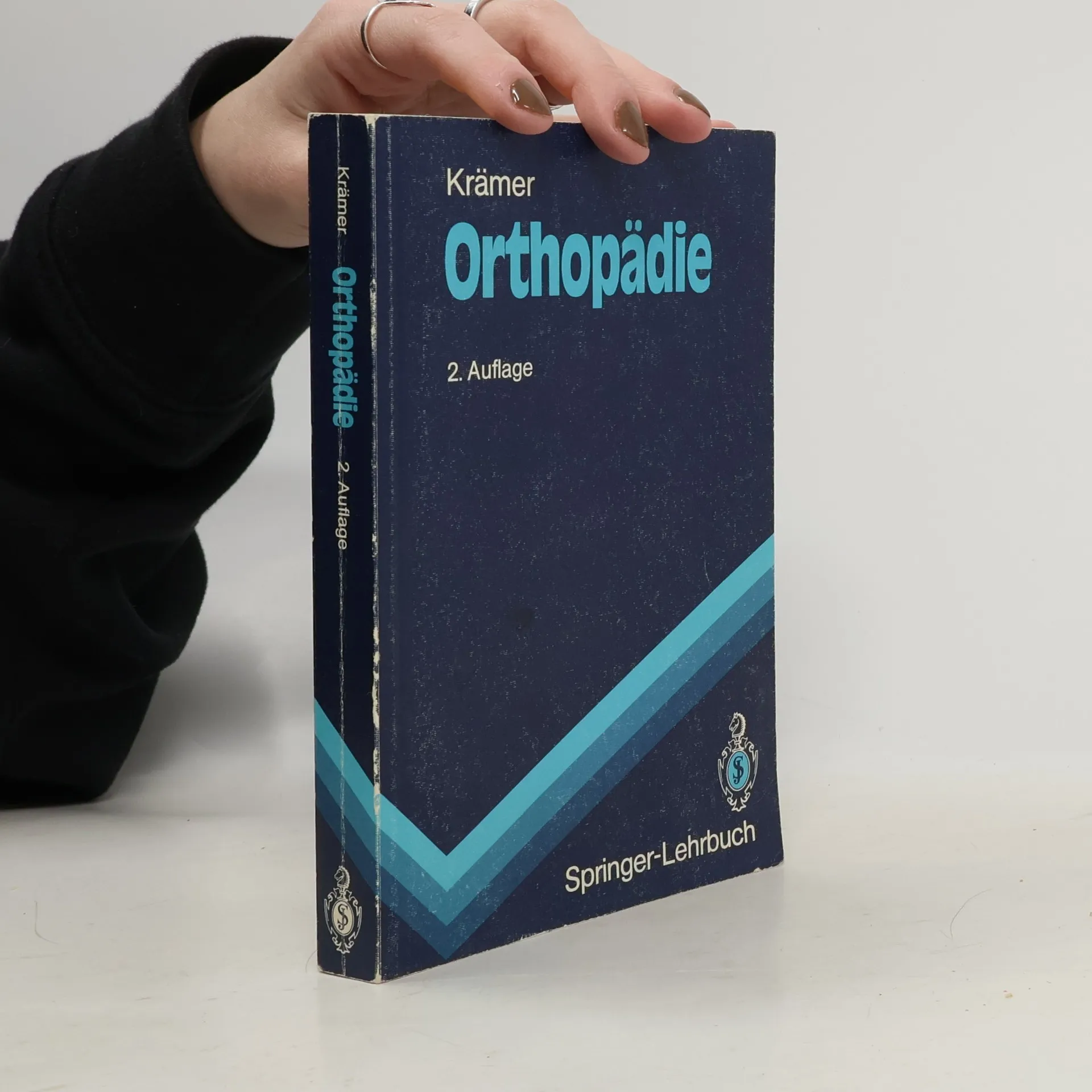
Springer-Lehrbuch: Orthopädie
Begleittext zum Gegenstandskatalog - 3. Auflage
- 494 pages
- 18 hours of reading
M chten Sie Orthop de werden? Wenn nicht, so ist dieses Taschenlehrbuch genau das Richtige f r Sie. Denn es enth lt alles, was Sie trotzdem wissen sollten. Es deckt nicht nur die Themen des GK ab, es reflektiert auch die umfassende Erfahrung des Autors mit den Pr fungsfragen des IMPP. So hat J rgen Kr mer in der dritten Auflage Merks tze zu den h ufigsten Pr fungsfragen aufgenommen. berhaupt macht die ausgefeilte Didaktik mit Kapiteleinleitungen, Merks tzen, tabellarischen bersichten und einer F lle von (zweifarbigen) Abbildungen das Lernen zum Vergn gen. Wer den "Kr mer" sp ter zum Nachschlagen nutzt, bekommt schnell klare Antworten. Daf r sorgen die einheitliche Gliederung der h ufigsten Krankheitsbilder in tiologie, Pathogenese, Klinik und Therapie sowie der besondere Clou, das Rarit tenlexikon.
Springer-Lehrbuch: Orthopädie
Begleittext zum Gegenstandskatalog - 2. Auflage
- 432 pages
- 16 hours of reading
Das Buch stellt eine Ausbildungs- und Pr}fungsgrundlage f}rdas Fach Orthop{die dar. Durch das neu aufgenommene Rarit{-tenlexikon dient es auch als Nachschlagewerk.
Autor rozdělil text do pěti oddílů - zabývá se plánováním a výběrem místa pro trávník, dále přípravou půdy, výsevem (nebo položením trávníku), probírá další zahradní úpravy - cestičky, travní rostliny, i některé pěstitelské problémy. Jako přídavek je připojena kapitola o nejrůznějších druzích trav a jejich doprovodných rostlinách, lučních květinách i plevelech a o travních směsích. Přílohy tvoří pracovní kalendář, rejstřík, doporučená literatura (i české provenience), časopisy a adresy některých zahradnictví. Úplný závěr knihy stanoví deset zásad vedoucích k úspěchu. Praktická příručka pro zahrádkáře radí, jak správně založit a úspěšně udržovat trávník.