The Soul of Ancient Egypt
- 256 pages
- 9 hours of reading
An examination of the cultural occupations of Egypt over the past two millennia and how we can return to the sacred harmony of ancient Egypt


Robert Bauval is celebrated for his pioneering work exploring the connections between ancient Egyptian pyramids, their associated texts, and celestial alignments. His research delves into the mysteries of the past, seeking to uncover the astronomical knowledge possessed by early civilizations. Bauval's writings often investigate how ancient societies understood the cosmos and how this understanding influenced their monumental constructions and cultural beliefs. His distinctive approach invites readers to reconsider the sophistication of antiquity and the potential astronomical insights of our ancestors.

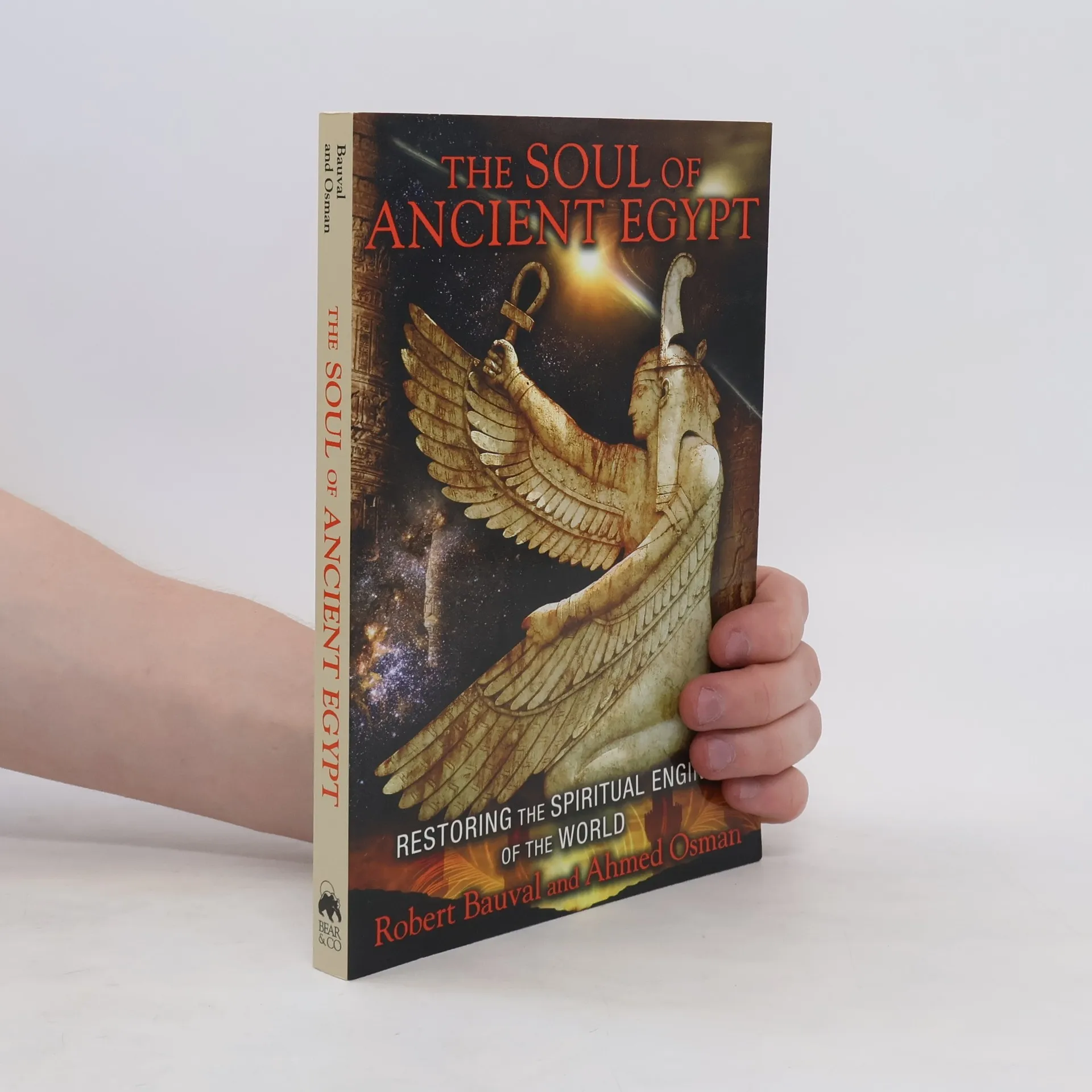
An examination of the cultural occupations of Egypt over the past two millennia and how we can return to the sacred harmony of ancient Egypt
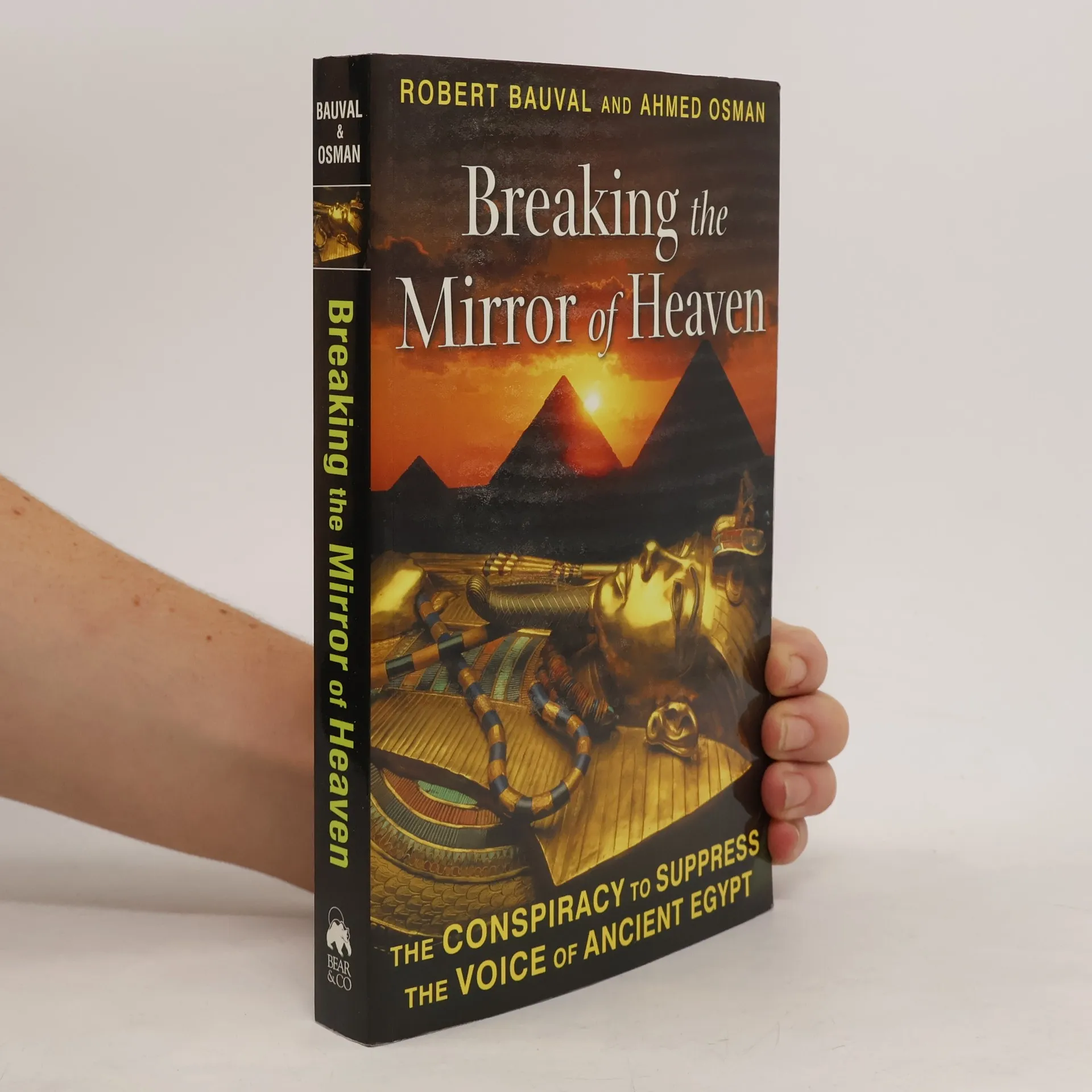
Exposes the many cycles of monument destruction and cultural suppression in Egypt from antiquity to the present day.
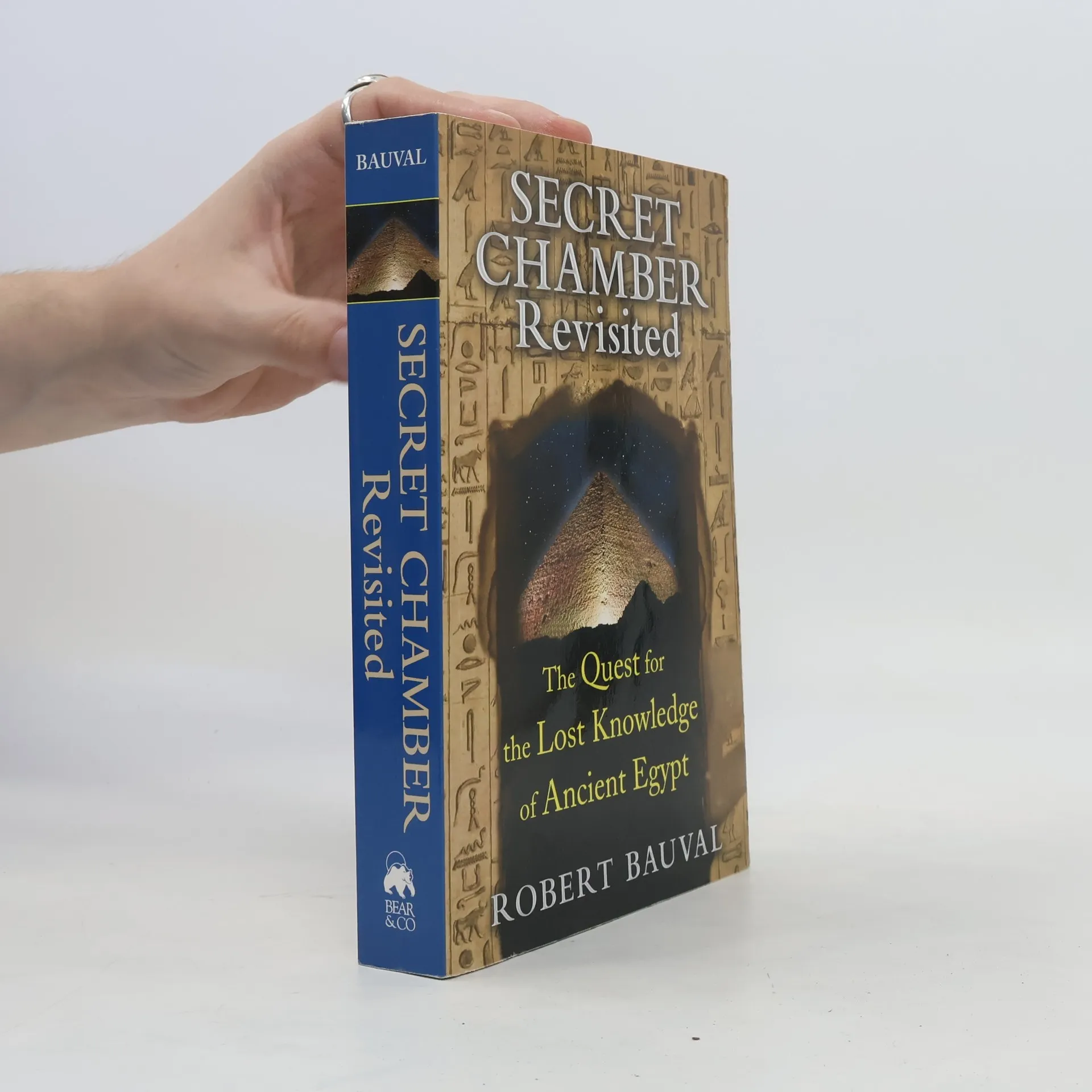
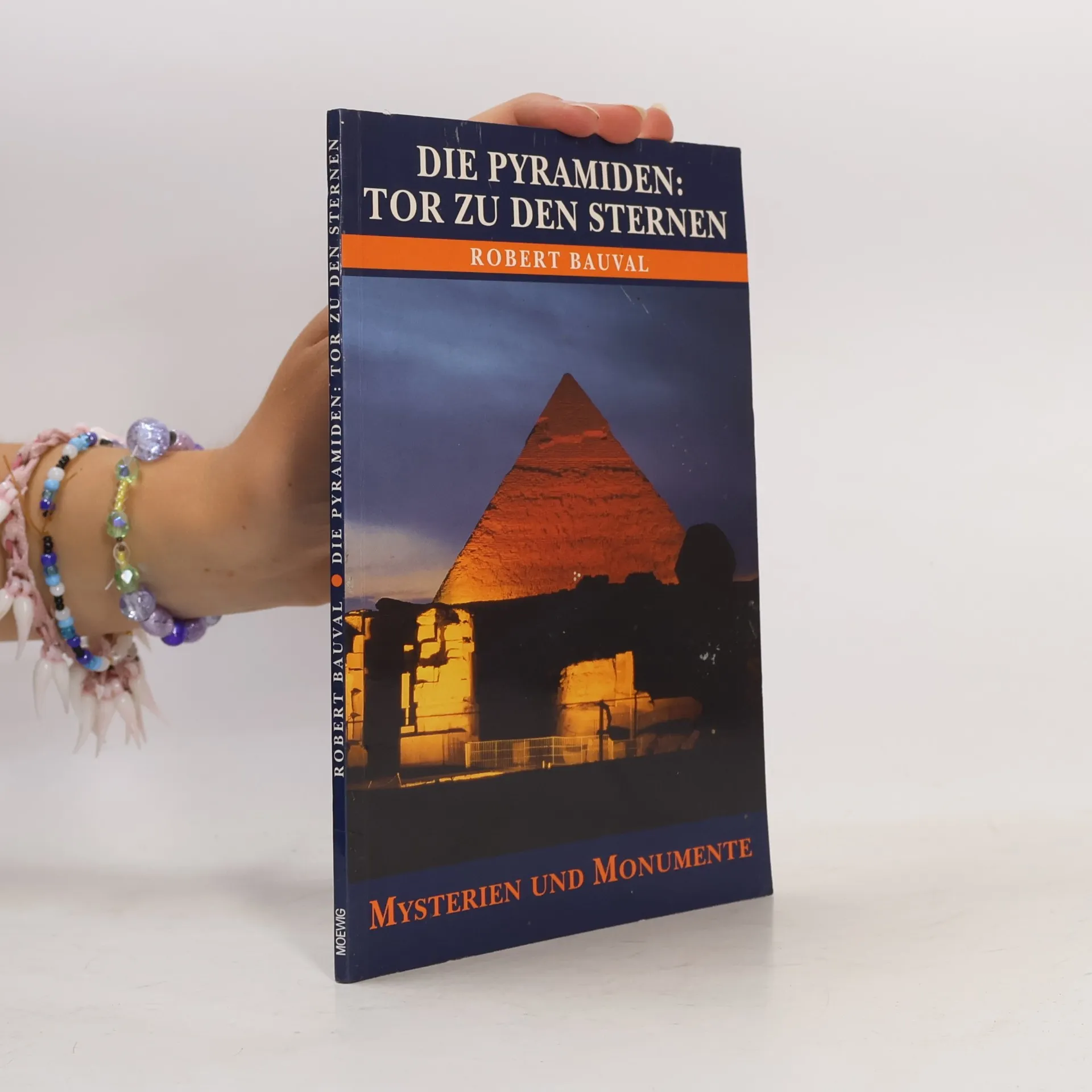
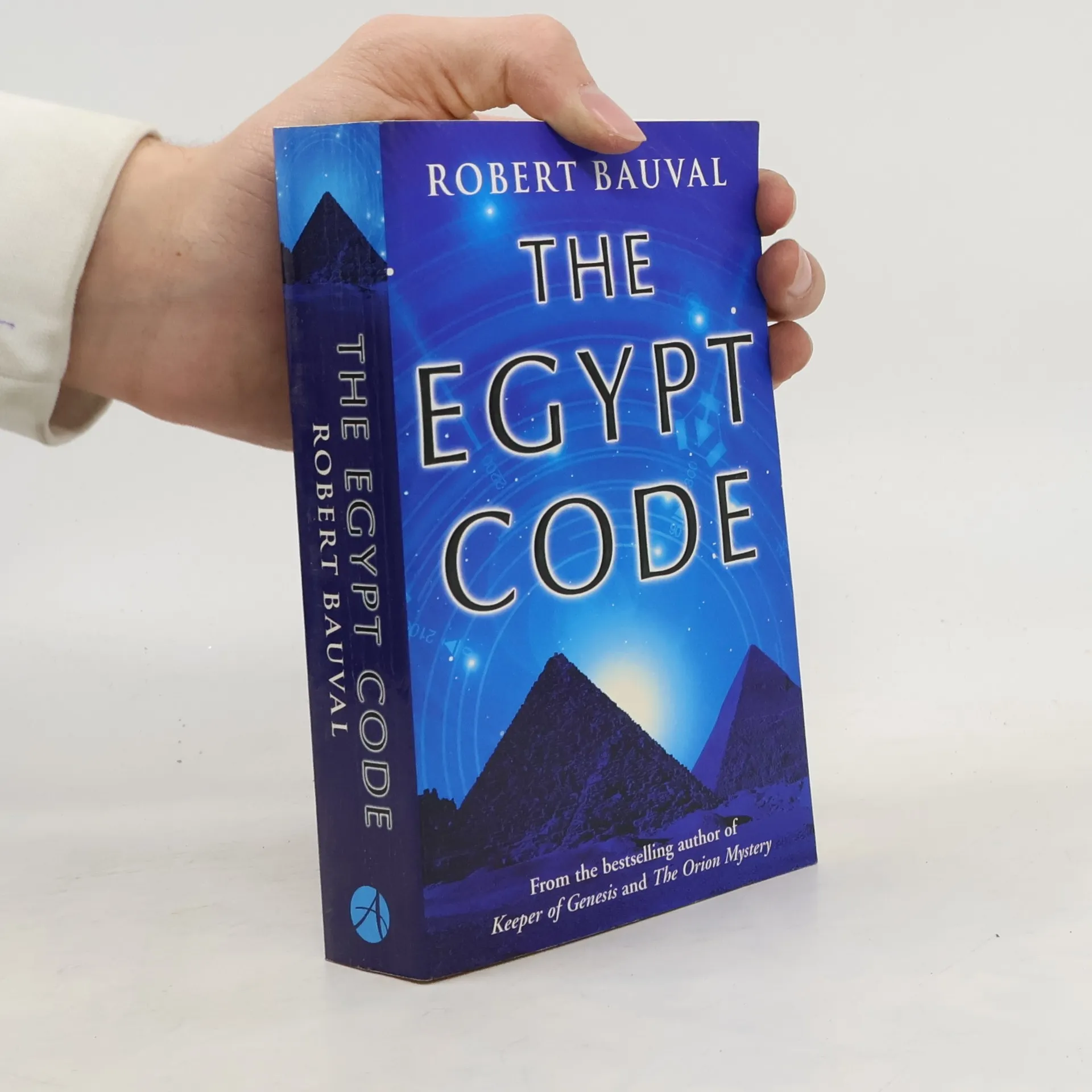
The Orion Mystery published in 1994 introduced the world to a highly original, and now internationally famous, star-correlation theory about the Giza Pyramids in Egypt. It sent a huge shock-wave of controversy throughout the scientific community, the effects of which are still felt today. The Egypt Code develops this pyramid-stars correlation, challenging the long held assumption held by many Egyptologists that the pyramids were tombs principally meant to house the bodies of dead kings. In addition to this theory, Robert Bauval also reveals an amazing 'Grand Unified Plan' which involves the wonderful temple of Upper Egypt. The Egypt Code is unlike any other book before it and covers the whole of Egypt's ancient civilisation in a manner never before attempted. Much has been written as to 'how' the Egyptians might have aligned their monuments with such high precision, but the question that has always remained unanswered is 'why?'- why did the ancients put so much emphasis on astronomical alignments? And what could be the function, practical or symbolic, behind these mysterious alignments?
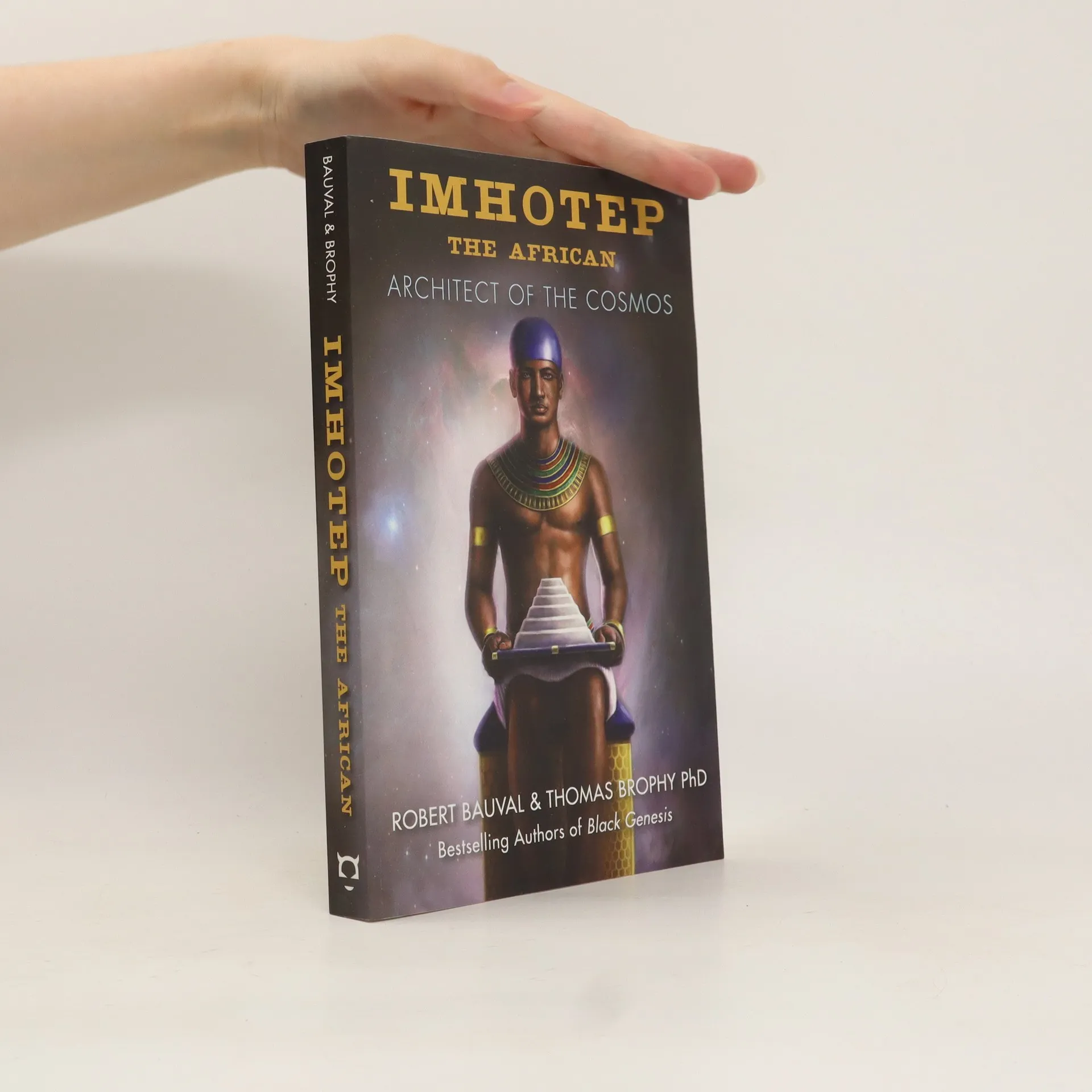
"I'is evident to many of their colleagues that Robert Bauval and Thomas Brophy are the dynamic doo of independent Egypto ogists. They are to be commended for their scoarship and their dogged determination to present an honest assessment of historical events even if it flies in the face of conventional dogma."---Anthony T. Brownder, author and independent Egyptologist --Book Jacket.
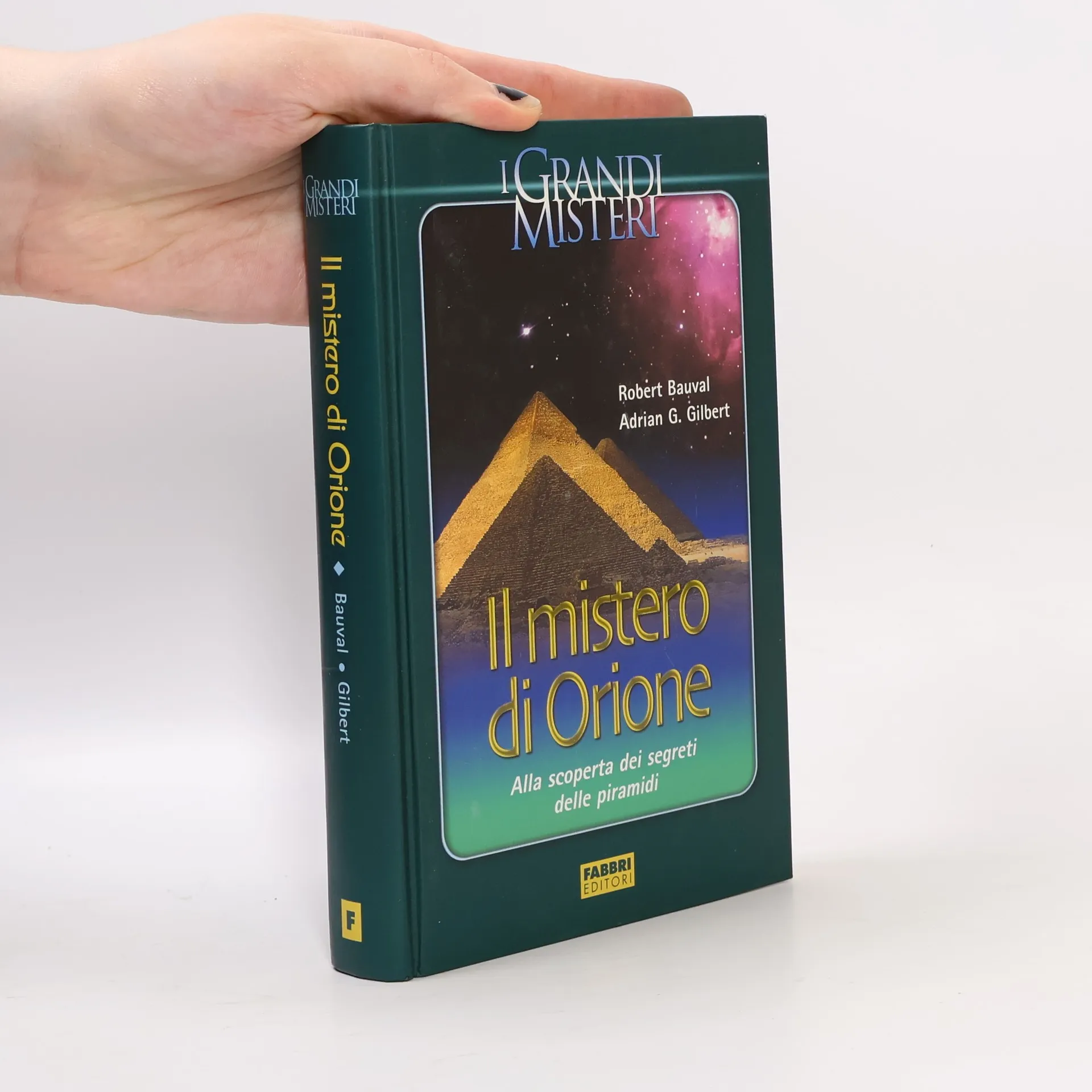
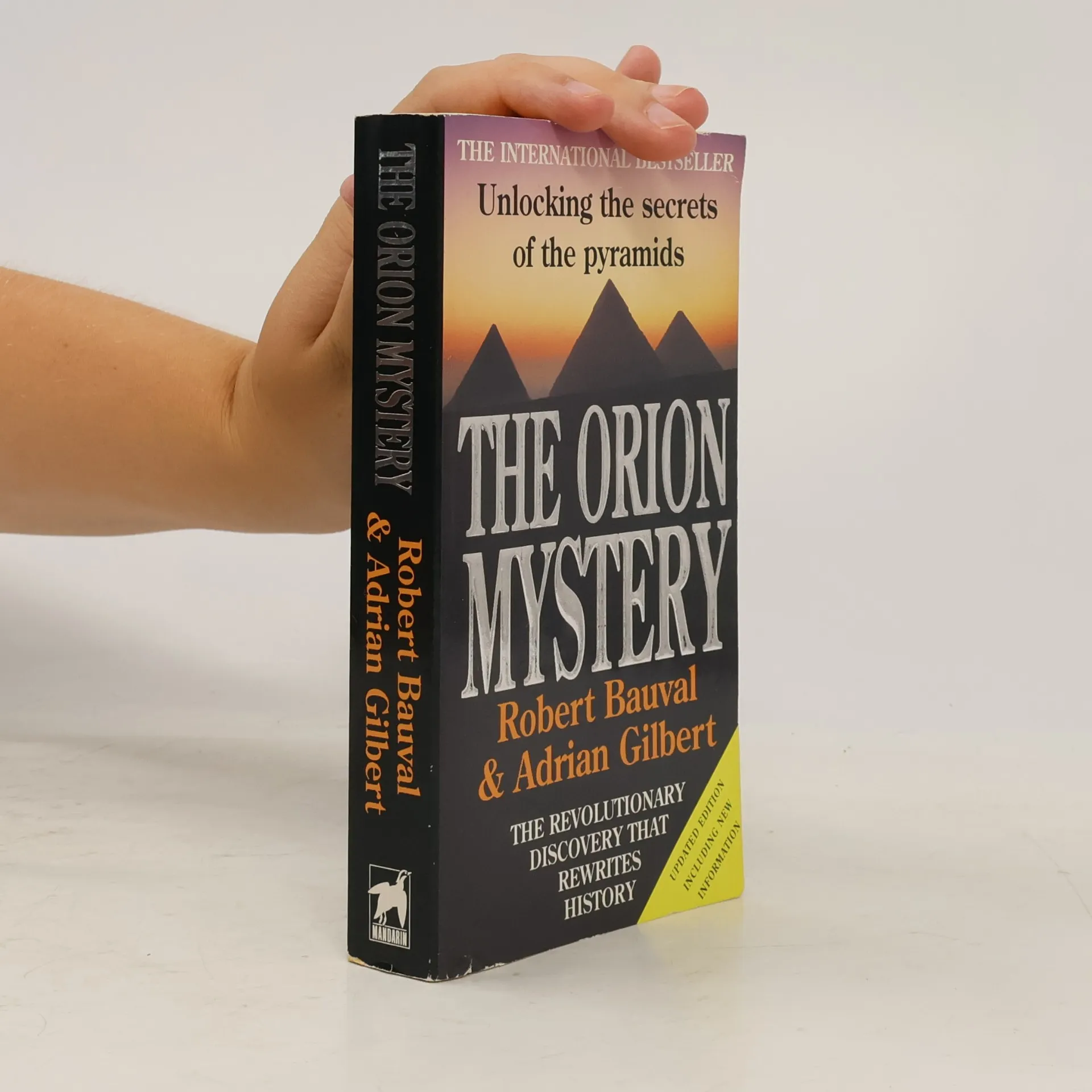
What purposes did the last of wonders of the ancient world serve? Why were they scattered across the desert in a seemingly random patterns? Mystery deepened when a secret door unopened for 5,500 years within the Great Pyramid was discovered in 1993. Bauval & Gilbert uncover the key to the plan that governed the their construction. Combining astronomy, history & detective work, The Orion Mystery provides an explanation. List of Plates List of Line Illustrations Acknowledgements Prologue-The Last Wonder of the Ancient World The Genesis of the Orion Mystery The Mountains of the Star Gods The Discovery of the Pyramid Texts Let the Pyramids Speak The Giza Plan Giza & the Belt of Orion The Star Correlation Theory The Brother of Osiris Intermezzo at the Pyramids The Great Star-Clock of the Epochs The Seed of the Phoenix The Roads of Osiris Epilogue Appendix 1-Astronomical Investigation Concerning the so- called Air-shafts in Cheop's Pyramid 2-Precession 3-The Secret Chambers of the Sanctuary of Thoth 4-The Survival of the Star Religion 5-Logistics of the Shafts in Cheop's Pyramid 6-The Horizon of Khufu 7-The Sons of Ra & the Osirian Rebirth of the Pyramid Kings Notes & References Bibliography Index
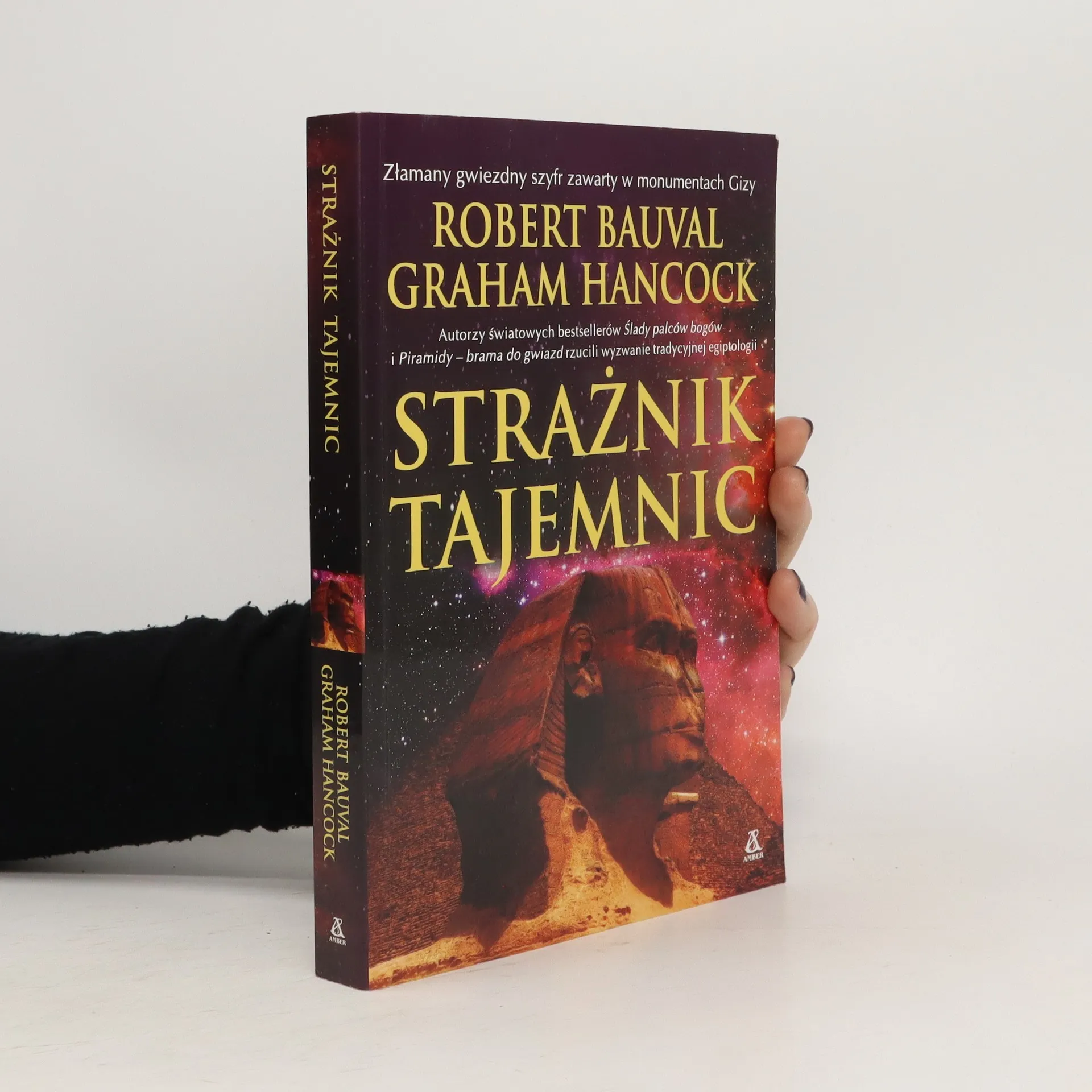
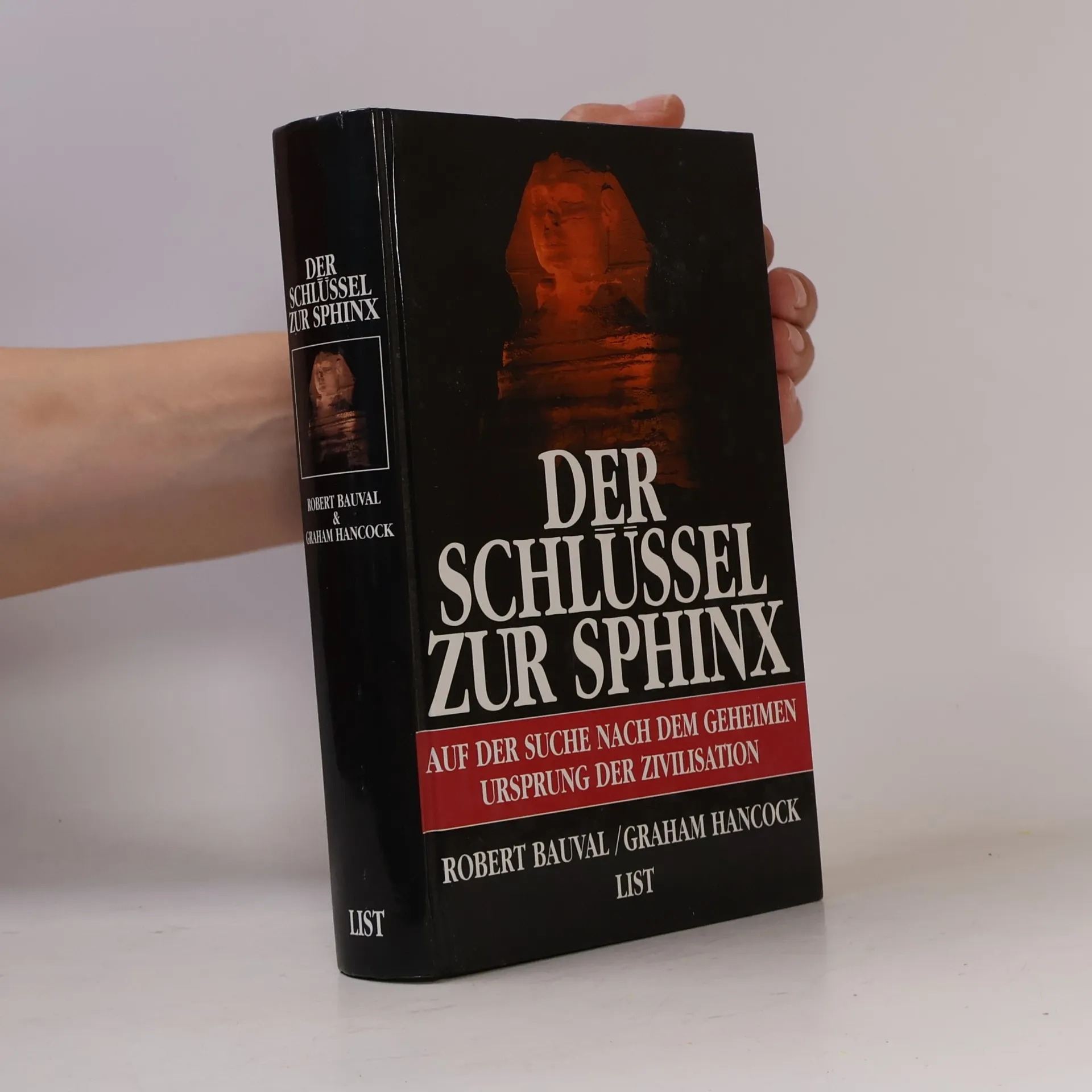
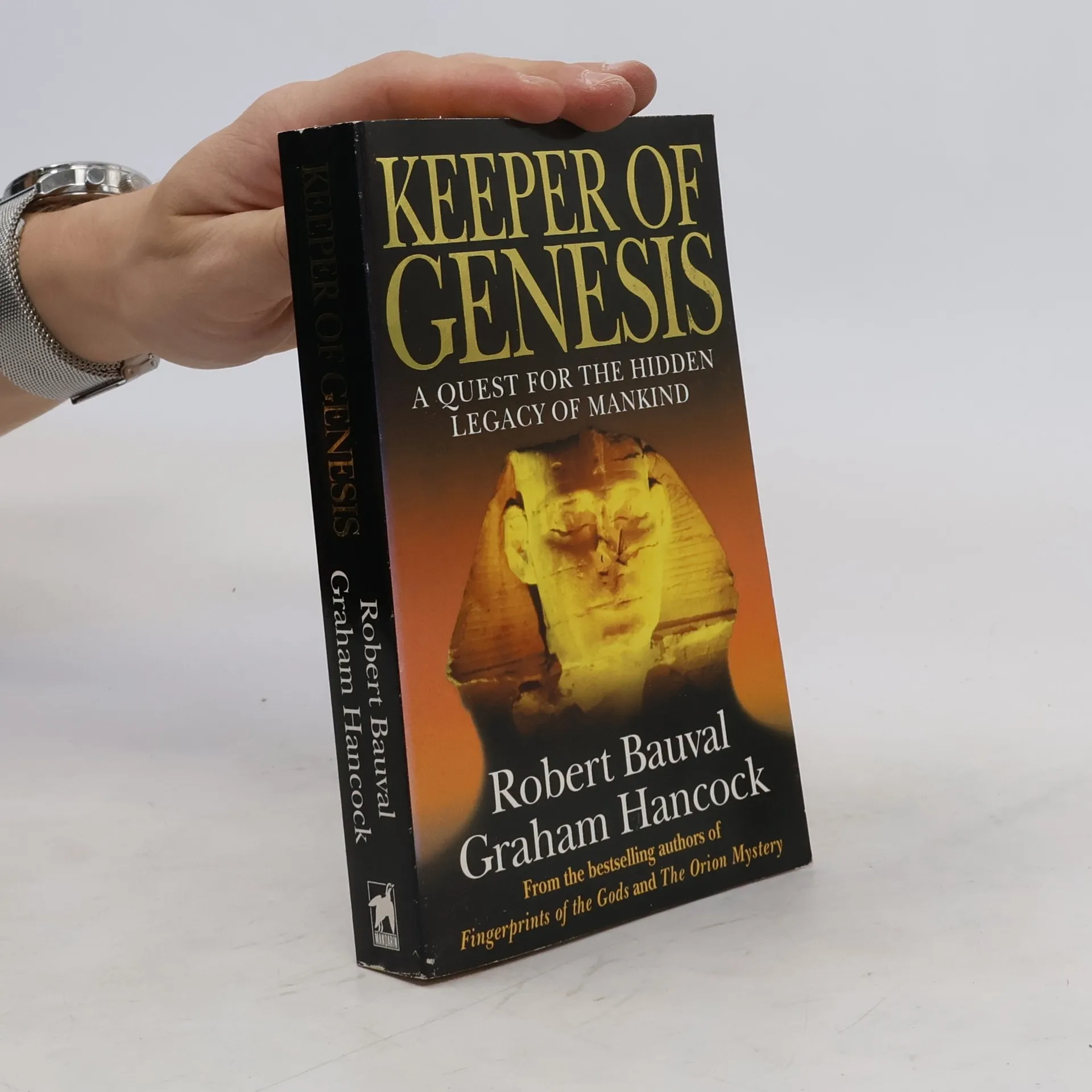
For thousands of years the Great Sphinx of Egypt has gazed towards the east, reading a message in the stars that mankind has long forgotten. This work considers geological and archaeo-astronomical evidence that suggests that the Sphinx may be a great deal older than Egyptologists believe. It has also become clear that the three enormous pyramids of the Giza plateau, half a mile to the west of the Sphinx, are not the tombs of megalomaniac Pharaohs but a precise map of the stars of Orion's Belt.
A firsthand, behind-the-scene account of the controversies surrounding modern explorations at Giza
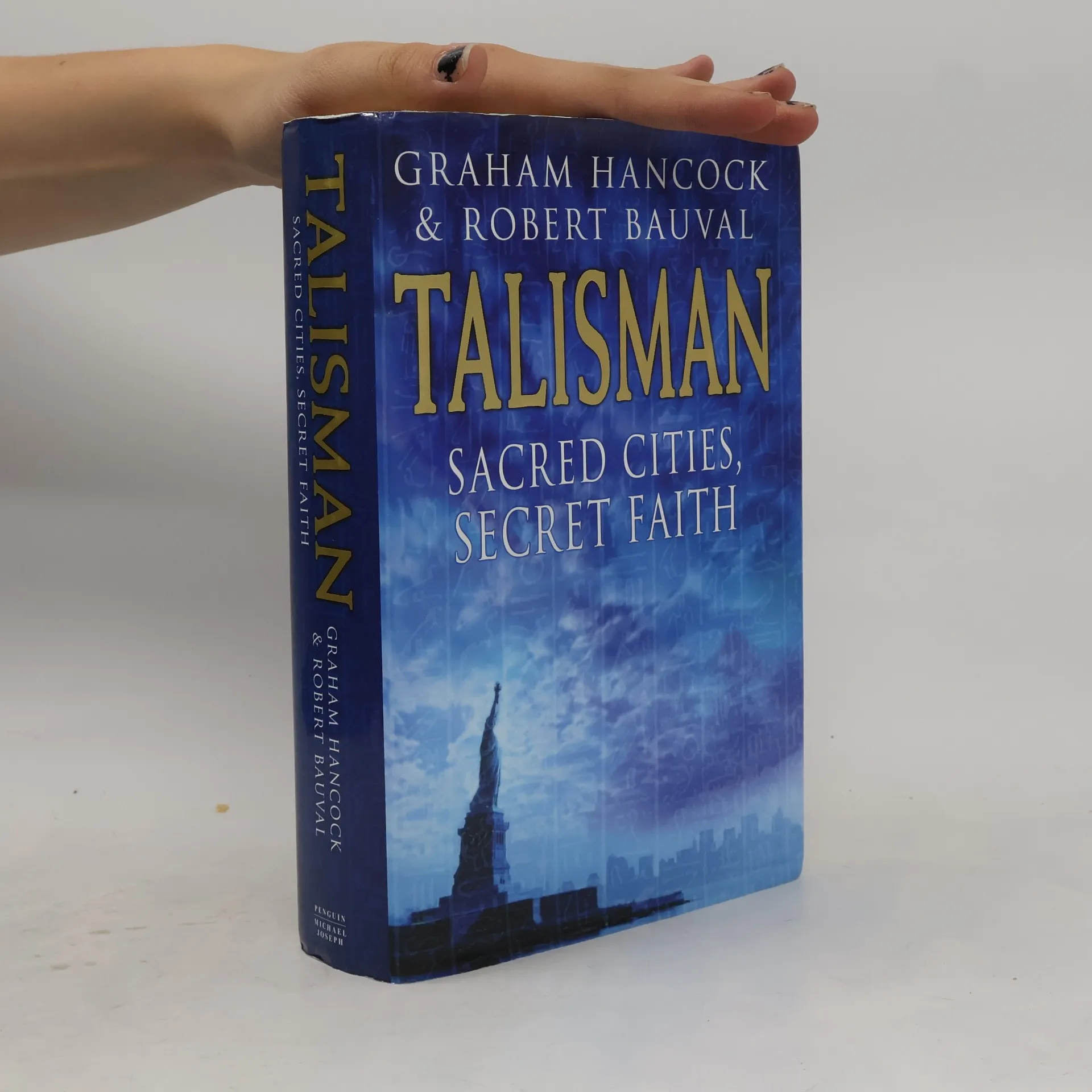
An exploration of the architectural, artistic, and written evidence of a secret religion that has shaped the world.
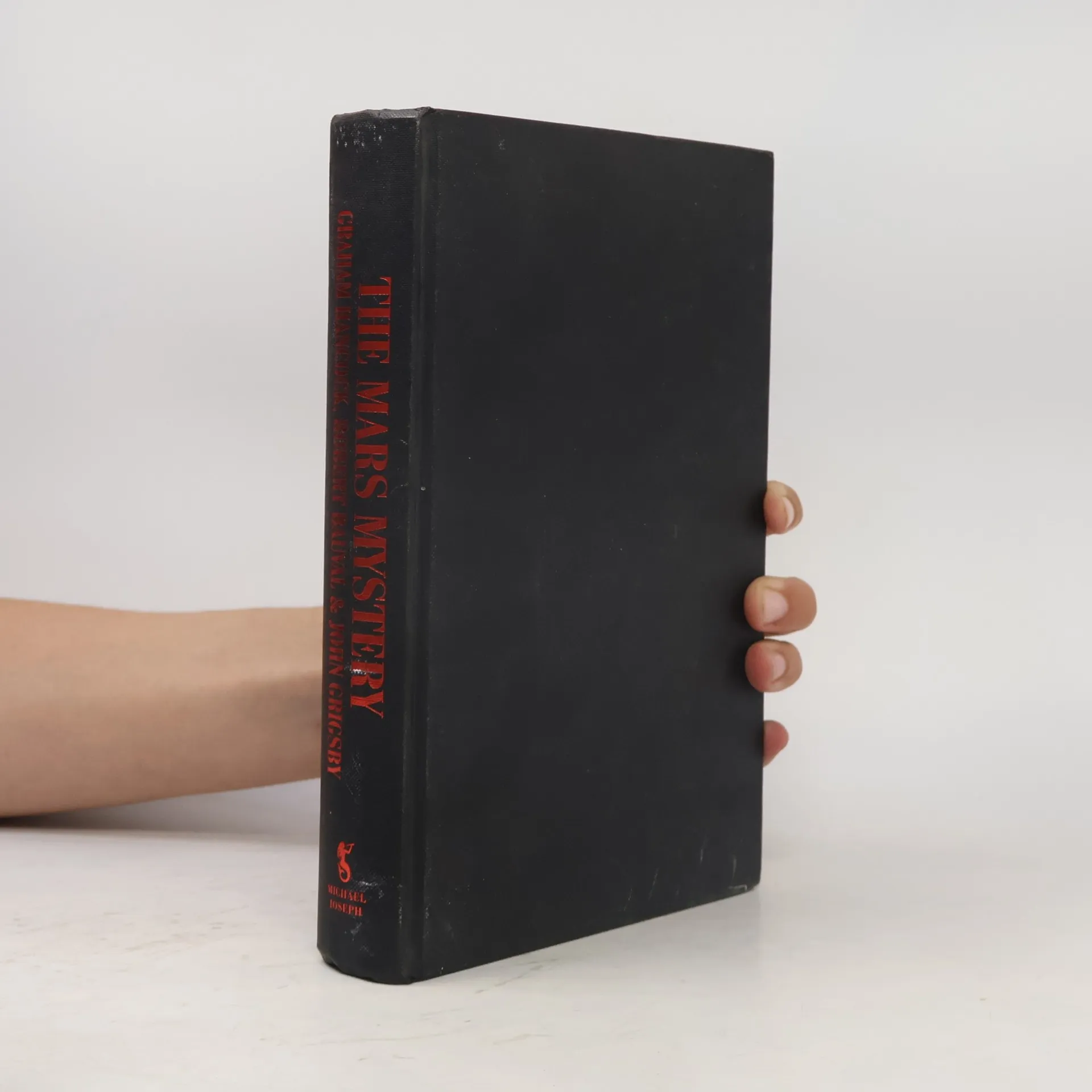
An asteroid transformed Mars from a lush planet with rivers and oceans into a bleak and icy hell. Is Earth condemned to the same fate, or can we protect ourselves and our planet from extinction? In his most riveting and revealing book yet, Graham Hancock examines the evidence that the barren Red Planet was once home to a lush environment of flowing rivers, lakes, and oceans. Could Mars have sustained life and civilization? Megaliths found on the parched shores of Cydonia, a former Martian ocean, mirror the geometrical conventions of the pyramids at Egypt's Giza necropolis. Especially startling is a Sphinx-like structure depicting a face with distinguishable diadem, teeth, mouth and an Egyptian-style headdress. Might there be a connection between the structures of Egypt and those of Mars? Why does NASA continue to dismiss these remarkable anomalies as "a trick of light"? Hancock points to the intriguing possibility that ancient Martian civilization is communicating with us through the remarkable structures it left behind. In exploring the possible traces left by the Martian civilization and the cosmic cataclysm that may have ended it, The Mars Mystery is both an illumination of our ancient past and a warning--that we still have time to heed--about our ultimate fate.
Prawdziwe przeznaczenie piramid i Wielkiego Sfinksa ujawnione! Autorzy bestsellerów rzucili wyzwanie tradycyjnej egiptologii. Wielki Sfinks, spoglądając na wschód, odczytuje zapomniane przesłanie z gwiazd, które domaga się zrozumienia. Robert Bauval, legenda niezależnej egiptologii, oraz Graham Hancock, kontrowersyjny badacz prehistorii, na podstawie badań archeoastronomicznych dowodzą, że Sfinks jest o tysiące lat starszy, niż twierdzi współczesna nauka — powstał nie 2500 lat p.n.e., lecz 8000 lat wcześniej, na początku astronomicznej ery Lwa. Piramidy są dokładną gwiezdną mapą Pasa Oriona sprzed 12 500 lat, zamkniętą w 15 000 000 ton kamiennych bloków, niosącą przesłanie ich budowniczych. W mistrzowskim śledztwie Bauval i Hancock używają komputerowych symulacji, aby złamać starożytny gwiezdny szyfr zawarty w monumentach Gizy i reinterpretować Teksty Piramid oraz inne egipskie zapisy. Odkrycie otwiera drzwi do zaginionego rozdziału historii i nieznanych początków cywilizacji. W bestsellerze podano sensacyjne dowody istnienia zaginionej, wysokorozwiniętej cywilizacji, która dała początek wszystkim starożytnym kulturom. Kontynuując śledztwo, udowadnia, że globalny kataklizm nastąpił 12 000 lat temu, a ocaleli nieliczni nazywani byli magami bogów.
Expedition zur Sphinx von Gizeh: Die Bestseller Autoren Robert Bauval und Graham Hancock enträtseln ein jahrtausendealtes Geheimnis und enthüllen die dunklen Ursprünge der ägyptischen Zivilisation. Ein Buch, das durch wissenschaftliche Glaubwürdigkeit und fesselnde Darstellung überzeugt und uns an einem einzigartigen Entdeckerpuzzle teilnehmen läßt.
alla scoperta dei segreti delle piramidi
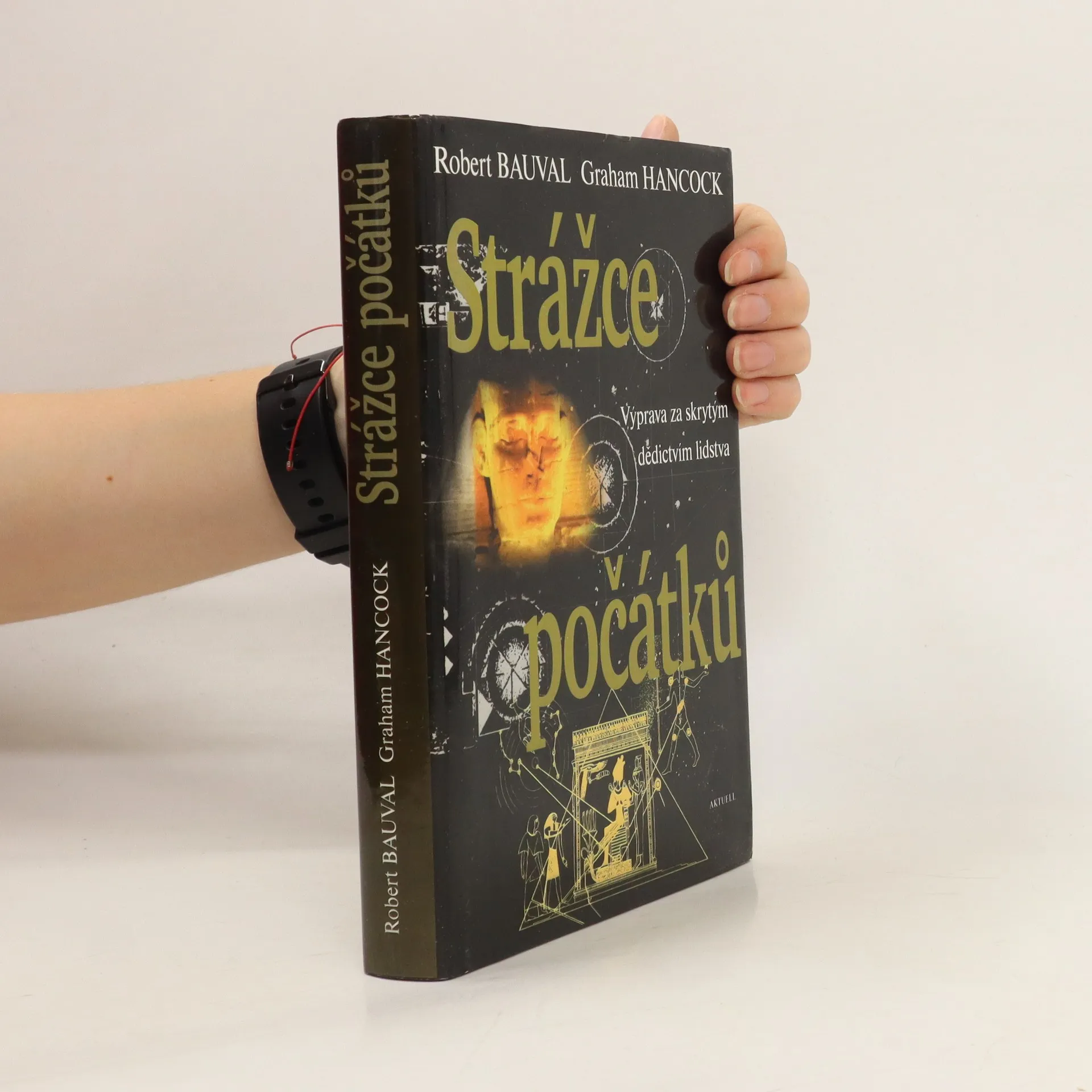
Autoři knihy se snaží obhájit svou teorii, podle níž egyptská Sfinga nevznikla v epoše kolem r.2500 př.n.l.,jak se obvykle uvádí, ale daleko dříve,kolem r. 10500 před n.l. Jako důkaz uvádějí erozi sochy, která nese známky vodního působení. A právě před více než 12000 lety postihly Egypt velké záplavy a změny klimatu. Podobně autoři uvažují i o celém komplexu v Gíze, jehož oficiálně uznávané stáří i celý běžně uváděný smysl zpochybňují.Podobně jako známý E. von Däniken přisuzují pyramidám hluboký, dosud nedoceněný astronomický význam. Dokonce vidí pyramidy jako produkt neznámé, mimořádně vyspělé předpotopní civilizace.
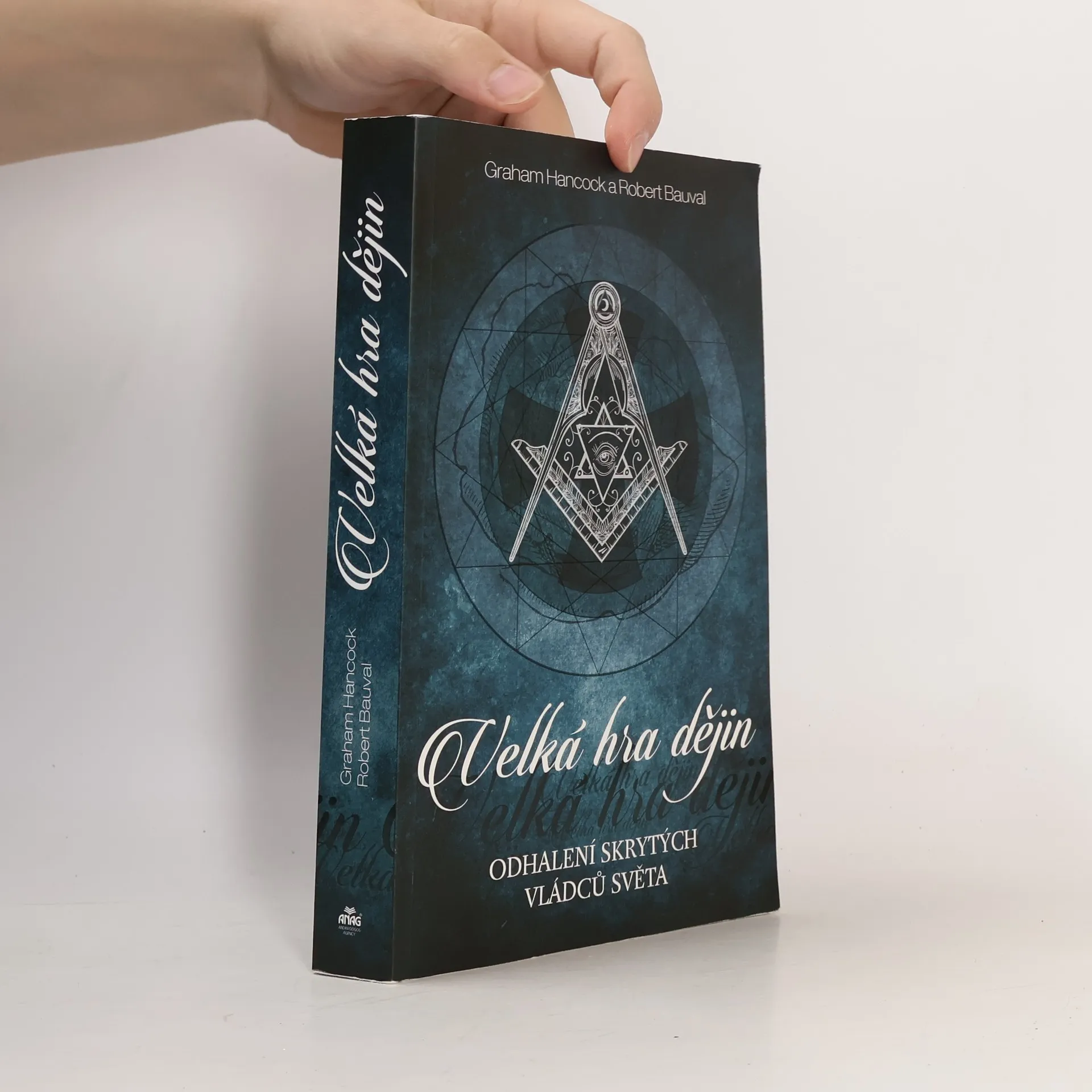
Mistrovská hra je intelektuální cestou, která prostřednictvím skrytých uliček prochází historií, přičemž odkrývá stopy v architektuře a památkách tajných náboženství, která dala světu tvář. Stěžejní historické události a procesy jako zrození renesance, vědeckého racionalismu a Francouzská a Americká revoluce jsou zde radikálně přehodnoceny ve světle nových důkazů. Dokonce i víra v to, že Spojené státy mají "globální misi", může být přehodnocena... Kniha se podrobněji zabývá zednářským ideálem, sleduje počátky hry symbolů, slov a talismanů od starověkého Egypta až po moderní dobu, a to přímo na místech elitářských zednářských ritů ve Washingtonu. Kniha odhaluje pravý důvod uspořádání světa a co je ještě důležitější, ukazuje, jak to vše ovlivnilo svět.
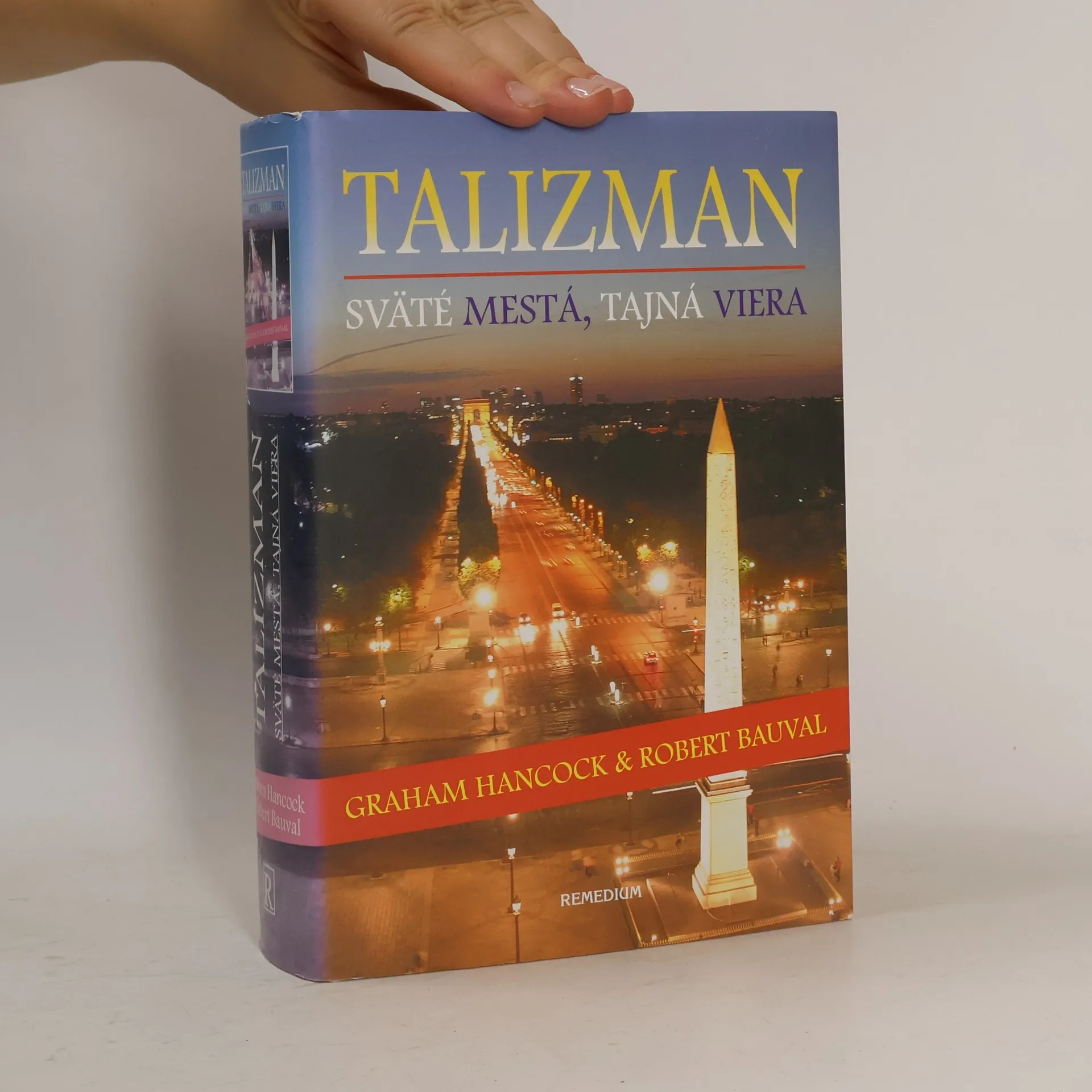
S Talizmanom sa zúčastníme na výnimočnom putovaní intelektu po neprechodených cestách histórie za kľúčmi skrývajúcimi sa v textoch, architektúre a monumentoch…, tajných náboženstiev, ktoré kedysi tvarovali svet. Autori, skutoční znalci vo svojich odboroch, putujú krížom krážom po svete za symbolmi, ktorým ľudia pripisovali a pripisujú až okultný význam, a mapujú udalosti spred tisícok rokov, aby ich konfrontovali so súčasnou vojnou, ktorú vedú teroristi. Objavujú tajnú históriu manipulácií a podvodov, ktoré zasahujú priamo do srdca súčasného svetového poriadku... a možno aj poriadku, čo ešte len príde. Pokúšajú sa odhaliť ,majstrovskú hru‘, ktorá sa začala hrať za scénou svetového javiska v dávnoveku a, ako sa nazdávajú, opäť sa dala do pohybu pred 2000 rokmi. Šírkou, kvalitou, objaviteľskou hodnotou autorskej práce a čitateľsky pútavým podaním je TALIZMAN v našom prostredí ojedinelá kniha.
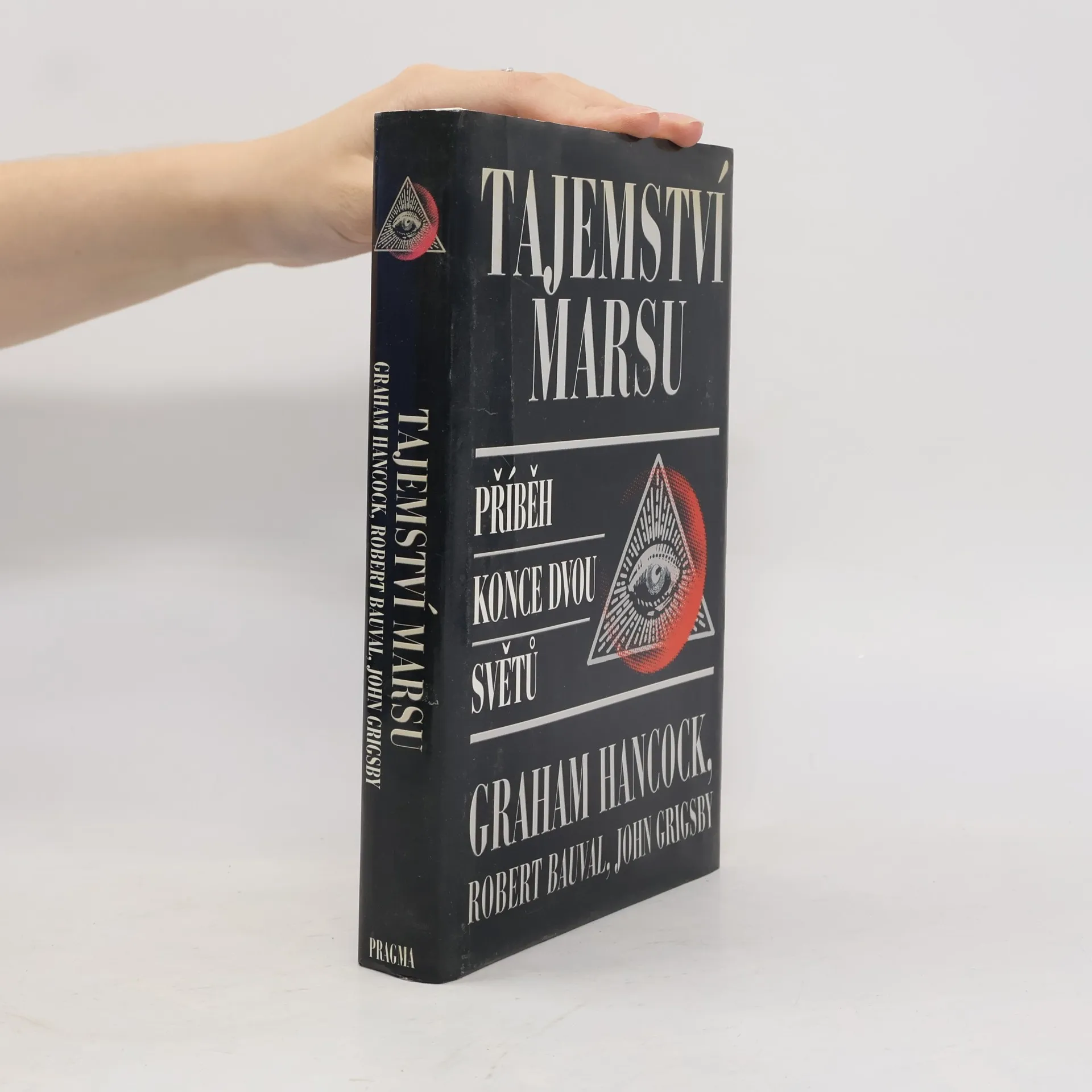
Na základě poznatků vědy spekulují autoři o životě vyspělé prehistorické civilizace na planetě Mars. Podle různých poznatků moderní vědy a techniky (snímky Marsu, rozbor atmosféry, atd.) usuzují autoři, že na Marsu byl vyspělý život, který zmařila kosmická katastrofa. V závěru varují před podobným ohrožením naší Země.