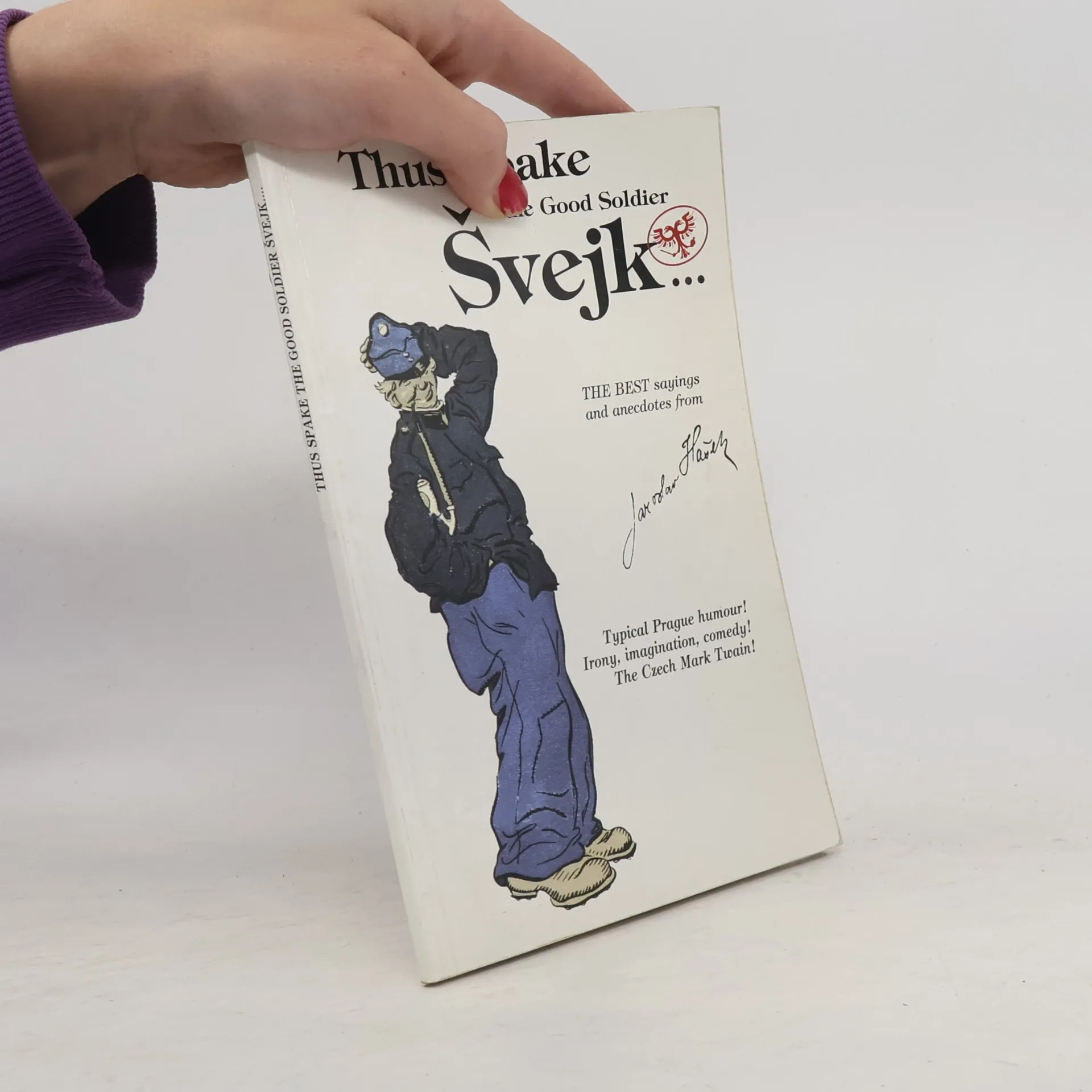
Thus spake the good soldier Švejk- : the best sayings from Hašek's Švejk
- 72 pages
- 3 hours of reading



A Life of Jaroslav Hašek Creator of The Good Soldier Švejk
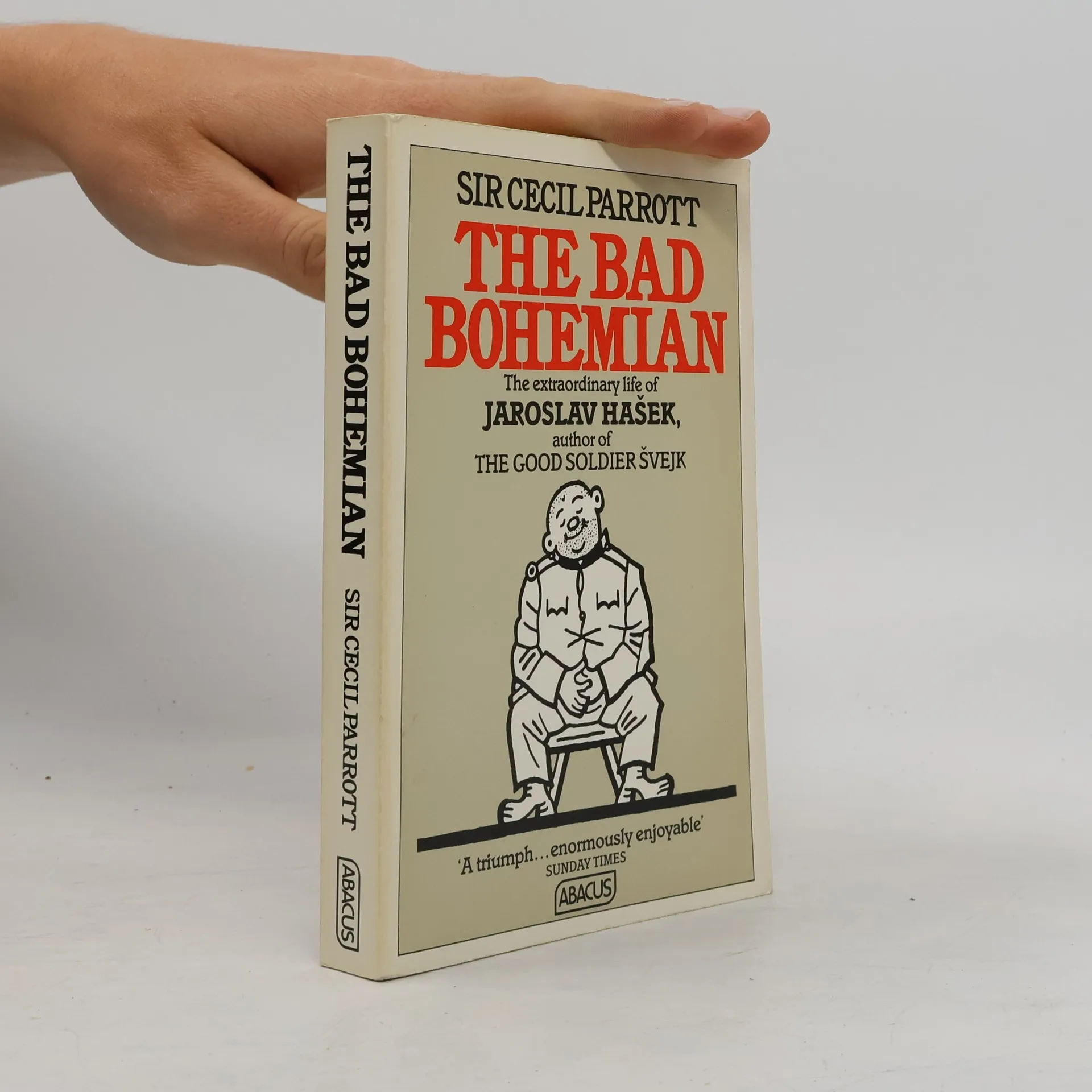
Jaroslav Hasek was the author of The Good Soldier Svejk, a twentieth-century masterpiece, and one of the funniest novels ever written. He was also, to quote Sir Cecil Parrott, a 'truant, rebel, vagabond, anarchist, play-actor, practical joker, bohemian (and Bohemian), alcoholic, traitor to the Czech legion, Bolshevik and bigamist.': in short a Bad Bohemian. Hasek's bottle-strewn life, as Sir Cecil makes clear, was the raw material of his fiction; this remarkable biography, the only one in the English language, makes for riotous reading. Sir Cecil Parrott as well as being the British Ambassador to Czechoslovakia in the 1960s was also the translator of The Good Soldier Svejk (his translation is definitive) and leading authority on Jaroslav Hasek. 'Sir Cecil coolly untangles Hasek from the coils of rumour, and manages, while performing this delicate scholarly operation, to transmit the raucous glitter of the beer-gardens and night-dives and cafés-chantants which were Hasek's element. The result is a triumph, and - like all first-rate scholarship - enormously enjoyable.' Sunday Times
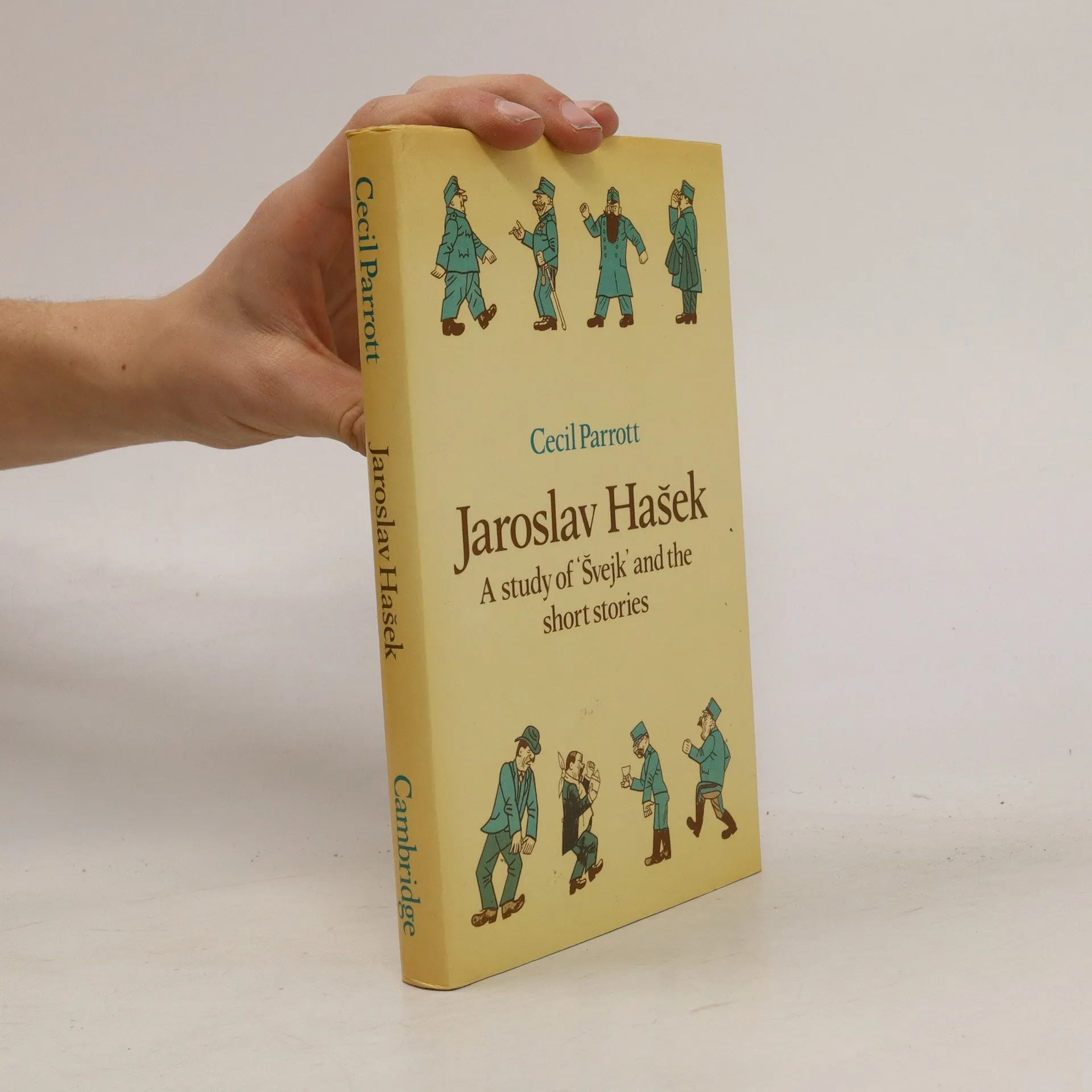
This 1982 book was the first major critical study of Jaroslav Hašek and his most important literary creation, The Good Soldier Švejk. For many people Hašek's book is simply extremely funny. Cecil Parrott begins from the point of view that a closer examination of the conditions under which the book was written reveal it to be a much deeper work than it appears on the surface: a tragic as well as a comic masterpiece. A leading authority on Hašek, Parrott wrote the definitive biography, The Bad Bohemian, and translated the unexpurgated version of Švejk and many of Hašek's short stories. This book is lucidly written and aimed at the non-specialist reader who requires guidance in coming to terms with this strange book. All quotations are translated, and the book also includes a number of illustrations including the only sketch of Švejk that Hašek approved.
Jaroslav Hasek is best known for his satirical masterpiece "The Good Soldier Svejk." That has been described as 'Perhaps the funniest novel ever written.' Although his life was short and chaotic, Hasek did however write more as this volume tellingly reveals. In his preface, Cecil Parrott, translator and biographer of Hasek, crisply defines its purpose.. 'All the world has heard of Svejk, but few are familiar with the countless other characters Hasek created in his stories and sketches, which together with his feuilletons and articles are though to number some twelve hundred. The best of these deserve to be made available to the Western public and are included in this volume.' The range is wide. There is a selection from his Bugulma stories (Hasek as Bolshevik and Red Commissar), some early Svejk stories, reminiscences of Hasek's apprenticeship days, and the hilariously funny speeches made by Hasek when promoting his political 'Party of Moderate Progress within the bounds of the Law'.
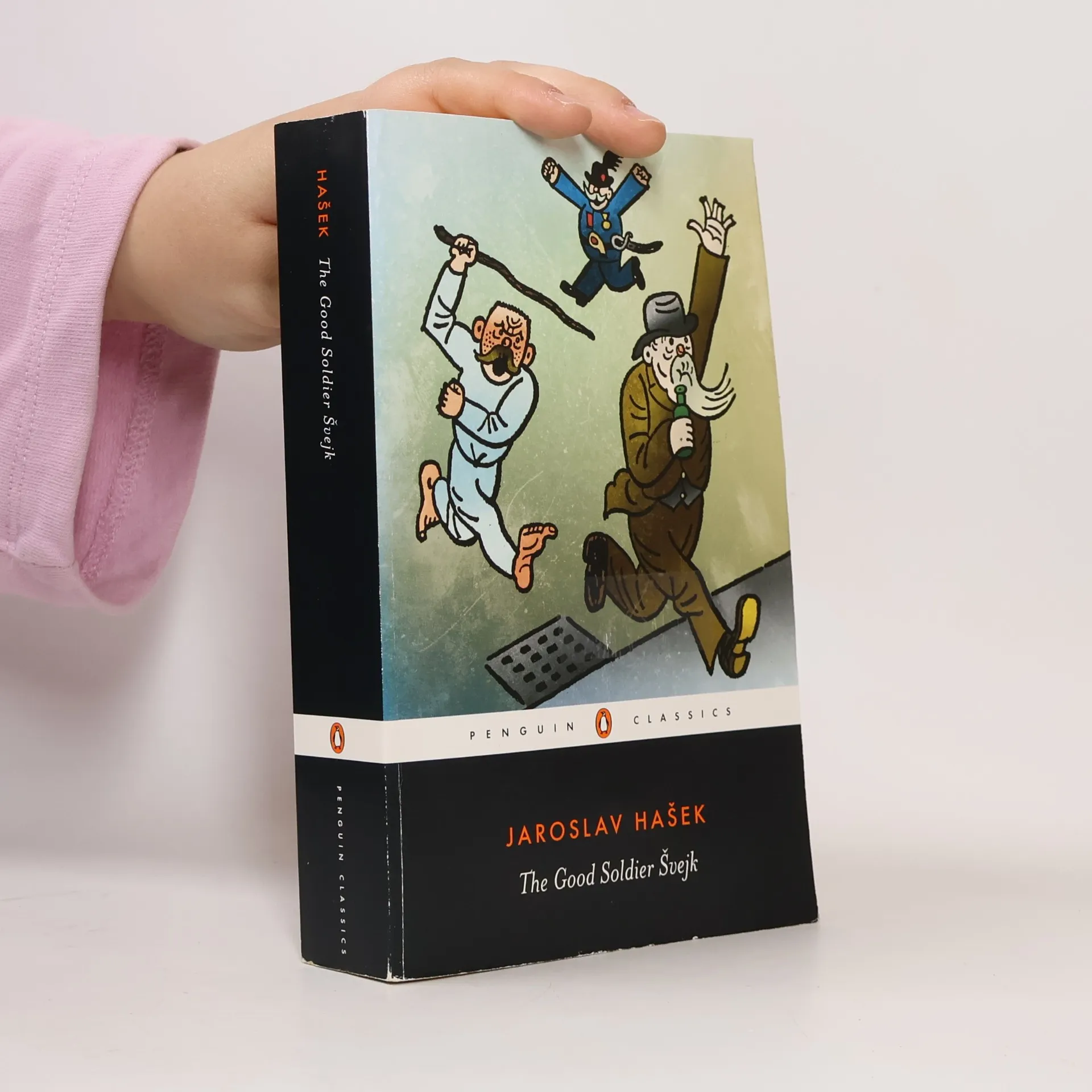
"Good-natured and garrulous, Švejk becomes the Austrian army's most loyal Czech soldier when he is called up on the outbreak of the First World War - although his bumbling attempts to get to the front serve only to prevent him from reaching it. Playing cards, getting drunk and becoming a general nuisance, the resourceful Švejk uses all his natural cunning and genial subterfuge to deal with the doctors, police, clergy and officers who chivvy him towards battle. The story of a 'little man' caught in a vast bureaucratic machine, The Good Soldier Švejk combines dazzling wordplay and piercing satire to create a hilariously subversive depiction of the futility of war"--P. [4] of cover.