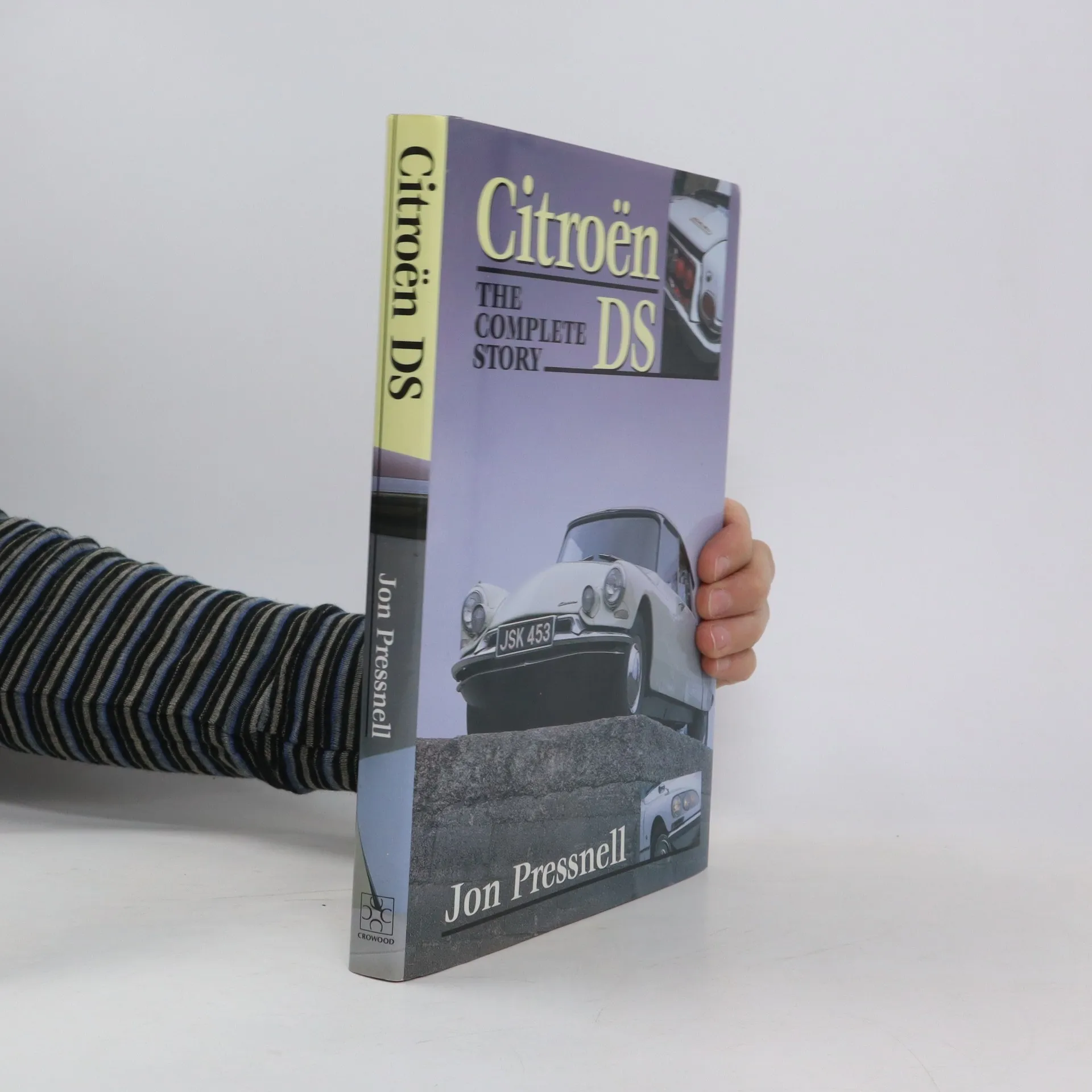
In the CROWOOD AUTOCLASSICS series, an account of the production and
development of the Citroen DS car from its design through to its manufacture.
It is illustrated with photographs, including some from the Citroen archive,
and contains specification tables and advice on buying the vehicles.
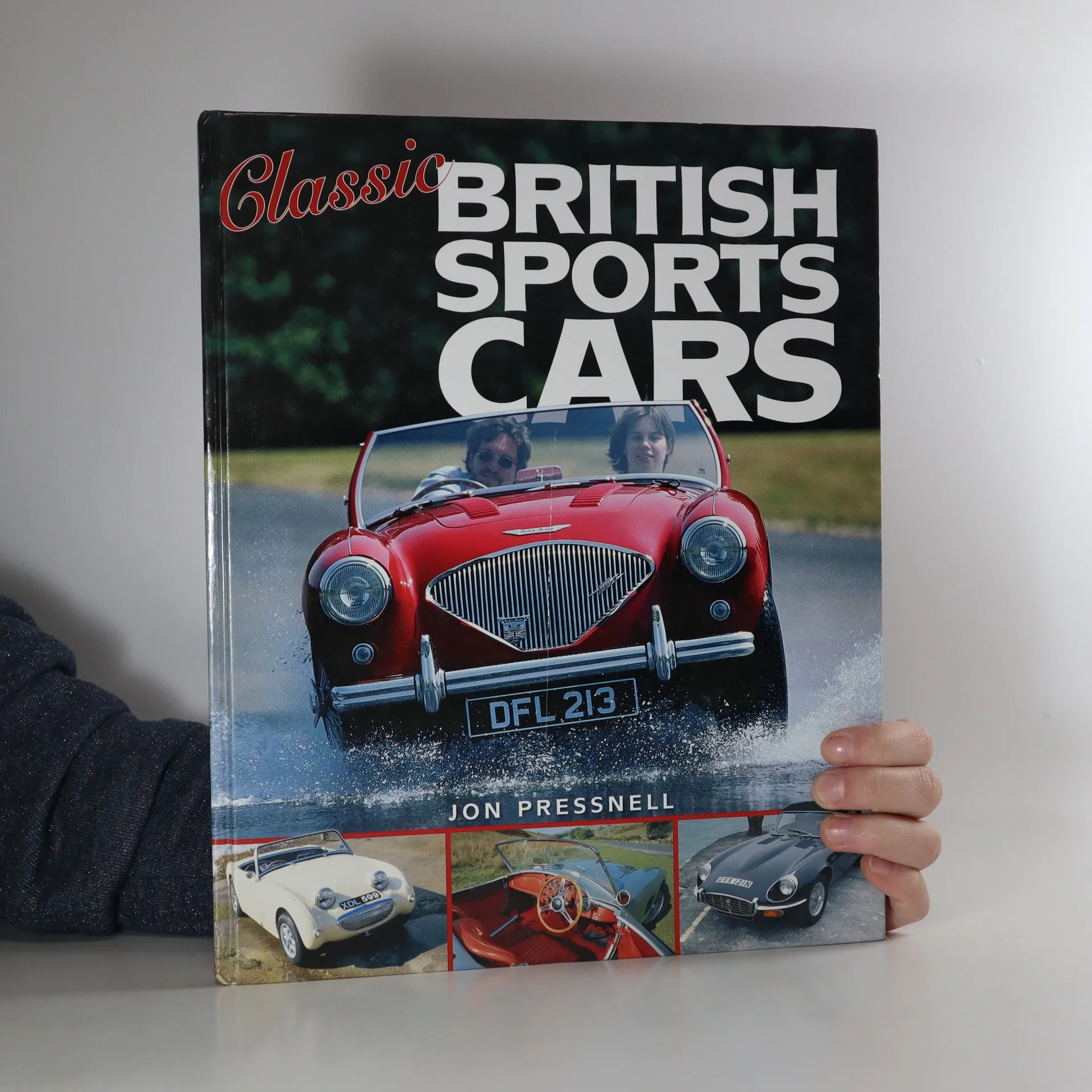
Fifty-six open-top icon roadsters feature in this authoritiative, highly pictorial celebration of classic British sports cars, from the AC Ace to the Wolseley Hornet Special. Individual histories will place each car in perspective, describing its appeal, significance and driving characteristics. Also detailed for each one will be models and variants, year-by-year evolution, specification, performance figures - and lots of fun facts.
Citroen's Traction Avant was the world's most advanced family car at its launch in 1934, and in the course of its 23-year life it became a national emblem for the French. Not only did it popularize front-wheel drive and chassis-less monocoque construction, but it also combined for the first time on one car such modern features as an overhead-valve engine, all-round torsion-bar suspension, hydraulic brakes and rack-and-pinion steering. At the same time it can lay claim to being one of the most beautiful motor cars ever produced, its graceful lines being the work of talented artist and sculptor Flaminio Bertoni. Lavishly illustrated and clearly presented, this book is the indispensable companion for all fans of this most legendary of motor cars.
The Morris Minor celebrates its 50th anniversary in 1998. Here, Jon Pressnell provides an illustrated compendium of information on this evergreen car. The book is a mixture of historical, technical and hobby topics. It provides first-hand insights about the work of engineer Alec Issigonis, and Jack Daniels - his right-hand man on the minor. Areas covered include: the Wolseley Eight engine choice over the flat-four engine; the minor's replacement; the minor in the US, the alta-head Minor, oddball models, the hydrolastic Minor, and twin-cam Minors; Minor scale models; anecdotes about famous owners such as Sterling Moss, Bryan Ferry and Lord Linley; and sketches of the future and the rationale behind these.