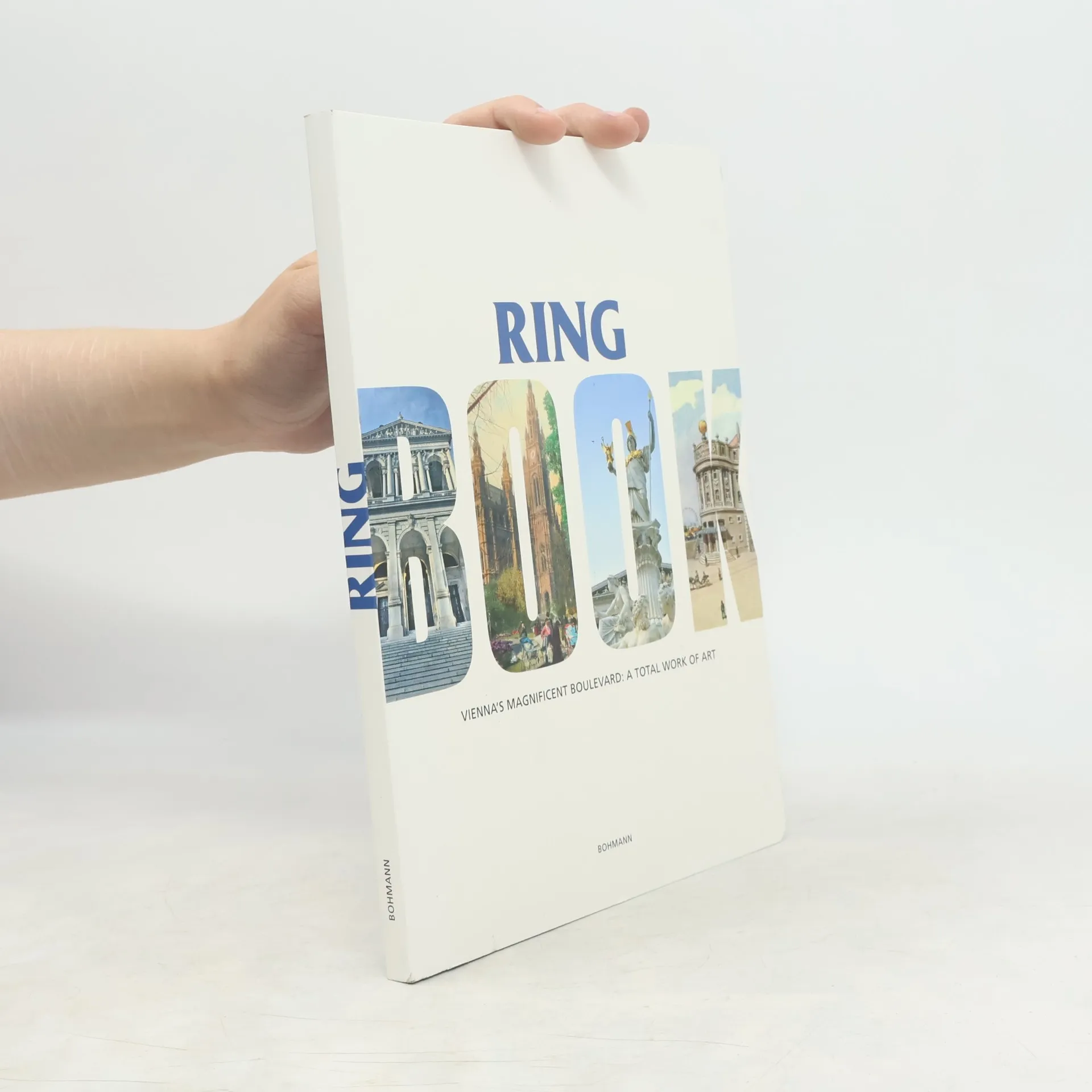
Barbara Sternthal explores the history and culture of Vienna's Ringstraße, a magnificent boulevard celebrated for its architectural significance and as a symbol of the profound socio-political changes in late 19th-century Vienna. This book delves into the emergence of this "main street of Europe," highlighting its renowned buildings, their architects and patrons, and the balance between tradition and modernity. Through engaging narratives, Sternthal presents a captivating account enriched with numerous photographs, some of which are previously unpublished, offering readers a unique glimpse into this iconic thoroughfare and its enduring legacy.
Barbara Sternthal Books
January 1, 1961
The Lipizzans
- 120 pages
- 5 hours of reading
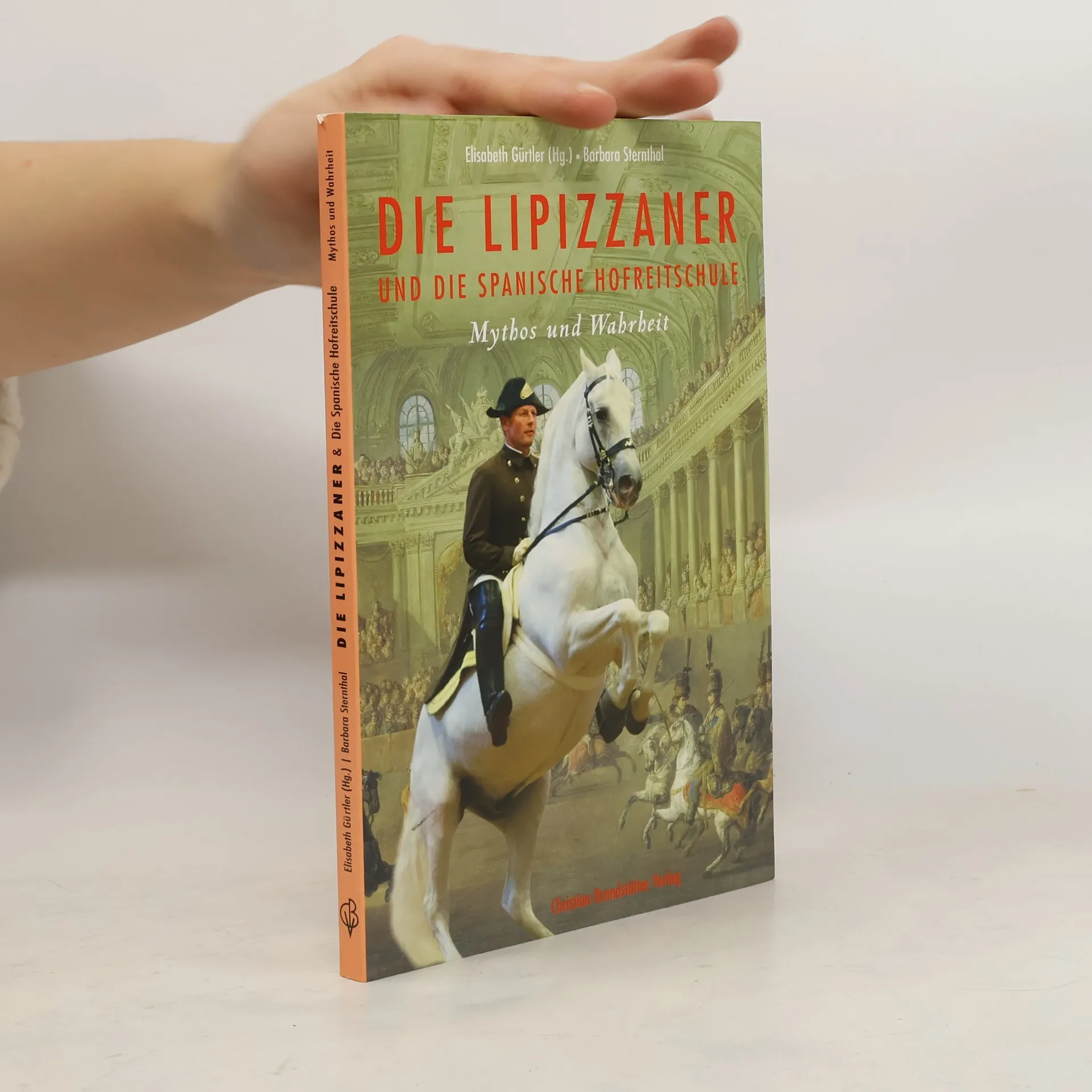
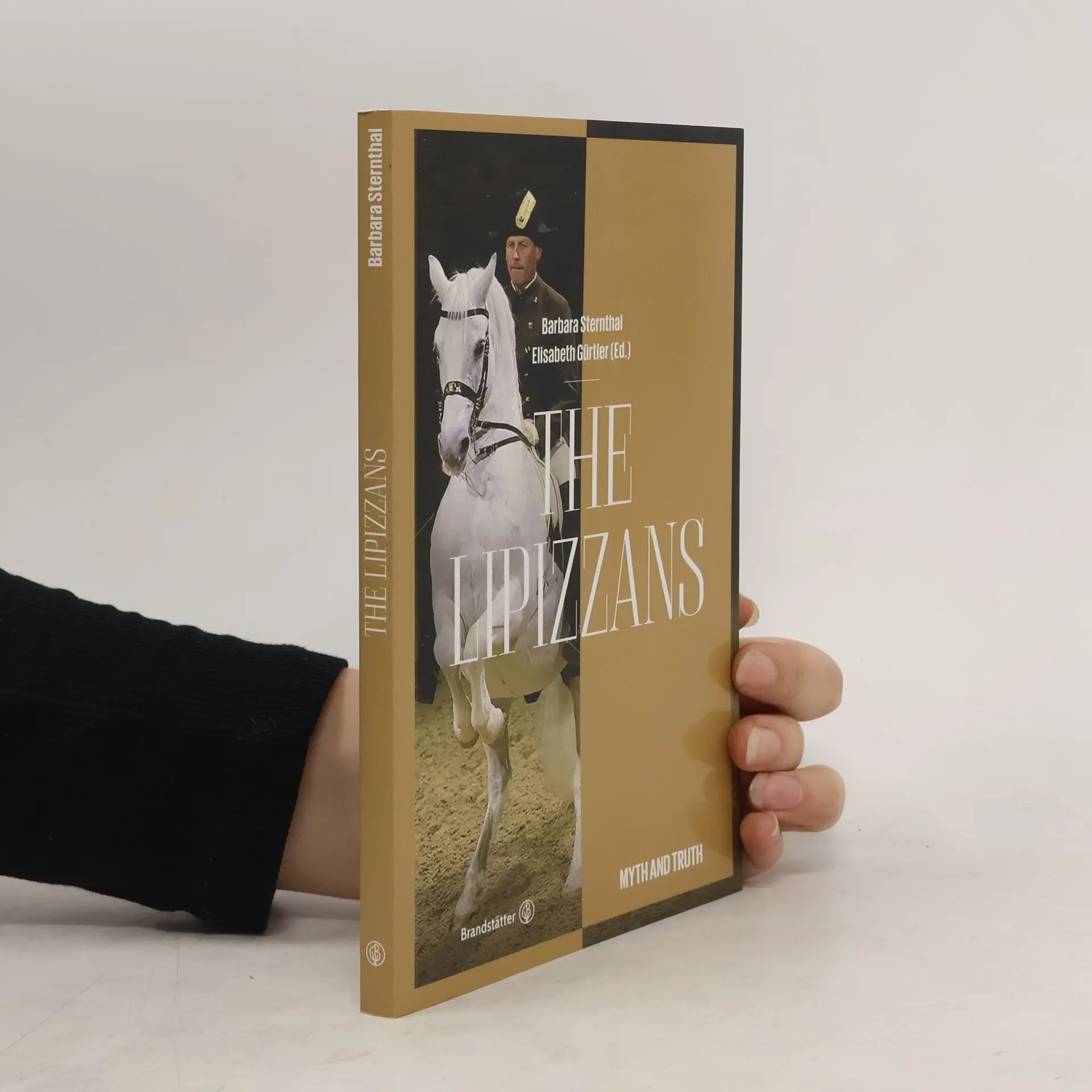
THEY ARE THE oldest cultured horse breed in Europe. Their ancestry can be traced back to the 16th century, and their name comes from a small village in modern-day Slovenia: the Lipizzaners, whose first home was Lipica and are now bred in Piber, near the Styrian city of Graz, owe their grace and learning ability to the over 400-year-old, carefully cultivated and constantly refined knowledge of proper breeding and training. Each year the finest Lipizzaner stallions are selected for the Spanish Riding School, the world-renowned institution where the classic art of horsemanship of the “haute école” has been practised for some 450 years. With their extraordinary performances in the famous Winter Riding School in Vienna’s Hofburg palace, these noble horses enthral visitors from all over the globe. This compact and beautifully illustrated book traces the history of the Lipizzaner breed, provides insights into their training, and describes the turmoil the “white stallions” faced during and after the Second World War as well as the outstanding position they occupy in today’s equestrian circles.
Gustav Klimt 1862 - 1918
- 111 pages
- 4 hours of reading
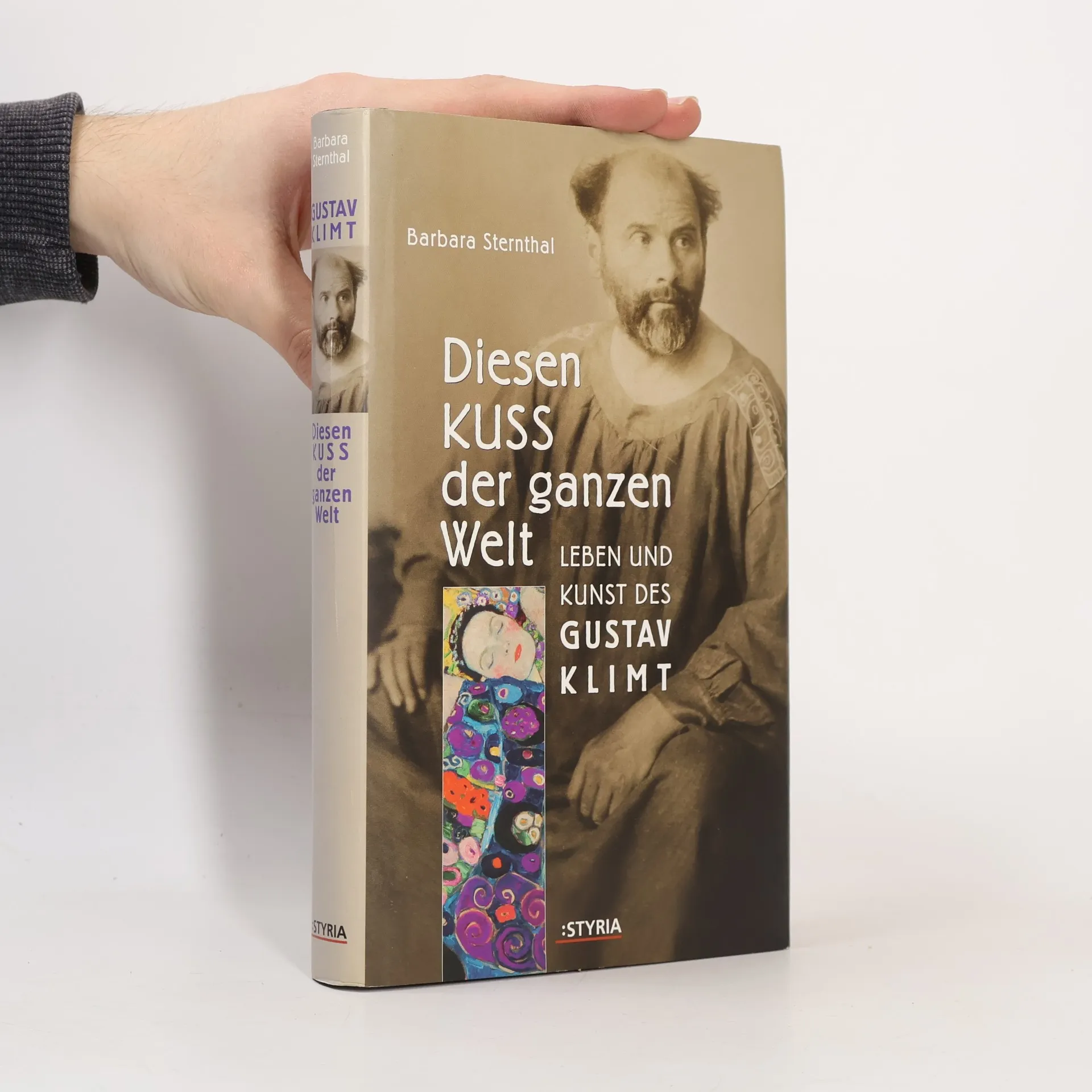
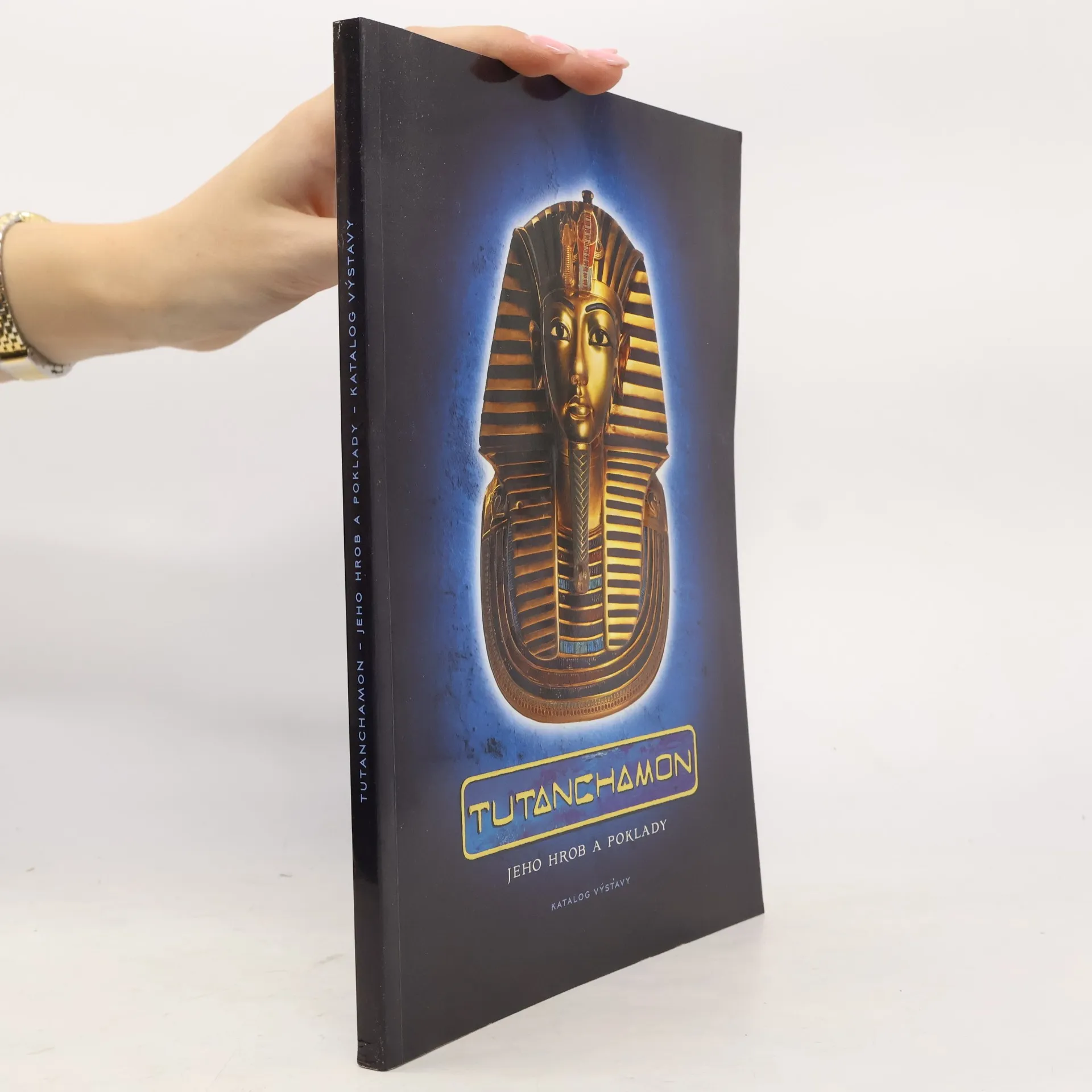
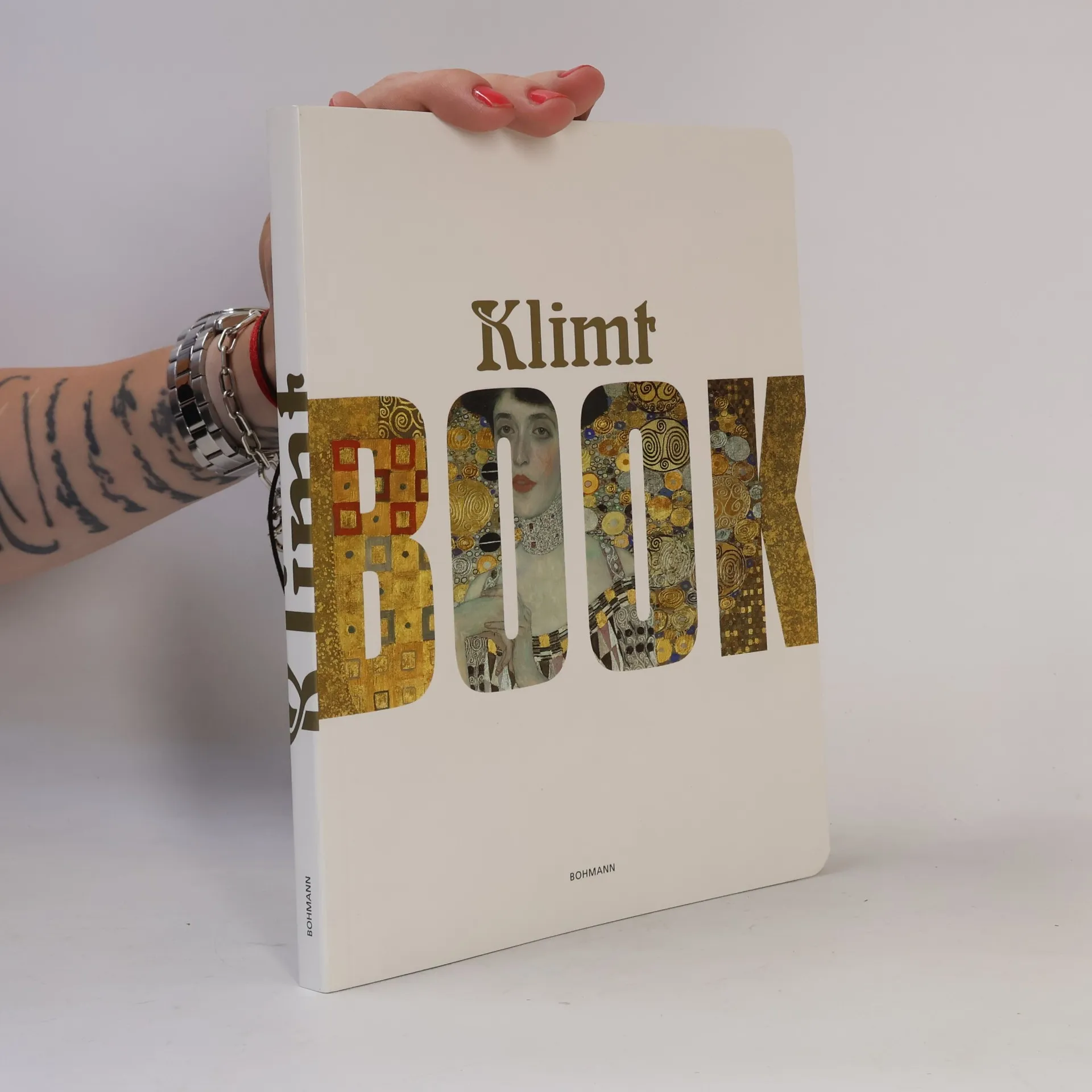
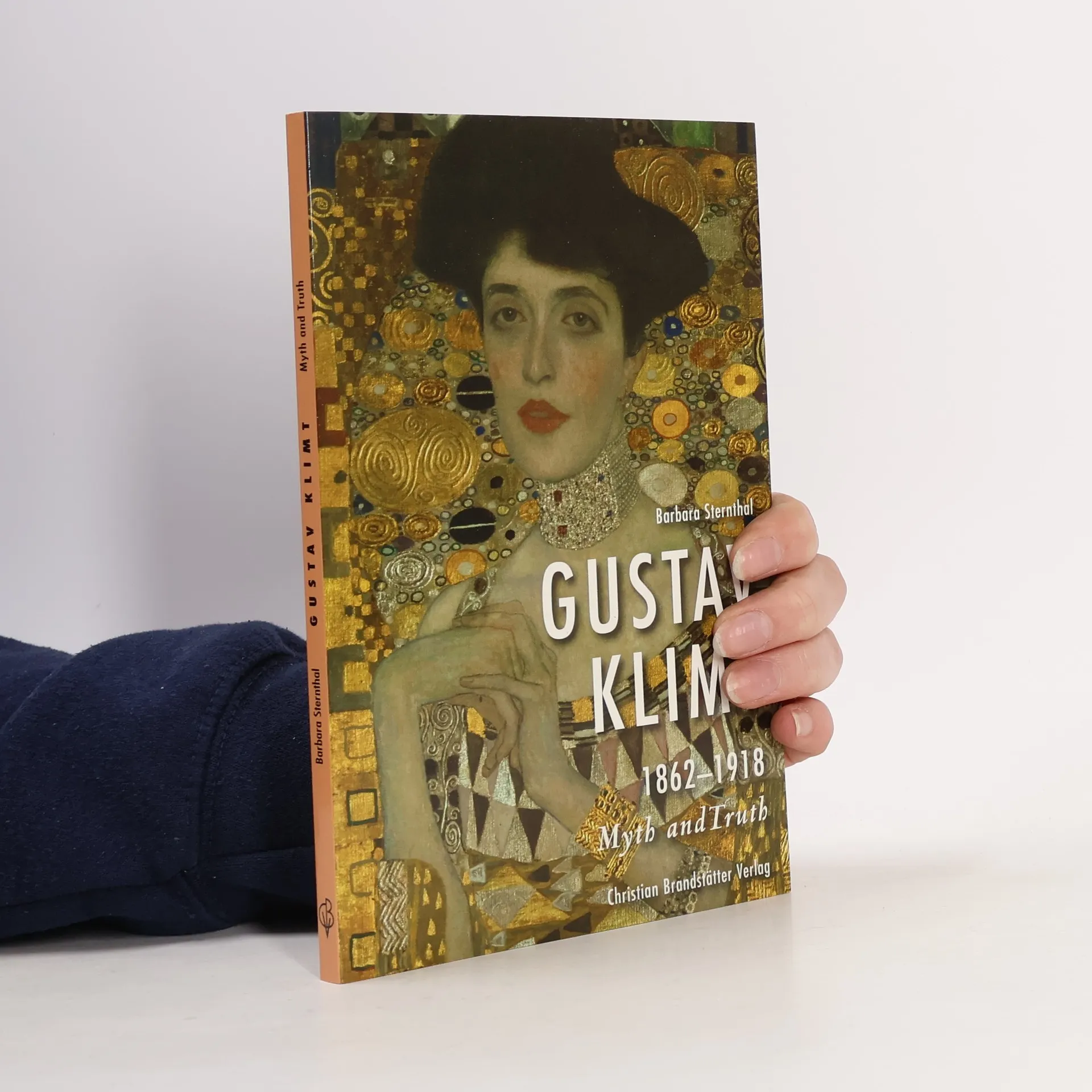
His painting „The Kiss“ is the very icon of the Fin de Siècle era in Vienna, reproductions of his pictures are best sellers in museums the world over and his portraits of the ladies of the haute juiverie of Vienna continue to hit the daily headlines as objects of stolen art. Gustav Klimt (1862-1918) is beyond any doubt the most famous artist Austria has produced, a legend and a one-off whose life story is intertwined with countless rumours. Yet what do we know of this sensitive painter of women and supremely gifted draughtsman? Was he really the father of fourteen illegitimate children? Was he attracted to his beautiful and erotic female artists as a man as well as an artist? Was his relationship with the self-confident and elegant Emilie Flöge platonic or not? And is his syphilis mere film script invention? „I am not exceptionally interesting as a person“ is one of the very few authentic sentences known to have been uttered by Klimt. We beg to differ and set off on the trail of an artist and a man who left a virtually unrivalled mark on Viennese Jugendstil.
Klimt book
- 166 pages
- 6 hours of reading
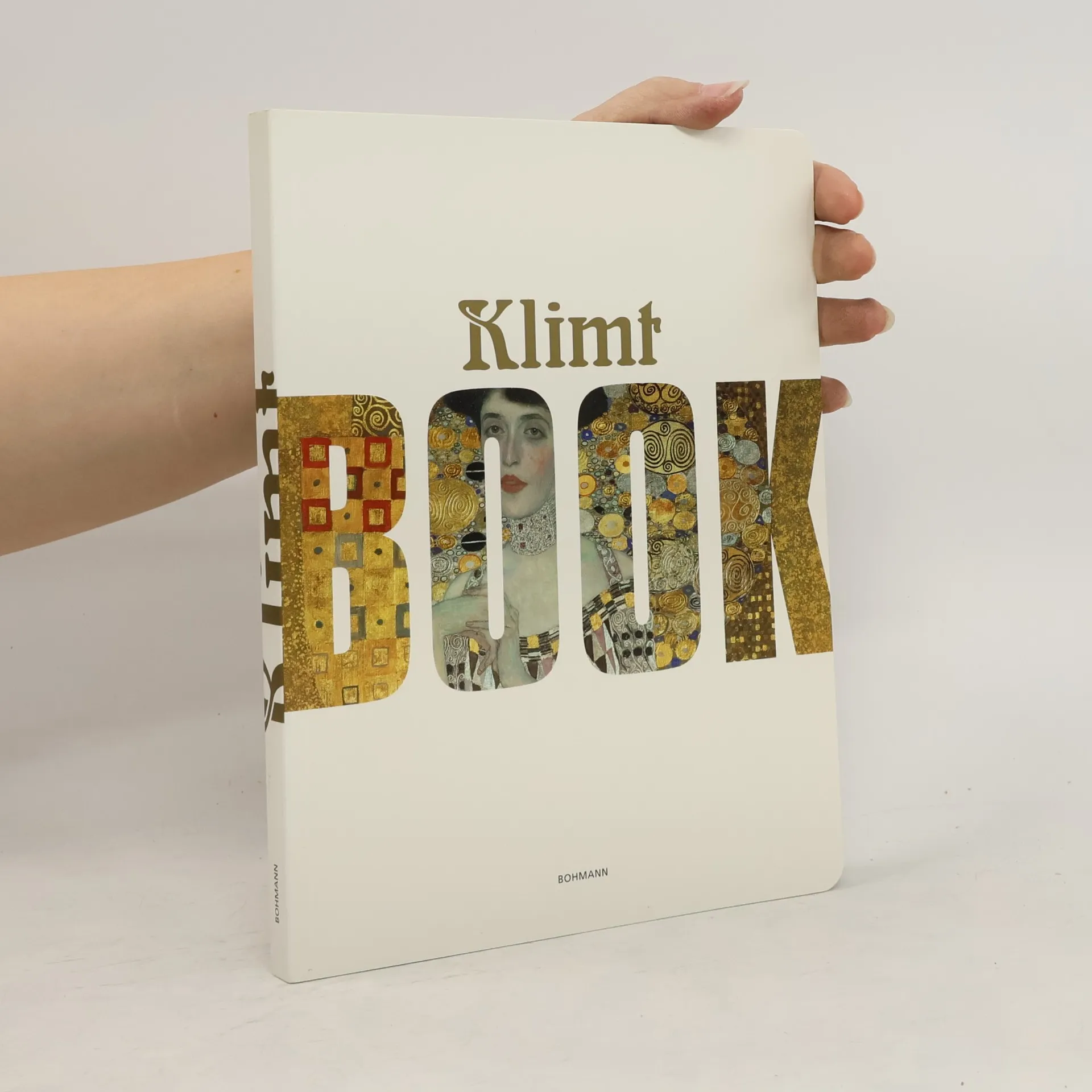
Hardly any other name epitomises life in Vienna at the turn of the 19th to the 20th century like his: Gustav Klimt, a gifted drawer and sensitive painter of women’s portraits. But beyond that, Klimt’s exceptional artwork is iconic of the shift to modernism. The dazzling period of the “merry apocalypse” in Vienna around 1900 was his epoch – the era in which the old was buried and the new was born.
Austria
- 173 pages
- 7 hours of reading
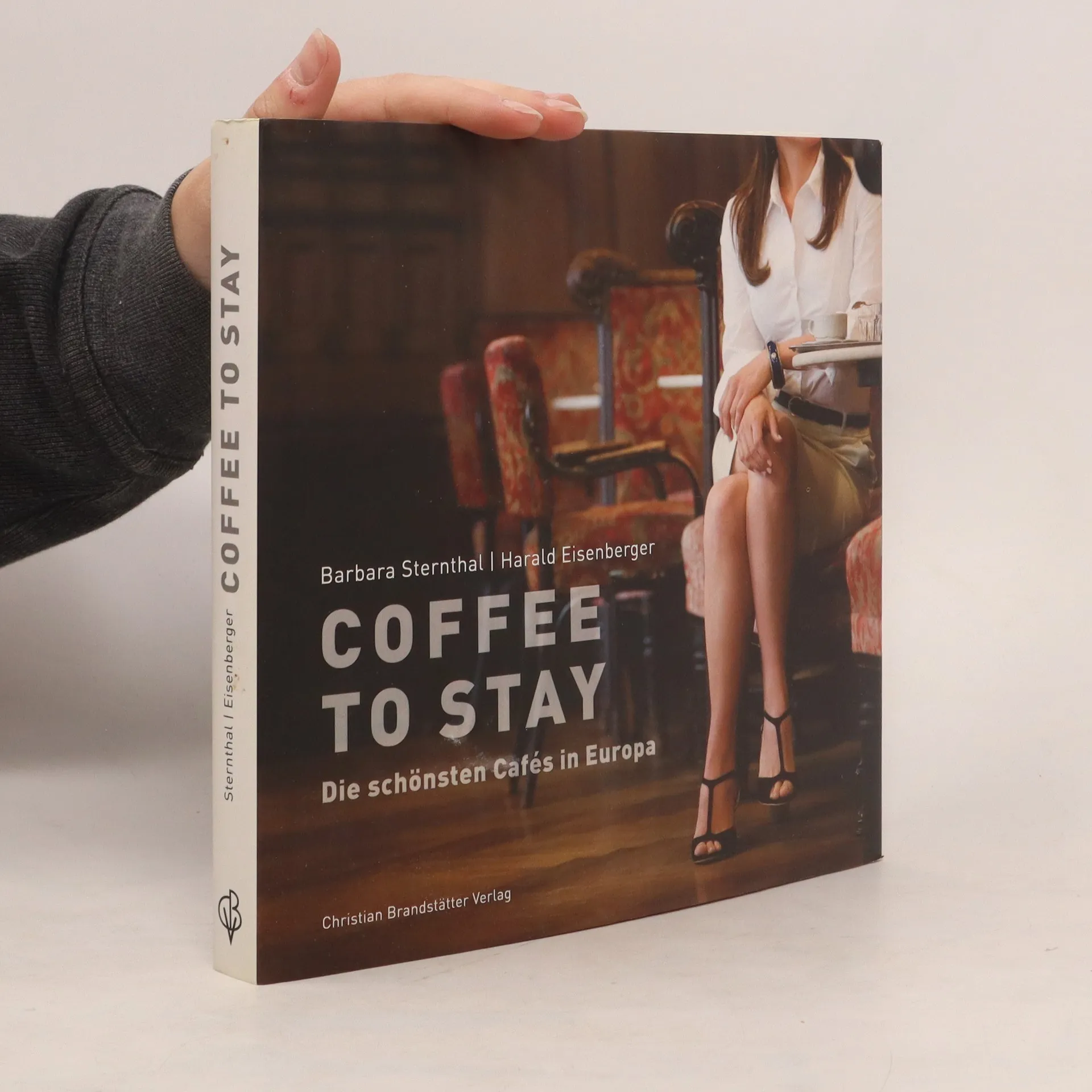
Coffee to go geht gar nicht: Kaffee gehört - egal, ob er nun Espresso oder Melange oder Cappuccino heißt - in ästhetisch stilvollem Ambiente und in anständigen, dickwandigen Porzellantassen serviert. Und wer denkt, das Kaffeehaus sei pure Nostalgie, der irrt: Das Café lebt!30 Kaffeehäuser in den europäischen Kaffeehaus-Metropolen fanden Eingang in diesen opulenten Bildband: Klassiker mit Plüschbänken, Thonetstühlen und Marmortischen existieren elegant und zeitlos neben aufregend modernem Design mit Sichtbeton und dunklem Holz, strahlende Kristalllüster neben aktuellen Lichtlösungen, knarrende Holzböden neben schimmernden Steinflächen. Das Café als Spielplatz innenarchitektonischer Kreativität, aber auch als Musterbeispiel originalgetreuer Instandhaltung zwischen Rom und Venedig, Paris und Prag, Wien und Amsterdam wird hier so facettenreich und üppig präsentiert, dass die Lust auf einen Coffee to stay ganz von selbst kommt.
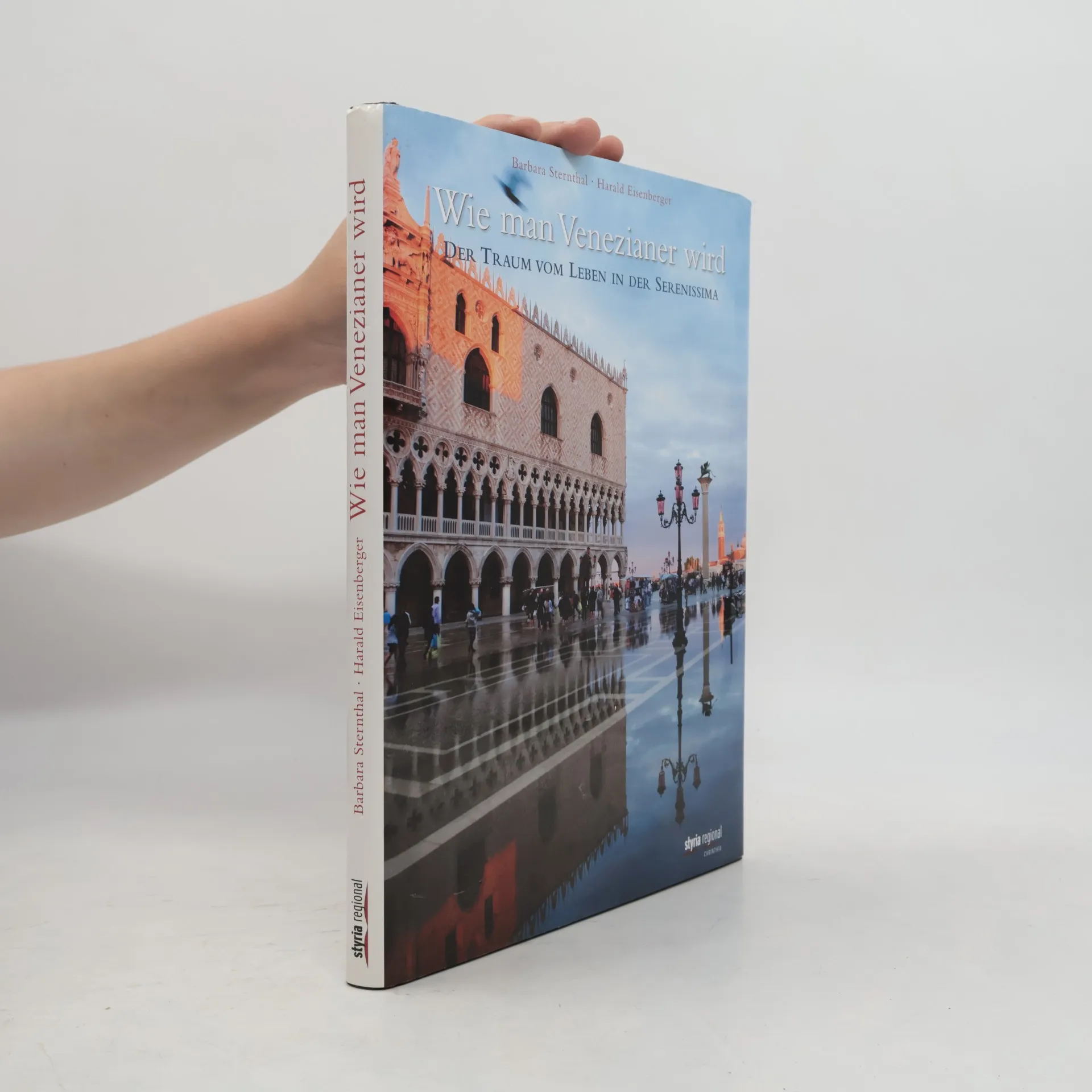
Warum wandert jemand nach Venedig aus? Eine kleine Stadt, die – verglichen mit den Metropolen dieser Welt – wenige Möglichkeiten bietet, seinen Lebensunterhalt zu verdienen. Überdies ist es im Sommer heiß und schwül, dann kommt Aqua alta, dann der Nebel. Und dazwischen leidet die Stadt unter einem Overkill an Touristen. Dennoch gibt es Menschen, die genau das tun, die den Zauber der vielleicht schönsten Stadt der Welt mit der Bodenhaftung des Alltags kombinieren und den Traum vom Leben in Venedig in die Wirklichkeit umgesetzt haben. Wer sind diese Menschen? Was bewog sie, sich in Venedig niederzulassen? Was bedeutet ein Auswandern nicht einfach ins verlockende Italien, sondern in den urbanen Sonderfall Venedig? Wie lebt es sich zwischen Millionen von Touristen? Und vor allem: Wie sieht ihr Venedig jenseits von Markusplatz und Rialtobrücke aus? Ein Buch über Menschen, ihren Mut, ihre Beweggründe und ihren Einfallsreichtum – ein Buch, in dem Venedig die Hauptrolle spielt.
Kaum ein Name wird so sehr als Inbegriff der Lebenswelt im Wien der Wende vom 19. zum 20. Jahrhundert empfunden, wie seiner: Gustav Klimt, begnadeter Zeichner und sensibler Maler der Frauen. Doch Klimt ist noch mehr: Der Ausnahmekünstler ist die Ikone des Wandels, des Aufbruchs in die Moderne. Der schillernde Kosmos der 'fröhlichen Apokalypse' des Wien um 1900 war seine Epoche – jene Ära, in der das Alte zu Grabe getragen und das Neue geboren wurde.
Schiele Book : Eros und Genialität
- 166 pages
- 6 hours of reading
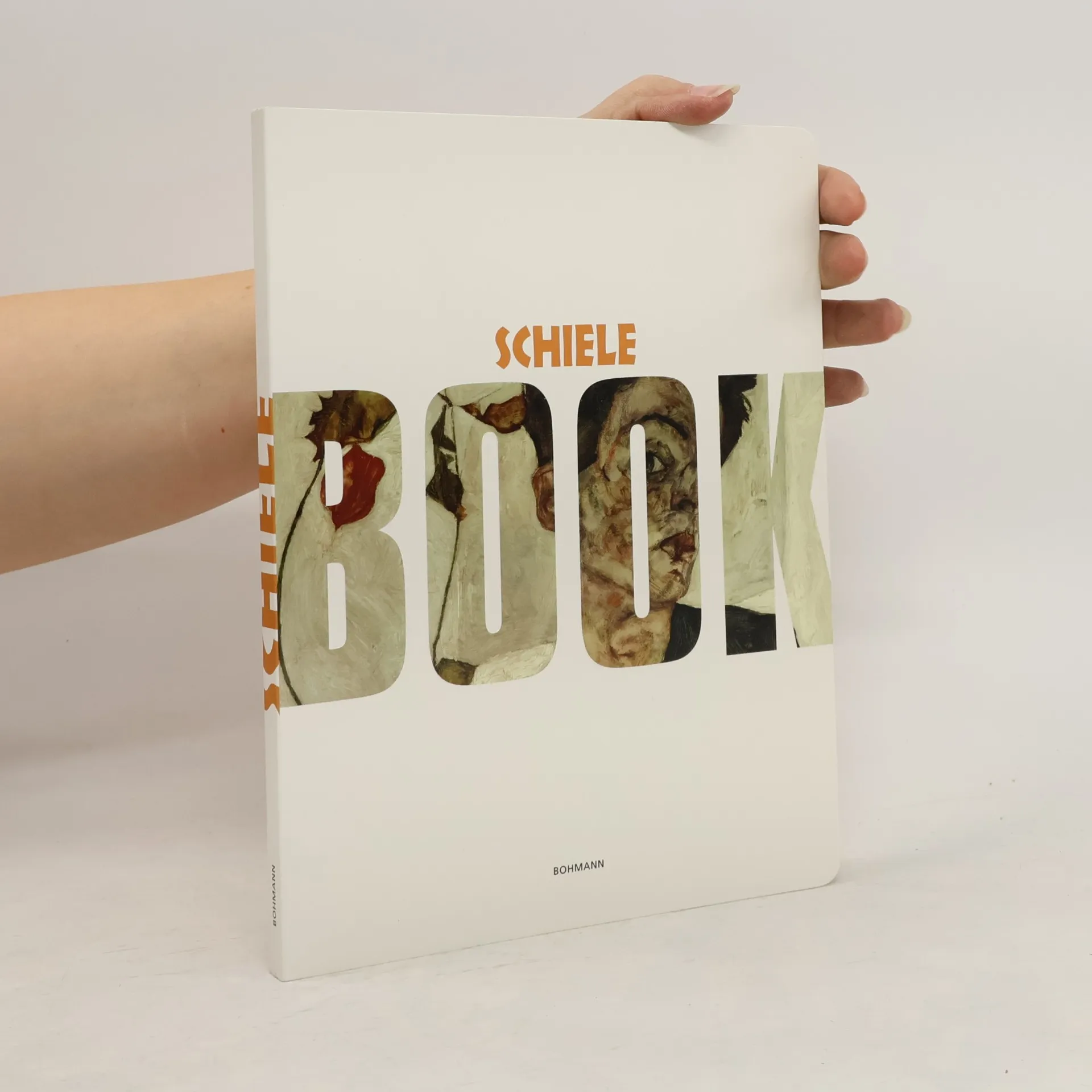
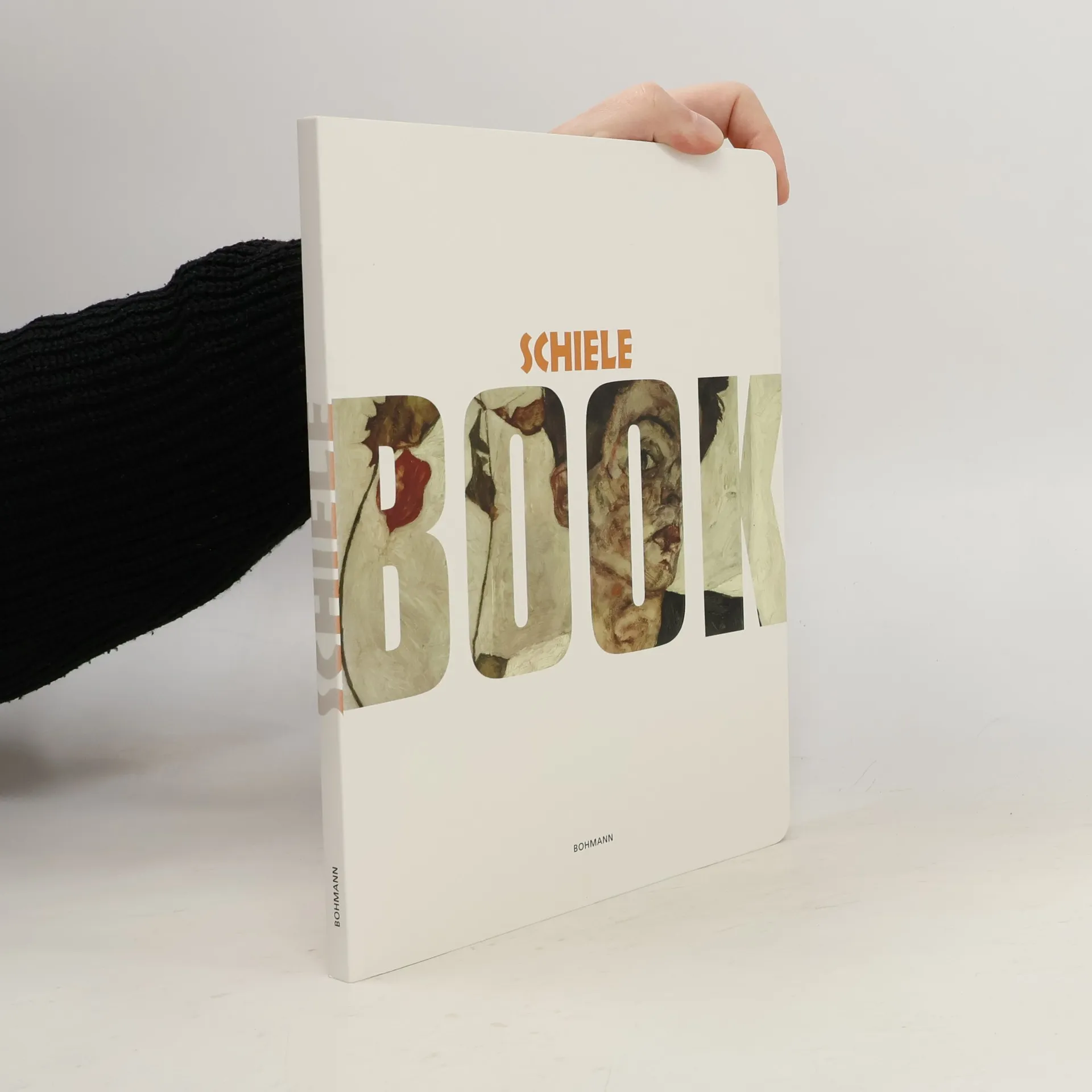
Egon Schiele (1890–1918), ein herausragender Zeichner und Maler, fiel im Oktober 1918 der Spanischen Grippe zum Opfer, was das tragische Ende eines leidenschaftlichen Lebens markierte. Wie Mozart und Schubert hinterließ Schiele ein umfangreiches, einzigartiges und innovatives Œuvre, das weit über seine Zeit hinaus Bedeutung hat. Als Sohn eines Eisenbahnbeamten war Wien für Schiele sowohl Segen als auch Fluch. Hier traf er wichtige Entscheidungen, als er die Akademie der bildenden Künste verließ, und erhielt Unterstützung von Gustav Klimt. Gleichzeitig sah er sich auch vehementer Ablehnung gegenüber, etwa in der Neuen Freien Presse, die seine Fähigkeiten herabsetzte. Nach Aufenthalten in Ceský Krumlov, wo einige seiner zentralen Werke entstanden, und Neulengbach, wo er eine traumatische Gefängnisstrafe verbüßte, kehrte er nach Wien zurück. Während des Ersten Weltkriegs arbeitete er im Heeresgeschichtlichen Museum und bezog sein letztes Atelier in Hietzing, nahe Klimts Studio, dessen Totenmaske er am Todestag des Malers abnahm. Wien war zudem die Stadt seiner Mäzenen, die sein kreatives Potenzial früh erkannten. Schiele zählt zu den bedeutenden Künstlern des frühen 20. Jahrhunderts, einer Zeit des künstlerischen Wandels und tiefgreifender soziokultureller Veränderungen. In diesem Buch wird seine außergewöhnliche Geschichte neu erzählt, unterstützt durch zahlreiche Fotografien und Werkabbildungen, die die Rolle der Hauptsta
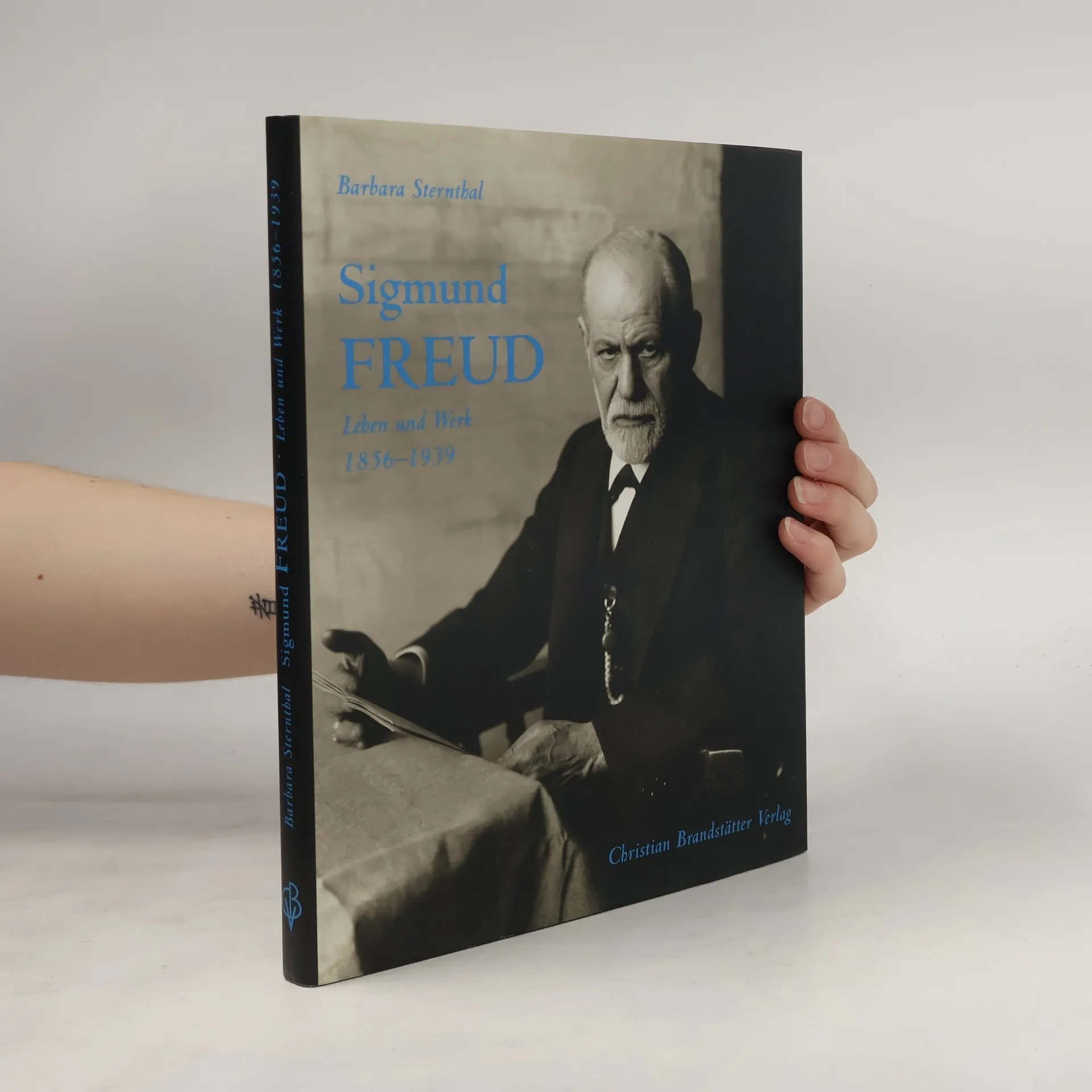
Dieses Buch bringt dem Leser Leben und Werk Sigmund Freuds in einfacher, übersichtlicher Weise näher und bettet seine Biographie in den speziellen sozio-kulturellen Kontext der Metropole Wien. Freuds ambivaltentes Verhältnis zu dieser Stadt, die ihn gleichzeitig prägte und einschränkte, und seine jüdische Identität sind Leitmotive in diesem Buch, das durch seine Fülle an bislang nicht veröffentlichtem Bild- und Textmaterial besticht.
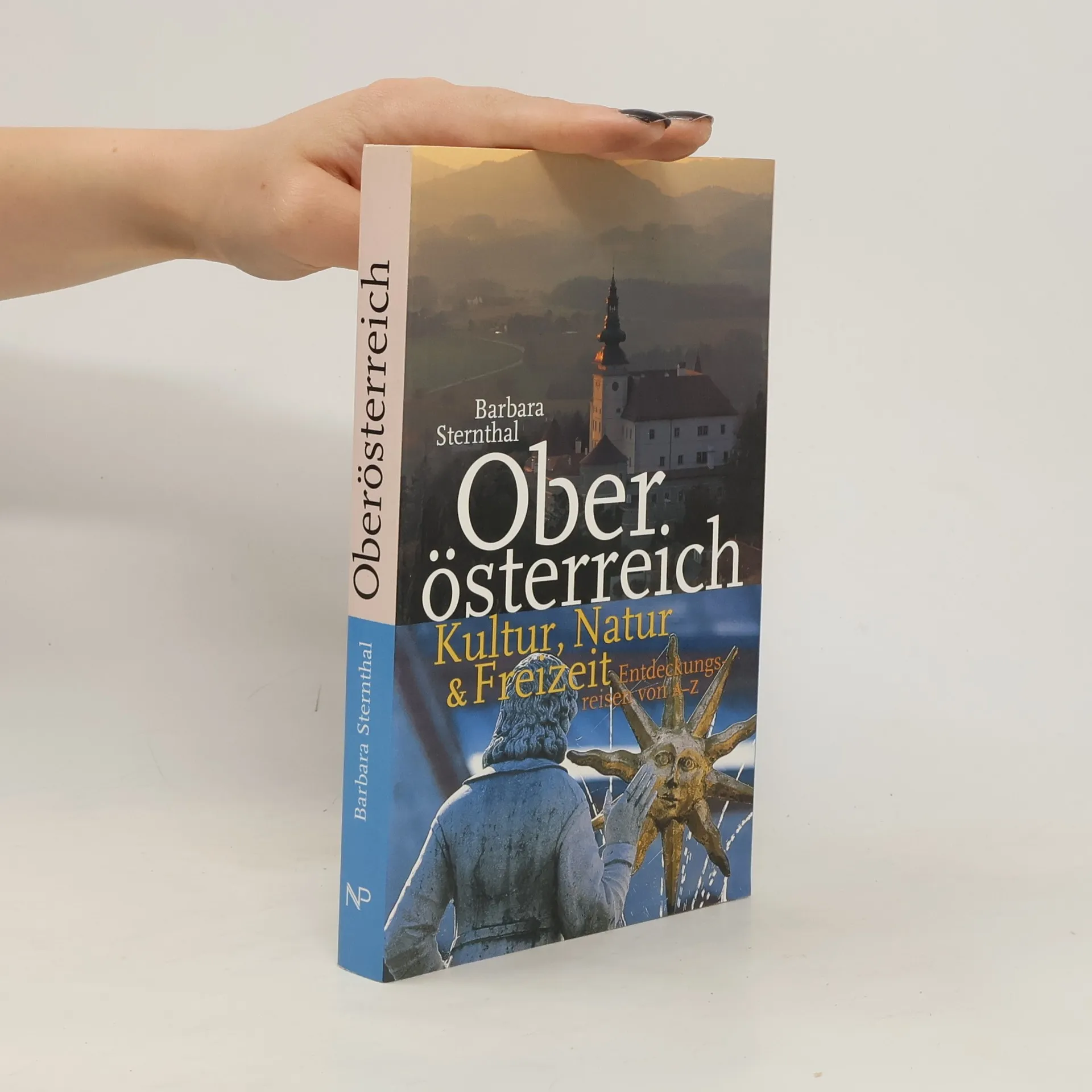
Oberösterreich Kultur, Freizeit & Natur
- 255 pages
- 9 hours of reading
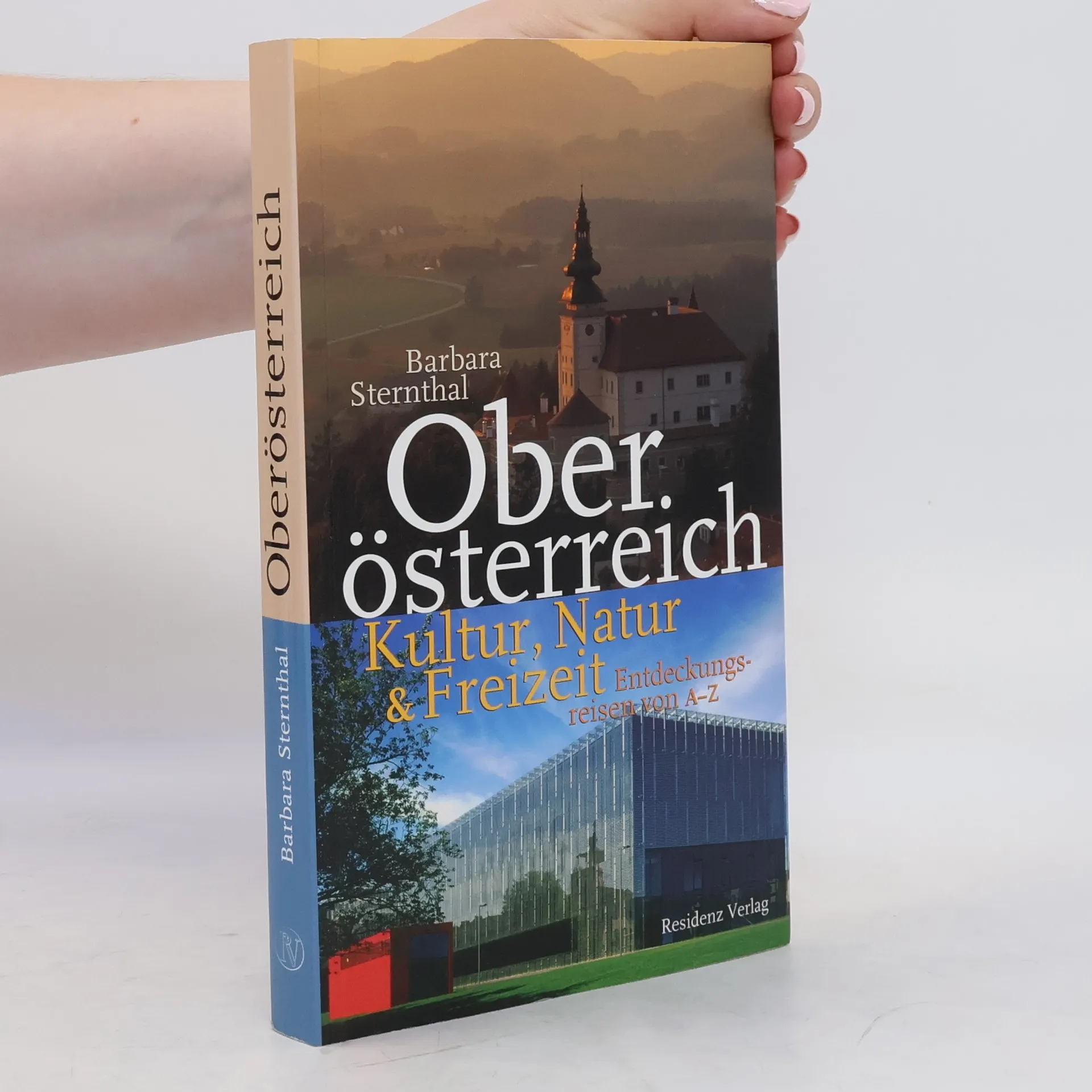
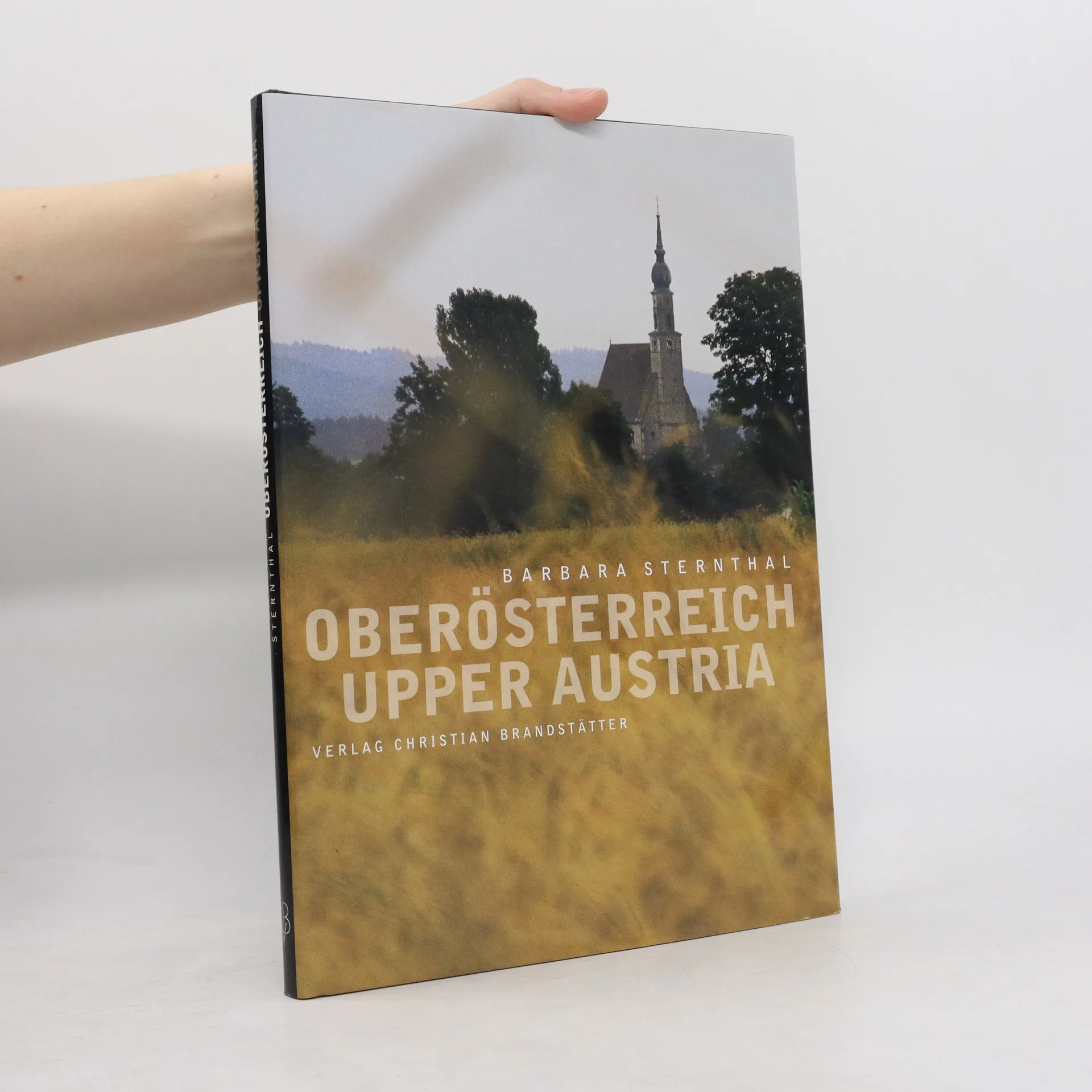
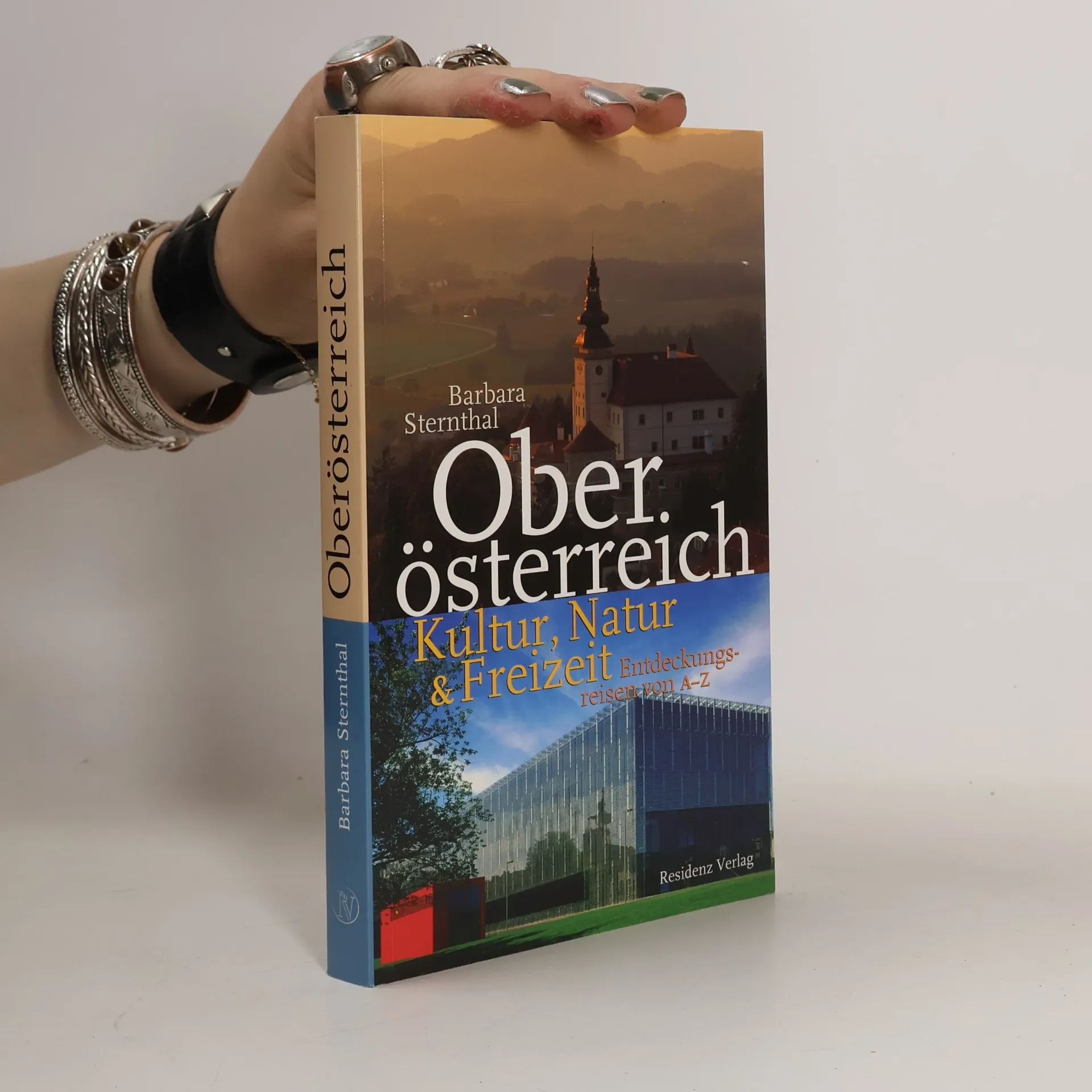
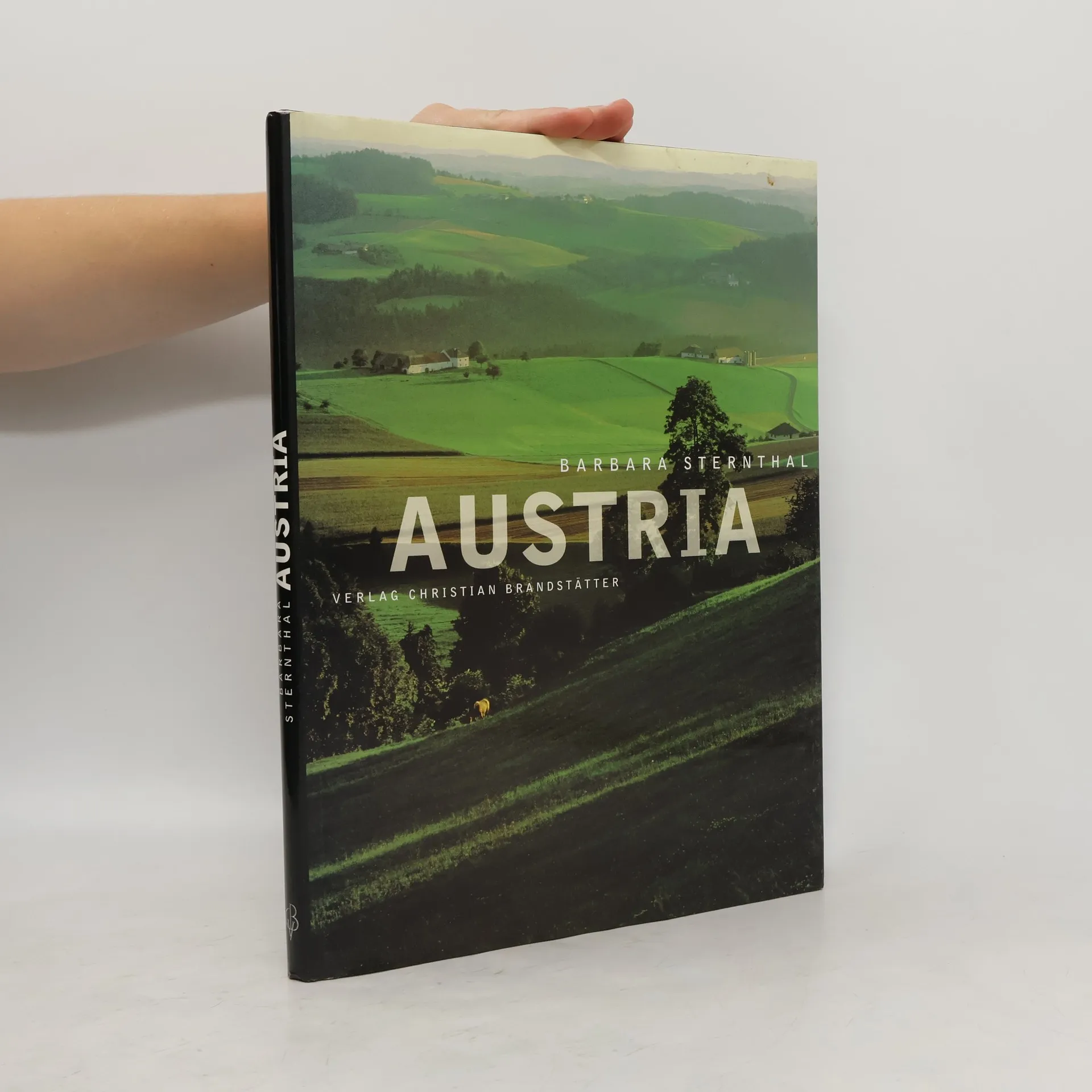
Oberösterreich ist ein Land voller Kontraste. Auf der einen Seite strömen zahlreiche Besucher in die Region Salzkammergut, angezogen von den Reizen und der Schönheit der Landschaften sowie den Freizeitmöglichkeiten der Seeorte. Auf der anderen Seite ist es reich an verborgener Schönheit – Beispiele sind das Mühlviertel und die Eisenwurzen mit ihren kristallklaren Bächen, rauschenden Flüssen und malerischen Tälern. Eine Reise durch Oberösterreich lohnt sich auch wegen seines reichen Erbes und der echten kulturellen Schätze. In der Stiftskirche Lambach gibt es faszinierende romanische Fresken, und Spuren keltischer und illyrischer Zivilisationen finden sich im gesamten Salzkammergut. Oberösterreich bietet auch prächtige Stätten des Habsburgerreichs und drei der schönsten Flügelaltäre der Gotik. Die Städte Schärding, Enns und Steyr zählen zu den reizvollsten Orten des Landes. All diese bunten Aspekte werden in einer Palette herausragender Bilder festgehalten, die von Österreichs renommiertesten Fotografen stammen. Die informativen, aufschlussreichen und fesselnden Beschreibungen der Autorin machen das Lesen zu einem Vergnügen.
Oberösterreich: Kultur, Natur & Freizeit
Endeckungsreisen von A-Z
Das Werk bietet eine umfassende Analyse und tiefgehende Betrachtung eines spezifischen Themas, das sowohl theoretische als auch praktische Aspekte umfasst. Es richtet sich an Fachleute und Interessierte und vermittelt fundiertes Wissen sowie aktuelle Entwicklungen in dem behandelten Bereich. Durch anschauliche Beispiele und praxisnahe Anwendungen wird das Verständnis gefördert und die Relevanz des Themas unterstrichen. Die klare Struktur und die prägnante Sprache machen es zu einem wertvollen Nachschlagewerk für Leser, die sich intensiver mit dem Thema auseinandersetzen möchten.
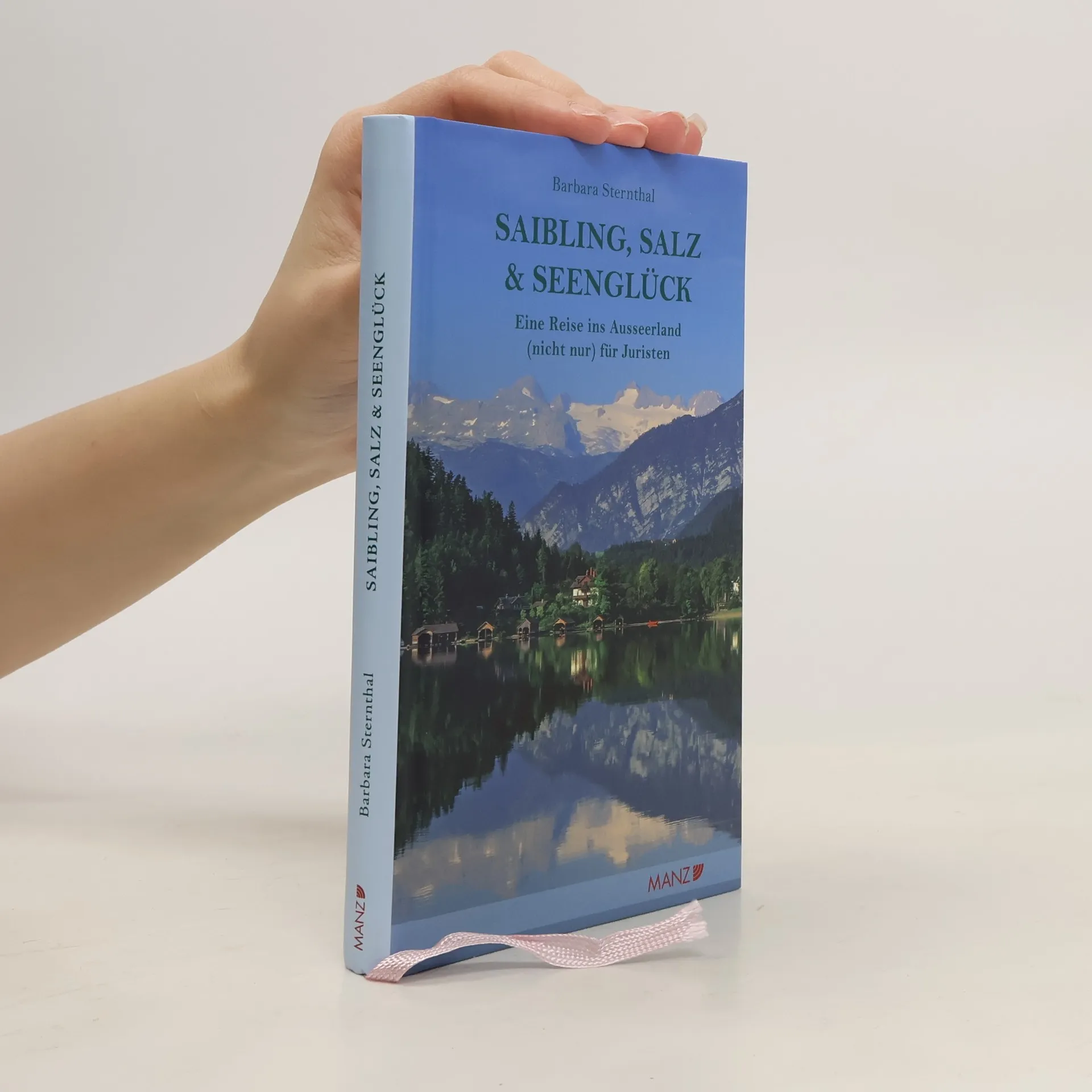
Saibling, Salz & Seenglück Eine Reise ins Ausseerland (nicht nur) für Juristen
- 128 pages
- 5 hours of reading
Die besondere Rechtsstellung des Kammerguts Aussee, das dem Kaiser von Österreich gehörte, wird in diesem Buch beleuchtet. Neben der historischen Bedeutung werden die einzigartigen Schätze der Region, wie Salz, Fischreichtum und Holz, hervorgehoben. Die Verbindung von Natur und Geschichte macht Aussee zu einem herausragenden Teil der österreichischen Kultur und Wirtschaft.
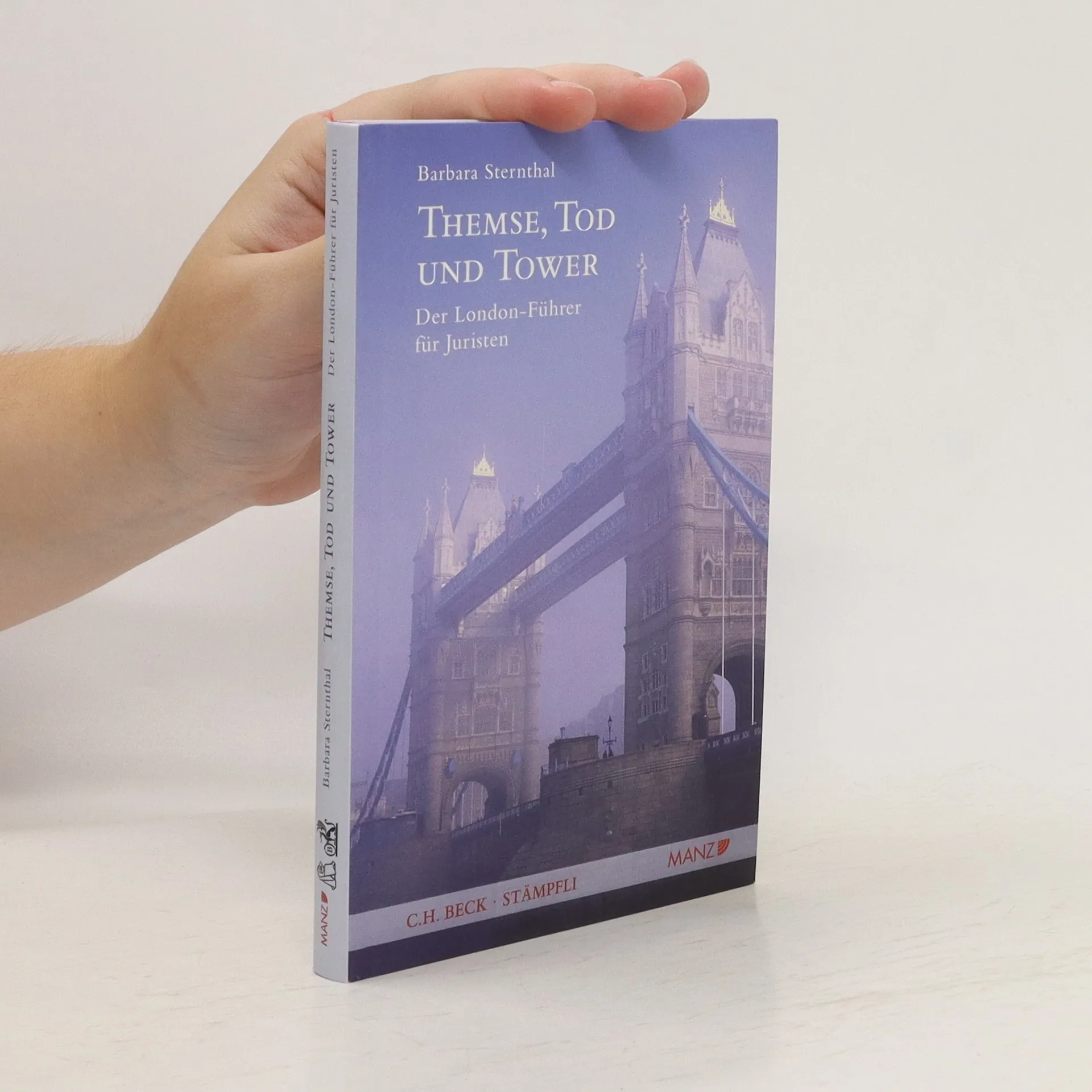
Themse, Tod und Tower
- 139 pages
- 5 hours of reading
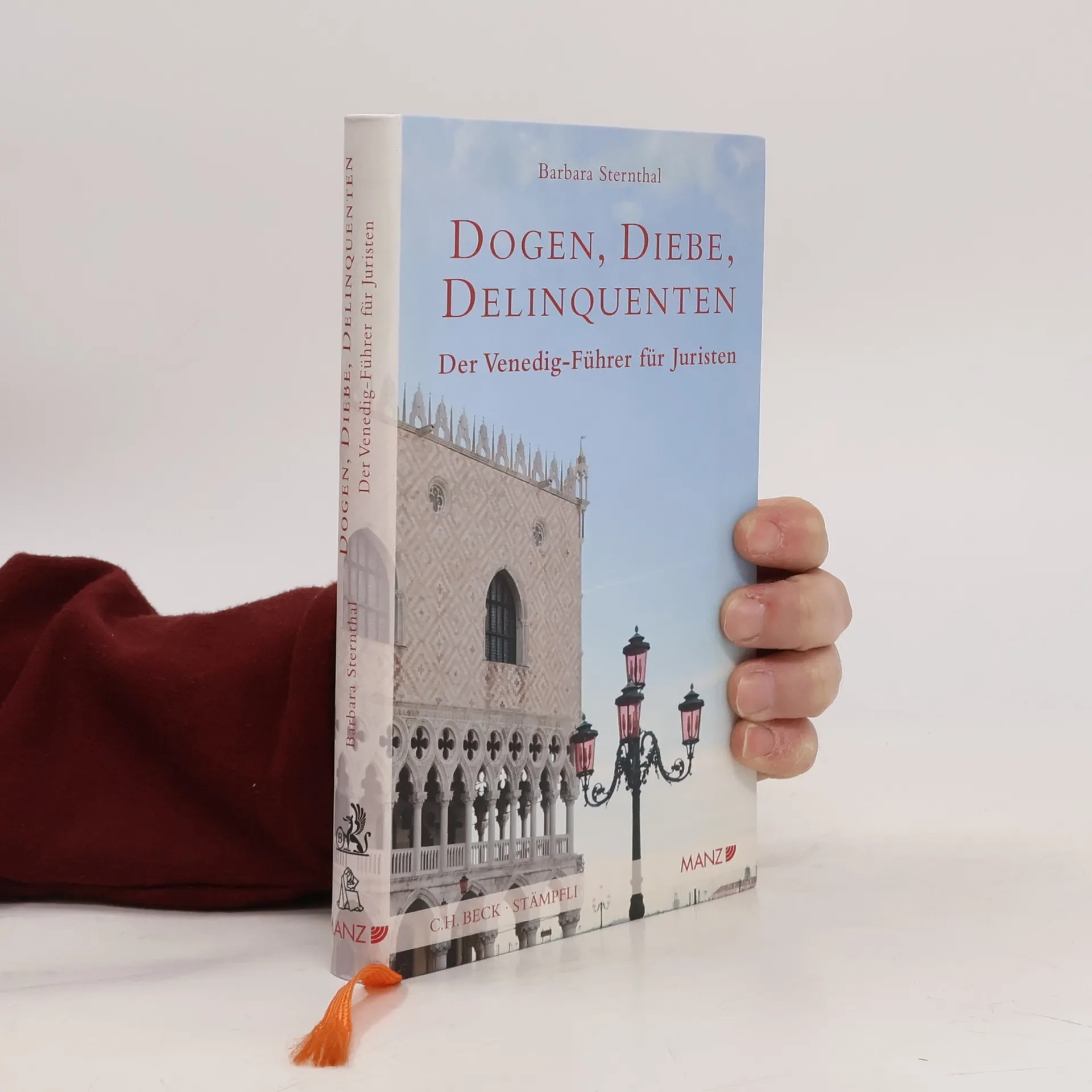
Dogen, Diebe, Delinquenten
- 136 pages
- 5 hours of reading
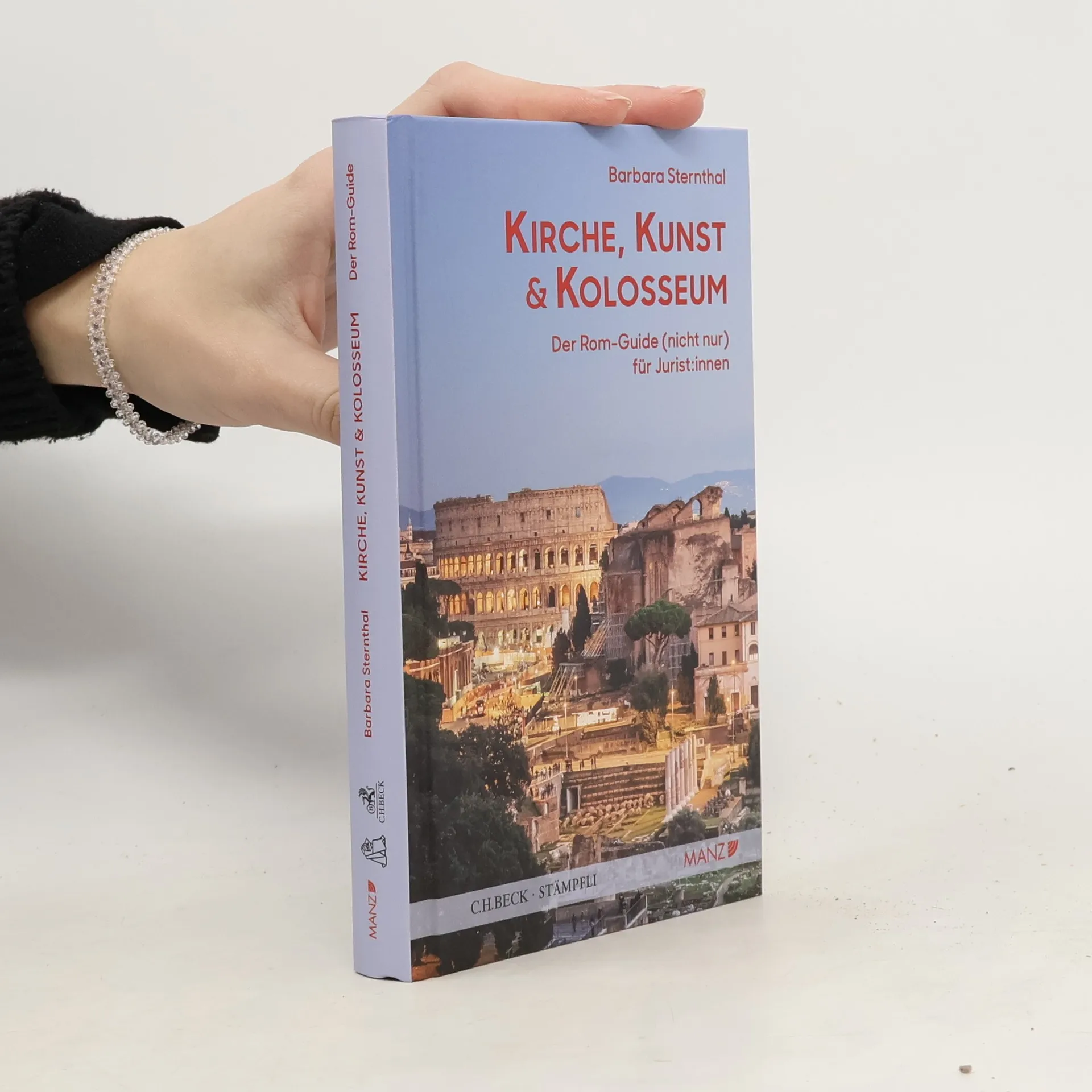
Kirche, Kunst und Kolosseum
Der Rom-Guide (nicht nur) für Jurist:innen
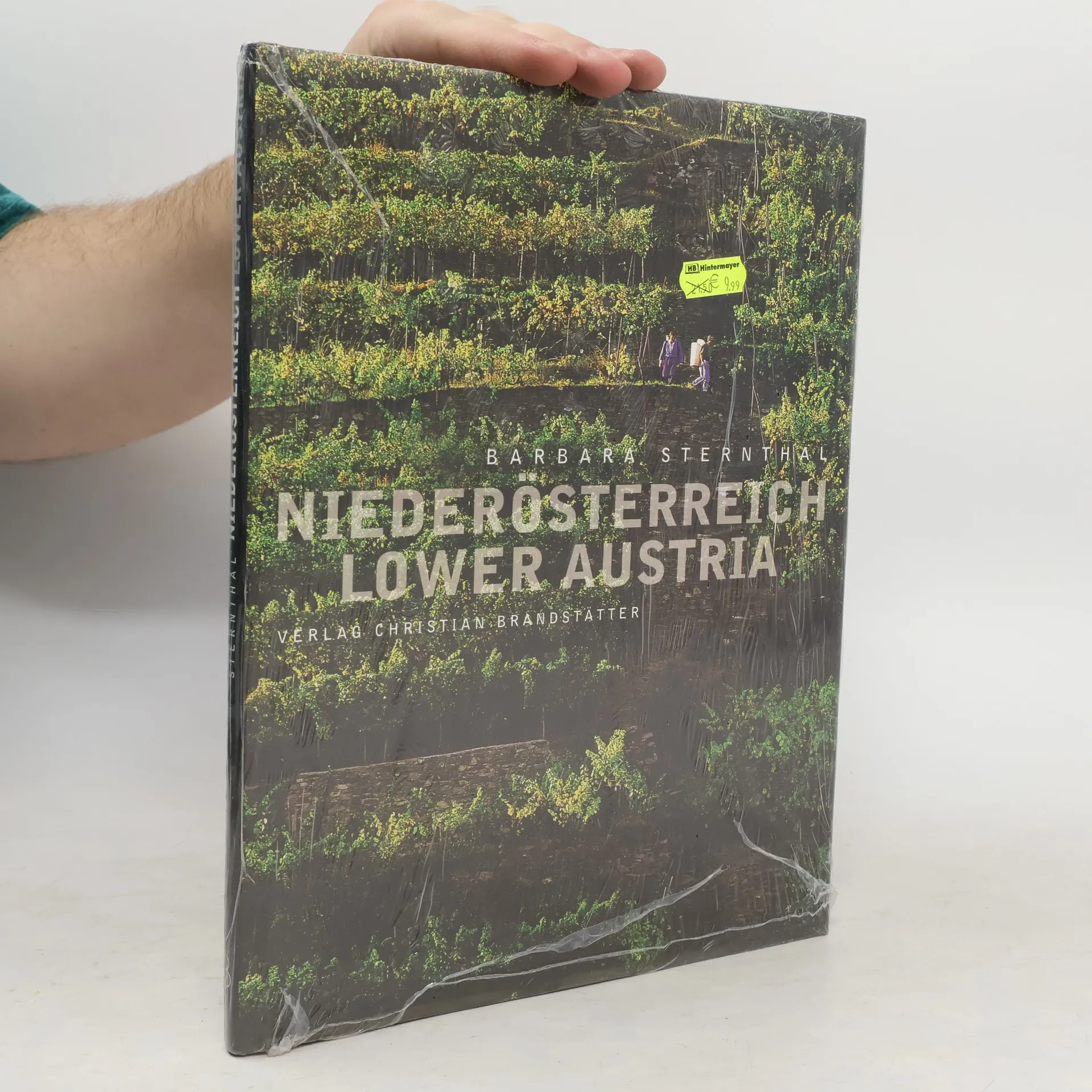
Lower Austria
- 127 pages
- 5 hours of reading
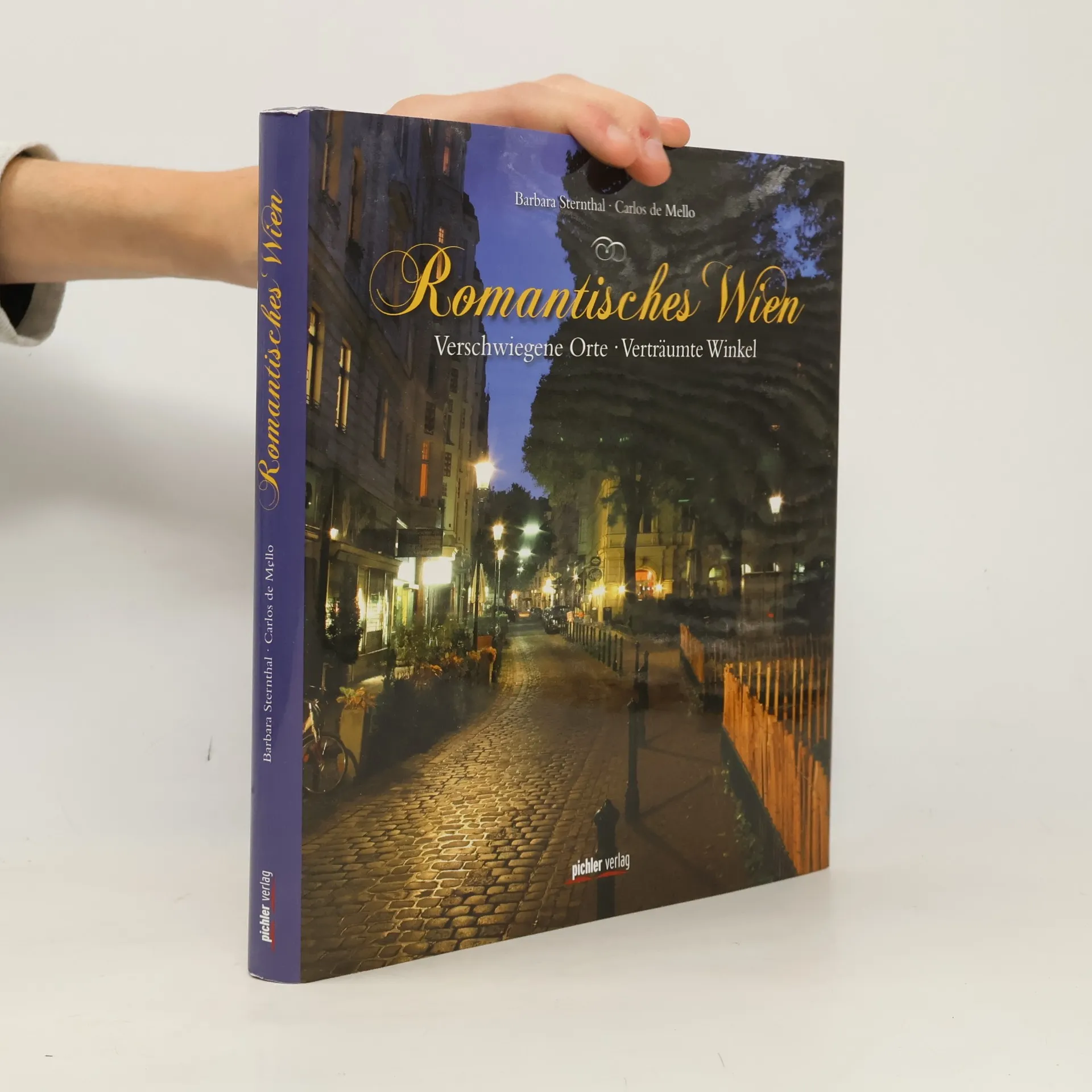
Verzauberte Innenhöfe mit efeubewachsenen Mauern, die sich im sanften Licht des Abends wie ein magischer Mikrokosmos aus dem Getriebe der Stadt heben, verschwiegene Heurige, die selbst unter Einheimischen als absoluter Geheimtipp gelten, und stimmungsvolle Weihnachtsmärkte, wo man bei Punsch und Lebkuchen im Christbaumschmuck von Anno dazumal schwelgen kann – Wien ist eine romantische Stadt, egal zu welcher Jahreszeit. Auch auf dem Spittelberg zum Beispiel, wo man zwischen hinreißenden Biedermeierhäusern bei Kerzenlicht träumen kann. Wien ist, daran besteht kein Zweifel, eine der romantischsten Metropolen Europas. Barbara Sternthal und Carlos de Mello haben sich die Auswahl gut durch den Kopf, vor allem aber durch die romantischen Herzen gehen lassen. Ob man in Wien zu Hause ist oder zu Gast in dieser wunderbaren Stadt: So romantisch hat man Wien noch nie gesehen.
Die Lipizzaner
- 120 pages
- 5 hours of reading
Sie sind die älteste Kulturpferderasse Europas, ihr Ursprung geht bis ins 16. Jahrhundert zurück und ihr Name geht auf ein kleines Dorf im heutigen Slowenien zurück: Die Lipizzaner, einst in Lipica zuhause, heute im weststeirischen Piber, verdanken ihre Anmut und Gelehrsamkeit dem mehr als 400 Jahre alten, sorgsam gepflegten und weiterentwickelten Wissen um die richtige Aufzucht und Ausbildung. Jedes Jahr werden die besten Lipizzanerhengste für die Spanische Hofreitschule ausgewählt, die einzige Institution der Welt, an der die klassische Reitkunst in der Renaissancetradition der „Hohen Schule“ seit rund 450 Jahren lebt. Mit ihrem einzigartigen Auftritt in der berühmtesten Reithalle der Welt, der von Fischer von Erlach erbauten „Winterreitschule“ in der Wiener Hofburg, begeistern die edlen Pferde Besucher aus aller Welt. Dieser kompakte und schön bebilderte Band schildert die Geschichte der Pferderasse, gibt Einblick in ihre Ausbildung, erzählt von den dramatischen Schicksalen der „Weißen Hengste“ in Kriegs- und Nachkriegszeit, aber auch von ihrer vitalen Gegenwart.
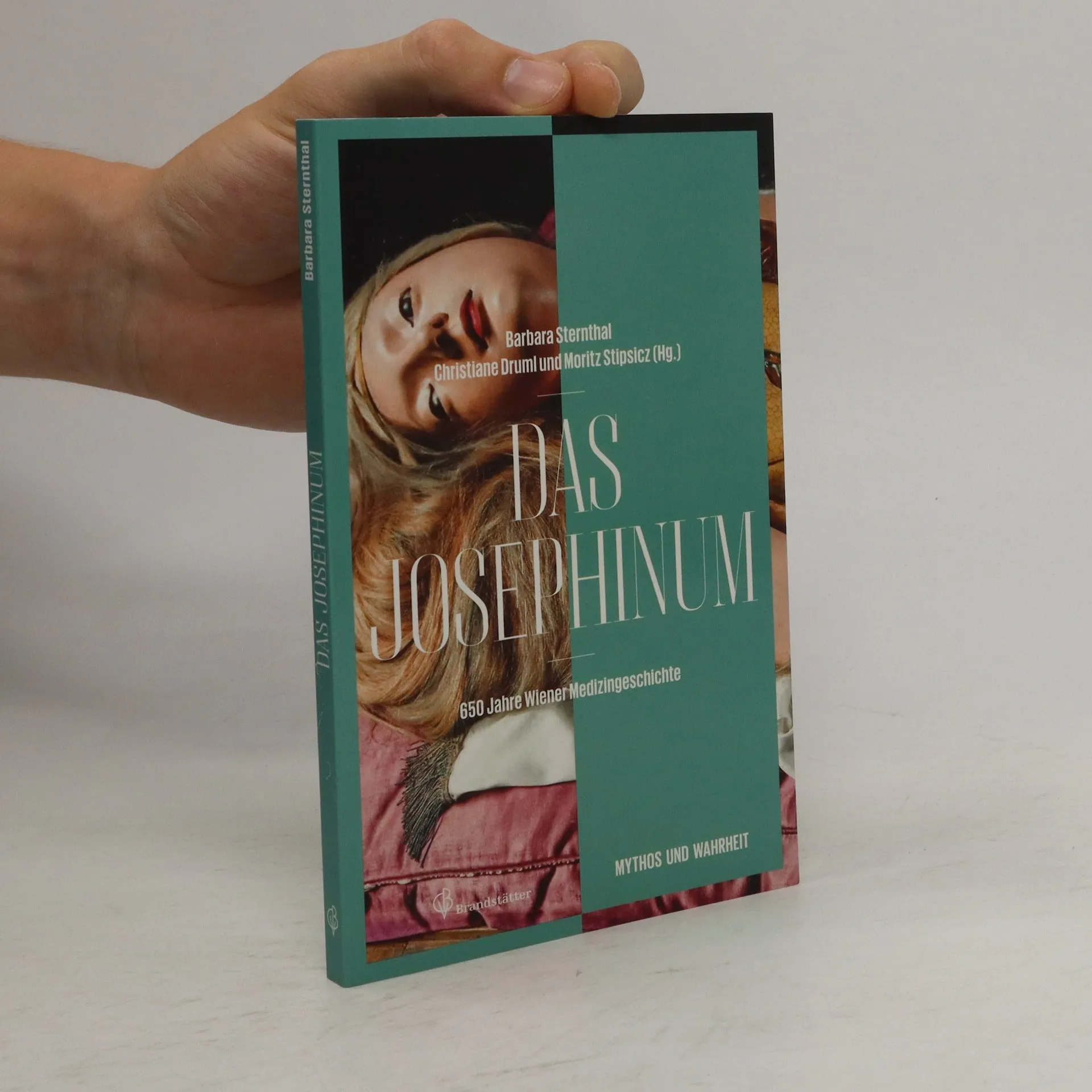
Das Josephinum ist der Dreh- und Angelpunkt der Medizingeschichte Wiens. Der Bau, er gilt als wesentlichstes Beispiel klassizistischer Architektur in Wien, entstand im Zuge der umfassenden Sozialreformen unter Joseph II. und war Teil jenes „medizinischen Distrikts“, zu dem auch der mächtige Komplex des Allgemeinen Krankenhauses und der Narrenturm gehörten. Ursprünglich eingerichtet als medizinisch-chirurgische Militärakademie, ist das Josephinum heute jener Ort, an dem die große Geschichte der Wiener Medizinischen Schulen konserviert und gepflegt wird. Eine einzigartige Sammlung, bestehend aus 1200 Wachsmodellen, die Joseph II. in Florenz anfertigen ließ, der Josephinischen Bibliothek sowie verschiedenen Sammlungen medizinischer Objekte aus mehreren Jahrhunderten: Die heutige Medizinische Universität bewahrt ein enorm reiches kulturelles Erbe, dem mit diesem Buch Rechnung getragen wird – spannend und informativ.
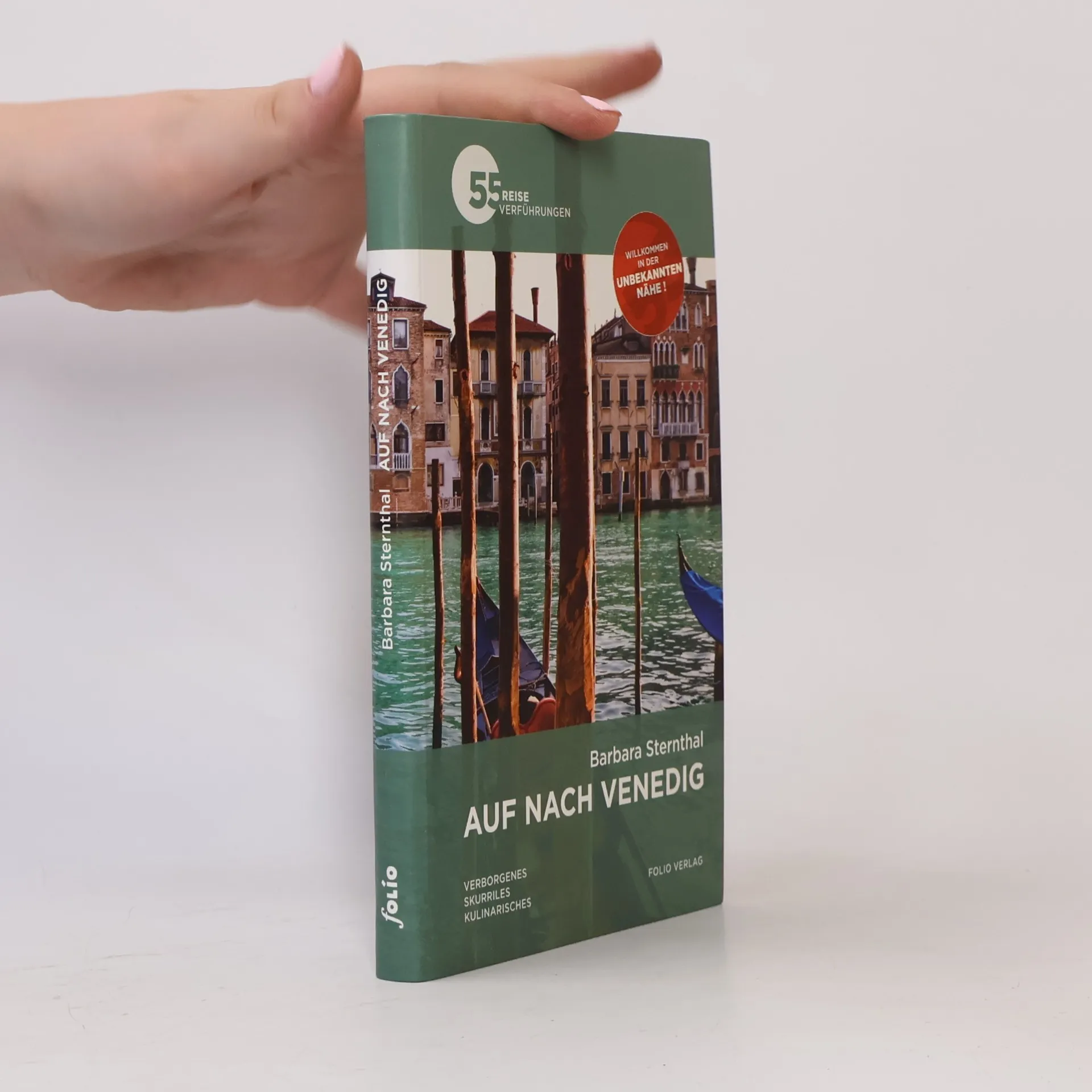
Seit Jahrzehnten ist Barbara Sternthal der Lagunenstadt restlos verfallen. Hier beschreibt sie den Alltag und das Venedig abseits der Klischees, flaniert durch die Bars und Trattorien der Stadt, isst, trinkt und kocht, trifft sich mit Studenten auf dem Campo Santa Margarita und lässt sich von der Italianità des frühmorgendlichen Markttreibens am Rialto faszinieren. Reiseverführungen, die zeigen, dass Venedig kein museales Postkartenmotiv ist, sondern eine höchst lebendige, mancherorts sogar eine sehr junge Stadt.
Die schönsten Passivhäuser
- 192 pages
- 7 hours of reading
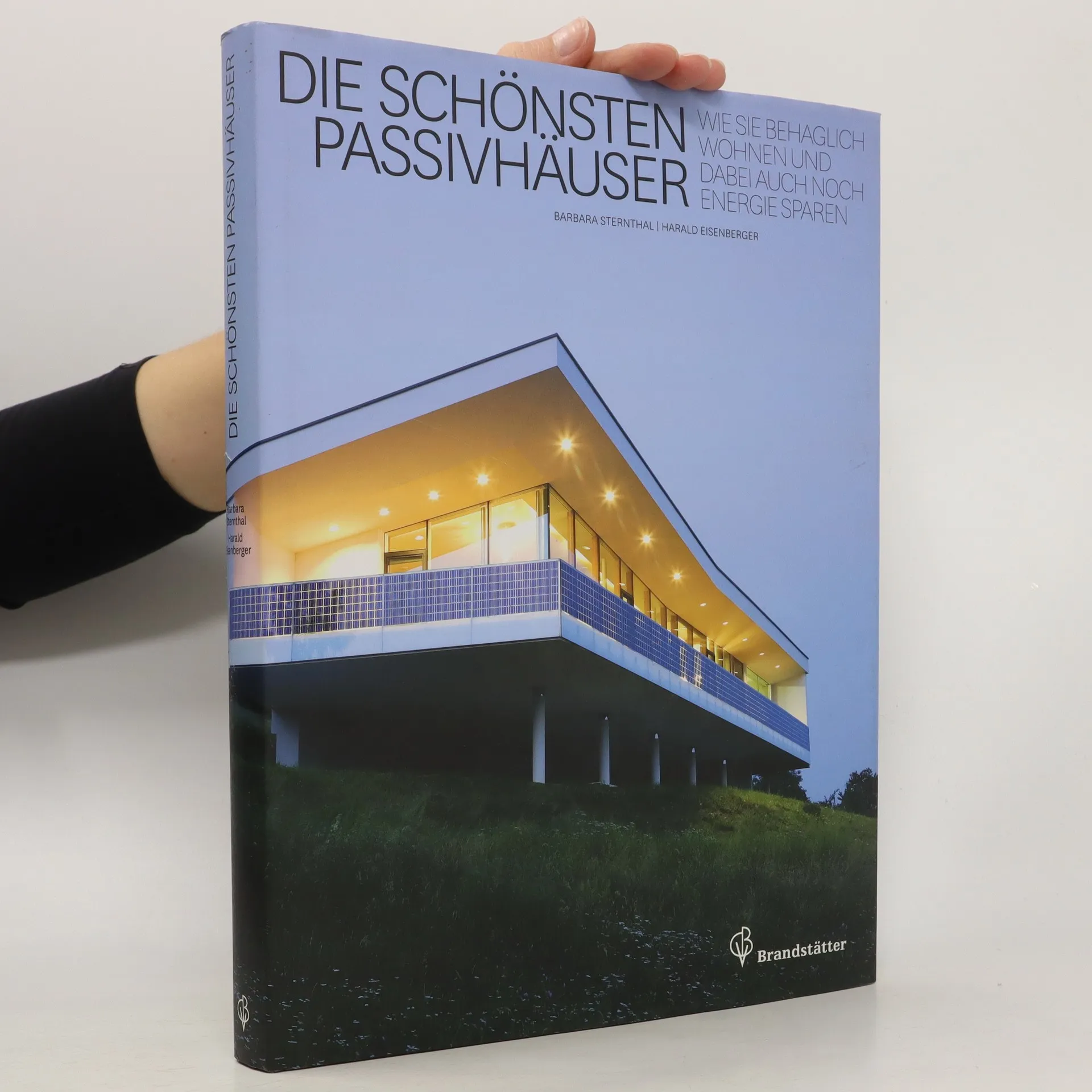
Die Aufmerksamkeit gegenüber unserer Umwelt hat in den letzten Jahren erfreulicherweise zugenommen. Vielen ist längst sonnenklar, dass eine Neuorientierung auch bei den eigenen vier Wänden unumgänglich ist. Wer sich mit Passivhäusern auseinandersetzt, sieht sich oft mit viel Theorie und zahlreichen Vorurteilen konfrontiert und bekommt den Eindruck: Passivhaus ist gut für die Umwelt, aber gar nicht gut fürs Wohlbefinden. Mit diesen Irrtümern wird nun aufgeräumt. Die Fotografien von Harald Eisenberger führen eindrücklich Gesamtbild und sinnvolle Details, elegante Architektur und den hohen Wohlfühlfaktor von Passivhäusern vor Augen. In Gesprächen mit deren Bewohnern stellt Barbara Sternthal Fragen nach dem Alltag in einem Passivhaus, erzählt von Baugeschichten, von modernem Design und erstklassiger Architektur. Ein Buch, das beweist, wie schön man bauen und wie behaglich man in einem Ambiente leben kann, das Lebensqualität auf unserem Planeten auch für die kommenden Generationen garantiert.
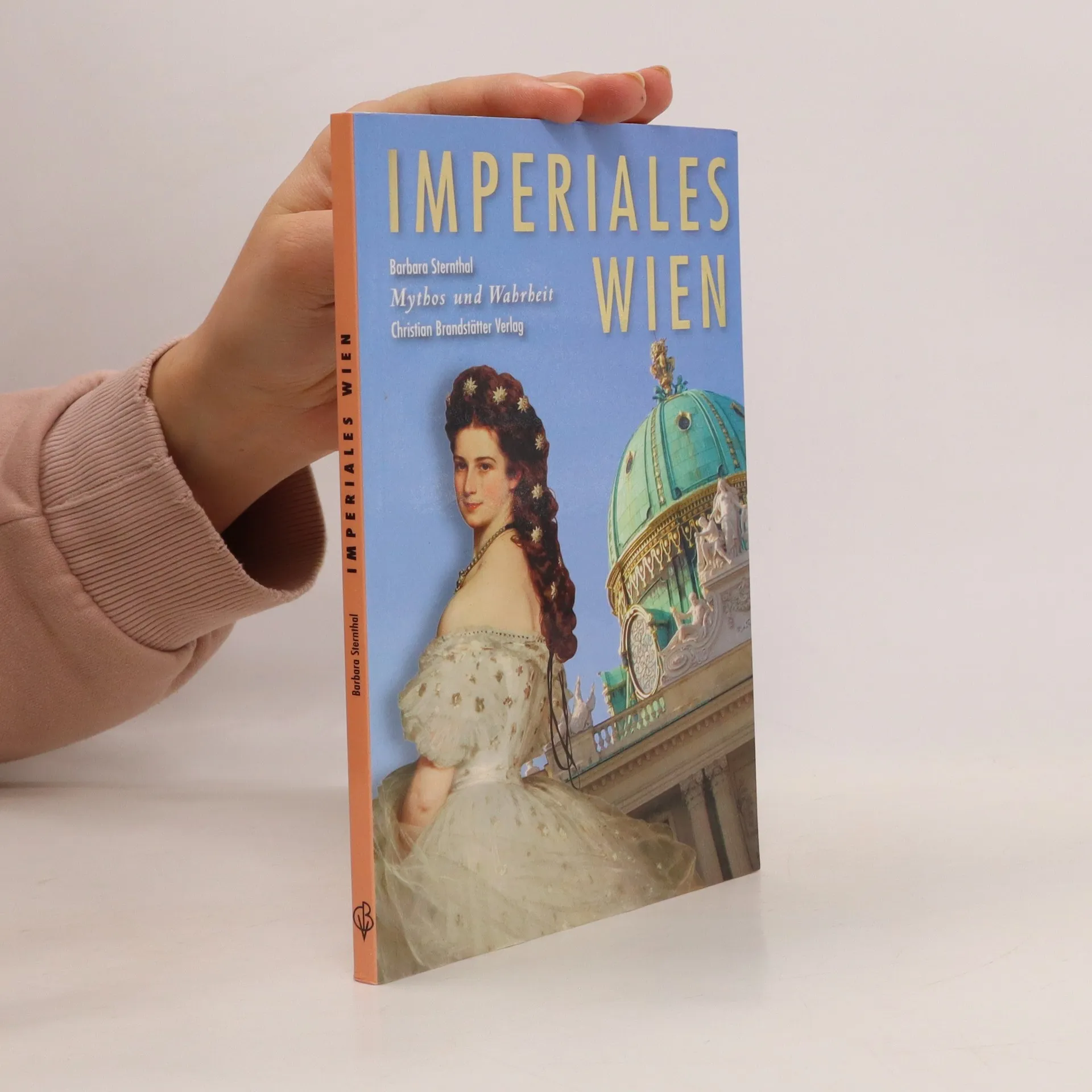
Sie sind gleichermaßen Zeugen einer prachtvollen Geschichte und beeindruckende architektonische Elemente einer lebendigen Metropole: Die Palais, die Schlösser und der große Komplex der Hofburg. Viele von ihnen erzählen von der Epoche der Habsburger, davon, wie sich Kaiser Karl VI. sein Jagdschloss erträumte und wie sich Maria Theresia »ihr« Schönbrunn schließlich von Nicolò Pacassi ausbauen ließ, wie Kaiser Franz Joseph von seinen Gemächern in der Hofburg aus ein riesiges Reich regierte und wie sich Elisabeth, die rätselhafte Kaiserin, ihre Aufenthalte in der Wiener Innenstadt mit der Ausstattung ihrer Appartements so erträglich wie möglich gestaltete. Aber auch vom stolzen Prinzen Eugen ist die Rede, der sich sein Belvedere mit einem Traumblick über die Altstadt Wiens bauen ließ. Und von jener Zeit, als sich das Antlitz Wiens vollständig veränderte, weil die alten Stadtmauern abgerissen wurden, um den berühmten Gründerzeitbauten – darunter die Hofoper und das Burgtheater, aber auch die blühenden Paradiese Burg- und Volksgarten – der Wiener Ringstraße Platz zu machen. Dieses Buch ist eine Reise durch Wien, eine Reise durch die Zeit, ein Blick hinter die historischen Kulissen einer der schönsten Städte der Welt.
Die Neue Wiener Werkstätte
- 191 pages
- 7 hours of reading
Entdeckungsreise von A-Z zwischen Inn und Enns, den Seen des Salzkammerguts und der spröden Schönheit des Mühlviertels. Keine Frage: Kremsmünster und St. Florian sind längst keine Geheimtipps mehr. Dasselbe gilt für Hallstatt oder Steyr. Doch Oberösterreich hat weit mehr an kulturellen Kleinodien zu bieten: Das obere Mühlviertel lockt mit moderner Kunst und alter Volkskultur, das Innviertel mit pittoresken Städten und Märkten, der Hausruck mit romantischen Fresken im Stift Lambach und in Zell am Pettenfirst mit einem Meisterwerk Thomas Schwanthalers. An der Eisenstraße im Südosten des Landes kommen auch Naturliebhaber auf ihre Kosten, und im Salzkammergut kann sich der Wanderer durch die Zeitläufe auf die Spuren von Kelten und Illyrern ebenso begeben wie auf jene des habsburgischen Kaiserhauses - Oberösterreich hält eben für jeden alles bereit.
Österreichs berühmtester Künstler der Jahrhundertwende: von Werk und Wesen Gustav Klimts. Sein Gemälde "Der Kuss" ist die Ikone des Wiener Jugendstils schlechthin, Reproduktionen seiner Bilder zählen zu den meistverkauften internationaler Museen. Seine Verdienste um den Bruch mit der Tradition und die Erneuerung der Kunst im Fin de Siècle sind unbestritten, seine Porträts der Damen der Wiener Haute Juive als umkämpfte Objekte geraubter Kunst nach wie vor in den Schlagzeilen der Presse, seine Tabubrüche - beispielsweise die Darstellung schwangerer Frauen - Legende: Gustav Klimt (1862-1918) ist der weltweit wohl berühmteste unter allen Künstlern Österreichs um die Wende vom 19. zum 20. Jahrhundert. Doch was weiß man über ihn als Mensch? Genügt es zu wissen, dass er vierzehn uneheliche Kinder hatte, dass er seinen weiblichen Modellen nicht nur als Mann, sondern auch väterlich-besorgt zugetan war, dass die elegante Emilie Flöge sein Lebensmensch, nicht aber seine Geliebte war? "Wer über mich etwas wissen will, der soll meine Bilder aufmerksam betrachten", ist einer der wenigen Sätze, die von dem diskreten Künstler überliefert sind. Barbara Sternthal hat nicht nur sein Œuvre aufmerksam betrachtet, sie hat sich mit Hilfe umfassender Quellen auf die Spur eines einzigartigen Künstlers gemacht, der wie kaum ein anderer heute so präsent ist wie zu seiner Zeit
Der Wiener Wald
- 144 pages
- 6 hours of reading
Niederösterreich
- 127 pages
- 5 hours of reading
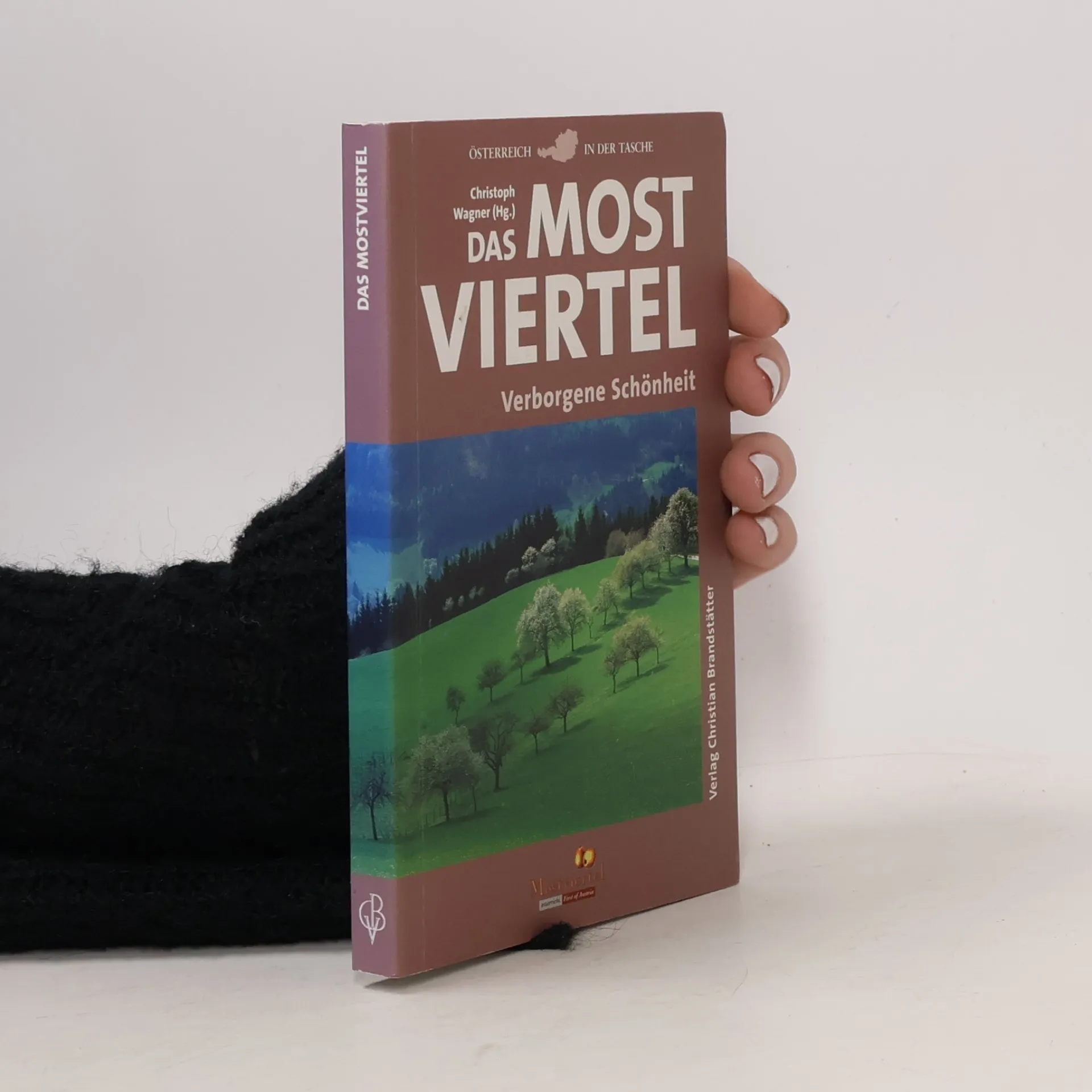
Das Mostviertel
- 144 pages
- 6 hours of reading
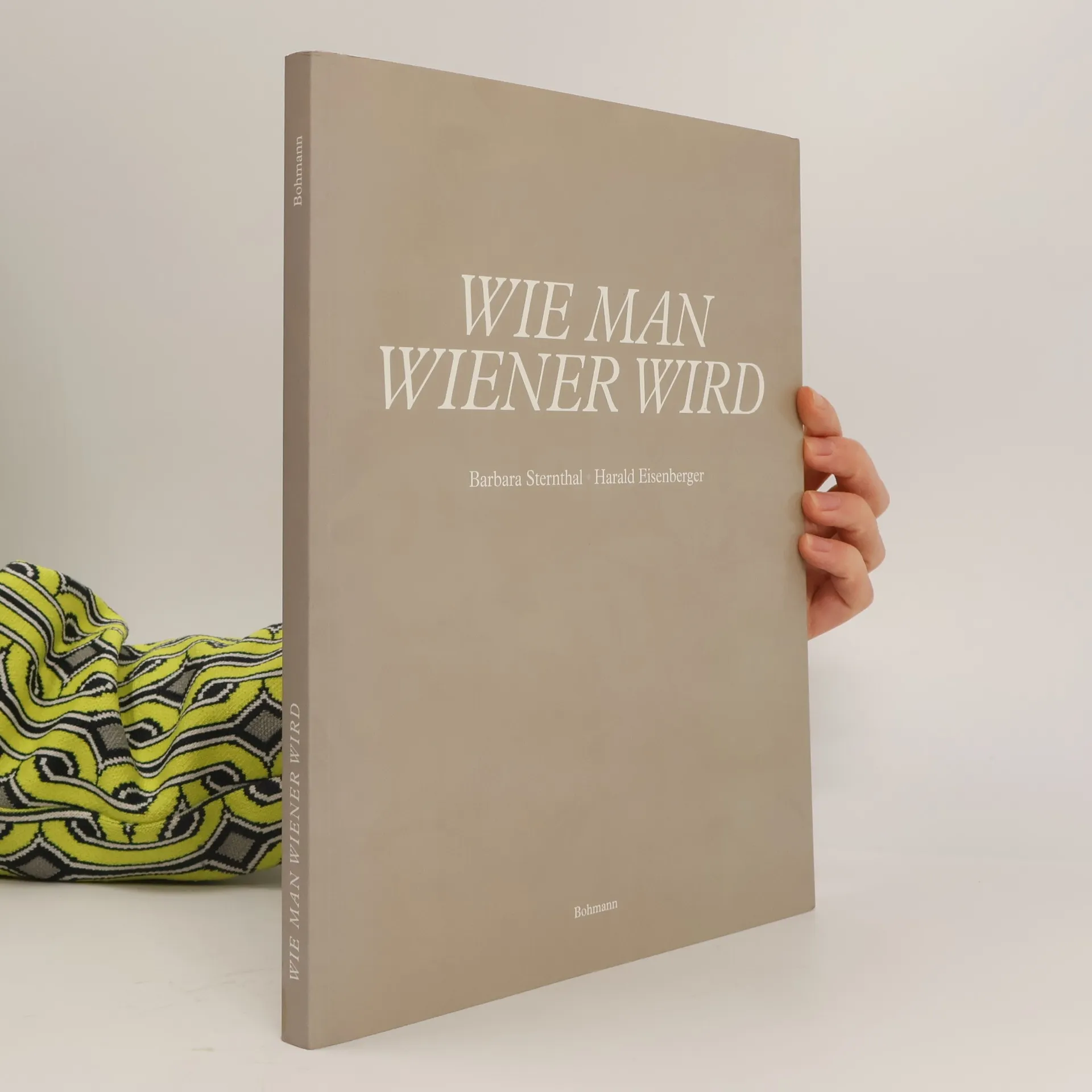
Wie man Wiener wird
- 160 pages
- 6 hours of reading
Kann man Wiener werden? Ja! Zwanzig Wahl-Wiener berichten von ihren Anfängen, Eindrücken und ihrem Leben in dieser facettenreichen Stadt. Wien, bekannt für die höchste Lebensqualität weltweit, zieht besondere Persönlichkeiten aus aller Welt an. Als boomende Wirtschaftsmetropole und Kulturzentrum finden viele hier ein neues Zuhause, sei es vorübergehend oder dauerhaft. Die Neuankömmlinge bringen unterschiedliche Perspektiven auf die Stadt und ihre Bewohner mit. Sie teilen ihre Erfahrungen: Wie leben sie in Wien? Was unterscheidet sich von ihrer Heimat? Welche Orte haben sie ins Herz geschlossen? Wie empfinden sie die Wiener Lebensart? Barbara Sternthal, eine der renommiertesten Sachbuchautorinnen Österreichs, beantwortet diese Fragen in zwanzig Porträts prominenter Persönlichkeiten aus Wirtschaft, Sport, Kunst, Kultur und Wissenschaft. Die eindrucksvollen Fotografien von Harald Eisenberger ergänzen die Geschichten und verleihen dem Buch einen hohen Bildanteil. Die Porträtierten umfassen unter anderem Antonella Anselmo, Ingela Bruner, Dimitré Dinev, Krysztof Dobrek, Stephan Ferenczy, Fabio Giacobello und viele mehr. Diese Sammlung öffnet den Blick auf eine bunte, lebendige und inspirierende Stadt.
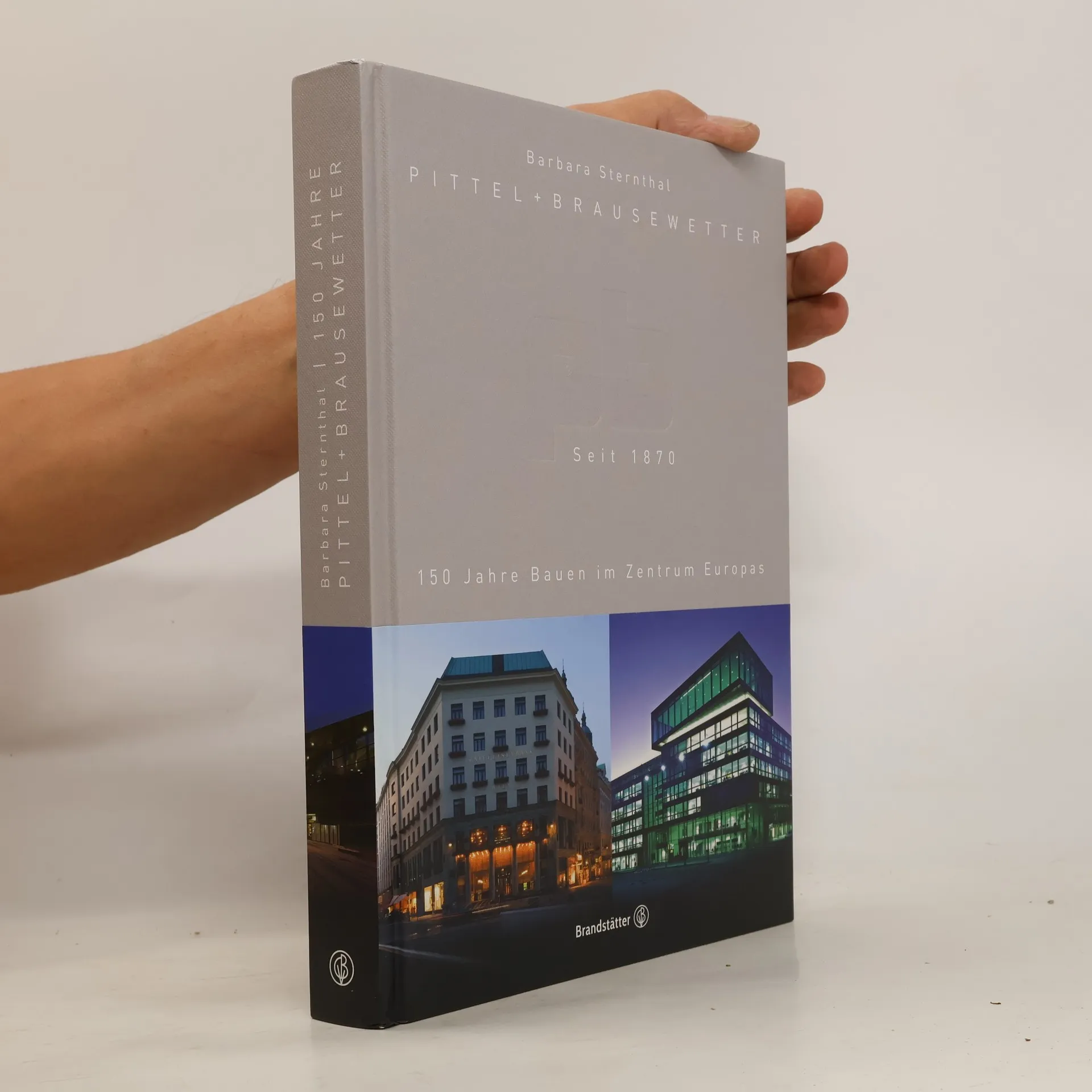
Pittel + Brausewetter. PB Seit 1870: 150 Jahre Bauen im Zentrum Europas
- 304 pages
- 11 hours of reading
Man schreibt das Jahr 1870. In wohltuender Distanz zur überhitzten Wiener Gründerzeitatmosphäre legt Baron Adolf von Pittel im Triestingtal den Grundstein für ein Unternehmen, zu dem bald der junge Ingenieur Victor Brausewetter stößt. In den Fokus von unternehmerischem Weitblick und technischem Know-how rückt mit Eisen bewehrter Beton, um schnell, solide und langlebig zu bauen. Unter der Leitung der Wiener Zentrale entstehen zahlreiche Industrie- und Infrastrukturbauten, aber auch meisterhafte Architektur wie das Loos- Haus auf dem Wiener Michaelerplatz. Heute zählt Pittel+Brausewetter zu den ältesten österreichischen Familienunternehmen in Privatbesitz. In seiner 150-jährigen Geschichte spiegelt sich nicht nur der Pioniergeist der Gründerväter wider, sondern auch die ökonomische, soziokulturelle und bautechnische Entwicklung Österreichs. Prägend aber sind vor allem die Menschen, die diesem zukunftsorientierten Unternehmen über Generationen Kontur und Charakter verliehen.
Niederösterreich / Lower Austria
- 127 pages
- 5 hours of reading
Salzburg
- 255 pages
- 9 hours of reading
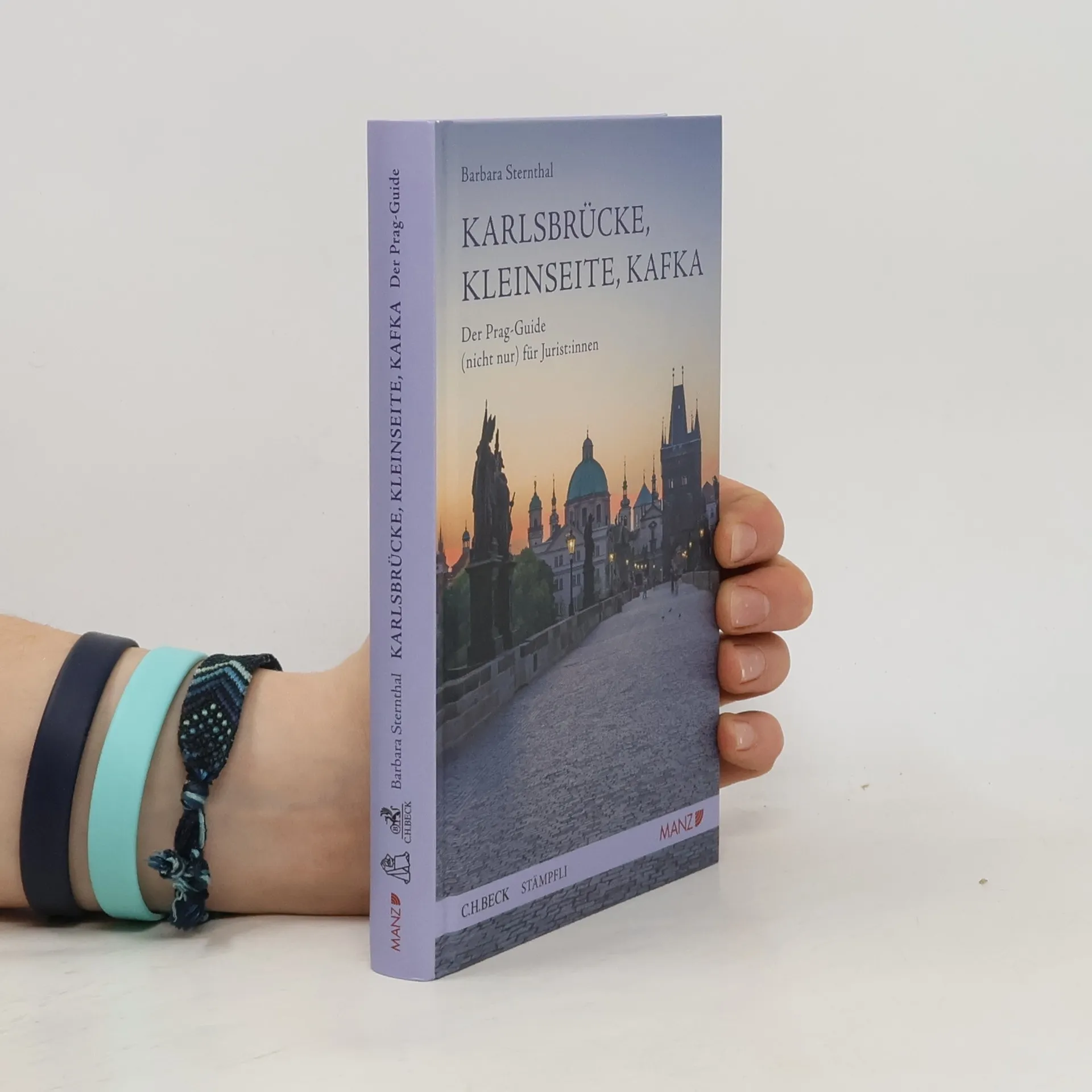
Karlsbrücke, Kleinseite, Kafka: Der Prag-Guide (nicht nur) für Jurist:innen
- 160 pages
- 6 hours of reading
Katalog k výstavě Tutanchamon - jeho hrob a poklady