"Deserts tend to excite the imaginations of armoured tacticians, who envision the wide-open spaces as perfect for swiftly manoeuvring large mechanized forces. However, both Allied and Axis commanders found their pre-war assumptions surrounding mechanized warfare challenged by the opening campaigns in the desert. A partly mechanized Italian army was destroyed in the first three months of the war. The Deutsches Afrika Korps entered the theatre with a battle-proven doctrine for conducting combined arms warfare, tanks that were effective and well-trained leaders and crews, only to find itself undone by a combination of Rommel's unsuitability for independent command and insufficient Axis theatre logistics. The British Army started the campaign with two different concepts of how to use armour -- either as fast, independent mechanized units capable of rapid manoeuvre or as plodding tools of infantry support; both concpets worked well against the Italian Army, but then frequently misfired against the Afrika Korps. In Desert Armour, Robert Forczyk has examined all these forces and operations to provide a focused analytic account of armoured operations in North Africa, placing the emphasis on the tactical and operational-level perspectives of both Allied and Axis combatants." --
Robert Forczyk Books
Robert Forczyk is an author with a strong background in European and Asian military history, informed by his doctoral studies in International Relations and National Security. His work delves into the strategic and political dimensions of historical conflicts, offering readers insightful analyses of pivotal moments. Forczyk meticulously examines the complex decisions and events that shaped warfare, providing a scholarly yet accessible exploration of military history. His writings appeal to those who appreciate rigorous research and a deep understanding of the forces that drive conflict.


The historical account details the strategic significance of Velikiye Luki during World War II, highlighting its transformation from a fortress city to a key rail hub. Following its occupation by German forces in August 1941, the city became a critical stronghold. The narrative focuses on the Soviet offensive in late 1942 aimed at encircling and dismantling the German garrison, leading to intense combat and destruction as the Soviets sought to cut off their supplies and ultimately reclaim the city.
Fw-200 Condor Vs Atlantic Convoys
- 80 pages
- 3 hours of reading
After the fall of France in 1940, Germany attempted to strangle Britain into submission by attacking the Atlantic Convoys, which brought much need supplies and war material from the USA and Canada. This book discusses the development of the Condor, and analyzes the various Allied responses.
Russian Battleship vs Japanese Battleship
- 80 pages
- 3 hours of reading
The first major clash between a European and Asian state in the modern era signalled the beginning of Japan's rise as a major power on the world stage. This title presents first-hand accounts and artwork to explain and illustrate this historically significant duel.
Port Arthur 1904–05
- 96 pages
- 4 hours of reading
A gripping, illustrated narrative of the longest and most brutal land battle of the 1904–05 Russo-Japanese War. Growing rivalry between Imperial Russia and Imperial Japan over territorial control in China and Korea led to the outbreak of war in February 1904. Japan struck the first blow with a surprise naval attack against the anchored Russian Pacific Fleet at its base in Port Arthur. Once the fleet had been neutralized, the Japanese landed their Second Army on the Liaotung Peninsula in May 1904, in order to besiege Port Arthur. The fighting that followed has become legend in military history. Respected military historian Robert Forczyk describes the Russian relief operation towards Port Arthur (the Battle of Telissu), and the lengthy siege of the Russian-held town and harbour. The initial Japanese attempts to capture the port by assault are documented in detail, together with the Japanese progress through the heavily fortified lines protecting Port Arthur. Specially commissioned artworks bring to life in vivid detail the Battle of Nanshan Hill, the Japanese assault on the Wantai Heights, and the bombardments of the Russian forts. Maps and diagrams explore the strategic situation and tactical progress of the fighting in step-by-step detail, and over 60 period photographs reveal the appearance and weaponry of the opposing forces and the terrain around Port Arthur.
Tank Warfare on the Eastern Front, 1941-1942
- 296 pages
- 11 hours of reading
Graphic, authoritative account of armoured warfare in the Soviet Union from Operation Barbarossa to the Battle of Stalingrad. In-depth analysis of German and Soviet armoured tactics and equipment.
The final part in a three-book series on the Battle of Stalingrad, examining the Soviet encirclement, German relief efforts, and the final surrender of Paulus' 6.Armee. Having fought hard just to reach the outskirts of Stalingrad, the Axis forces found themselves embroiled in a protracted urban battle amid the ruins of a devastated city on the Volga. The Soviet Red Army was able to hold onto the city then mount a surprise winter counter-offensive known as Operation Uranus, which succeeded in encircling the German 6.Armee at Stalingrad. Despite a desperate German relief operation, the Red Army eventually crushed the 6.Armee and hurled the remnants of the German southern front back in disorder. This third and final volume in the Stalingrad trilogy begins just after the German 6.Armee has been isolated at Stalingrad, and covers the period from 24 November 1942 to 2 February 1943. The specially commissioned maps and 3D diagrams guide the reader in step-by-step, easily to follow detail through the German relief operation (Wintergewitter), the fighting on the Chir River, and the Soviet operations Koltso and Little Saturn, and are complimented by the battlescene artworks that vividly depict the harsh conditions experienced by the common soldiers fighting on both sides.
Tank Warfare on the Eastern Front 1943-1945
- 288 pages
- 11 hours of reading
A major reassessment of the greatest tank war in history.
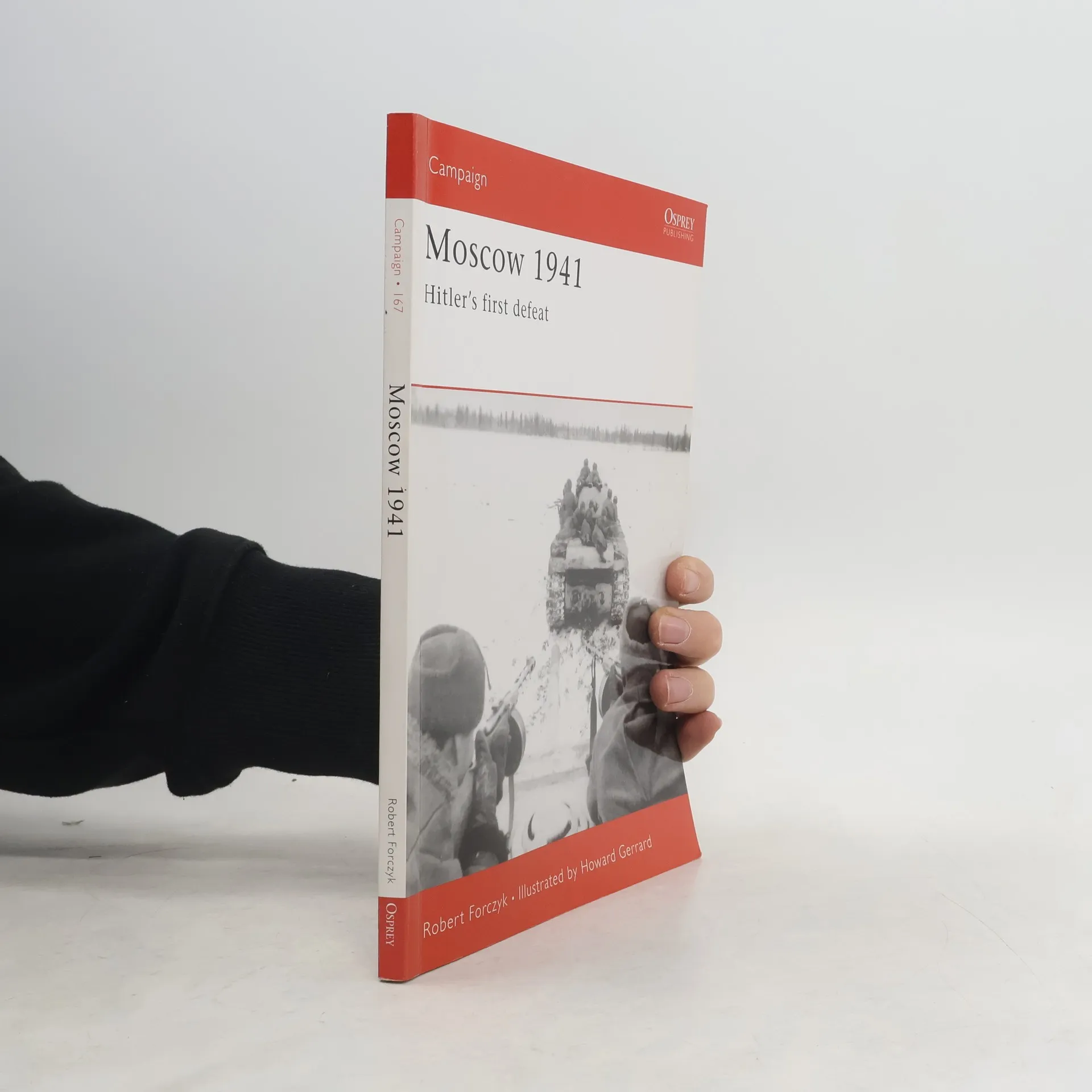
Campaign - 167: Moscow 1941: Hitler's First Defeat
- 96 pages
- 4 hours of reading
In late September 1941 the war in the east was approaching a climax. Since the beginning of the German invasion on 22 June 1941, Soviet forces had suffered the staggering loss of over 2 million troops. Operation Typhoon began and in the first week of the offensive, the three German panzer armies surrounded virtually the bulk of the Soviet forces barring the way to Moscow. This title details the dramatic battle that took place right up to the suburbs of Moscow itself, and the defeat which altered Hitler's strategic management of World War II (1939-1945).
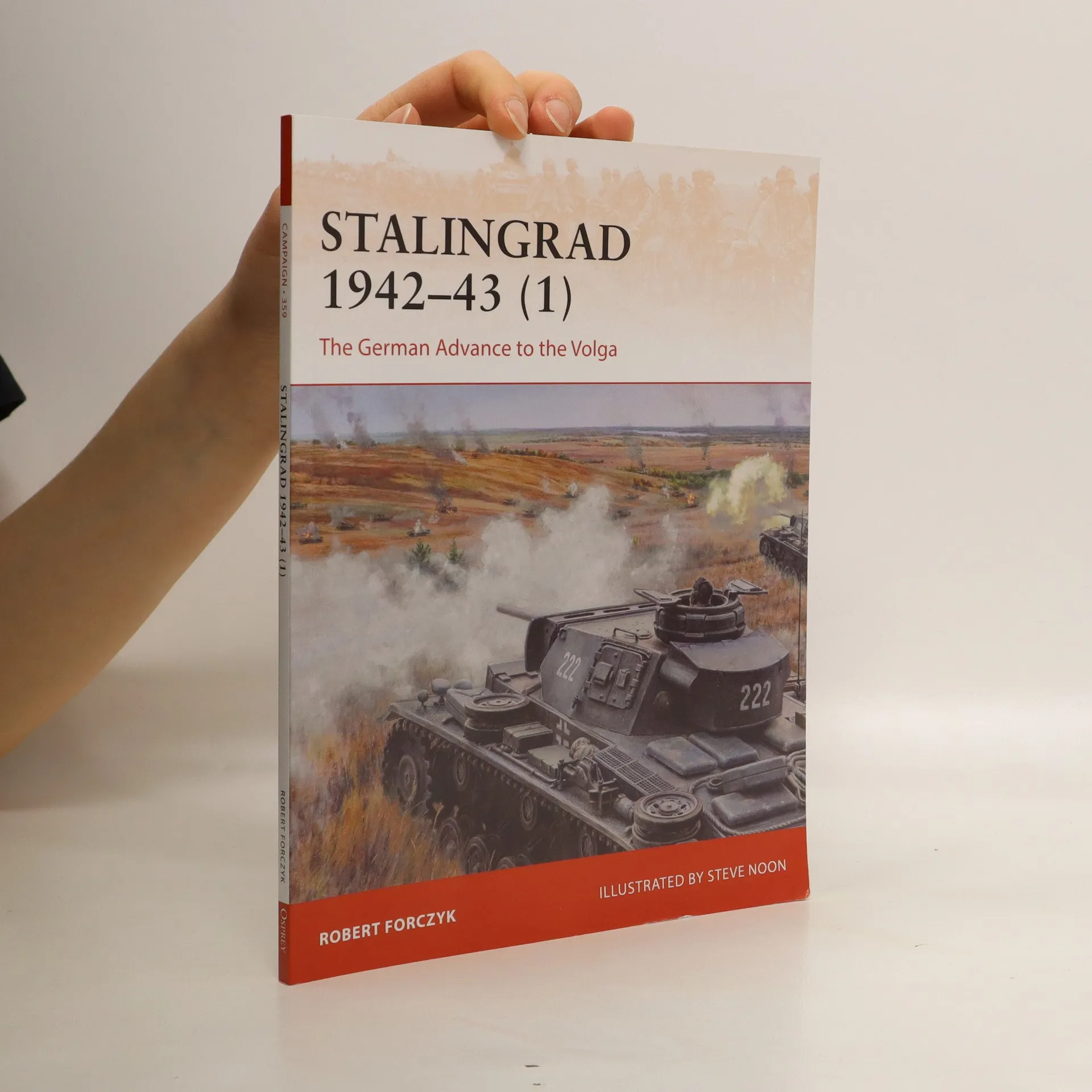
The second in a three-part series examining the Stalingrad campaign, one of the most decisive military operations in World War II, that set the stage for the ultimate defeat of the Third Reich.In early September 1942, Hitler believed that Stalingrad was about to 6.Armee and 4.Panzer-Armee had reached the outskirts, and they were ordered to conclude the capture of the city as soon as possible. However, this proved easier said than done. On 13 September, the direct German assault was launched on the city on the Volga, already devastated by massive Luftwaffe raids. A protracted urban battle followed amid the ruins. Although hit hard by the initial German offensive, the ruthless and obstinate Red Army was able to hold onto the city through the costly battle of attrition that sacrificed huge amounts of men and materiel. This second volume in the Stalingrad trilogy, written by a foremost expert on the military history of the Eastern Front, brings the fighting in the city to life in full visual detail, including the iconic battles at the Krasny Oktyabr Steel Plant, the Grain Elevator, the Barrikady and STZ factories, the 'Tennis Racquet' and Rynok–Spartanovka. Drawing from sources on both sides, it offers a truly comprehensive account of history's greatest urban battle.
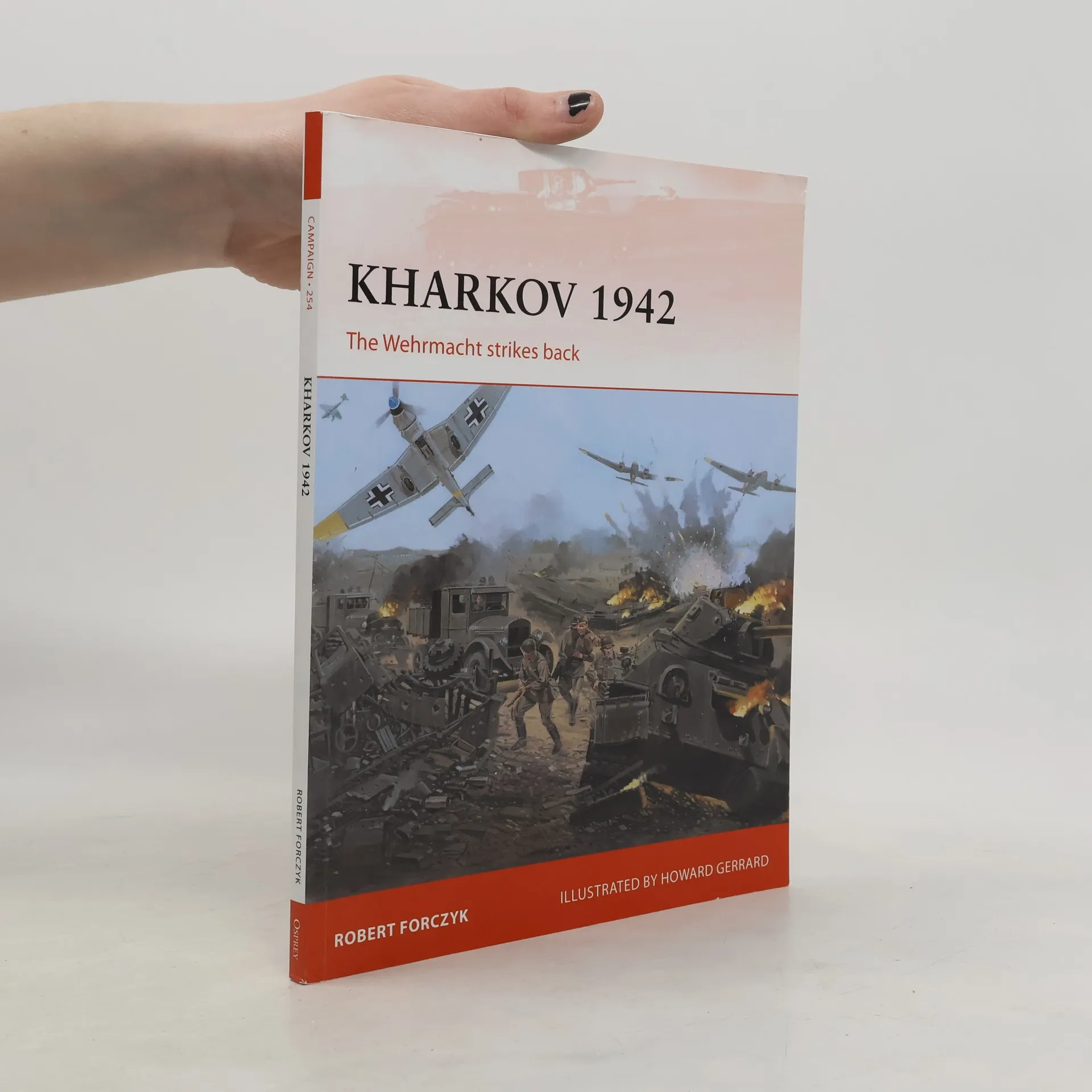
Campaign - 254: Kharkov 1942: The Wehrmacht Strikes Back
- 96 pages
- 4 hours of reading
Under Marshal Semyon Timoshenko, the Stavka's remaining reserves were assembled and prepared to conduct a breakthrough attack intended to encircle the German Sixth Army near Kharkov. However, Stalin was unaware that the Germans were planning their own riposte at Kharkov, known as Operation Fredericus.
Case White
- 384 pages
- 14 hours of reading
Now available in paperback, this fascinating title from renowned World War II historian Robert Forczyk tells the story of Case White, the German invasion of Poland in 1939.
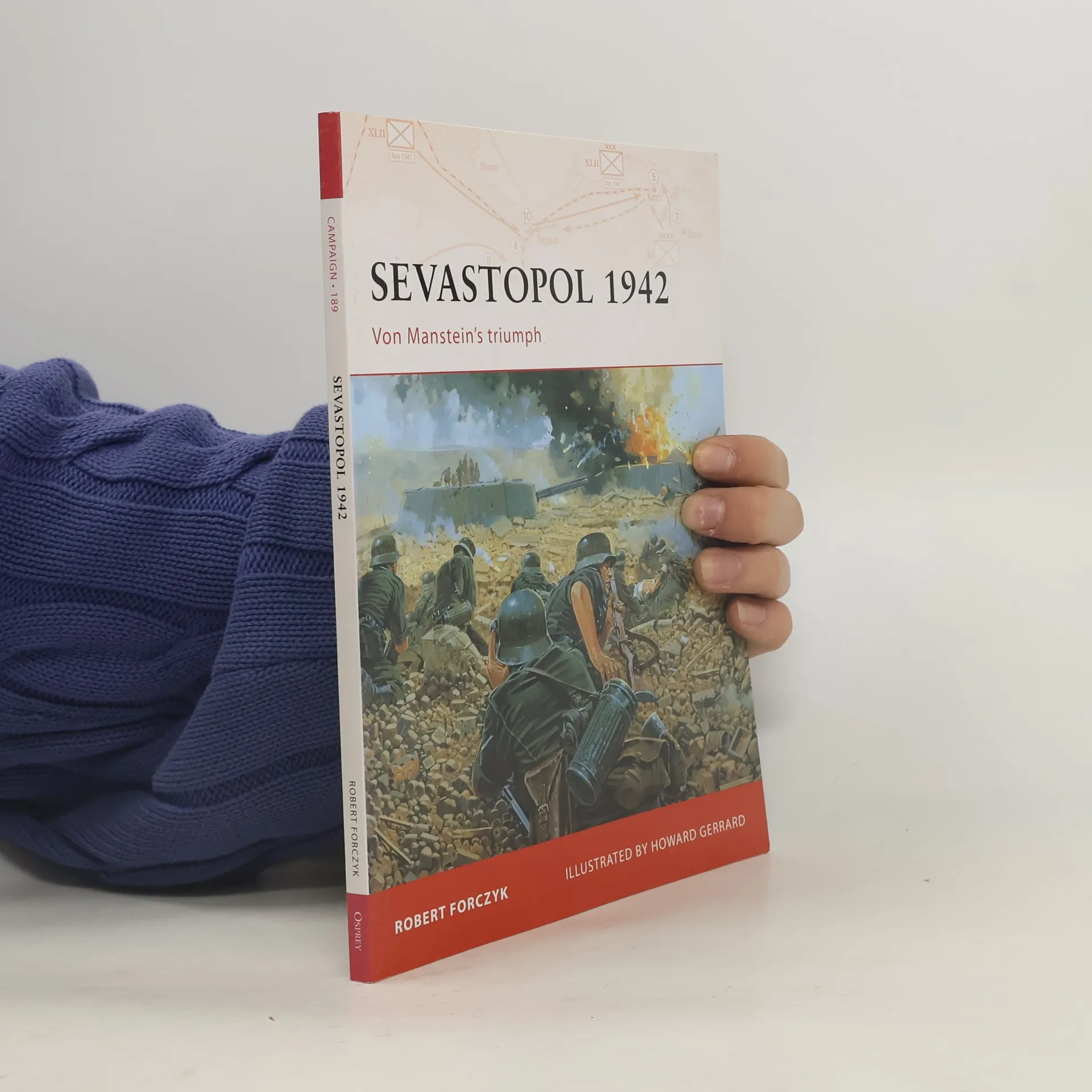
In late July 1941, Hitler ordered Army Group South to seize the Crimea as part of its operations to secure the Ukraine and the Donets Basin, in order to protect the vital Romanian oil refineries at Ploesti from Soviet air attack. After weeks of heavy fighting, the Germans breached the Soviet defenses and overran most of the Crimea. By November 1941 the only remaining Soviet foothold in the area was the heavily fortified naval base at Sevastopol.Operation Sturgeon Haul, the final assault on Sevastopol, was one of the very few joint service German operations of World War II, with two German corps and a Romanian corps supported by a huge artillery siege train, the Luftwaffe's crack VIII Flieger Korps and a flotilla of S-Boats provided by the Kriegsmarine. This volume closely examines the impact of logistics, weather and joint operational planning upon the last major German victory in World War II (1939-1945).
The book explores the evolution of armored warfare in North Africa during World War II, focusing on key events from Rommel's Gazala offensive in 1942 to the conclusion of the conflict in Tunisia in 1943. It delves into military strategies, technological advancements, and the impact of terrain on combat operations, providing a detailed analysis of the significant battles and tactics employed by both Axis and Allied forces in this crucial theater of war.
Wojna pancerna na Froncie Wschodnim 1941-1942
- 556 pages
- 20 hours of reading
Obrazowa, pogłębiona, niezwykle szczegółowa analiza największych bitew pancernych II wojny światowej na froncie wschodnim, między innymi pod Leningradem, Moskwą, Kijowem, Charkowem, Stalingradem i na Kaukazie. W jaki sposób wojska pancerne Armii Czerwonej zdołały pokonać wychwalane czołgi Wehrmachtu, podążające na czele Blitzkriegu rozpoczętego przez III Rzeszę przeciwko Związkowi Sowieckiemu w dniu 22 czerwca 1941 roku? W jaki sposób dwie najpotężniejsze armie zmotoryzowane doskonaliły taktykę i uzbrojenie w czasie bezlitosnej walki toczonej na froncie wschodnim? Wnikliwa praca Roberta Forczyka czołowego eksperta historii wojny pancernej, który poświecił się badaniom działań bojowych na froncie wschodnim w czasie II wojny światowej przedstawia fascynujące, nowe spojrzenie na walki pancerne tamtego okresu. Autor wykorzystał niemieckie, rosyjskie i angielskie źródła, aby sporządzić pierwszy tak wyczerpujący obraz i pogłębioną analizę wojny pancernej widzianej oczami obu stron konfliktu zarówno Niemców, jak i Sowietów. Takie przedstawienie największej wojny pancernej w historii jest niezwykłą, fascynującą lekturą dla każdego pasjonata II wojny światowej
Tam, gdzie rosną Żelazne Krzyże. Krym 1941-1944
- 368 pages
- 13 hours of reading
Polskie wydanie zawiera specjalne, zaktualizowane przez autora postscriptum przedstawiające losy Krymu aż do najazdu Rosji na Ukrainę w 2022 roku. Krym w ciągu całej historii był areną konfliktów. W XVIII wieku został zajęty przez Rosję. W następnym stuleciu toczyła się wojna krymska. Walczono o niego podczas rosyjskiej wojny domowej i II wojny światowej. Do dziś pozostaje terenem spornym, który wywołuje napięcia między Wschodem a Zachodem. Półwysep Krymski był swoistym mikrokosmosem wojny na froncie wschodnim. Najpierw armie radzieckie, a potem niemieckie zostały tam otoczone, pobite i zniszczone. Starciom towarzyszyły masowe mordy i czystki etniczne, podczas których obie strony osiągały nowe poziomy barbarzyństwa w traktowaniu cywilów. Pod innymi względami jednak charakter działań na Krymie był wyjątkowy. Ważną rolę podczas krwawych walk odegrały siły morskie odpowiedzialne za desanty, konwoje i ewakuację żołnierzy. Książka Roberta Forczyka, oparta na badaniach archiwalnych w Niemczech i Rosji, rzuca nowe światło na ważny teatr działań wojennych na froncie wschodnim. Polskie wydanie zawiera specjalne, zaktualizowane przez autora postscriptum przedstawiające losy Krymu aż do najazdu Rosji na Ukrainę w 2022 roku.
Fall Weiss. Najazd na Polskę 1939
- 464 pages
- 17 hours of reading
Doskonałe podsumowanie polskiej kampanii 1939 - Russ Lockwood, hmgs.org. Robert Forczyk, wykorzystując bogate doświadczenie historyka i oficera US Army, demaskuje mity narosłe wokół najazdu Niemiec na Polskę we wrześniu 1939 roku, któremu niemieccy sztabowcy nadali kryptonim Fall Weiss (Wariant biały). Mity oparte na propagandzie, przekłamaniach zachodnich i radzieckich wojskowych i polityków, lenistwie historyków. Autor udowadnia, że Fall Weiss nie był modelowym przykładem blitzkriegu, lecz dość konwencjonalną kampanią, podczas której Wehrmacht dopiero się uczył, jak wykorzystywać w walce czołgi i bombowce nurkujące. Przedstawia rozwój polskiej doktryny militarnej, organizację armii, koncepcje rozbudowy przemysłu zbrojeniowego, projekty produkcji nowych rodzajów uzbrojenia i sprzętu, działania wywiadu. Dowodzi, że Wojsko Polskie było dobrze uzbrojone i wyposażone, walczyło odważnie, ale wytyka także polskie błędy militarne, polityczne i gospodarcze, które wraz z radziecką inwazją doprowadziły do klęski. Choć jednak Niemcy i Związek Radziecki wspólnie pokonali Polskę, naród polski nie stracił bojowego ducha, a liczni żołnierze i lotnicy kontynuowali walkę na innych frontach.
Fall Rot. Upadek Francji 1940
- 464 pages
- 17 hours of reading
Pełen obraz najazdu na Francję. Nawet po legendarnej ewakuacji z Dunkierki we Francji w czerwcu 1940 roku nadal przebywały znaczne siły brytyjskie, które walczyły ramię w ramię z sojusznikiem. Aby przypieczętować zwycięstwo, Niemcy przeprowadzili Fall Rot (Wariant czerwony). Ofensywa w ciągu kilku tygodni doprowadziła do całkowitego załamania alianckiego oporu i kolejnej ewakuacji, tym razem z portów w Hawrze, Cherbourgu, Breście i Saint-Nazaire. Gdy Francja upadała, politycy planowali zawieszenie broni, a część żołnierzy zamiast kapitulacji wybierała ucieczkę do Anglii lub Afryki Północnej. Forczyk szczegółowo opisuje cały przebieg najazdu na Francję, łącznie z rzadko analizowaną w opracowaniach drugą połową kampanii. Przedstawia ignorowane często przez historyków działania polskich jednostek lądowych i lotniczych w czerwcu 1940 roku. Demaskuje mity o niekompetencji francuskich żołnierzy i ich braku chęci do walki. Ukazuje w nowym świetle wojskowy, polityczny i ludzki dramat upadku Francji i wyjaśnia, jak ta katastrofa wpłynęła na stosunki między aliantami na dalszym etapie wojny.
Wojna pancerna na froncie wschodnim 1943-1945
- 528 pages
- 19 hours of reading
Tom II pogłębionej analizy największej wojny pancernej w historii. Robert Forczyk, wykorzystując niemieckie, rosyjskie i angielskie źródła, opisuje przemiany wojny pancernej w każdej fazie walk na froncie wschodnim. To pogłębiona analiza działań czołgów oraz innych pojazdów pancernych w wielkich kampaniach między innymi pod Leningradem, Moskwą, Kijowem, Charkowem, Stalingradem i na Kaukazie. Książka szczegółowo opisuję taktykę i uzbrojenie czołgów oraz przedstawia ich sprawdzian w walce
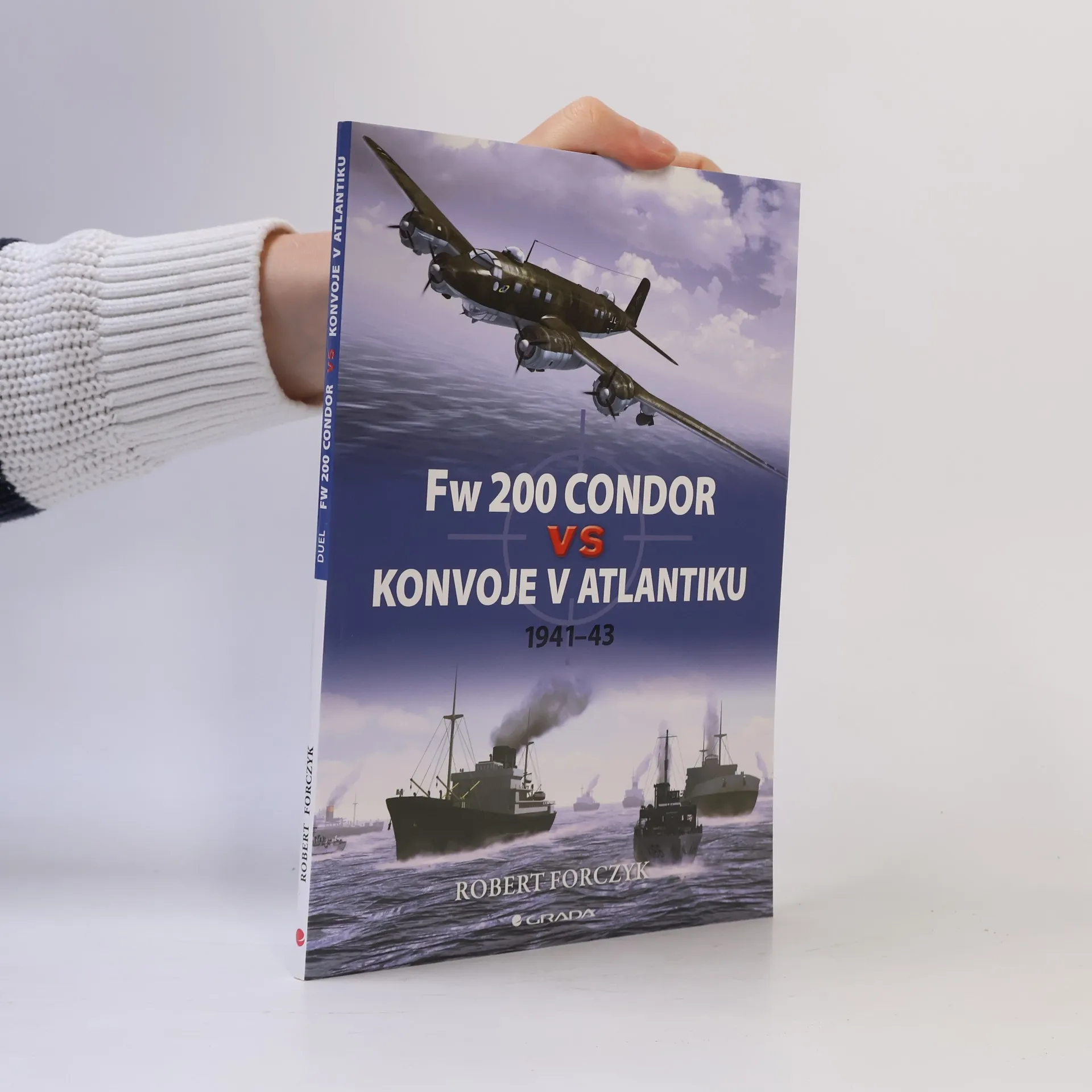
Fw 200 Condor vs konvoje v Atlantiku : 1941-43
- 80 pages
- 3 hours of reading
Tématem tohoto svazku edice Duel je průběh souboje mezi bojovými letouny Luftwaffe, konkrétně mezi upraveným, původně civilním dopravním letadlem Fw 200 Condor, a obranou britských konvojů po pádu Francie v roce 1940. V létě 1941 byly akce letounů Condor v decimování britských obchodních lodí natolik úspěšné, že je Winston Churchill nazval "metlou Atlantiku". Autor knihy popisuje vývoj letounu Condor a analyzuje různá protiopatření Spojenců, která se s touto hrozbou měla vypořádat, počínaje ozbrojením obchodních plavidel přes eskorty Královského námořnictva až po stíhací letouny Grumman Martlet a Sea Hurricane, vzlétající z katapultů na upravených obchodních lodích či zvlášť postavených letadlových lodí. Na řadě příkladů je dokumentován technický důvtip a nevšední pružnost obou stran reagovat na novou strategii nepřátelské strany.
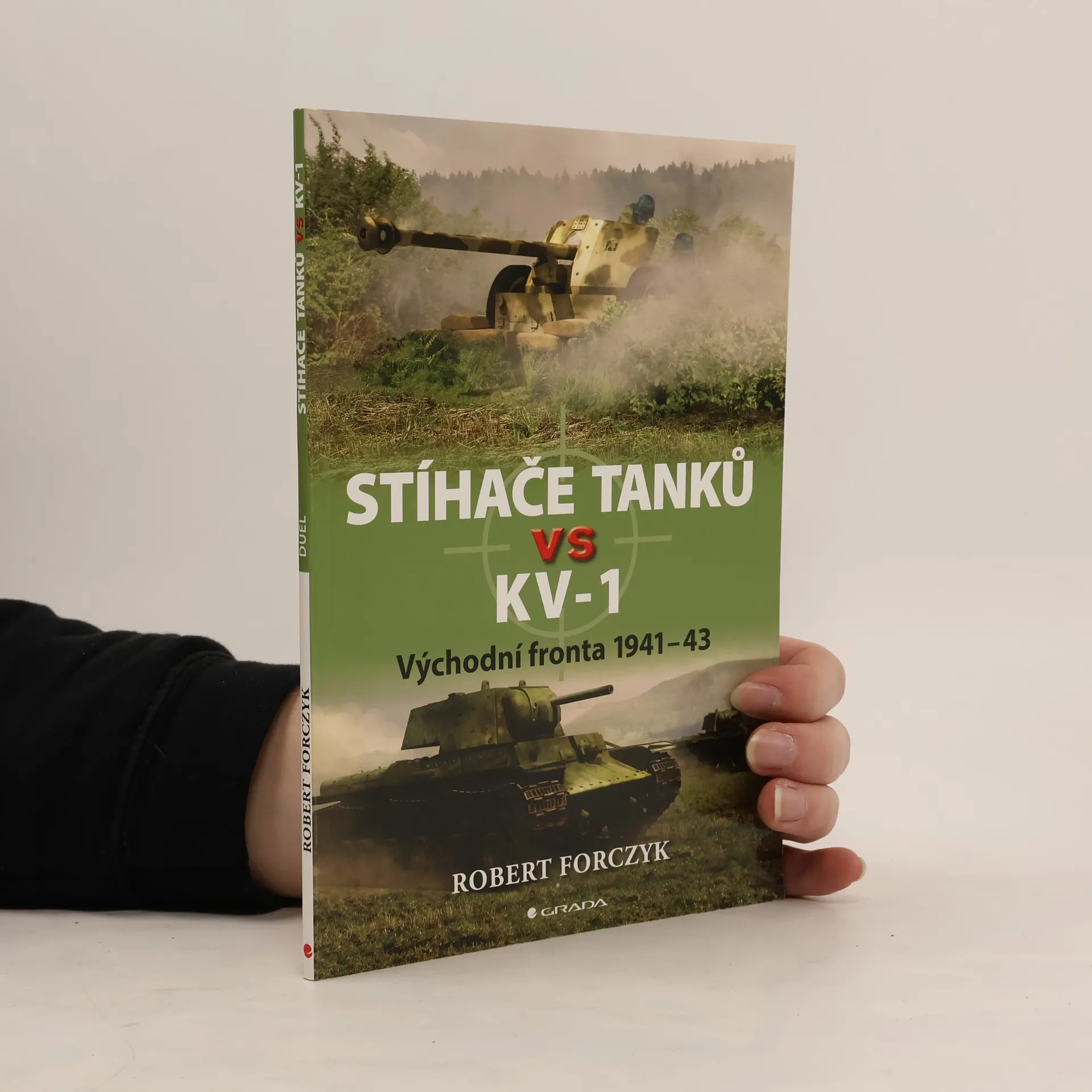
Stíhače tanků vs KV-1 : východní fronta 1941-43
- 80 pages
- 3 hours of reading
Německé protitankové dělostřelce v červnu 1941 tank KV-1 naprosto překvapil a po celý další rok s ním museli svádět velmi nerovné souboje. Technické předpoklady wehrmachtu týkající se boje proti tankům - že protitankové kanony ráže 3,7 cm a 5 cm budou prozatím stačit - se ukázaly katastrofálně chybné. Představen je sovětský program vývoje těžkého tanku a ti, kdo se na něm podíleli, takticko-technické parametry modelů KV-1 (KV = Kliment Vorošilov), stejně jako německých protitankových zbraní, které na sovětskou techniku nestačily až do poloviny roku 1942, kdy byly konečně nasazeny větší samohybné protitankové prostředky. Ani ty však definitivní porážce Německa už nezabránily.
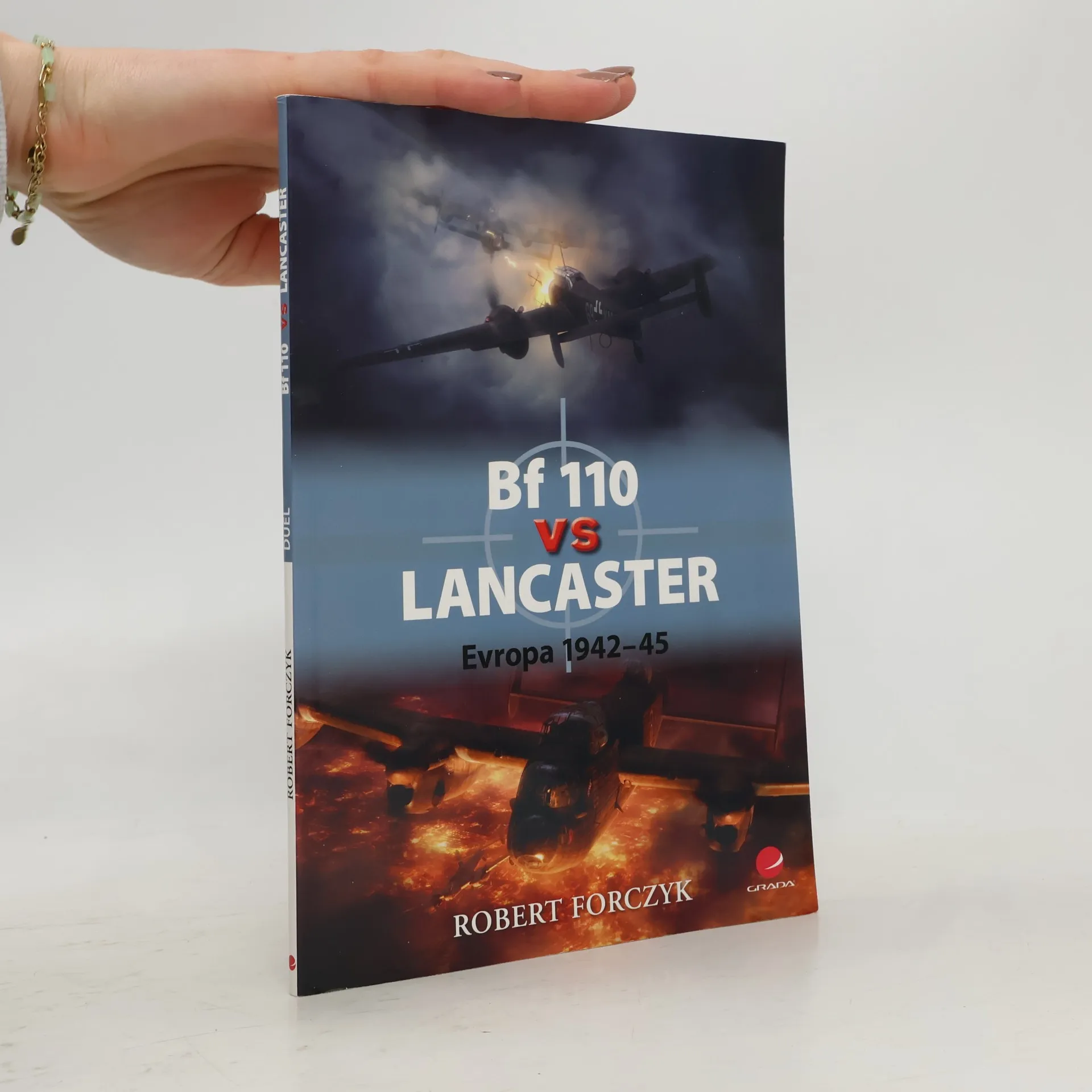
Bf 110 vs Lancaster : 1942-45
- 80 pages
- 3 hours of reading
V hodnocení tohoto svazku edice Duel nešetří britští čtenáři superlativy. Proč? Nejde tu totiž jen o typický technický popis obou letounů, jejich předností a záporů, ale daleko více o brilantní vylíčení jiných okolností, které smrtelné souboje britských bombardérů a německých stíhačů podstatně ovlivňovaly. Patří sem například nemilosrdná analýza postupu velení štábu britského letectva, neschopnost britských zpravodajských služeb, včasné nasazení technických inovací, které Němcům umožnily přes protivníkovu převahu dlouho vzdorovat. Autor tuto knížku přímo napěchoval trefnými rozbory, technickými podklady a postřehy a v neposlední řadě i skvělými fotografiemi a ilustracemi. To vše a ještě mnohé jiné umožňuje čtenářům lépe porozumět tomu, proč boje na noční obloze probíhaly právě tak, jak se odehrály, a ne jinak.
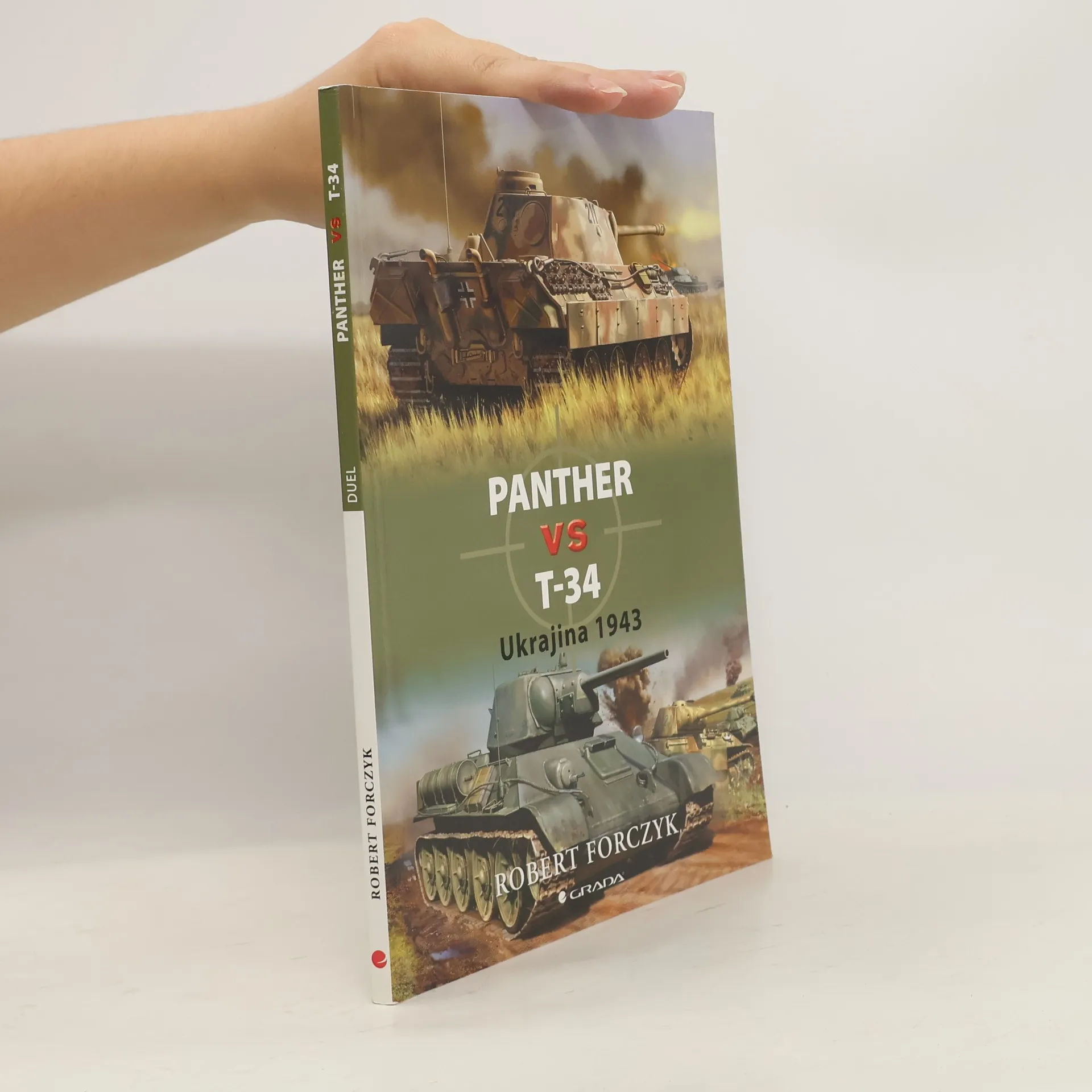
Panther vs T-34 - Ukrajina 1943
- 80 pages
- 3 hours of reading
Robert Forczyk podává strhující a vyčerpávající rozbor vývoje a výroby těchto dvou nesmiřitelných protivníků, tanků Panther a T-34, analyzuje jejich přednosti a nedostatky, popisuje taktické zásady, výzbroj a výcvik jejich osádek. Navíc umožňuje nahlédnout do některých okamžiků života konkrétních tankových osádek, jež se zúčastnily největších bitev pozemních vojsk během druhé světové války, které zároveň patří k nejvýznamnějším bojovým akcím vojenských dějin. Detailní rozbor jednotlivých bojů ukazuje, jaké počty zbraní měly obě strany k dispozici.
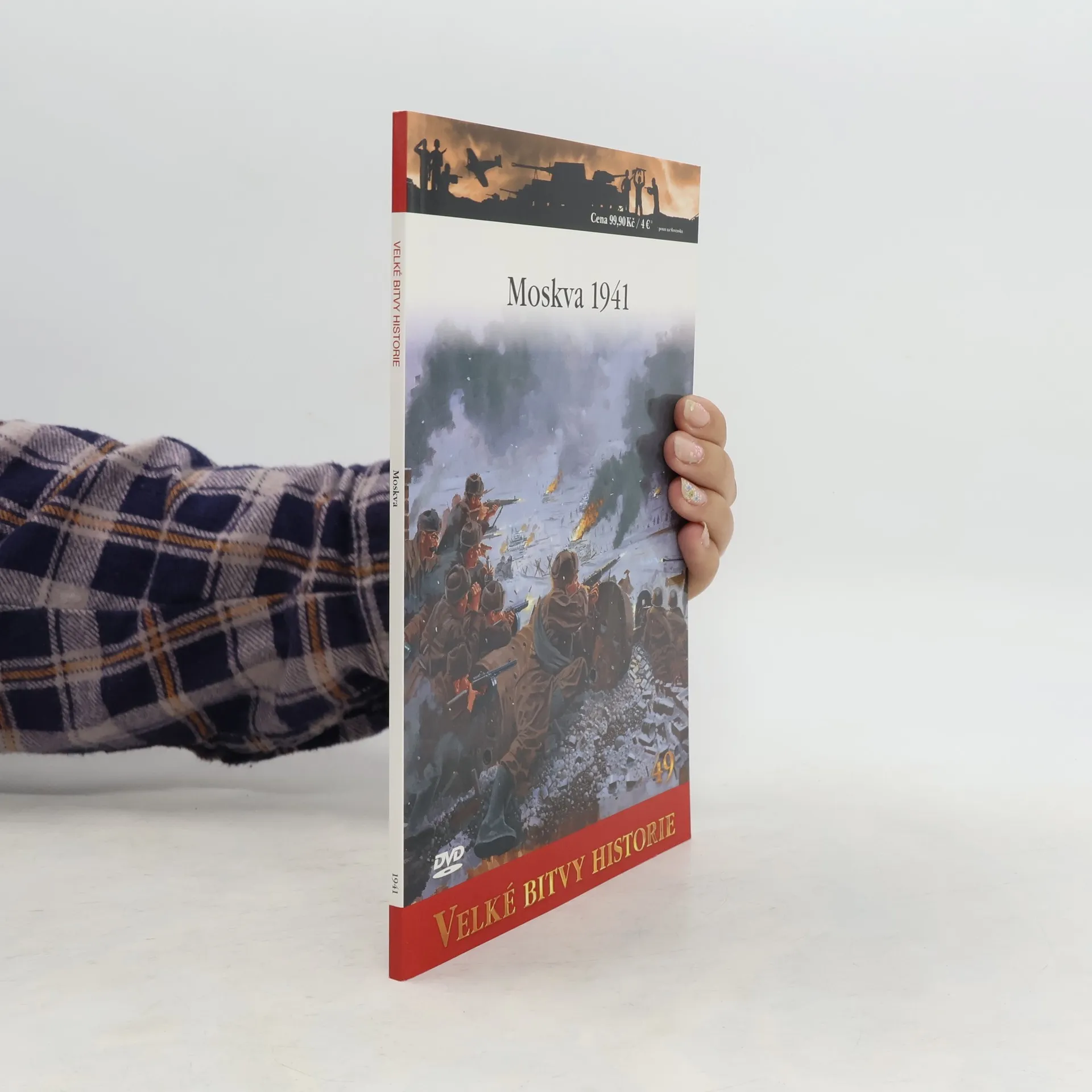
Moskva 1941 - Hitlerova první porážka
- 96 pages
- 4 hours of reading
Na konci září 1941 ztratila Rudá armáda ve válce již přes dva miliony vojáků a německý vůdce Adolf Hitler rozhodl o nasazení svých doposud vítězících vojsk proti hlavnímu městu SOvětského svazu – Moskvě. Pomalu se blížil konec roku a Němci zjistili, že hrají závod s časem, pokud mají svůj poslední úder provést ještě před příchodem tuhé ruské zimy. Rovněž sovětský vůdce Josif Vissarionovič Stalin zoufale bojoval s časem; jemu šlo zase o to, aby k obraně Mosky stihl přesunout co nejvíce vlastních vojsk. Publikace provádí detialní rozbor německé útočné operace Taifun, jež patří k nejrozsáhlejším německým útočným operacím v průběhu druhé světové války, a navíc má ten význam, že se stala první velkou Hitlerovou porážkou ve válce.
Sevastopol 1942
- 96 pages
- 4 hours of reading
Adolf Hitler ve své směrnici z konce červnece 1941 přikázal Skupině armád Jih obsadit Krym, aby se zabránilo sovětským leteckým útokům na rumunská ropná pole v prostoru Ploiesti. Splnění rozkazu bylo svěřeno slabé 11. armádě generálplukovníka Ericha von Mansteina. Jeho jednotky na konci září 1941 zaútočily na rozsáhlá sovětská opevnění na Pěrekopské šíji a v květnu 1942 vyčistily od nepřítele Kerčský poloostrov. Po likvidaci nebezpečí z týlu německý velitel shromáždil své síly (dva německé a jeden rumunský sbot) a poslal je proti hlavní sovětské základně na Krymu, proti Sevastopolu. Knížka podává podrobný rozbor tohoto posledního velkého vítězství německých vojsk na východoevropském válčišti. Zároveň objasňuje, jak velký význam mělo na průběh bojových akcí zásobování vojsk, počasí a plánování na obou stranách. Kniha podrobně popisuje poslední velké německé vítězství a objasňuje vliv počasí i bojových plánů obou stran na průběh bitvy.