

Explore the latest books of this year!
Bookbot

Anne-Kathrin Hinz

    Candida Höfer
    Zeugnis. Zweifel. Zeichen
    • Zeugnis. Zweifel. Zeichen

      Zeitgeschichte in der abstrakten Malerei in Deutschland nach 1945

      • 456 pages
      • 16 hours of reading

      Abstrakte Bilder mit ihrer häufig deutungsoffenen Bildsprache erschweren nicht nur Betrachter*innen den Zugang, sondern auch die kunstwissenschaftliche Interpretation. Denn stärker als es beispielsweise bei figürlichen Darstellungen der Fall ist, bedarf es bei einem abstrakten Werk der intensiven Auseinandersetzung. Dennoch haben sich Künstler*innen in abstrakten Bildern mit Ereignissen der Zeitgeschichte oder persönlichen Erfahrungen befasst. Dazu zählen K. O. Götz, Michael Morgner, Georg Karl Pfahler, Gerhard Richter, K. R. H. Sonderborg, Dieter Tucholke und Günther Uecker. Ausgewählte Werke dieser Künstler zeigen, wie sich das Verhältnis von Abstraktion und Realität nach 1945 definiert und sich spezifische Funktionen zur Repräsentation zeitgeschichtlicher Ereignisse entwickelt haben. Zeitgeschichte in der abstrakten Malerei nach 1945 in der Bundesrepublik und der DDR K. O. Götz, Michael Morgner, Georg Karl Pfahler, Gerhard Richter, K. R. H. Sonderborg, Dieter Tucholke, Günther Uecker Schriften der Forschungsstelle Informelle Kunst

      Zeugnis. Zweifel. Zeichen2024
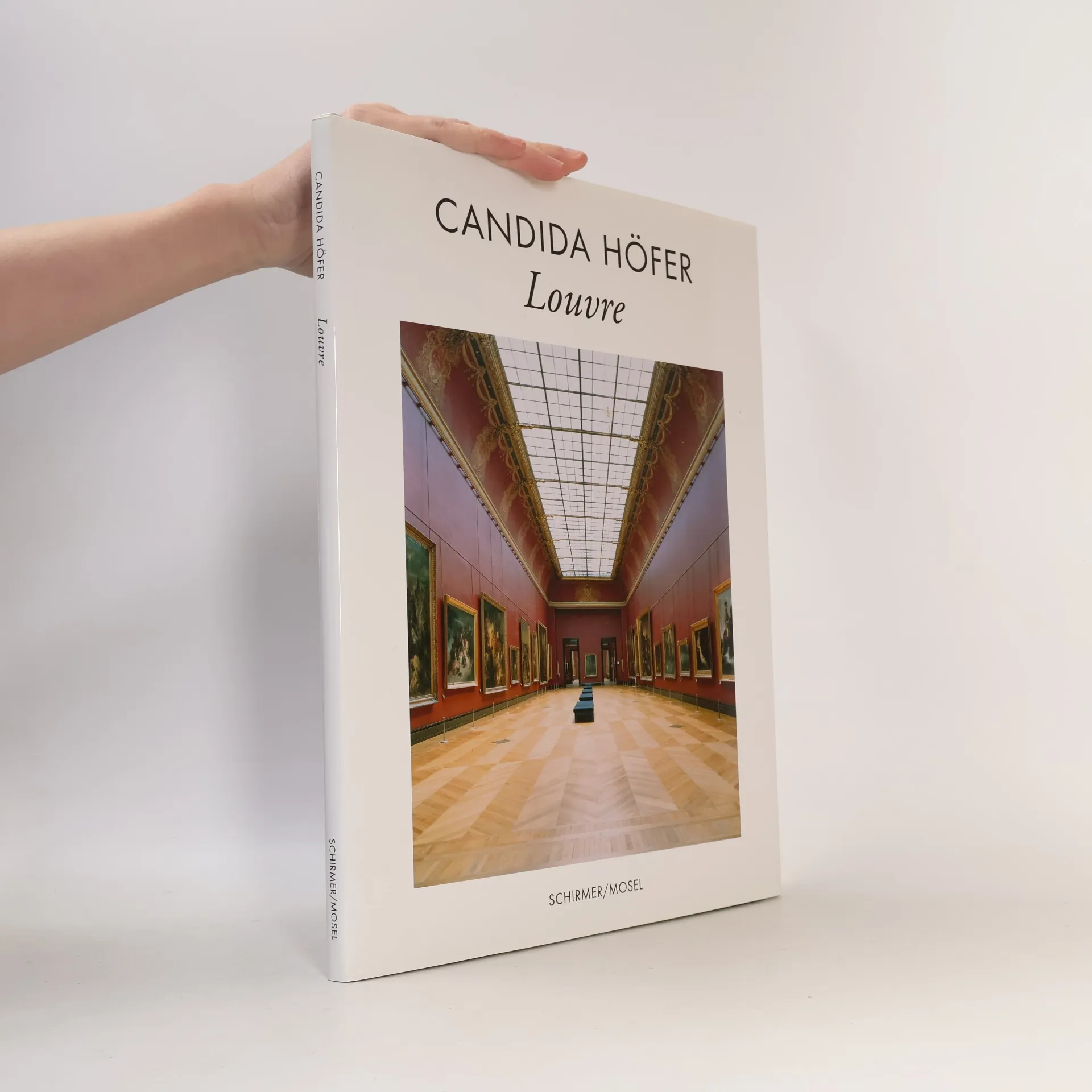
    • Candida Höfer

      Louvre

      • 56 pages
      • 2 hours of reading

      The architectural history of the Louvre stretches back to the early 13th century. A comparatively modest royal fortress, it became the royal residence under Francois I, friend and patron of Leonardo da Vinci. Louis XIV turned the Louvre into a splendid castle. Four years after the outbreak of the French Revolution, the Louvre opened its doors to the public. The royal art collections, with constant additions through Napoleon's military campaigns and forays as well as donations, purchases and excavations, today make the Louvre one of the world's richest and finest museums. Candida Höfer, known for her images of deserted public spaces, photographed the empty rooms and galleries of the Louvre on days when it was closed to the public. In her luminous color pictures, the treasures of Western art enter into a silent yet eloquent dialog with the architectural setting, the luxurious or sober decor, the building's past, and its present as a museum.

      Candida Höfer2020