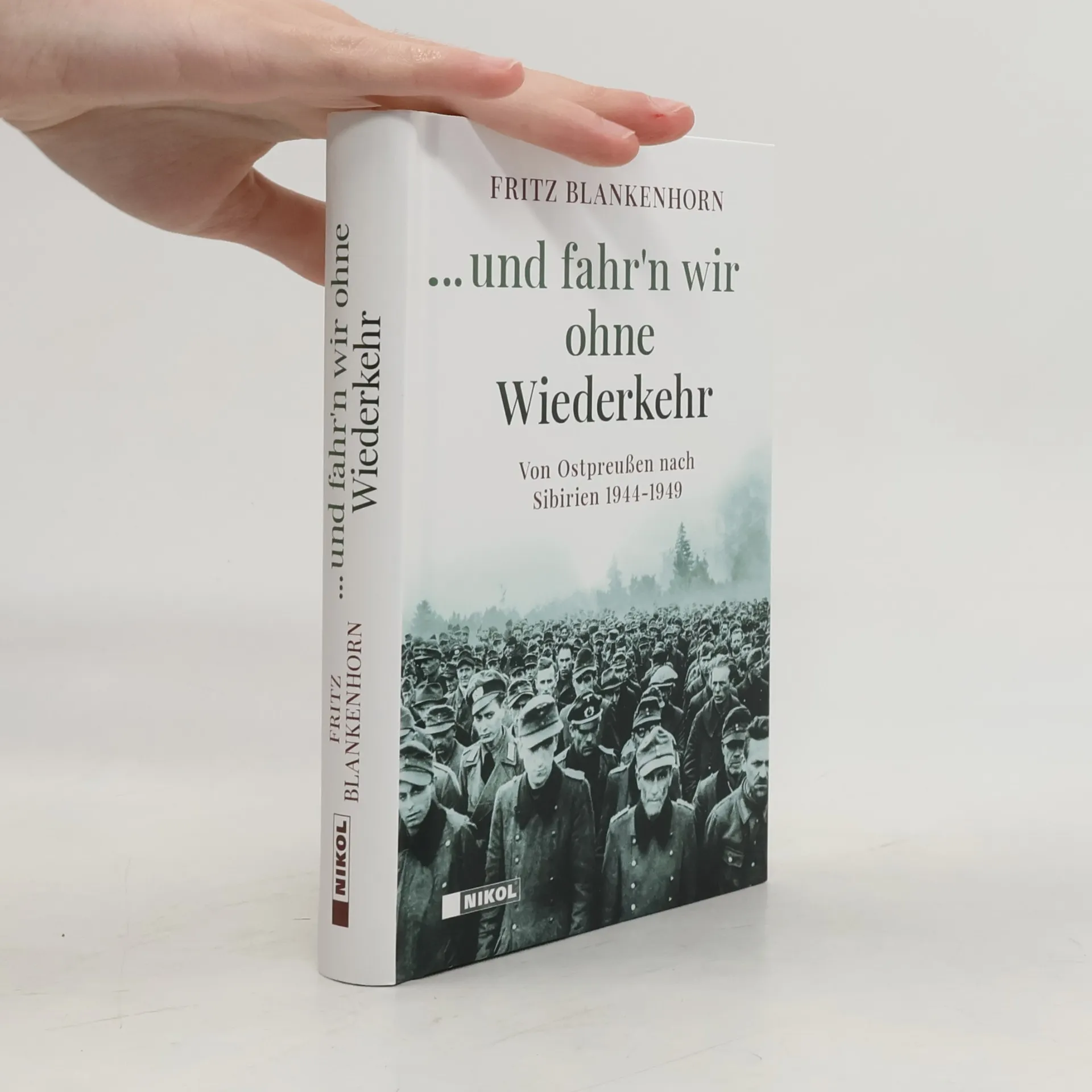
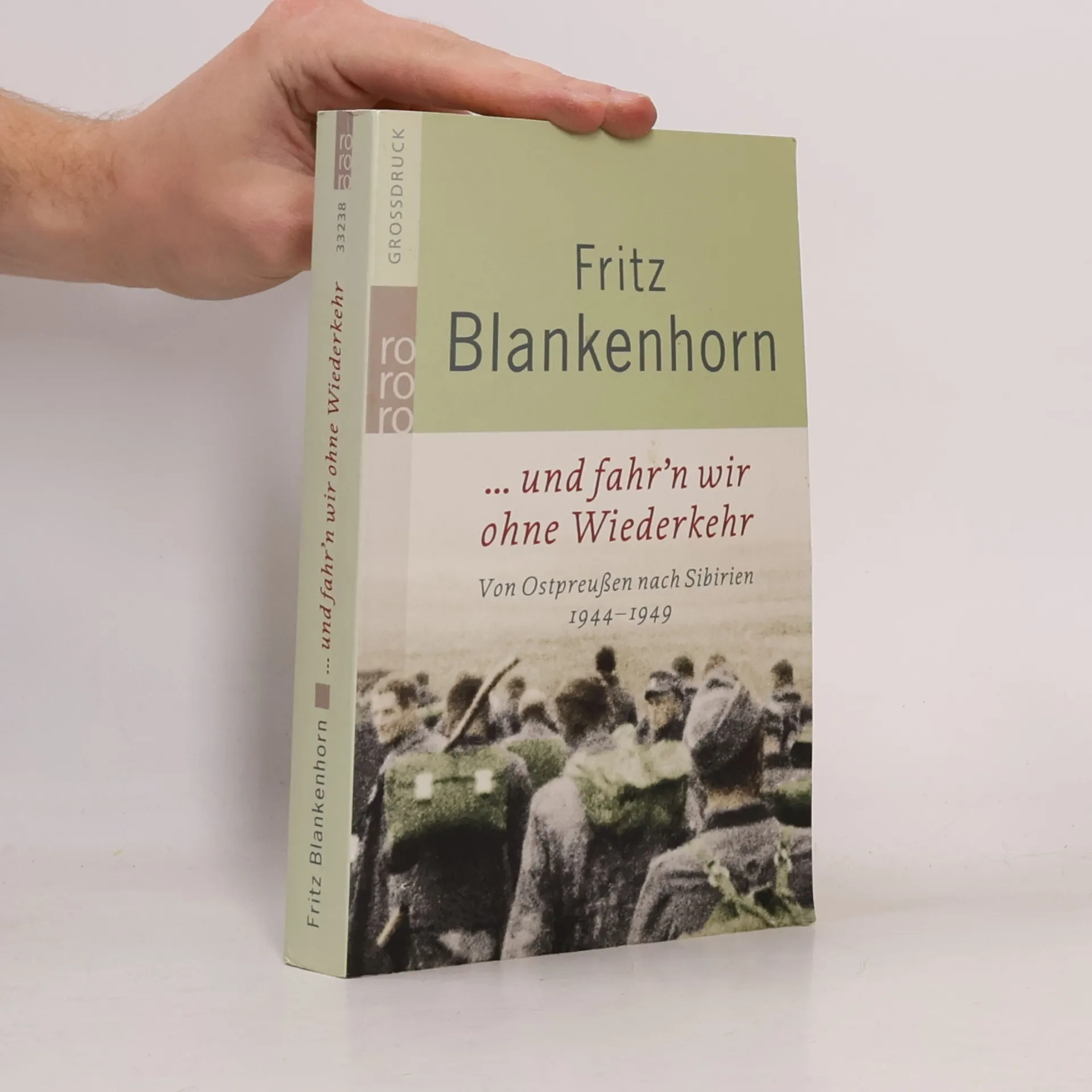
Vom Wahnsinn des Krieges und vom Los der Besiegten Der junge Leutnant Blankenhorn kommt 1944 mit 22 Jahren an die Ostfront. Er nimmt Teil an den sinnlosen Rückzugsgefechten der deutschen Wehrmacht in Ostpreußen und gelangt schließlich ins eingeschlossene Königsberg, wo er in Gefangenschaft gerät. Es folgen vier unerbittliche Jahre in Lagern diesseits und jenseits des Urals, bevor er endlich nach Deutschland zurückkehren kann. Fritz Blankenhorn hat seine Erlebnisse ohne Pathos und doch ergreifend beschrieben. Ein Buch, das unter die Haut geht. Fritz Blankenhorn war nach dem Krieg über mehr als 30 Jahre als Verlagsgrafiker und Buchgestalter tätig. Er lebt heute achtzigjährig in Echterdingen bei Stuttgart. "…und fahr'n wir ohne Wiederkehr" ist sein erstes Buch.
Fritz Blankenhorn Books


Upon entering Switzerland, Mr. White is arrested on suspicion of being the missing sculptor Anatol Ludwig Stiller. Friends, his brother, his wife Julika, and the prosecutor support this suspicion in their statements. However, Mr. White's writings during his detention contradict this assertion, emphasizing, "I am not Stiller!" Through various narratives, he attempts to escape this identity assignment, which he finds questionable, yearning for the freedom to be someone else. The story explores how the self becomes a claim to the world, opposing it with a counterclaim, a non-self. Instead of the self, a fabricated identity emerges, becoming an object. The narrative transforms the self into a criminal case. Frisch, through this form, becomes a narrator who tells not first about Stiller but about himself, about White. Stiller becomes the other whose identity he investigates, as it is constantly asserted that he is identical to him. This narrative form allows for a self-presentation that engages the reader and encourages participation. Without this involvement, Stiller remains neither readable nor comprehensible.
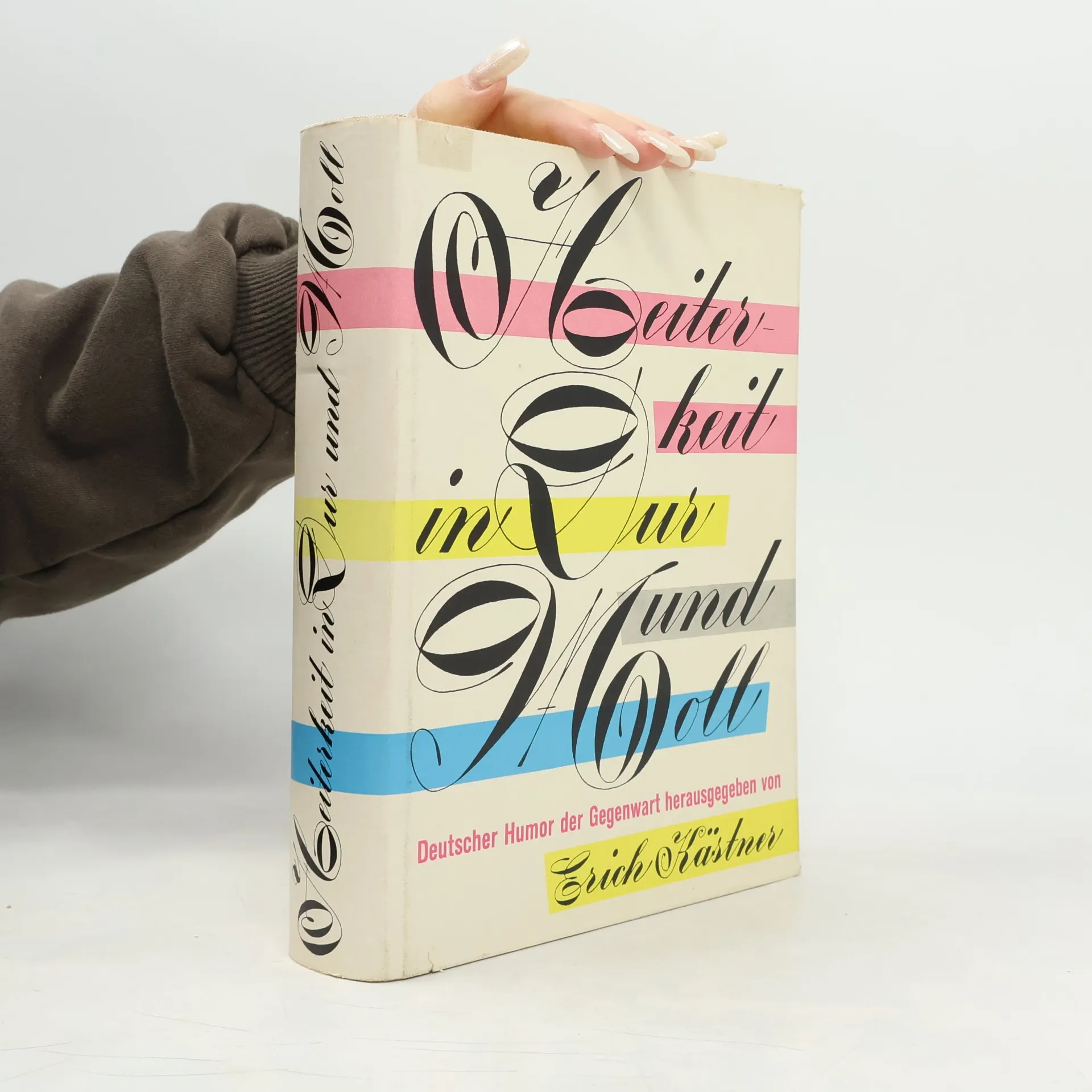
Heiterkeit in Dur und Moll
Deutscher Humor der Gegenwart
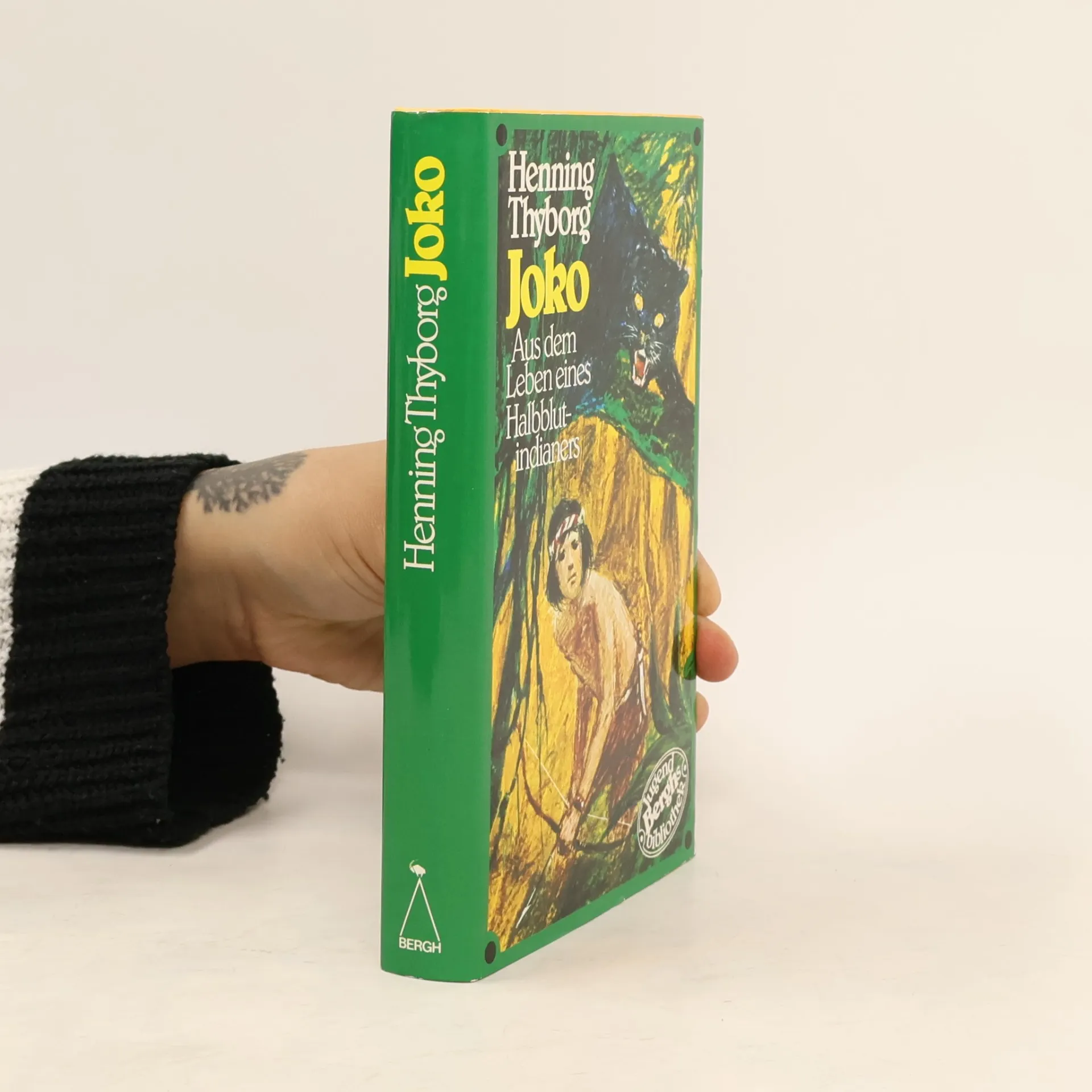
Joko
Aus dem Leben eines Halbblutindianers
Autor popisuje bez patosu a přece velmi poutavě svůj vlastní příběh. Jako mladý poručík přišel koncem roku 1944 na východní frontu a zde se zúčastnil dramatických ústupových bojů německého wehrmachtu, a na závěr v obleženém Královci padl do ruského zajetí. Následovaly těžké roky v zajateckých táborech na Urale a nakonec i šťastný návrat do vlasti. Autor vykresluje plasticky a bez ideologické předpojatosti jak události, kterých se stal účastníkem, tak postavy svých spolubojovníků a spoluvězňů. Kniha zaujme svou otevřeností a nesmírně zajímavými postřehy očitého svědka dramatických událostí tehdejší doby.