
Explore the latest books of this year!
Bookbot

Brian D. Sykes Books

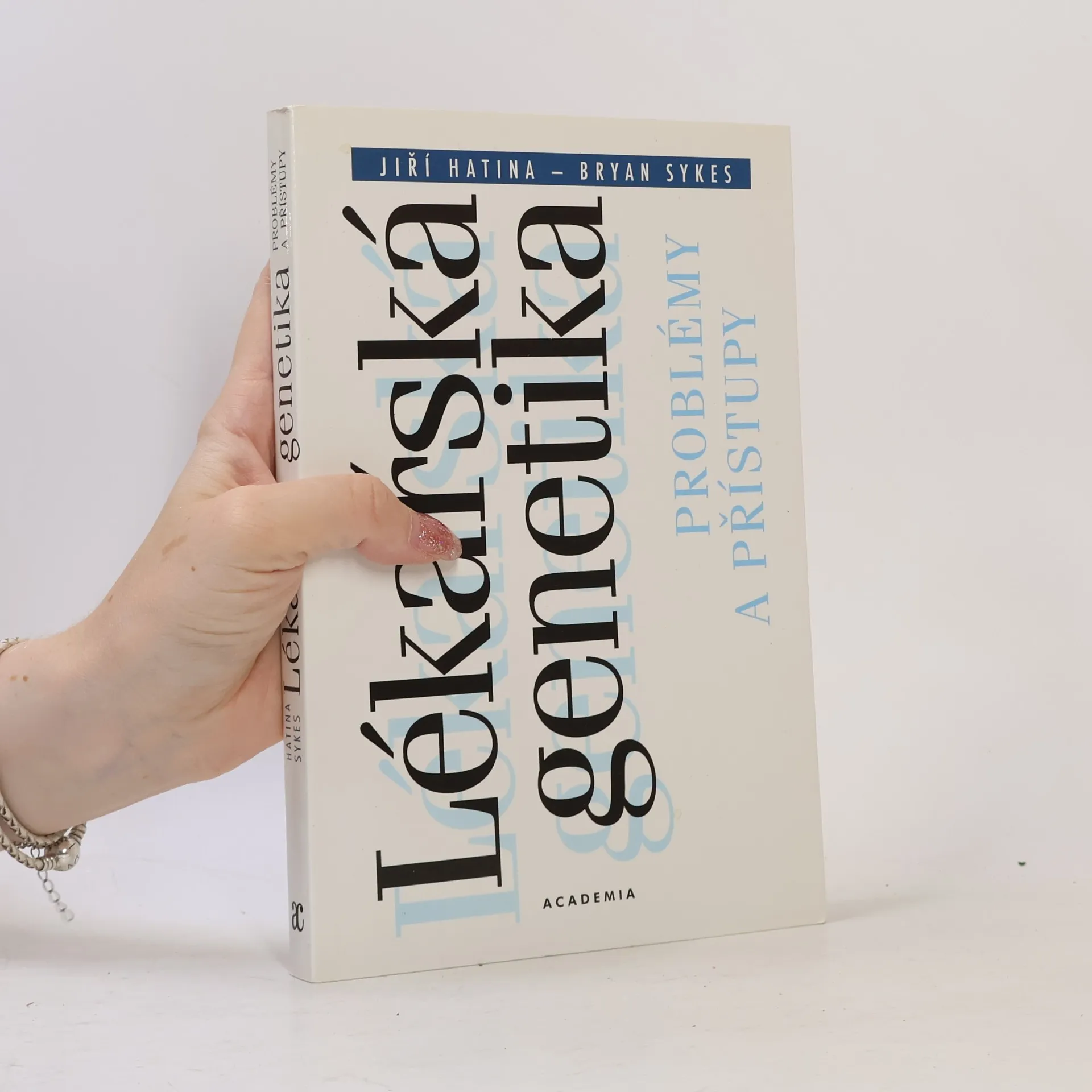
    Lékařská genetika: Problémy a přístupy
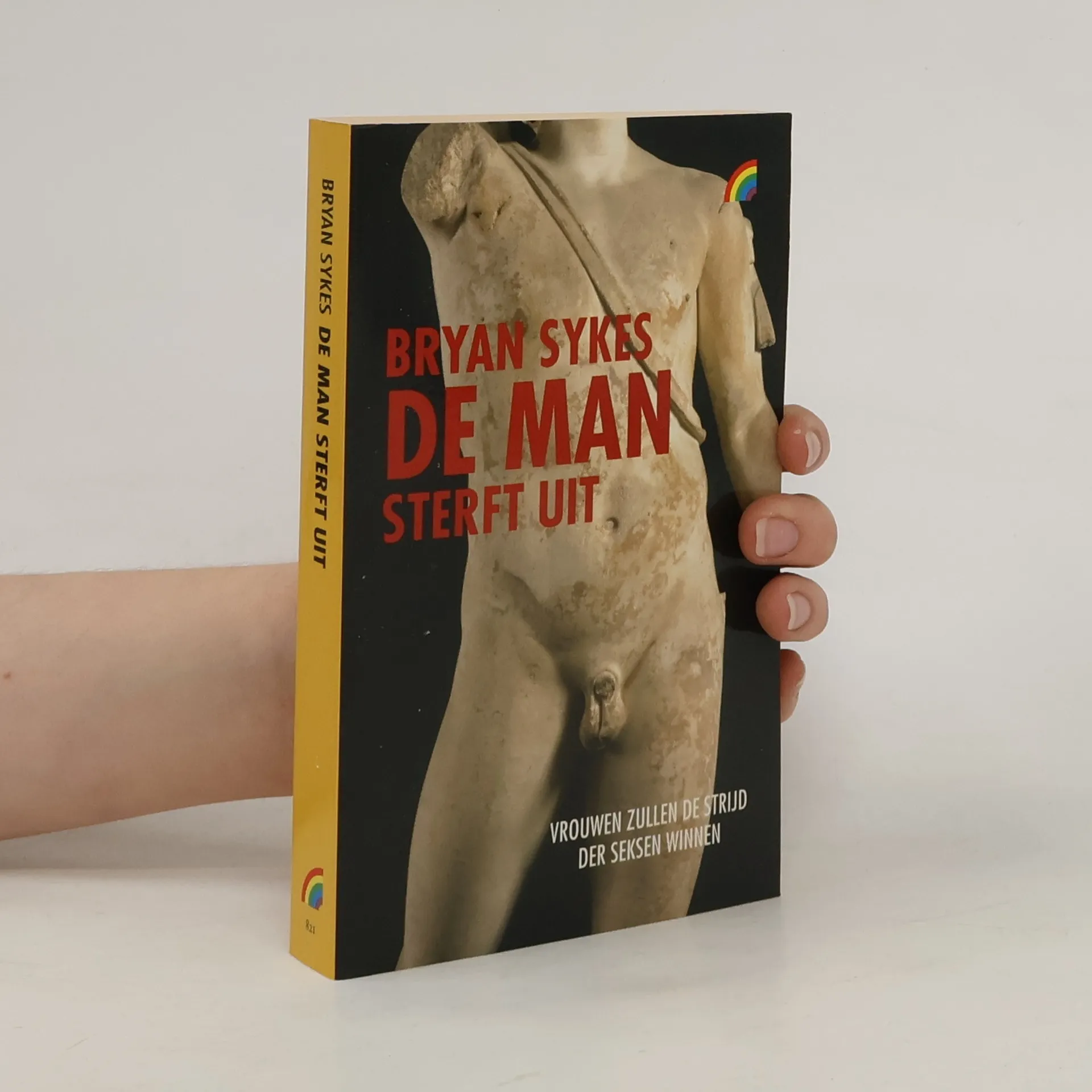
    Rainbow pockets: De man sterft uit
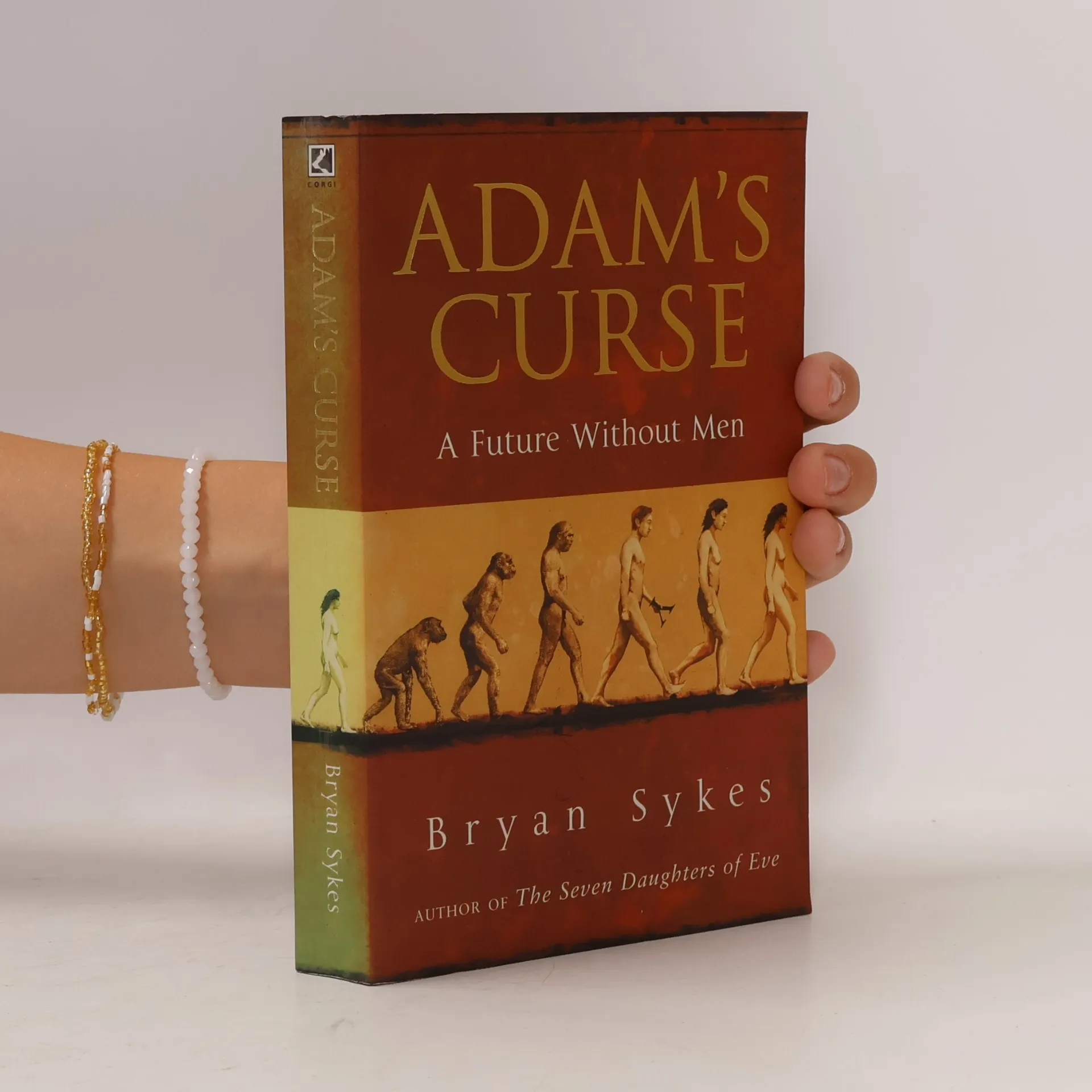
    Adam's Curse
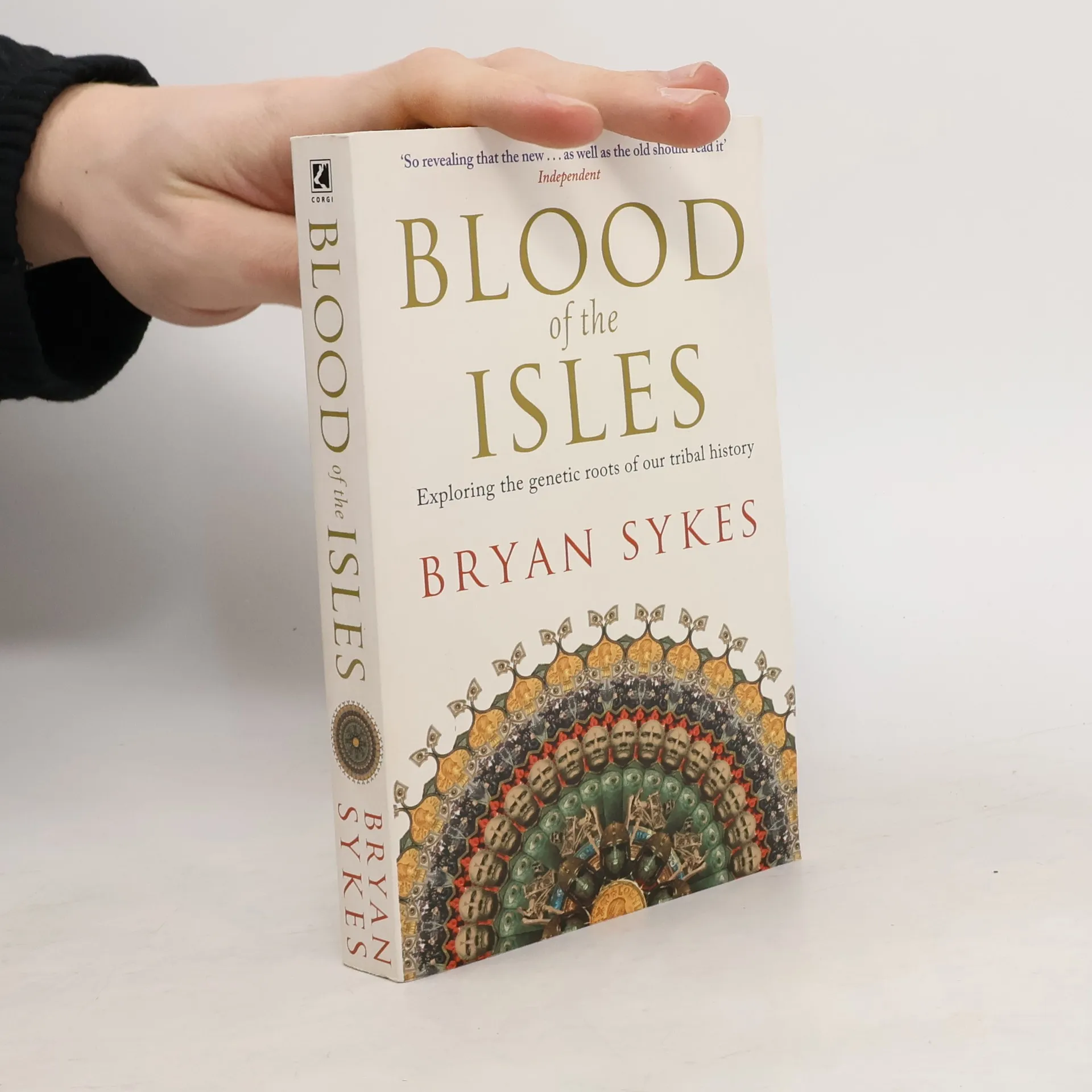
    Blood of the Isles
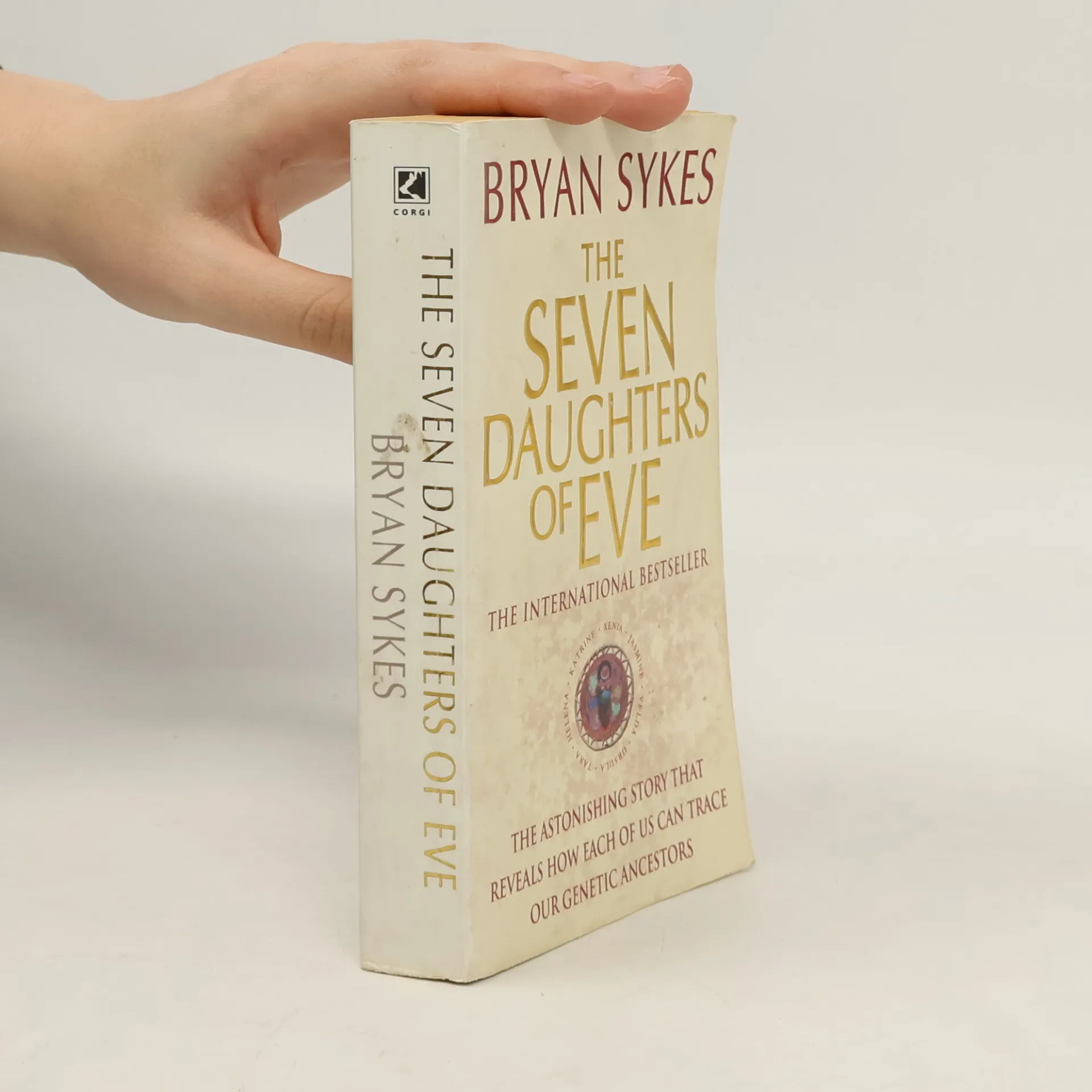
    The Seven Daughters of Eve
    Once a Wolf
    • Once a Wolf

      • 304 pages
      • 11 hours of reading

      The author of Seven Daughters of Eve returns with a lively account of how all dogs are descended from a mere handful of wolves. How did wolves evolve into dogs? When did this happen, and what role did humans play? Oxford geneticist Bryan Sykes used the full array of modern technology to explore the canine genetic journey that likely began when a human child decided to adopt a wolf cub thousands of years ago. In the process, he discovered that only a handful of genes have created the huge range of shapes, sizes, and colors in modern dogs. Providing scientific insight into these adaptive stages, Sykes focuses attention on our own species, and how our own evolution from (perhaps equally aggressive) primates was enhanced by this most unlikely ally. Whether examining our obsession with canine purity, or delving into the prehistoric past to answer the most fundamental question of all, “Why do we love our dog so much?,” Once a Wolf is an engaging work no dog lover or ancestry aficionado should be without.

      Once a Wolf
      4.5
    • The Seven Daughters of Eve

      • 368 pages
      • 13 hours of reading

      In 1994, Professor Bryan Sykes, a leading authority on DNA and human evolution, was called to examine the frozen remains of a man trapped in glacial ice in northern Italy. The discovery of the Ice Man, dating back over five thousand years, captivated scientists and the media alike. Sykes's groundbreaking revelation was his identification of a genetic descendant of the Ice Man, a woman living in Great Britain today. He details his research into a remarkable gene that passes unchanged through the maternal line. By analyzing thousands of DNA sequences worldwide, Sykes discovered that they clustered into just seven distinct groups among Europeans and North American Caucasians. This staggering conclusion suggests that nearly everyone of native European descent can trace their ancestry back to one of seven women, dubbed the Seven Daughters of Eve: Ursula, Xenia, Helena, Velda, Tara, Katrine, and Jasmine. Through their stories, Sykes maps the migratory patterns of millions of their descendants, revealing how our origins can be traced and how ancient genetic links have endured over millennia. The narrative includes dramatic accounts, such as identifying the remains of Tsar Nicholas and Tsaress Alexandra and tracing the ancestry of a Caribbean woman back to central Africa. Ultimately, Sykes's investigation underscores the profound commonality among humans, highlighting shared genetic heritage over divisions.

      The Seven Daughters of Eve
      4.0
    • Blood of the Isles

      • 386 pages
      • 14 hours of reading

      In 54 B.C. Julius Caesar launched the Roman invasion of Britain. His was the first detailed account of the Celtic tribes that inhabited the Isles. But where had they come from and how long had they been there? When the Romans eventually left five hundred years later, they were succeeded by Anglo-Saxons, Vikings and Normans. Did these successive invasions obliterate the genetic legacy of the Celts, or did they have very little effect? After two decades tracing the genetic origins of peoples from all over the world, Bryan Sykes has now turned the spotlight on his own back yard. In a major research programme, the first of its kind, he and his team at Oxford University set out to test the DNA of over ten thousand volunteers from across Britain and Ireland with the specific aim of answering this very question: what is our modern genetic make-up and what does it tell us of our tribal past? Where are today¿s Celtic genes? Did Vikings only rape and pillage, or did they settle with their families? And what of the genetic legacy of the Saxons and the Normans? Are the modern people of the Isles a delicious genetic cocktail? Or did the invaders keep mostly to themselves, forming separate genetic layers within the Isles? And where do you fit in? - BOOK JACKET.

      Blood of the Isles
      3.8
    • Adam's Curse

      A Future Without Men

      • 384 pages
      • 14 hours of reading

      Genetically speaking, the only difference between men and women is that where women have two X chromosomes, men have one X and one Y. It is surprising that one chromosome difference out of our total of forty-six can have such an important consequence, but it does. Is this relatively small genetic variance really sufficient to explain the huge differences between the sexes, not just the physical but the psychological, social, even cultural? Drawing on his own work at the forefront of modern genetics and the exciting theories of evolutionary biology, Bryan Sykes explores the mysteries of the science of sex and gender, and takes a scientific look at what makes men tick. He addresses the most basic issues of why there are only two sexes in humans and, even, why there is sex at all. He also raises more far-reaching questions, such as: Is there a genetic cause for men's greed, aggression and promiscuity? Is there such a thing as the male homosexual gene? And what do genes tell us about the future for men? Sykes's conclusions will surprise some people and are bound to cause controversy. The all-important male Y chromosome is getting smaller and, as the generations pass, the female genome is taking over as it cannibalizes parts of the Y chromosome. Women are winning the evolutionary battle of the sexes. The shocking conclusion is that men, slowly but surely, are headed for extinction.

      Adam's Curse
      3.7
    • Kniha zachycuje bouřlivý rozvoj lékařské genetiky, ke kterému došlo v 90. letech tohoto století, zejména otázky genomického imprintování, identifikace genů lidských chorob, projektu lidského genomu, mutací expanzí trinukleotidových repeticí, atd. Kniha je určena pro pre- a postgraduální studenty, lékaře i ostatní specialisty, jakož i pro další zájemce o lékařskou genetiku.

      Lékařská genetika: Problémy a přístupy