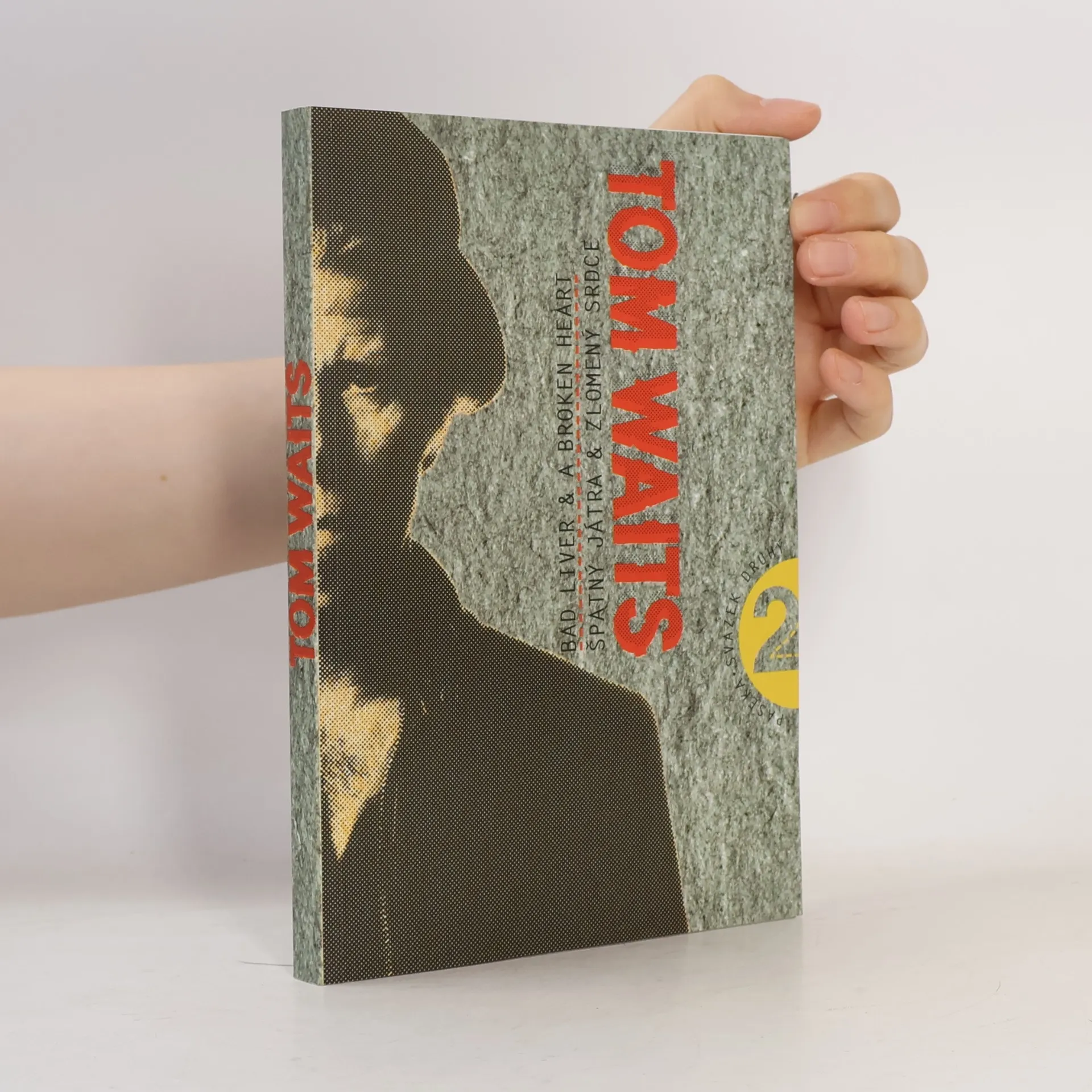
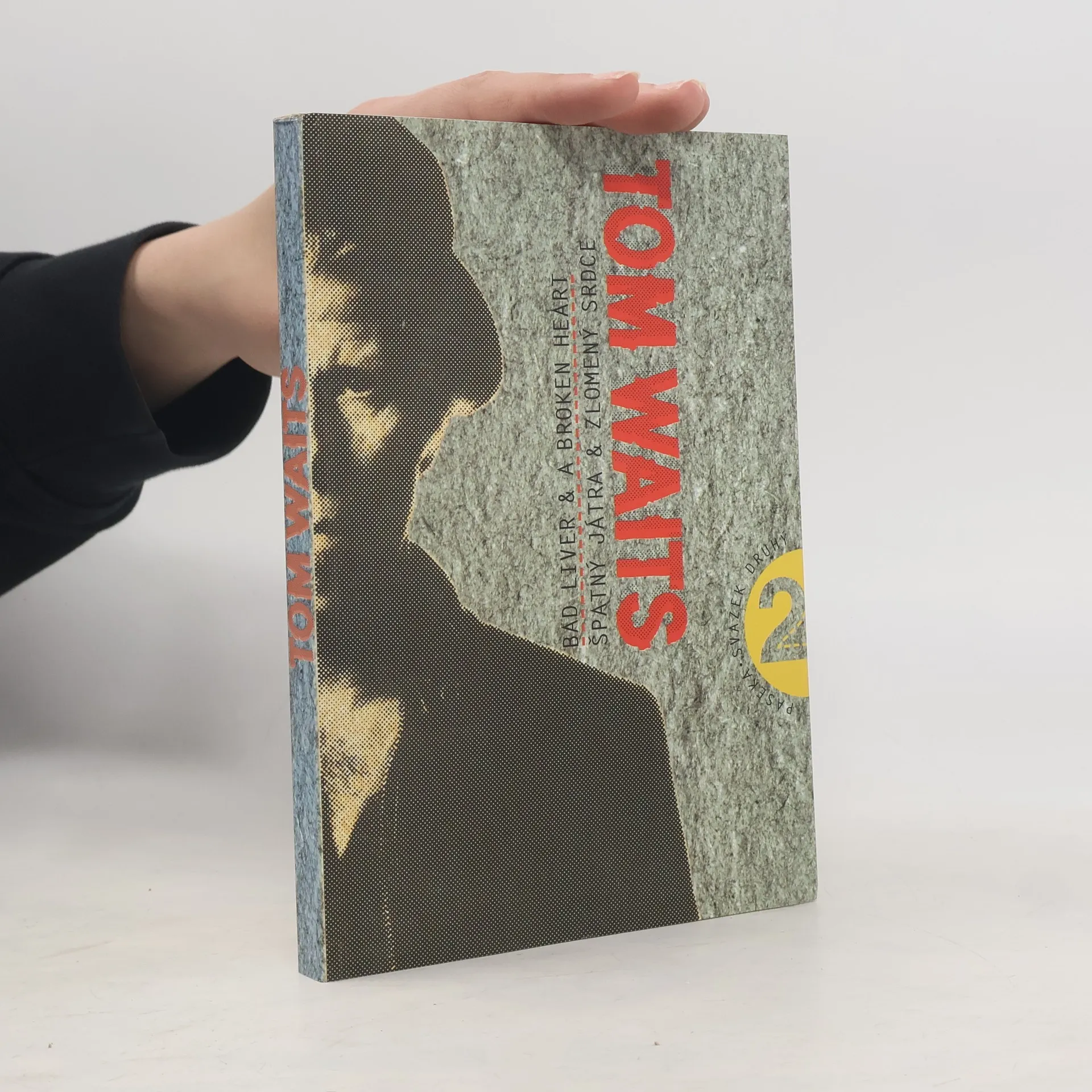
A collection of interviews spanning three decades with Tom Waits reveals the artist in his own words. Born in December 1949, Waits transitioned from various jobs, including janitor and cook, to become a doorman at a small L.A. club. Influenced by whiskey, cigarettes, and beat writing, he incorporated folk and jazz into his style. Discovered by Captain Beefheart's manager in 1969, he released his debut album, "Closing Time," five years later, characterized by its bourbon-soaked melancholy. His bohemian persona emerged, along with his distinctive rasp, which has become legendary. His songs, filled with tales of losers and outsiders, have been covered by many artists and have defined a career that spans over 20 albums, theatre, and film. Although he has never penned an autobiography and often plays with the truth, this collection offers a glimpse into his thoughts and experiences. Witty and enigmatic, Waits reflects on the state of America, particularly with his latest album, "Real Gone," which has garnered significant success. This compilation is essential for any fan of Waits, capturing the essence of his unique voice and perspective.
Tom Waits Books
Thomas Alan Waits is an American singer-songwriter celebrated for his distinctive, bourbon-soaked voice that lends an evocative growl to his atmospheric portrayals of seedy characters and forgotten places. His musical style masterfully blends pre-rock influences like blues and jazz with vaudeville and experimental tendencies, forging a unique artistic persona. While known for tales of the bizarre, Waits also demonstrates a talent for poignant ballads, creating a rich tapestry of lyrical themes. Despite limited mainstream radio play, his work has cultivated a devoted cult following and significantly influenced subsequent songwriters, with many of his songs gaining wider recognition through covers by other artists.






The Little Black Songbook: Led Zeppelin
- 256 pages
- 9 hours of reading
SONGS INCLUDE:- Achilles Last Stand- Black Dog- Communication Breakdown- Dazed and Confused- Heartbreaker- Immigrant Song- Kashmir- No Quarter- Ramble On- Rock and Roll- Since I've Been Loving You- The Song Remains the Same- Stairway to Heaven- Whole Lotta Love
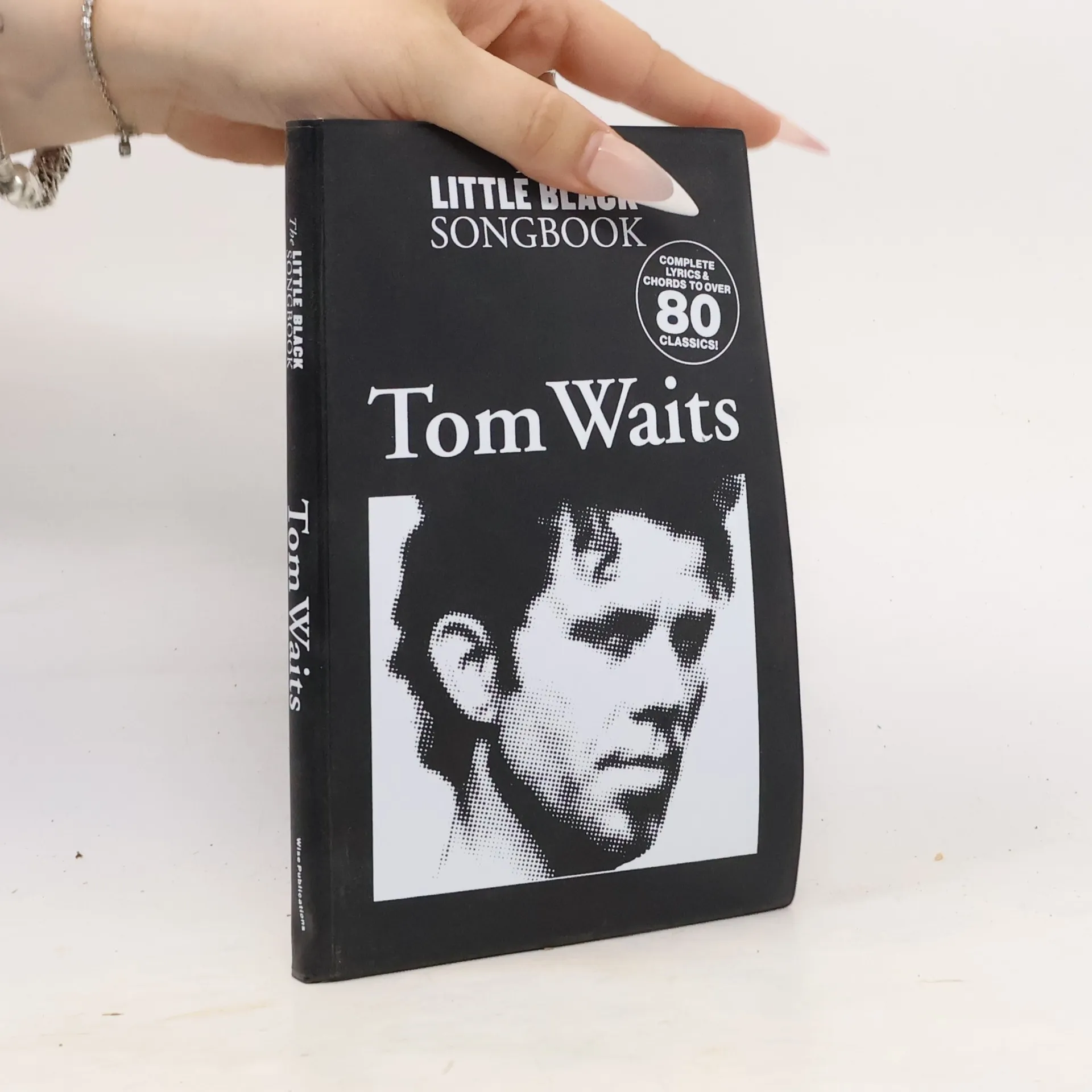
Tom Waits
Complete Lyrics & Chords to Over 80 Classics!
A collection of over eighty Tom Waits hits presented in chord songbook format with complete lyrics and guitar chords.
Waits - Corbijn ('77 - '11)
- 112 pages
- 4 hours of reading
Mit seinem charakteristischen Growl, der Integration von Pre-Rock-Stilen wie Blues, Jazz und Vaudeville sowie experimentellen Tendenzen, die an industrielle Musik grenzen, scheint Tom Waits perfekt zu Anton Corbijns körnigen Signaturfotografien zu passen. Ihre langjährige Zusammenarbeit hat nun dieses Buch hervorgebracht, das Corbijns Porträts von Tom Waits aus fünfundzwanzig Jahren mit den Texten von Tom Waits aus legendären Alben wie Blue Valentine, Small Change, Heartattack und Vine, Swordfishtrombones, Rain Dogs, Bone Machine, Mule Variations, Alice und Blood Money kombiniert.
Acht bekannte deutsche Schriftsteller blicken in kleinen persönlichen Erinnerungsstücken und Feuilletons zurück auf die Zeit, als sich fast alles um Rock, Pop, Politik und Protest drehte. Protest auch gegen die Enge der Provinz, gegen Eltern und Lehrer, die schon lange Haare und „laute” Musik als echte Provokation empfanden. Aber auch ein Blick zurück auf die Zeit der ersten Liebe. Acht ganz unterschiedliche Geschichten, die eines verbindet – ein Lebensgefühl, das es in dieser Form nie wieder geben wird. Inhalt: 1. Eva Demski: Die B-Seite (Scott McKenzie), gelesen von Gabriele Welker 2. Wenzel Storch: Der Matten-Gott (Grand Funk Railroad), gelesen vom Autor 3. Hansjörg Schertenleib: Nie mehr Schule (Alice Cooper), gelesen von Thomas Kraft 4. Michael Weins: Zunge (Kiss), gelesen von Thomas Kraft 5. Friedrich Ani: Wieg Wäm Bäm (The Sweet), gelesen vom Autor 6. Josef Haslinger: Child in Time (Deep Purple), gelesen vom Autor 7. Franziska Sperr: In mich waren alle verliebt (Moody Blues), gelesen von der Autorin 8. Thomas Kraft: Schlechte Gesellschaft (Bad Company), gelesen vom Autor
Bad Liver and a Broken Heart / Špatný játra a zlomený srdce
- 345 pages
- 13 hours of reading
Dvojjazyčné vydání textů Toma Waitse ve dvou svazcích.
Špatný játra & zlomený srdce 2. Bad Liver & Broken Heart 2
- 181 pages
- 7 hours of reading
Špatný játra & zlomený srdce 1. Bad liver & a broken heart 1
- 245 pages
- 9 hours of reading
Autor vstoupil do uměleckého života v 70. letech 20. století. Jeho texty se snaží zachytit americkou realitu na základě osobního prožitku. Waits je nejvýraznější v mrazivých baladách, v nichž přednáší o osamělosti jedince v dnešním světě