Walter Jackson Bate delved deeply into the lives and works of significant figures, particularly those from the Romantic era. His biographical works, twice awarded the Pulitzer Prize, are distinguished by their penetrating insights into the psyche and creative process of his subjects. Bate explored the intricate connections between an author's life and their literary output, illuminating how personal experiences shaped their enduring legacies. His analyses offer timeless lessons on the nature of genius and perseverance.
An account of Dr. Johnson's dramatic personal life, monumental genius, and boundless literary activities and impact follows him from poverty and hack work, through trial and tumult, to lionization as the unchallenged literary arbiter of his times.
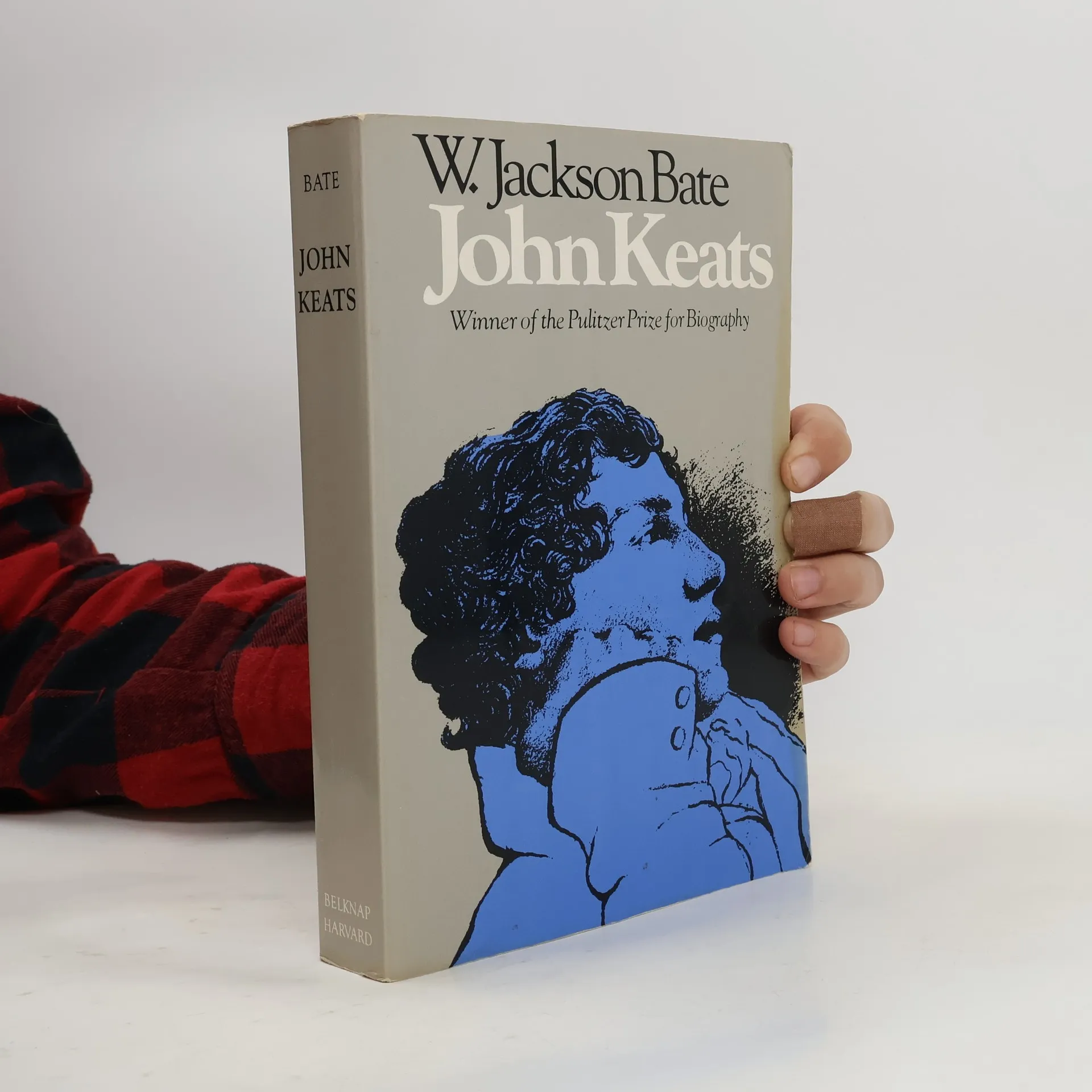
The life of Keats offers a compelling exploration of literary greatness and the factors that foster its development. This authoritative biography, the first comprehensive account in nearly forty years, presents both the man and the poet with deep insight and empathy. Despite limited factual data from his early years, the materials available for Keats's life are notably rich. Much of his early poetry has survived, allowing for a close examination of his artistic evolution, particularly during his most creative periods, where his personal and artistic journeys can be traced closely. The growth of Keats's poetic skill parallels the development of his character and intellect. The author emphasizes the organic connection between Keats's art and his broader human experience. Keats's charm—marked by spontaneity, vigor, and affection—is vividly recaptured, alongside his struggle to achieve originality amidst a rich artistic heritage. The author notes that this tension has been a significant yet underexplored aspect of art history since 1750, with Keats confronting it more directly than many contemporaries. Utilizing both new and existing biographical materials, the author focuses on what mattered to Keats, presenting the poetry in relation to his experiences and emotions. The result is a multifaceted work that integrates critical and biographical insights into a cohesive narrative.