The Admirals
- 608 pages
- 22 hours of reading
How history's only five-star admirals triumphed in World War II and made the United States the world's dominant sea power.


Walter R. Borneman is an American historian and lawyer known for his popular books on 18th and 19th-century United States history. His work is characterized by engaging narratives that highlight pivotal figures and events shaping the nation. Borneman excels at bringing complex historical episodes to life for readers, maintaining both depth and accessibility. His writings offer compelling insights into a formative era of American history.


How history's only five-star admirals triumphed in World War II and made the United States the world's dominant sea power.
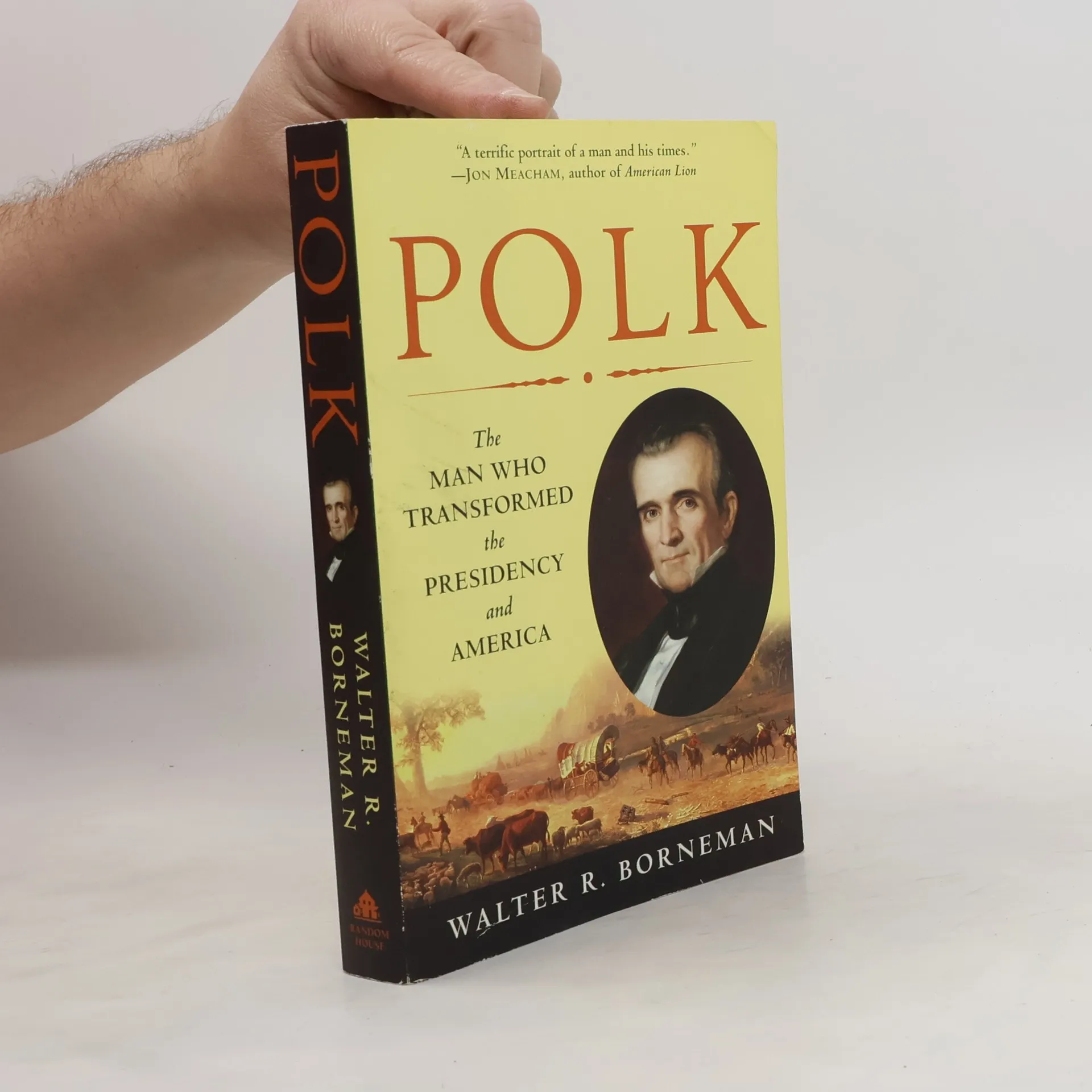
In Polk, Walter R. Borneman gives us the first complete and authoritative biography of a president often overshadowed in image but seldom outdone in accomplishment. James K. Polk occupied the White House for only four years, from 1845 to 1849, but he plotted and attained a formidable agenda: He fought for and won tariff reductions, reestablished an independent Treasury, and, most notably, brought Texas into the Union, bluffed Great Britain out of the lion’s share of Oregon, and wrested California and much of the Southwest from Mexico. On reflection, these successes seem even more impressive, given the contentious political environment of the time. In this unprecedented, long-overdue warts-and-all look at Polk’s life and career, we have a portrait of an expansionist president and decisive statesman who redefined the country he led, and we are reminded anew of the true meaning of presidential accomplishment and resolve.
In the summer of 1754, deep in the wilderness of western Pennsylvania, a very young George Washington suffered his first military defeat, and a centuries-old feud between Great Britain and France was rekindled. The war that followed would be fought across virgin territories, from Nova Scotia to the forks of the Ohio River, and it would ultimately decide the fate of the entire North American continent—not just for Great Britain and France but also for the Spanish and Native American populations. Noted historian Walter R. Borneman brings to life an epic struggle for a continent—what Samuel Eliot Morison called "truly the first world war"—and emphasizes how the seeds of discord sown in its aftermath would take root and blossom into the American Revolution.
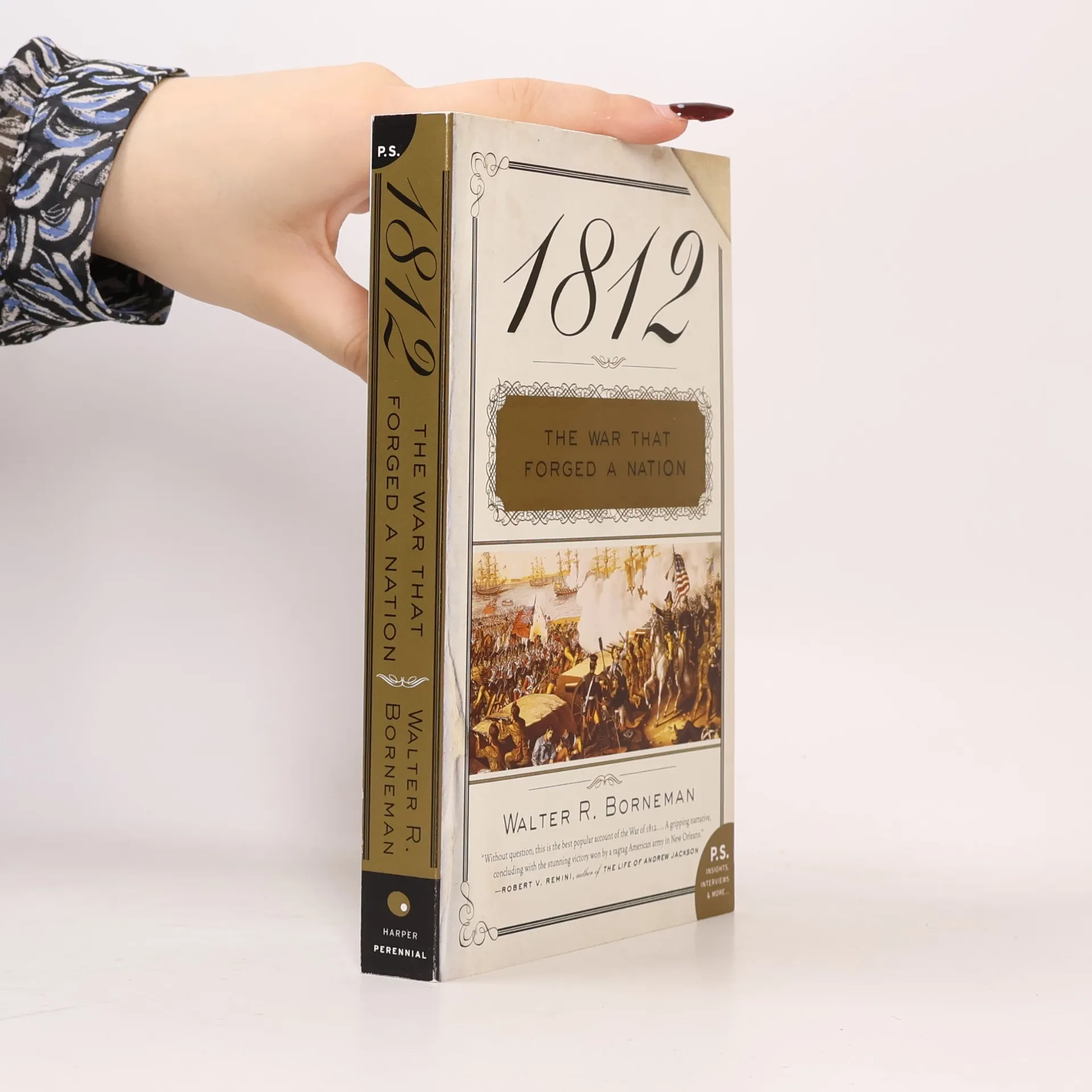
Although frequently overlooked between the American Revolution and the Civil War, the War of 1812 tested a rising generation of American leaders; unified the United States with a renewed sense of national purpose; and set the stage for westward expansion from Mackinac Island to the Gulf of Mexico. USS Constitution, "Old Ironsides," proved the mettle of the fledgling American navy; Oliver Hazard Perry hoisted a flag boasting, "Don't Give Up the Ship"; and Andrew Jackson's ragged force stood behind it's cotton bales at New Orleans and bested the pride of British regulars. Here are the stories of commanding generals such as America's double-dealing James Wilkinson, Great Britain's gallant Sir Isaac Brock, Canada's heroine farm wife Laura Secord, and country doctor William Beanes, whose capture set the stage for Francis Scott Key to write "The Star-Spangled Banner." During the War of 1812, the United States cast off its cloak of colonial adolescence and -- with both humiliating and glorious moments -- found the fire that was to forge a nation. This P.S. edition features an extra 16 pages of insights into the book, including author interviews, recommended reading, and more.