

Eine faszinierende Familiengeschichte, die über Kontinente hinweg, vom kolonialen Amerika über das Europa der zwanziger und dreißiger Jahre und in die USA von den 1950ern bis herauf in die Gegenwart reicht, das ist Benfeys Erinnerungsbuch. Sein Vater Otto Theodor stammte aus der Verlegerdynastie Ullstein, seine Mutter aus einer amerikanischen Maurer- und Tabakpflanzerfamilie; sein Großonkel, der Bauhaus-Künstler Josef Albers, unterrichtete am Black Mountain College Größen der Moderne wie Robert Rauschenberg. Benfey beherrscht die Kunst, Orte und Personen plastisch werden zu lassen. Der rote Faden, der sie verbindet, bleibt aber immer die Geschichte der Familie, die uns auf die Spuren der titelgebenden Materialien führt: Sand, Stein und Ton.
Christopher E. G. Benfey Book order (chronological)
Christopher Benfey is a distinguished scholar whose work delves into the rich intersections of art, literature, and the natural world. He explores how these elements shape our perception and understanding of culture and history. Benfey's prose is celebrated for its lyrical quality and profound insights, offering readers a unique perspective on enduring themes.

The Great Wave
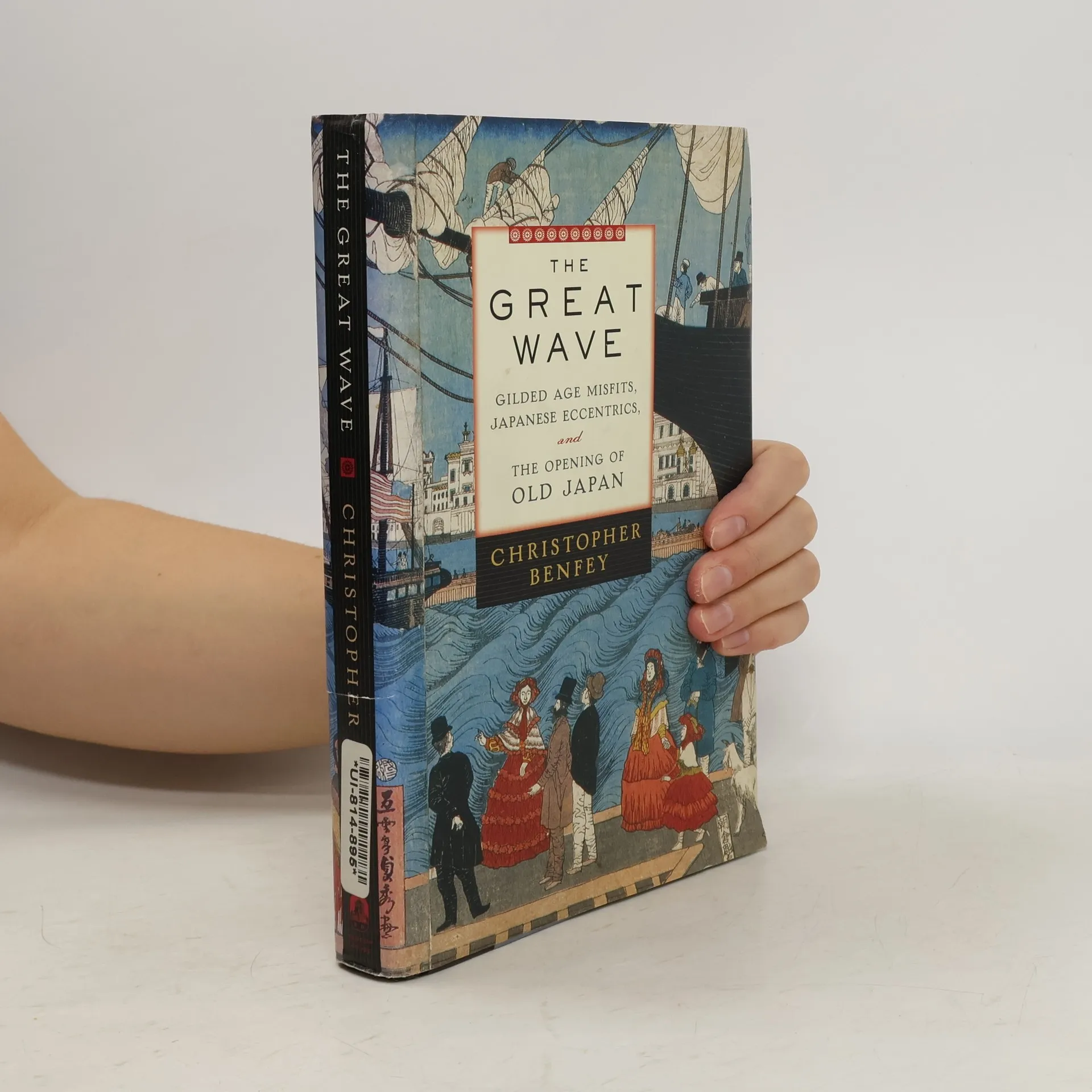
Gilded Age Misfits, Japanese Eccentrics, and the Opening of Old Japan
- 332 pages
- 12 hours of reading
When the United States entered the Gilded Age after the Civil War the nation lost its philosophical moorings and looked eastward to "Old Japan," with its seemingly untouched indigenous culture, for balance and perspective. Japan, meanwhile, was trying to reinvent itself as a more cosmopolitan, modern state, ultimately transforming itself, in the course of twenty-five years, from a feudal backwater to an international power. This great wave of historical and cultural reciprocity between the two young nations, which intensified during the late 1800s, brought with it some larger-than-life personalities, as the lure of unknown foreign cultures prompted pilgrimages back and forth across the Pacific. In The great wave, Benfey tells the story of the tightly knit group of nineteenth-century travelers--connoisseurs, collectors, and scientists--who dedicated themselves to exploring and preserving Old Japan. These travelers include Herman Melville, Henry Adams, John La Farge, Lafcadio Hearn, Mabel Loomis Todd, Edward Sylvester Morse, Percival Lowell, and President Theodore Roosevelt. As well, we learn of famous Easterners come West, including Kakuzo Okakura and Shuzo Kuki.
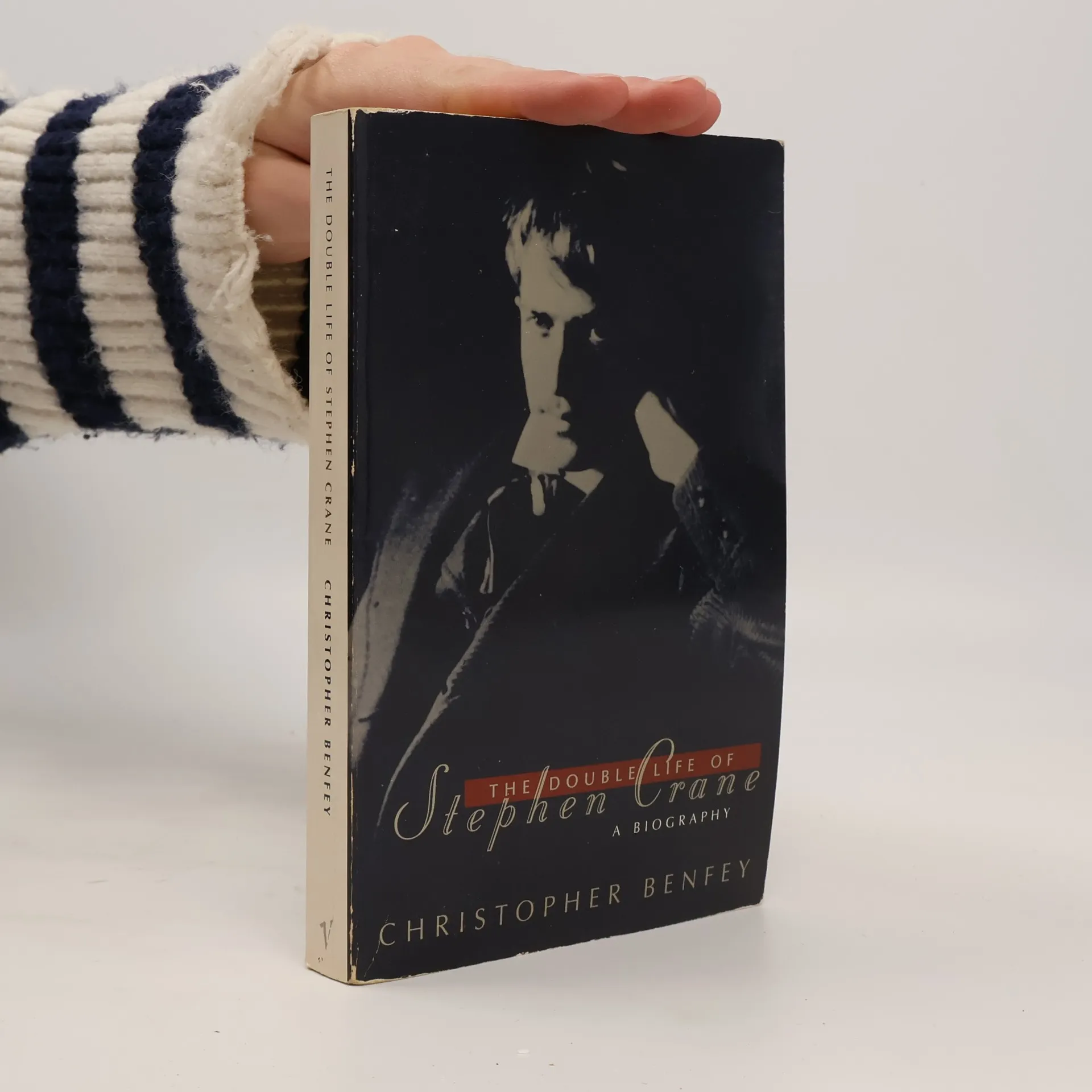
Double Life of Stephen Crane
- 294 pages
- 11 hours of reading
This is the first reassessment of Stephen Crane in more than a quarter of a century. The novelist-journalist born in 1871, six years after the war he memorialized in his universally acclaimed 'The Red Badge of Courage', died of tuberculosis at the age of twenty-eight.