

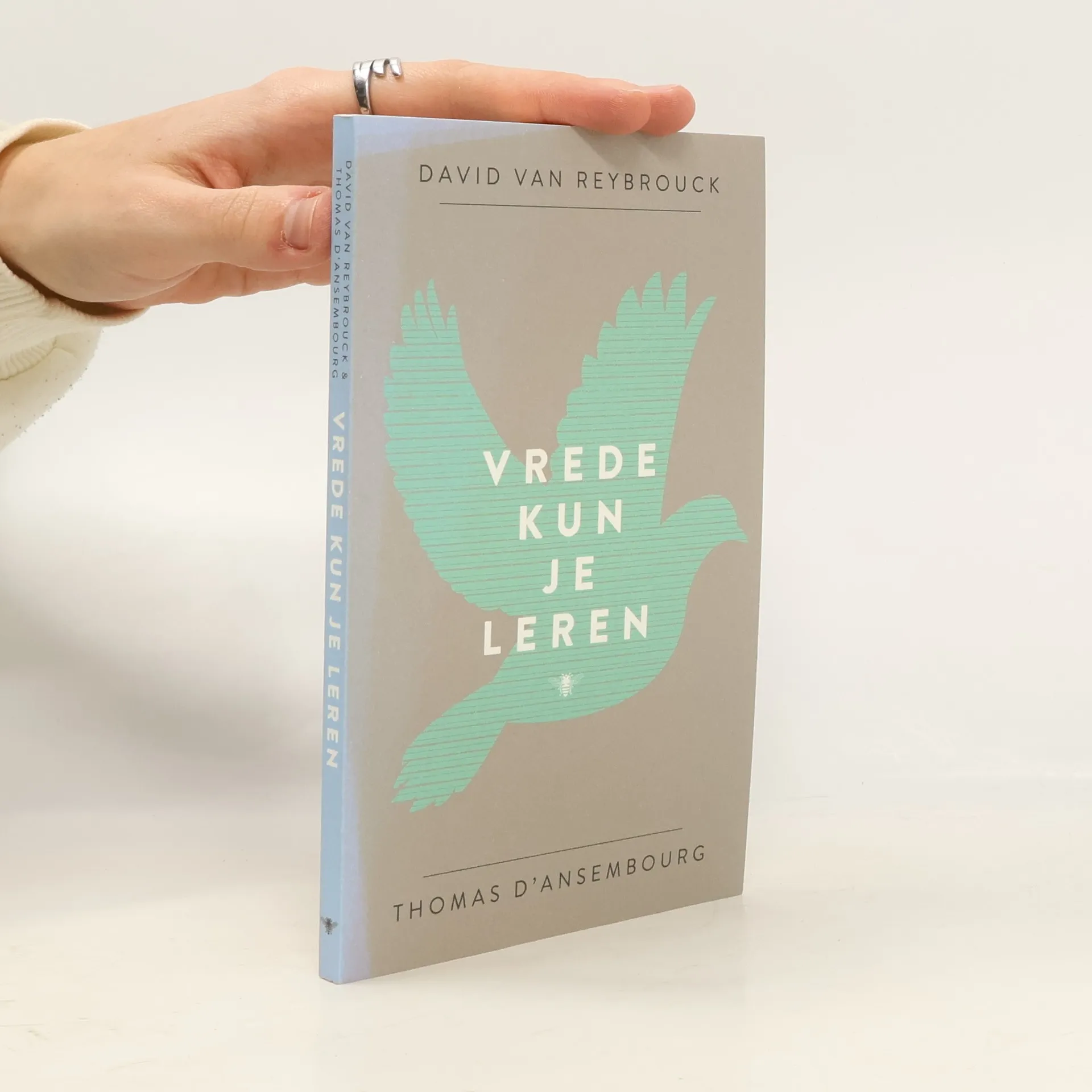
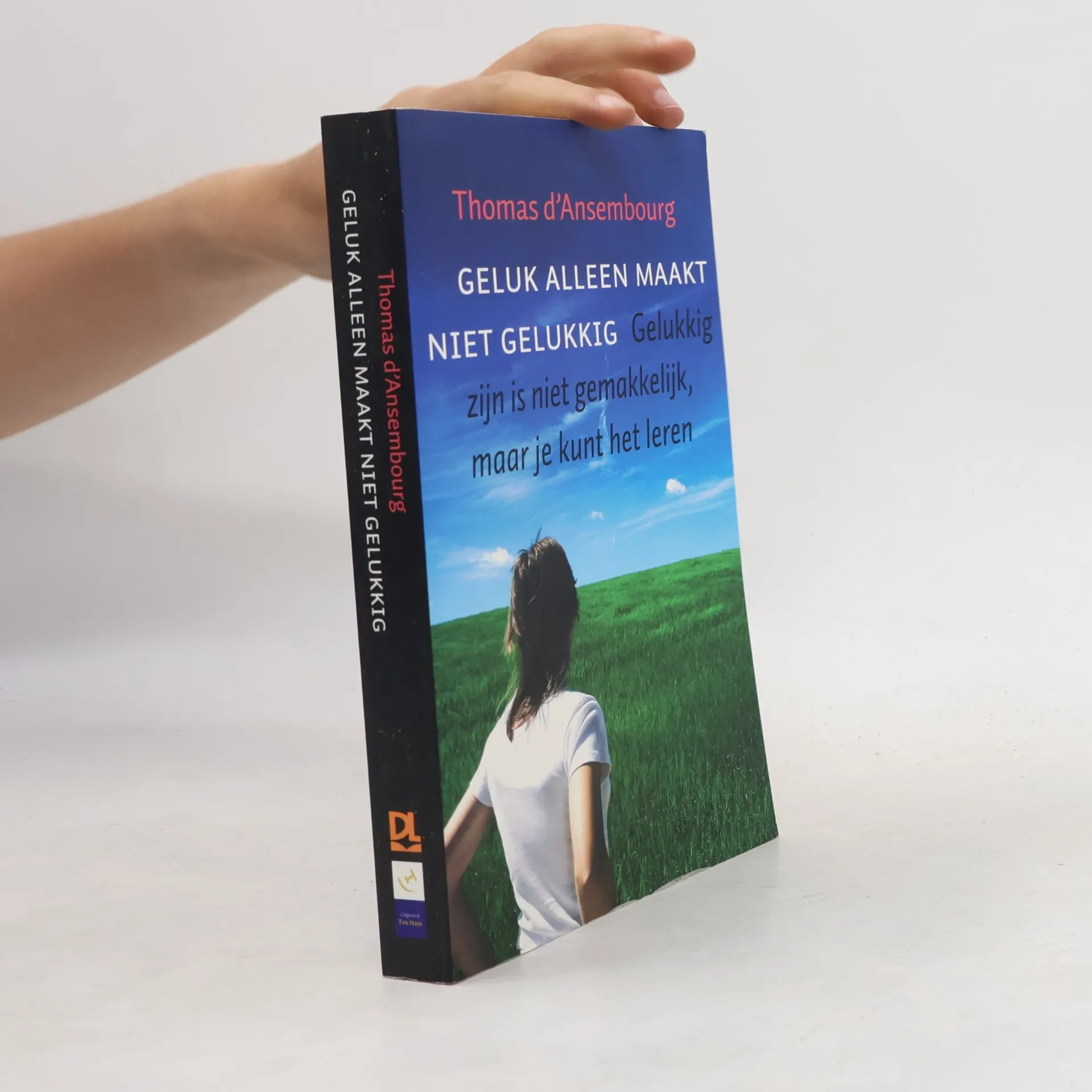
Explore the latest books of this year!
Bookbot

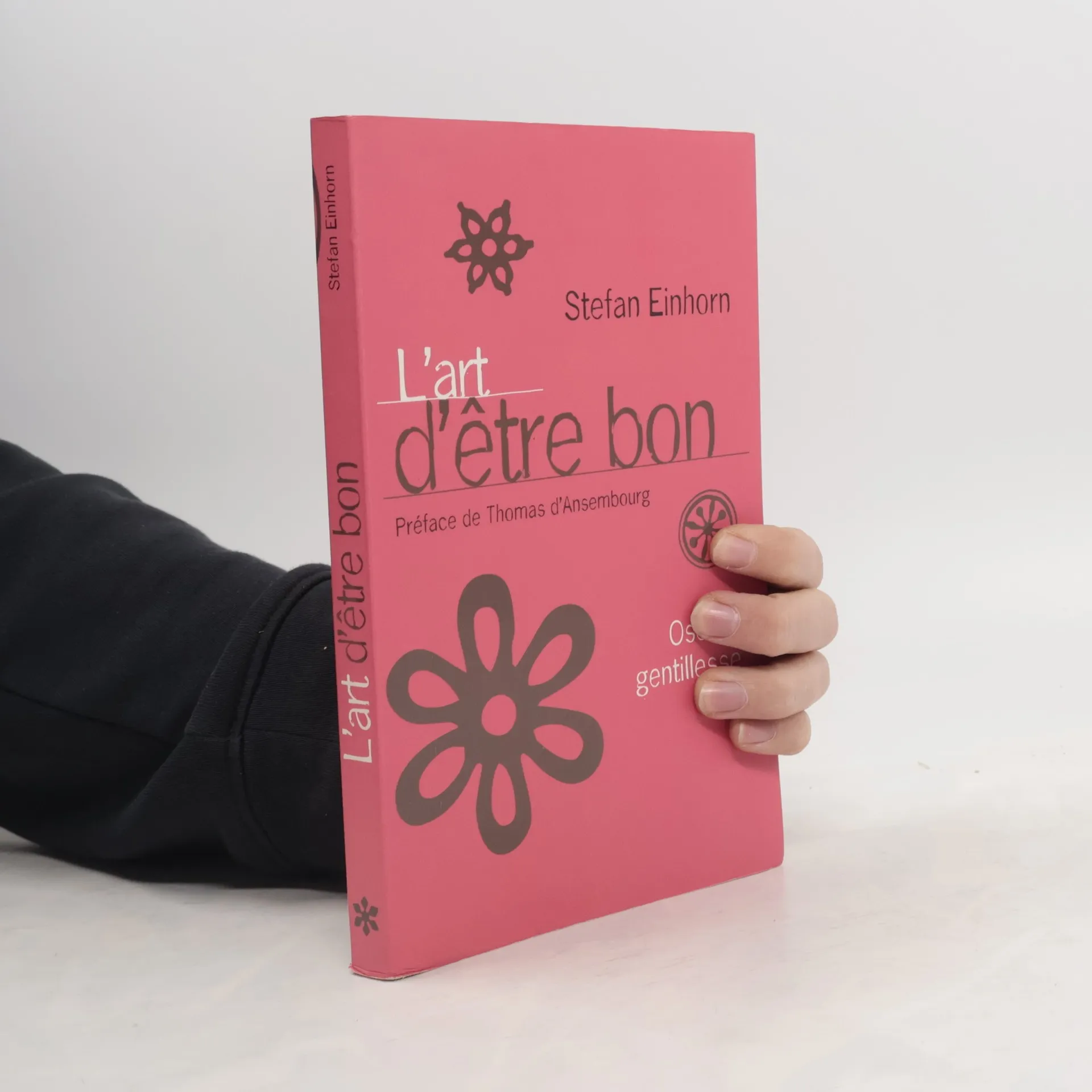
Thomas d. Ansembourg

    Thomas d’Ansembourg, after practicing law and a decade in international business, delved into the world of conflict and the search for meaning. He observed that disputes often stem from misunderstandings, arising from poorly expressed thoughts and inattentive listening. His work with troubled youth revealed that their behaviors frequently articulate unmet fundamental human needs. He concluded that violence, whether externalized or internalized, is typically a tragic lack of self-awareness and the vocabulary to express these needs verbally rather than through aggression or withdrawal. As he stated, violence is not our nature, but an expression of the violation of our nature.

    Thomas d. Ansembourg
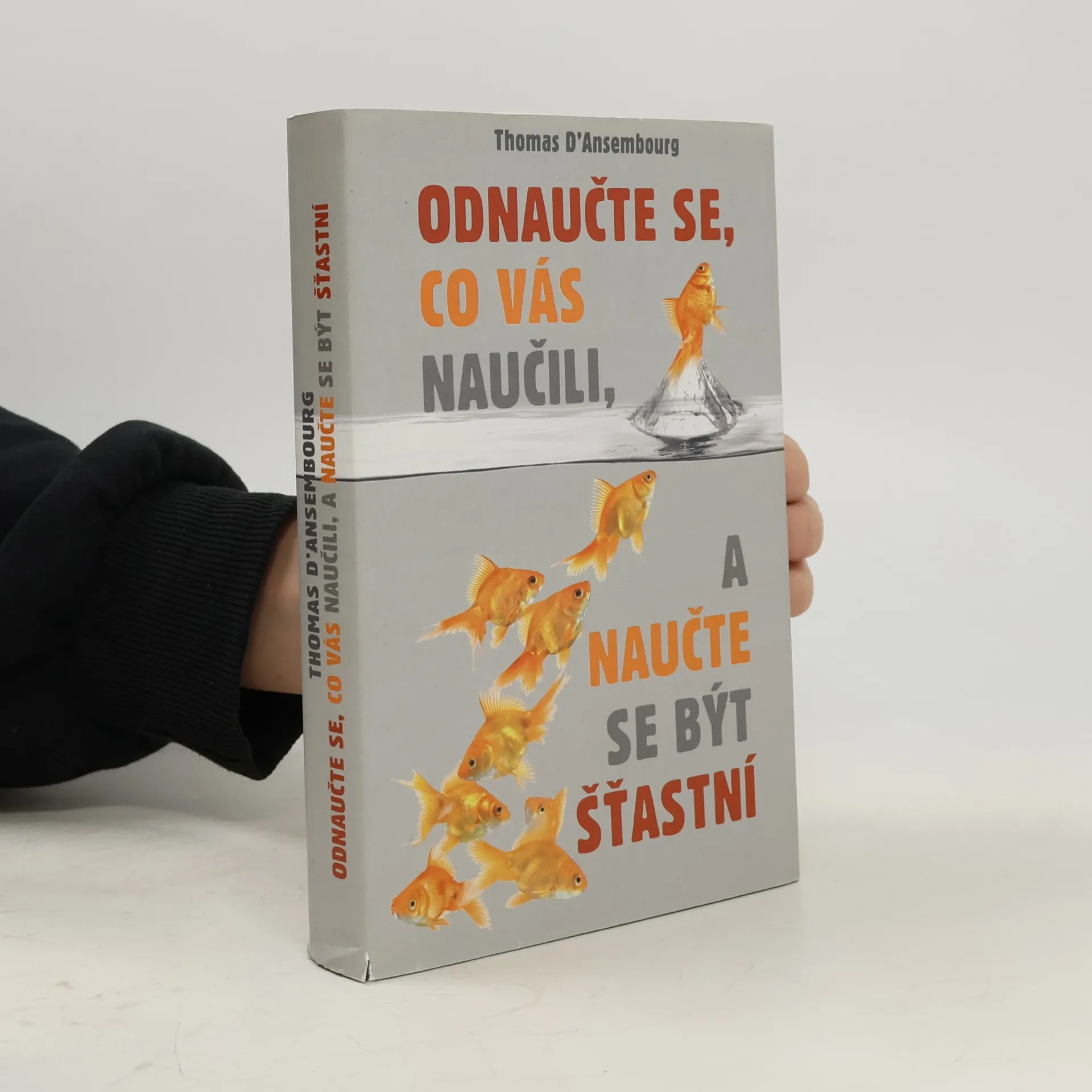
    Odnaučte se, co vás naučili, a naučte se být šťastní
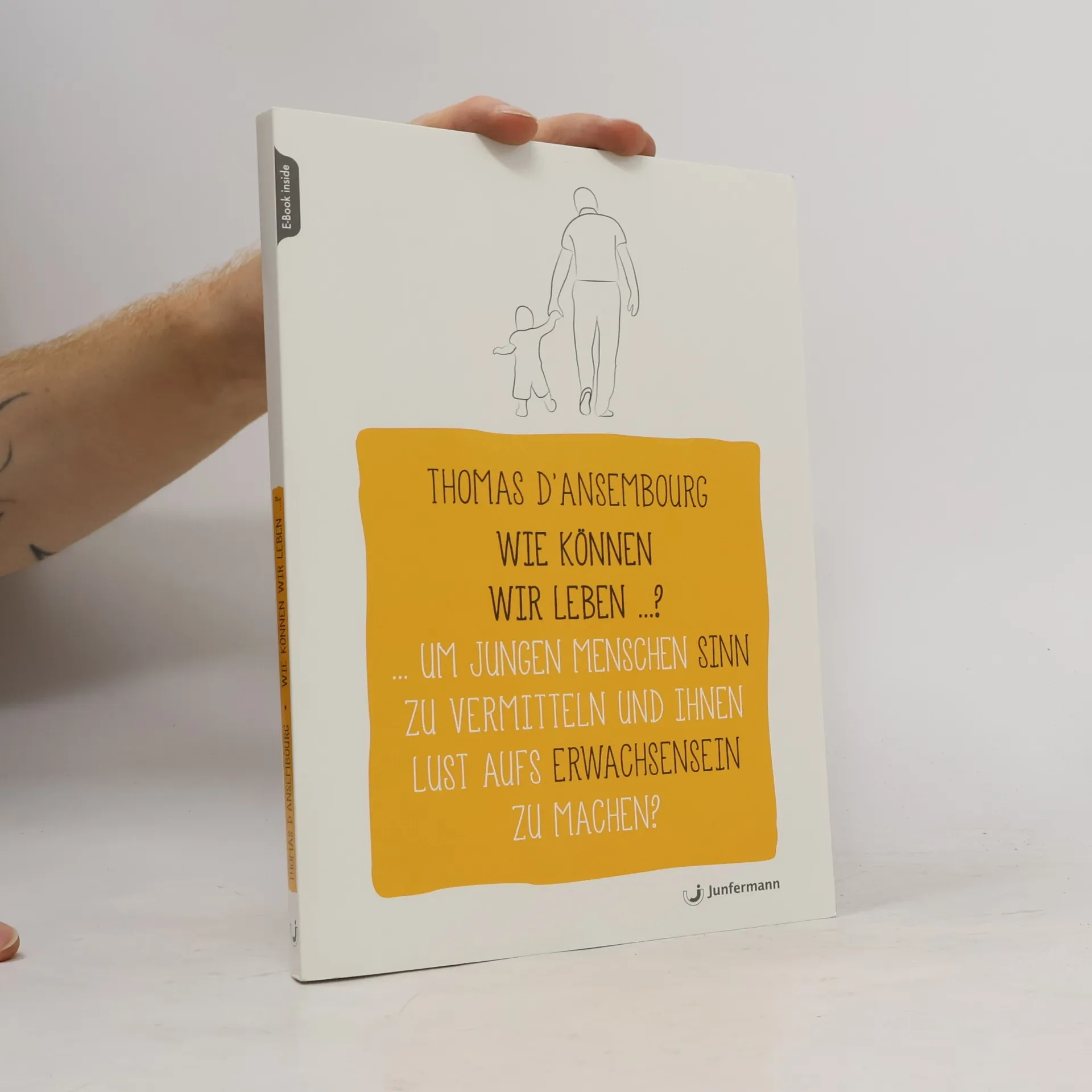
    Wie können wir leben ...? Um jungen Menschen Sinn zu vermitteln und ihnen Lust aufs Erwachsensein zu machen?
    Être heureux, ce n'est pas nécessairement confortable
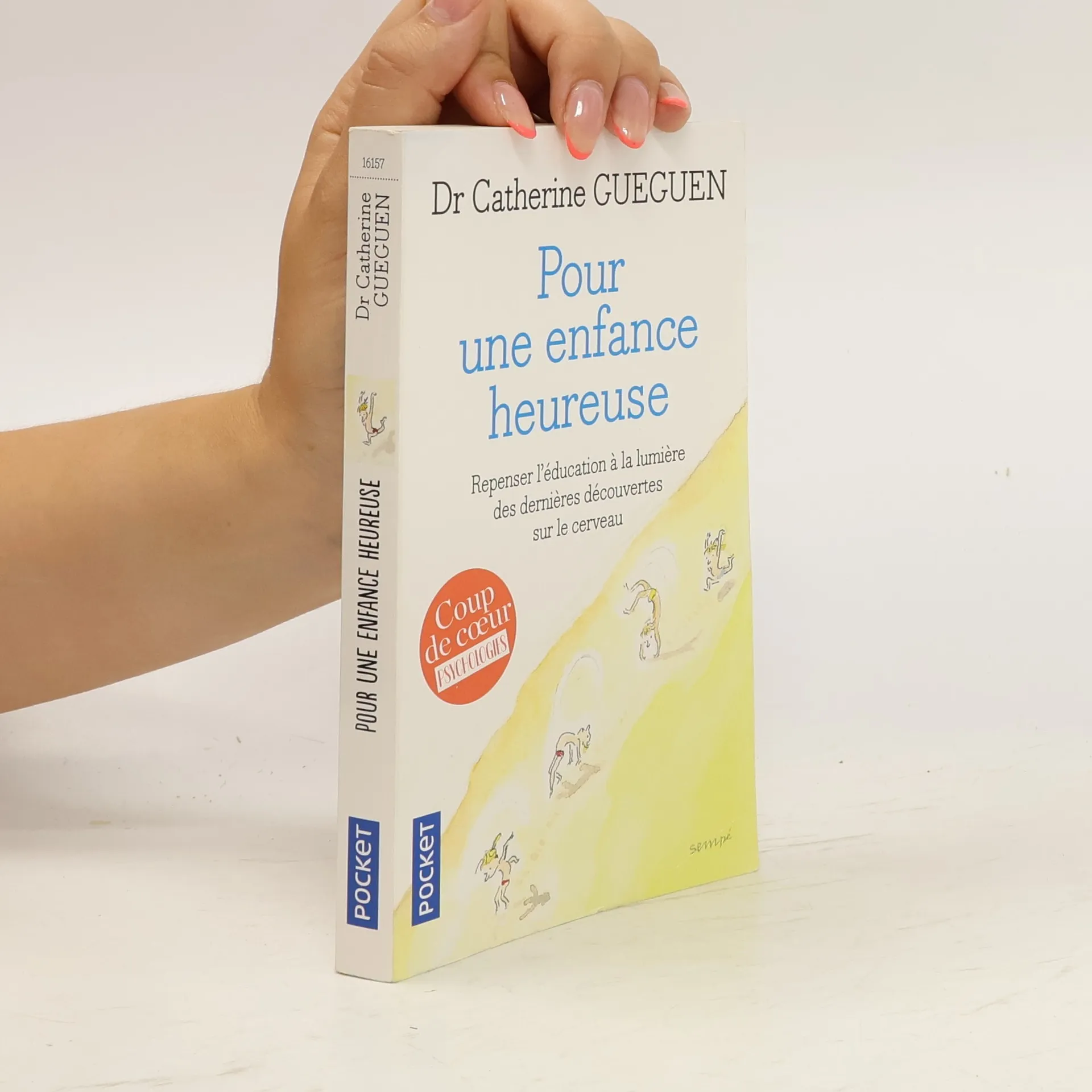
    Pour une enfance heureuse
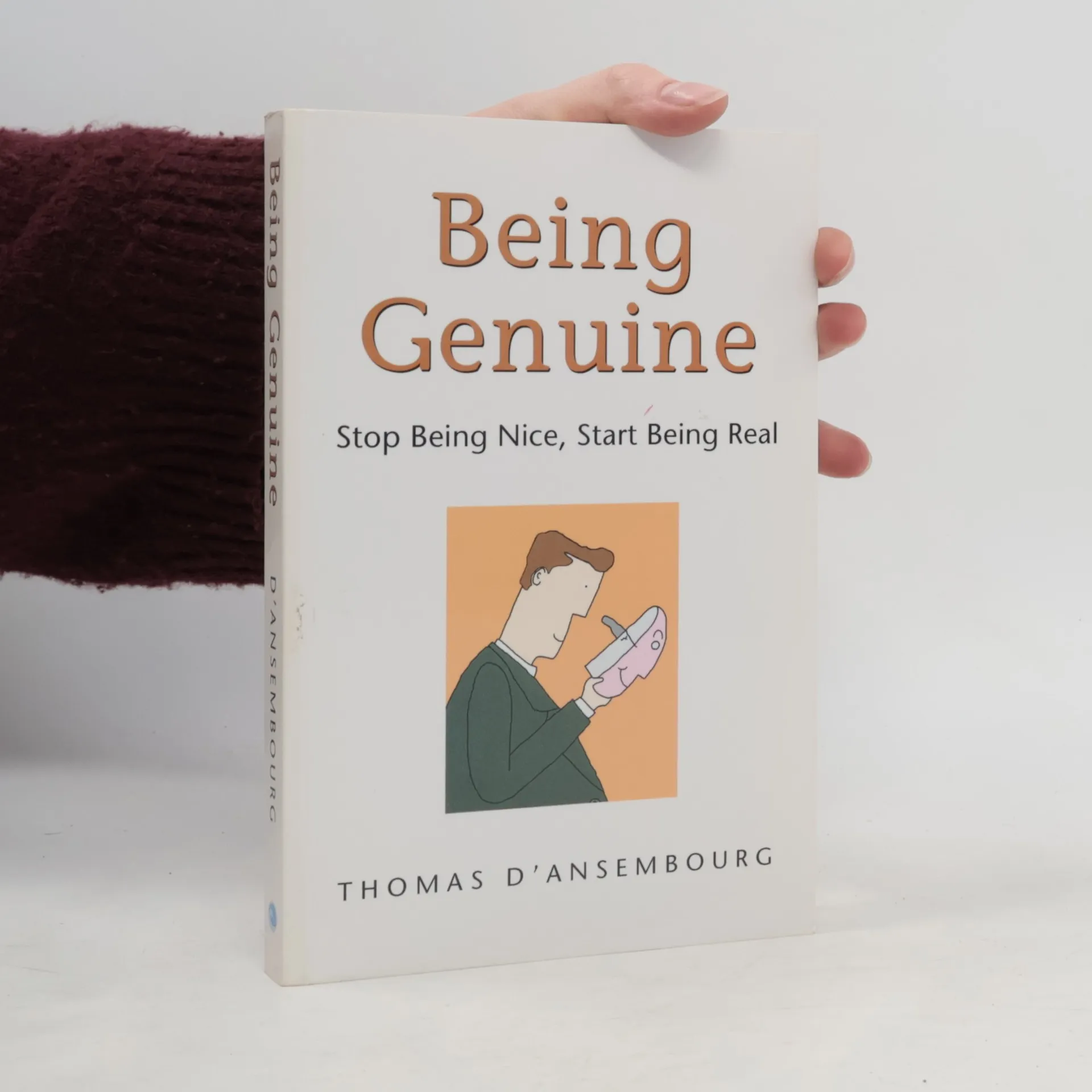
    Being Genuine
    • Being Genuine

      • 302 pages
      • 11 hours of reading

      In this English translation of the French bestseller, readers will learn simple, practical skills to step outside of their emotional masks to live a genuine, authentic life. Teaching everyday communication skills to respectfully express true feelings and the power of requesting wants without demands or force, readers learn how to tackle life's difficult situations and conversations with ease and even excitement. Topics include ideas and advice on how to identify feelings and needs without blaming others, honest and respectful self-expression, facing conflict with ease, and finding balance by staying connected to basic needs.
      Being Genuine
      4.1
    • Pour une enfance heureuse

      • 368 pages
      • 13 hours of reading

      Les dernières découvertes scientifiques sur le développement et le fonctionnement du cerveau bouleversent notre compréhension des besoins de l'enfant. Elles démontrent qu'une relation empathique est décisive pour permettre au cerveau des enfants et des adolescents d'évoluer au mieux, en déployant pleinement ses capacités intellectuelles et affectives. Catherine Gueguen nous fait partager ces découvertes et propose des conseils éducatifs pour les parents et les professionnels. Un véritable plaidoyer en faveur d'une éducation bienveillante qui remet en cause nombre d'idées reçues.

      Pour une enfance heureuse
      4.3
    • Beaucoup d'entre nous croient que, pour être heureux, il faut se sentir bien tout le temps et mener la vie de ses rêves. Cette erreur nous empêche de goûter pleinement les moments de joie. Et nous pouvons rester captifs longtemps de cette illusion... Des pièges anti-bonheur, Thomas d'Ansembourg en a cerné plusieurs, tant dans sa propre vie que dans celle des gens qu'il rencontre lors de ses conférences. Au fil des ans, il a analysé leurs mécanismes et leurs manifestations quotidiennes dans nos habitudes et nos façons de penser. A l'aide d'exemples concrets, il nous invite à en prendre conscience et nous propose des moyens pour nous en libérer. Une démarche essentielle pour vaincre nos difficultés et nos souffrances, et ressentir un bien-être intérieur de plus en plus fort.

      Être heureux, ce n'est pas nécessairement confortable
      3.3
    • „Junge Menschen hören nicht auf das, was du sagst. Sie achten auch nicht auf das, was du tust. Sie achten darauf, wie du bist!“ Was denken Jugendliche, wenn sie beobachten, wie Erwachsene ihren Alltag bewältigen, mit Konflikten und Frustration umgehen und ihre Work-Life-Balance organisieren? Etwa: „Erwachsensein ist super. Ich kann es kaum erwarten, bis auch ich in meinem eigenen Tempo lernen und mich entwickeln kann, um dann, im Einklang mit mir selbst, sagen zu können: Ich freue mich, dass ich so bin“? Oder sagen sie nicht doch eher: „Die spinnen doch. Ständig sind sie in Hektik und gestresst, träumen aber von Ruhe. Sie fordern Respekt, ohne sich selbst zu respektieren. Sie wollen sich auf das Wesentliche konzentrieren – und verzetteln sich ständig.“ Es liegt in der Verantwortung der Erwachsenen, sich selbst zu hinterfragen sowie kreative und inspirierende Antworten auf u. a. folgende Fragen zu finden: - Wie zeigen wir durch unsere Art miteinander zu reden, dass Respekt, Klarheit und Empathie nicht nur Ideen, sondern gelebte Werte sind? - Wie setzen wir klare und verständliche Grenzen, ohne die andere Person oder uns selbst einzuschränken? - Wie vermitteln wir Jugendlichen durch unsere Art zu sein – als Eltern oder Lehrer*innen – einen Sinn für Schönheit und Freude, trotz des Schmerzes und der Verwirrung, die das Leben mit sich bringt?

      Wie können wir leben ...? Um jungen Menschen Sinn zu vermitteln und ihnen Lust aufs Erwachsensein zu machen?
    • Autor mezinárodního bestselleru Přestaňte být hodní, buďte sami sebou ve své nové knize objasňuje myšlenkové návyky a vzor­ce, které nás vězní a systematicky nám brání v dosažení toho, co všichni hledáme, tedy vnitřní pohodu a štěstí. Nebla­hé návyky, představy, přesvědčení a rozpo­ruplné nároky, které nám vštípila výchova, nazývá nevědomými pastmi na štěstí. Tyto vnitřní překážky, které vězí hluboko v na­šem nitru, jsou o to mocnější, že si je neuvědomujeme. Abychom se těchto svazu­jí­cích mechanismů zbavili a nastoupili cestu osobní proměny a zrání, musíme je v sobě nejprve odhalit a porozumět jim. Dokud si nepřiznáme, že jsme v zajetí růz­ných vnitřních pastí, nemůžeme se z nich vysvobodit ani pochopit, jak jsme se v nich vlastně ocitli. Cesta k poznání sebe sama není vždy snadná ani pohodlná, neboť od nás vyžaduje, abychom se vzdali řady iluzí a sebeklamů, ať už o sobě nebo o lidech ko­lem nás, které nás provázejí od dětství. Zkrátka abychom se mohli začít učit být štastní, musíme se nejprve odnaučit mnohému z toho, co do nás – často v dobré víře – rodiče, škola či společnost vložili.

      Odnaučte se, co vás naučili, a naučte se být šťastní
      2.4