Spiro Kostof was a leading architectural historian whose work is recognized for its interdisciplinary approach and focus on urban development and the architecture of the built environment. His influential books, still widely read and utilized in collegiate courses, explore the intersections of urbanism, city form, and architectural heritage. Kostof's legacy endures through an award established in his name, which champions works that embody his innovative and expansive perspective on architectural history.
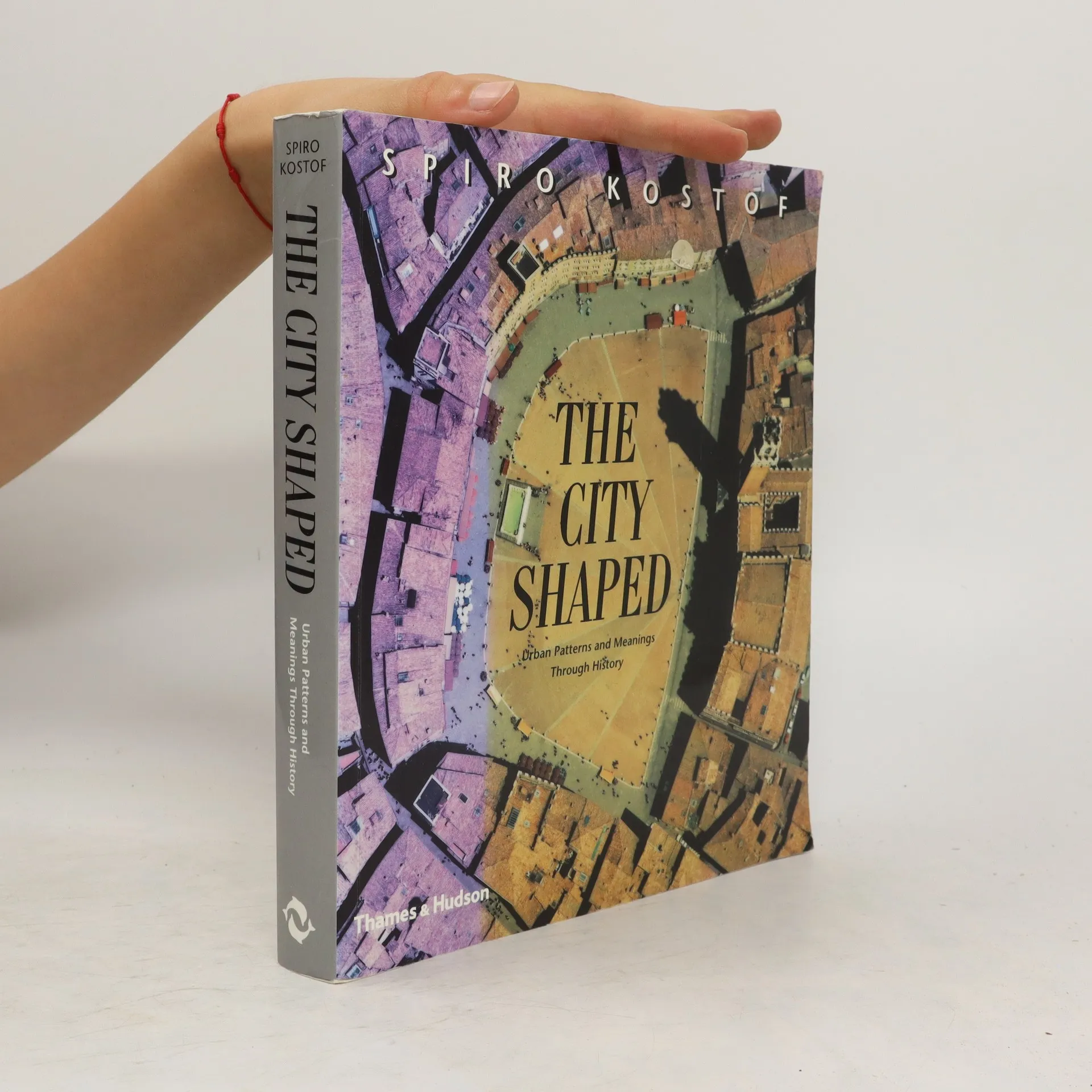
The book is about the universal phenomenon of citymaking seen in a historical perspective - how and why cities took the shape they did. It focuses on a number of themes - organic patterns, the grid, the city as a diagram, the grand manner, and the skyline - and moves through time and place to interpret the hidden order inscribed in urban patterns.
Spiro Kostof's influential work reshaped architectural history by connecting great monuments with everyday dwellings and diverse cultures. Richard Ingersoll's new, student-friendly text builds on this global vision, offering a comprehensive survey of world and contemporary architecture. Organized chronologically, each chapter highlights three distinct architectural cultures, allowing instructors to select relevant traditions for their courses. Students benefit from a variety of pedagogical tools, including timelines, comparative maps, a glossary, and text boxes that address social factors and specific technological and philosophical issues.
The text features over 800 stunning full-color visuals, including photographs, original graphics, architectural drawings, and detailed diagrams that illustrate the creation of iconic buildings. Additional learning aids, such as new timelines, chapter introductions, case studies, bibliographies, review questions, and a glossary, help students grasp key concepts and prepare for exams. Instructors receive a free Resource CD with PowerPoints and 80% of the images from the text, while a companion website offers chapter summaries, review questions, self-exams, and Google Earth maps pinpointing key structures. This comprehensive approach fosters a deeper understanding and appreciation of the history, cultural significance, and beauty of architecture worldwide.
A history of the elements of cities traces the development of such features as streets, public places, urban divisions, and the frontiers of city and countryside, discussing the effect of natural disasters, war, and redevelopment on cities while offering insight into how to apply contemporary solutions to urban restoration efforts. Reprint.