Explore the latest books of this year!
Bookbot

Mary Roach Book order (chronological)

    March 20, 1959

    Mary Roach is an author who dives into the less-explored corners of science with fascinating insight. With a unique flair for humor and accessibility, she brings complex subjects to life, from anatomy to space travel. Her writing is characterized by curiosity and an ability to find surprising and engaging stories in areas others might deem taboo. Readers can expect to discover unexpected connections and gain a deeper understanding of the world around them.

    Mary Roach
    Bonk
    Gulp
    Grunt
    Packing for Mars
    Stiff
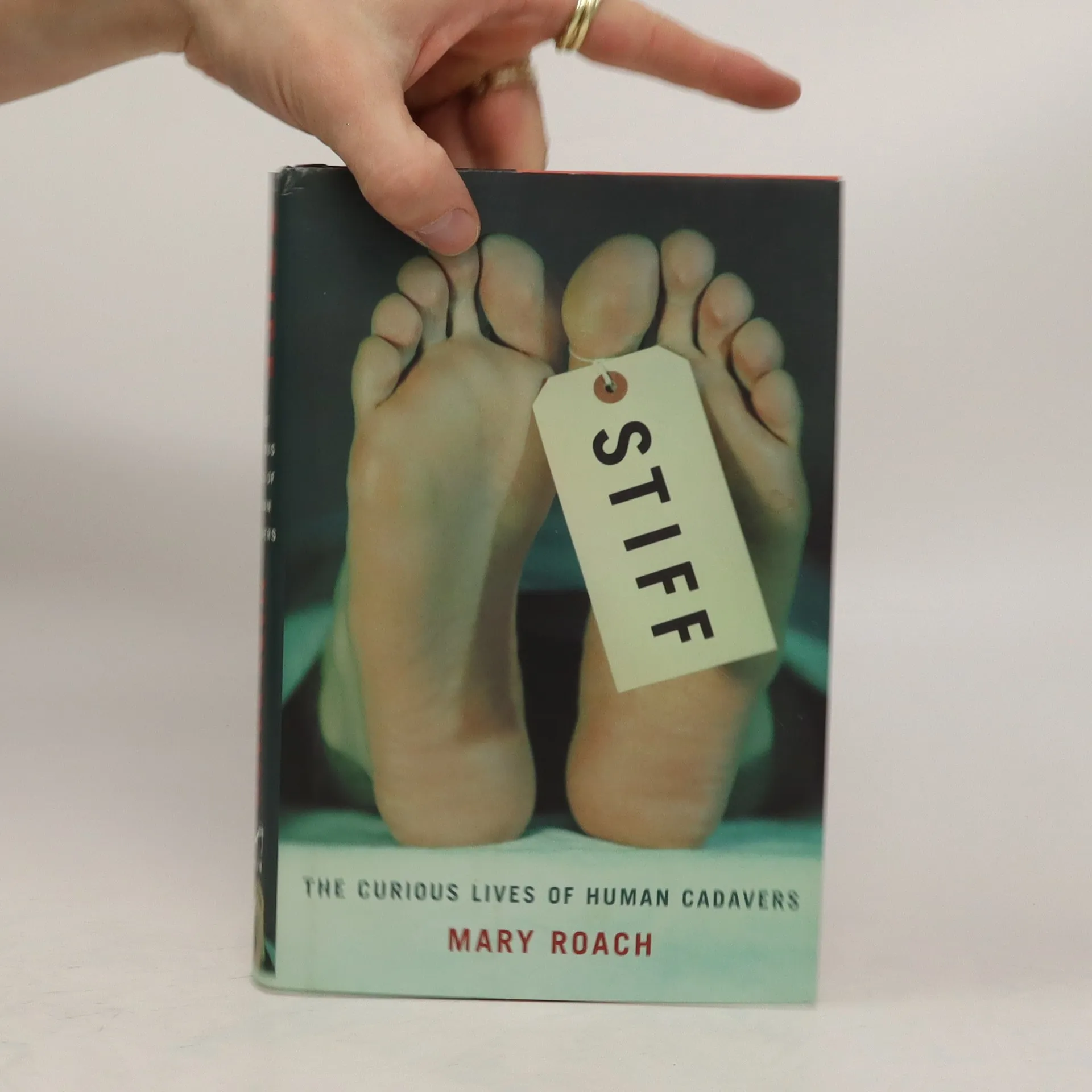
    Stiff : the curious lives of human cadavers
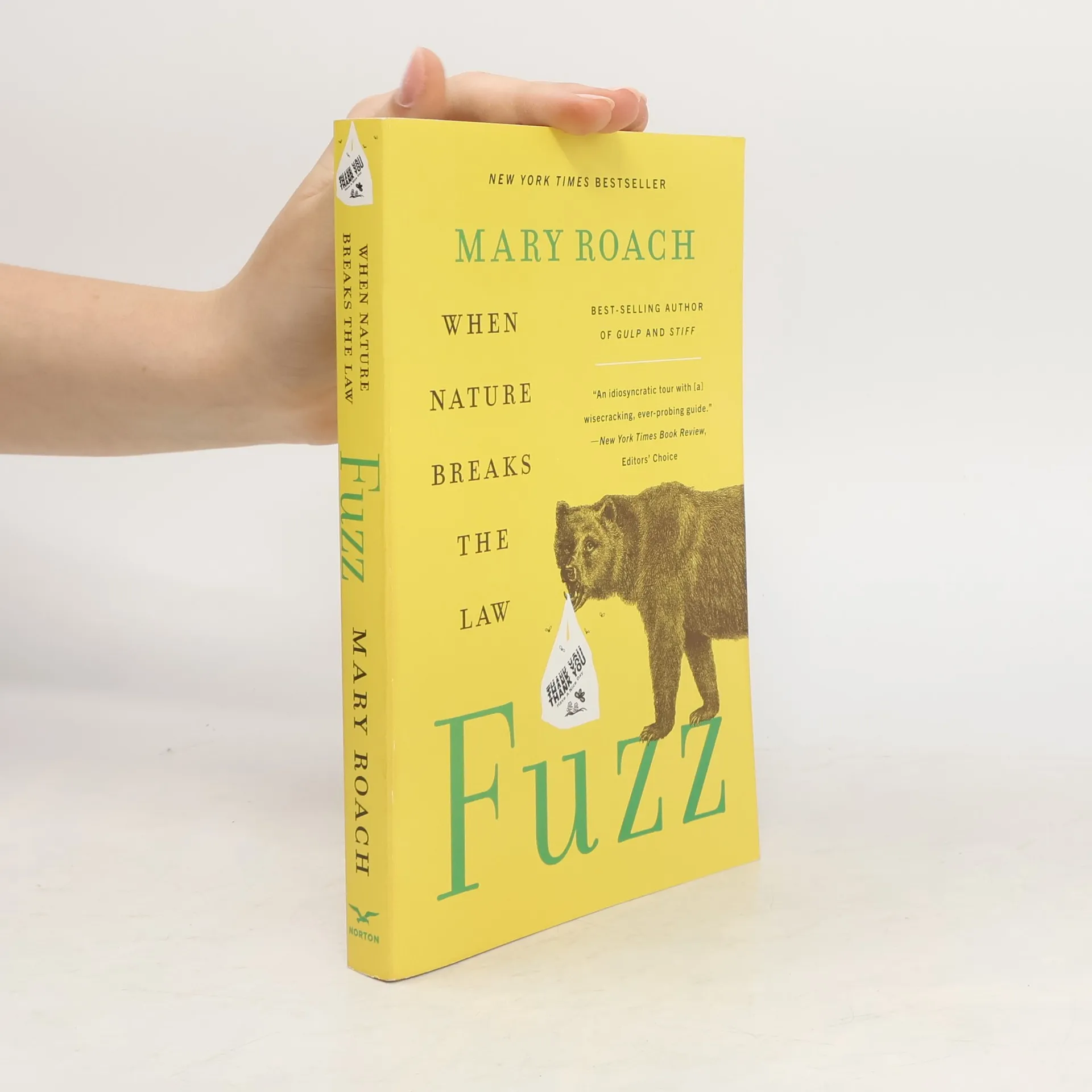
    • Fuzz. When Nature Breaks the Law

      • 320 pages
      • 12 hours of reading

      What’s to be done about a jaywalking moose? A bear caught breaking and entering? A murderous tree? Three hundred years ago, animals that broke the law would be assigned legal representation and put on trial. These days, as New York Times best-selling author Mary Roach discovers, the answers are best found not in jurisprudence but in science: the curious science of human-wildlife conflict, a discipline at the crossroads of human behavior and wildlife biology. Roach tags along with animal-attack forensics investigators, human-elephant conflict specialists, bear managers, and "danger tree" faller blasters. Intrepid as ever, she travels from leopard-terrorized hamlets in the Indian Himalaya to St. Peter’s Square in the early hours before the pope arrives for Easter Mass, when vandal gulls swoop in to destroy the elaborate floral display. She taste-tests rat bait, learns how to install a vulture effigy, and gets mugged by a macaque. Combining little-known forensic science and conservation genetics with a motley cast of laser scarecrows, langur impersonators, and trespassing squirrels, Roach reveals as much about humanity as about nature’s lawbreakers. When it comes to "problem" wildlife, she finds, humans are more often the problem—and the solution. Fascinating, witty, and humane, Fuzz offers hope for compassionate coexistence in our ever-expanding human habitat.

      Fuzz. When Nature Breaks the Law2021
      3.8
    • Jak to udělat, aby lidské bytosti i v extrémních podmínkách války zůstaly živé, bdělé, příčetné, zdravé a neprolezlé parazity? Tato pozoruhodná kniha seznamuje čtenáře se světem vojenské vědy a s vědci, kteří bojují proti jedněm z nejúkladnějších nepřátel dnešních vojáků – panice, vyčerpání, vedru nebo třeba hluku. V rámci zkoumání poškození sluchu a jeho vlivu na bojové schopnosti uskakuje autorka nepřátelské palbě po boku paintballového týmu amerických mariňáků. Vypravuje se do módního návrhářského studia armádní výzkumné základny v Naticku, aby se dozvěděla, proč zipy představují pro odstřelovače problém. Navštíví někdejší filmové studio, kde si budoucí medici cvičí ošetřování bojových ranění na hercích s amputovanými končetinami. Odpovídá na otázky, které v žádné jiné knize věnované vojenství nenajdete: Proč se výzkumná agentura DARPA zajímá o kachny? V čem svatební šaty připomínají pyrotechnický oblek? Proč jsou pro námořníky nebezpečnější krevety než žraloci?

      Mozky pro armádu – Pozoruhodný svět vojenské vědy2017
      4.0
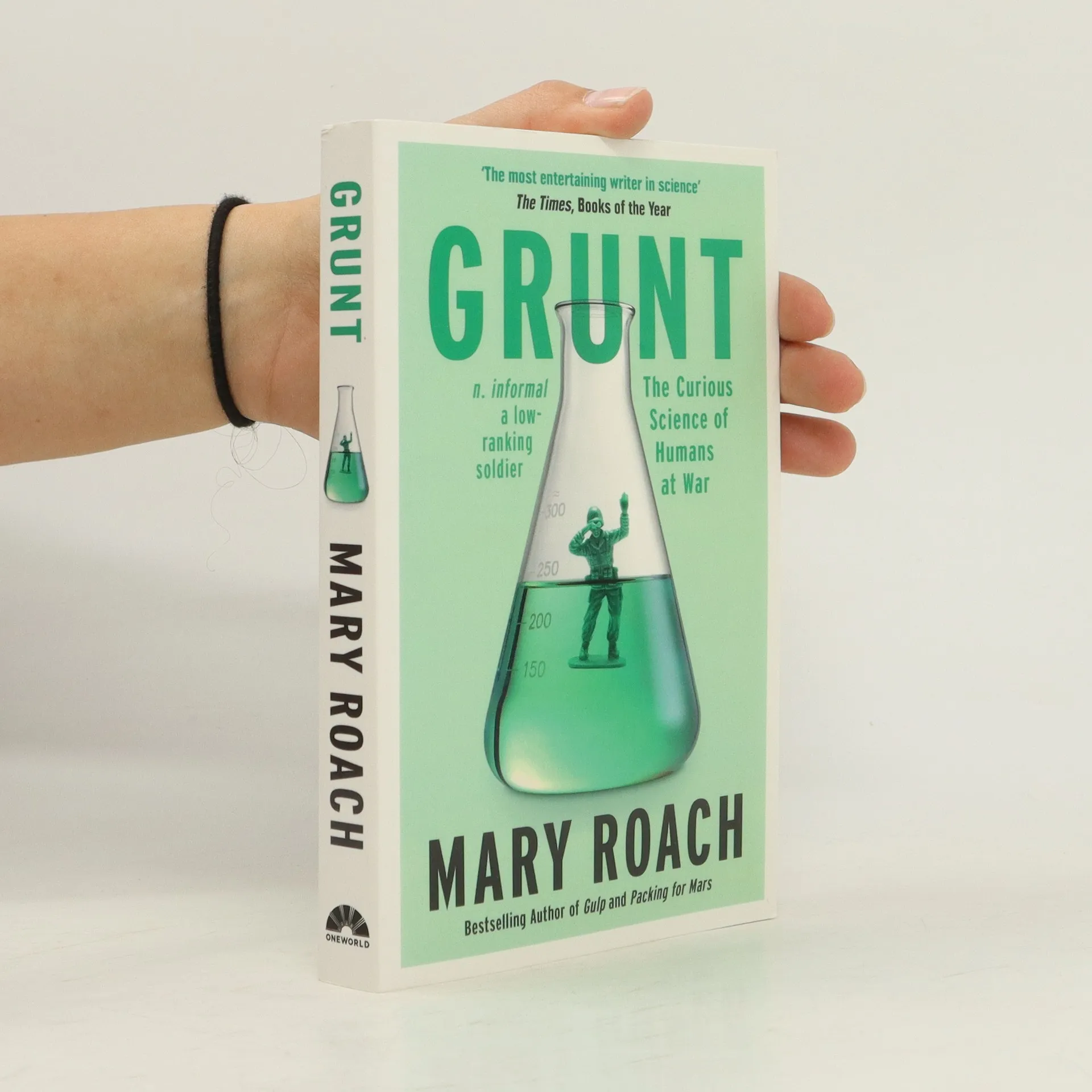
    • Grunt

      • 288 pages
      • 11 hours of reading

      Mention it and most of us think of history, of conflicts on foreign soil, of heroism and compromise, of strategy and weapons. But there's a whole other side to the gruesome business of the battlefield. In Grunt, the inimitable Mary Roach explores the science of keeping human beings intact, awake, sane, uninfected and uninfested in the bizarre and extreme circumstances of war.Setting about her task with infectious enthusiasm, she sniffs World War II stink bombs, tests earplugs in a simulated war zone and burns the midnight oil with the crew of a nuclear submarine. Speaking to the scientists and the soldiers, she learns about everything from life-changing medical procedures to innovations as esoteric as firing dead chickens at fighter jets. Engrossing, insightful and laugh-out-loud funny, this is an irresistible ride to the wilder shores of modern military life.

      Grunt2016
      3.9
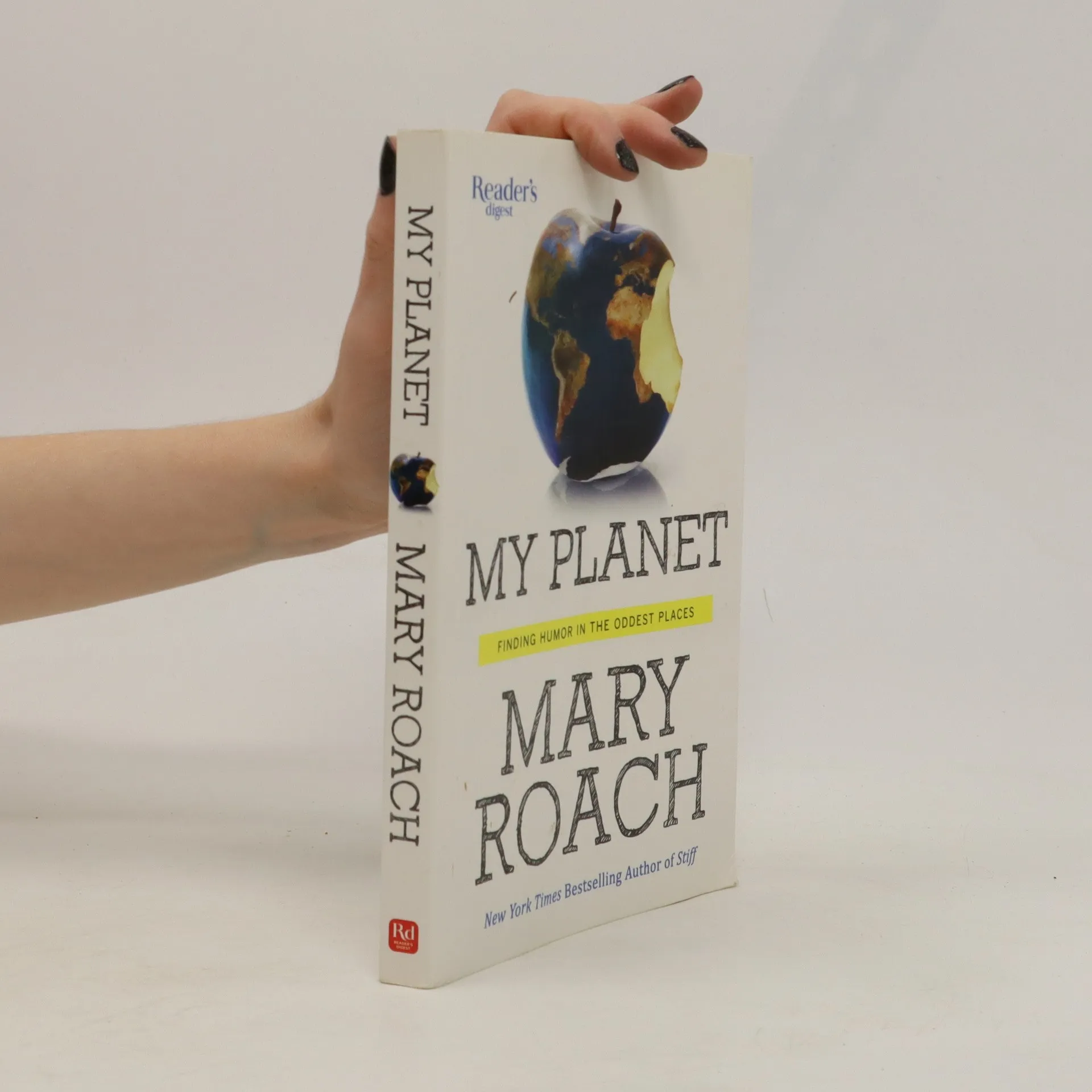
    • Roach takes a magnifying glass to everyday life, exposing moments of hilarity in the mundane and revealing amusing musings about marriage, automated customer service, and mazelike bargain stories

      My Planet2013
      3.6
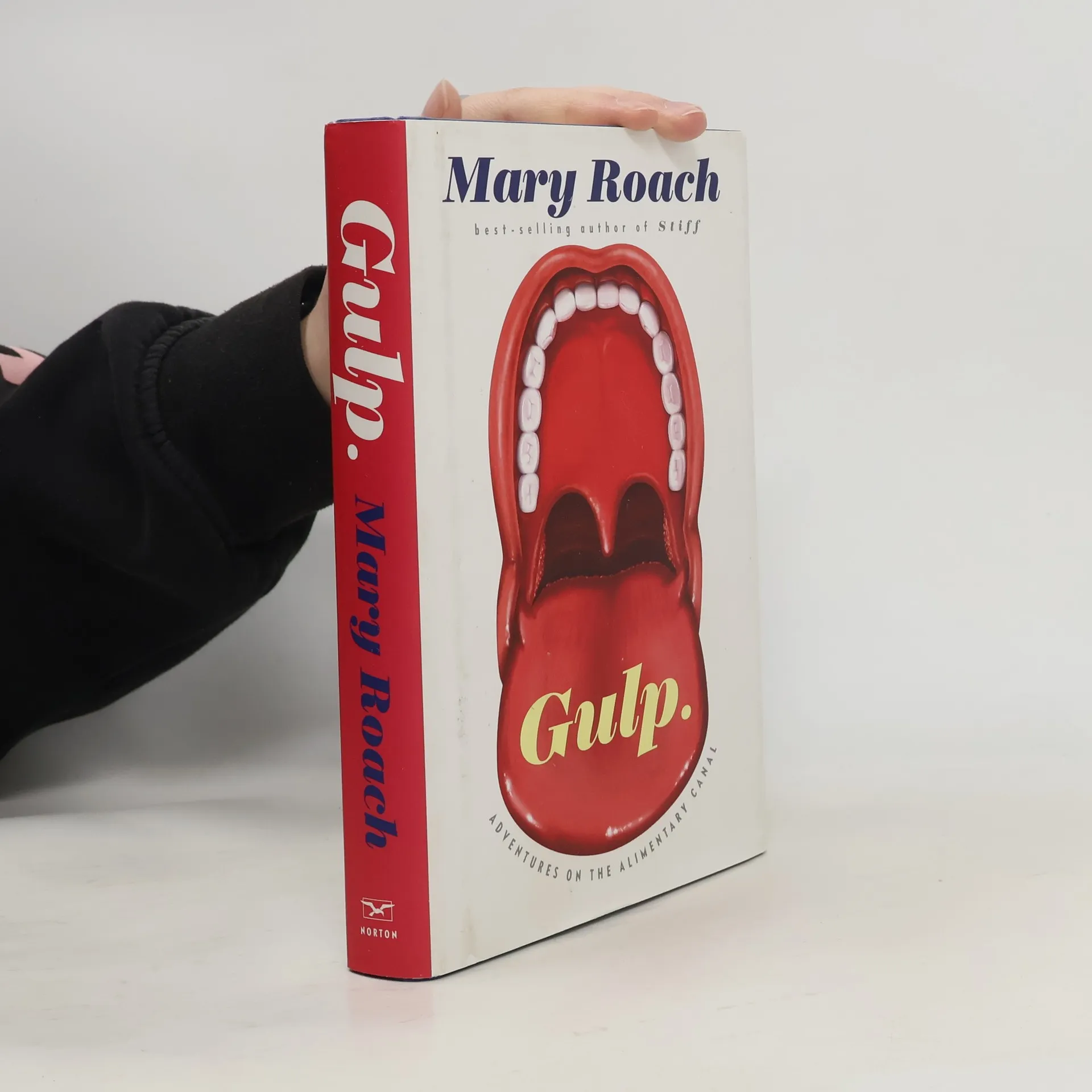
    • Gulp

      Adventures on the Alimentary Canal

      • 348 pages
      • 13 hours of reading

      “America’s funniest science writer” (Washington Post) takes us down the hatch on an unforgettable tour. The alimentary canal is classic Mary Roach terrain: the questions explored in Gulp are as taboo, in their way, as the cadavers in Stiff and every bit as surreal as the universe of zero gravity explored in Packing for Mars. Why is crunchy food so appealing? Why is it so hard to find words for flavors and smells? Why doesn’t the stomach digest itself? How much can you eat before your stomach bursts? Can constipation kill you? Did it kill Elvis? In Gulp we meet scientists who tackle the questions no one else thinks of—or has the courage to ask. We go on location to a pet-food taste-test lab, a fecal transplant, and into a live stomach to observe the fate of a meal. With Roach at our side, we travel the world, meeting murderers and mad scientists, Eskimos and exorcists (who have occasionally administered holy water rectally), rabbis and terrorists—who, it turns out, for practical reasons do not conceal bombs in their digestive tracts. Like all of Roach’s books, Gulp is as much about human beings as it is about human bodies.

      Gulp2013
      3.9
    • Packing for Mars

      • 293 pages
      • 11 hours of reading

      Space is devoid of the stuff humans need to live: air, gravity, hot showers, fresh veg, privacy, beer. How much can a person give up? What happens when you can't walk for a year? Is sex any fun in zero gravity? As Mary Roach discovers, it's possible to explore space without ever leaving Earth. From the space shuttle training toilet to a 17,000-mile-per-hour crash test of NASA's space capsule, she takes us on a surreally entertaining trip into the science of living in space.

      Packing for Mars2010
      4.0
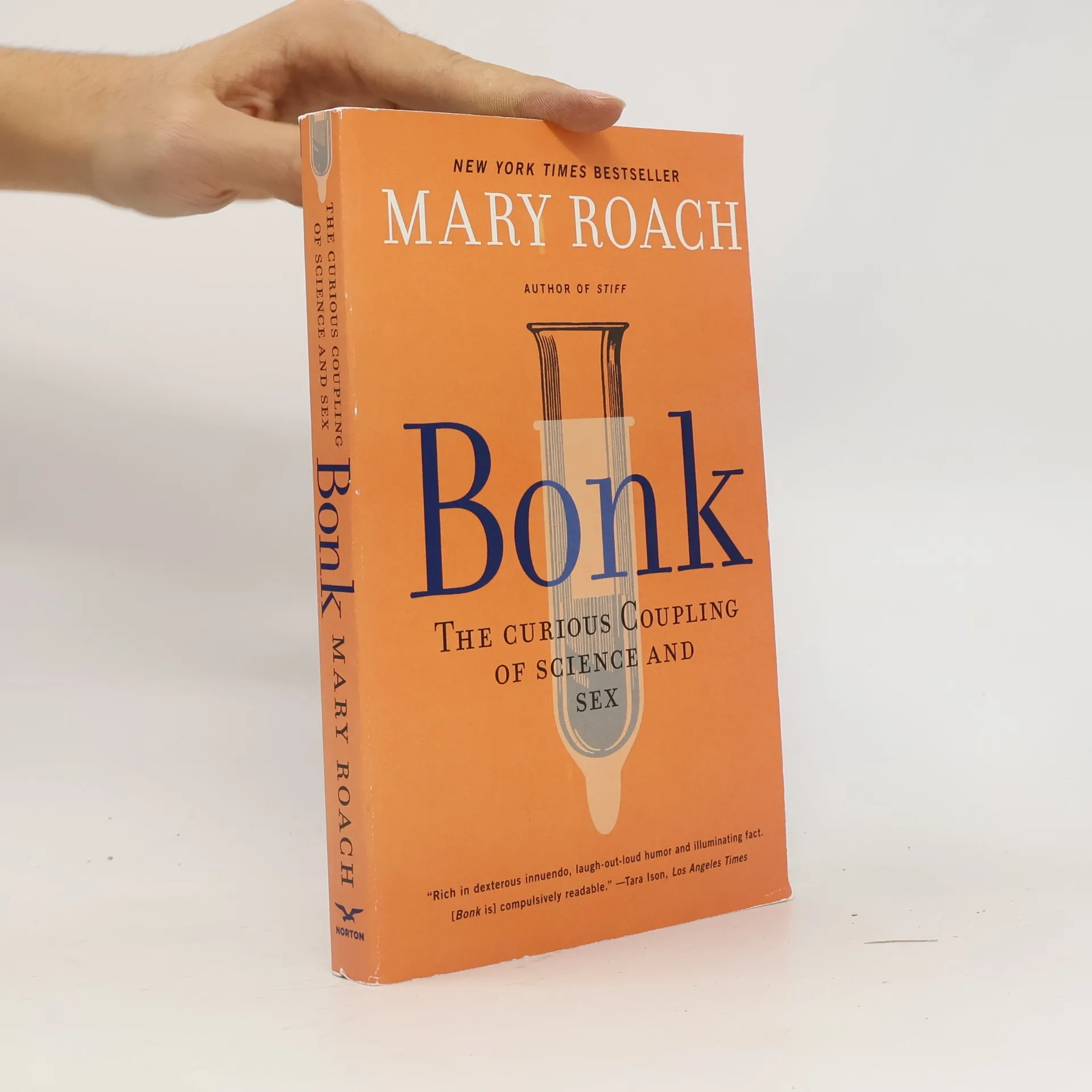
    • Bonk

      The Curious Coupling of Science and Sex

      • 336 pages
      • 12 hours of reading

      The best-selling author of Stiff turns her outrageous curiosity and infectious wit on the most alluring scientific subject of all: sex. The study of sexual physiology—what happens, and why, and how to make it happen better—has been a paying career or a diverting sideline for scientists as far-ranging as Leonardo da Vinci and James Watson. The research has taken place behind the closed doors of laboratories, brothels, MRI centers, pig farms, sex-toy R&D labs, and Alfred Kinsey’s attic. Mary Roach, “the funniest science writer in the country” (Burkhard Bilger of The New Yorker), devoted the past two years to stepping behind those doors. Can a person think herself to orgasm? Can a dead man get an erection? Is vaginal orgasm a myth? Why doesn’t Viagra help women—or, for that matter, pandas? In Bonk, Roach shows us how and why sexual arousal and orgasm, two of the most complex, delightful, and amazing scientific phenomena on earth, can be so hard to achieve and what science is doing to slowly make the bedroom a more satisfying place.

      Bonk2008
      3.9
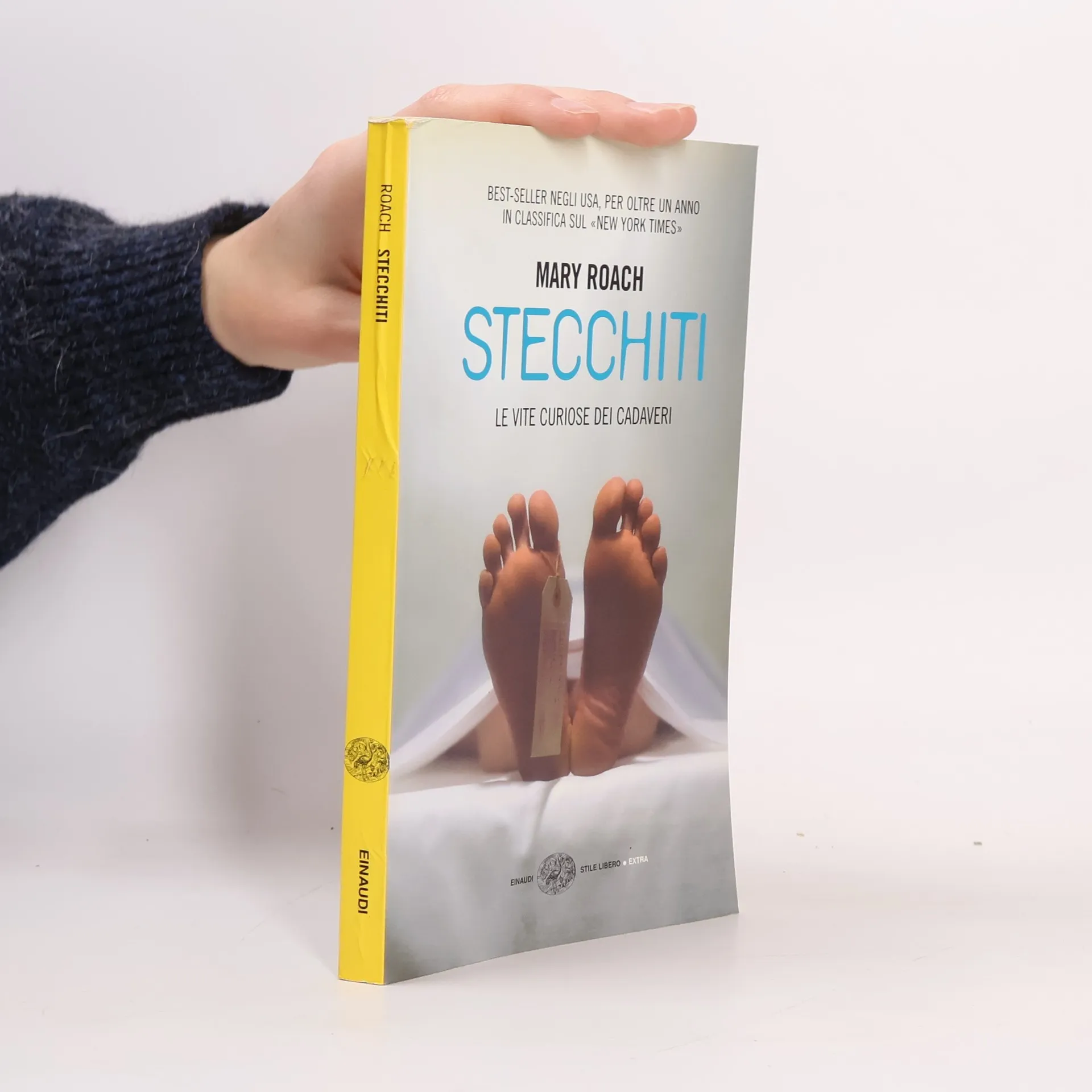
    • Stile Libero Extra: Stecchiti

      Le vite curiose dei cadaveri

      • 249 pages
      • 9 hours of reading

      Mai una materia in apparenza così macabra aveva dato origine a un libro così rigoroso, e al tempo stesso divertito, irriverente, perfino comico. Un libro che trasforma uno dei tabù della nostra epoca in un'occasione di riflessione storica e di grande attualità.

      Stile Libero Extra: Stecchiti2005
      4.0
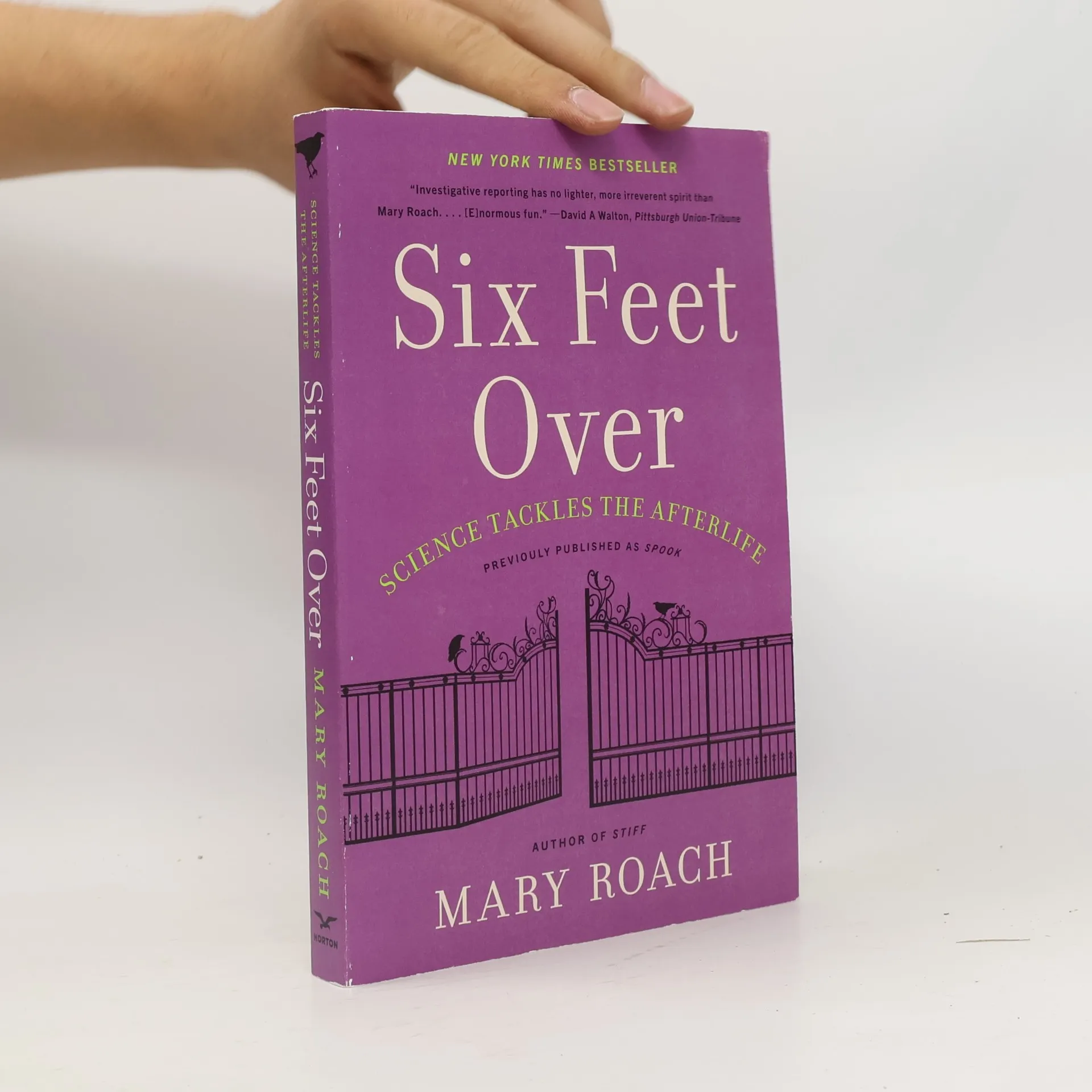
    • Six Feet Over

      Science Tackles the Afterlife

      • 320 pages
      • 12 hours of reading

      The best-selling author of Stiff: The Curious Lives of Human Cadavers now trains her considerable wit and curiosity on the human soul. What happens when we die? Does the light just go out and that's thatthe million-year nap? Or will some part of my personality, my me-ness persist? What will that feel like? What will I do all day? Is there a place to plug in my lap-top?" In an attempt to find out, Mary Roach brings her tireless curiosity to bear on an array of contemporary and historical soul-searchers: scientists, schemers, engineers, mediums, all trying to prove (or disprove) that life goes on after we die. She begins the journey in rural India with a reincarnation researcher and ends up in a University of Virginia operating room where cardiologists have installed equipment near the ceiling to study out-of-body near-death experiences. Along the way, she enrolls in an English medium school, gets electromagnetically haunted at a university in Ontario, and visits a Duke University professor with a plan to weigh the consciousness of a leech. Her historical wanderings unearth soul-seeking philosophers who rummaged through cadavers and calves' heads, a North Carolina lawsuit that established legal precedence for ghosts, and the last surviving sample of "ectoplasm" in a Cambridge University archive.

      Six Feet Over2005
      3.5
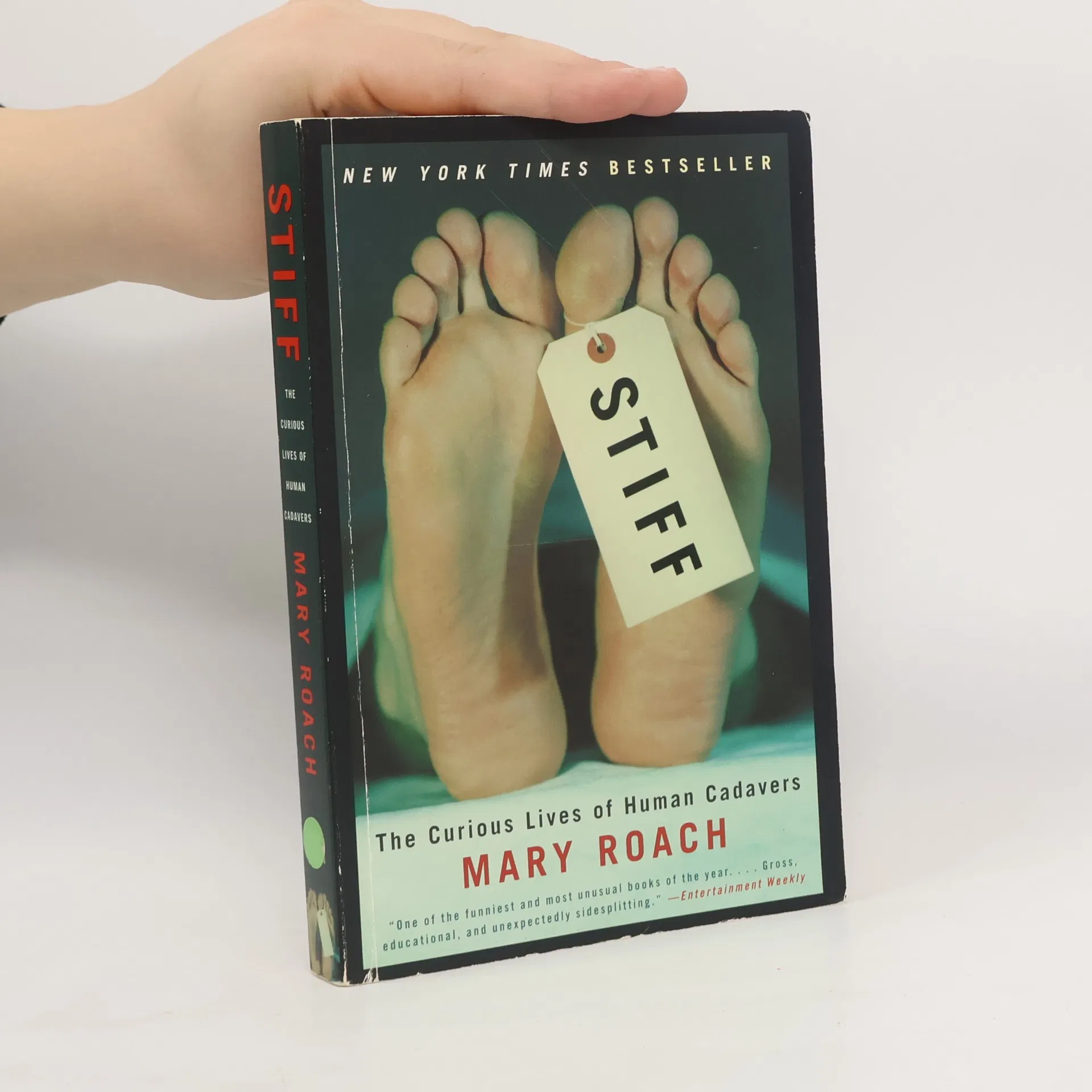
    • Stiff

      • 304 pages
      • 11 hours of reading

      A look inside the world of forensics examines the use of human cadavers in a wide range of endeavors, including research into new surgical procedures, space exploration, and a Tennessee human decay research facility.

      Stiff2003
      4.1