

Guido Paduano Book order (chronological)

Il capitano Paul
- 288 pages
- 11 hours of reading
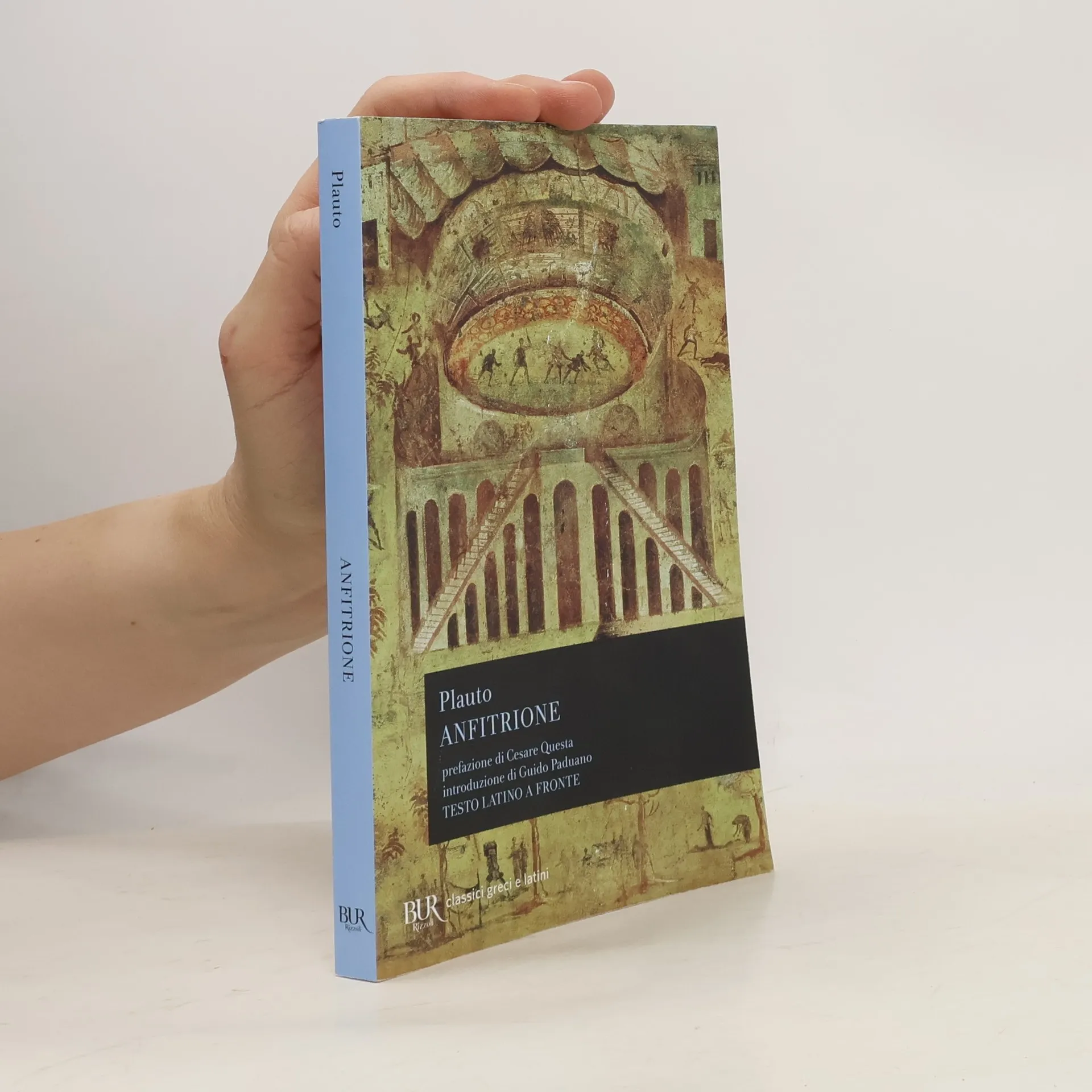
Cosa succederebbe se, tornando a casa, si venisse accolti da un altro se stesso? Il tema del doppio e la difesa della propria identità nel contrasto tra realtà e apparenza sono al centro di questa 'tragicommedia', ricca di ironia e colpi di scena che hanno ispirato autori come Molière e Kleist. Giove, innamorato della bella Alcmena, sfrutta l'assenza del marito Anfitrione per assumere le sue sembianze e passare la notte con lei. Il mattino seguente, il vero Anfitrione invia il servo Sosia per annunciare il suo ritorno dalla guerra, ma questi si imbatte nel suo 'sosia', ovvero Mercurio travestito, che sostiene il gioco di Giove. Anfitrione non crede alle parole del servo, e dopo un'esilarante interazione con il suo doppio, corre a raccontare l'accaduto al padrone. Anche Alcmena non viene creduta quando afferma di aver appena visto il marito. La situazione si complica, e solo l'intervento di Giove potrà riportare la serenità e risolvere i dubbi, conducendo a un inevitabile lieto fine. Guido Paduano esplora i temi centrali della commedia in un acuto saggio introduttivo, accompagnato da una ricca prefazione di Cesare Questa sul teatro di Plauto.
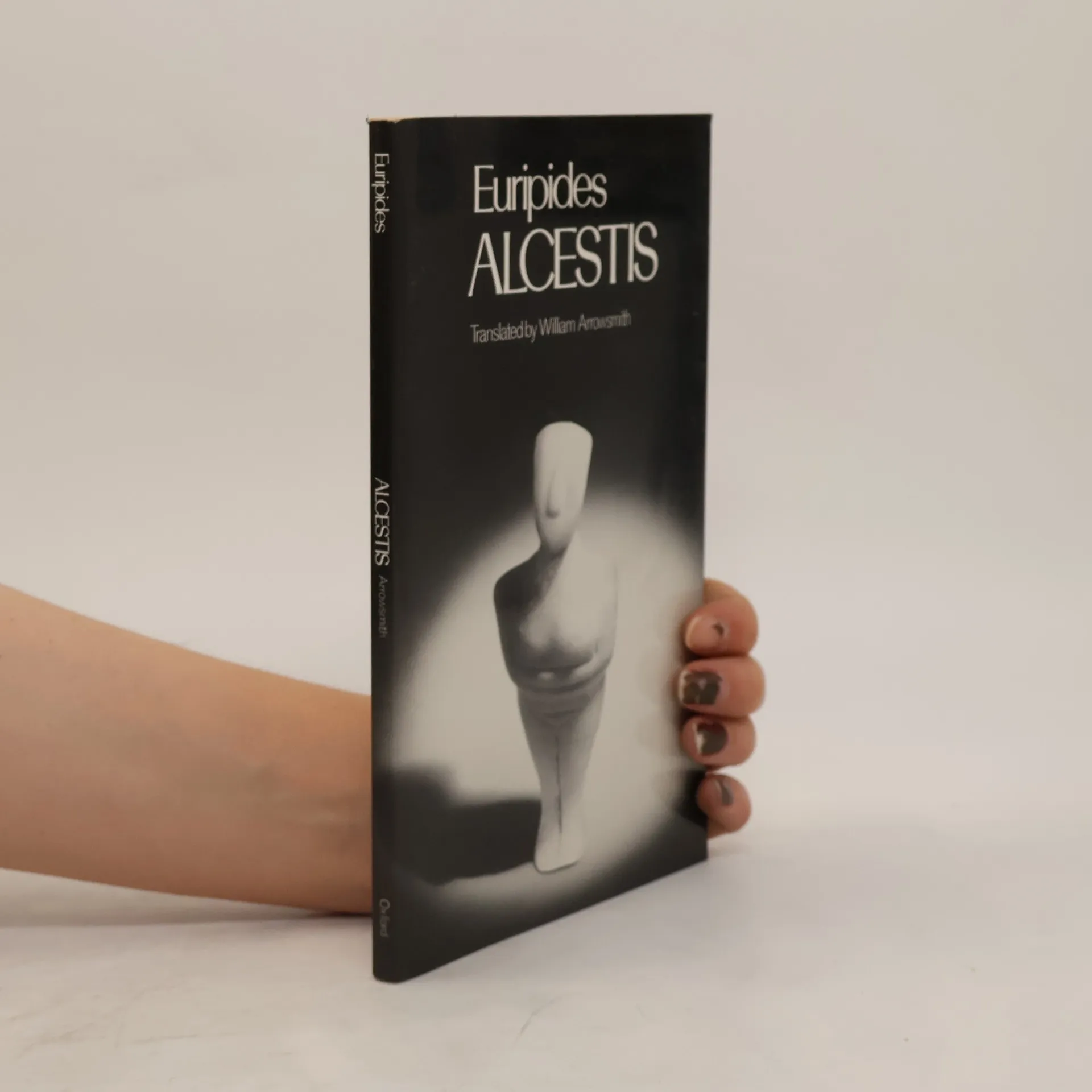
Alcestis
- 142 pages
- 5 hours of reading
At once a vigorous translation of one of Euripides' most subtle and witty plays, and a wholly fresh interpretation, this version reveals for the first time the extraordinary formal beauty and thematic concentration of the Alcestis. William Arrowsmith, eminent classical scholar, translator, and General Editor of this highly praised series, rejects the standard view of the Alcestis as a psychological study of the egotist Admetos and his naive but devoted wife. His translation, instead, presents the play as a drama of human existence-in keeping with the tradition of Greek tragedy-with recognizably human characters who also represent masked embodiments of human conditions. The Alcestis thus becomes a metaphysical tragicomedy in which Admetos, who has heretofore led a life without limitations, learns to "think mortal thoughts." He acquires the knowledge of limits-the acceptance of death as well as the duty to live-which, according to Euripides, makes people meaningfully human and capable of both courage and compassion. This new interpretation compellingly argues that, for Euripides, suffering humanizes, that exemption makes a man selfish and childish, and that only the courage to accept both life and death leads to the realization of one's humanity, and, in the case of Alcestis, to heroism.