

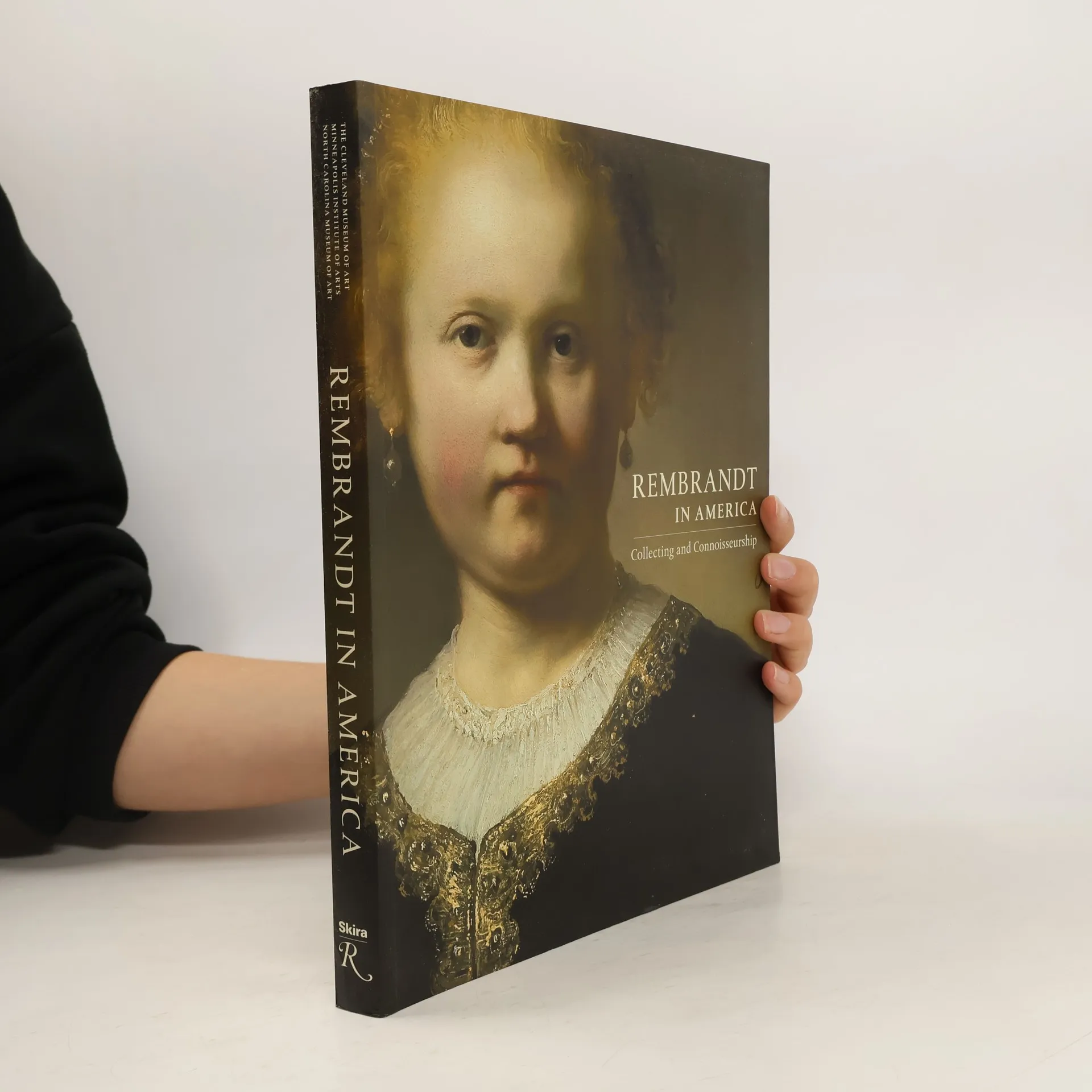
"Published on the occasion of the exhibition Rembrandt in America, 30 October 2011-22 January 2012 at the North Carolina Museum of Art, 19 February-28 May 2012 at the Cleveland Museum of Art, and 24 June-16 September 2012 at the Minneapolis Institute of Arts"--T.p. verso.
George S. Keyes Books

Just a month before his suicide in 1890, Vincent van Gogh expressed to his sister that portraiture was his greatest passion, even more than his other artistic endeavors. His brief yet intense career revolutionized portrait painting, significantly shaping its direction in the twentieth century. This publication accompanies a major touring exhibition, showcasing for the first time van Gogh's significant portraits from various stages of his life, alongside reproductions of many of his key works. The result is an insightful exploration of his artistic evolution, highlighting how he expanded the boundaries of portraiture, culminating in the masterpieces of his final years. Six original essays by prominent art historians delve into crucial aspects of van Gogh's portraits throughout his career. George Keyes contextualizes the paintings within Dutch art, noting the influence of masters like Rembrandt. Lauren Soth examines the early, stark drawings from The Hague. George Shackelford discusses the Parisian works reflecting Impressionist influences. In Arles, van Gogh's productivity peaked, producing powerful portraits of locals and himself, analyzed by Roland Dorn. Judy Sund focuses on portraits created during his mental struggles in the asylum, including the iconic Dr. Gachet and final self-portraits. Joseph Rishel concludes with the impact of van Gogh's work on his contemporaries and later artists. The essays are complemented by a d
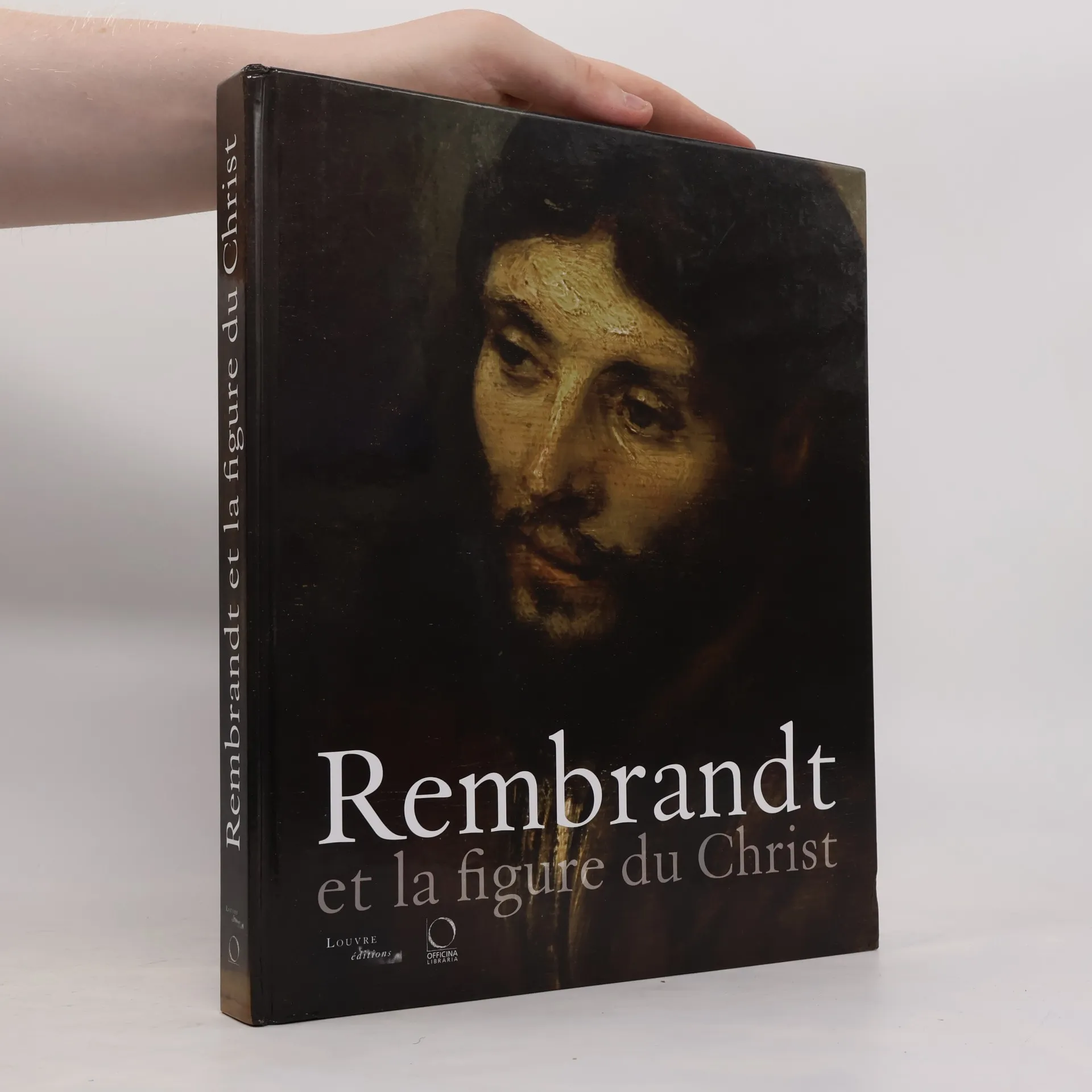
Rembrandt et la figure du Christ
- 263 pages
- 10 hours of reading
La mention d'un tableau représentant "une tête du Christ, d'après nature" dans l'inventaire des biens de Rembrandt lors de sa banqueroute en 1656 a toujours constitué un paradoxe. Cette énigme a conduit à une recherche qui a abouti à une exposition au musée du Louvre en 2011, suivie de présentations à Philadelphie et Détroit. L'interrogation se porte sur les circonstances dans lesquelles Rembrandt et ses élèves ont peint des études pour cette tête du Christ. Quelle était la fonction de ces œuvres ? Étaient-elles de simples exercices d'atelier ou des études minutieuses destinées à de grandes compositions religieuses ? Ces peintures semblent être liées aux Pèlerins d'Emmaüs, une œuvre emblématique des collections hollandaises du Louvre et l'une des représentations les plus célèbres du Christ après la Résurrection. Un jeune homme de la communauté juive d'Amsterdam a-t-il servi de modèle dans l'atelier de Rembrandt, prêtant ses traits à Jésus ? Cette question révèle les enjeux de l'art de Rembrandt : l'amour de la nature, l'émulation avec les artistes de la Renaissance, et la volonté de renouveler les images chrétiennes. "Rembrandt et la figure du Christ" évoque non seulement une silhouette et une expression, mais aussi une grande personnalité artistique confrontée à un thème universel et difficile : peindre le visage du Christ.