
Explore the latest books of this year!
Bookbot

Rémy Lambrechts

    L'homme qui inventa le péché et autres nouvelles
    Œuvres poétiques et théâtrales
    The Corrections
    Ein Kind unserer Zeit
    • Ein Kind unserer Zeit

      • 272 pages
      • 10 hours of reading

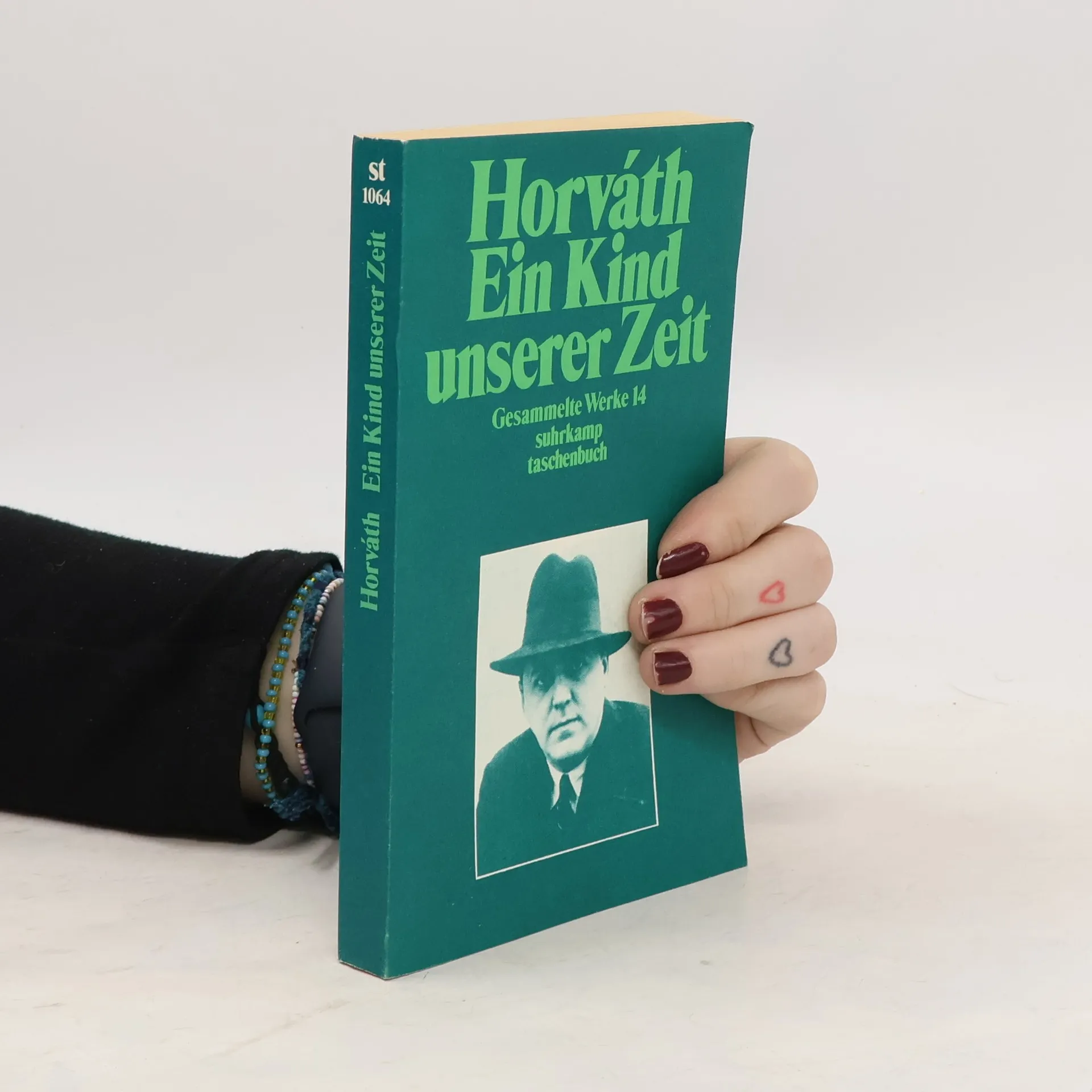
      Ein Kind unserer Zeit ist ein Roman von Ödön von Horváth. Er erschien 1938, kurz nach dem Tod des Autors. Das Buch erzählt die Geschichte eines Soldaten in einem Land mit diktatorischen Führern. Horváth erzählt die Geschichte in Form eines intradiegetischen Ich-Erzählers. Immer wieder wechselt zeitraffendes mit zeitdehnendem Erzählen. Ein paar Mal treten zeitliche Sprünge mit anschließenden Rückblenden auf. Spannende und hektische Szenen verdeutlicht Horváth mit kürzeren Sätzen und Zeilen. Die Sprache der Geschichte ist die gehobene Umgangssprache und das Vokabular des NS-Alltags.

      Ein Kind unserer Zeit
      4.1
    • The Corrections

      • 576 pages
      • 21 hours of reading

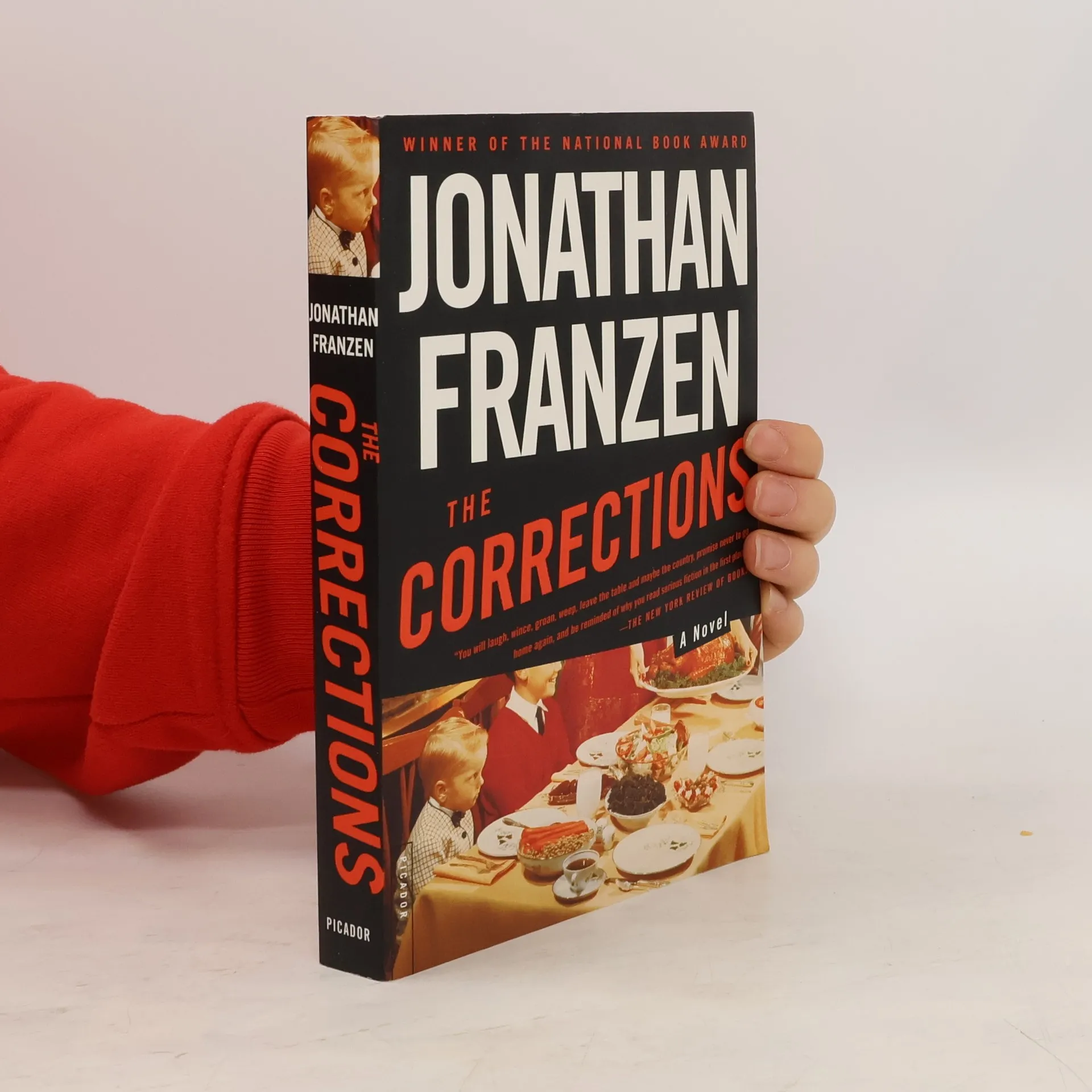
      <div><b>Winner of the National Book Award for Fiction</b> <b>Nominated for the National Book Critics Circle Award</b> <b>An American Library Association Notable Book</b> Jonathan Franzen's third novel, <i>The Corrections</i>, is a great work of art and a grandly entertaining overture to our new century: a bold, comic, tragic, deeply moving family drama that stretches from the Midwest at mid-century to Wall Street and Eastern Europe in the age of greed and globalism. Franzen brings an old-time America of freight trains and civic duty, of Cub Scouts and Christmas cookies and sexual inhibitions, into brilliant collision with the modern absurdities of brain science, home surveillance, hands-off parenting, do-it-yourself mental healthcare, and the anti-gravity New Economy. With <i>The Corrections</i>, Franzen emerges as one of our premier interpreters of American society and the American soul. Enid Lambert is terribly, terribly anxious. Although she would never admit it to her neighbors or her three grown children, her husband, Alfred, is losing his grip on reality. Maybe it's the medication that Alfred takes for his Parkinson's disease, or maybe it's his negative attitude, but he spends his days brooding in the basement and committing shadowy, unspeakable acts. More and more often, he doesn't seem to understand a word Enid says. Trouble is also brewing in the lives of Enid's children. Her older son, Gary, a banker in Philadelphia, has turned cruel and materialistic and is trying to force his parents out of their old house and into a tiny apartment. The middle child, Chip, has suddenly and for no good reason quit his exciting job as a professor at D------ College and moved to New York City, where he seems to be pursuing a "transgressive" lifestyle and writing some sort of screenplay. Meanwhile the baby of the family, Denise, has escaped her disastrous marriage only to pour her youth and beauty down the drain of an affair with a married man--or so Gary hints. Enid, who loves to have fun, can still look forward to a final family Christmas and to the ten-day Nordic Pleasurelines Luxury Fall Color Cruise that she and Alfred are about to embark on. But even these few remaining joys are threatened by her husband's growing confusion and unsteadiness. As Alfred enters his final decline, the Lamberts must face the failures, secrets, and long-buried hurts that haunt them as a family if they are to make the corrections that each desperately needs. </div>

      The Corrections
      3.9
    • Œuvres poétiques et théâtrales

      • 1894 pages
      • 67 hours of reading

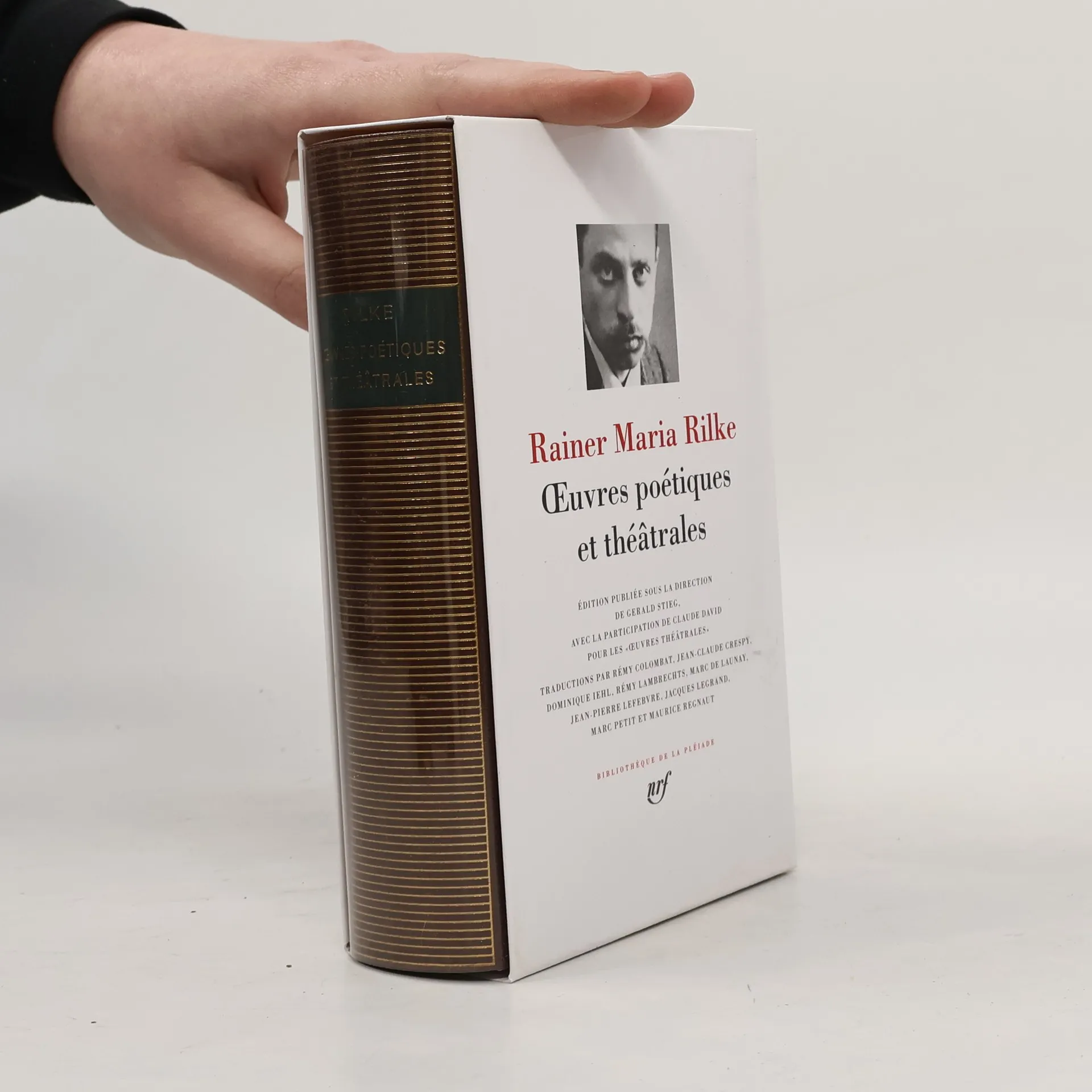
      Ce volume rassemble l'œuvre poétique de Rilke, incluant ses premiers poèmes, des poèmes extraits de divers cycles, ainsi que des œuvres moins connues. La richesse de sa poésie, souvent éclipsée par les Élégies de Duino et les Sonnets à Orphée, est mise en lumière grâce à cette nouvelle traduction qui présente une bonne moitié de textes inédits pour le public francophone. L'annotation retrace l'évolution de Rilke, depuis ses poèmes de jeunesse célébrant la beauté et les paysages de Bohême jusqu'à ses œuvres plus complexes et énigmatiques. Pour la première fois, des poèmes épars sont regroupés en cycles autonomes, certains étant des choix explicites de Rilke lui-même, comme une seconde partie des Élégies. Des variantes et fragments éclairent également la genèse de ces recueils. En outre, des annotations et des extraits des Sonnets à Orphée sont inclus. Le volume présente également trois pièces de théâtre, intimistes et réalistes, qui évoquent Ibsen. Ces œuvres révèlent une facette d'un auteur ancré dans le XIXe siècle tout en appartenant à la modernité à travers une partie significative de son œuvre.

      Œuvres poétiques et théâtrales
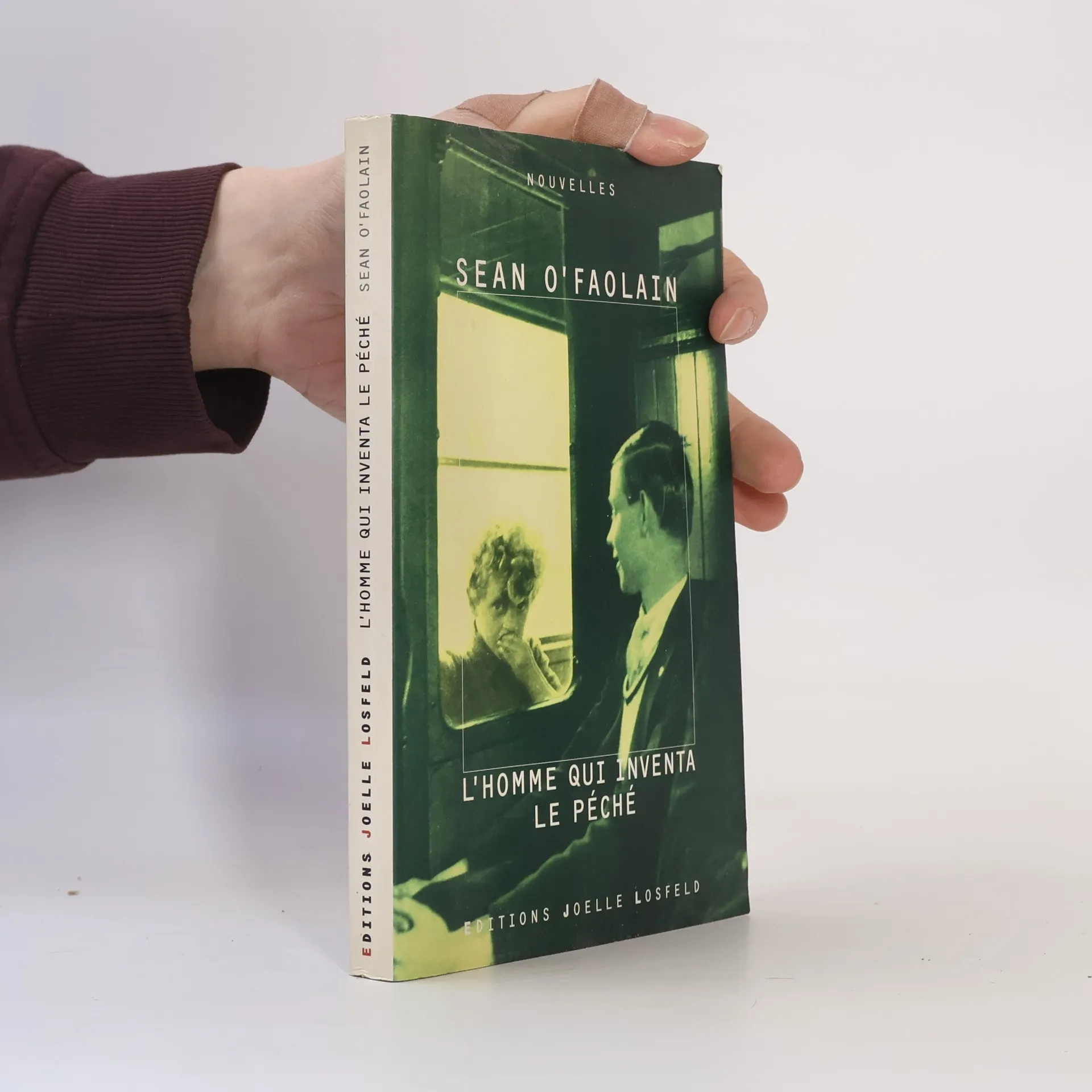
    • C'est dans plusieurs recueils, parmi les plus prestigieux et les plus représentatifs, que nous avons choisi ces neuf nouvelles qui contiennent le meilleur de l'oeuvre de Sean O'Faolain et traduisent au mieux l'évolution de l'écrivain.Dans ses nouvelles romantiques qui reflètent ses expériences révolutionnaires, il aborde des thèmes aussi universels que le temps et le changement, le caractère éphémère de la jeunesse et les compromis de l'âge mûr. Par la finesse et les nuances des sentiments qu'elles expriment et par leur très grande compréhension de la nature humaine, ces nouvelles sont de première importance.

      L'homme qui inventa le péché et autres nouvelles