Le vie della civiltà 2
Da Augusto all'anno Mille


Da Augusto all'anno Mille


Da Augusto all'anno Mille - Per le scuole superiori. Con contenuto digitale (fornito elettronicamente).
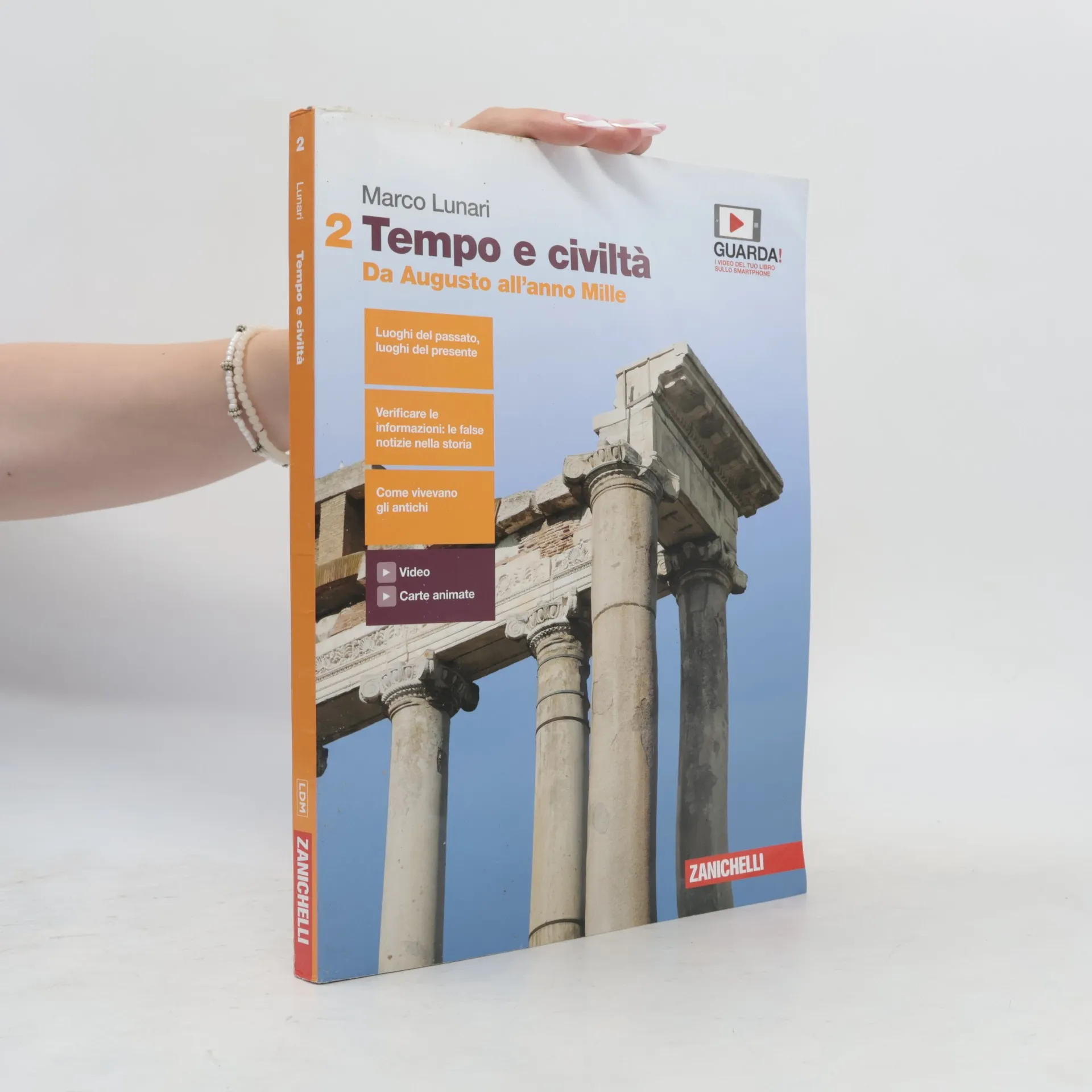



Il presente non è piatto; ha una profondità che gli deriva dal passato e che nel passato ritrova le sue radici, l’origine di questioni ancora oggi attuali. Studiare la storia antica significa ritrovare spazi e tempi lontani ma ancora attualissimi, scoprire la prima scintilla di conflitti secolari, comprendere momenti, ragioni e protagonisti che hanno mosso il motore della storia, del progresso, dell’umanità. Quali paesi ha toccato Alessandro Magno nel suo lungo viaggio in Oriente? A quali Stati odierni corrispondono? Dove si trovano l’antica Messenia o la Laconia dei poemi omerici? Carte storiche e geografiche aiutano a ricostruire i luoghi del passato; il presente si anima e lascia intravedere in filigrana la sua storia. Anche duemila anni fa l’acqua era una risorsa scarsa? Gli squilibri esistenti fra le diverse aree del mondo sono una caratteristica esclusiva del nostro tempo? Le sezioni di geografia, divise per temi (per esempio, Il cambiamento climatico, Nord e Sud del mondo) e per aree di riferimento (L’America anglosassone) riscoprono le radici antiche di problemi ancora oggi attuali. Le origini di Roma nel racconto di Livio sono storia o mito? E quando Tacito parla di Nerone lo fa in modo imparziale? Interrogare le fonti significa saper valutare l’attendibilità o la veridicità di una notizia. Una competenza importante oggi, nel mondo dell’informazione alla portata di tutti.
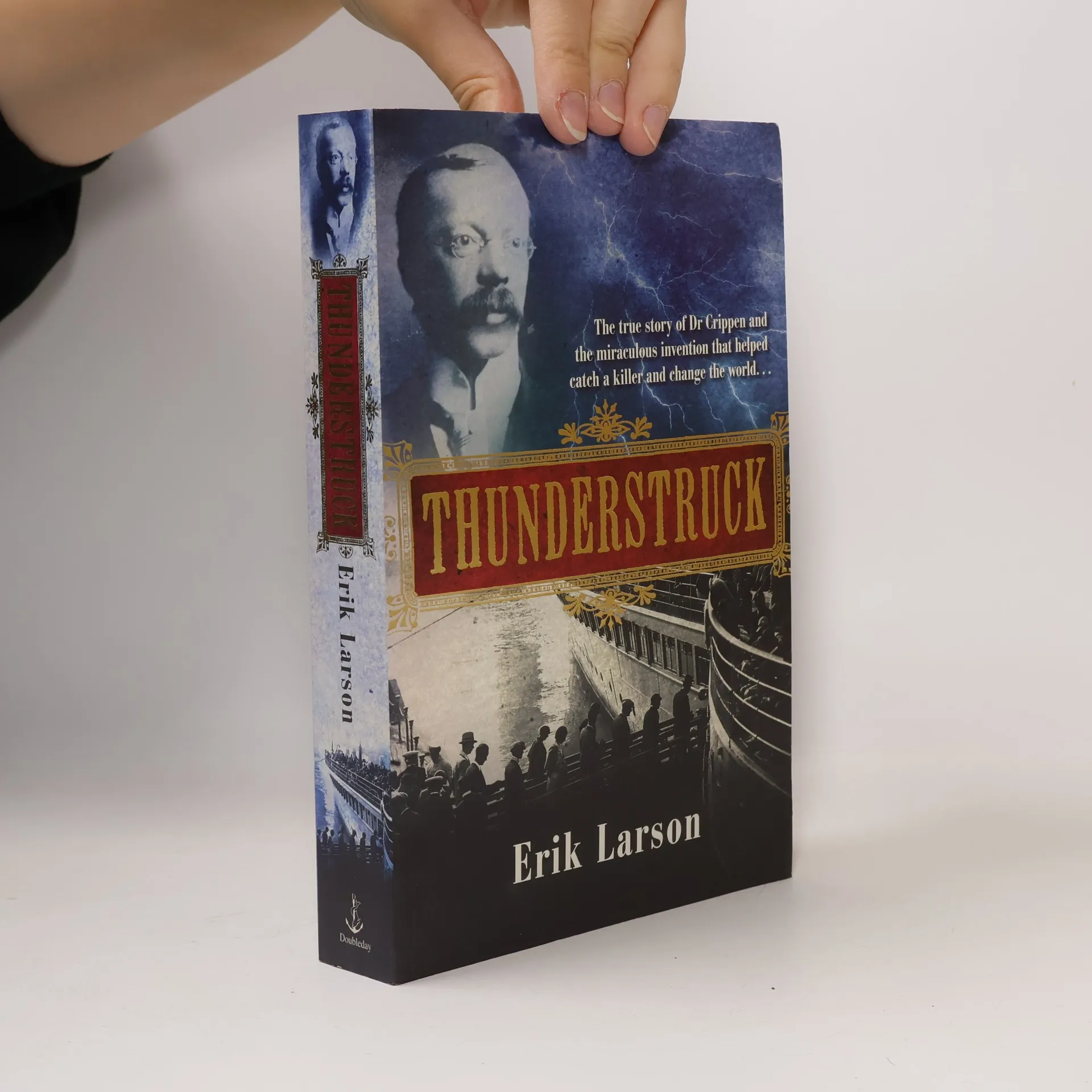
In Thunderstruck , Erik Larson tells the interwoven stories of two men--Hawley Crippen, a very unlikely murderer, and Guglielmo Marconi, the obsessive creator of a seemingly supernatural means of communication--whose lives intersect during one of the greatest criminal chases of all time. Set in Edwardian London and on the stormy coasts of Cornwall, Cape Cod, and Nova Scotia, Thunderstruck evokes the dynamism of those years when great shipping companies competed to build the biggest, fastest ocean liners, scientific advances dazzled the public with visions of a world transformed, and the rich outdid one another with ostentatious displays of wealth. Against this background, Marconi races against incredible odds and relentless skepticism to perfect his invention: the wireless, a prime catalyst for the emergence of the world we know today. Meanwhile, Crippen, "the kindest of men," nearly commits the perfect crime. With his superb narrative skills, Erik Larson guides these parallel narratives toward a relentlessly suspenseful meeting on the waters of the North Atlantic. Along the way, he tells of a sad and tragic love affair that was described on the front pages of newspapers around the world, a chief inspector who found himself strangely sympathetic to the killer and his lover, and a driven and compelling inventor who transformed the way we communicate. Thunderstruck presents a vibrant portrait of an era of séances, science, and fog, inhabited by inventors, magicians, and Scotland Yard detectives, all presided over by the amiable and fun-loving Edward VII as the world slid inevitably toward the first great war of the twentieth century. Gripping from the first page, and rich with fascinating detail about the time, the people, and the new inventions that connect and divide us, Thunderstruck is splendid narrative history from a master of the form.