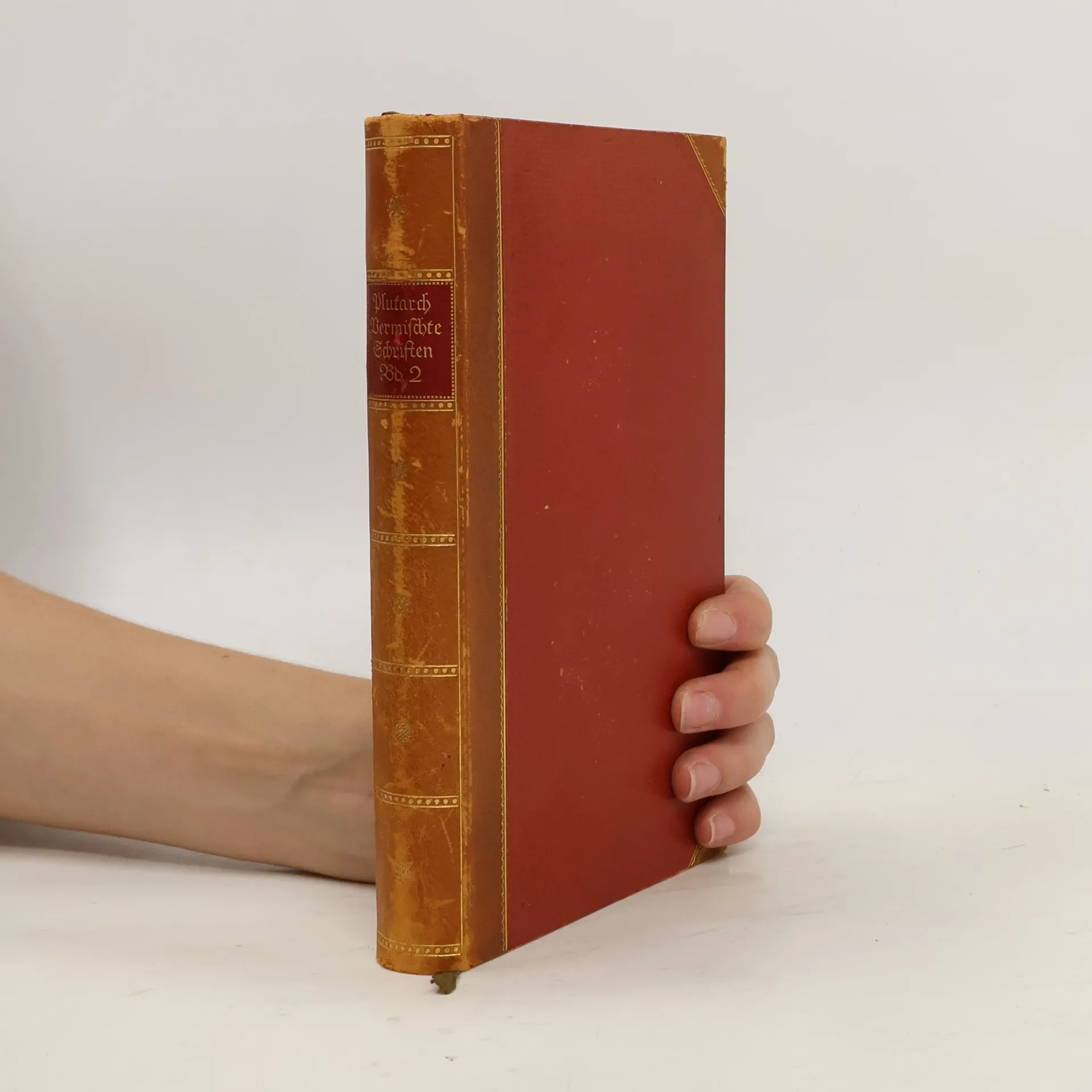
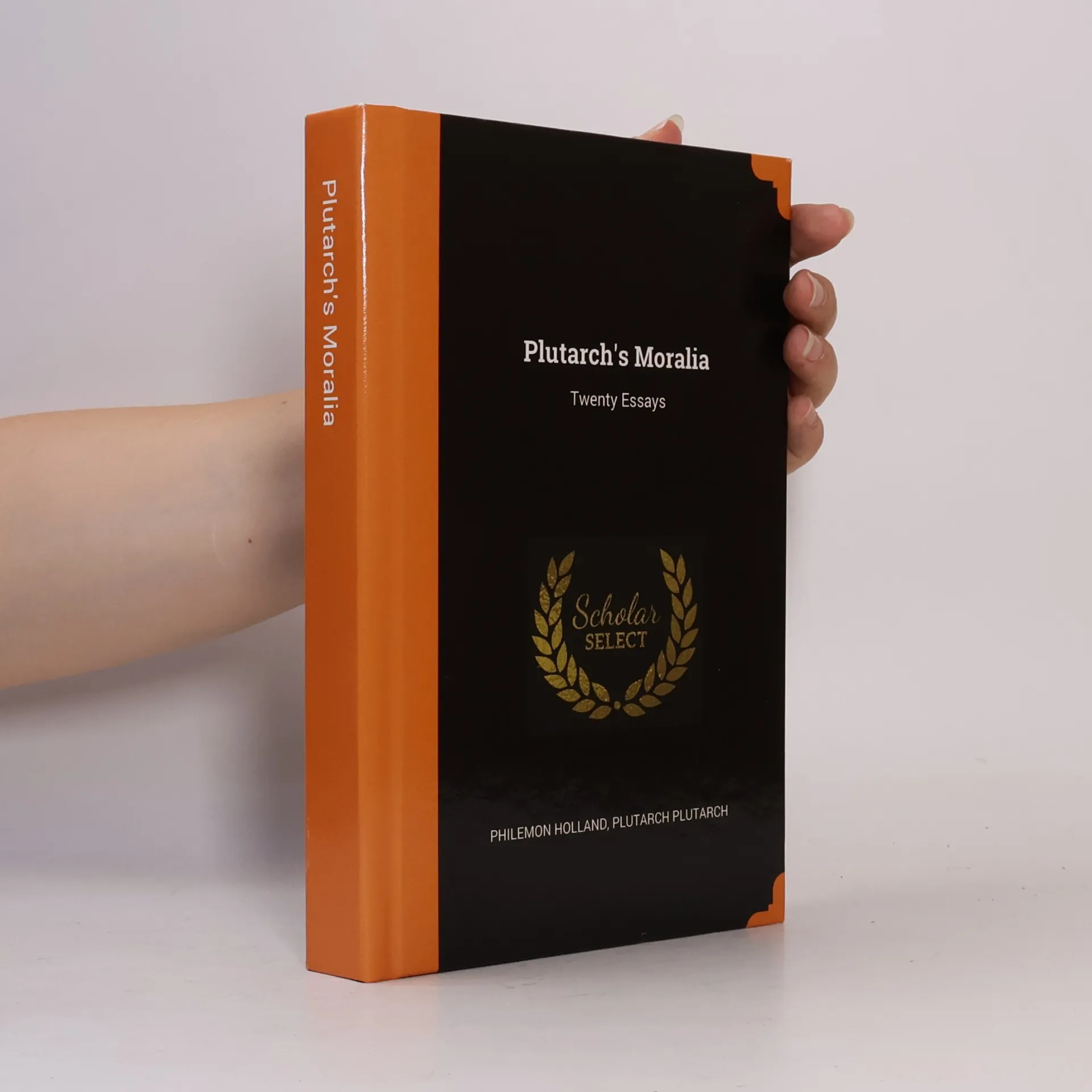
This work has been selected by scholars as being culturally important and is part of the knowledge base of civilization as we know it. This work is in the public domain in the United States of America, and possibly other nations. Within the United States, you may freely copy and distribute this work, as no entity (individual or corporate) has a copyright on the body of the work. Scholars believe, and we concur, that this work is important enough to be preserved, reproduced, and made generally available to the public. To ensure a quality reading experience, this work has been proofread and republished using a format that seamlessly blends the original graphical elements with text in an easy-to-read typeface. We appreciate your support of the preservation process, and thank you for being an important part of keeping this knowledge alive and relevant.
Plutarco Book order (chronological)
Plutarch was a Greek historian, biographer, and essayist, primarily known for his Parallel Lives and Moralia. His surviving works, written in Greek, were intended for both Greek and Roman readers. Classified as a Middle Platonist, Plutarch explored human figures and their moral qualities to educate and inspire his audience. His style is noted for its depth and pedagogical approach, examining pivotal moments in the lives of notable individuals.
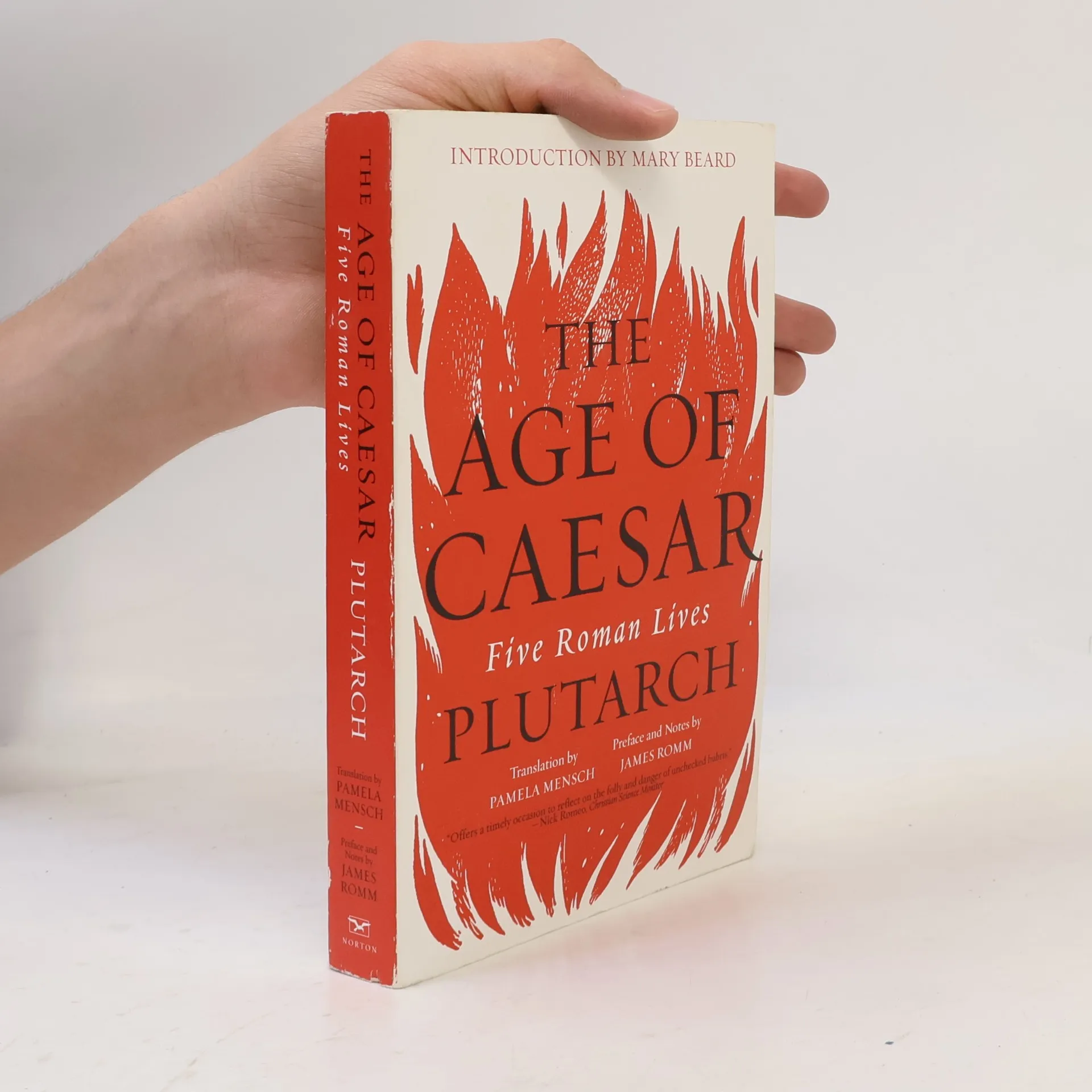

The Age of Caesar
- 432 pages
- 16 hours of reading
An outstanding new edition of Plutarch, the inventor of biography, focused on five lives that remade the Roman world.
Great Ideas: In Consolation to His Wife
- 112 pages
- 4 hours of reading
From an intimate and moving letter to his grieving wife on the death of their daughter, to elegant writings on morality, happiness and the avoidance of anger, Plutarch’s powerful words of consolation and inspiration still offer timeless wisdom and guidance today. Throughout history, some books have changed the world. They have transformed the way we see ourselves – and each other. They have inspired debate, dissent, war and revolution. They have enlightened, outraged, provoked and comforted. They have enriched lives – and destroyed them. Now Penguin brings you the works of the great thinkers, pioneers, radicals and visionaries whose ideas shook civilization and helped make us who we are.
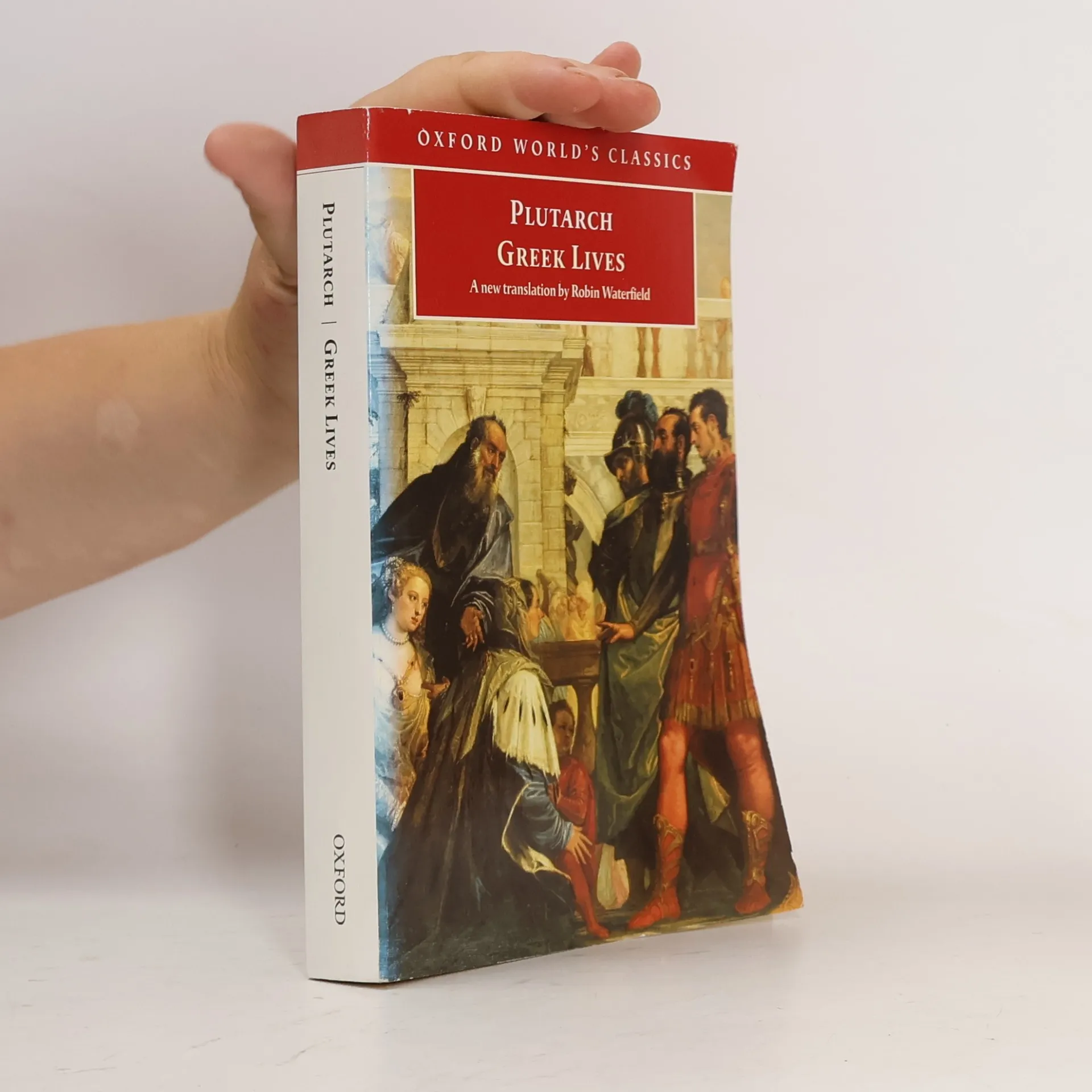
Oxford World's Classics: Greek Lives
A Selection Of Nine Greek Lives - A New Translation By Robin Waterfield
- 483 pages
- 17 hours of reading
"Plutarch's biographies of eminent Greeks and Romans are renowned not just for their historical importance but also for their insights into the personalities they describe. In prose that is rich, elegant, and sprinkled with learned references, Plutarch explores with an extraordinary degree of insight the interplay of character and political action. He portrays virtues to be emulated and vices to be avoided, but his purpose is implicitly to warn and educate those in his own day who wielded power. Plutarch brought to biography not only a clear moral objective, but also a natural storyteller's ear for a good anecdote. Influential in their own day, the Lives were drawn on by later historians and writers, including Shakespeare." "This selection of nine Lives, chosen for their range and interest, offers a new translation as well as a lucid introduction and helpful notes and indexes."--BOOK JACKET.
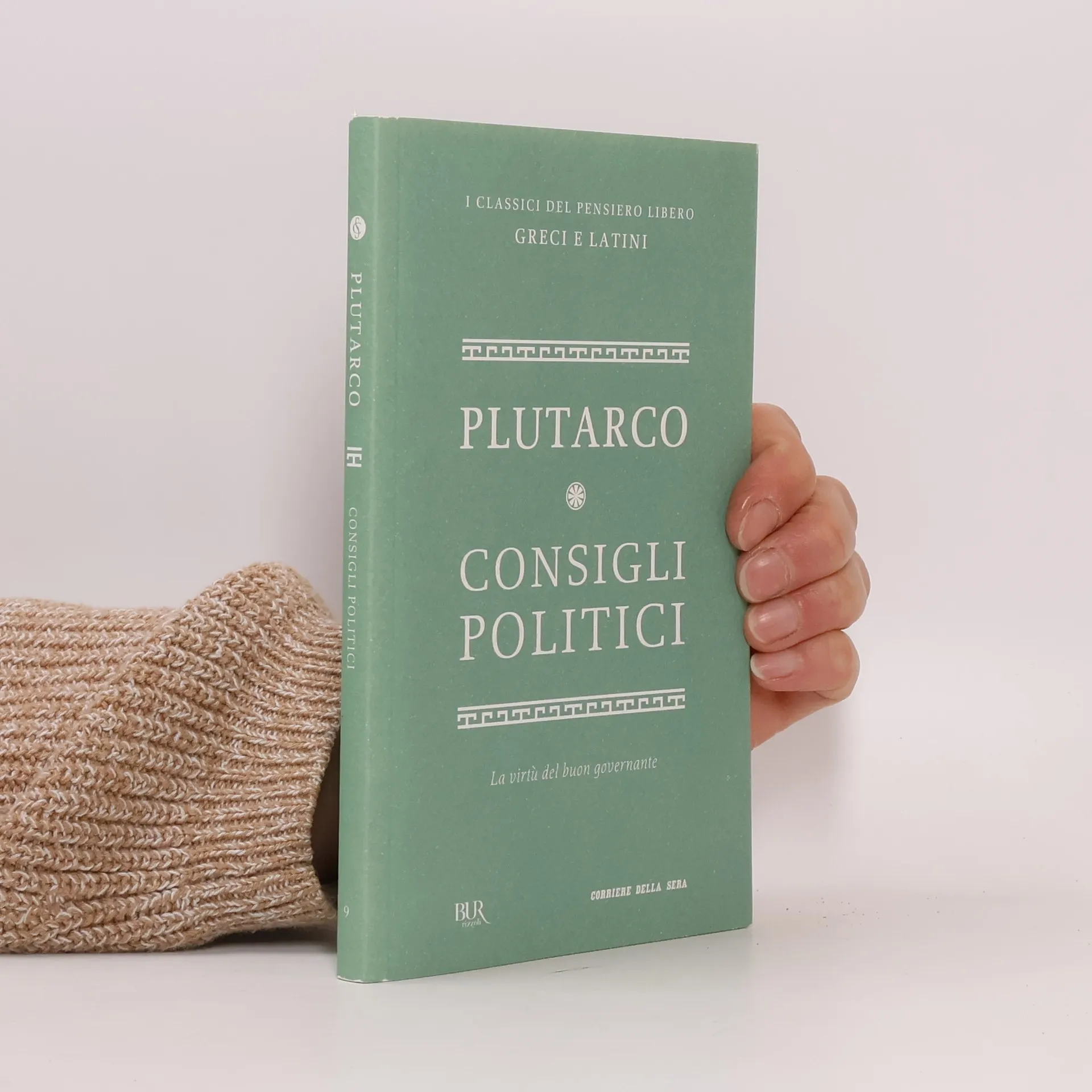
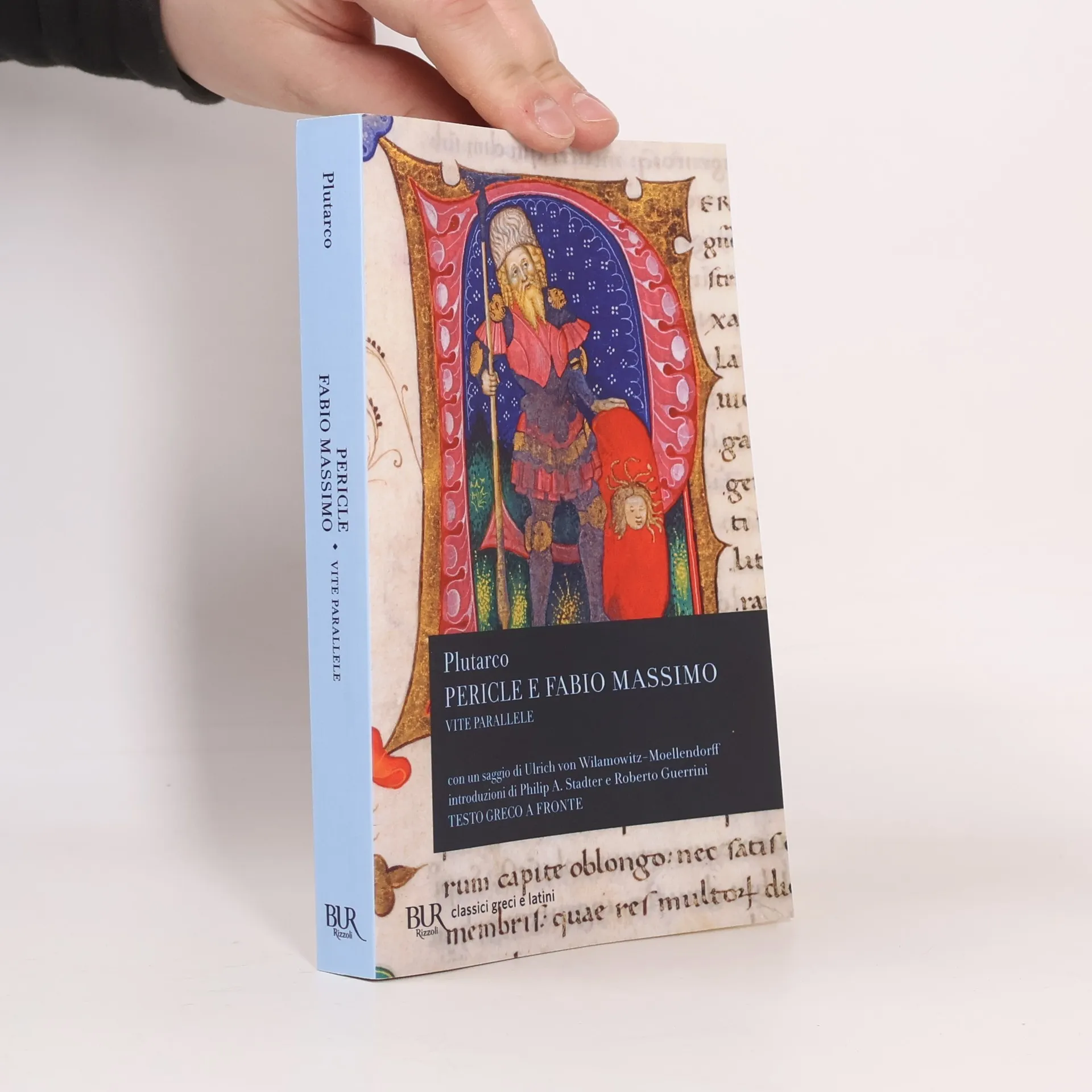
Quale affinità lega Pericle, il campione della democrazia imperialista ateniese, a Quinto Fabio Massimo, il dittatore romano che sfiancò Annibale con la tattica della guerriglia? Difficilmente si potrebbero pensare due vite più diverse tra loro. Eppure, proprio un simile accostamento aiuta a capire il progetto che sta alla base delle "Vite". Perché a interessare Plutarco non sono tanto le vicende, pubbliche e private, dei personaggi che descrive, quando il carattere e le qualità morali, che rendono le loro vite eccezionali e degne di essere ricordate, meditate e imitate. Ed è in questo ambito che si rileva, al di là del differente contesto storico, l'affinità profonda tra il creatore della potenza di Atene e il salvatore di Roma.Questa edizione è accompagnata dal saggio Plutarco biografo di Ulrich von Wilamowitz-Moellendrf, tradotto per la prima volta in italiano. Le introduzioni alle singole "Vite" sono affidate alle autorevoli cure di Philip A. Stadter e Roberto Guerrini.
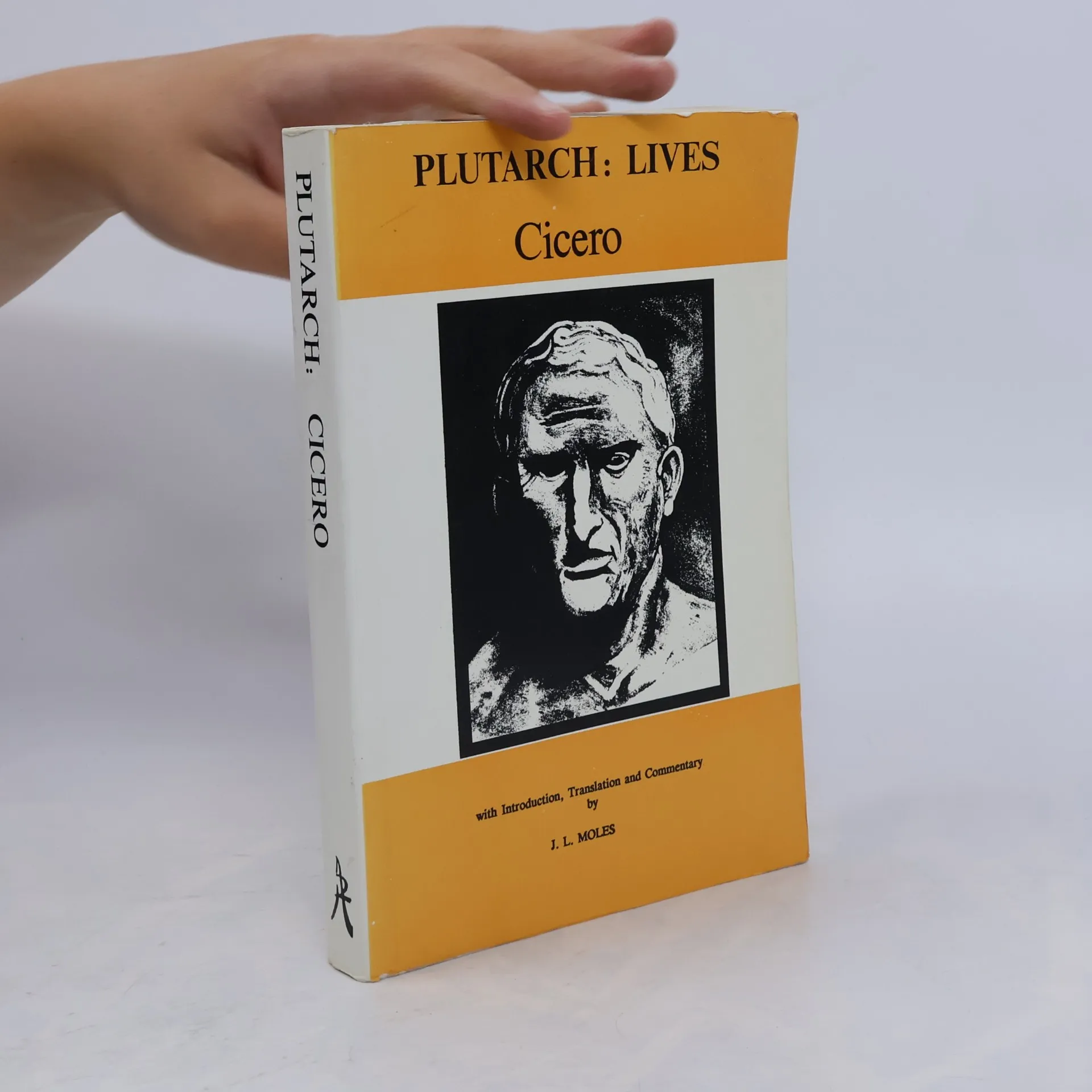
Plutarch: Lives: Life of Cicero
With Introduction, Translation and Commentary
- 216 pages
- 8 hours of reading
Plutarch has always been one of the most popular Classical authors. Diversity and importance of theme, flexibility and richness of style, descriptive and narrative flair, intellectual breadth and penetration, moral seriousness allied to warmth and humanity these are some of the many sources of his appeal.
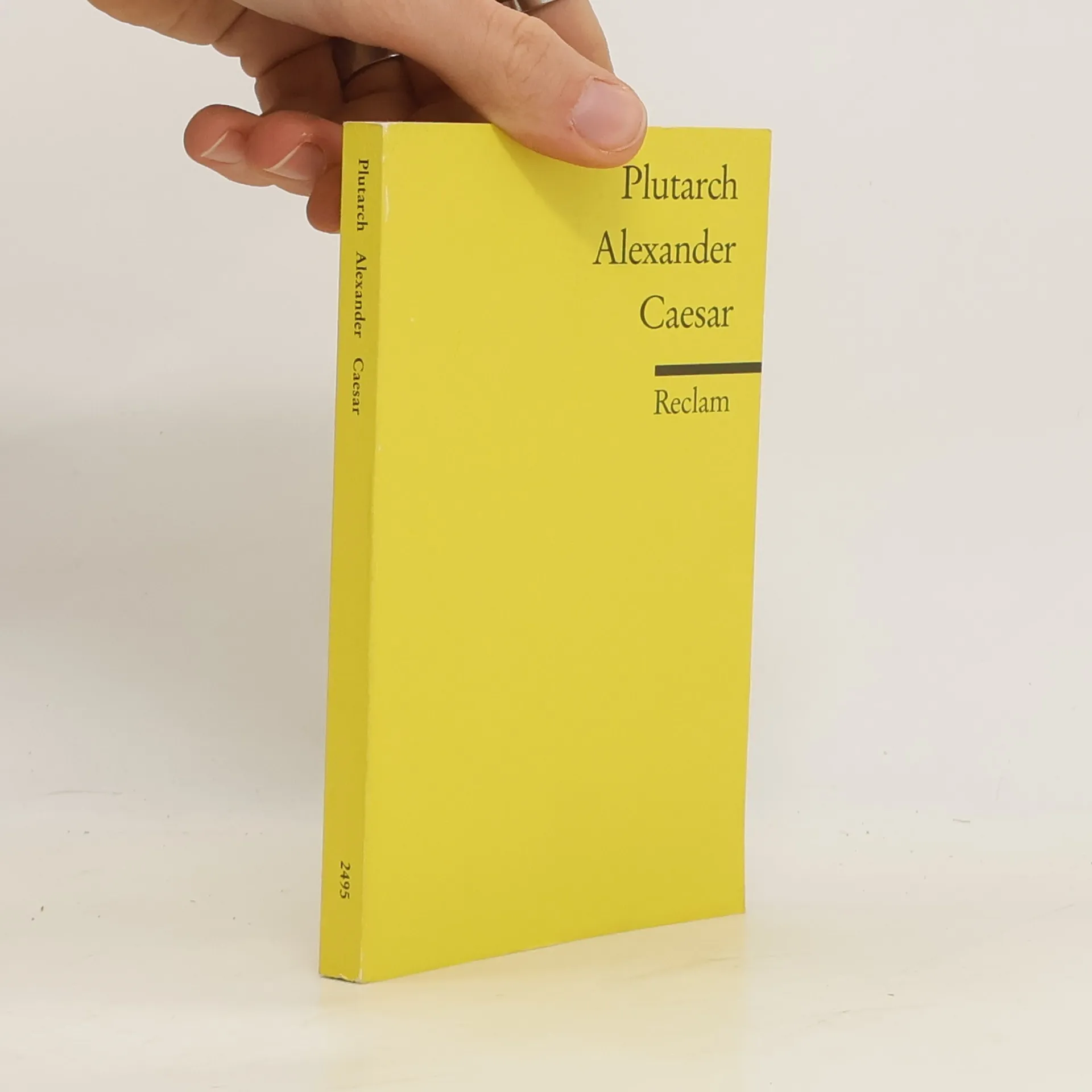
Alexander. Caesar.
- 220 pages
- 8 hours of reading
Die Parallelen Leben sind wie eine große Galerie von Bildern, die fast die gesamte Geschichte Roms und Griechenlands durch die Porträts ihrer berühmtesten Protagonisten illustrieren. Sie sind auch das Bild des ewigen Kampfes zwischen Gut und Böse, im Wechselspiel von Licht und Schatten, von Laster und Tugend, von Siegen und Niederlagen. Dieser Gesetzmäßigkeit entgingen Alexander und Cäsar nicht, zwei Feldherren, die die Welt beherrschten, aber nicht ihre eigenen Leidenschaften, schwankend zwischen gegensätzlichen Gefühlen, zwischen Großzügigkeit und Grausamkeit, zwischen Respekt vor der Tradition und Innovation, und strebend nach absoluter Macht, der erste, um eine universelle Monarchie zu schaffen, die verschiedene Völker in einem großen multikulturellen Organismus vereint, der zweite, um die politische, militärische, intellektuelle und moralische Erlösung seines Vaterlandes zu erreichen.