Shakespeare Survey is a yearbook of Shakespeare studies and production. Since 1948 Survey has published the best international scholarship in English and many of its essays have become classics of Shakespeare criticism. Each volume is devoted to a theme, or play, or group of plays; each also contains a section of reviews of the previous year's textual and critical studies and of major British performances. The books are illustrated with a variety of Shakespearean images and production photographs. The current editor of Survey is Peter Holland. The first eighteen volumes were edited by Allardyce Nicoll, numbers 19-33 by Kenneth Muir and numbers 34-52 by Stanley Wells. The virtues of accessible scholarship and a keen interest in performance, from Shakespeare's time to our own, have characterized the journal from the start. For the first time, numbers 1-50 are being reissued in paperback, available separately and as a set.
Anna Luisa Zazo Book order (chronological)

The Case of the Man who Died Laughing. Der lachende Tote, englische Ausgabe
- 352 pages
- 13 hours of reading
Early one morning, on the lawns of a grand boulevard in central Delhi, a group of professionals are attending their therapeutic Laughing Club when a 20-foot apparition of the Goddess Kali apppears, and strikes one of their number dead.The goddess disappears without trace, and soon news of the crime has all India agog.
The Case of the Missing Servant. Die verschwundene Dienerin, englische Ausgabe
- 320 pages
- 12 hours of reading
Meet Vish Puri, India?s most private investigator. Portly, persistent and unmistakably Punjabi, he cuts a determined swathe through modern India?s swindlers, cheats and murderers.In hot and dusty Delhi, where call centres and malls are changing the ancient fabric of Indian life, Puri?s main work comes from screening prospective marriage partners, a job once the preserve of aunties and family priests. But when an honest public litigator is accused of murdering his maidservant, it takes all of Puri?s resources to investigate. How will he trace the fate of the girl, known only as Mary, in a population of more than one billion? Who is taking pot shots at him and his prize chilli plants? And why is his widowed 'Mummy-ji? attempting to play sleuth when everyone knows Mummies are not detectives?With his team of undercover operatives - Tubelight, Flush and Facecream - Puri ingeniously combines modern techniques with principles of detection established in India more than two thousand years ago -- long before 'that Johnny-come-lately? Sherlock Holmes donned his Deerstalker.The search for Mary takes him to the desert oasis of Jaipur and the remote mines of Jharkhand. From his well-heeled Gymkhana Club to the slums where the servant classes live, Puri?s adventures reveal modern India in all its seething complexity.
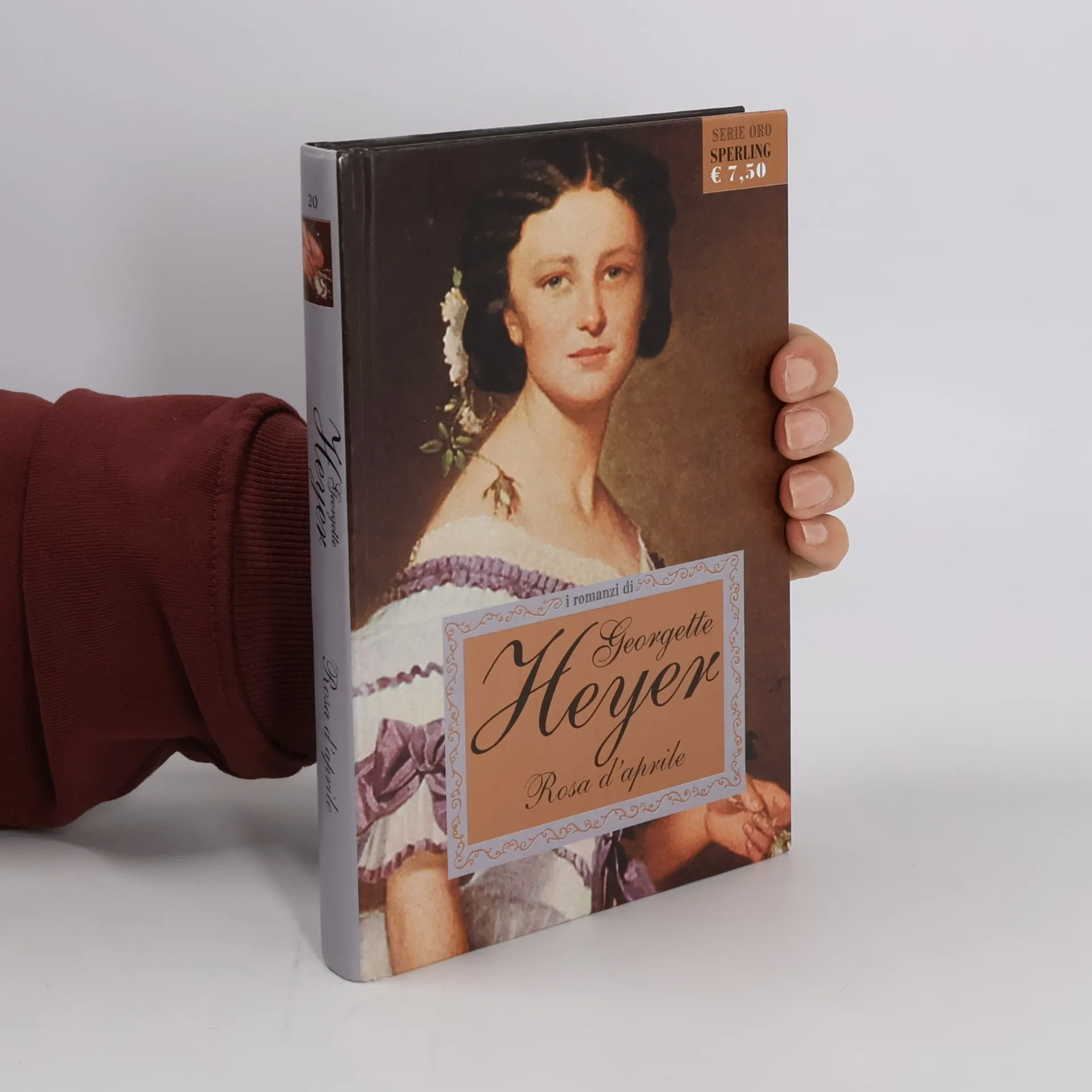
Serie oro - 20: Rosa d'aprile
- 201 pages
- 8 hours of reading
Un delizioso intrigo, ambientato nella Londra della Reggenza e narrato con molta simpatia ed un pizzico di ironia, gravita l'equivoco di un matrimonio considerato di convenienza dai due protagonisti - Lord Cardross e Nell Irvine -, incapaci come sono di confessarsi reciprocamente che si tratta, al contrario, di un'appassionata unione dettata solo dall'amore. Saranno le impudenti vicende sentimentali della giovane Letty - sorellastra di lui - e lo stato di insolvenza cronica di Dysart - fratello di lei - a scatenare una serie di irresistibili equivoci ed incidenti che costringeranno i due cognugi a riconoscere finalmente la verità sul loro rapporto.
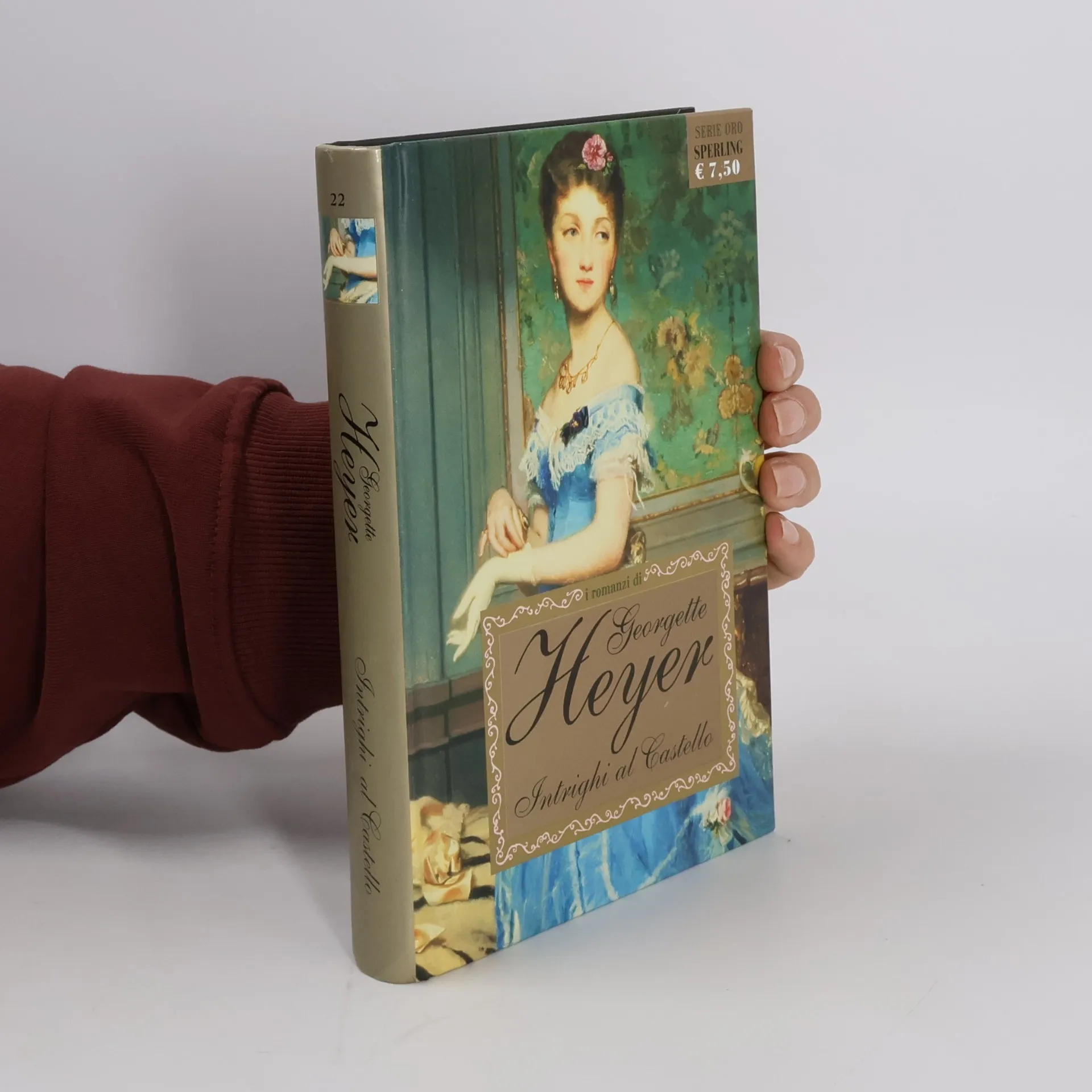
Serie Oro - 22: Intrighi al castello
- 286 pages
- 11 hours of reading
Al Castello di Stanyon non tutti sono disposti ad accettare il settimo conte di St. Erth come legittimo erede del titolo e dei beni di famiglia dopo la scomparsa del padre. E il nobiluomo si trova a fronteggiare un'aggrovigliata situazione in cui, tra feste e partite di caccia, intrighi e maneggi, presunti fantasmi e veri assassini, rischia di mettere a repentaglio la propria vita e il proprio cuore. Già, perché a complicare la vicenda ci sono due giovani, affascinanti e irresistibili donne, ovviamente assai diverse tra loro: la saggia e flemmatica Drusilla e l'incantevole Marianne. Chi delle due conquisterà l'amore del conte?
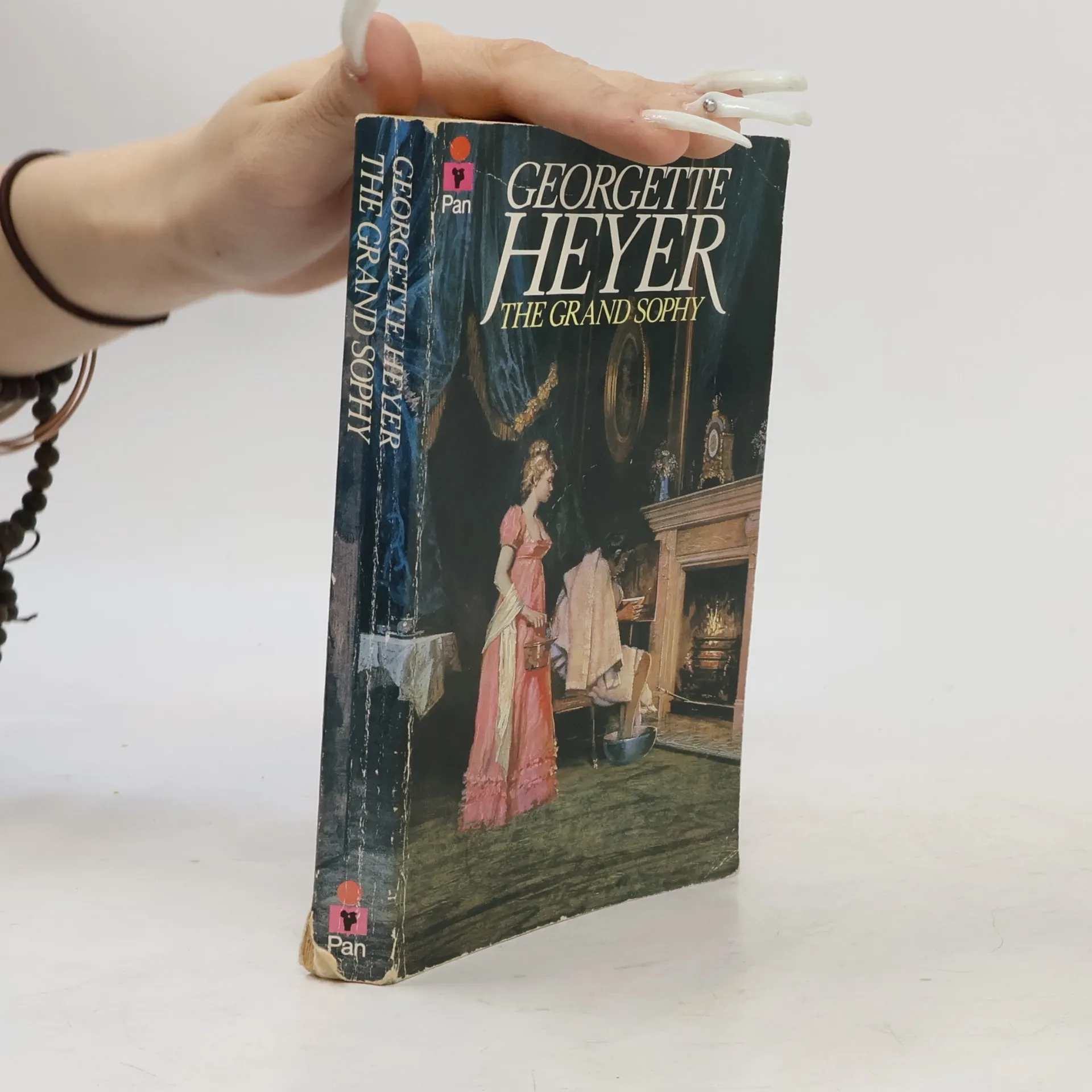
The Grand Sophy
- 320 pages
- 12 hours of reading
Sophy sets everything right for her desperate family in one of Georgette Heyer's most popular Regency romances. When Lady Ombersley agrees to take in her young niece, no one expects Sophy, who sweeps in and immediately takes the town by storm. By the time she's done, Sophy has commandeered Charles's horses, his household, and finally, his heart.
Devil's Cub
- 288 pages
- 11 hours of reading
Duellist and gamester, the young Marquis of Vidal had fairly earned the sobriquet 'Devil's Cub' - a tribute to the wilder excesses of his father, the Duke of Avon.When Mary Challoner discovered Dominic's plans to run away with her lovely sister, she donned cloak and mask in a daring impersonation and found herself bound for France with the most notorious rake in Georgian London.The many admirers of These Old Shades will meet some familiar friends.
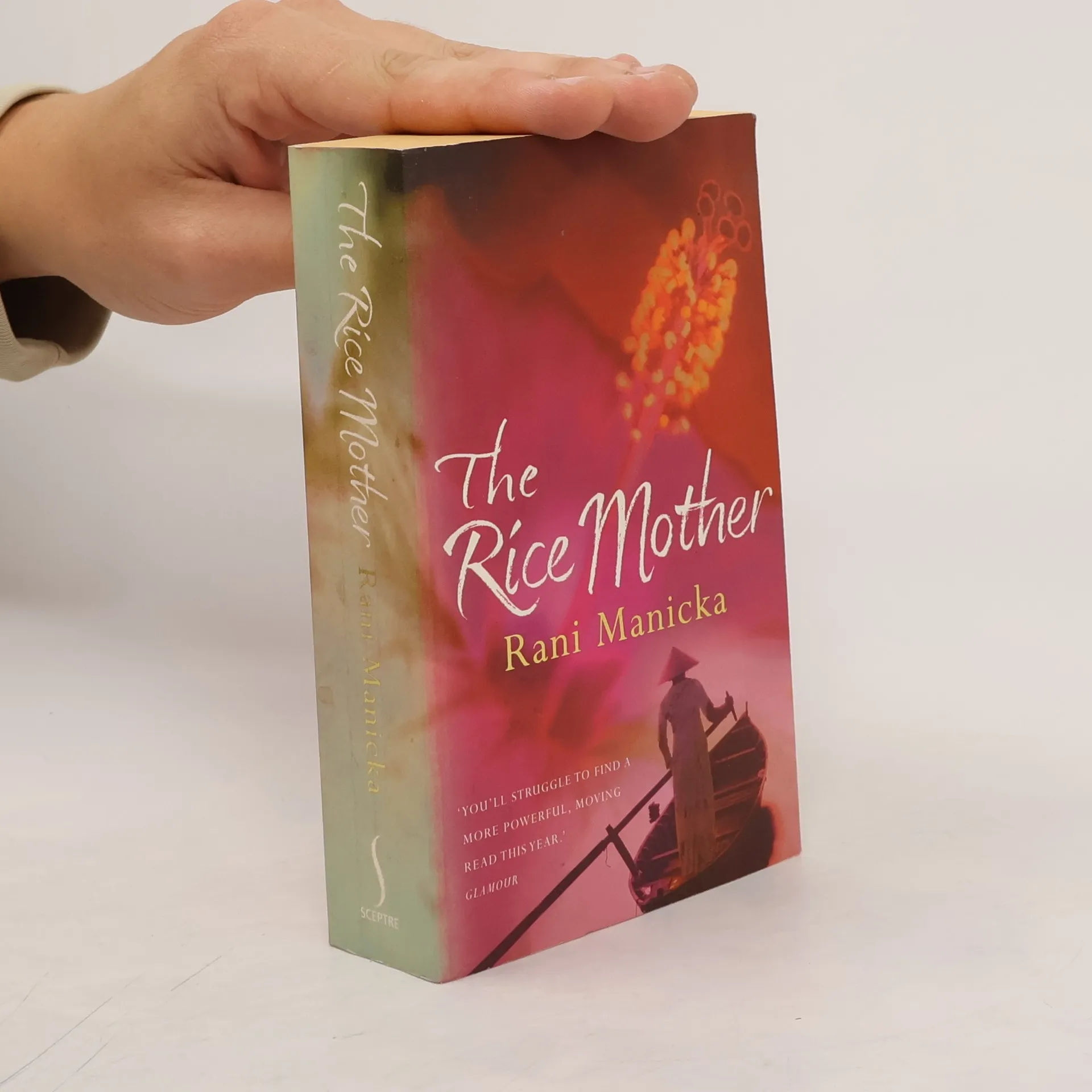
Beguiled by promises of wealth, fourteen-year-old Lakshmi leaves her native Ceylon for Malaysia and marriage to a man many years her senior. But Ayah has lied to her and her family about his circumstances and in fact lives in poverty. A woman of formidable energy and intelligence, Lakshmi provides security, if not luxury, for her family, though at a considerable emotional cost. Then the Japanese army invades during WWII. On the eve of peace, her beloved eldest daughter is raped and killed by the occupying army. The family bears deep scars and inflicts those wounds on the next generation. But in Nisha, Lakshmi's great-granddaughter, it is as if Fate has come full circle and the novel ends on a note of reconciliation and hope.
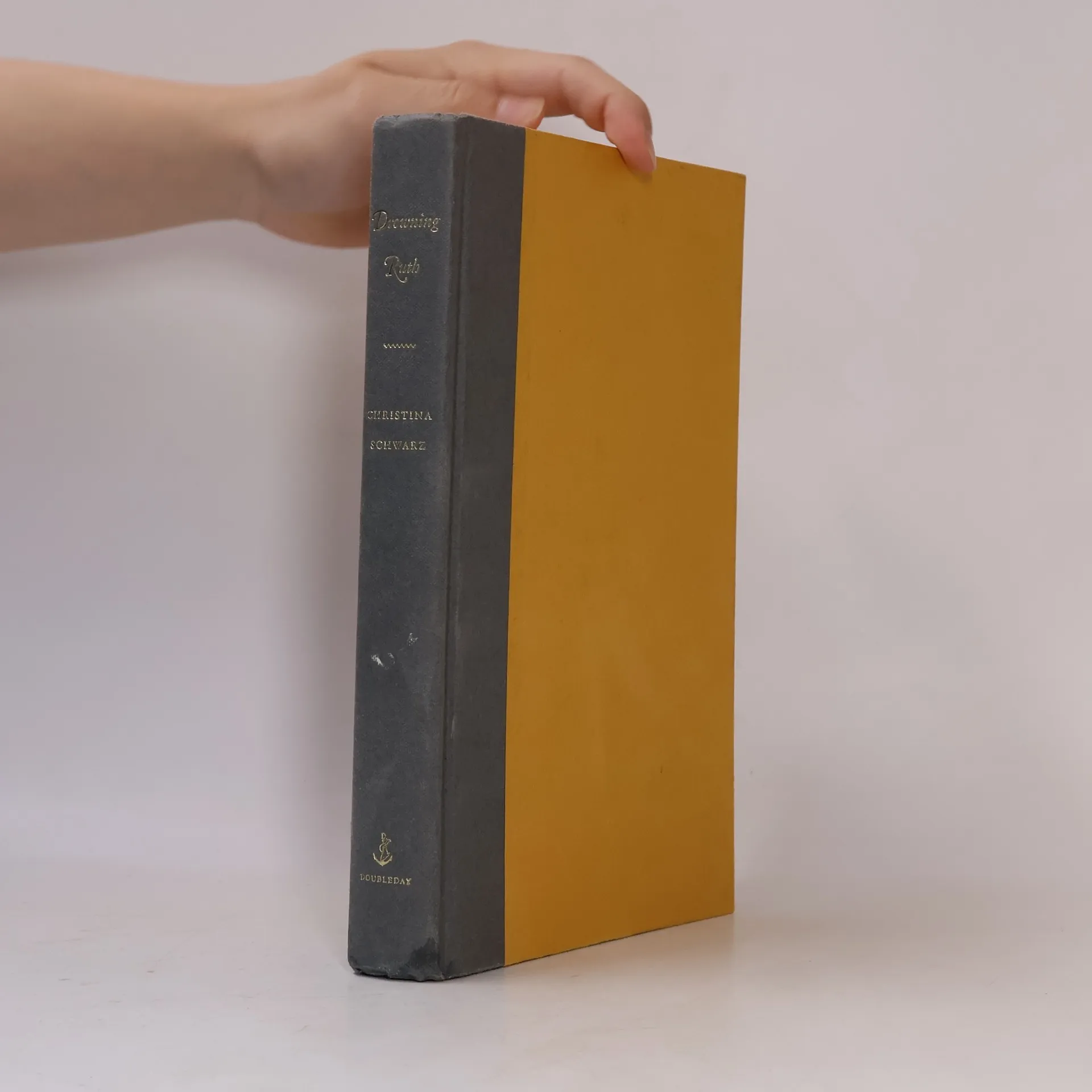
Drowning Ruth
- 338 pages
- 12 hours of reading
Oprah Book Club® Selection, September 2000: In the realm of 19th-century literature, social constraints created compelling narratives, but today's relaxed morals challenge the relevance of these classics. The allure of historical novels lies in revisiting a time when a woman's fate could hinge on her choices, with no options for reliable birth control or divorce. Christina Schwarz's gripping debut centers on the themes of silence and stoicism. Set in 1919, following the influenza epidemic post-World War I, the story unfolds in a small Wisconsin town where societal norms remain strict. Amanda Starkey, a Lutheran farmer's daughter, is pressured against marrying a Catholic boy. Later, as a nurse in Milwaukee, she succumbs to a dishonorable man's advances, leading to a nervous breakdown and a return to her family farm. Tragedy strikes when her sister Mathilde drowns under mysterious circumstances. Upon Mathilde's husband Carl's return from war, he finds his daughter Ruth in Amanda's care, who remains tight-lipped about the fateful night. Amanda reflects on her parents' deaths, feeling responsible for transmitting the influenza that claimed them. Schwarz masterfully weaves this grim narrative across decades, consistently returning to Mathilde's death, showcasing her talent for pacing and her commitment to a fitting, albeit harsh, conclusion. --Regina Marler
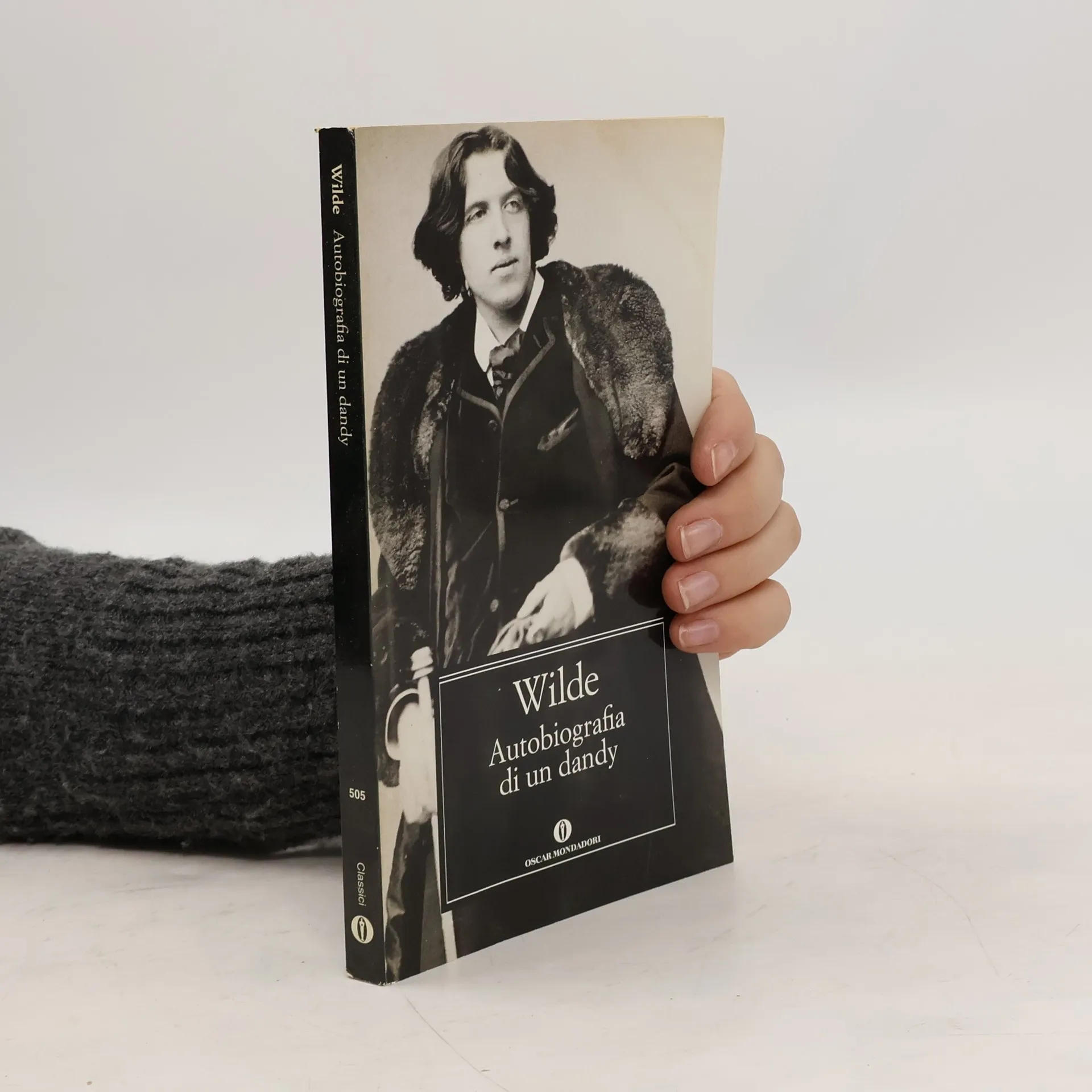
Classici - 505: Autobiografia di un dandy
- 192 pages
- 7 hours of reading
Attraverso gli occhi e l’anima dell’esteta per eccellenza, uno squarcio brillante e acuto della società londinese dell’epoca, dei costumi e degli ideali artisti che la animavano.
The Art Book cosituisce un modo completamente nuovo di considerare lÂ�'arte. Di facile lettura, divertente, ricco di notizie, è una guida dalla A alla Z di 500 grandi pittori e scultori dal Medioevo ai giorni nostri. Sconvolgendo le abituali classificazioni storico-artistiche, affianca gli esponenti più illustri di tutti i periodi, scuole, interpretazioni e tecniche. Solo qui Michelangelo può trovarsi accanto a Millais, Picasso a Pietro della Francesca e Rodcenko a Rodin. A ogni artista è dedicata una pagina con la riproduzione a colori di una sua opera significativa illustrata da un commento chiarificatore. Le singole voci sono collegate tra loro da numerosi rimandi, e lÂ�opera è completata da glossari dei movimenti artistici e dei termini tecnici e da un elenco internazionale di gallerie e musei. Innovativo nei confronti dei tradizionali sistemi di classificazione, The Art Book offre un rapporto nuovo e originale con l' un'�incomparabile fonte di immagini e una glorificazione della ricchezza e dei molteplici aspetti della culturaI 500 artisti da pagina 4 a pagina 503- glossario dei termini tecnici a pagina 504- glossario dei movimenti artistici pagina 506- indice dei musei e gallerie a pagina 511- Collaboratori- referenze fotografiche
Hamlet, Prince of Denmark
- 218 pages
- 8 hours of reading
Anglické vydání Hamleta. Hamlet je slavná tragédie pojednávající o jednom dánském královském rodu. Hamletovi zemře otec, král dánský, a hned záhy si jeho ovdovělá žena (vystupující jako Královna) vezme za muže králova bratra, Claudia (vystupující zde jako Král). Zde začíná náš příběh, a sice asi dva měsíce poté, co král zemřel. Horacio, jeden z nejvěrnějších služebníků, je přivolán stráží na cimbuří, protože viděli ducha, který vypadal úplně stejně jako bývalý král. Přizvou tedy i Hamleta, který si s otcem povídá a zjistí, že Claudius jej ve spánku zabil tím, že mu nakapal jed do ucha. Hamlet slíbí, že otcovu smrt pomstí... Hra poukazuje, že touha po moci se nezastaví před ničím. Ušlechtilí zabíjejí, poddaní se poklonkují a čest či ctnost jsou výsadami hrdinů.