De geschiedenis van het lichaam in de Middeleeuwen
- 206 pages
- 8 hours of reading
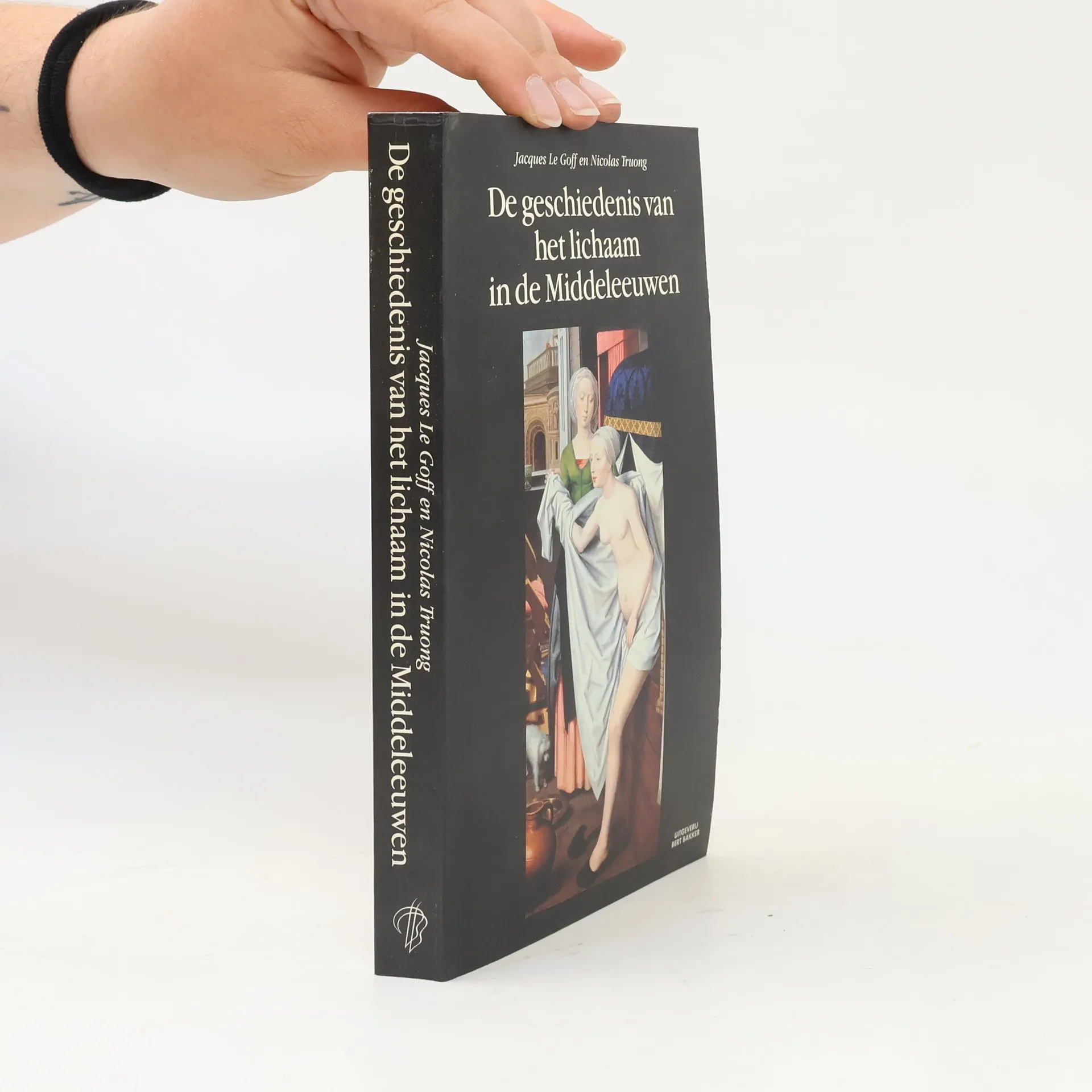
Opvattingen en gewoonten omtrent het menselijk lichaam in middeleeuws Europa.


Opvattingen en gewoonten omtrent het menselijk lichaam in middeleeuws Europa.
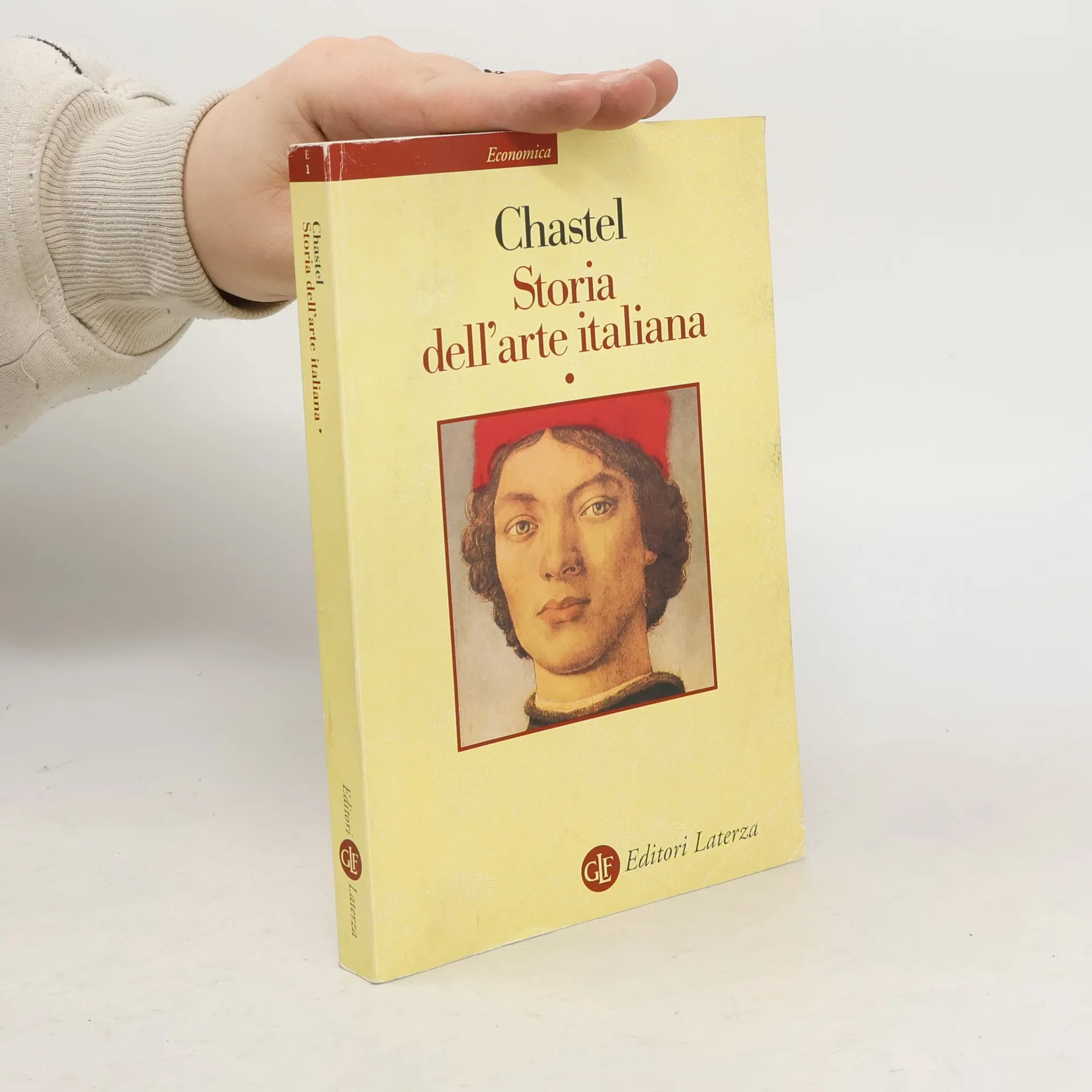
L'opera di maggior respiro di André Chastel, nella quale egli unisce in modo insuperabile la raffinatezza interpretativa, l'eleganza dello stile, la limpidezza dei concetti e delle descrizioni. André Chastel (1912-1990) è uno dei maggiori studiosi del Rinascimento e dell'arte italiana.
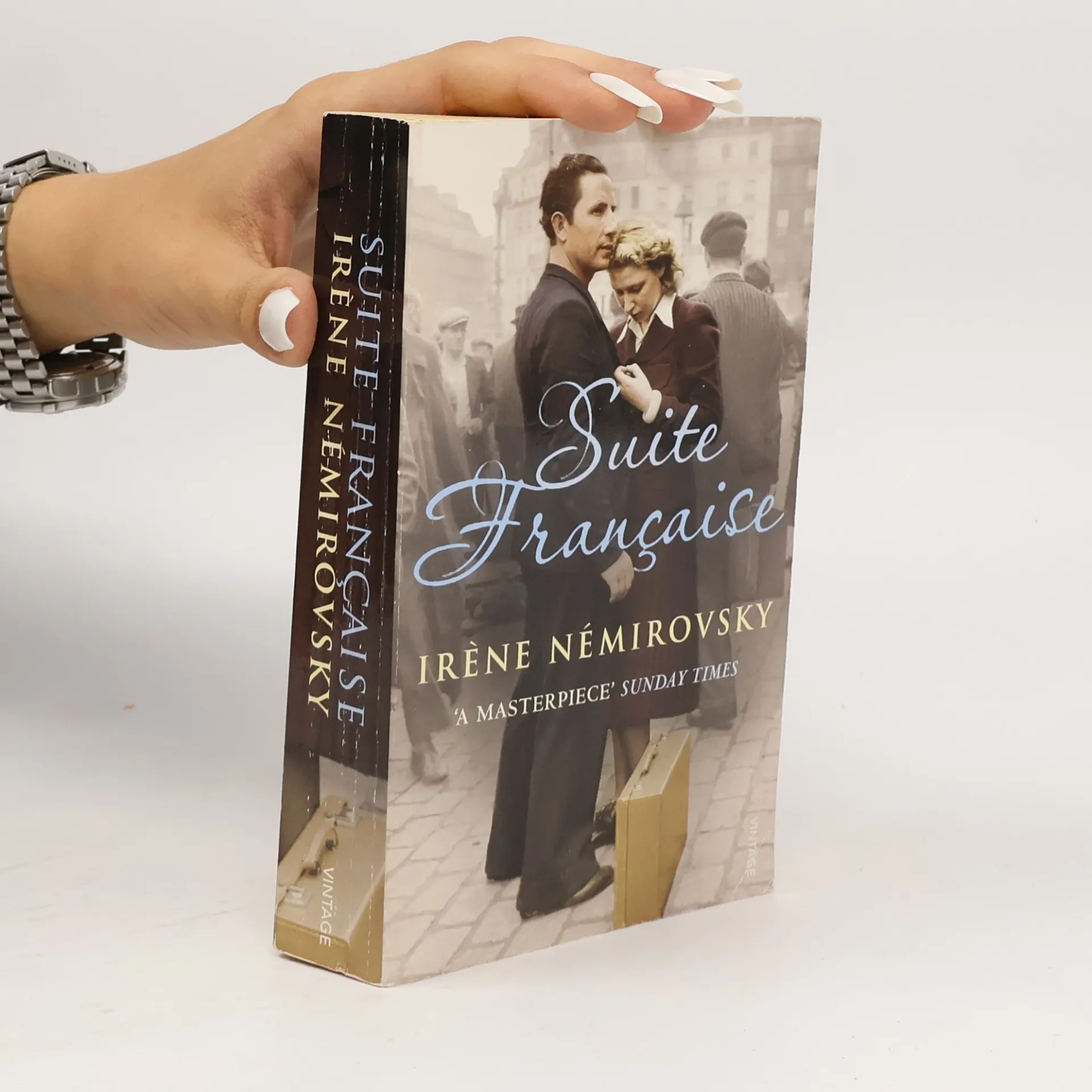
In 1941, Irène Némirovsky began writing a book to capture the profound impact of her experiences during a tumultuous time, focusing on the domestic lives and personal struggles of ordinary French citizens rather than battles or politics. She did not live to see her vision realized, nor the eventual publication of her work sixty-five years later, which was celebrated as a masterpiece. Set from June 1940, when France fell to the Nazis, to the moment Germany turned its attention to Russia, the narrative unfolds in two parts. The first vividly portrays Parisians fleeing the Nazi invasion amidst chaos, while the second explores the lives of a small rural community under occupation, revealing unexpected connections among its inhabitants. Némirovsky's talent shines through her rich characterizations, featuring a diverse cast from haughty aristocrats and bourgeois bankers to uncouth workers and defiant farmers. Women navigate their relationships with German soldiers, showcasing resilience and vulnerability. Amidst defeat, hypocrisy, and compromise, glimmers of hope, nobility, and love emerge in surprising places. Though only two sections were completed before her tragic death, they create a beautifully cohesive work that profoundly understands humanity.