In "Die Geschichte zweier ungleicher Brüder" erzählt Paolo Cognetti von Luigi und Fredo, zwei Brüdern mit unterschiedlichen Lebenswegen. Während Luigi im Tal bleibt und eine Familie gründet, kehrt Fredo nach Jahren der Abwesenheit zurück, um sich von seiner Herkunft zu lösen. Ihre Wurzeln verbinden sie trotz ihrer Unterschiede.
Yond Boeke Book order (chronological)


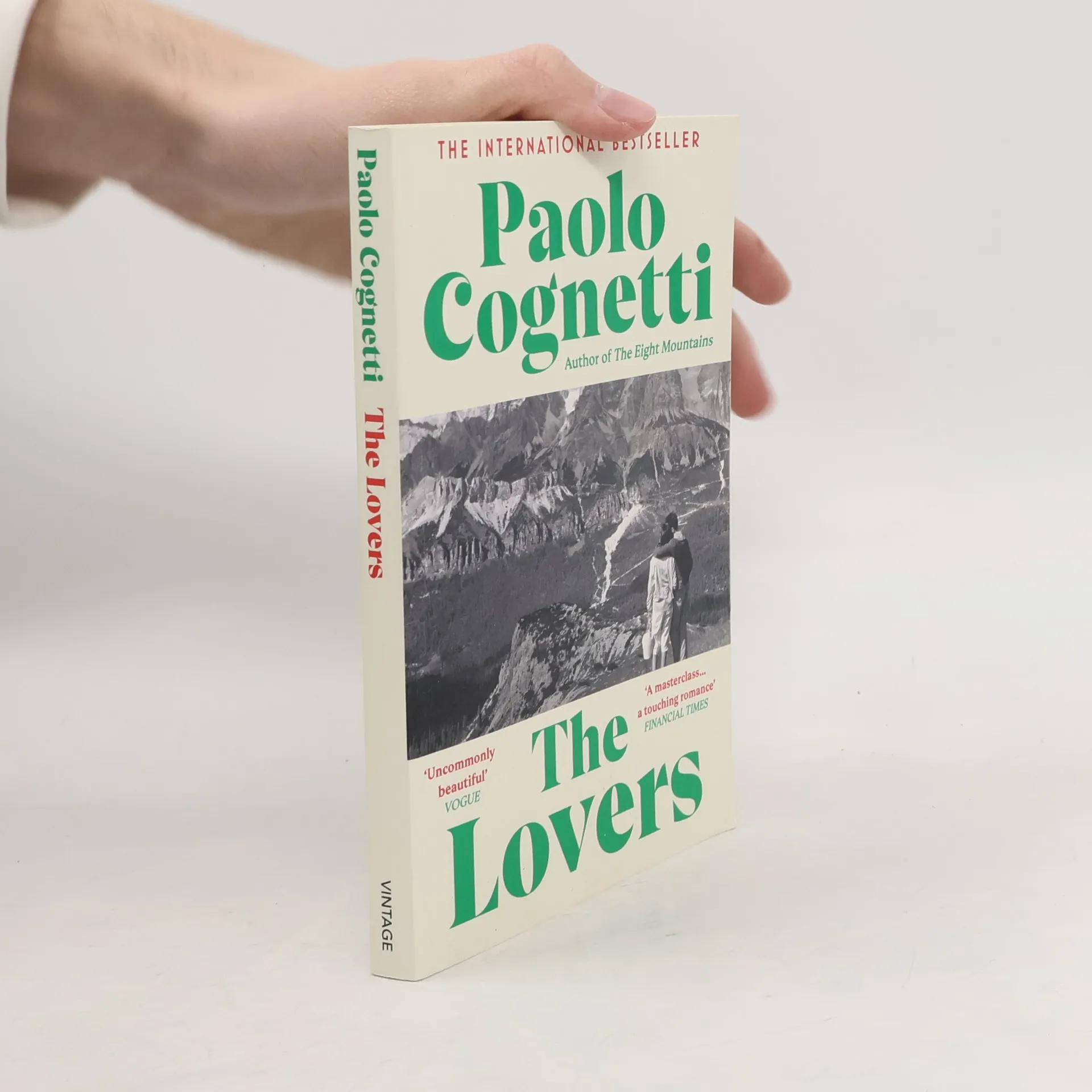
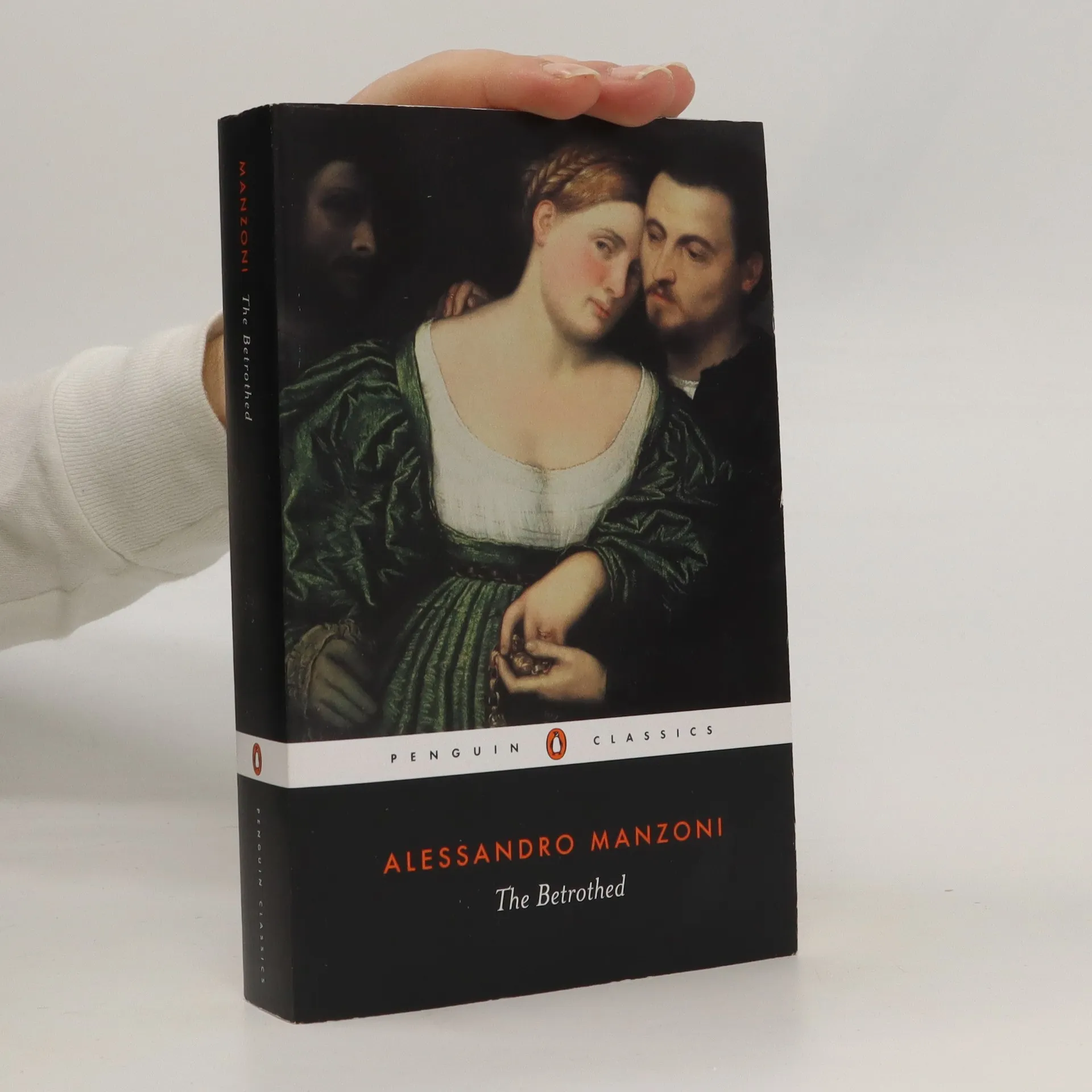
The Lovers
- 208 pages
- 8 hours of reading
From the author of international bestseller The Eight Mountains comes a story of love and community in the wild beauty of the Italian AlpsThe remote alpine village of Fontana Fredda lives by the seasons. These quiet, complex rhythms appeal to Fausto, who has left the city of Milan behind, and with it his relationship. He takes a job as chef in a little restaurant and entrusts himself to new beginnings.Silvia is also seeking change: her sights are on the glaciers where, she has read, climbing a thousand metres towards the sky is equivalent to travelling ten times the same distance to the north. She is in search of her personal North Pole.When Fausto and Silvia meet one night, their story begins: a tender story of love and renewal; of the community that sustains them; and of lives humbled by the implacable strength and beauty of the mountains.As intimate in focus as it is epic in scope, The Lovers is a luminous meditation on our quest to understand our place in one another's lives, and in the magnificence of the world around us.Praise for The Eight Mountains:'Exquisite... A rich, achingly painful story' Annie Proulx'Enchanting' Guardian'Brilliant' New York Times
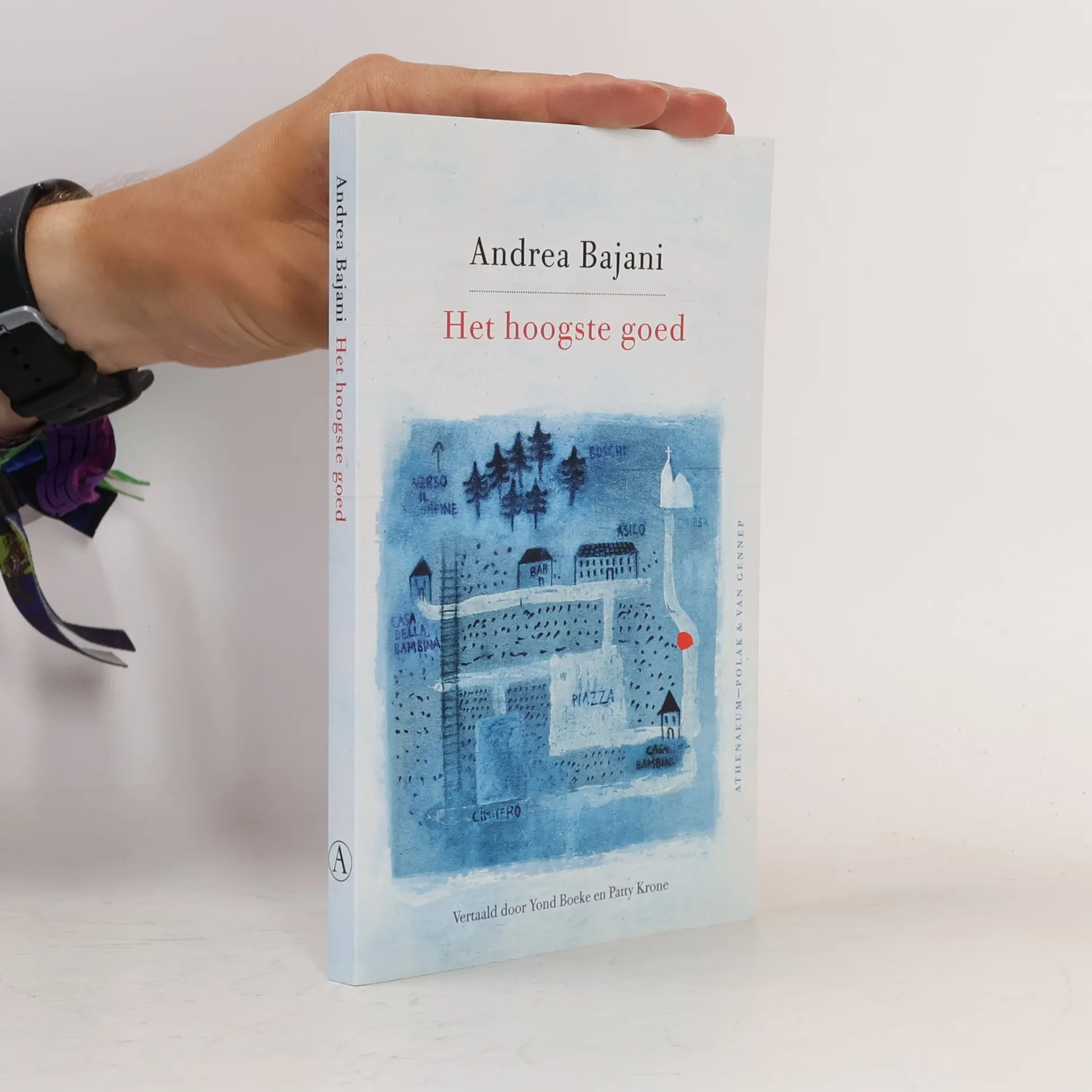
Het hoogste goed
- 144 pages
- 6 hours of reading
‘Er was eens een jongen die een verdriet met zich meedroeg waarvan hij niet wilde scheiden. Hij nam het overal mee naartoe. Hij liep er elke morgen mee door het dorp naar school. Als hij in de klas ging zitten, nestelde het verdriet zich aan zijn voeten en lag daar dan vijf uur zonder een kik te geven. In het speelkwartier nam de jongen het mee naar de speelplaats, en als de school uitging liep hij in tegenovergestelde richting terug door het dorp, het verdriet aan zijn zijde. Als hij thuiskwam waste hij zijn handen, want dat hadden zijn vader en moeder hem zo geleerd. Daarna deed hij de deur van de ijskast open, keek of er iets voor hem klaarstond, en als dat niet zo was maakte hij spaghetti met tomaat. Vervolgens legde hij een tafelkleed op tafel en at. Het verdriet klom op de stoel naast hem, en terwijl hij at aaide de jongen het. Maar als zijn ouders erbij waren, lag het verdriet aan de voeten van de jongen. Af en toe liet de jongen zijn hand onder tafel verdwijnen en gaf het een stukje brood. De snuit van het verdriet zocht zijn hand, en daarna likte het zijn vingers.’ Elk mens draagt een eigen verdriet met zich mee. Groot of klein, hanteerbaar of onbeheersbaar. In deze poëtische roman onderzoekt Andrea Bajani het wezen van het verdriet.
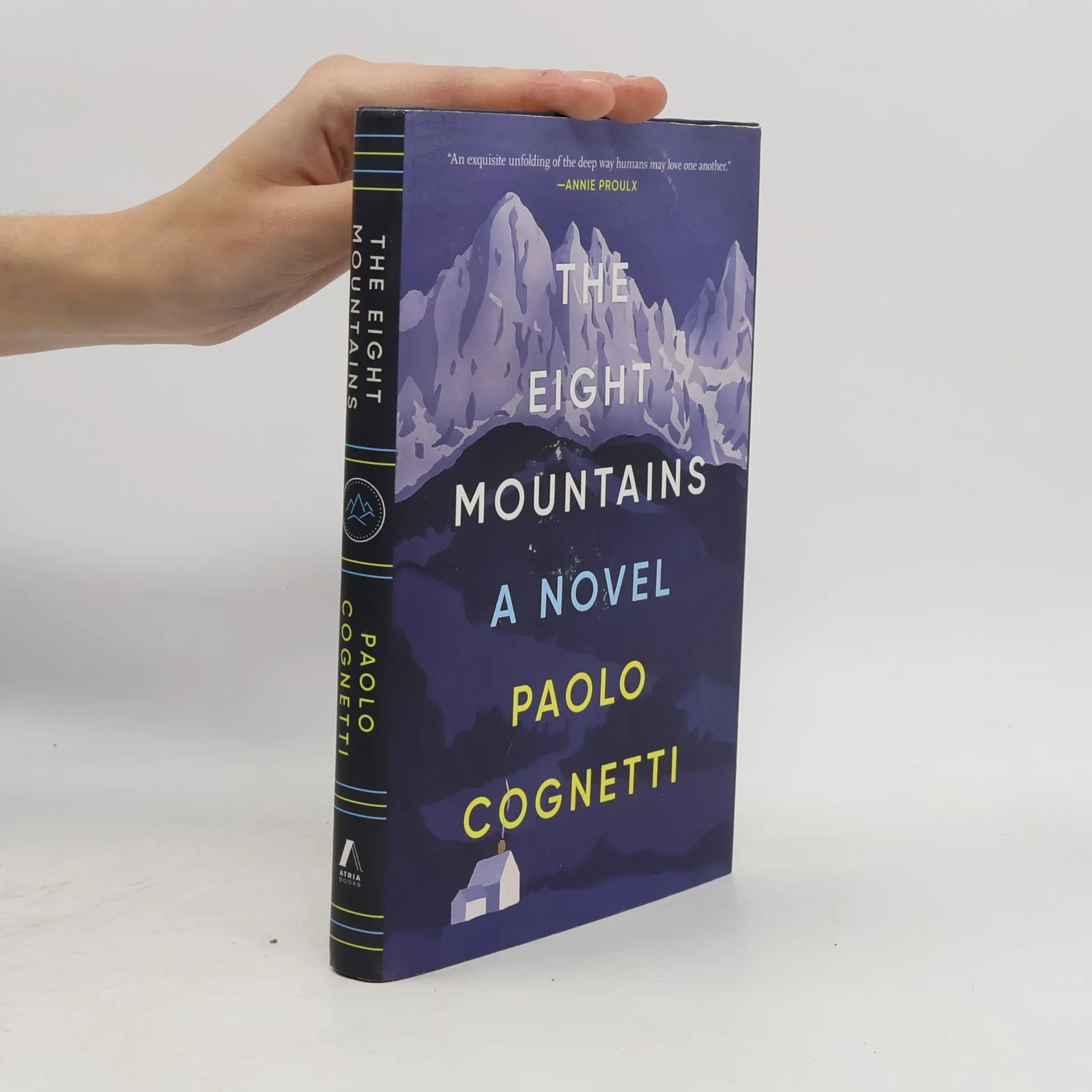
The Eight Mountains
- 272 pages
- 10 hours of reading
'Could Cognetti be the new Elena Ferrante?' Bookseller The international sensation that spent a year on the Italian bestseller list about two young boys who meet in the mountains every summer, and the men they grow up to become 'ENCHANTING' Guardian 'BRILLIANT' New York Times 'ABSORBING' Irish Times Pietro, a lonely city boy, spends his summers in a secluded valley in the Alps. There, surrounded by meadows and peaks, he begins to learn of his father's dreams and passions. There, too, he meets Bruno, the son of a local stonemason. As the pair run wild, they form a once-in-a-lifetime friendship. Then one year, the summer visits stop. Pietro is drawn to cities around the world. But the memory of the mountains never leaves him and, after his father dies, he returns in search of the freedom and camaraderie that he once knew. 'Exquisite... A rich, achingly painful story' ANNIE PROULX Winner of the 2017 Strega Prize, the Strega Giovani Prize and the Prix Medicis etranger
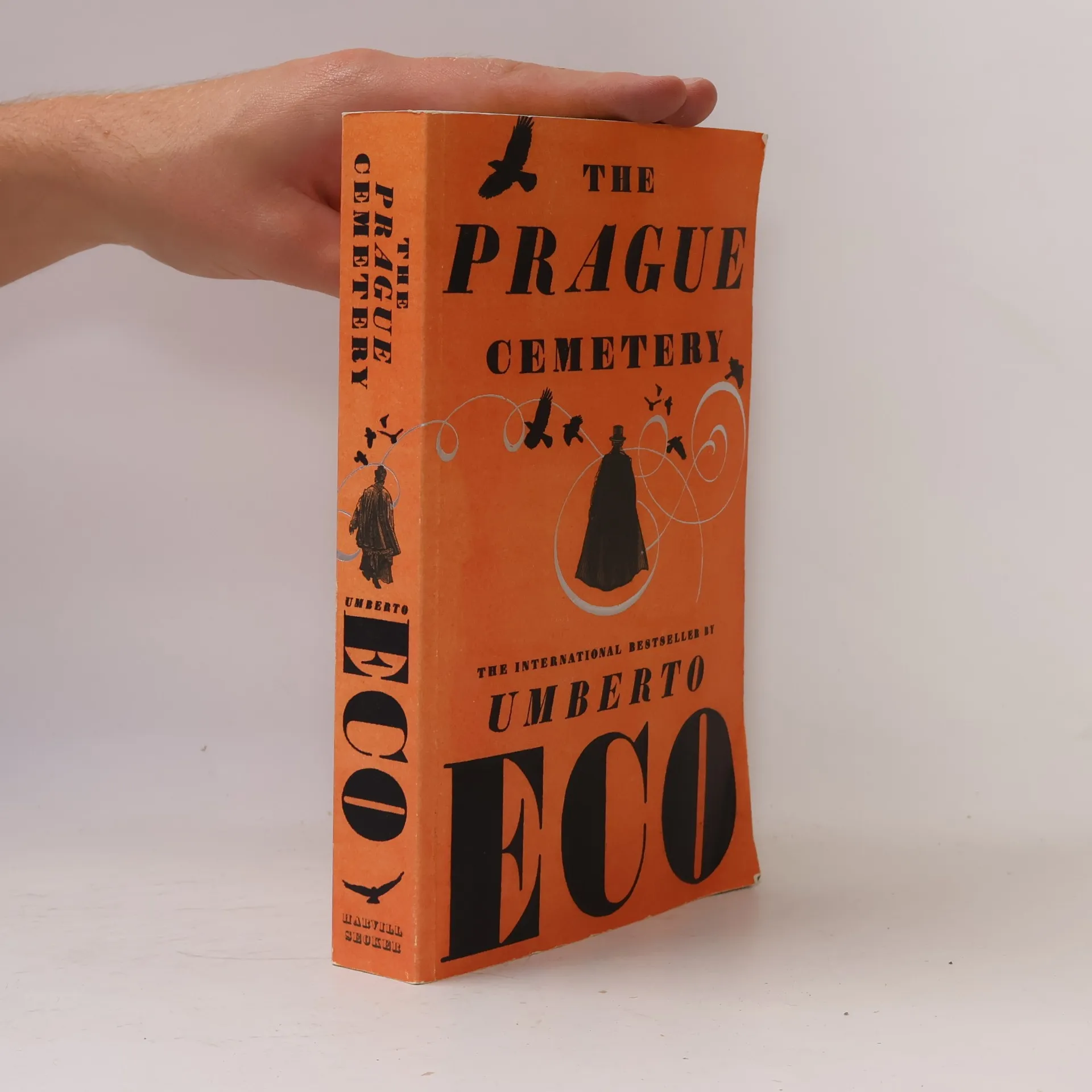
The Prague Cemetery
- 576 pages
- 21 hours of reading
19th-century Europe, from Turin to Prague to Paris, abounds with the ghastly and the mysterious. Conspiracies rule history. Jesuits plot against Freemasons. Italian republicans strangle priests with their own intestines. French criminals plan bombings by day and celebrate black masses at night
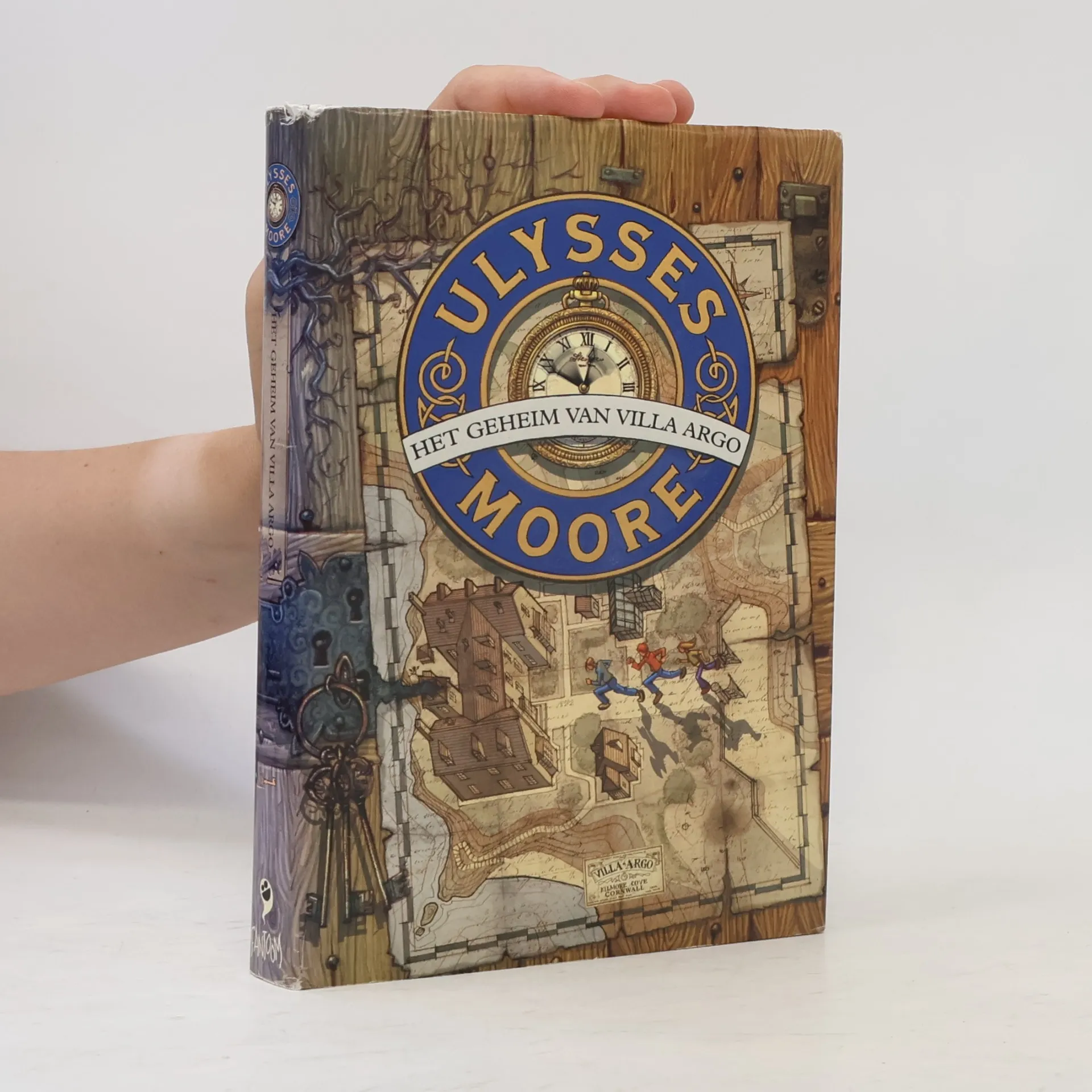
Ulysses Moore - 1: Het geheim van Villa Argo
- 221 pages
- 8 hours of reading
Jason, Julia en Rick zijn dol op avontuur. Een villa boven op de rotsen, vol mysterieuze kamers met geheimzinnige sleutels. Een deur die achter een kast verborgen zit en die niet lijkt open te gaan. Maar toch willen Julia, Jason en Rick de deur open maken.
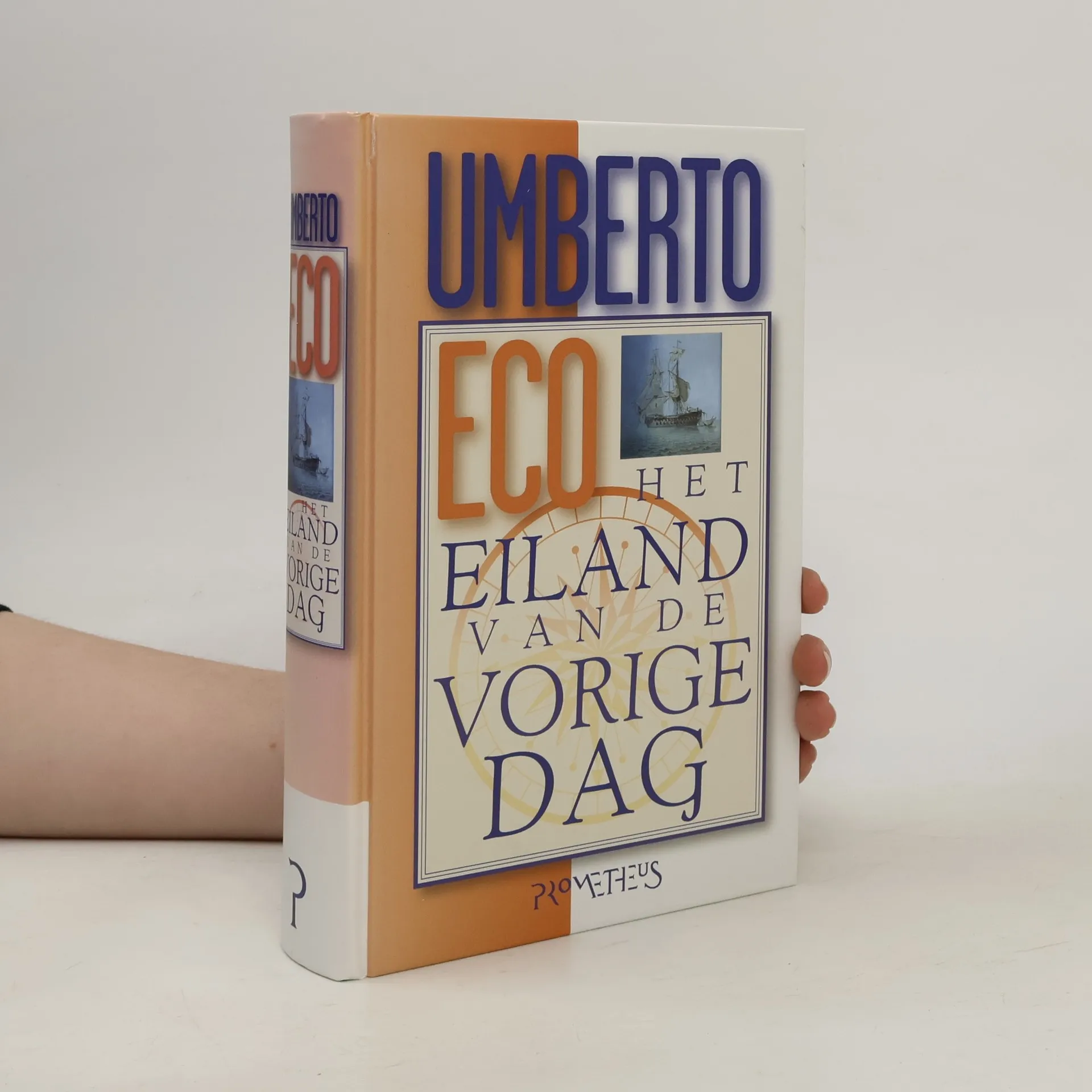
Het eiland van de vorige dag / druk 25
- 489 pages
- 18 hours of reading
Tegen de achtergrond van het zeventiende-eeuwse Europa wordt de zoektocht beschreven die de hoofdpersoon onderneemt naar de 180e meridiaan en de liefde die hij opvat voor een onbereikbare schone.
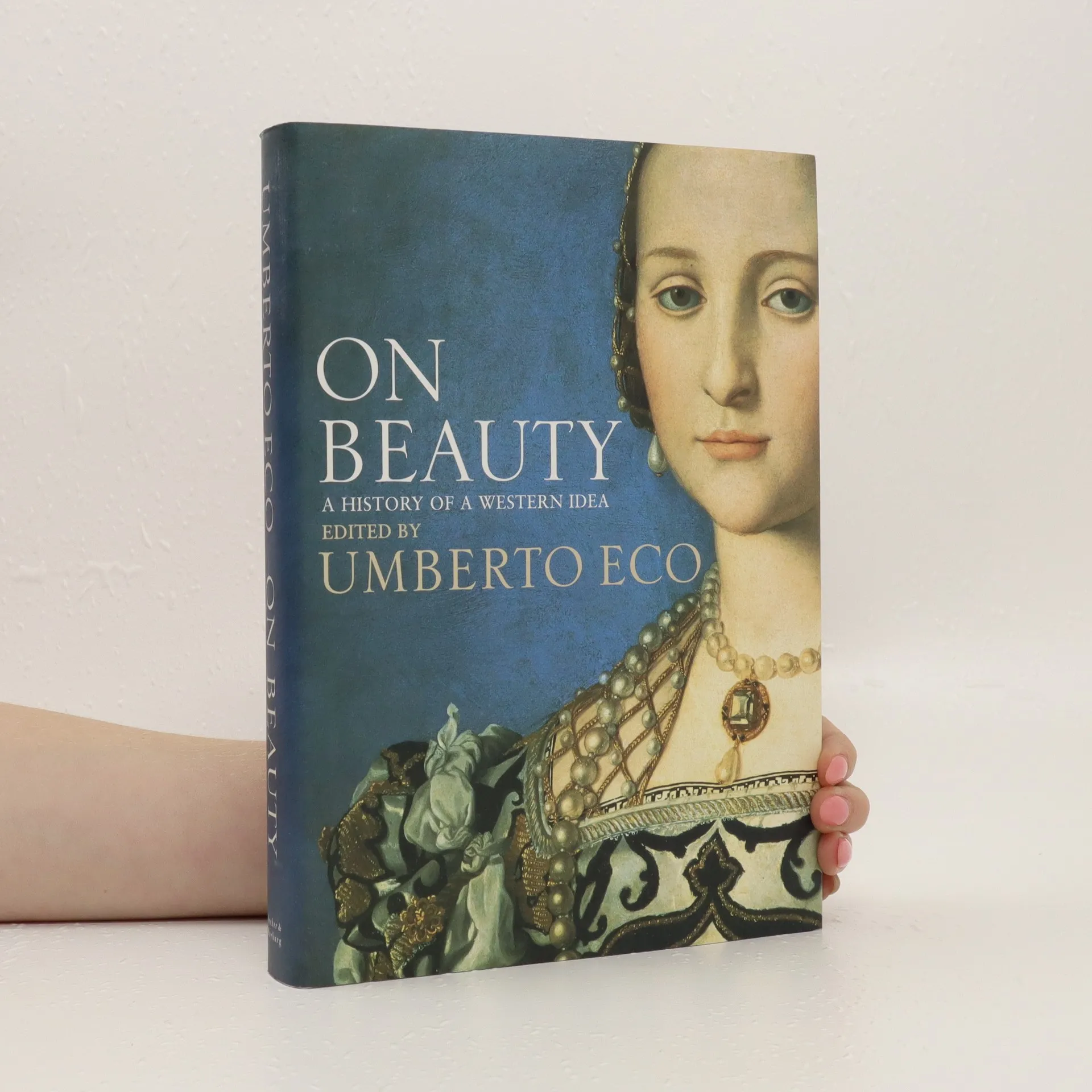
On beauty : a history of a Western idea
- 438 pages
- 16 hours of reading
'On Beauty' is neither a history of art, nor a history of aesthetics but Umberto Eco draws on the histories of both these disciplines to define the ideas of beauty that have informed sensibilities from the classical world to modern times.
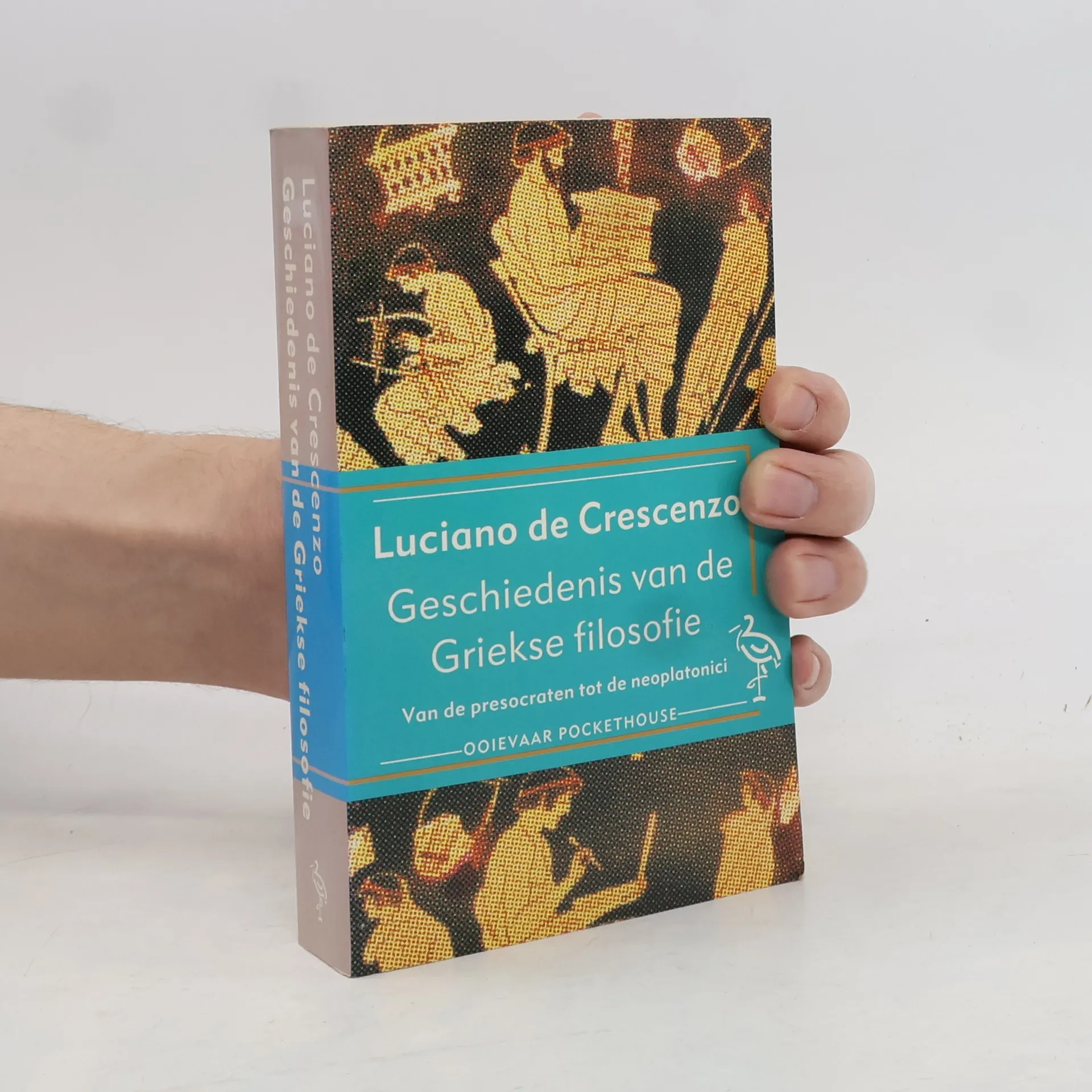
Geschiedenis van de Griekse filosofie
Van de presocraten tot de neoplatonici
- 434 pages
- 16 hours of reading
Persoonlijk getinte inleiding tot de Griekse filosofie van de presocratici tot en met de neoplatonici.
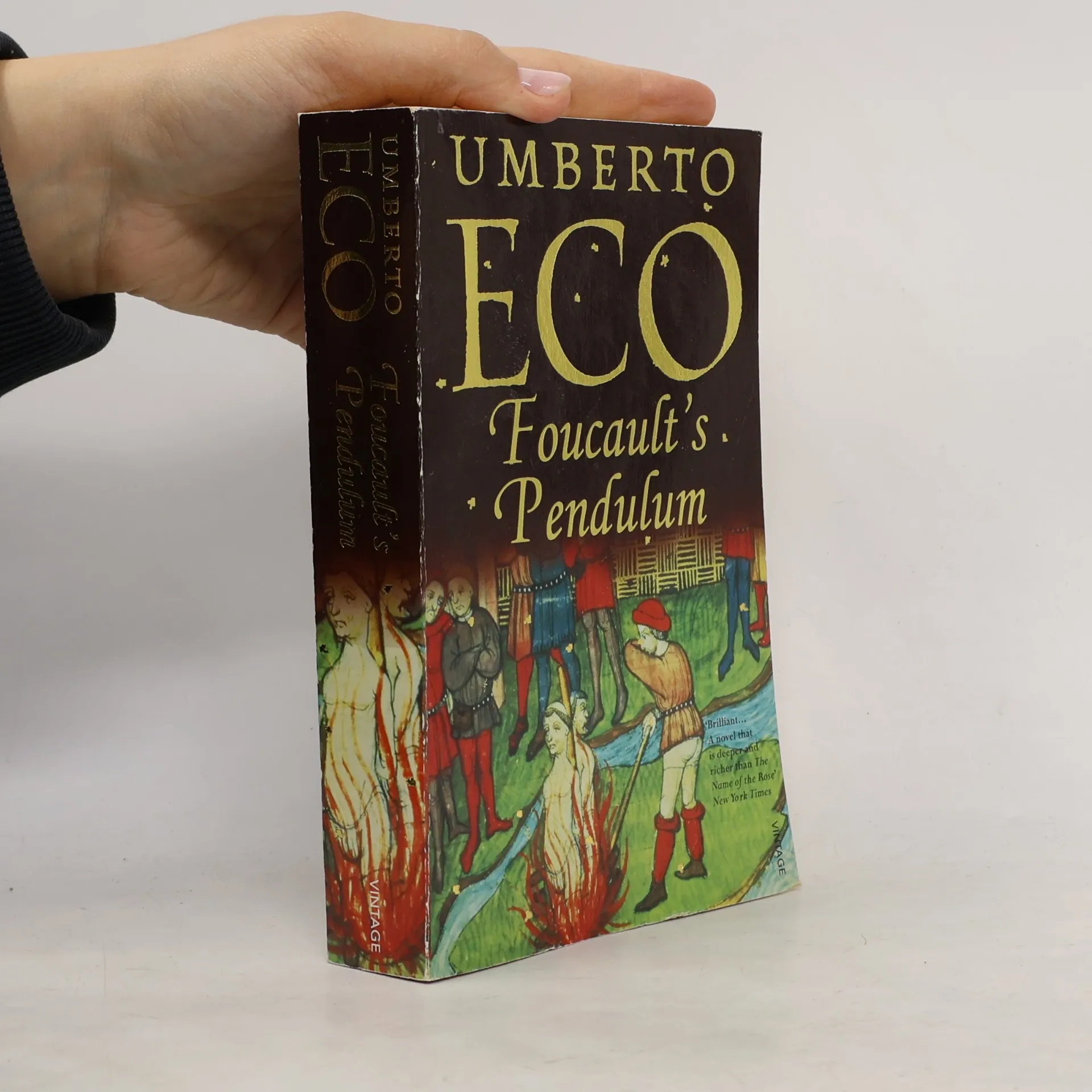
A student of philosophy in 1970s Milan, Casaubon is completing a thesis on the Templars, a monastic knighthood disbanded in the 1300s for questionable practices. At Pilades Bar, he meets up with Jacopo Belbo, an editor of obscure texts at Garamond Press. Together, with Belbo's colleague Distallevi, they scrutinize the fantastic theories of a prospective author, Colonel Ardenti, who claims that for seven centuries the Templars have been carrying out a complex scheme of revenge. When Ardenti disappears mysteriously, the three begin using their detailed knowledge of the occult sciences to construct a Plan for the Templars - only to discover too late that the Plan they have invented is in fact real. As brilliant and quirky as his Name of the rose, this book (not a novel in the strict sense of the word) is full of puns, allusions and literary references and "information" playfully and masterly manipulated by Eco