

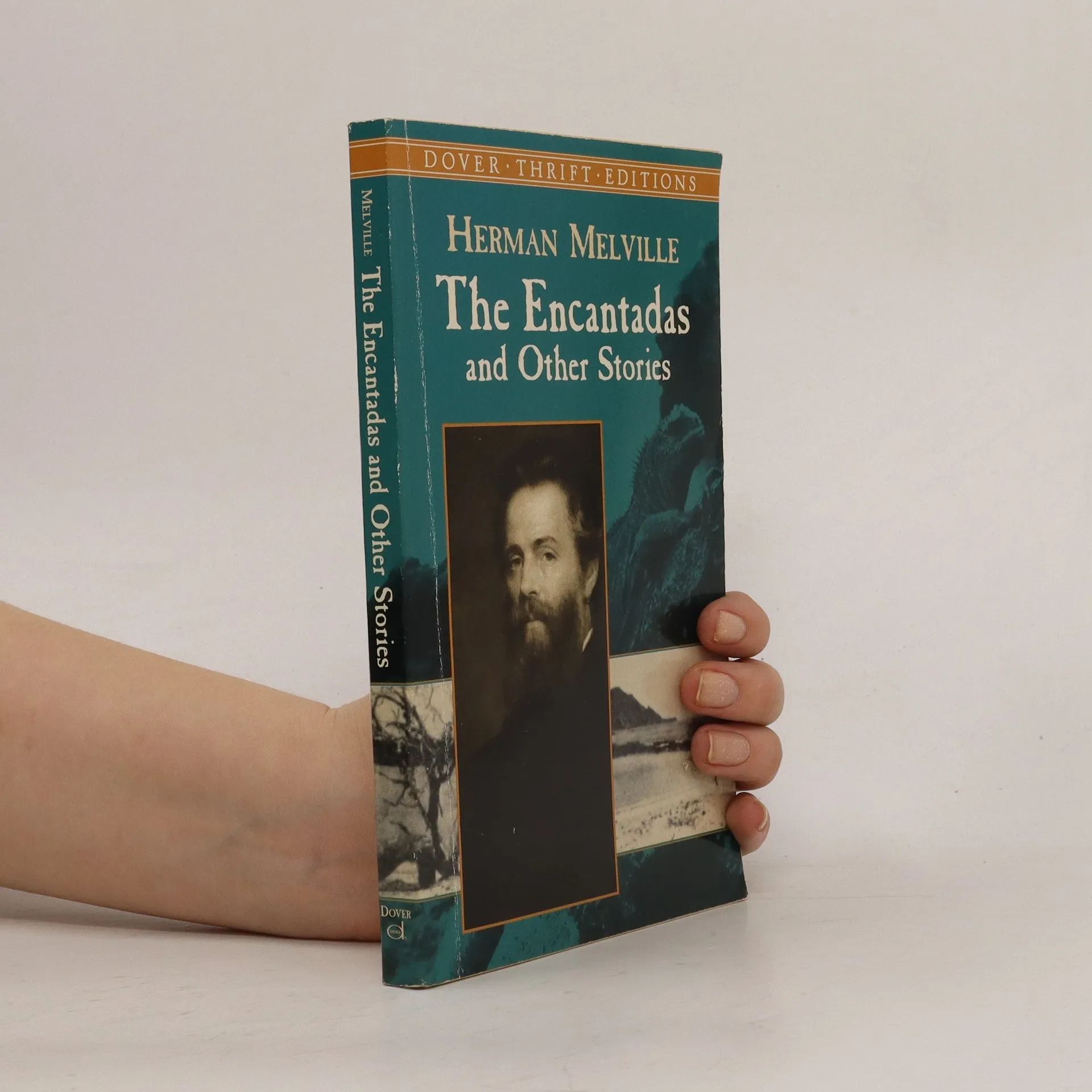
Herman Melville first glimpsed the Galapagos Islands as a young seaman on the whaler Acushnet. Years later, after the failure of Moby-Dick, he sought to regain his lost popularity by writing a series of magazine sketches titled "The Encantadas or Enchanted Isles," which reflect the strange and captivating worlds he encountered there. These sketches explore themes of isolation, nature's grandeur, and the interplay between humanity and the environment, capturing the unique essence of the islands and their enigmatic allure. Through vivid descriptions and philosophical musings, Melville invites readers to contemplate the mysteries of existence and the beauty of the natural world, creating a rich tapestry of narrative that resonates with both adventure and introspection.
Pierre Leyris Book order (chronological)
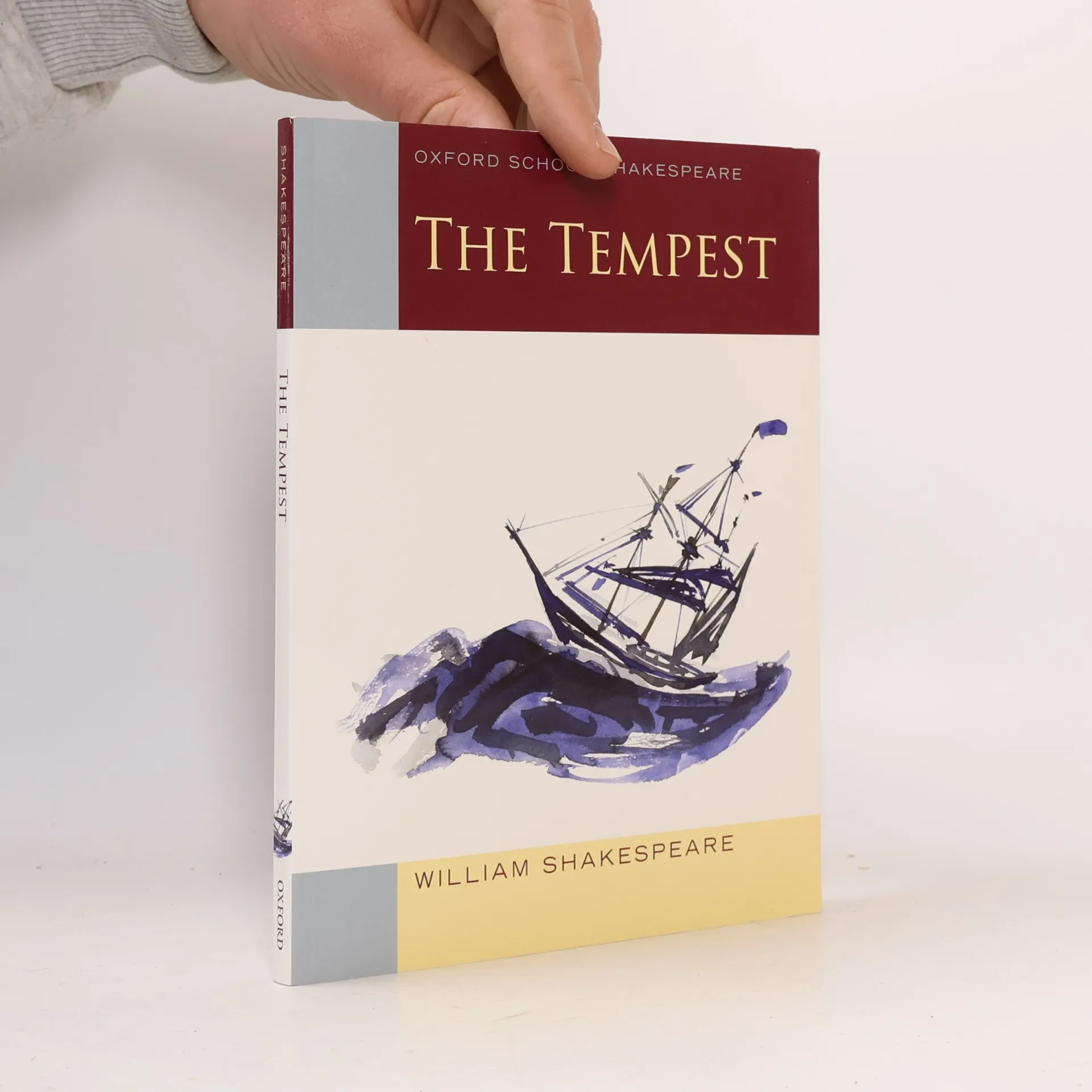
Oxford School Shakespeare: The Tempest
- 125 pages
- 5 hours of reading
The Tempest is a popular text for study by secondary students the world over. This edition includes illustrations, preliminary notes, reading lists (including websites) and classroom notes.