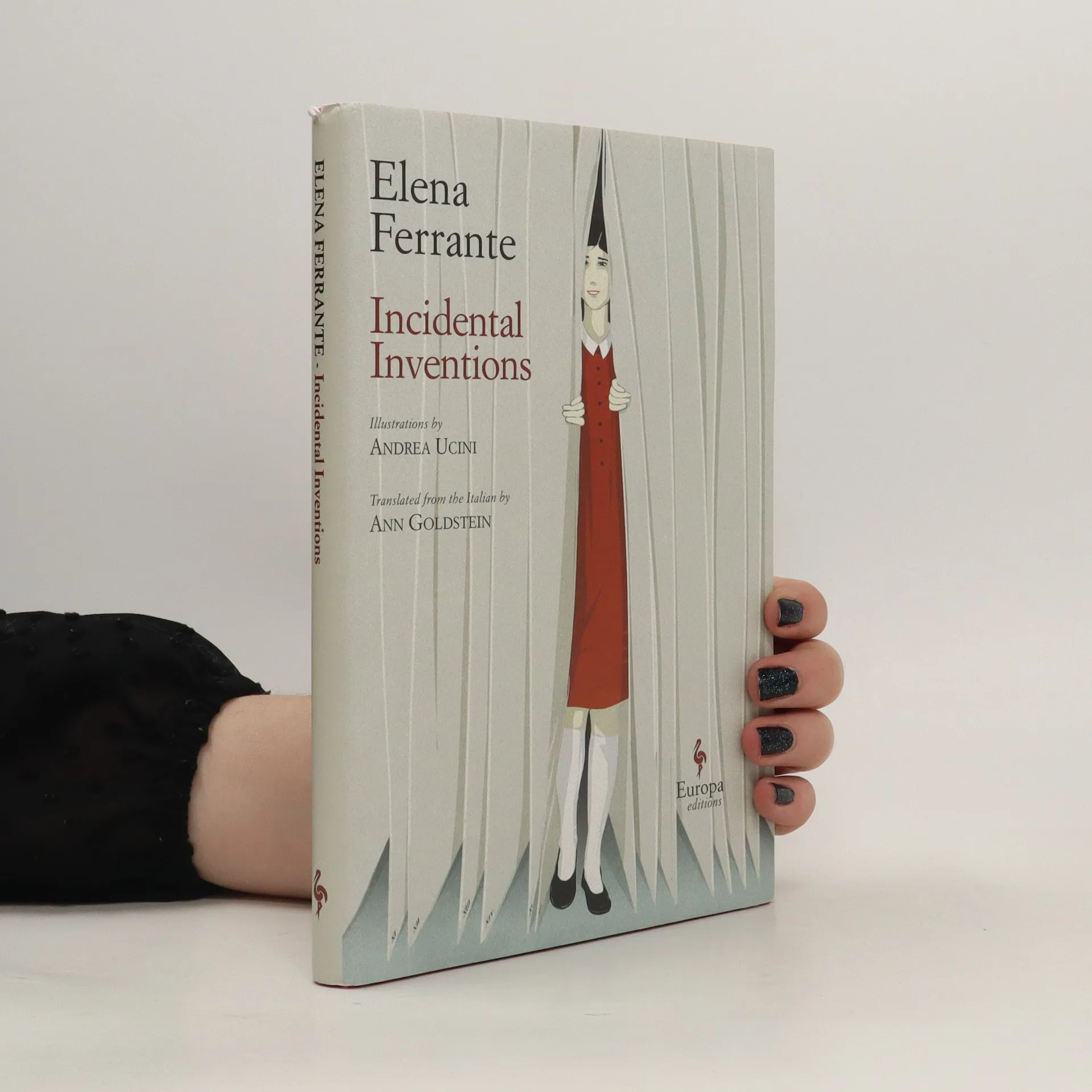
With these words, Elena Ferrante bid farewell to her year-long collaboration with the Guardian newspaper. For a full year, she wrote an article each week, the subjects of which had been suggested by Guardian editors, making the writing process a form of prolonged interlocution.
Against the backdrop of a Naples that is as seductive as it is perilous and a world undergoing epochal change, this story of a lifelong friendship is told with unmatched honesty. Lila and Elena clash, drift apart, reconcile, and clash again, in the process revealing new facets of their friendship.
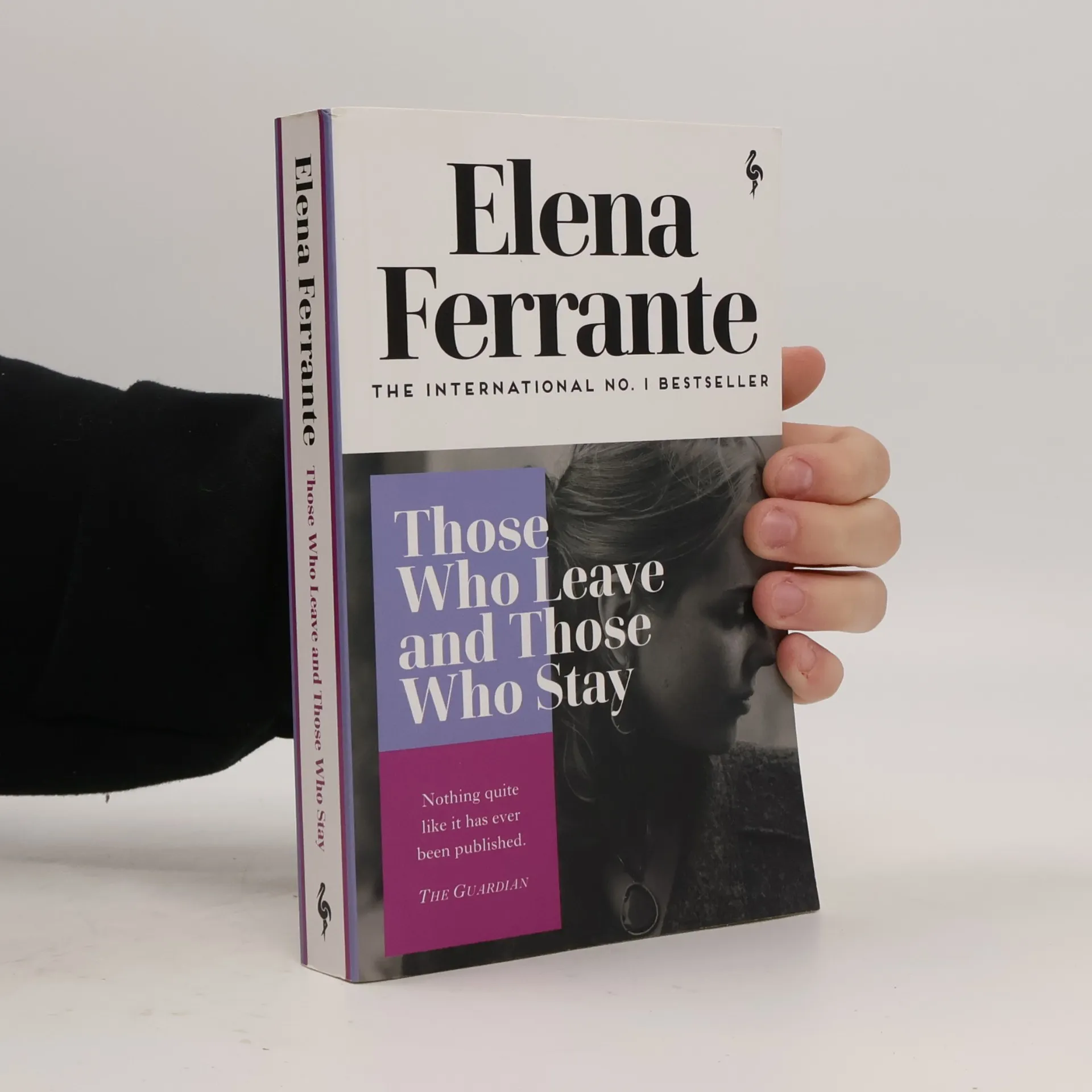
Set in the late 1960s and the 1970s, Those Who Leave and Those Who Stay continues the story of the feisty and rebellious Lina and her lifelong friend, the brilliant and bookish Elena. Lina, after separating from her husband, is living with her young son in a new neighbourhood of Naples and working at a local factory. Elena has left Naples, earned a degree from an elite college, and published a novel, all of which has opened the doors to a world of learned and fascinating interlocutors. The era, with its dramatic changes in sexual politics and social costumes, with its seemingly limitless number of new possibilities, is rendered with breathtaking vigour. This third Neapolitan Novel is not only a moving story of friendship but also a searing portrait of a rapidly changing world. Since the publication of My Brilliant Friend, the first of the Neapolitan Novels, Elena Ferrante's fame as one of today's most compelling, insightful, and stylish authors has grown. She has gained admirers among authors, artists, and critics. But her most resounding success has undoubtedly been with readers, who have discovered in Ferrante a writer who speaks with great power and beauty of the mysteries of belonging, human relationships, love, family, and friendship.