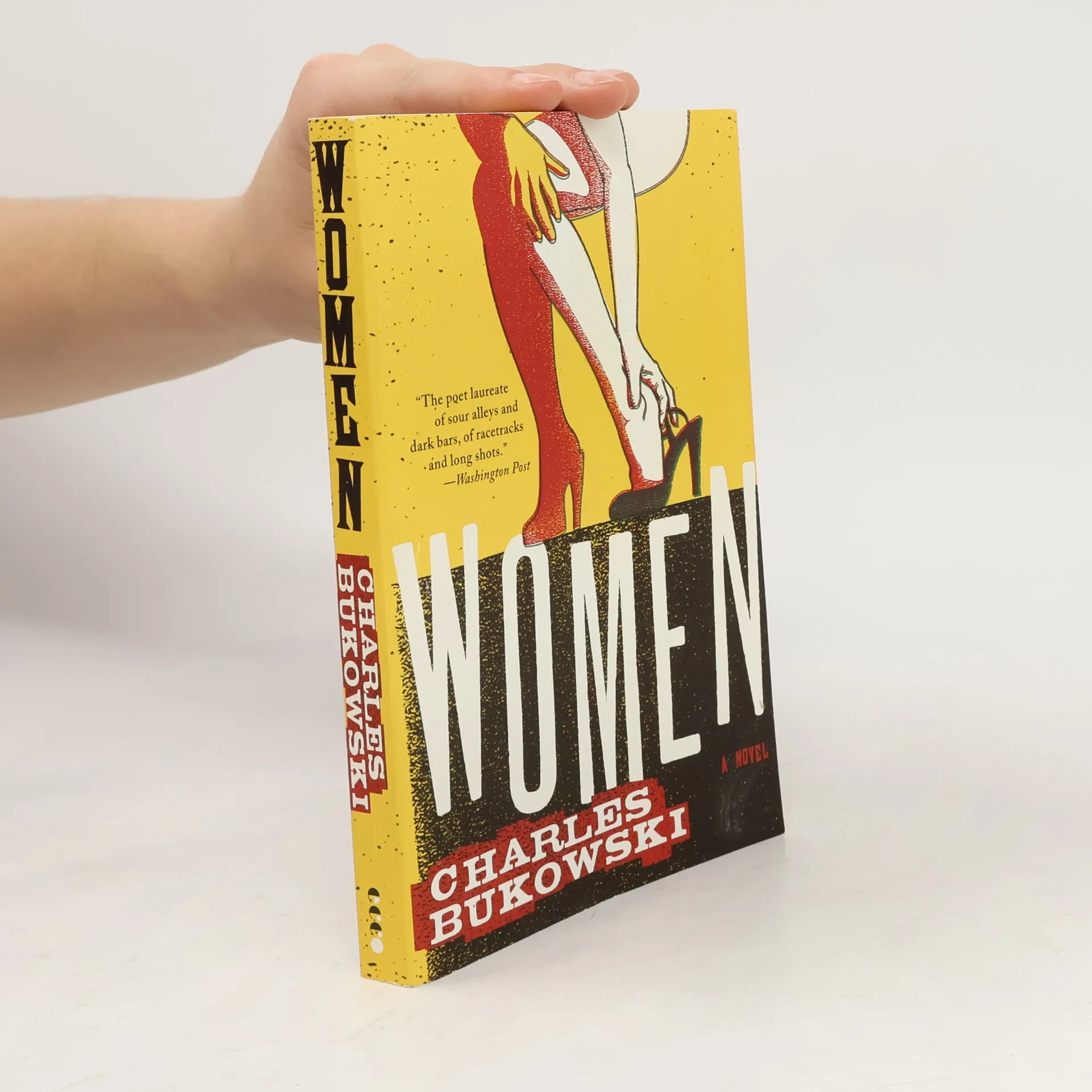



Women
- 304 pages
- 11 hours of reading
Tells the story of an ugly old man who has gone unloved for too long, but a change comes over him as he begins more and more relationships with women.


Tells the story of an ugly old man who has gone unloved for too long, but a change comes over him as he begins more and more relationships with women.
'Probably the best book ever written about being young, about doing drugs and about music' Tony Parsons, Daily Express
When Alice B. Toklas was asked to write a memoir, she initially refused. Instead, she wrote The Alice B. Toklas Cook Book, a sharply written, deliciously rich cookbook memorializing meals and recipes shared by Hemingway, Fitzgerald, Wilder, Matisse, and Picasso. And of course by Alice and Gertrude themselves
'It is superb' Rita Mae BrownSet in the deep American South between the wars, The Color Purple is the tale of Celie, a young black girl born into poverty and segregation. Raped repeatedly by the man she calls 'father', she has two children taken away from her, is separated from her beloved sister Nettie and is trapped into an ugly marriage. But then she meets the glamorous Shug Avery - singer and magic-maker - a woman who has taken charge of her own destiny. Gradually Celie discovers the power and joy of her own spirit, freeing her from her past and reuniting her with those she loves. The Color Purple is one of the all-time greats of literature, a global bestseller, and has inspired generations of readers.
A reproduction of Kerouac's original 1951 scroll draft of "On the Road" offers insight into the writer's thematic vision and narrative voice as influenced by the American literary, musical, and visual arts of the post-World War II period.
This legendary Henry Chinaski novel is now available in a newly repackaged trade paperback edition, covering the period of the author's alter-ego from the mid-1950s to his resignation from the United States Postal Service in 1969.
Janna, bella ed elegante, con alle spalle un solido successo professionale, conosce una piccola e vecchia signora, Maudie, e da questo incontro casuale nasce una stretta amicizia, un legame quasi simbiotico. La prima comincia a condividere le manie e le abitudini della seconda, i suoi malanni senili, e viene così a contatto con un mondo disordinato e dolente ma anche affascinante, che le permette di scoprire dimensioni esistenziali da lei ignorate fino a quel momento. Il diario di Jane Somers si configura, nel panorama contemporaneo della letteratura in lingua inglese, come uno dei più impietosi esperimenti di autoanalisi mai compiuti da uno scrittore.
Fearing that he was directly responsible for the death of his father, an American multimillionaire food magnate, sixteen-year-old Frank Pierson learns of a plot to kidnap him and enlists the aid of Tom Ripley, an American expatriate in Paris
A 29-year-old woman writer, still chasing the rainbows of her dreams, is finally forced to face up to the realities of life.
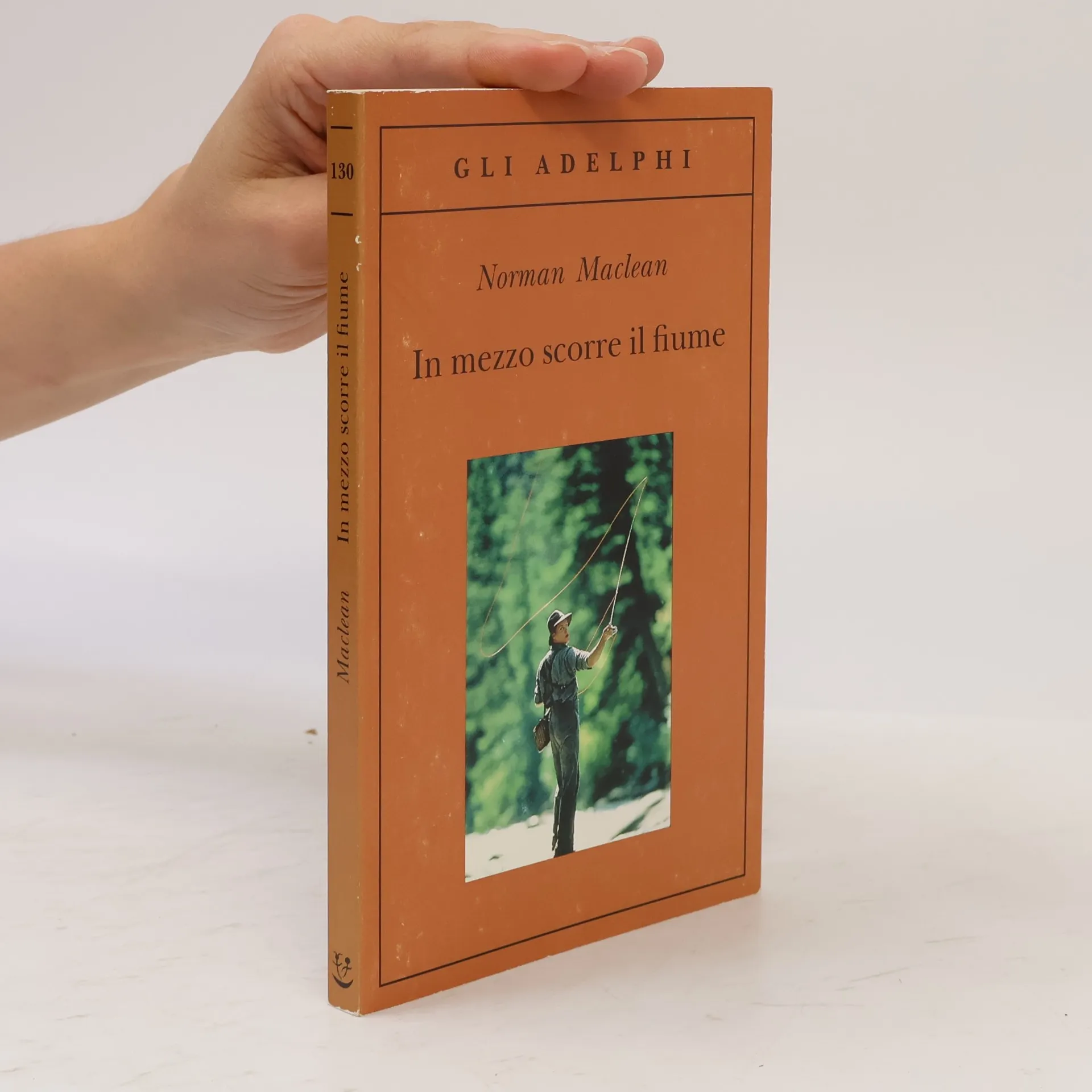
Ci sono rari libri che sembrano fatti di niente e alla fine dei quali ci si trova a navigare nel tutto e precisamente su un fiume. «Alla fine tutte le cose si fondono in una sola, e un fiume la attraversa»: così leggiamo nelle ultime righe di questo romanzo, e in quel momento la frase ci pare chiara. Ma come ci si arriva? Ascoltando la storia di due fratelli del Montana appassionati di pesca a mosca in luoghi magnifici e deserti. Nulla di più semplice, eppure, i due fratelli crescono con l’idea che nulla nella vita sia tanto arduo e misterioso: «Nella nostra famiglia non c’era una chiara linea di demarcazione tra religione e pesca a mosca». Scopriamo come la pesca a mosca attiri complicazioni, che coinvolgono birra, cazzotti, sfide virili, zie presbiteriane, una pellerossa dai capelli lucenti, e un vecchio predicatore che legge il Vangelo in greco lungo il fiume. Mentre la tensione si sviluppa nel rapporto fra i due fratelli, che si amano e non si capiscono, si arriva a un finale lacerante, rivelando come siano «proprio le persone con cui viviamo, che amiamo e che dovremmo conoscere meglio, a eluderci». Per raccontare queste storie occorreva un tono asciutto e laconico, evocando un film di John Ford o una lirica di Robert Frost. Così, da una materia lieve e tragica, è nato un «fosco idillio americano». Il romanzo è apparso per la prima volta nel 1976.