

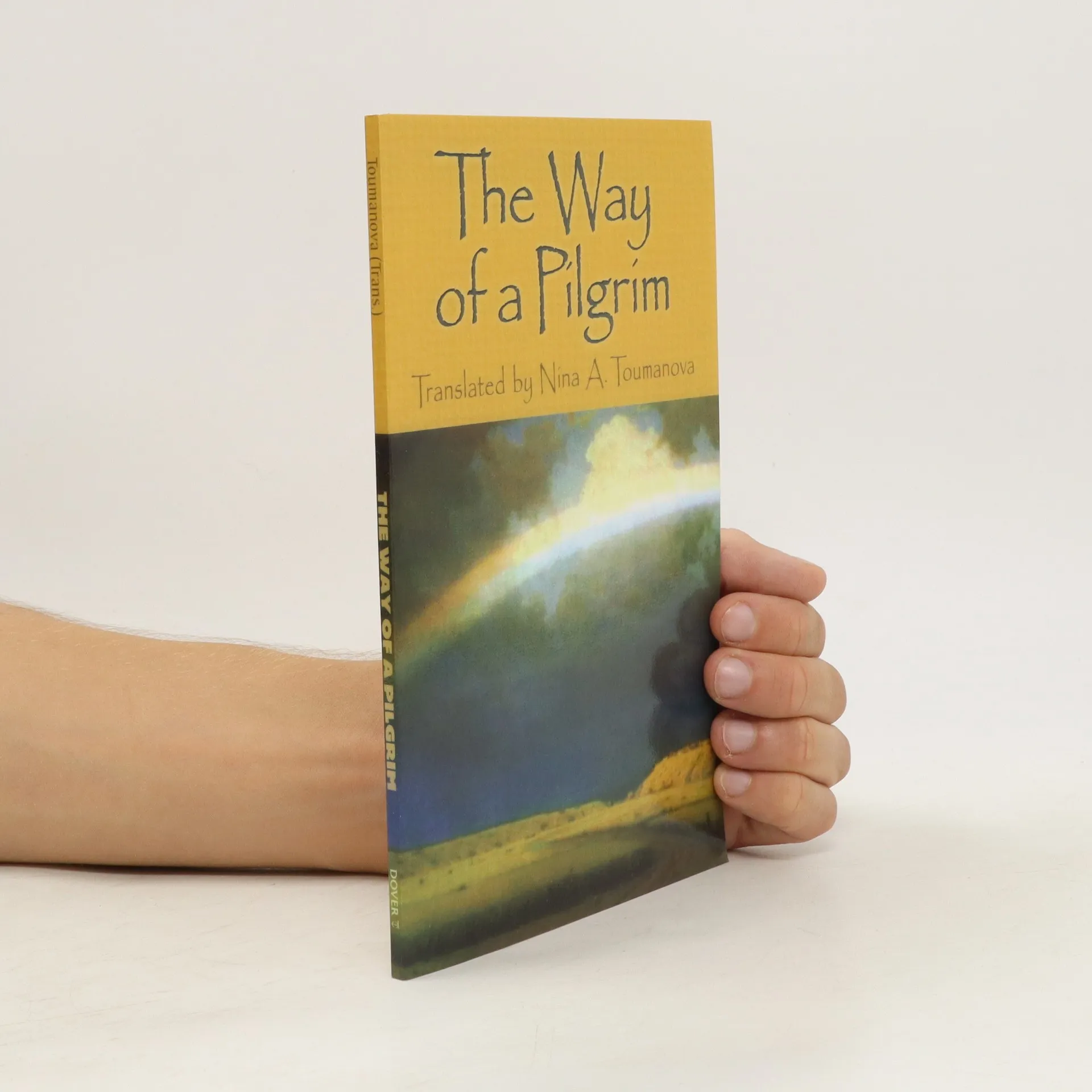
"In 1884 there appeared in Russia a slim volume containing four short tales. They told of a pilgrim, a lone wanderer, led by his quiet curiosity and a deep spiritual longing to undertake a lifelong journey across the land. A folk hero, a figure familiar from the works of Tolstoy and Leskov, this gentle pilgrim and his simple story would soon travel the world - and would even, much later, traverse the pages of JD Salinger's Franny and Zooey as the 'small pea-green cloth-bound book' that Franny keeps close in her handbag. The pilgrim's ancient journey takes him from a city monastery through forests, fields and the steppes of Siberia. He walks by day and by night, through rains and summer months, finding food and shelter where he can. Along the way, he encounters priests and professors, convicts, nuns and beggars, a tipsy old man in a soldier's greatcoat, from whom he slowly gathers great stores of wisdom and experience. But at the heart of his journey is his time spent praying as he journeys on alone, discovering the peace and consolation that come of constant prayer and silent contemplation. Simple and sincere, The Way of a Pilgrim paints an enduring picture of a life of detachment through wandering and prayer. And, as the pilgrim makes his way through the wilds, he invites us to travel with him, along an ancient path into an immense, mystical landscape."-- Amazon.com
Milli Martinelli Book order (chronological)


Using a sharply realistic and humorous style, Bulgakov reveals his doubts about his own competence and the immense burden of responsibility, as he deals with a superstitious and poorly educated people struggling to enter the modern age. This acclaimed collection represents some of Bulgakov's most personal and insightful observations on youth, isolation and progress.
Hadji Murat
- 224 pages
- 8 hours of reading
Hadji Murat, one of the most feared and venerated mountain chiefs in the Caucasian struggle against the Russians, defects from the Muslim rebels after feuding with his ruling imam, Shamil. Hoping to protect his family, he joins the Russians, who accept him but never put their trust in him – and so Murat must find another way to end the struggle. Tolstoy knew as he was writing this, his last work of fiction, that it would not be published in his lifetime, and so gave an uncompromising portrayal of the Russians' faults and the nature of the rebels' struggle. In the process, he shows a mastery of style and an understanding of Chechnya that still carries great resonance today.