Explore the latest books of this year!
Bookbot

Pavol Rankov

    September 16, 1964

    Pavol Rankov's prose and essays delve into profound psychological portraits and complex interpersonal relationships. His style is characterized by meticulous craftsmanship with language and an ability to penetrate the essence of human existence. Rankov explores themes of identity, memory, and the search for meaning in the modern world. He engages readers with his intellectual insight and a unique perspective on reality.

    ZDARZYŁO SIĘ PIERWSZEGO WRZEŚNIA
    Mütter
    Legenda o języku
    Der kleine Donaukrieg
    MÜTTER
    On the Other Hand
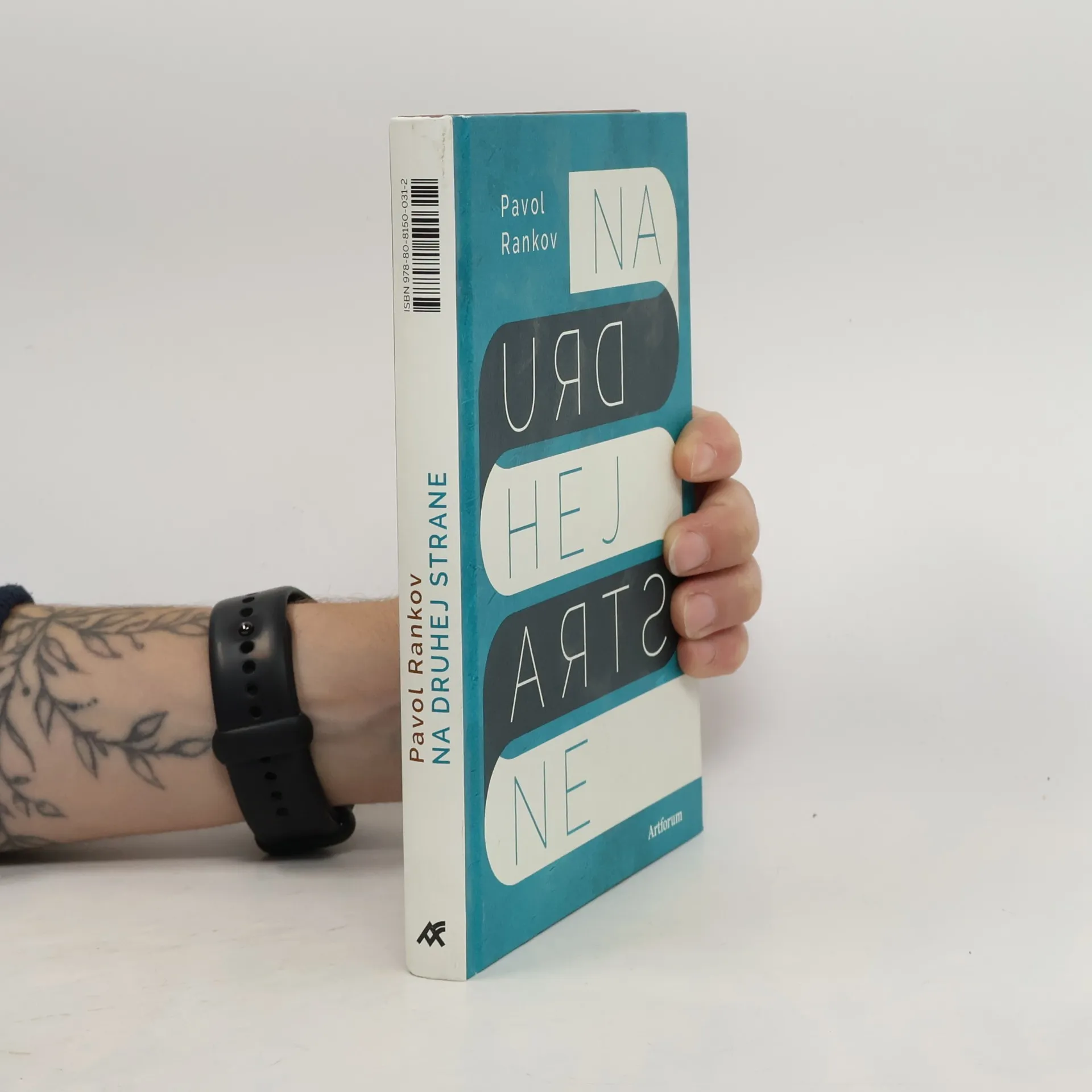
    • On the Other Hand is a collection of short stories by award-winning Slovak author Pavol Rankov, showcasing a duality in its narratives. Half of the stories are contemporary, addressing themes like immigration, refugees, drug use, and mental illness. The other half transport readers to distant lands with kings and palaces, resembling fairy tales where characters dig to the Earth’s core, construct cities for the virtuous, and explore alternate lives. Rankov masterfully takes ordinary situations and escalates them, revealing profound truths about human nature. His characters evoke inner turmoil, making it difficult to set the book aside, as they reflect our own desires, feelings, and anxieties—often pushing boundaries we wouldn’t dare cross. Central to these tales are interpersonal relationships that stir curiosity, attraction, jealousy, and provocation. Rankov skillfully weaves in elements of mystery, sci-fi, psychological drama, and thriller, enhancing the depth of his narratives. The philosophical secret in his work lies in the unanswered puzzles that emerge from seemingly banal anecdotes, which grow to unsettling proportions, leaving readers with existential questions.

      On the Other Hand
    • Der kleine Donaukrieg

      Aus dem Slowakischen von Slávka Rude-Porubská

      „Das hier ist Krieg. Blut, Schmerz, Tod. Keine Inspiration.“ In seiner scharfsinnigen politischen Dystopie entwirft Pavol Rankov die Vision eines chaotischen Kriegskonflikts im slowakisch-ungarischen Grenzgebiet. Im fiktiven Kleinen Donaukrieg verläuft die Front zwischen den ehemaligen Nachbarn, Freunden und Verwandten. Hier stehen sich Mitglieder der slowakischen Heimwehr und die großungarischen Separatisten feindlich gegenüber; auf dem Kriegsfeld mischen Freiwillige aus Tschechien, kirchliche Autoritäten und Angehörige einer Roma-Guerilla-Gruppe mit, während die UNO-Friedenstruppen und die NATO-Streitkräfte gemeinsam mit dem überforderten Verwaltungsapparat der Europäischen Union eher tatenlos zusehen. Dagegen sind die Protagonisten des Romans – ein einfacher Metzger, eine frühere Olympia-Sportlerin, ein Franziskaner-Pater – plötzlich gefordert, Partei zu ergreifen und eine Entscheidung zu treffen. Will man das eigene Leben in Gefahr bringen oder beteiligt man sich aktiv am Töten? In Form eines literarischen Mosaiks liest sich dieser politische Thriller aus einer möglichen Gegenwart wie ein Kommentar zu den jüngsten bewaffneten Auseinandersetzungen in Europa, den ethnisch oder religiös motivierten Bürgerkriegen und den Mechanismen ihrer medialen Verbreitung im Internet, Geschichtsklitterung und Desinformation inklusive.

      Der kleine Donaukrieg
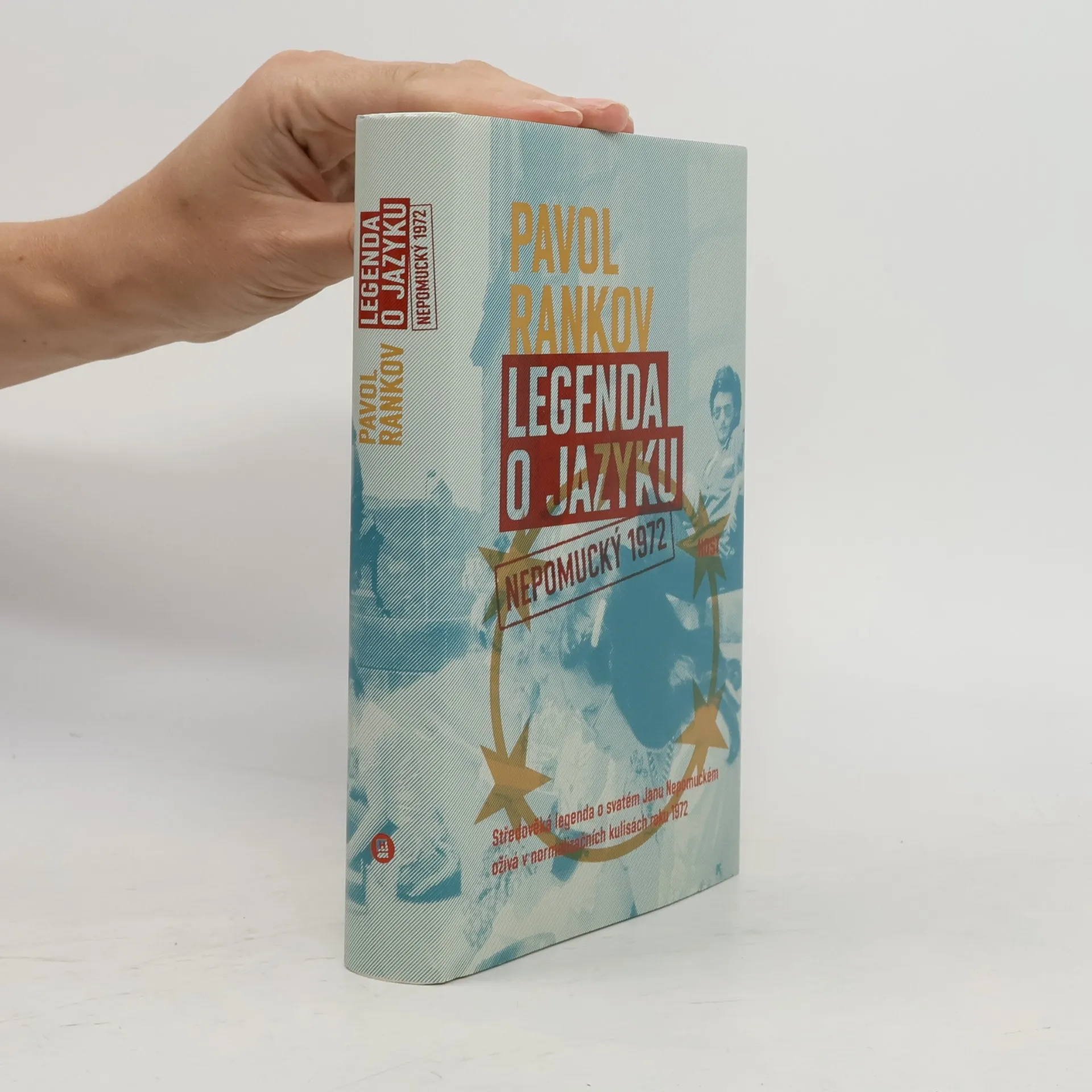
    • Czechosłowacja na początku lat siedemdziesiątych. Smutna i szara, tuż po wkroczeniu do kraju wojsk Układu Warszawskiego i stłumieniu Praskiej Wiosny. Główny bohater, Tom, z pochodzenia Słowak, właśnie zaczyna studiować historię na Uniwersytecie Karola wPradze. Opiekunem pierwszego roku jest młody komunistyczny karierowicz, adiunkt indel. Bohaterem jego zajęć zostaje Jan Nepomucen, którego charakterystyczny pomnik wyróżnia się na praskim moście Karola. Tom wraz z trójką nowo poznanych dziewiętnastoletnich studentów Tnią, Martinem iKlrą zaczynają zgłębiać kwestię legendy o języku Jana Nepomucena oraz poznawać inne wydarzenia ipostaci sprzed wieków. Nie są świadomi, że ich aktywnością zainteresowała się czechosłowacka Służba Bezpieczeństwa. Rankov w swojej powieści pokazuje, że mroczne czasy średniowiecza i komunizmu mają ze sobą o wiele więcej wspólnego, niż to się wydaje. Czwórka studentów Uniwersytetu Karola stara się wnieść w zatęchłą szarzyznę komunistycznych realiów siłę i świeżość młodości. Jak potoczą się ich losy? Wartka, wciągająca opowieść. Rankov jakiego do tej pory nie znaliście! Hubert Klimko-Dobrzaniecki Interesująca próba powieści uniwersyteckiej, czyli gatunku, który w Europie Środkowej ztrudem zapuszcza korzenie. Petr A. Blek, literaturoznawca, profesor Uniwersytetu Karola

      Legenda o języku
    • A kis dunai háború

      Avagy a somorjai szent mészáros és egyéb történetek

      • 208 pages
      • 8 hours of reading
      A kis dunai háború
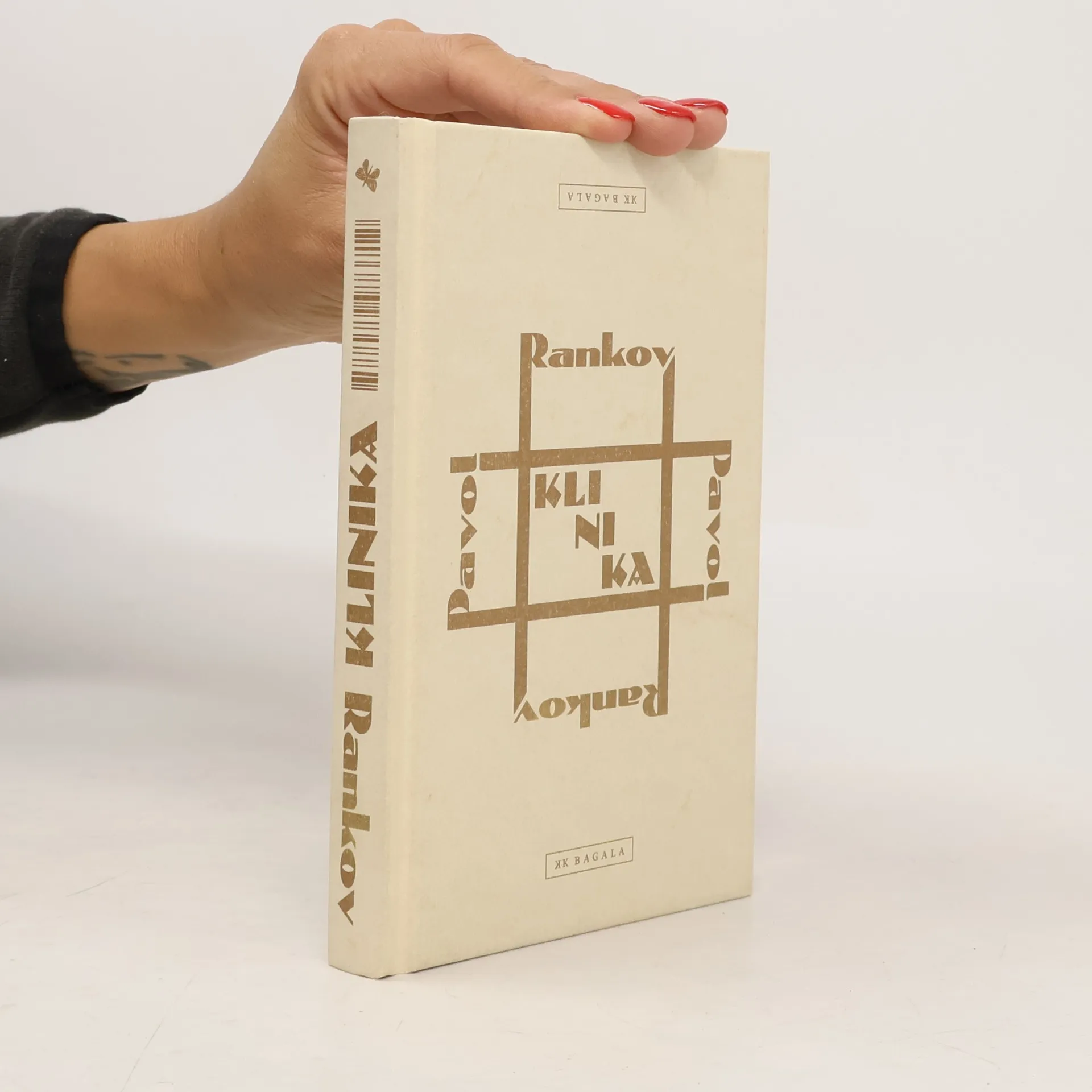
    • Klinika

      • 142 pages
      • 5 hours of reading

      Až aké komplikácie a zúfalstvo doženú človeka k posadnutosti dostať sa silou-mocou na vyšetrenie k profesorovi na Klinike.

      Klinika
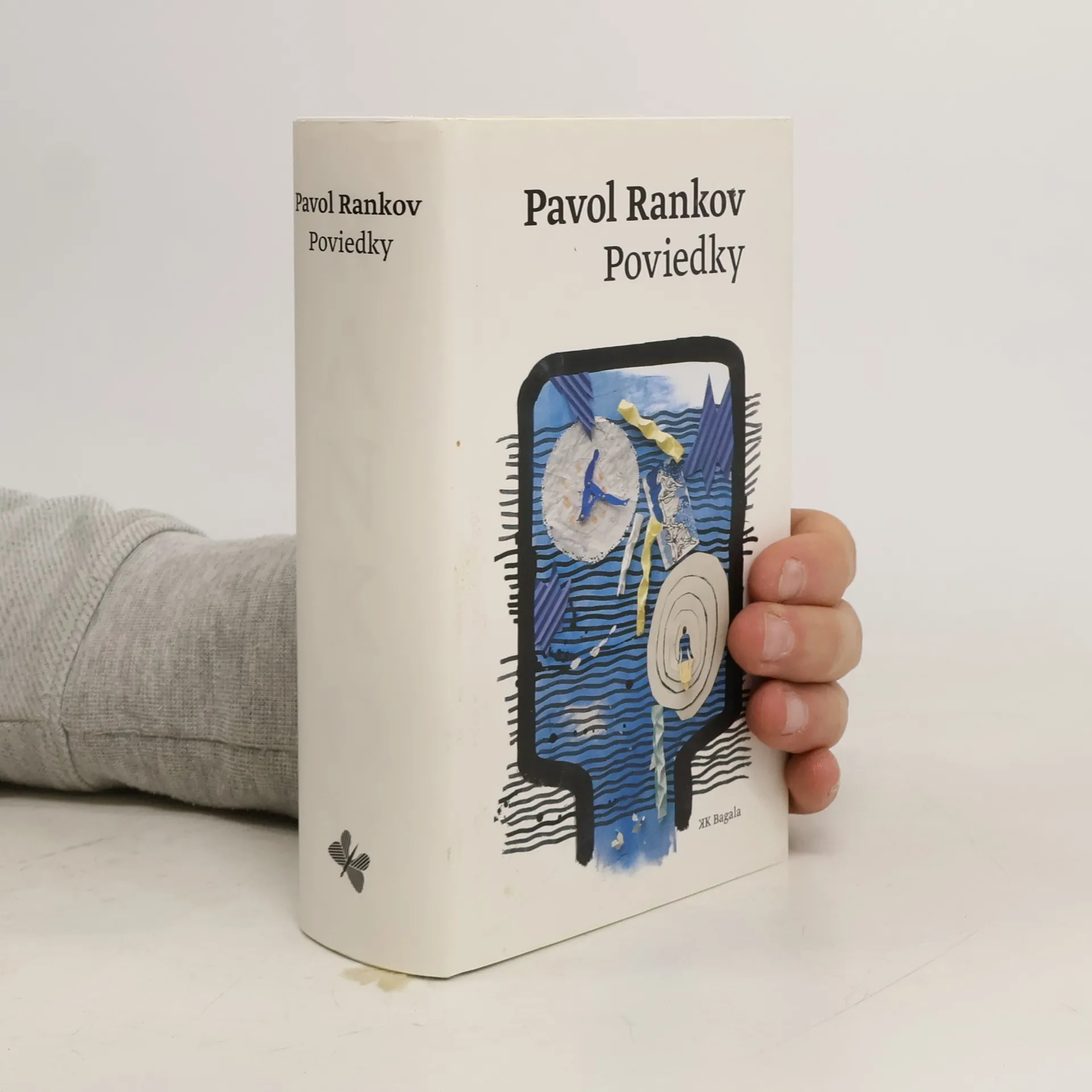
    • Poviedky z doterajšej tvorby Pavla Rankova, laureáta Ceny Ivana Kraska, Premio Letterario Internazionale Jean Monnet a Ceny Európskej únie za literatúru vychádzajú v súbornom vydaní s doslovom Tomáša Horvátha „poetika pointy“

      Poviedky
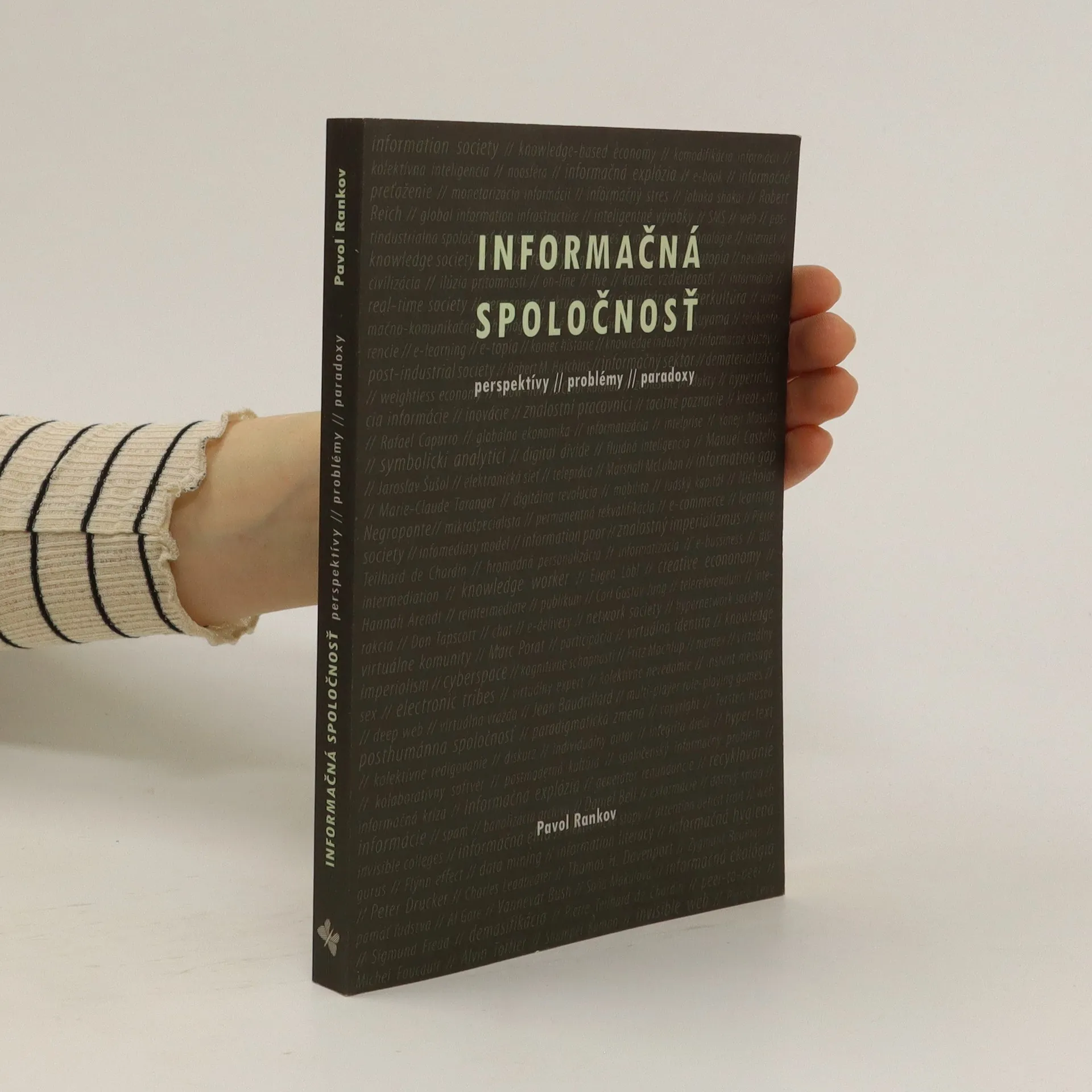
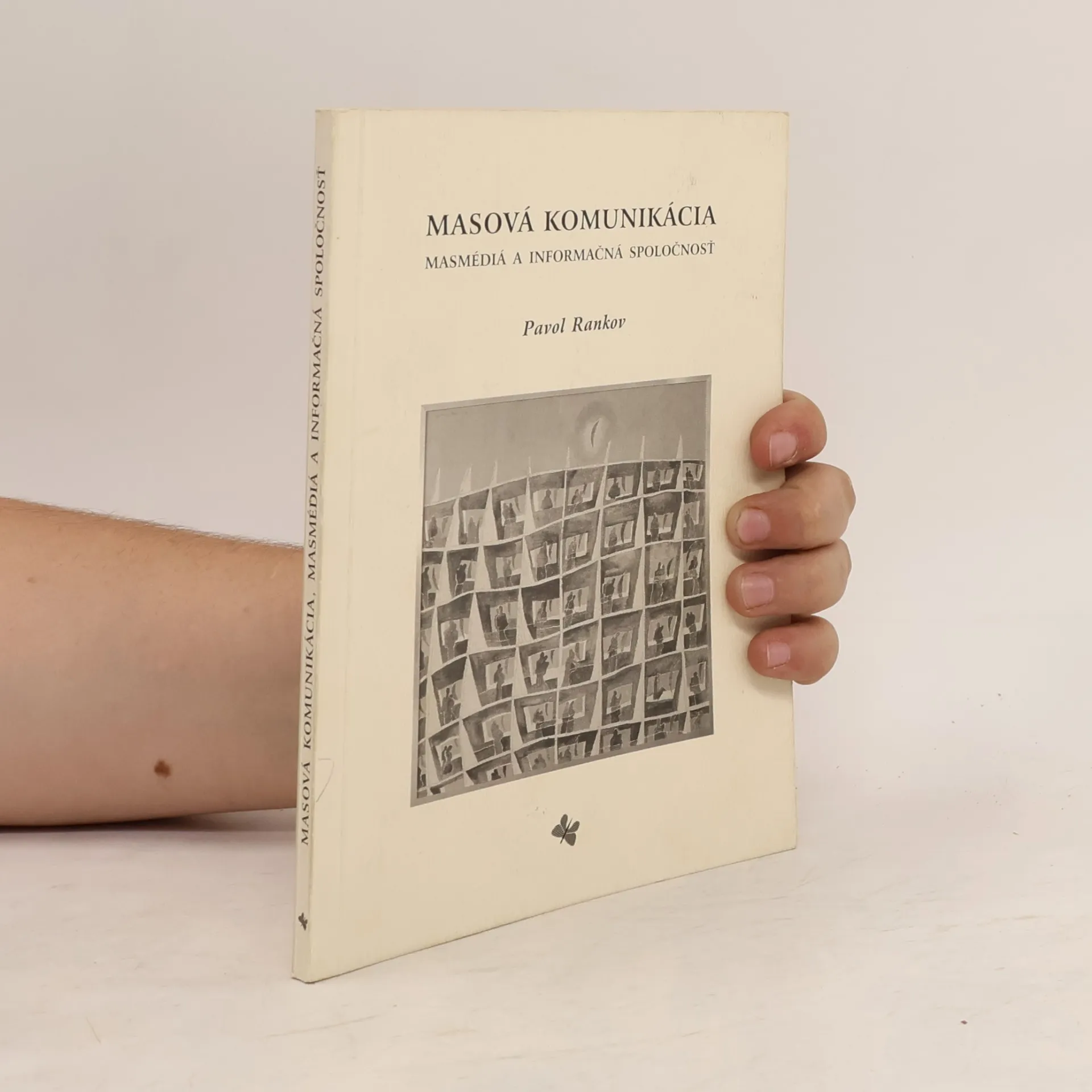
    • Informačná spoločnosť sa stala zaklínadlom, ktoré dnes používajú na označenie stupňa svojho rozvoja všetky vyspelé krajiny sveta. O informačnej spoločnosti hovoria politici, ekonómovia, pedagógovia aj filozofi (hoci tí "najprogresívnejší" už radšej používajú pojem znalostná spoločnosť). PhDr. Pavol Rankov, PhD. sa vo svojej knihe snaží ísť za zjednodušujúce stereotypy prevládajúce v publicistickom a masmediálnom spracovaní fenoménu informačnej spoločnosti. Hľadá širšie súvislosti a zmysel javov, ktoré so sebou komunikácia prostredníctvom moderných informačných a komunikačných technológií prináša a poukazuje na reálne i možné problémy a uvažuje o perspektívach.

      Informačná spoločnosť - perspektívy, problémy, paradoxy