

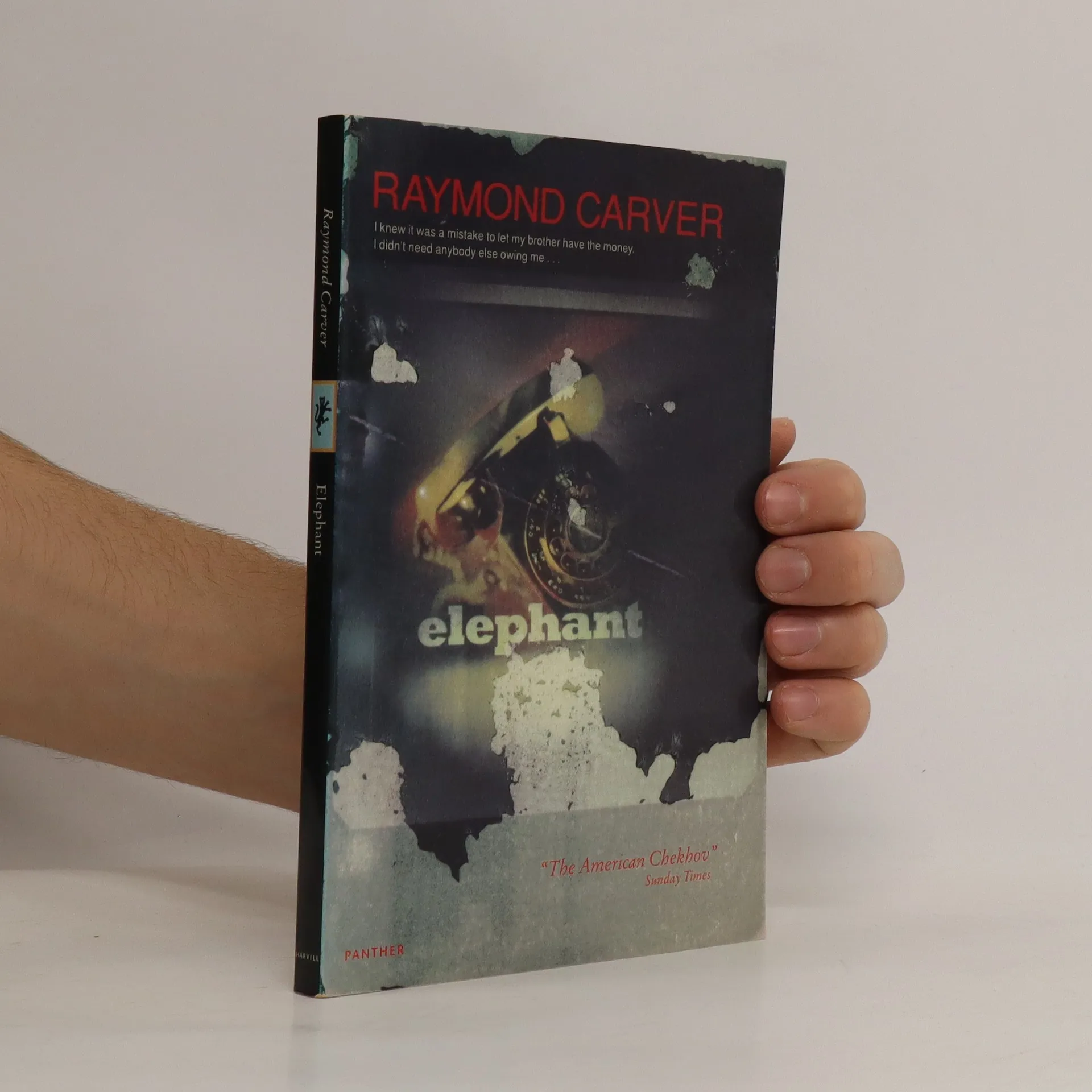
The last collection of stories written by Raymond Carver before his death.
Hanna Pustuła-Lewicka Books

A War Made in Russia
- 192 pages
- 7 hours of reading
In this timely and incisive book, Sergei Medvedev argues that Russia's war in Ukraine was not merely a whim of Putin's obsession: rather, it was the result of two decades of authoritarian degradation and post-imperial ressentiment, a culmination of Putin's regime and of Russia's entire imperial history. Building on his prize-winning book The Return of the Russian Leviathan, Medvedev argues that It was not only Putin that started this war, but Russia itself, which, by and large, has imagined and embraced the war with enthusiasm, seeking to relive its own military glory and colonial past. Medvedev examines the ways in which three building blocks of Russia's identity - the cult of violence, the cult of memory and the cult of war - have combined to produce this war, a war which has come to represent a national idea that Russia has been seeking to realize since the demise of the Soviet Union. He shows that the brutal way this war is fought is not an excess but the norm, a true embodiment of Russia as it is, with its rule of violence, terror and disregard for human life and dignity.
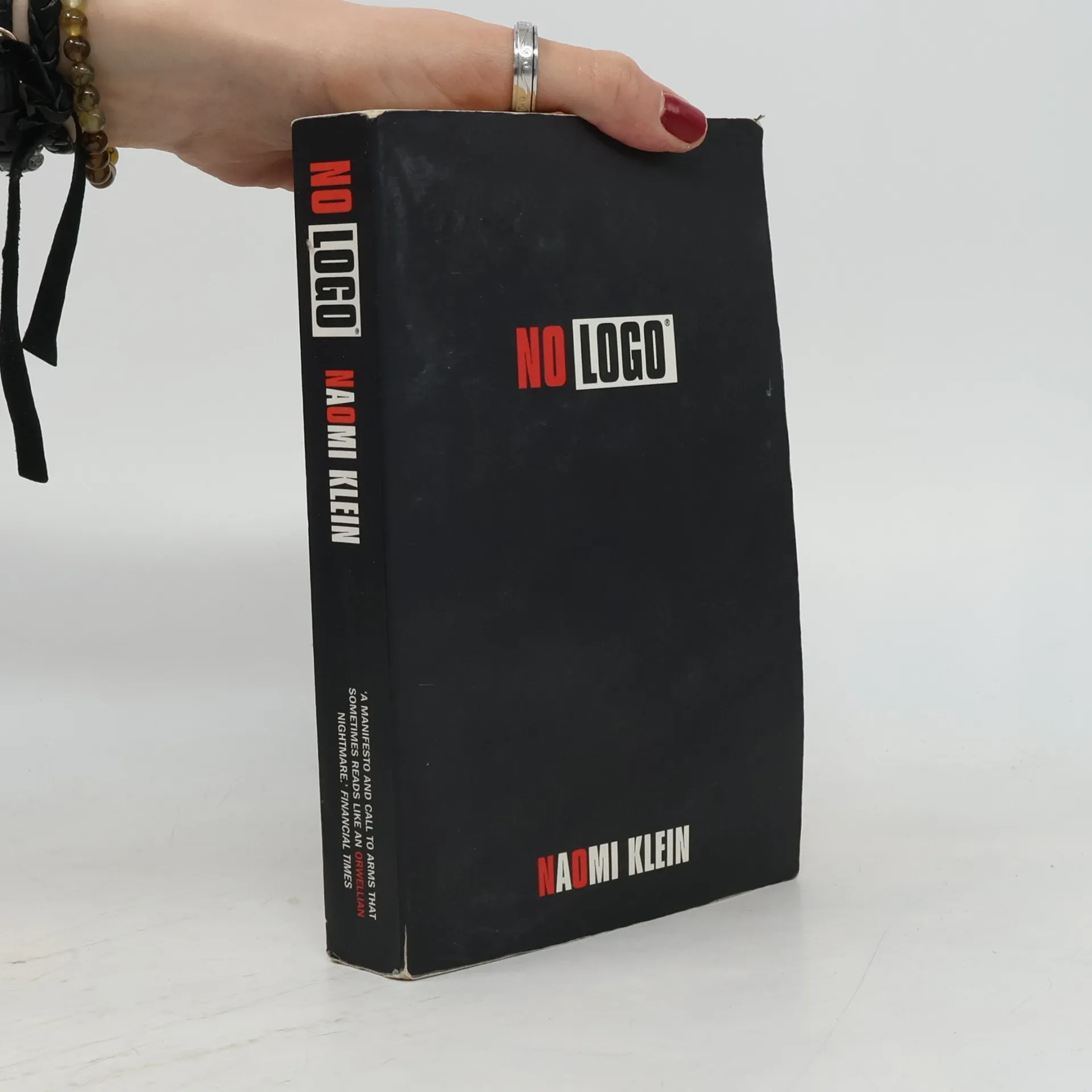
No logo: No space, no choice, no jobs
- 400 pages
- 14 hours of reading
The book that offers a cure for affluenza, 'No Logo' is one of those rare books that defines a generation, the most significant one since Douglas Coupland's 'Generation X'. By the time you're twenty-one, you'll have seen or heard a million advertisements. But you won't be happier for it. This is a book about that much-maligned, much-misunderstood generation coming up behind the slackers, who are being intelligent and active about the world in which they find themselves. It is a world in which all that is 'alternative' is sold, where any innovation or subversion is immediately adopted by un-radical, faceless corporations. But, gradually, tentatively, a new generation is beginning to fight consumerism with its own best weapons; and it is the first skirmishes in this war that this abrasively intelligent book documents brilliantly.