I grandi libri: Ferragus
- 176 pages
- 7 hours of reading



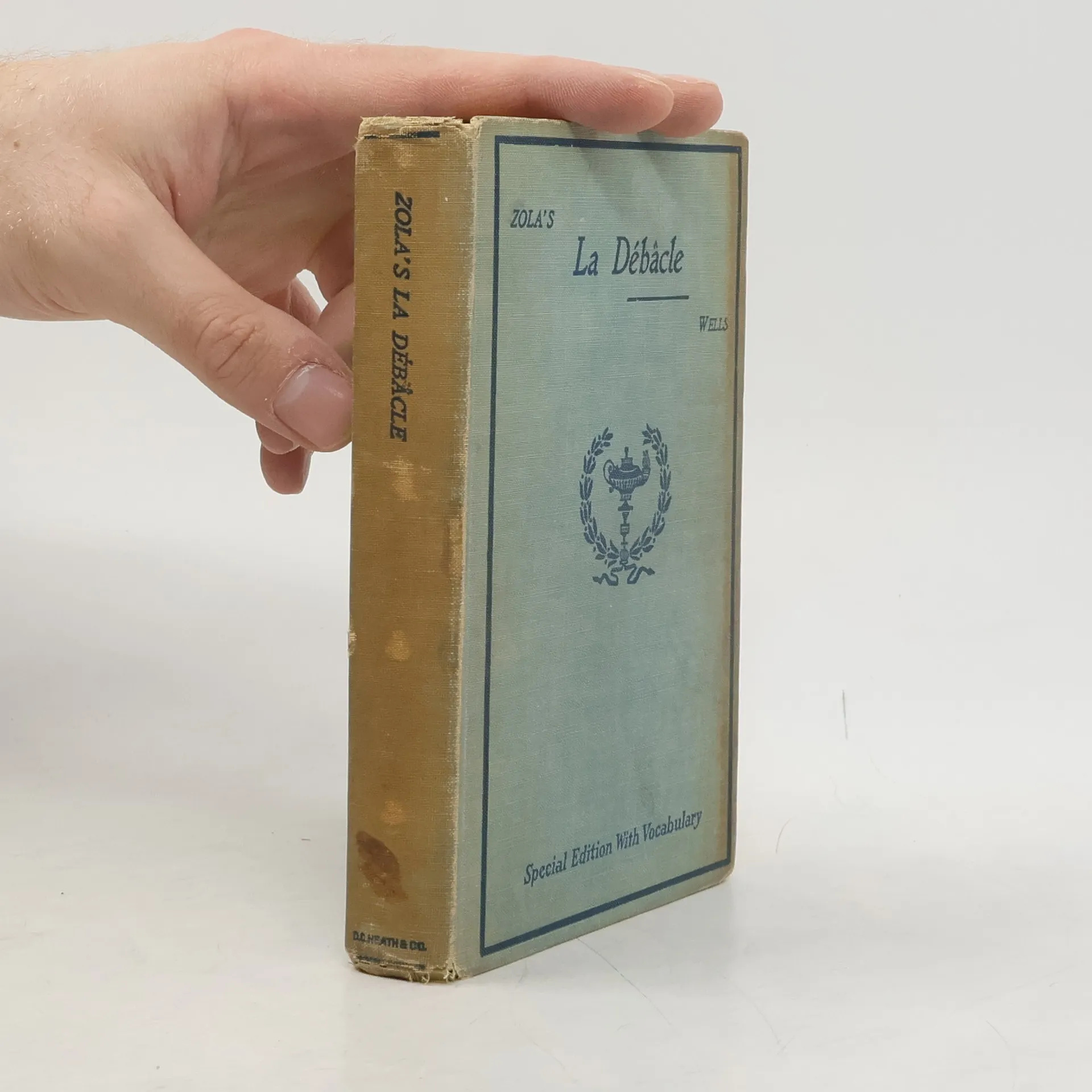

Émile Zola is regarded as one of the most significant French novelists of the 19th century and a founder of Naturalism. He initially published loosely connected novels and worked as a journalist before conceptualizing most of his works as part of a cycle that illuminates the social and political realities of his time. The twenty novels in this series narrate the family saga of the Rougons and Macquarts, addressing the conflict between the bourgeoisie and the working class. Zola, a moderate leftist, aimed to enrich conservative French literature with progressive elements. The novels are arranged in chronological order and tackle central societal issues. The cycle includes titles such as "The Fortune of the Rougons," "Nana," "Germinal," and "Doctor Pascal," each depicting various aspects of life under the Second Empire. Zola's work is considered crucial for understanding the social structures and conflicts of his era and has left a lasting impact on literature.
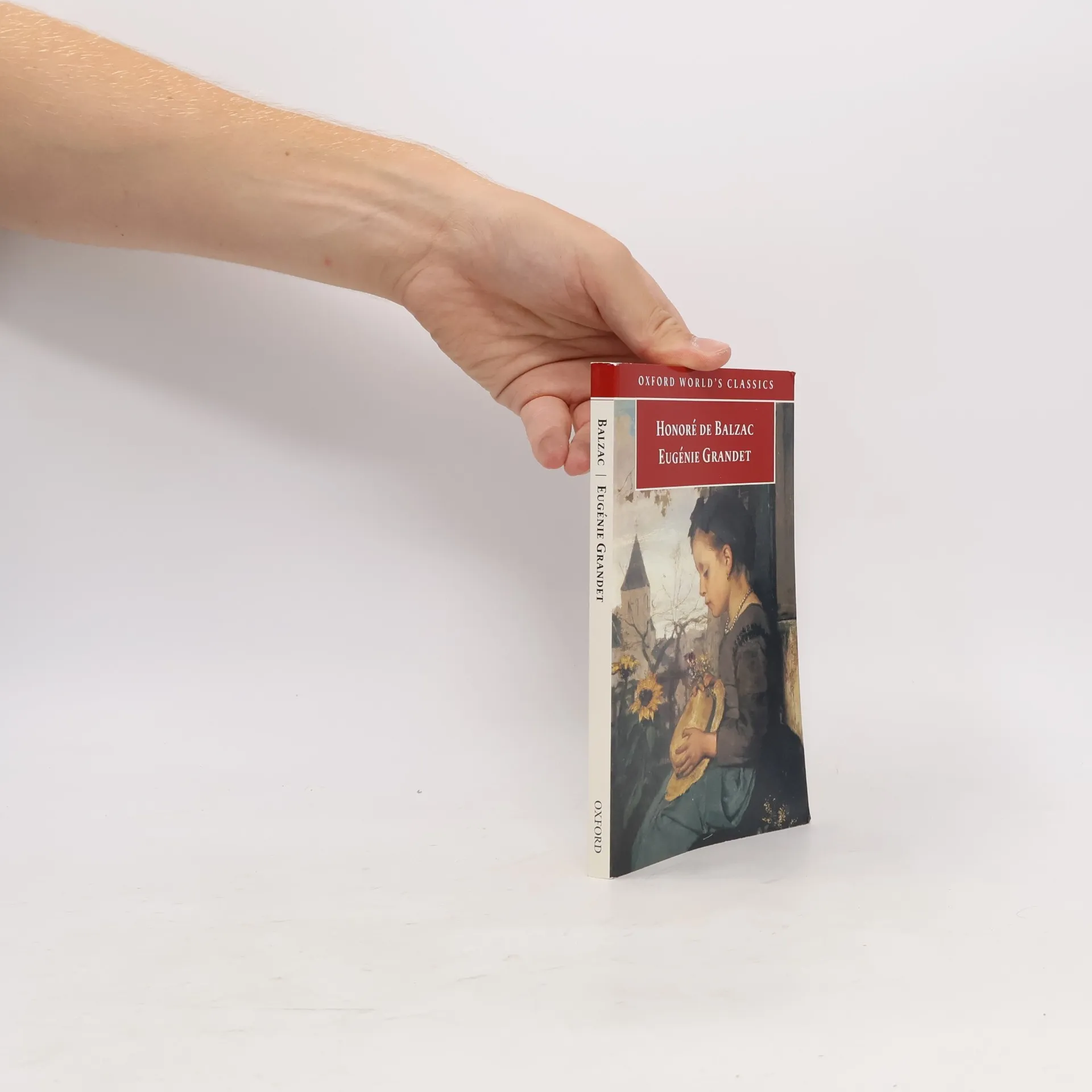
"Who is going to marry Eugenie Grandet?" This is the question that fills the minds of the inhabitants of Saumur, the setting for Eugenie Grandet (1833), one of the earliest and most famous novels in Balzac's Comedie humaine. The Grandet household, oppressed by the exacting miserliness of Grandet himself, is jerked violently out of routine by the sudden arrival of Eugenie's cousin Charles, recently orphaned and penniless. Eugenie's emotional awakening, stimulated by her love for her cousin, brings her into direct conflict with her father, whose cunning and financial success are matched against her determination to rebel. Eugenie's moving story is set against the backdrop of provincial oppression, the vicissitudes of the wine trade, and the workings of the financial system in the aftermath of the French Revolution. It is both a poignant portrayal of private life and a vigorous fictional document of its age.
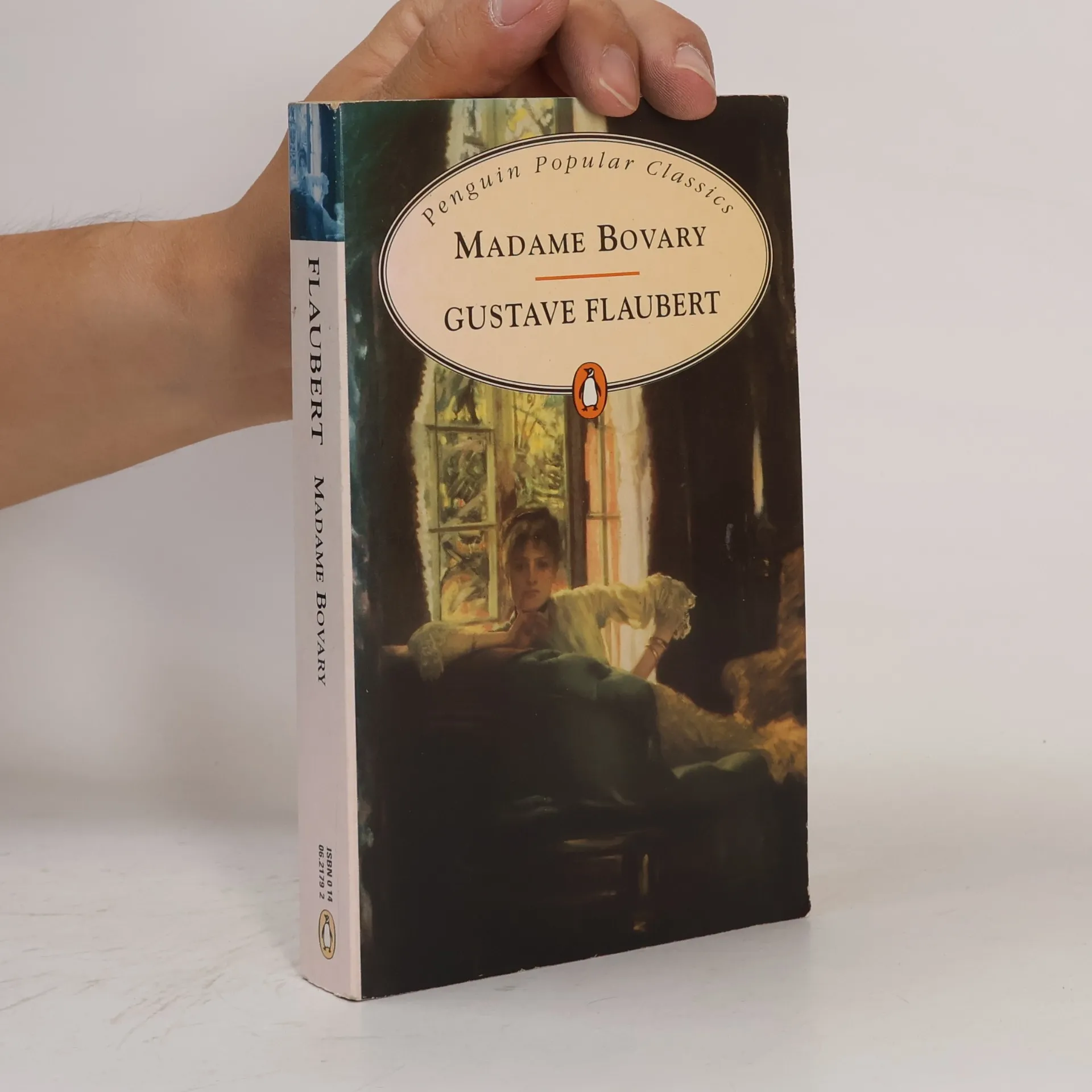
Gustave Flaubert's novel is a landmark of the nineteenth century, known for its influence and controversy. In this Penguin Classics edition, translated by Geoffrey Wall and featuring a preface by Michele Roberts, we meet Emma Bovary, a beautiful yet discontented woman trapped in a mundane marriage to a mediocre doctor. Longing for excitement, she immerses herself in sentimental novels and seeks escape through extravagant spending and affairs. However, her pursuits lead to disappointment and tragic consequences. Upon its publication in 1857, Flaubert's candid exploration of Emma's desires sparked moral outrage, with many women claiming to be reflections of her character. Flaubert famously stated, "Madame Bovary, c'est moi," asserting a personal connection to his creation. Born in Rouen in 1821, Flaubert turned to writing after an illness disrupted his law career. Although the novel garnered immediate acclaim, its frank depiction of adultery led to a trial for immorality, from which he narrowly escaped conviction. Despite limited success during his lifetime, Flaubert's reputation grew posthumously. If you appreciated this work, you may also enjoy Stendhal's The Red and the Black, available in Penguin Classics. A.S. Byatt praised it as "enchanting and terrible," while Kate Summerscale noted its innovative style.
Storia e funzioni di una macchina culturale dal '500 a oggi - nuova edizione