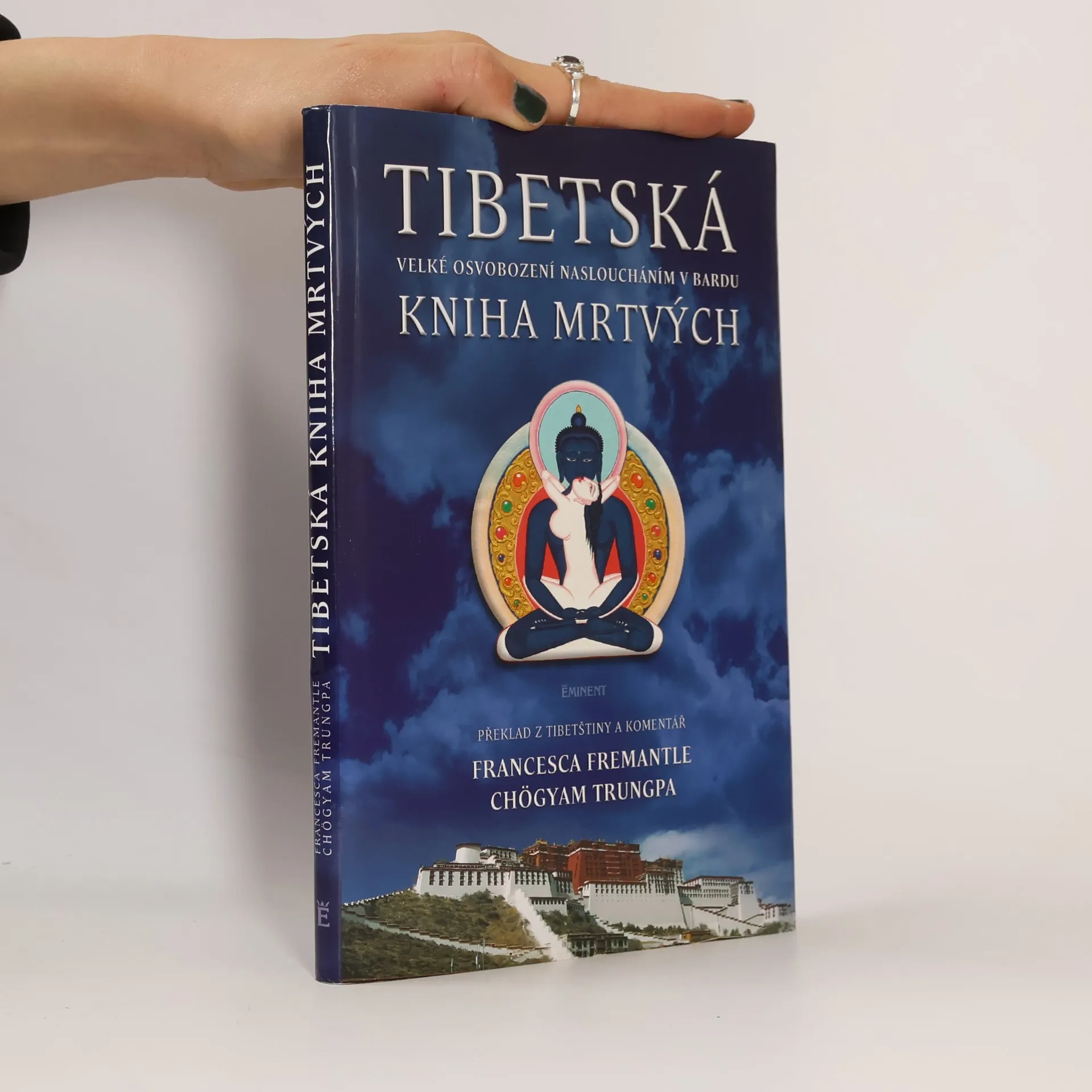
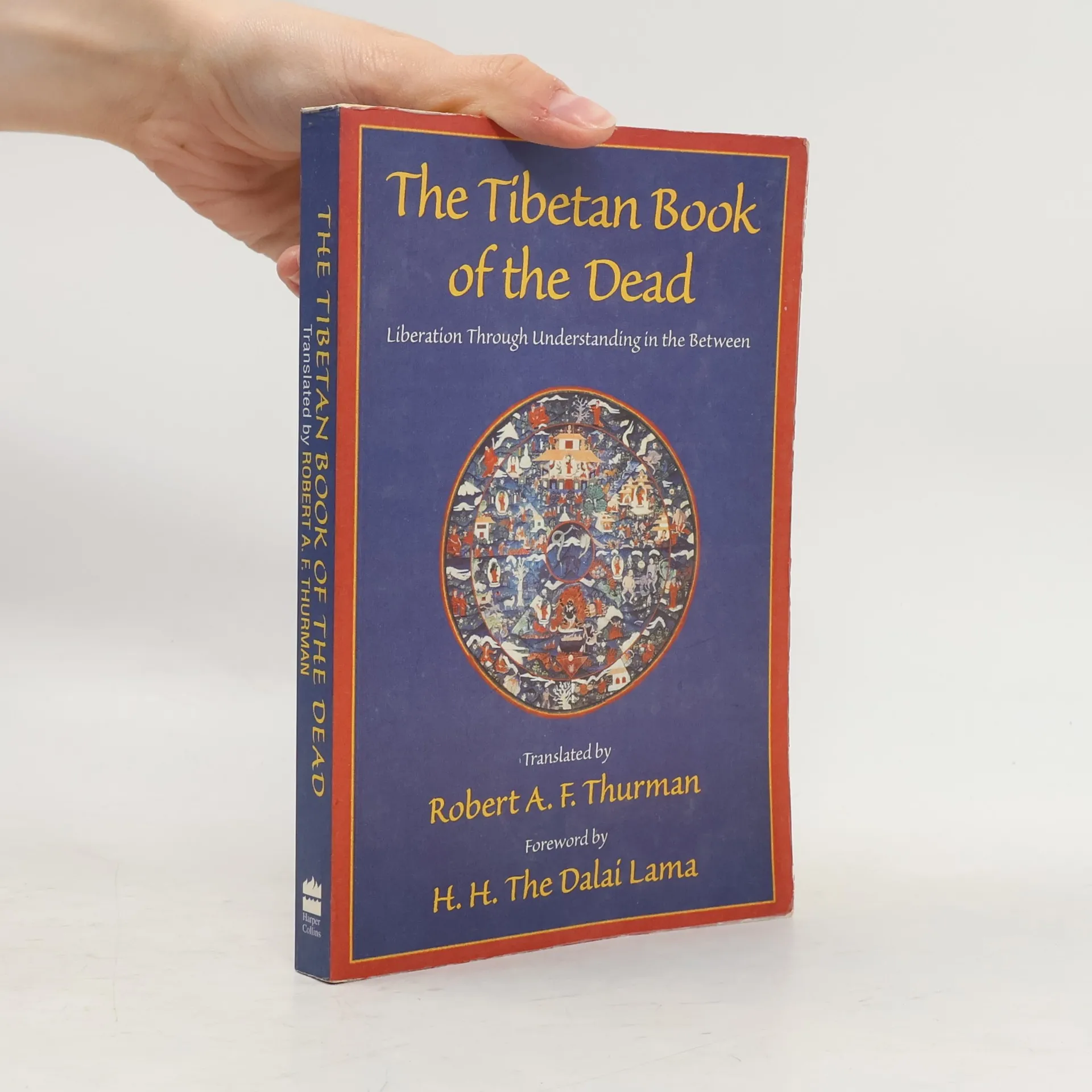
This translation of The Tibetan Book of the Dead has captured the true spirit and poetry of the original work. With a historical and philosophical introduction, accessible commentary, notes and a glossary of key terms it is the essential book of Tibetan philosophical thought, read by all who are interested in Buddhism. In more recent times, it has also been used by spiritually minded people to understand better the experience of death and dying and to help them cope with the loss of people they love.
Bardo thödol je jedním z návodů na šest druhů osvobození: nasloucháním, nošením, nazíráním, rozpomínáním, ochutnáváním a dotýkáním. Tyto návody spolu se sádhanou dvou mandal pokojných a hněvivých božstev sestavil Padmasambhava a jeho žena Ješe Cchogjal je zapsala. Texty byly zakopány v hoře Gompodar v Tibetu, kde později Gampopa založil svůj klášter. Mnoho dalších textů a posvátných předmětů, známých jako termy, bylo ukryto na různých místech. Padmasambhava předal duchovní sílu k jejich objevení svým pětadvaceti hlavním žákům. Texty Bardo Thedolu později nalezl Karmalingpa, inkarnace jednoho z těchto žáků. Osvobození znamená, že kdokoli se setká s tímto učením, zažije náhlý záblesk osvícení skrze sílu duchovní tradice. Karmalingpa, patřící k tradici Ňingma, předal učení o šesti způsobech osvobození třináctému Karmapovi, který je dále předal Gjurme-Tenphelmu. Toto učení se šířilo v klášterech v Surmangu a zpět do tradice Ňingma. Studenti praktikuji sádhanu a studují texty, aby poznali obě mandaly. Chögyam Trungpa Rinpoče obdržel učení v osmi letech a pravidelně navštěvoval umírající, což se považuje za důležité pro studující této tradice. Tato kniha se snaží přiblížit toto učení západním studentům.