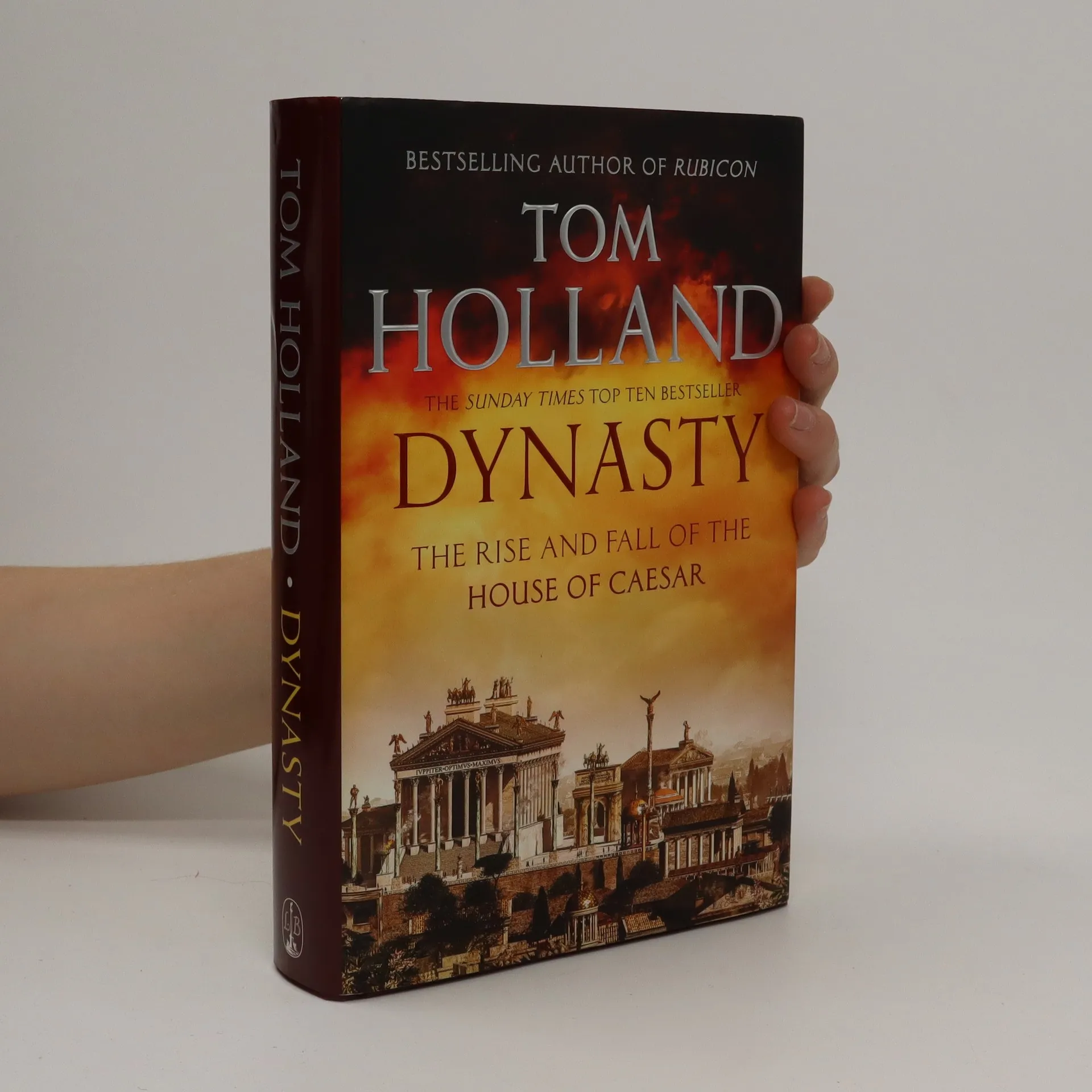
A masterful history of Rome's first imperial dynasty by the award-winning author of Rubicon, Persian Fire and In the Shadow of the Sword.
Boukje Verheij Book order (chronological)

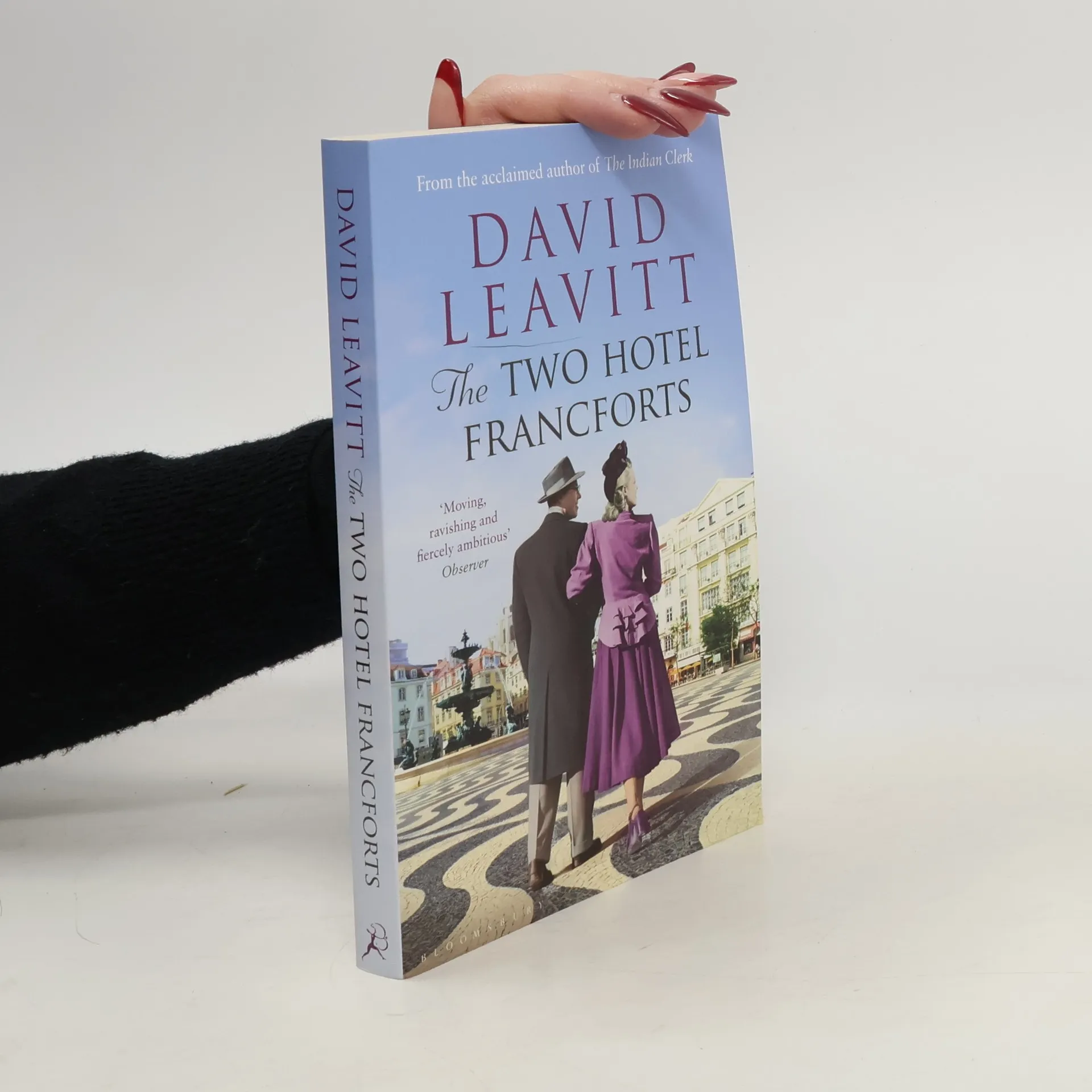
The Two Hotel Francforts. Späte Einsichten, englische Ausgabe
- 257 pages
- 9 hours of reading
Summer 1940, and Lisbon is one of the only neutral ports left in Europe. Awaiting safe passage to New York on the S.S. Manhattan, two couples meet: Pete and Julia Winters, expatriate Americans fleeing their sedate life in Paris; and Edward and Iris Freleng, elegant, independently wealthy, bohemian, and beset by the social and sexual anxieties of their class. Swept up in the tumult, the hidden currents of the lives of these four characters - Julia's status as a Jew, Pete and Edward's affair, Iris's increasingly desperate efforts to save her tenuous marriage - begin to come loose. This journey will change the four of them irrevocably, as Europe sinks into war.
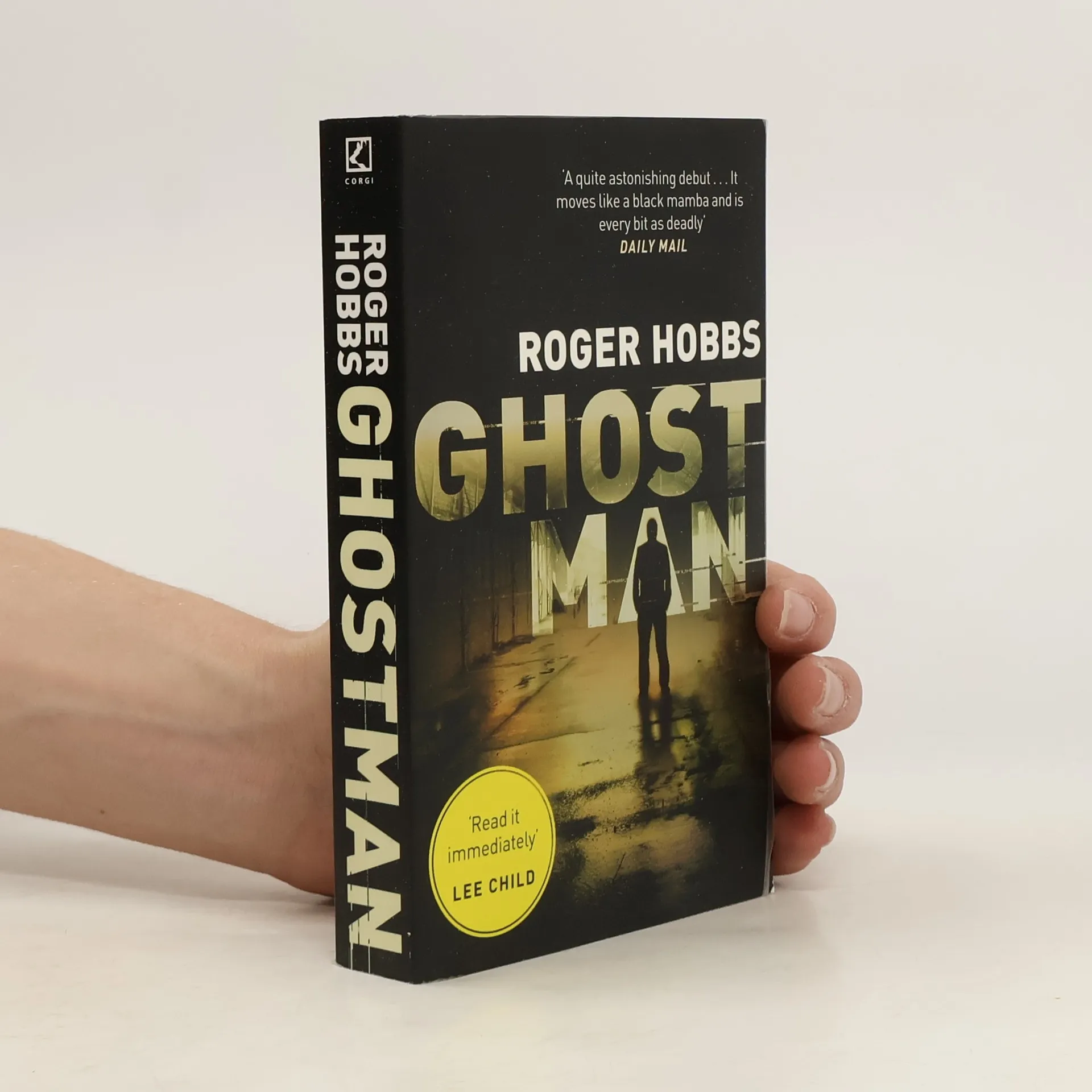
'Fast, hard and knowing: this is an amazing debut full of intrigue, tradecraft and suspense. Read it immediately!' Lee Child (author of the Jack Reacher novels) I make things disappear. It’s what I do. This time I’m tidying up the loose ends after a casino heist gone bad. The loose ends being a million cash. But I only have 48 hours, and there’s a guy out there who wants my head in a bag. He’ll have to find me first. They don’t call me the Ghostman for nothing...
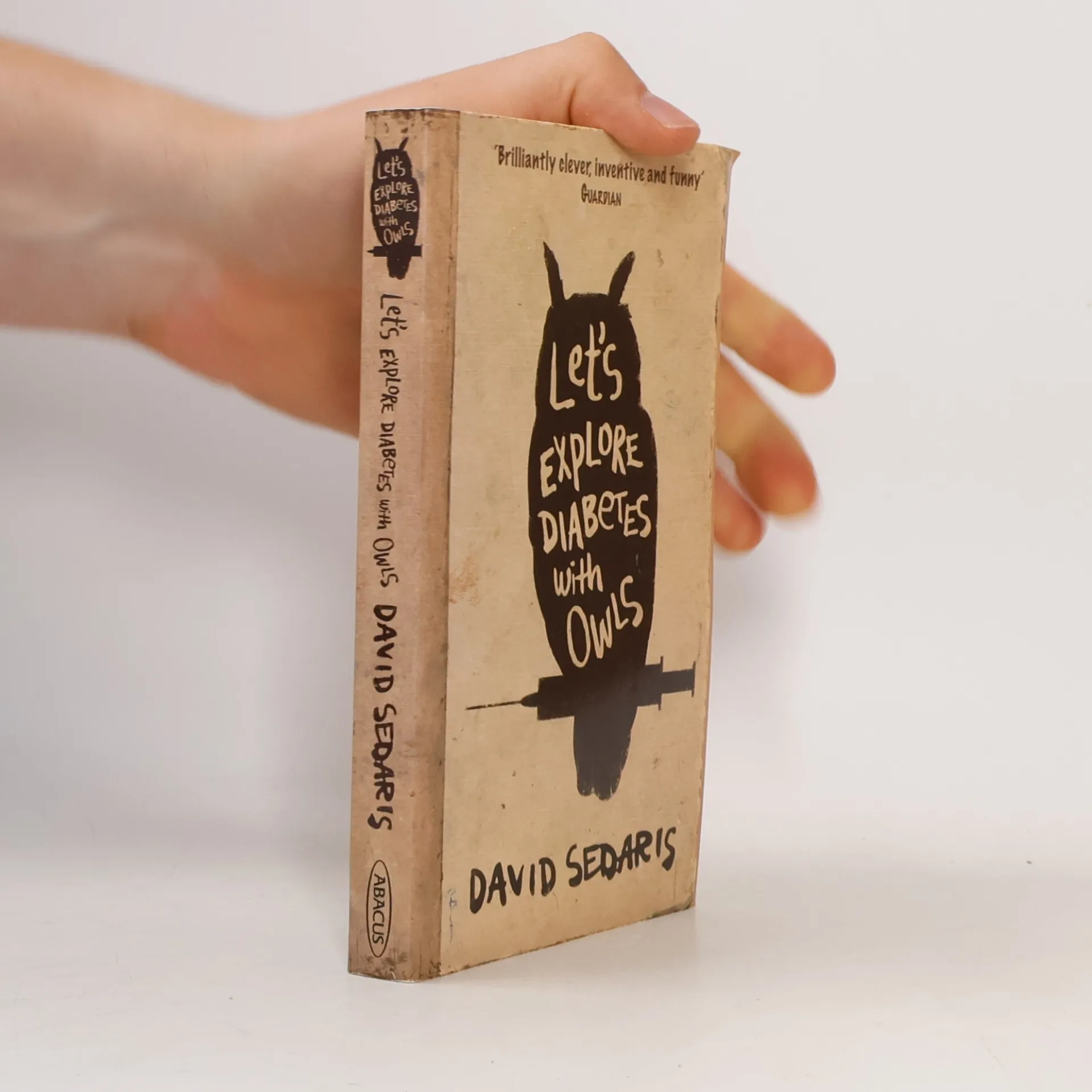
Let's Explore Diabetes with Owls
- 288 pages
- 11 hours of reading
A guy walks into a bar . . . From here the story could take many turns. A guy walks into a bar and meets the love of his life. A guy walks into a bar and finds no one else is there. When this guy is David Sedaris, the possibilities are endless. In Let's Explore Diabetes with Owls, Sedaris delights with twists of humour and intelligence, remembering his father's dinnertime attire (shirtsleeves and underpants) his first colonoscopy (remarkably pleasant) and the time he considered buying the skeleton of a murdered pygmy. By turns hilarious and moving, David Sedaris masterfully looks at life's absurdities as he takes us on adventures that are not to be forgotten.
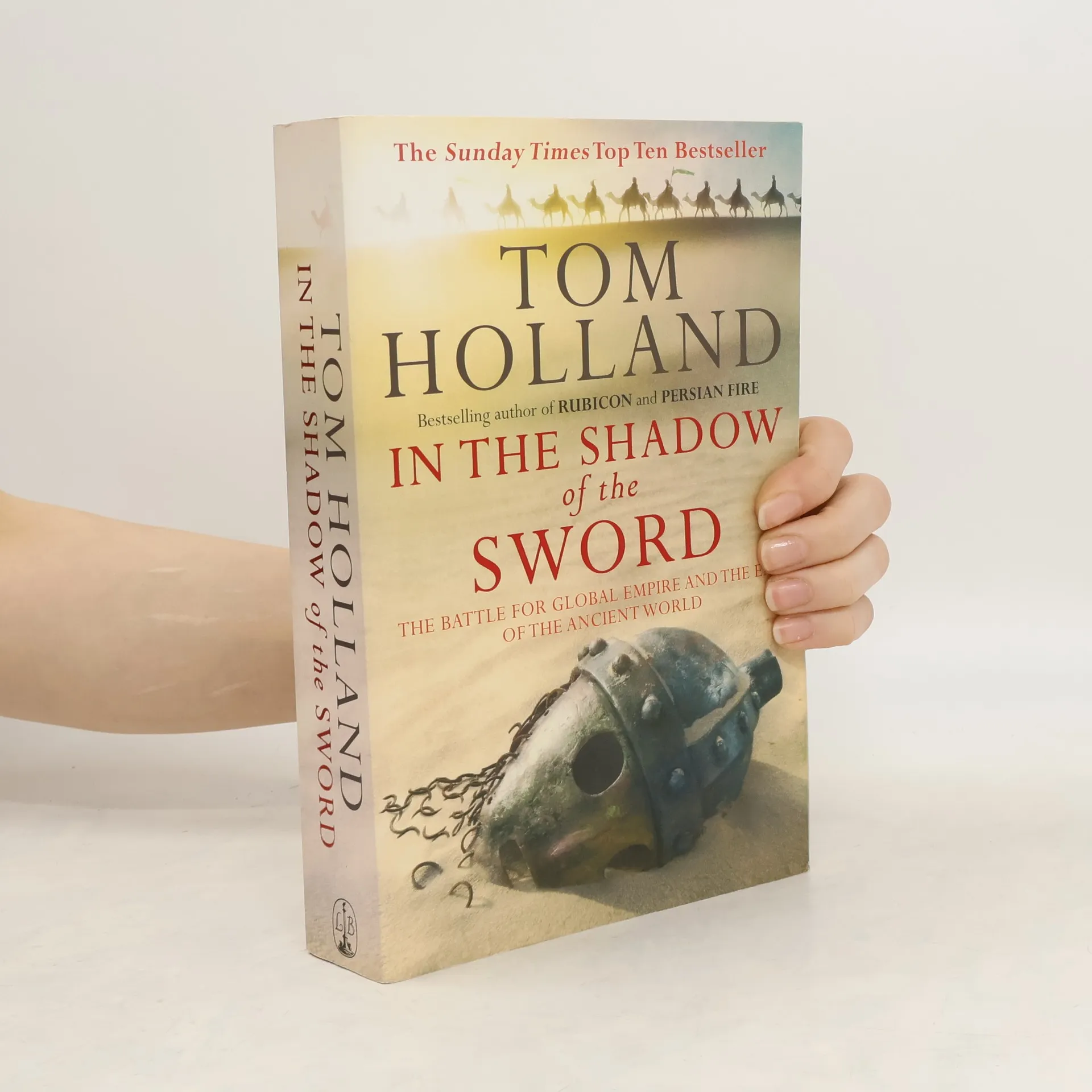
In the Shadow of the Sword
The Battle for Global Empire and the End of the Ancient World
No less than the collapse of the Roman Republic or the Persian invasion of Greece, the evolution of an Arab empire is one of the supreme narratives of ancient history; a story dazzlingly rich in drama, character and achievement. Just like the Romans, the Arabs came from nowhere to carve out a stupefyingly vast dominion - except that they achieved their conquests, not over the course of centuries, as the Romans did, but in a matter of decades. Just like the Greeks during the Persian wars, they overcame seemingly insuperable odds to emerge triumphant against the greatest empire of the day - not by standing on the defensive, however, but by hurling themselves against all who lay in their path. IN THE SHADOW OF THE SWORD effectively completes Tom Holland's trilogy describing the Ancient World. It represents an extraordinary achievement by the most exciting and readable young British historian working today
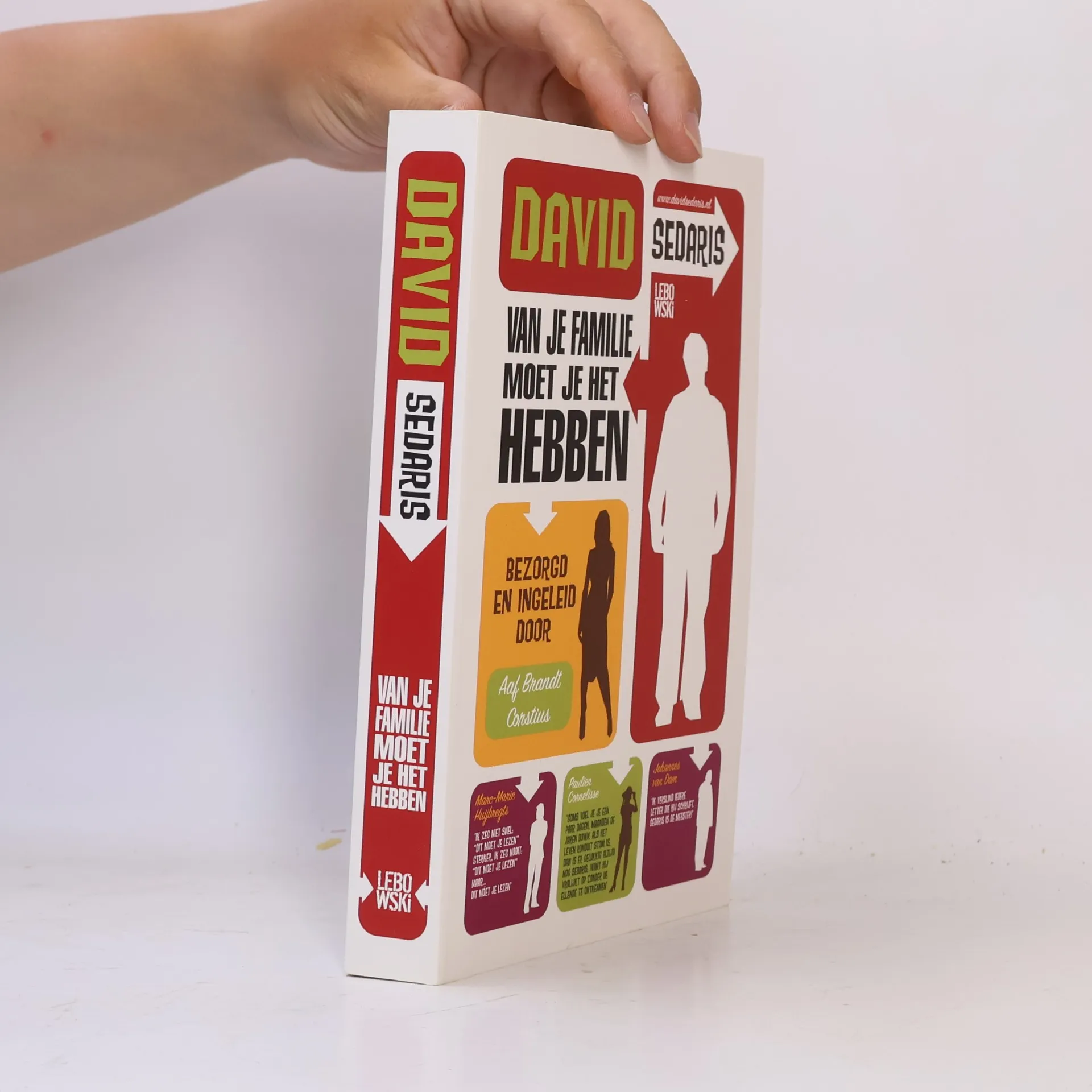
Van je familie moet je het hebben
- 307 pages
- 11 hours of reading
Keuze uit de verhalen van de Amerikaanse schrijver (1962- ).
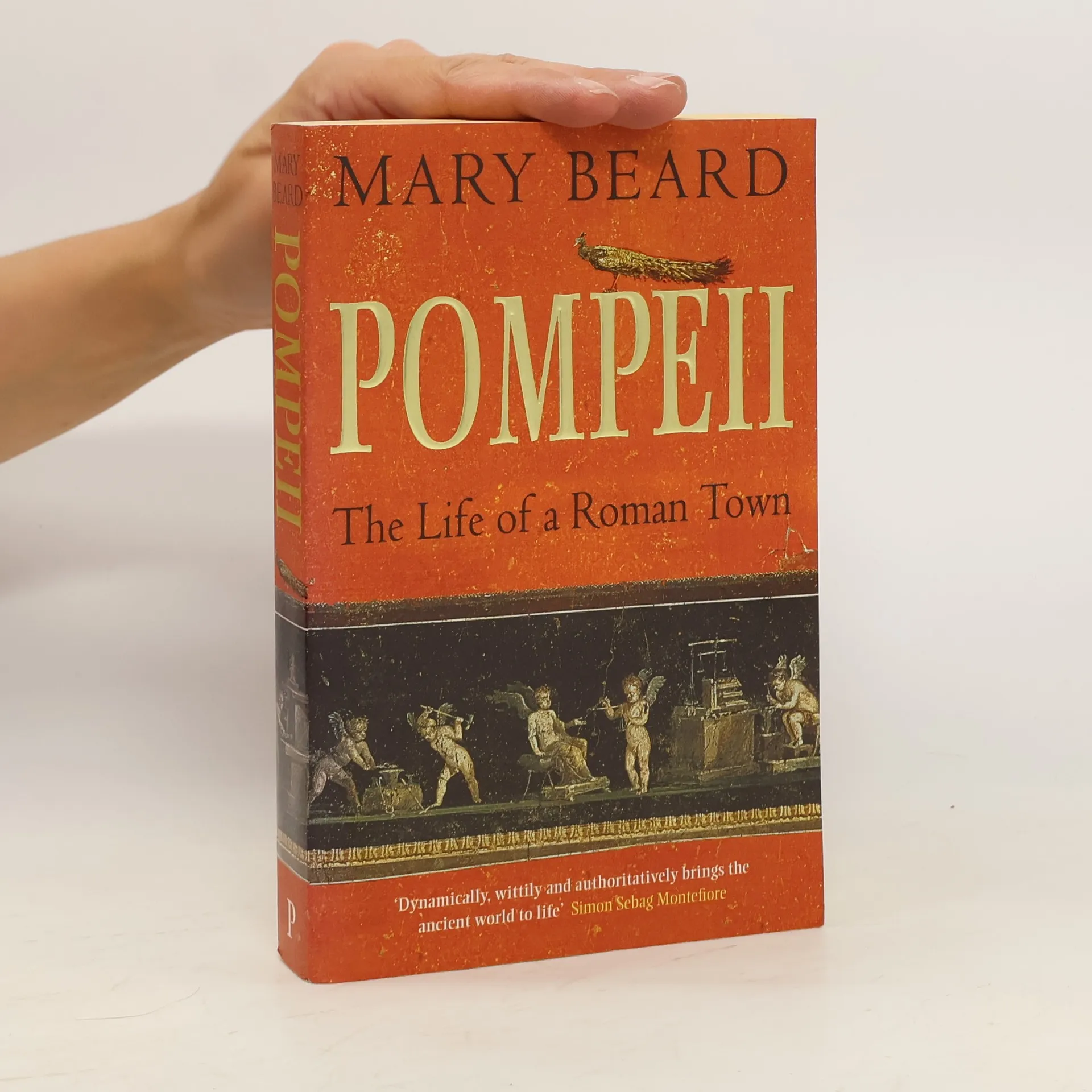
Pompeii explodes a number of myths - from the very date of the eruption, probably a few months later than usually thought; the hygiene of the baths which must have been hotbeds of germs; and the legendary number of brothels, most likely only one, to the massive death count which was probably less than ten per cent of the population.Street Life, Earning a Living: Baker, Banker and Garum Maker (who ran the city), The Pleasure of the Body: Food, Wine, Sex and Baths, these chapter headings give a surprising insight into the workings of a Roman town. At the Suburban Baths we go from communal bathing to hygiene to erotica. A fast-food joint on the Via dell' Abbondanza introduces food and drink and diets and street life. These are just a few of the strands that make up an extraordinary and involving portrait of an ancient town, its life and its continuing re-discovery, by Britain's leading classicist.
The Archimedes Codex
- 320 pages
- 12 hours of reading
Drawings and writings by Archimedes, previously thought to have been destroyed, have been uncovered beneath the pages of a 13th-century monk's prayer book. These hidden texts, slowly being retrieved and deciphered by scientists, show that Archimedes' thinking (2,200 years ago) was even ahead of Isaac Newton in the 17th century. Archimedes discovered the value of Pi, he developed the theory of specific gravity and made steps towards the development of calculus. Everything we know about him comes from three manuscripts, two of which have disappeared. The third, currently in the Walters Art Museum, is a palimpsest - the text has been scraped off, the book taken apart and its parchment re-used, in this case as a prayer book. William Noel, the project director, and Reviel Netz, a historian of ancient mathematics, tell the enthralling story of the survival of that prayer book from 1229 to the present, and examine the process of recovering the invaluable text underneath as well as investigating into why that text is so important