

Da più di trecento anni, cioè da quando le Mille e una notte, tradotte per la prima volta in Europa, esplosero alla corte del Re Sole come un fuoco di artificio di meraviglie, la più famosa raccolta di novelle di tutti i tempi alimenta il «mito d'Oriente». La bella Shahrazad che, notte per notte, allontana da sé la morte tenendo desta con i suoi racconti straordinari la curiosità di un sovrano misogino, è diventata il simbolo della femminilità che trionfa sulla ferocia, della fantasia che vendica l'amore. Avventure di principi e imprese di malandrini, amori e stregonerie, geni prigionieri di una lampada e burloni, califfi di Baghdad e facchini del Cairo, sono immersi nella medesima luce incantata. Non un autore, ma generazioni di narratori popolari, dall'India alla Persia, dall'Iraq all'Egitto, hanno originato questo impareggiabile repertorio della fantasia che non teme la prova del tempo.
Giorgio Brunacci Book order (chronological)
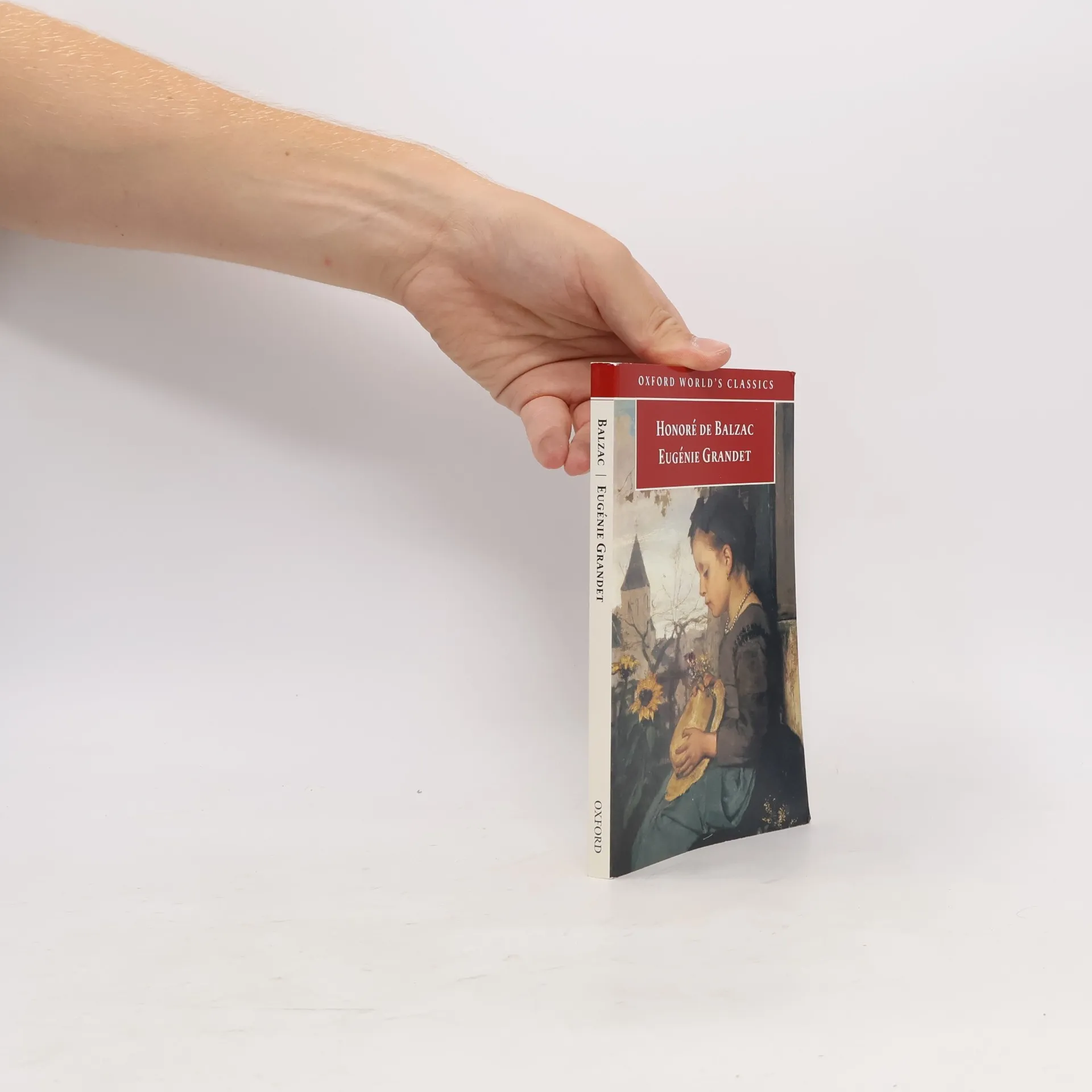

Oxford World's Classics: Eugénie Grandet
- 240 pages
- 9 hours of reading
"Who is going to marry Eugenie Grandet?" This is the question that fills the minds of the inhabitants of Saumur, the setting for Eugenie Grandet (1833), one of the earliest and most famous novels in Balzac's Comedie humaine. The Grandet household, oppressed by the exacting miserliness of Grandet himself, is jerked violently out of routine by the sudden arrival of Eugenie's cousin Charles, recently orphaned and penniless. Eugenie's emotional awakening, stimulated by her love for her cousin, brings her into direct conflict with her father, whose cunning and financial success are matched against her determination to rebel. Eugenie's moving story is set against the backdrop of provincial oppression, the vicissitudes of the wine trade, and the workings of the financial system in the aftermath of the French Revolution. It is both a poignant portrayal of private life and a vigorous fictional document of its age.