

Veteran journalist Peter Schrag argues that California’s role in the era of Donald Trump is twofold: to act as a leader in the resistance to the current administration, and to be held up as an alternative to the course being pursued in Washington. Given the Democratic Party’s stronghold on all statewide elected offices and legislature, it isn’t surprising that California has become a beacon of progressivism. But this is hardly an inevitability. California was almost where much of the GOP wants to take the nation today, leading the country in tax revolt, passage of the Three Strikes criminal sentencing law, and virtual prohibition of bilingual education in public schools. Schrag points to the state’s shifting demographics and the erosion of the Republican Party in the wake of Proposition 187 as two major reasons behind California’s shift to the left. It is particularly pertinent, then, that a state that formerly espoused these values now negotiates with other nations on climate control, asks its agents not to sweep courthouses in search of people to deport, and has approved major tax increases. California Fights Back gives proof that things can be better, and raises the possibility of this becoming the story of other states.
Peter Schrag Books
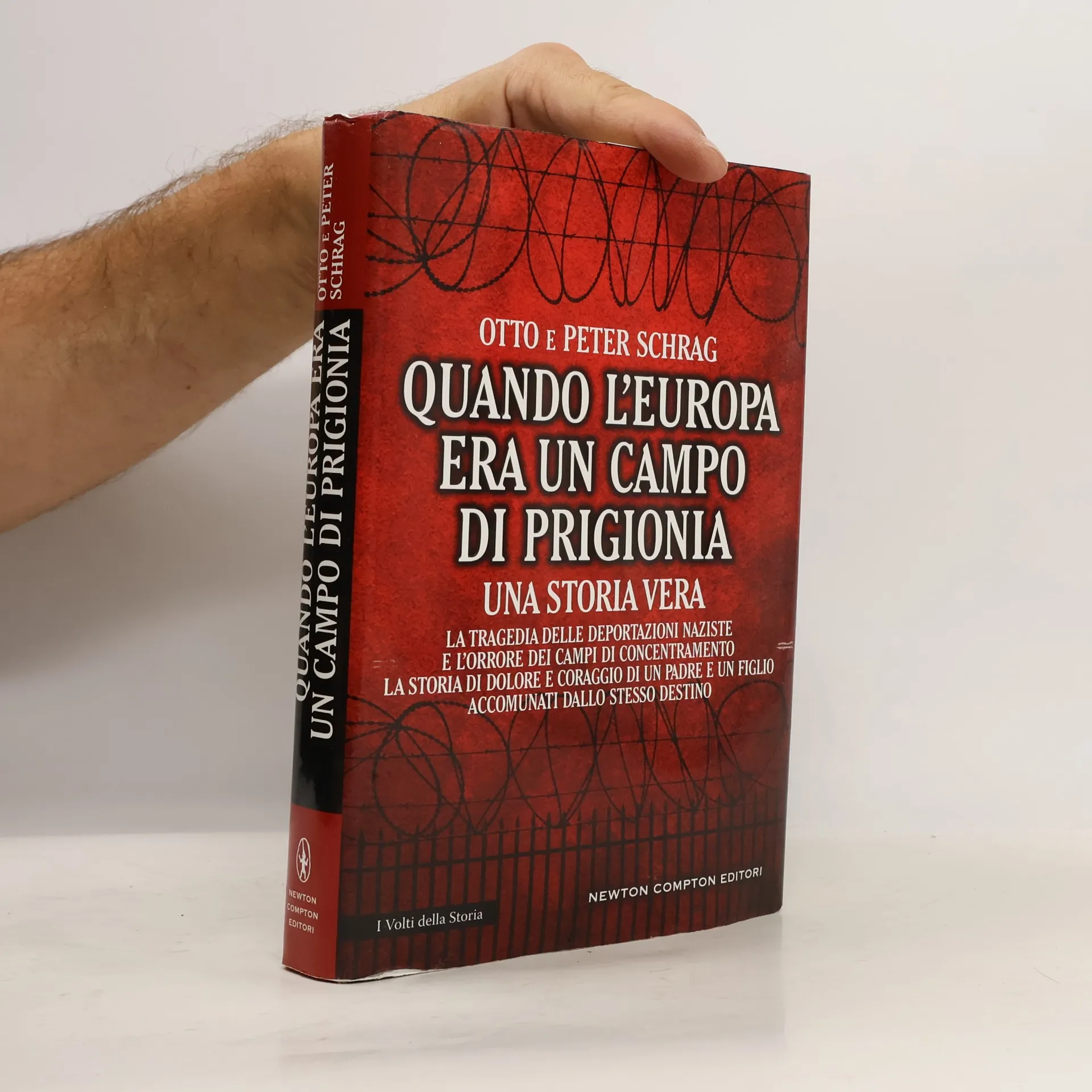

I volti della storia: Quando l'Europa era un campo di prigionia. La tragedia delle deportazioni naziste e l'orrore dei campi di concentramento
La storia di dolore e coraggio di un padre
- 311 pages
- 11 hours of reading
In an unusual but compelling approach to storytelling, When Europe Was a Prison Camp weaves together two accounts of a family’s eventual escape from Occupied Europe. One, a memoir written by the father in 1941; the other, begun by the son in the 1980s, fills in the story of himself and mother, supplemented by historical research. The result is both personal and provocative, involving as it does issues of history and memory, fiction and “truth,” courage and resignation. This is not a “Holocaust memoir.” The Schrags were Jews, and Otto was interned, under execrable conditions, in southern France. But Otto, with the help of a heroic wife, escaped the camp before the start of massive transfers of prisoners “to the East,” and Peter and his mother escaped from Belgium before the Jews were rounded up and sent to Auschwitz. Still, the danger and suffering, the comradeship and betrayal, the naïve hopes and cynical despair of those in prison and those in peril are everywhere in evidence.